How To Overwinter Pond Plants Through A Michigan Winter
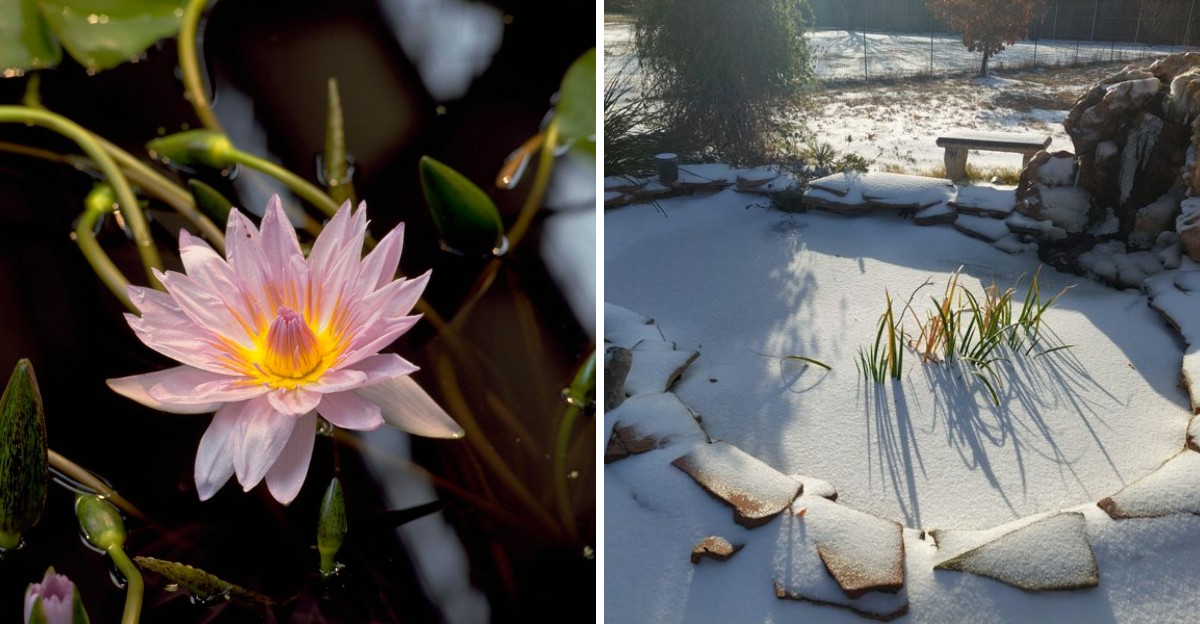
A hardy water lily can sit under a foot of Michigan ice all winter and still push up fresh pads in May. The secret isn’t toughness alone. It’s water depth, and just a few inches can make all the difference.
The physics behind it is fascinating. Water is densest at about 39 degrees Fahrenheit, so the bottom of a deep pond often stays above freezing while the surface turns to glass.
Before you toss every pot into the deep end, though, think twice. Some favorites come from the tropics, and cold water sends them into a quick decline.
I learned that the hard way when a gorgeous tropical lily turned to mush by Thanksgiving. Which of your plants can stay put, which need a ride indoors, and which should simply say goodbye?
1. Hardy Water Lilies Have A Cold Weather Trick Up Their Rhizomes
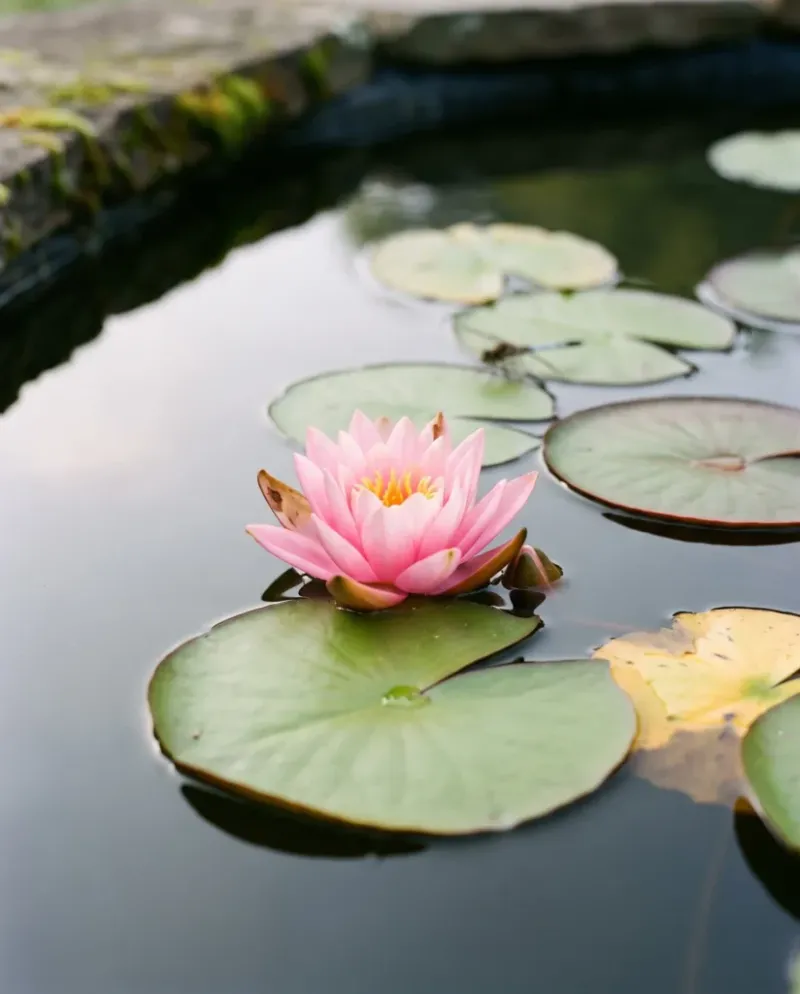
Those thick rhizomes hiding in your lily pots act like tiny pantries. They store starches all summer, then lean on that stash while the plant rests through the cold months.
Hardy lilies, lotus, pickerel rush, and marsh marigold can usually stay in the pond. The key rule is simple. Their roots need to sit below the point where ice forms.
Most pond pros suggest moving potted hardy plants to the deepest part of the pond in fall. Aim for at least 18 inches of water over the crown, and 24 inches or more is safer in colder areas.
Timing helps too. Wait until the leaves start yellowing after a few frosty nights, usually October in much of the Lower Peninsula and earlier up north.
Before you lower them, trim the old pads and stems back to a couple of inches above the crown. Rotting leaves add sludge you will need to clean out later.
Move pots gently, since a sudden drop can stir up muck and tip the soil. I like to rest them on the bottom slowly, using a rope handle tied around the pot.
One fun fact makes this whole process less nerve-racking. Some hardy lilies grow wild in northern lakes, where they ride out long, icy winters with no help from anyone.
Your backyard plants carry that same toughness. Give them depth and a little cleanup, and they handle the rest.
2. Why 39 Degrees At The Pond Bottom Matters So Much
Here is a bit of science that feels almost like magic. Water is heaviest at about 39 degrees Fahrenheit, so that slightly warmer water sinks and settles at the bottom.
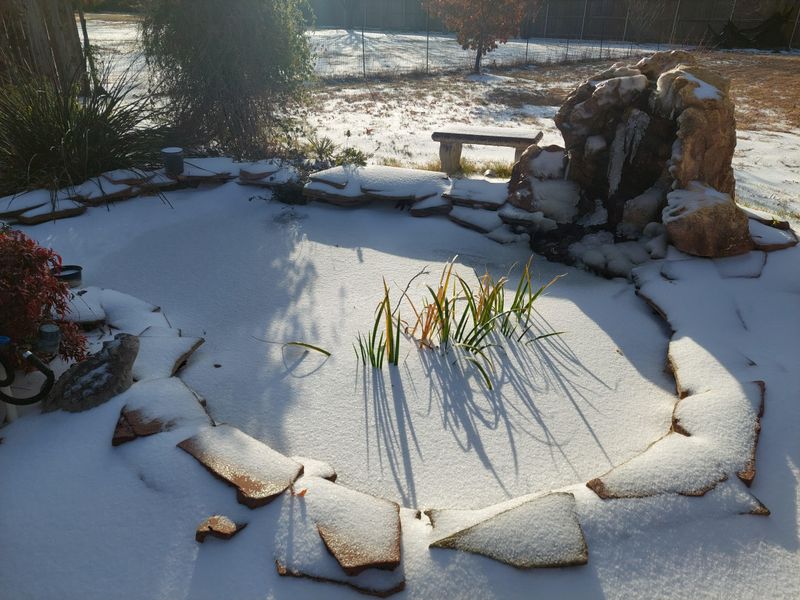
Colder water and ice float on top. In a pond deep enough, that layer of ice works like a lid, and the bottom stays above freezing all season.
That steady pocket is where dormant roots and rhizomes rest. They are not growing, but they stay alive and safe from the hard freeze above.
Shallow ponds are a different story. If your pond is under about 18 to 24 inches at its deepest point, the ice can reach the plants, especially during a long cold snap.
Michigan stretches from roughly USDA zone 4a in parts of the Upper Peninsula to 6b near some southern cities. A pond in Marquette faces a much tougher winter than one in Detroit.
Grab a yardstick and measure your deepest spot this fall. It takes two minutes and tells you a lot.
If the number is low, no worries. Hardy pots can spend winter in a cool, dark garage or basement instead. Keep the soil slightly moist so the roots do not dry out.
Cover the pots loosely with damp burlap or a plastic bag with a few holes. Check them every few weeks and add water when the soil feels dry.
3. Tropical Water Lilies Need A Ticket Indoors Before Frost
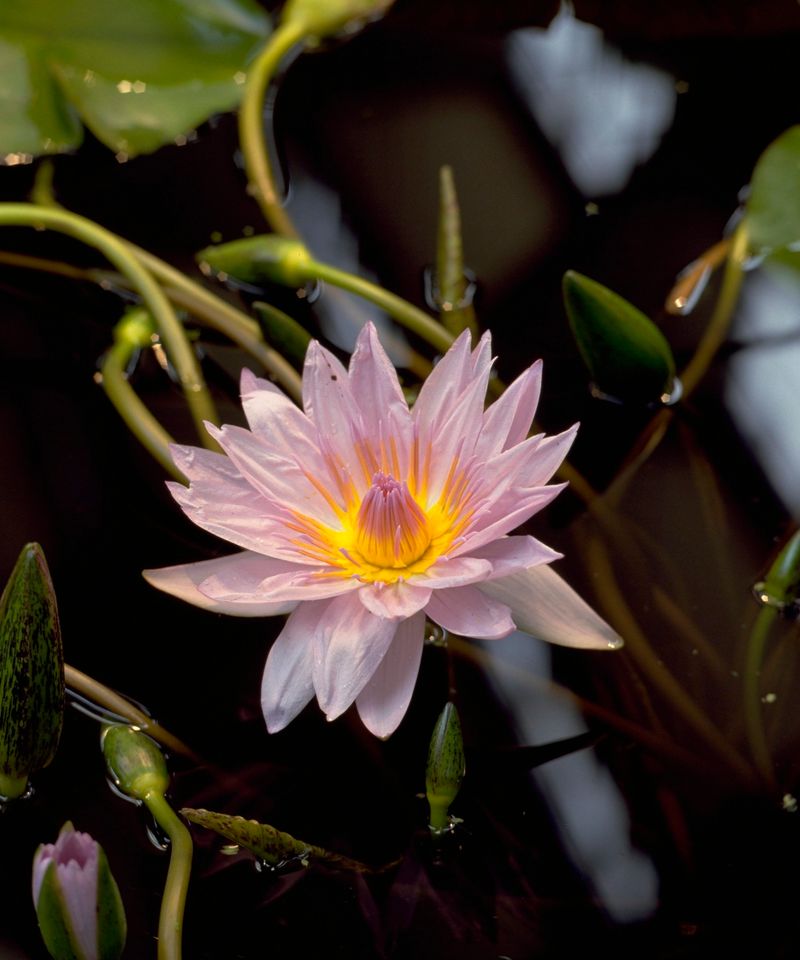
My first tropical lily bloomed in a stunning shade of purple, held high above the water. By late October, it looked like wet lettuce. Lesson learned.
Tropical lilies, along with papyrus, taro, and many elephant ears, struggle once water temperatures slip below about 50 degrees. In Michigan, that can happen by late September.
You have two main choices. The first is to keep the plant growing indoors in a tub with warm water, around 70 degrees, plus strong light. That takes space and effort.
The second option is easier for most of us. Let the plant slow down, then lift the pot and look for small, firm tubers near the crown.
Rinse the tubers and let them air dry briefly. Store them in a container of slightly damp sand or peat in a cool, dark spot, around 55 degrees.
Check them each month. If they shrivel, mist the sand a little. If you spot mold or soft spots, remove the damaged ones quickly.
Tropical marginal plants like papyrus or taro can often live as houseplants. Set the pot in a saucer of water near your brightest window.
Not every tuber makes it, and that is normal. Still, saving even one gives you a head start in spring, when warm water returns around early June.
4. Water Hyacinth And Water Lettuce Are Best Treated As Annuals
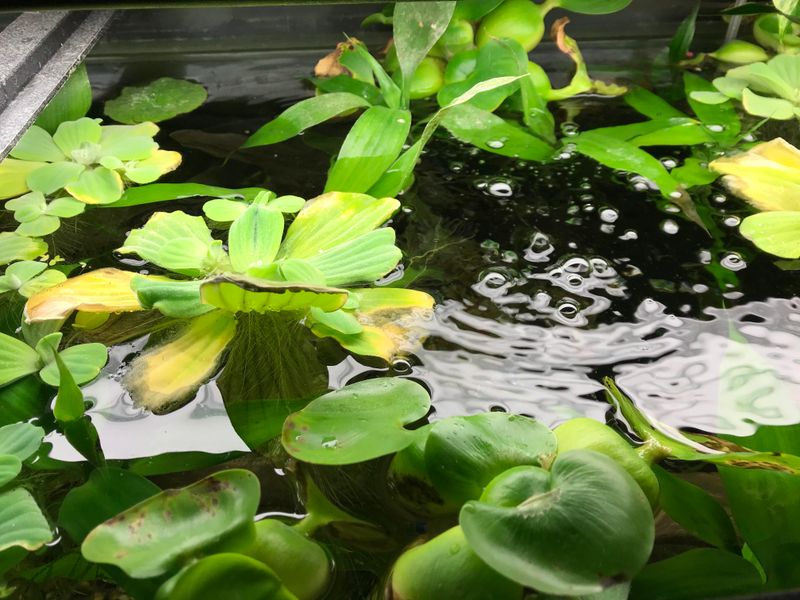
Floating plants feel like little rafts of summer. Water hyacinth puts out lavender blooms, and water lettuce forms soft green rosettes that kids love to touch.
Sadly, they are warm-weather plants through and through. Once nights turn cold, they turn yellow, then brown, then soggy.
For most Michigan pond keepers, the simplest plan is to scoop them out in early fall. Compost them well away from any ditch, stream, or lake, or bag them for the trash.
Some folks try keeping a few indoors. It can work, but it is fussy. They want warm water, roughly 65 to 80 degrees, and bright grow lights for many hours each day.
Without that light, they stretch, fade, and often rot by midwinter. A windowsill alone usually is not enough during our gray months.
Honestly, I gave up on that experiment after one winter, and now that both plants are prohibited in Michigan, buying fresh ones each spring is no longer an option.
One more point matters a lot here. Water hyacinth and water lettuce are listed as prohibited species in Michigan because of the harm they can cause in open waters.
Rules can change, so check with the Michigan Department of Natural Resources before buying. Many local garden centers now carry native alternatives that handle our winters much better.
5. Fallen Maple Leaves Can Sour Your Pond Under The Ice
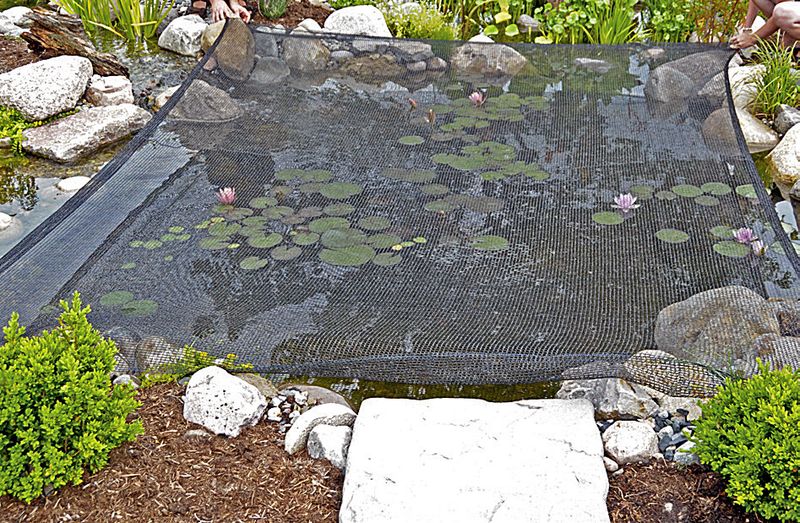
Every October, the maples near my pond seem to aim straight for the water. It is pretty for about a day, then the leaves sink and start breaking down.
That rotting material is a bigger deal than it looks. As leaves decay under the ice, they use up oxygen and can release gases that build up with no way to escape.
Fish feel it first, but plants are affected too. A thick layer of muck can also feed algae blooms once spring sunshine returns.
A pond net is the easiest fix. Stretch it over the water before leaves start dropping, and pull it off once the trees are bare.
Skim floating debris every few days during peak leaf season. A long-handled net works well, and it is oddly relaxing work on a crisp afternoon.
Before the pond freezes, scoop out what has settled on the bottom. You do not need to scrub everything clean. Some beneficial bacteria live in that layer.
Also stop fertilizing your pond plants around late summer or early September. Feeding them late encourages soft new growth just as they should be slowing down.
Spend an hour or two on cleanup now. Your plants and fish will thank you with clearer water when everything wakes up in April.
6. Cattails And Rushes Can Keep Their Stems Standing Tall
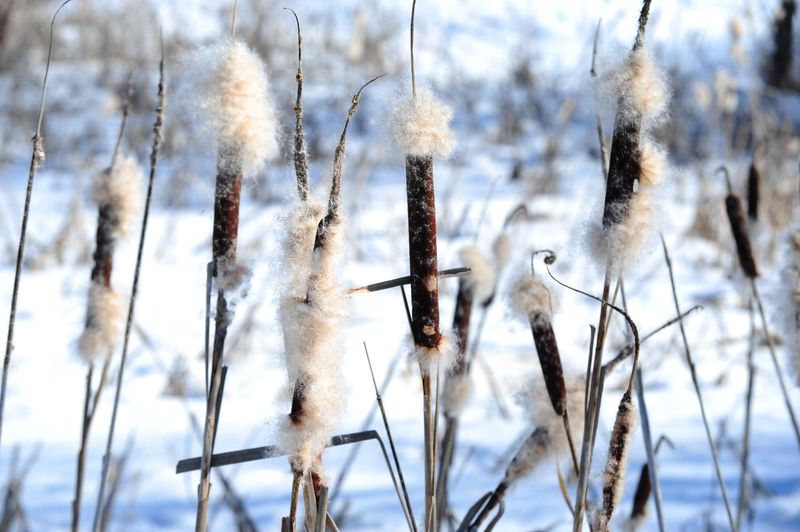
Not every plant needs a haircut down to the crown. Some marginals actually do better when you leave part of their stems standing.
Native cattails, rushes, and some sedges can keep about a foot of growth above the waterline through winter. Hollow stems may help move air down toward the roots, and they add a lovely look against fresh snow.
I like the way frosted rush stems catch morning light in January. They give the pond some shape when everything else is flat and white.
Birds appreciate them too. Some insects shelter inside stems, and chickadees sometimes poke around looking for a snack.
For plants with soft leaves, like pickerel rush or marsh marigold, trim most of the foliage after frost. Those leaves tend to collapse and rot quickly.
Potted marginals sitting on shallow shelves may need a move. If the shelf sits only a few inches deep, the pot could freeze solid. Lower it to a deeper spot or tuck it in a cool garage.
Marginals planted right in the ground at the pond edge are usually fine, especially natives that grow wild across the state.
A light layer of snow over their crowns even works like a cozy blanket. Simply leave them be and let nature handle the rest.
7. A Floating De-Icer Beats Chipping Away At Pond Ice
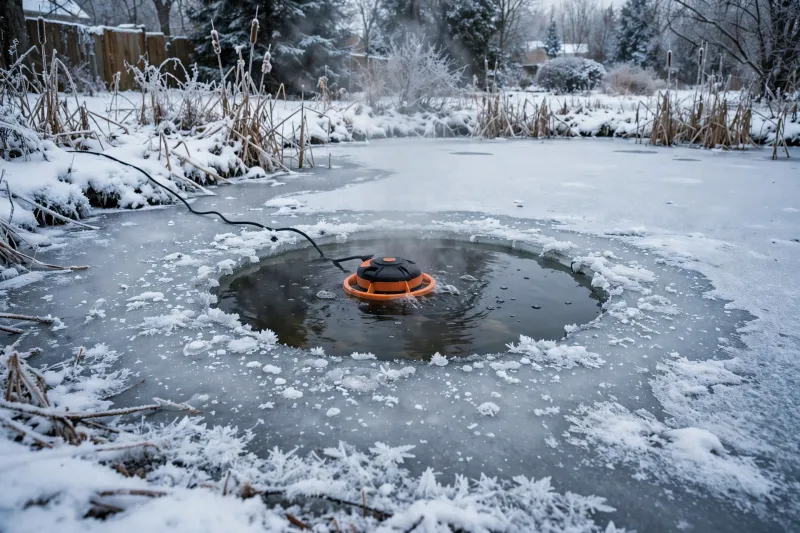
Grabbing a hammer to crack the ice feels like a helpful idea. Please put it down.
Those sharp blows send shock waves through the water that can stress fish resting at the bottom.
If your pond holds fish, a small opening in the ice matters. It lets gases from decaying material escape and lets fresh oxygen in.
A floating de-icer is the tool most pond keepers use. It does not heat the whole pond. It simply keeps a small hole open on the surface.
A small air pump with the stone set near the surface, not the bottom, can help too. Placing the air stone too deep can mix the cold surface water down and chill that warmer layer your plants rely on.
If the pond freezes over and you need a quick fix, set a pot of hot water on the ice. Let it melt a hole slowly and gently.
Ponds without fish are more forgiving. Hardy plants can rest under solid ice without much trouble, as long as they sit deep enough.
Clear away heavy snow from the ice now and then if you keep fish. A thick snow layer blocks sunlight, and some pond experts say that limits the little oxygen made under the ice.
8. Keep Unwanted Pond Plants Out Of Michigan Lakes And Streams
Fall cleanup leaves you with buckets of extra plants. It is tempting to toss them into a nearby creek and feel like you set them free.
That kindness can cause real trouble. Plants that behave in a small pond can spread fast in open water, crowding out native species and clogging boat launches and shorelines.
Michigan takes this seriously. The state keeps a list of prohibited and restricted aquatic species, including European frogbit, parrot feather, and water hyacinth.
The safest plan is simple. Seal unwanted plants in a plastic bag, let them sit in the sun for a while, and put them in the trash.
Share extras only with neighbors who keep enclosed ponds, and only if the plants are legal to own. Swapping cuttings is fun, and it keeps good plants in good hands.
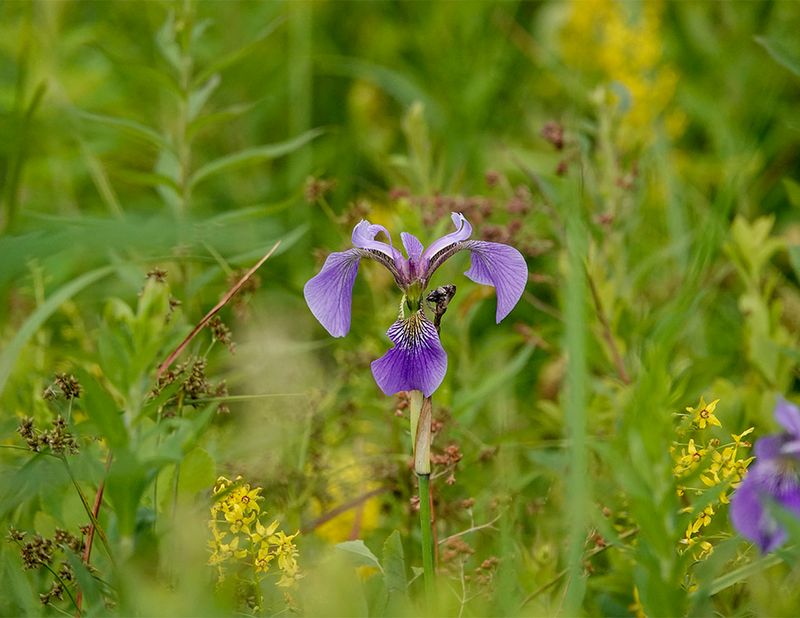
Next spring, consider adding natives like pickerel rush, blue flag iris, swamp milkweed, or arrowhead. They are made for our winters and feed local pollinators too.
That shift makes overwintering easier. Plants that grow wild across the region tend to need less fuss each fall.
Check your pots, measure your depth, and bag your extras. With those three habits, your pond can wake up green and healthy when the ice finally lets go.