Florida Plants You Can Still Put In The Ground In May (And The Ones You’ve Already Missed)
May in Florida feels like the universe sending you one last warning before summer slams the door shut. Most homeowners look at the calendar, assume the planting window is gone, and put everything off until fall like they do every single year.
Big mistake. There is still a solid lineup of plants that will grab onto Florida soil in May and hold on tight through the heat, but that window is shrinking by the day.
The trick is knowing which ones have the grit to handle what is coming and which ones you genuinely missed your shot on. Planting the wrong thing right now is not just a waste of money, it is a front yard full of regret by the Fourth of July.
Florida rewards the homeowners who know the rules and punishes the ones who guess. So before you load up a cart at the nursery this weekend, it pays to know exactly where you stand.
1. Plant Sweet Potatoes While May Still Gives Them Room
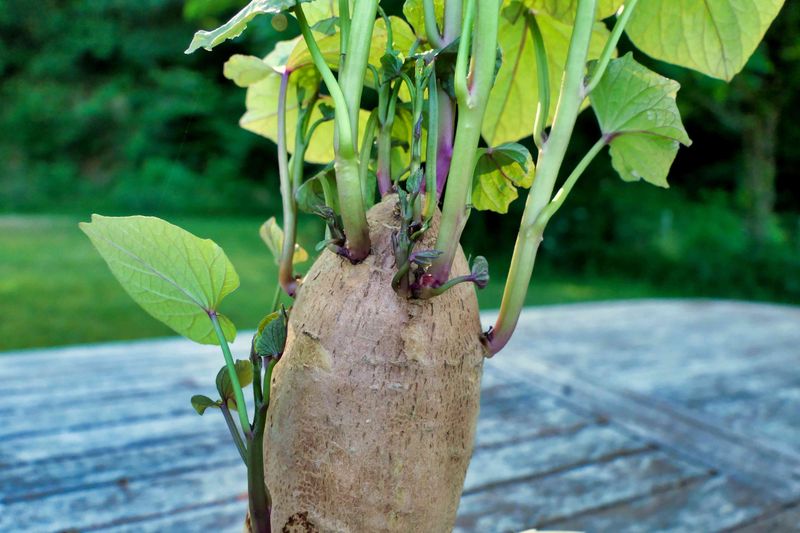
May can still be a useful sweet potato planting window in many parts of Florida, and UF/IFAS lists sweet potatoes as a May crop to transplant with care in North, Central, and South Florida.
Sweet potatoes are started from slips, which are small rooted shoots taken from a mature tuber.
You can buy slips from local nurseries or order them from reputable suppliers. North Florida gardeners are often in a solid window in early May as soil temperatures climb into the range sweet potatoes prefer.
Central Florida gardeners can usually plant through May with good results. South Florida gardeners should check their local UF/IFAS county Extension office because planting windows there can shift based on wet-season arrival and local conditions.
Sweet potatoes need full sun and loose, well-drained soil. Sandy Florida soil can actually work in their favor since the roots need room to expand without hitting hard, compacted ground.
Raised beds are a smart option if your yard tends to hold water after rain. Space the slips about 12 inches apart in rows roughly 3 to 4 feet wide so the vines have room to spread.
Water regularly while the slips get established, then back off once they take hold. Avoid soggy spots because standing water can lead to root problems in Florida’s humid conditions.
2. Get Okra In Now Before The Heat Gets Harsher
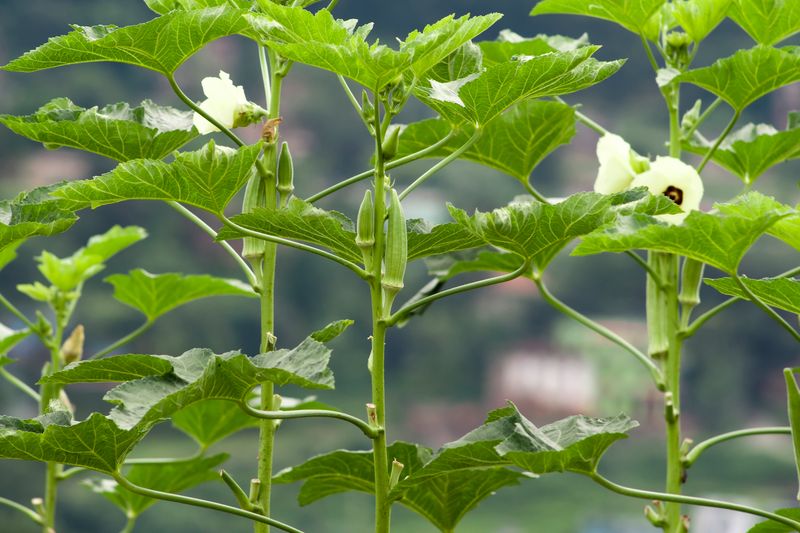
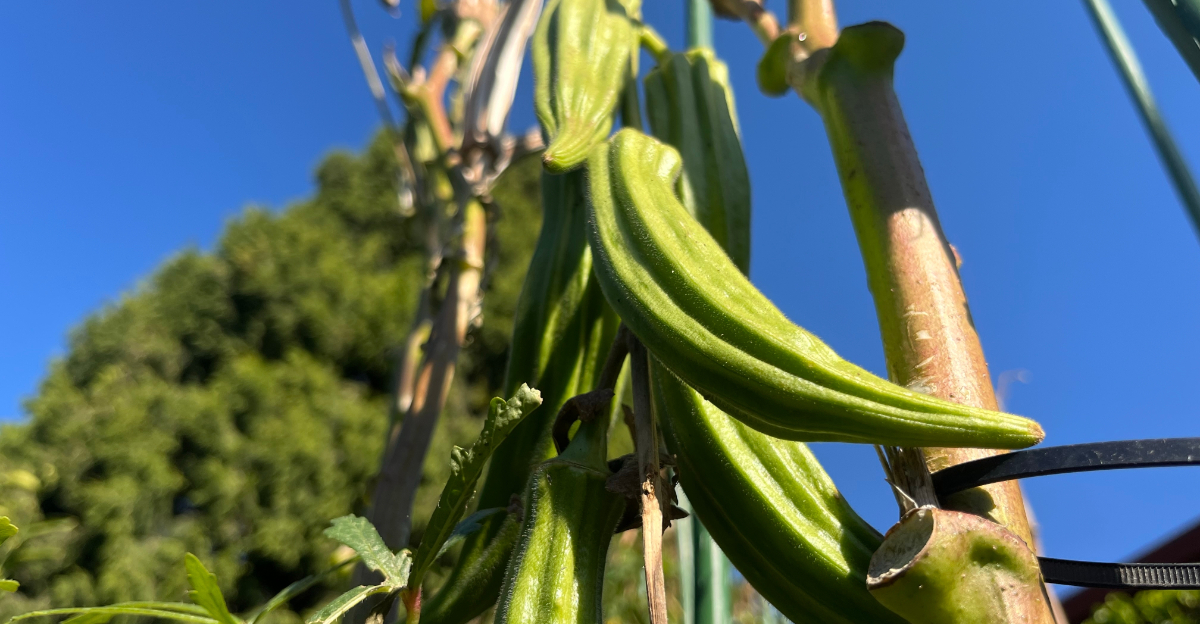
Okra is one of those vegetables that genuinely loves Florida summers, but it still needs a fair start before the most punishing heat of July and August settles in.
UF/IFAS lists okra as a May crop to start from seed in North, Central, and South Florida, though local timing and conditions still matter.
South Florida gardeners may have already started okra earlier in the year, so checking your local UF/IFAS county Extension calendar helps confirm whether May still works for your specific area.
Warm soil is a must. Okra seeds struggle to germinate in cool ground, so May’s rising temperatures are actually an advantage.
Your Florida Garden Changes Every Week. Your Plan Should Too.
Gardening in Florida changes quickly throughout the season. Every Friday you’ll receive a simple weekly plan showing exactly what to plant, prune, fertilize, harvest, and protect so you never miss the right timing.
Choose a spot with full sun and good drainage. Poor drainage is one of the fastest ways to run into trouble with okra in Florida’s rainy season.
Space plants about 18 inches apart so air can move around them freely. Once established, okra handles heat better than almost any cool-season vegetable, but young plants still need steady moisture while their root systems develop.
Harvest pods regularly when they are about 3 to 4 inches long. Leaving pods on the plant too long causes them to become tough and can slow down new production.
A consistent harvest schedule keeps the plant producing through summer.
3. Sow Southern Peas For A Tough Summer Crop
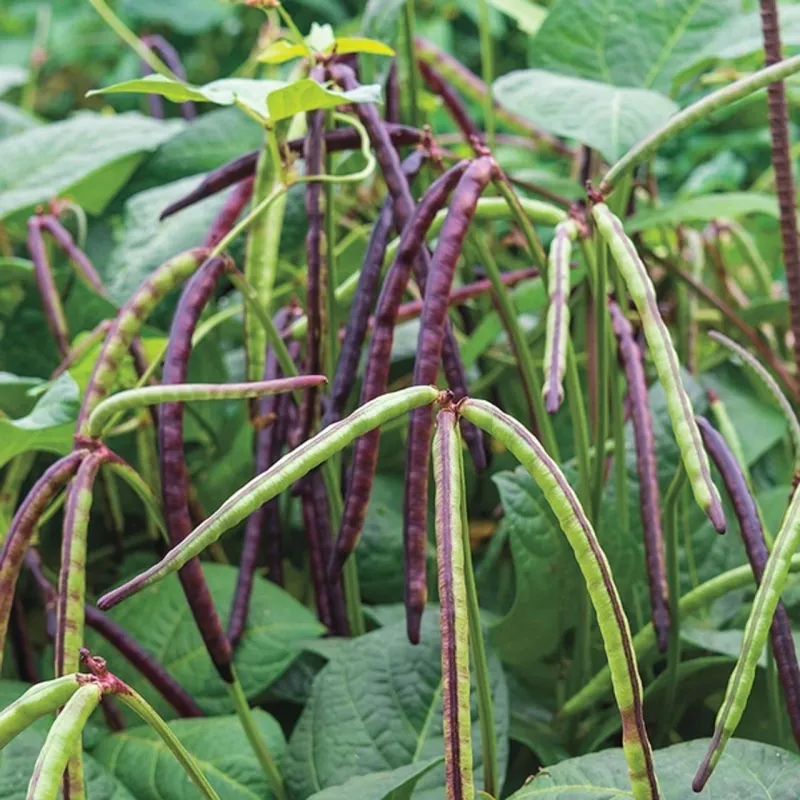
Few crops are as well-suited to Florida’s brutal summer conditions as Southern peas, also known as cowpeas or field peas. UF/IFAS lists Southern peas as a May crop to start from seed in Florida, with local timing still depending on heat, rainfall, and pest pressure.
North and Central Florida gardeners can often plant them in spring and early summer without much trouble.
South Florida gardeners should check local planting calendars because the wet season, intense heat, and pest pressure can shift the best planting window compared to other regions.
Southern peas fix nitrogen in the soil, which is a genuine bonus for Florida’s naturally low-nutrient sandy ground. They prefer full sun and tolerate the kind of dry, sandy conditions that would stress many other vegetables.
Once established, they hold up to drought far better than most warm-season crops, though they still benefit from regular watering while young. Space seeds about 3 to 4 inches apart in rows and thin as needed.
Pods can be harvested fresh for a tender texture or left to dry on the vine for dried peas.
Either way, Southern peas reward Florida gardeners with a steady, heat-resilient harvest through the long summer months ahead.
4. Tuck Basil In Before Summer Stress Builds
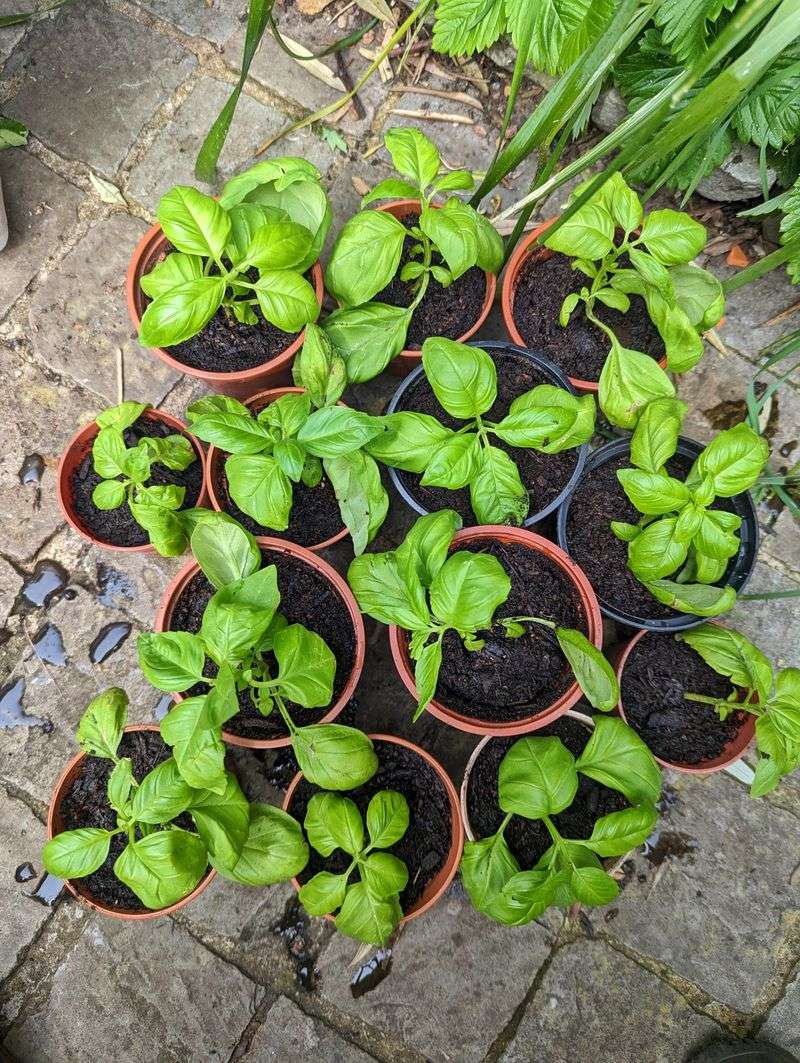
Basil thrives in warm weather, which makes May a useful planting window in many parts of Florida before the harshest summer conditions arrive.
UF/IFAS Gardening Solutions says basil grows well in Florida’s warm climate and can be planted from seed in early spring or fall, while May plantings may still work in some areas with careful site selection.
In North and Central Florida, early May can still offer a good balance of warmth and manageable humidity.
South Florida gardeners need to pay closer attention because afternoon heat, high humidity, and disease pressure can shorten basil’s productive life if the plant is crowded or overwatered.
Basil grows best in full sun to part sun depending on how intense your afternoon exposure is. Well-drained soil is a must because basil roots do not like sitting in wet ground, especially during Florida’s rainy season.
Space plants far enough apart to allow airflow, which helps reduce the fungal disease pressure that humidity encourages. Water at the base of the plant rather than overhead to keep the leaves dry.
Pinching off flower heads regularly keeps the plant focused on leaf production and slows bolting. Container growing works well for basil in Florida because you can move pots to a spot with afternoon shade during the hottest weeks.
Check your local UF/IFAS Extension office for variety recommendations suited to your region’s conditions.
5. Add Vinca For Color That Can Handle May Heat
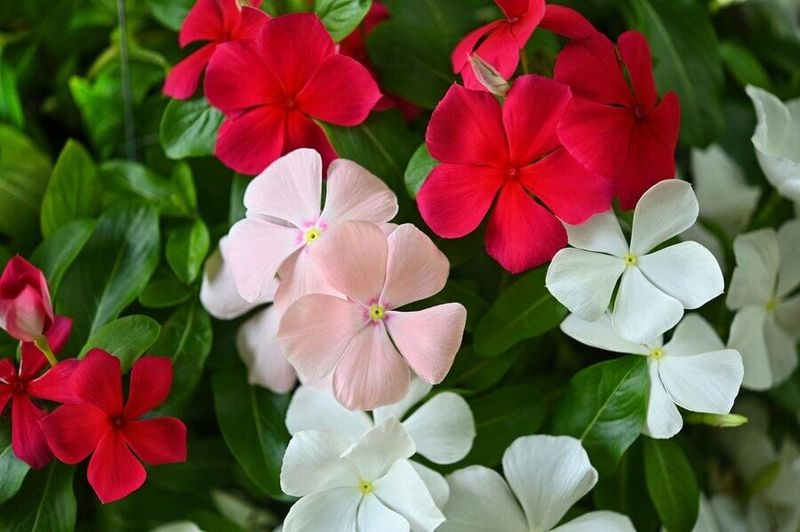
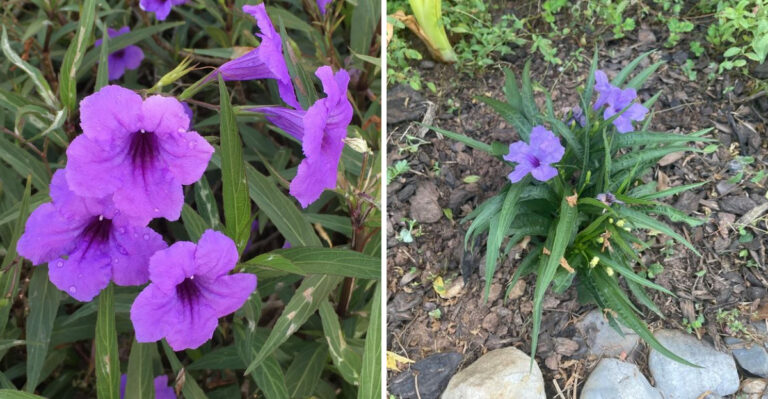
Annual vinca, sometimes called catharanthus, is one of the most reliable warm-season flowering plants Florida gardeners can reach for in May.
UF/IFAS lists vinca among annuals that can handle full sun and increasing summer heat, making it a practical choice when other flowers struggle.
In North and Central Florida, May is a good time to get vinca established before peak summer arrives. In South Florida, vinca can also perform well in sunny, well-drained spots, but wet-season moisture and fungal disease issues deserve attention from the start.
Drainage is the single most important factor for vinca success in Florida. Plants sitting in soggy soil during rainy season can be more prone to root and stem problems, including Phytophthora issues.
Choose raised beds, slopes, hot foundation areas, or containers where water drains away fast. Full sun is where vinca does its best work.
Spacing plants properly for airflow helps reduce disease pressure in humid conditions. Avoid overwatering, especially once the rainy season begins providing natural moisture.
Vinca works well in borders, containers, and hot spots near driveways or patios where other plants struggle. It is not a perfect fit for every yard, so match it to a sunny, well-drained location rather than forcing it into a shaded or poorly drained spot.
Annual vinca, also called Madagascar periwinkle or Catharanthus roseus, is not the same as invasive groundcover periwinkles in the Vinca genus.
UF/IFAS currently lists Catharanthus roseus as not a problem species in North and Central Florida, while South Florida gardeners should use caution and manage it to prevent escape.
6. Skip Lettuce Until Florida Cools Down Again
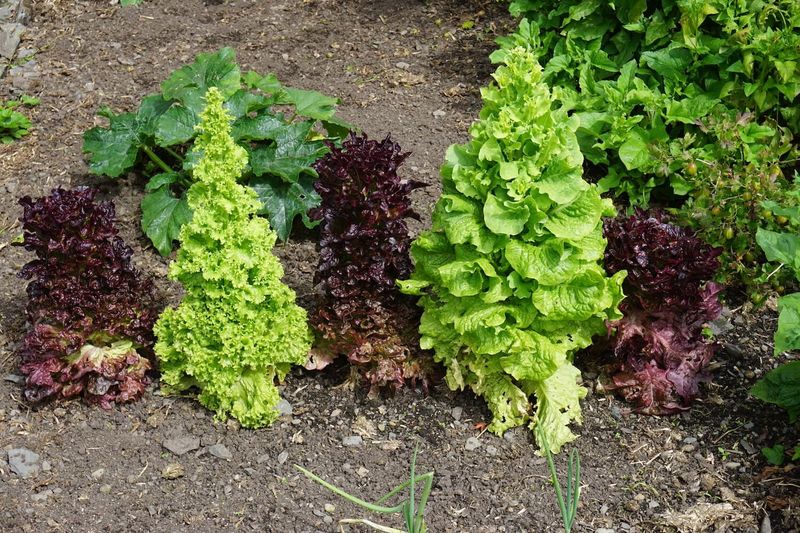
Lettuce is a cool-season crop, and by May in most of Florida, its best window has already closed. Heat causes lettuce to bolt quickly, sending up a flower stalk and turning the leaves bitter and tough.
For most Florida gardeners, May is the wrong time to start lettuce from seed or transplant.
North Florida may hold cooler temperatures a little longer than the rest of the state in some years, but by early May even northern gardeners should be cautious about starting a new crop.
Central Florida gardeners are usually better off waiting for the next cool-season window, while South Florida gardeners should check local UF/IFAS guidance because some May calendars still list lettuce, even though heat can shorten quality fast.
Forcing lettuce into hot soil wastes garden space, seed money, and watering effort. Instead of trying to squeeze out a late crop, use that bed space for a warm-season vegetable that actually belongs in May.
Southern peas, okra, or sweet potatoes are all better choices for the same garden spot right now. When fall approaches, UF/IFAS planting calendars for your county will show exactly when to start lettuce again.
North Florida gardeners typically get a fall planting window earlier than Central Florida, and South Florida gardeners may find their best lettuce season runs through winter.
Planning ahead now means a much more satisfying cool-season garden later.
7. Save Broccoli For The Fall Planting Window
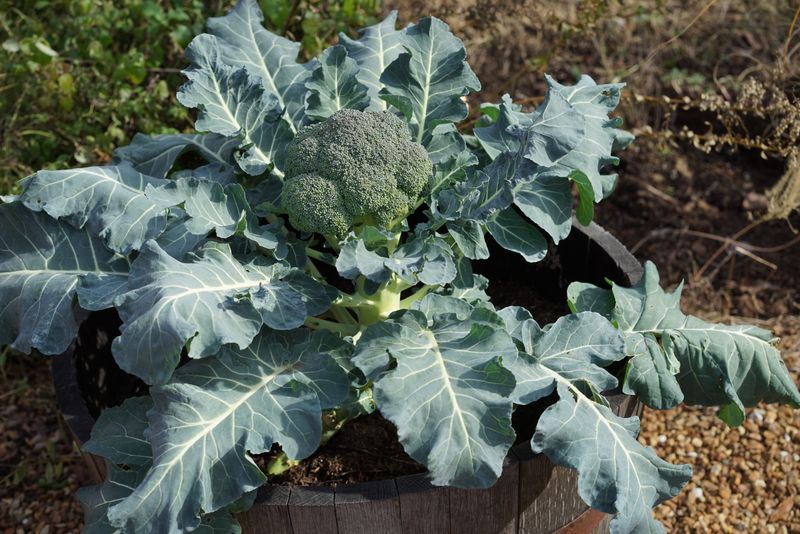
Broccoli is one of the classic cool-season vegetables that Florida gardeners can grow beautifully, but May is not the time to start it.
Broccoli forms its heads in response to cooler temperatures, and heat stress during head development leads to poor quality, loose or discolored heads, and sometimes no usable harvest at all.
UF/IFAS planting guides show broccoli as a fall, winter, or early spring crop depending on where you live in Florida. By early May, most of the state has moved past the ideal window for a successful new planting.
North Florida has a slightly different calendar than Central and South Florida, but even there, early May is typically pushing the edge of what broccoli can handle well.
Pest pressure from caterpillars and aphids also increases as temperatures climb, adding another challenge to late spring broccoli.
Rather than fighting those conditions now, the smarter move is planning ahead for fall transplants. Your local UF/IFAS county Extension office can give you specific transplant timing for your area.
South Florida gardeners often work with a different fall and winter calendar than North Florida, so local guidance matters a lot. Use your current garden space for warm-season crops and save broccoli for the season where it truly has a chance to perform well.
8. Hold Carrots Until Cooler Soil Returns
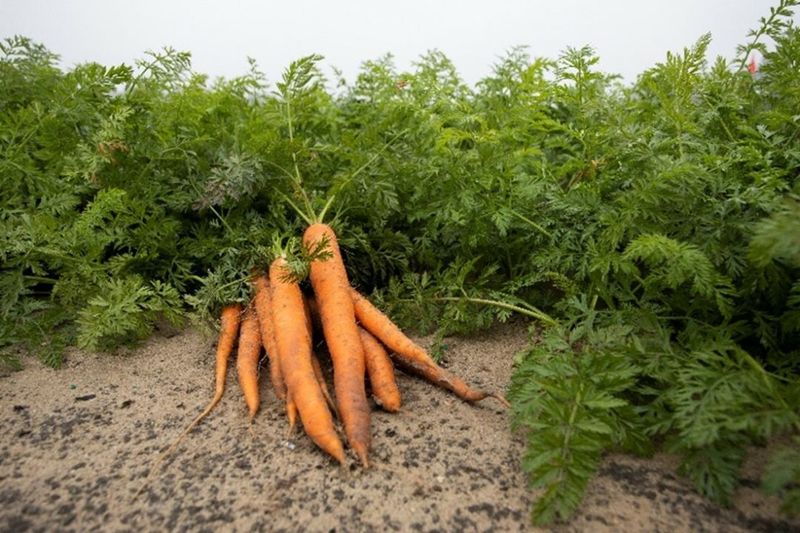
Carrots need cool soil to germinate reliably and develop the sweet, firm roots that make them worth growing.
Hot soil in May slows or prevents germination, and even if seeds do sprout, the developing roots can become stunted, forked, or bitter when temperatures stay high.
UF/IFAS planting guides place carrots firmly in the cool-season category for Florida, and May falls outside the recommended window for most of the state.
Central Florida gardeners are usually better off waiting, while South Florida gardeners should check local UF/IFAS guidance because May calendars may still list carrots from seed even though heat and moisture management can be tricky.
North Florida gardeners may have a slightly longer spring shoulder in some years, but early May is still risky for starting a fresh carrot crop.
Sandy Florida soil dries out fast, which adds another layer of difficulty for carrot germination in warm weather. Keeping the seed bed consistently moist in May heat takes constant attention and can conflict with local water management rules.
Instead of struggling with carrots now, shift that bed to a warm-season crop that belongs in May. Southern peas or okra are both far better suited to current conditions.
When soil temperatures drop again in fall, carrots become one of the most rewarding vegetables a Florida gardener can grow. Check your county UF/IFAS Extension calendar for the right fall planting window in your region before ordering seed.
9. Wait On Cilantro Until Heat Is Not Working Against You
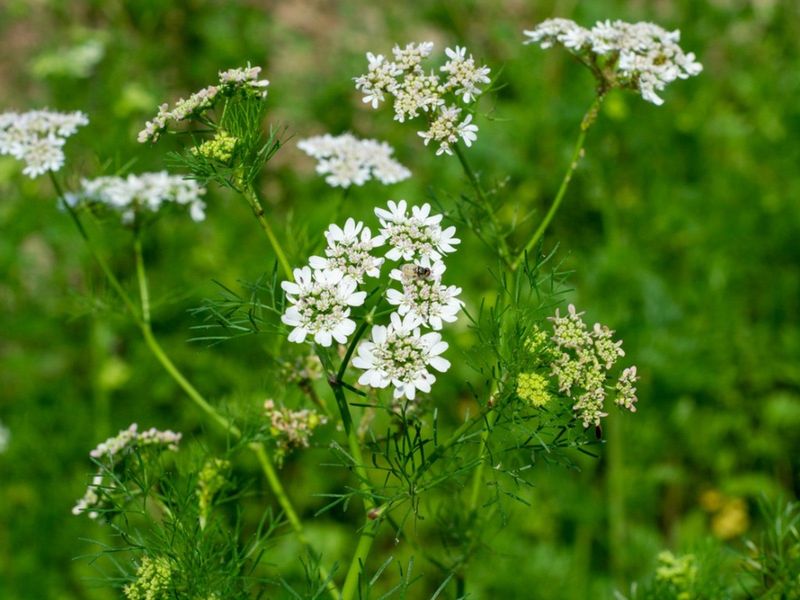
Cilantro has a reputation for being stubborn in Florida, and May heat is a big reason why.
Cilantro bolts fast once temperatures rise, meaning it rushes to flower and set seed instead of producing the leafy growth most cooks actually want.
In much of Central and South Florida, the window for a long, productive cilantro harvest has usually closed by early May. North Florida gardeners may get a slightly longer cool-season stretch in mild years, but once consistent warmth arrives, bolting is hard to avoid.
Partial shade can slow bolting a little, but it does not stop it entirely once hot weather settles in. Planting cilantro now in most Florida regions often results in a very short harvest before the plant rushes to seed.
That is a frustrating outcome after the effort of planting, watering, and tending a bed. A smarter approach is planning cilantro for the fall cool-season window instead.
North Florida gardeners typically get an earlier fall planting date than Central or South Florida. South Florida gardeners may find their best cilantro season runs through winter and into early spring.
Check your local UF/IFAS county Extension planting calendar for specific dates. Basil is a far better herb choice for Florida gardens right now in May.
10. Leave English Peas For Florida’s Cool Season
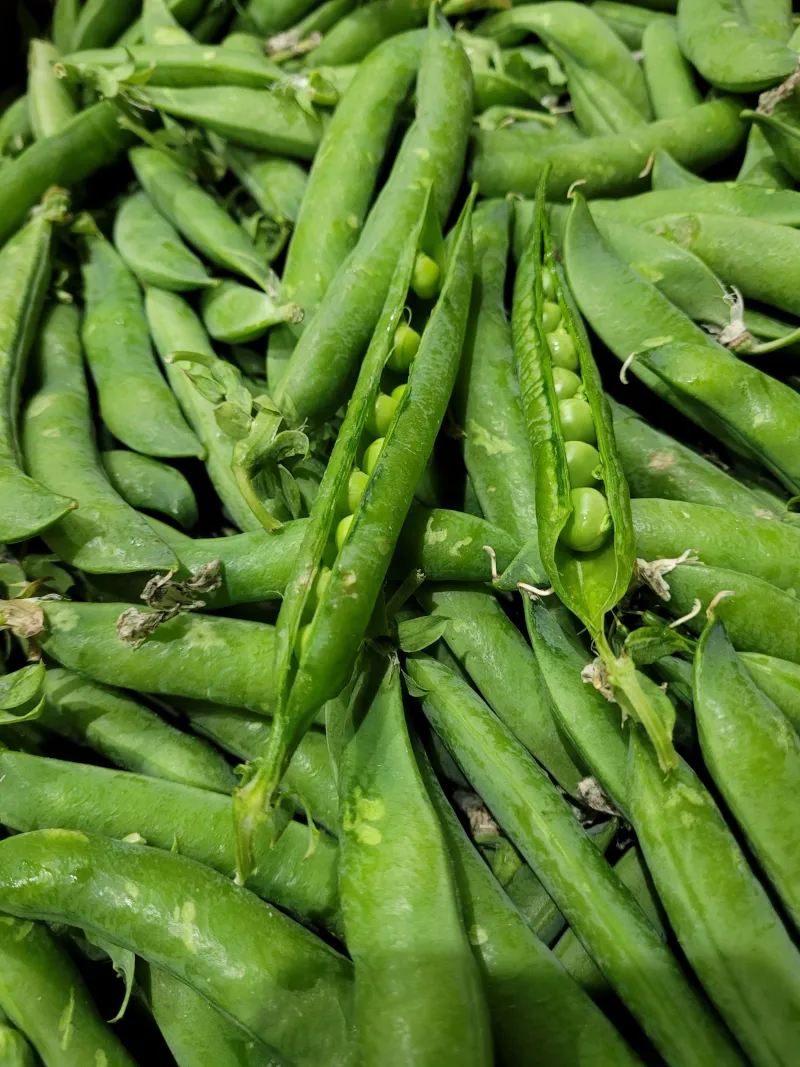
English peas, also called garden peas or shell peas, belong squarely in Florida’s cool-season planting calendar. They prefer temperatures well below what May typically delivers across most of the state.
Weak germination, poor pod set, and low overall productivity are common outcomes when English peas go into warm soil too late.
English peas are usually treated as a cool-season crop in much of Florida, but UF/IFAS’s South Florida May calendar still lists English peas from seed, so gardeners should check local guidance before ruling them out.
North Florida gardeners face the same challenge, even with a slightly cooler spring than Central or South Florida.
Trying to push English peas into a May garden usually means spending time, water, and garden space on a crop that will underperform significantly. A much better use of that same bed right now is Southern peas.
Southern peas look similar to English peas in the garden but are a completely different crop built for warm-weather production.
They handle Florida’s summer heat and humidity far better, fix nitrogen in the soil, and produce a reliable harvest through the long warm season.
For most Florida gardeners, save English peas for the fall or winter planting window recommended for your region, unless your local South Florida guidance says May is still workable.
Your local UF/IFAS county Extension office can confirm the right timing so your cool-season pea crop has the best possible chance of success.