How To Pre-Chill Tulip Bulbs In California Where Winters Stay Mild
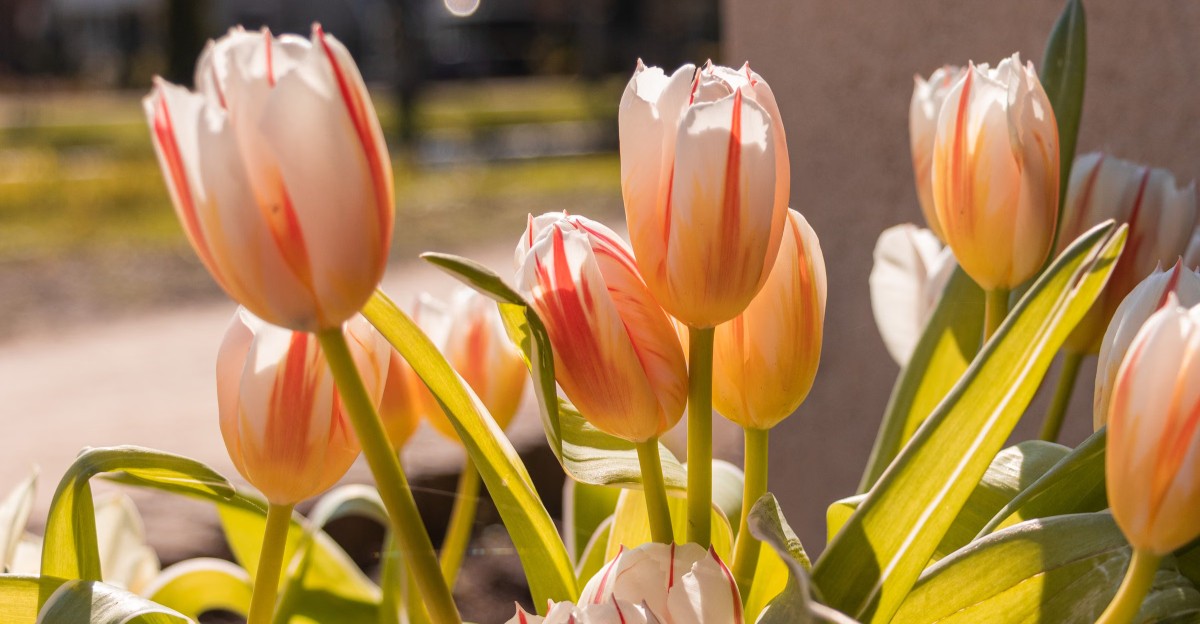
A bulb can look plump, firm, and perfectly healthy, then send up nothing but leaves come spring. The flower was tucked inside the whole time. It never got the long winter it was counting on.
These bulbs are total sticklers for tradition, and I respect it. Their wild ancestors grew in the mountains of Central Asia, where cold settles in for months. That long chill signals the hidden bud to stretch its stem and open.
Here in California, our winters lean more toward light jackets than frozen ground. I’ve watched friends plant bags of bulbs in November, then stare at a bed of leaves with no color at all by April.
So how do you hand a bulb the winter it craves without moving to the mountains? The fix might already be humming in your kitchen. Once you try it, your spring beds may never look the same.
Those Brown Tulip Bulbs Are Waiting For A Winter That Rarely Comes
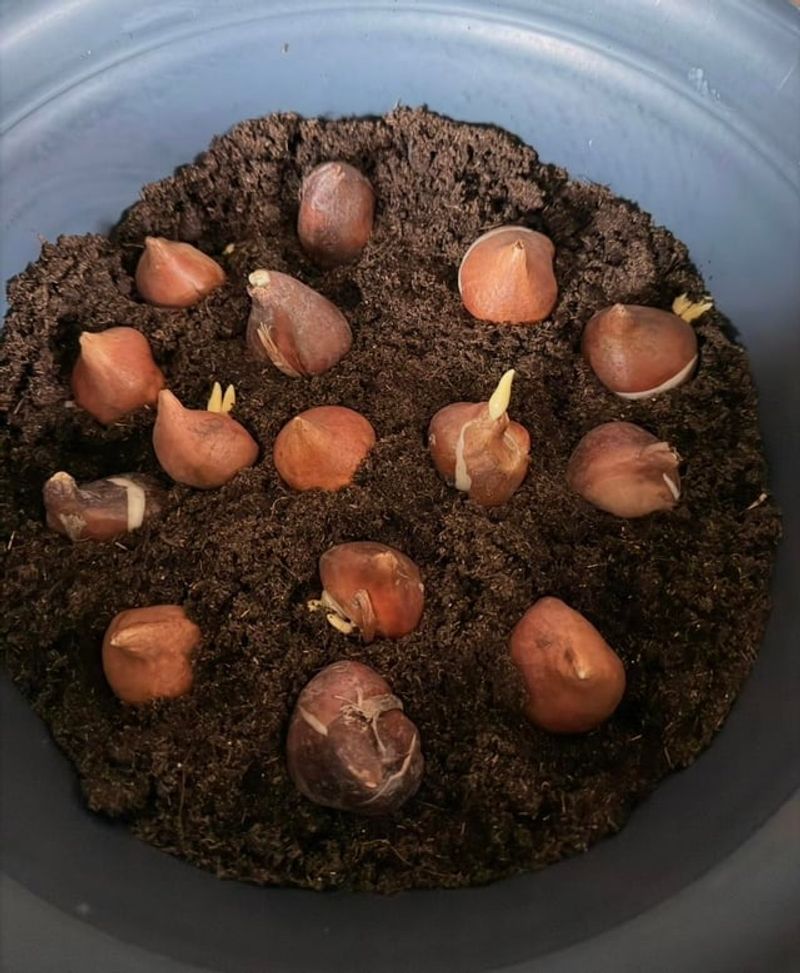
Tulips carry a built-in calendar. Wild tulips evolved in places like the mountains of Central Asia, where winters stay cold for months, and that long chill is part of how the bulb prepares to bloom.
During those cold weeks, changes happen inside the bulb. The tiny flower bud already tucked inside gets the signal it needs, and the stem gains the stretch to lift that bloom above the leaves. Without enough cold, you often get short stems, small flowers, or just a clump of leaves.
Most tulips need about 12 to 16 weeks below roughly 45 degrees Fahrenheit. Much of California sits in USDA zones 8 through 10, and winter soil in those areas rarely stays that cold for that long.
Coastal towns, the Central Valley floor, and Southern California inland valleys all fall short most years. Mountain spots and some far northern areas can be different, since colder ground there may handle the job naturally.
I think of it as jet lag for plants. The bulb is ready to perform but has no idea what season it is. Pre-chilling simply gives it the winter it was expecting, right on schedule.
Your Refrigerator Can Fake A Full Tulip Winter
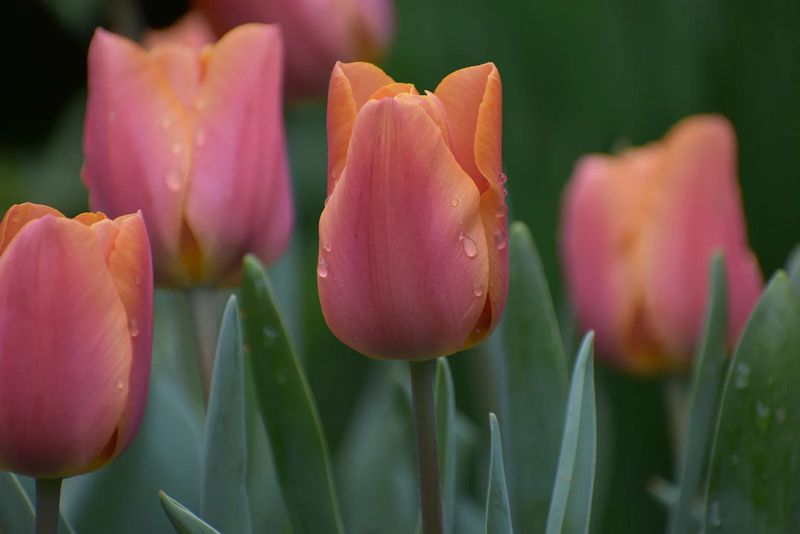
My kitchen fridge has held a lot of odd things, but a bag of tulip bulbs might be my favorite. It sits there quietly for months, doing the heavy lifting of a real winter.
The target range is about 35 to 45 degrees Fahrenheit. Most home refrigerators hold steady in that zone, which makes them a near-perfect stand-in for frozen ground in the Netherlands or Turkey.
Plan on 12 to 16 weeks of chilling for most hybrid tulips. Some growers say 10 weeks can work in a pinch, but extra time inside the range usually means taller stems and stronger flowers.
Write the start date right on the bag. Trust me, week nine and week thirteen feel the same when you are staring into the crisper drawer at midnight.
Many bulb sellers now offer pre-chilled tulips for warm-climate gardeners. Those can save you time, though you should check the label to see how many weeks they have already had.
Freezing is not the goal here. Bulbs that freeze solid can turn mushy, so keep them away from the coldest back wall and any freezer section.
Keep Tulip Bulbs Far From Apples And Bananas In The Fridge
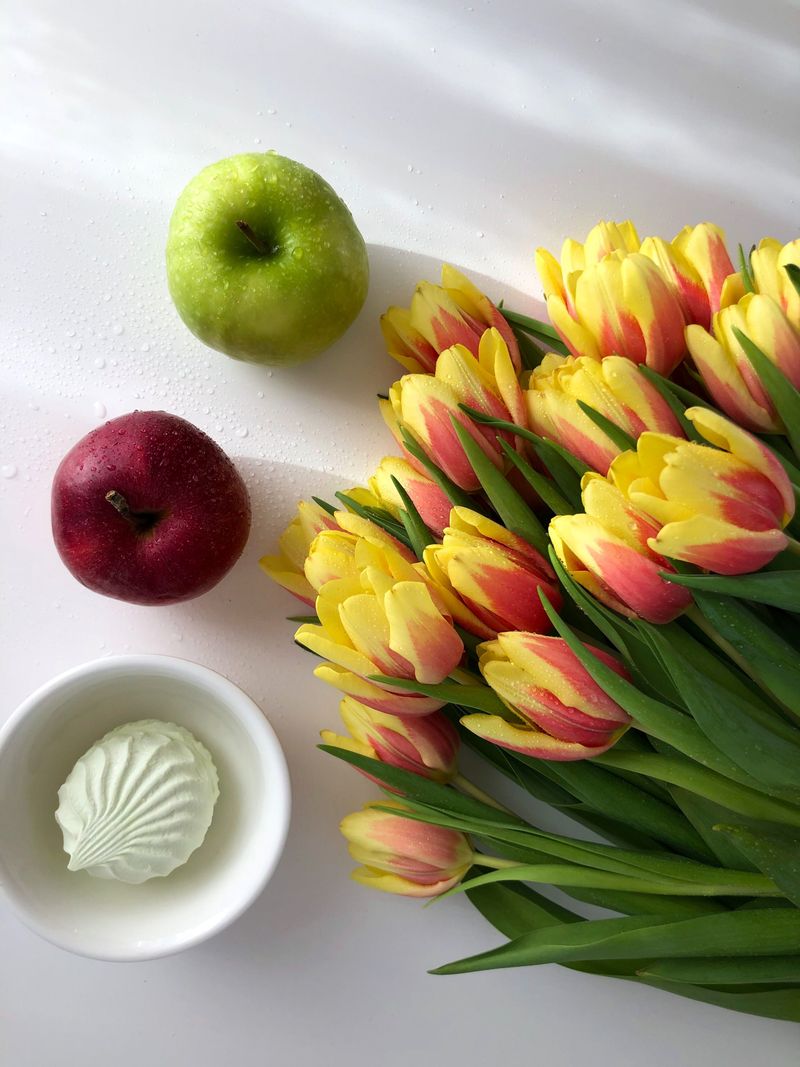
Fruit looks harmless, but it can sabotage your spring. Ripening apples, pears, bananas, and avocados give off ethylene gas, and tulip bulbs are sensitive to it.
Ethylene can damage the flower bud hidden inside the bulb. You might plant a bulb that looks perfectly healthy, then watch it send up leaves with a shriveled bud or no flower at all.
Store your bulbs in a breathable container. A mesh onion bag or a brown paper bag with a few holes works well, and it lets moisture escape.
Plastic bags are risky. Trapped humidity can invite mold and soft rot, so skip anything sealed tight.
Keep the bulbs dry the whole time. A quick weekly peek helps, and any bulb that turns squishy or smells sour should be tossed before it spreads trouble.
A spare fridge in the garage is a gift for this project. If yours mainly holds sodas and water bottles, it makes a clean, fruit-free home for bulbs.
One more household tip feels obvious, yet it matters. Label the bag clearly so nobody mistakes your tulips for onions, because tulip bulbs are not food.
Late December Is Often Tulip Planting Time Here
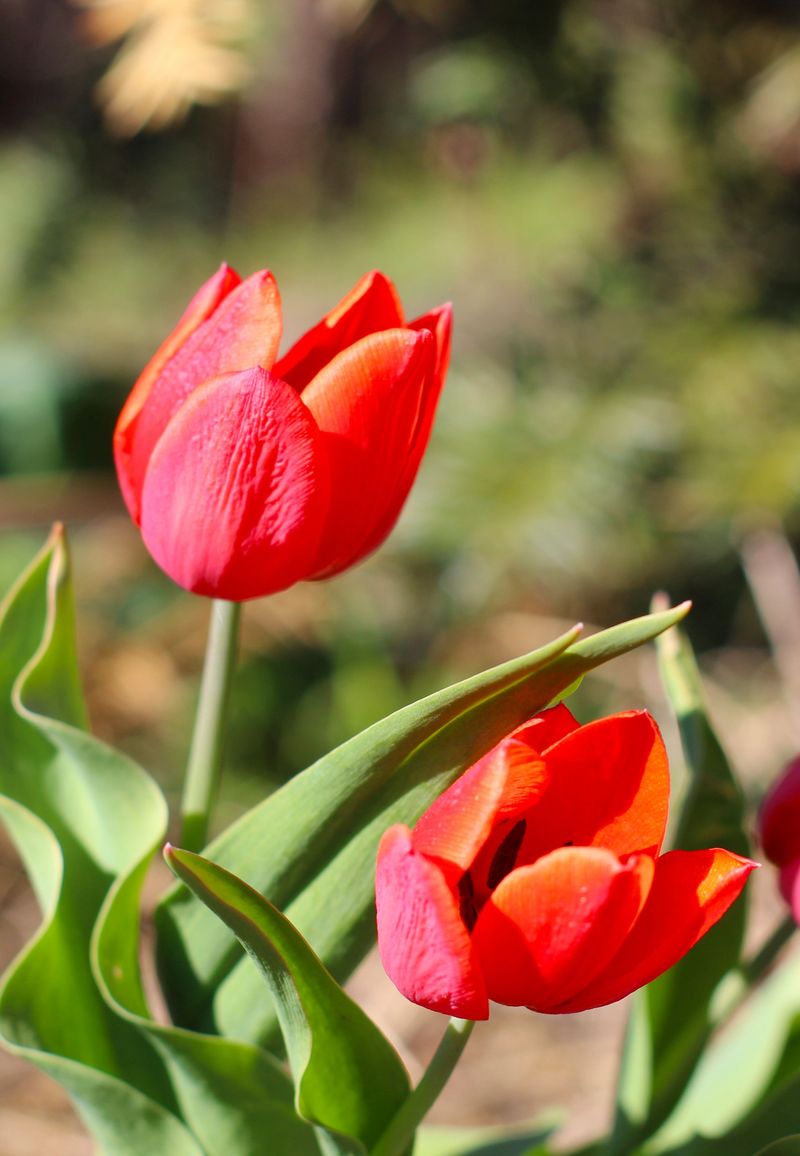
Timing feels backward at first. Gardeners back East plant tulips in October, while many of us wait until the holidays are in full swing.
Chilled bulbs should go straight from the fridge into cool soil. Letting them sit on a warm counter for days can undo some of that hard-earned chill.
Aim for soil around 55 degrees Fahrenheit or cooler at about six inches deep. A simple soil thermometer costs little and removes the guesswork.
For much of coastal and Southern California, that usually lines up with late December through early January. Some cooler inland or northern spots may reach the right temperature earlier, around late November.
Count backward to plan your chilling. If you want to plant around December 20, put bulbs in the fridge by early to mid September.
Spring heat is the other side of the clock. Early planting in warm soil can push tulips to bloom just as an April heat wave arrives, and the petals fade quickly.
I like checking the soil after a few chilly nights in a row. That stretch is usually my green light to grab the bag and the trowel.
Deep Planting And Fast Drainage Give Chilled Tulips A Fighting Chance
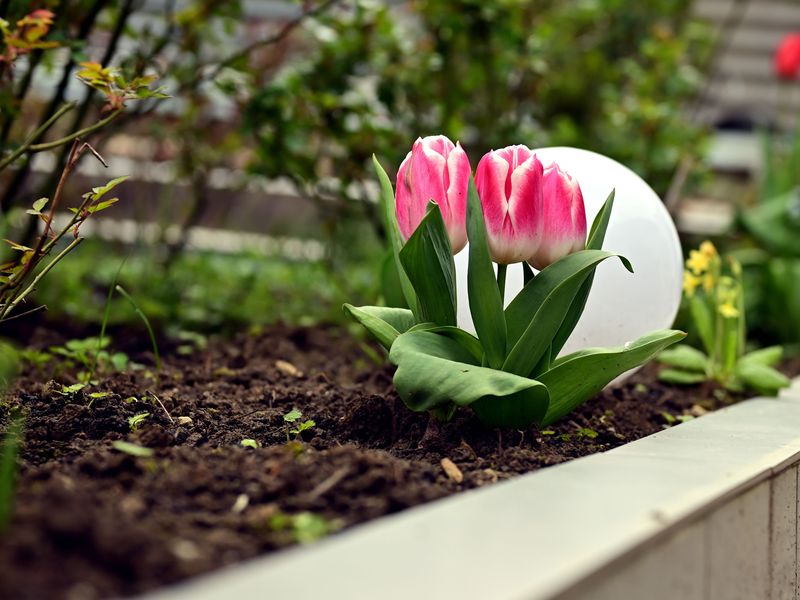
Soggy soil is a tulip bulb’s worst neighbor. Bulbs sitting in wet clay can rot before they ever push up a leaf.
Pick a spot with plenty of sun. In hotter inland areas, a bed with afternoon shade can help the flowers last longer once spring warms up.
Heavy clay is common across California. Mix in compost to loosen it, or use a raised bed if drainage stays slow after rain.
Plant bulbs about 6 to 8 inches deep with the pointy end facing up. Deeper planting keeps them a little cooler, and that helps in mild climates.
Space them roughly 4 to 6 inches apart. Tight groups look fuller and more natural than long single rows.
Water well once after planting to settle the soil. After that, winter rain often handles things, so add water only if the ground dries out.
Finish with 2 to 3 inches of mulch. Shredded bark or straw keeps the soil temperature steadier and holds moisture during those surprise warm spells.
Squirrels and gophers can be a nuisance. A wire cage around the bulbs offers simple protection.
Potted Tulips Can Dodge A Surprise Spring Heat Wave
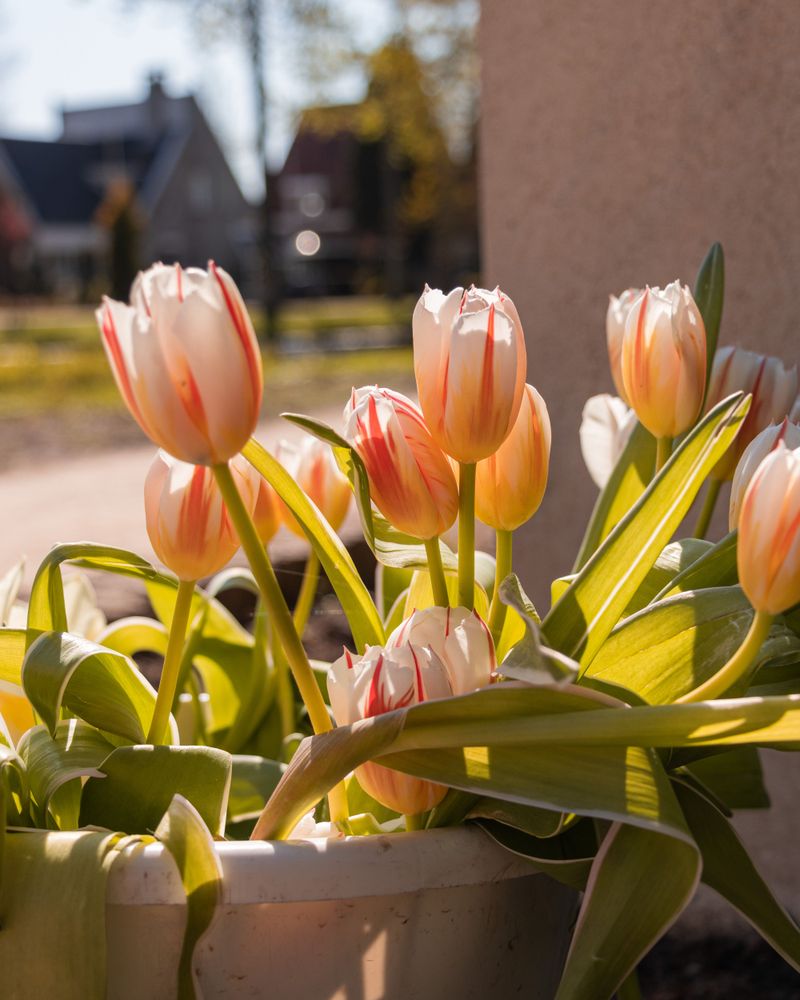
Containers are my secret weapon in a warm spring. When a sudden 85-degree afternoon shows up in March, I can drag the pots into shade and buy the blooms extra days.
Use a pot with drainage holes and fresh potting mix. Garden soil packs down in containers and holds too much water.
Bulbs can be planted closer in pots than in beds. Placing them nearly shoulder to shoulder creates a full, bouquet-style look.
Leave about an inch of mix over the tips of the bulbs. Shallower planting is normal in pots, though deeper containers help keep roots cooler.
Some gardeners chill the whole planted pot instead of loose bulbs. That approach takes a lot of fridge space, so most folks chill bulbs first and plant afterward.
Keep the mix lightly moist but not wet. Pots dry faster than ground beds, especially near walls or on sunny patios.
Fun fact for history fans: tulips once caused a famous price frenzy in 1630s Holland. Your patio display might feel just as valuable when those colorful cups finally open.
Species Tulips Might Return Where Fancy Hybrids Fade
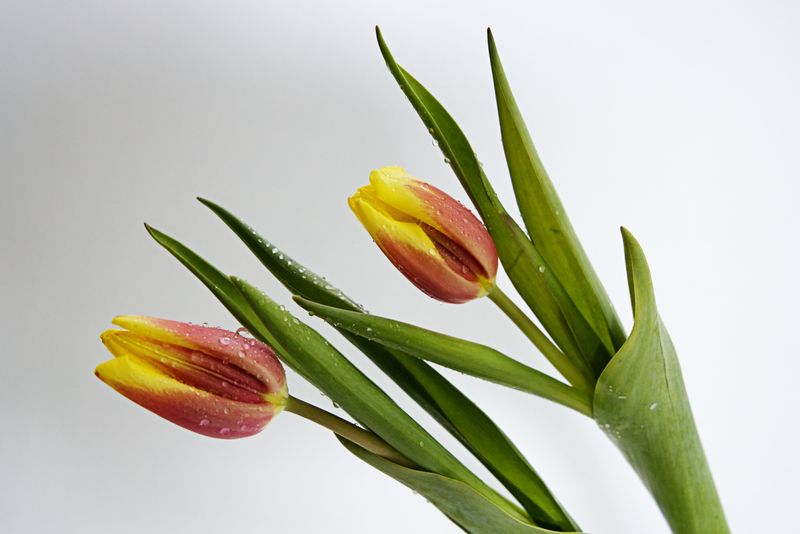
Not every tulip needs a long fridge stay. Some wild species tulips handle mild winters far better than the big showy hybrids.
Tulipa clusiana, often called the lady tulip, is a common pick for warm areas. Tulipa saxatilis and Tulipa sylvestris also show up on many lists for gardeners with less winter cold.
Species tulips are smaller and more delicate. Their charm comes from star-shaped blooms and a casual, wildflower feel.
They also like a dry summer rest. California’s dry summers can actually suit them, as long as the bed is not on a sprinkler schedule.
Results vary by region. Gardeners in cooler inland or higher areas often have better luck seeing them return than those right on the warm coast.
Hybrid tulips are a different story. Darwin, Triumph, and parrot types rarely rebloom well here without chilling each year.
I enjoy mixing both styles. A few species tulips tucked into a rock garden give me a small yearly reward, while the chilled hybrids bring the big color.
Treat Those Gorgeous Tulip Blooms Like A Yearly Treat
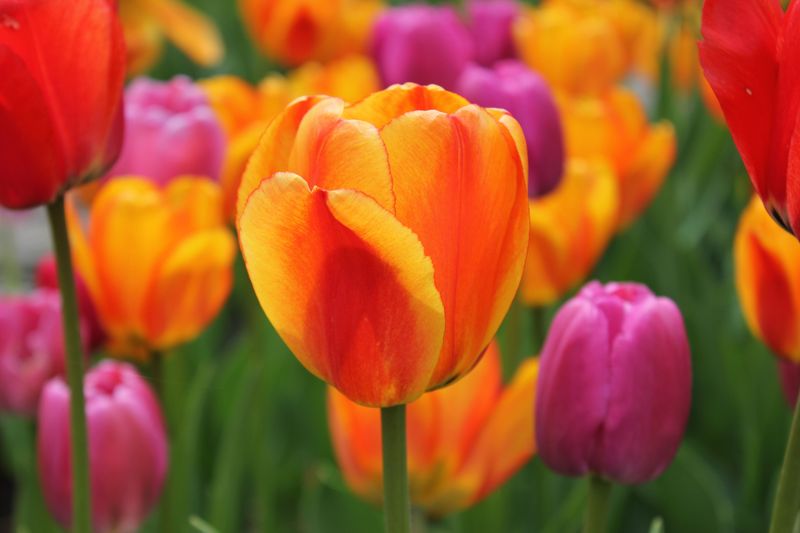
Here is my honest take after several springs. In most of California, hybrid tulips work best as annuals, and that is perfectly fine.
Once the flowers fade, snip off the spent blooms. Leaving the leaves in place lets the plant send some energy back into the bulb.
Wait until the foliage turns yellow before removing it. Even if you plan to replace the bulbs, the leaves still feed nearby soil life when added to compost.
Digging and saving bulbs is possible, but results are often weak. Many lifted bulbs split into smaller ones that may not flower the next year.
Fresh bulbs each fall usually give the most reliable show. Order early, since popular colors sell out by late summer.
Keep a simple garden notebook. Write down when you started chilling, when you planted, and when the first bloom opened.
That record becomes gold by year two. You can adjust your timing to your own yard, from foggy coast to warm valley.
Spring color in a mild climate takes a little planning. When those cups open in March, the fridge shelf will feel worth it.