What California Gardeners Should Stop Planting In Black Plastic Pots
Black plastic pots may look practical, but California sunshine can turn them into tiny ovens.
The container heats fast, the soil follows, so certain plants end up with roots far warmer than they can comfortably handle.
Not exactly the cozy home the nursery label promised. The problem becomes easier to miss when the leaves still look fine.
Stress often starts below the surface, where trapped heat can dry the root zone and disrupt normal growth long before obvious damage appears.
Some plants tolerate those conditions better than others. The wrong choice, however, may struggle through every hot afternoon no matter how carefully you water it.
A simple container swap can spare sensitive plants a rough summer and make daily care much easier.
Those basic black pots may be cheap and convenient, but they are not the best match for every plant in a sun-soaked California yard.
1. Stop Planting Blueberries In Hot Black Pots
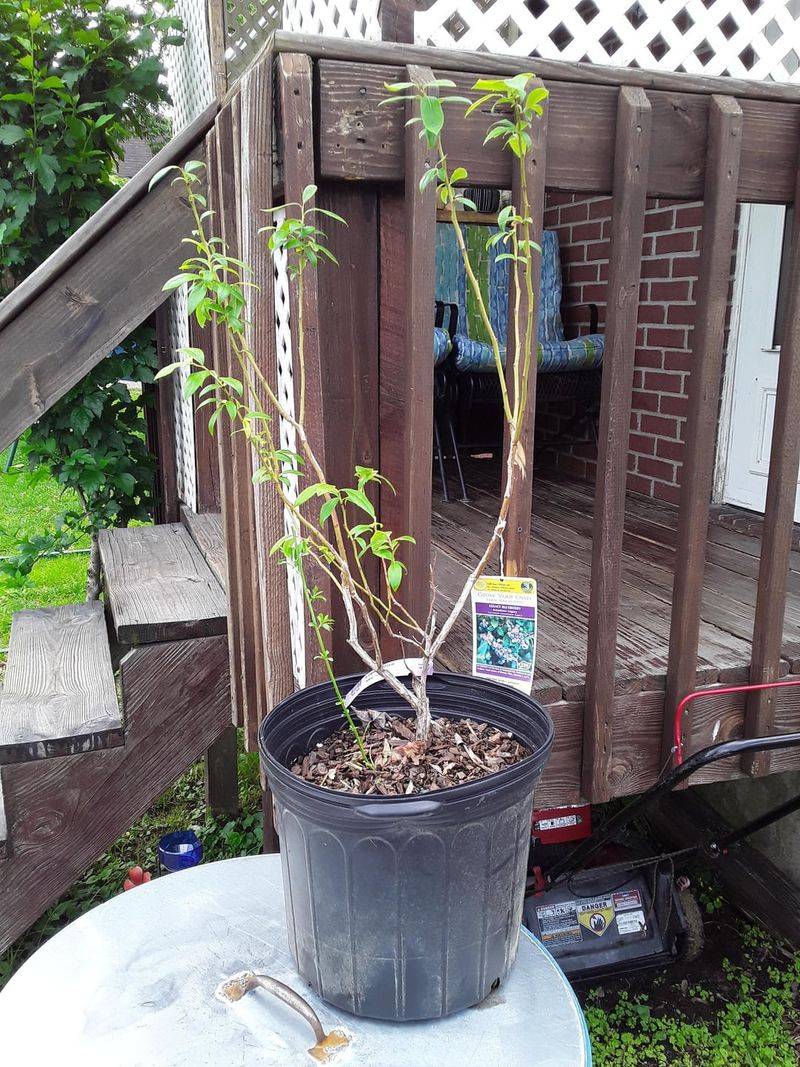
Blueberries are one of those plants that look easygoing but are secretly very picky about their roots.
They need cool, moist, acidic soil to thrive, and black plastic pots work against every single one of those needs.
On a warm afternoon in California, a black pot sitting in direct sun can push soil temperatures well past 120 degrees Fahrenheit. Blueberry roots are shallow and very sensitive to heat.
When the soil gets that hot, the roots stop absorbing water and nutrients properly. The plant starts to look wilted even when the soil is wet, which confuses a lot of gardeners.
Blueberries also need consistent moisture. Black pots dry out much faster than lighter-colored containers.
You might water in the morning and find the soil bone dry by early afternoon. That cycle of wet and dry is hard on blueberry plants and makes it nearly impossible to get a good berry harvest.
Switching to a light-colored ceramic, fabric, or white plastic pot makes a noticeable difference.
Fabric grow bags are especially popular because they allow airflow around the roots and prevent overheating.
Place your blueberry container in a spot that gets morning sun and afternoon shade. In hotter inland areas, this one change alone can double your berry production.
Your blueberries will thank you with plump, sweet fruit all summer long.
2. Japanese Maples Hate Baked Container Roots
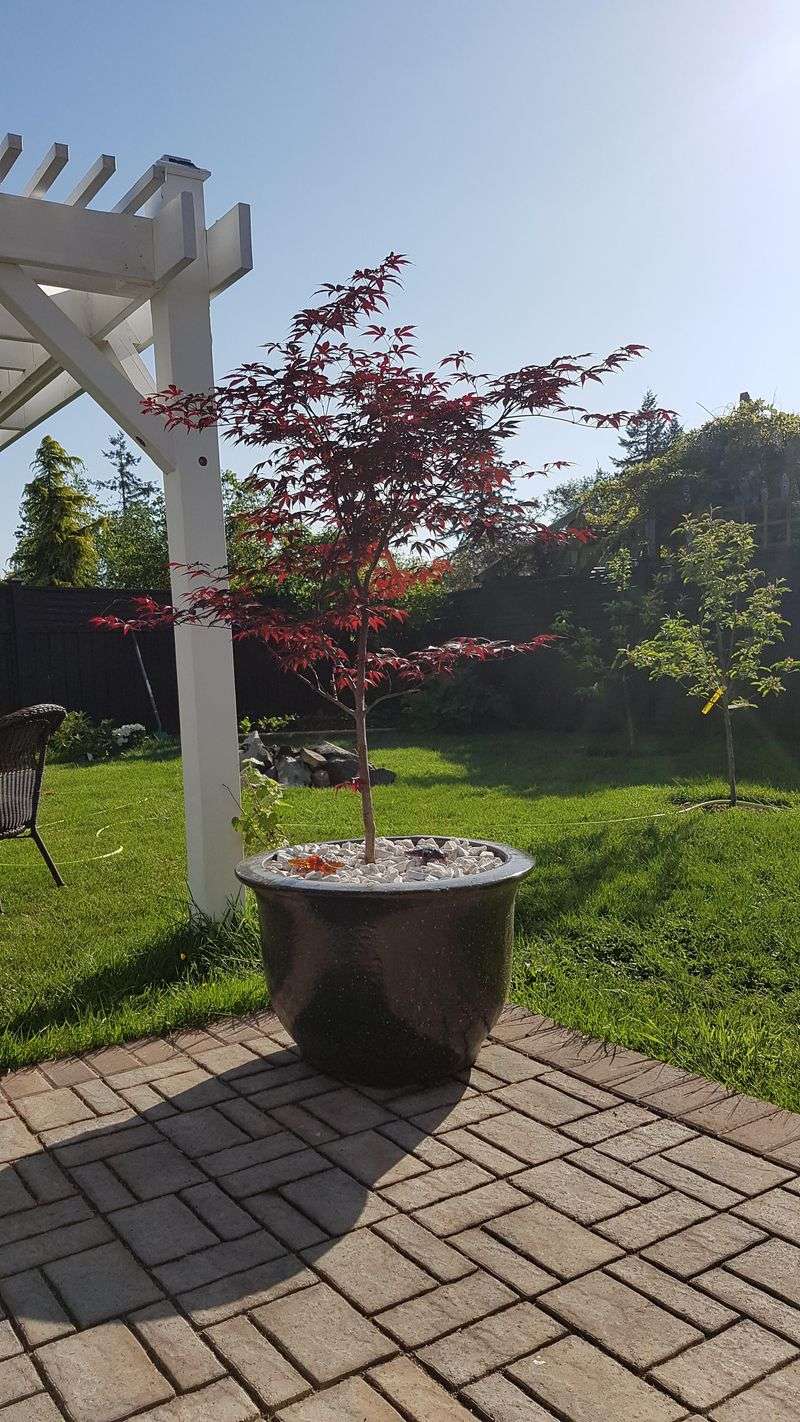
Few trees turn heads quite like a Japanese maple. Those delicate, lacy leaves in shades of red, orange, and burgundy make any garden feel like a work of art.
But put one in a black plastic pot under the summer sun, and that beauty fades fast.
Japanese maples are native to cool, forested regions of Asia. Their roots are used to staying shaded and cool under layers of mulch and tree canopy.
When you plant one in a black plastic container and set it on a sunny deck or patio, the roots bake in extreme heat. The leaves start to scorch at the tips and edges, turning crispy and brown.
Many gardeners mistake this for a watering problem, but the real issue is root temperature.
Your California Garden Changes Every Week. Your Plan Should Too.
Gardening in California changes quickly throughout the season. Every Friday you’ll receive a simple weekly plan showing exactly what to plant, prune, fertilize, harvest, and protect so you never miss the right timing.
In the warmer inland zones of California, soil in a black pot can reach dangerous temperatures within just an hour or two of direct sun.
Even in the milder coastal areas, afternoon heat can build up quickly inside dark containers.
The fix is simple. Move your Japanese maple into a large, light-colored pot made from ceramic, resin, or wood.
Wrap the pot with burlap or place it inside a larger decorative container for extra insulation. Keep it in a spot with filtered light and afternoon shade.
Mulch the top of the soil to hold in moisture and keep roots cooler throughout the season.
3. Hydrangeas Wilt Fast In Black Plastic
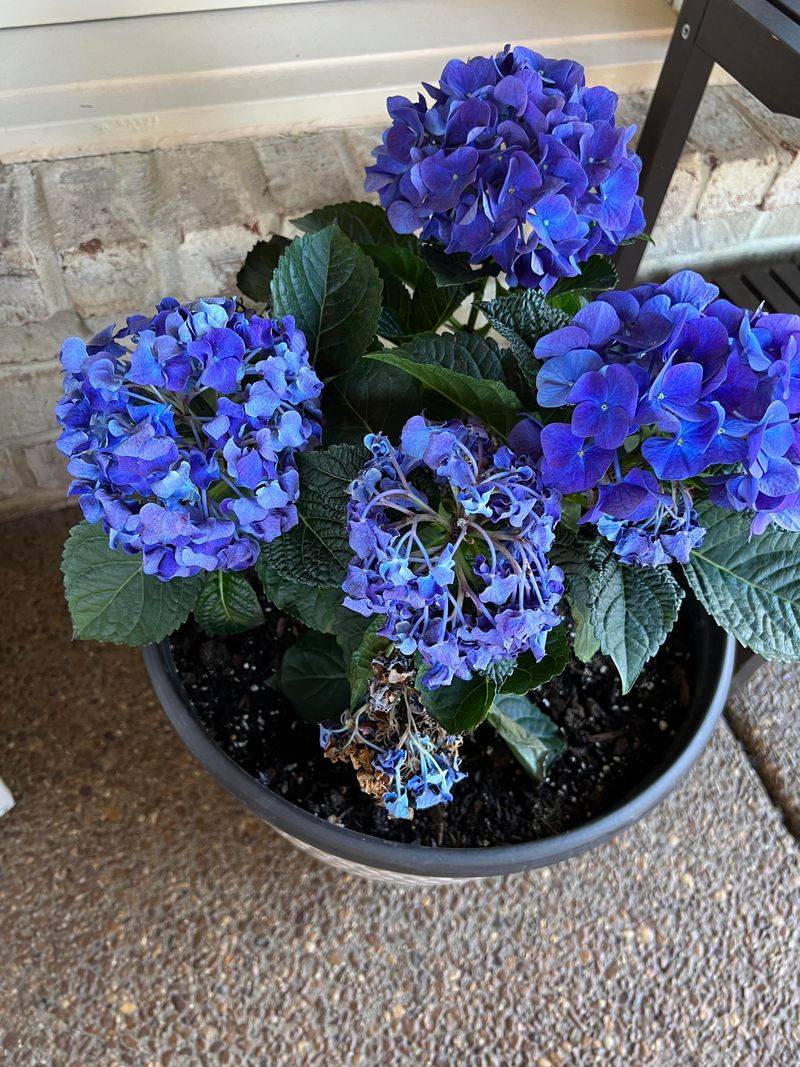
Hydrangeas are drama queens in the best possible way. They bloom in big, showy clusters and make any porch or patio look like something out of a magazine.
But catch them in a hot black plastic pot on a sunny afternoon, and those gorgeous blooms droop like wet paper.
These plants need a lot of water, and they need their roots to stay consistently moist and cool. Black plastic pots work against both of those needs.
The dark color pulls in heat from the sun and transfers it directly to the soil and roots. When root temperatures climb too high, the plant cannot move water up through its stems fast enough to keep the leaves and flowers hydrated.
Even gardeners in the cooler California coastal zones can run into this problem during summer heat waves.
A hydrangea that looked perfect in spring can start wilting by June if it is sitting in a black pot on a south-facing patio.
Repotting into a light-colored glazed ceramic or resin pot can make a big difference. These materials reflect sunlight instead of absorbing it, which keeps the root zone much cooler.
Place your hydrangea where it gets morning sun and afternoon shade. Water deeply every day during hot spells, and add a layer of mulch on top of the soil.
With the right pot and placement, hydrangeas can thrive in containers all season.
4. Fuchsias Struggle When Pots Overheat
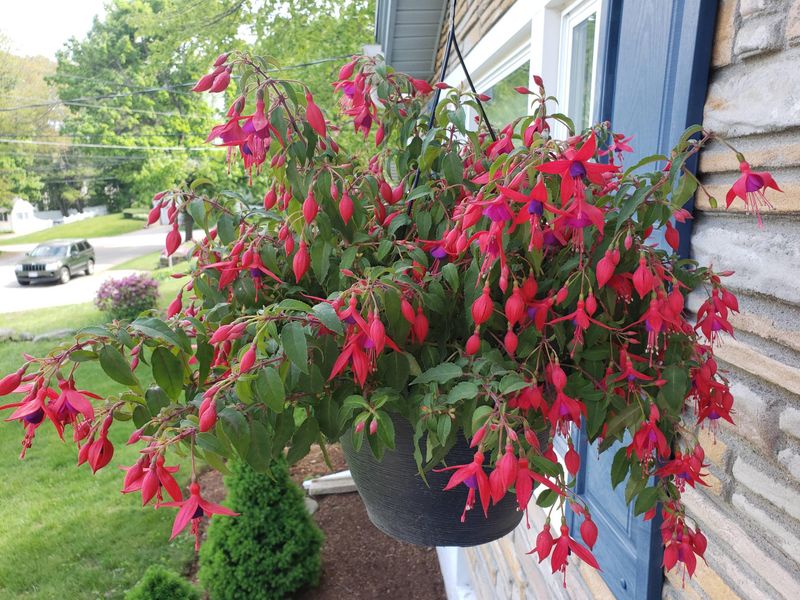
Those dangling blooms in hot pink, purple, and red look like little jewels hanging in the air. They are especially popular in the foggy coastal areas of our state, where the cool, moist air suits them perfectly.
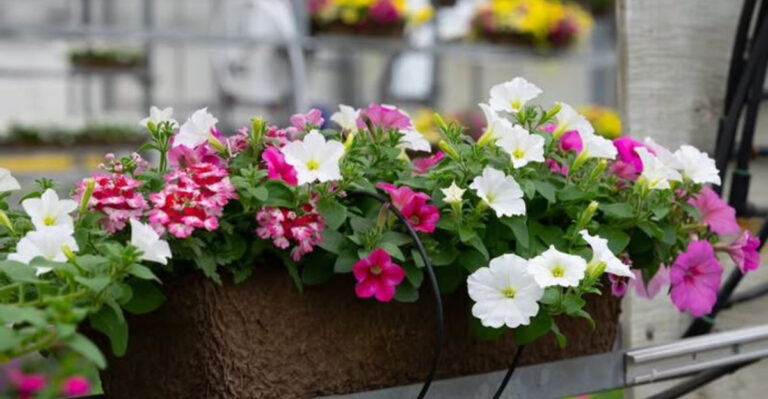
Here is the problem. Many California gardeners grow fuchsias in hanging black plastic baskets or dark pots, thinking any container will do.
But fuchsias are cool-weather lovers. They genuinely struggle when temperatures get above 85 degrees Fahrenheit, and a black pot in the sun can push root temperatures much higher than the air around it.
When fuchsia roots overheat, the plant drops its flowers and buds before they even open. Leaves turn yellow and fall off.
The whole plant looks like it is giving up, even when you are watering it regularly. This is one of the most frustrating experiences for gardeners who do not know what is causing the problem.
Switching to a light-colored or white hanging basket can help significantly. Coco coir-lined wire baskets are another great option because they allow airflow around the roots.
Keep fuchsias in a shaded or partly shaded spot, especially during the hottest part of the afternoon. Water them often, sometimes twice a day in warm weather.
With the right setup, fuchsias will reward you with nonstop color from spring all the way through fall.
5. Cilantro Bolts Faster In Hot Containers
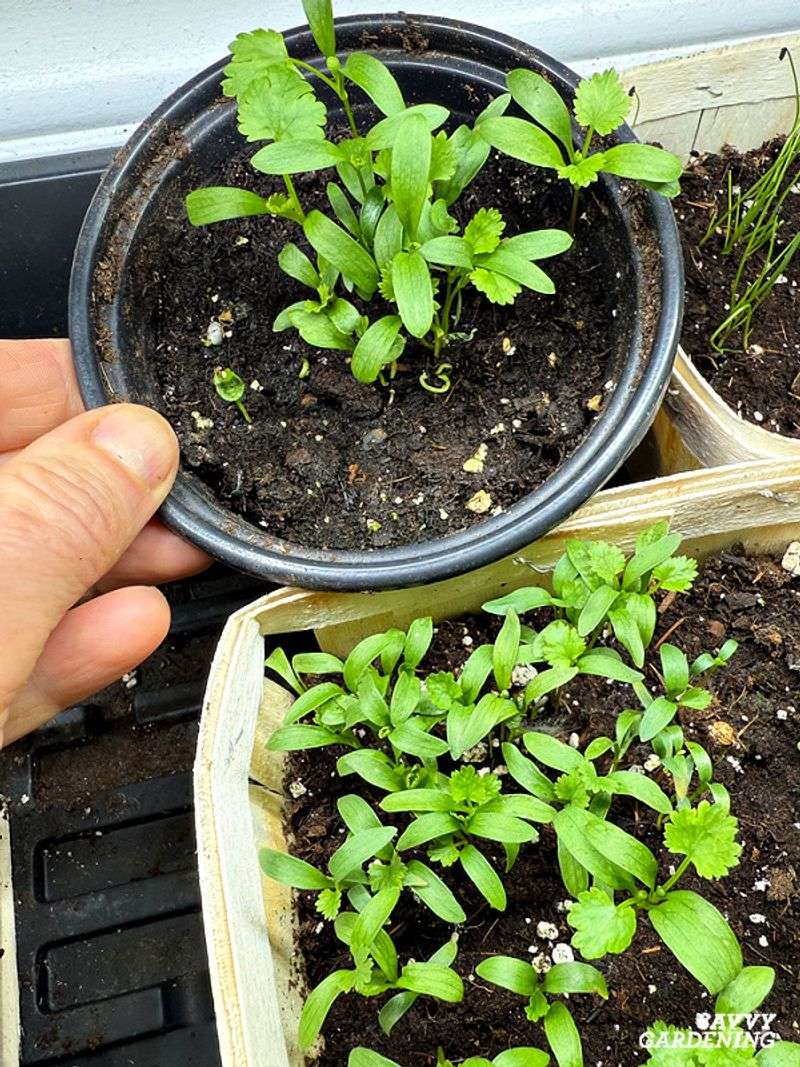
Cilantro is one of the most popular herbs in home gardens across our state, and for good reason. It grows fast, tastes fresh, and is used in everything from salsas to curries.
But if you have ever planted cilantro in a black pot and watched it shoot up a flower stalk in record time, you already know this herb has a short fuse when things get too warm.
Bolting is what happens when a plant skips straight to producing seeds instead of growing the leafy parts you actually want to eat. Cilantro bolts quickly even in ideal conditions, but heat speeds up that process dramatically.
A black plastic pot sitting in the sun acts like a mini oven, and the roots feel that heat before the air temperature even climbs very high.
Once cilantro bolts, the leaves become sparse, bitter, and tough. The flavor changes completely, and the plant is no longer useful for cooking.
Most gardeners end up pulling it out and starting over, which wastes both time and money.
Use a light-colored or terracotta pot instead, and place it where it gets morning sun but stays shaded during the hottest afternoon hours. Keep the soil consistently moist and plant cilantro in succession every few weeks for a continuous harvest.
In cooler northern growing zones, you may get a longer season, but avoiding black pots still helps extend the harvest window noticeably.
6. Lettuce Turns Bitter When Roots Heat Up
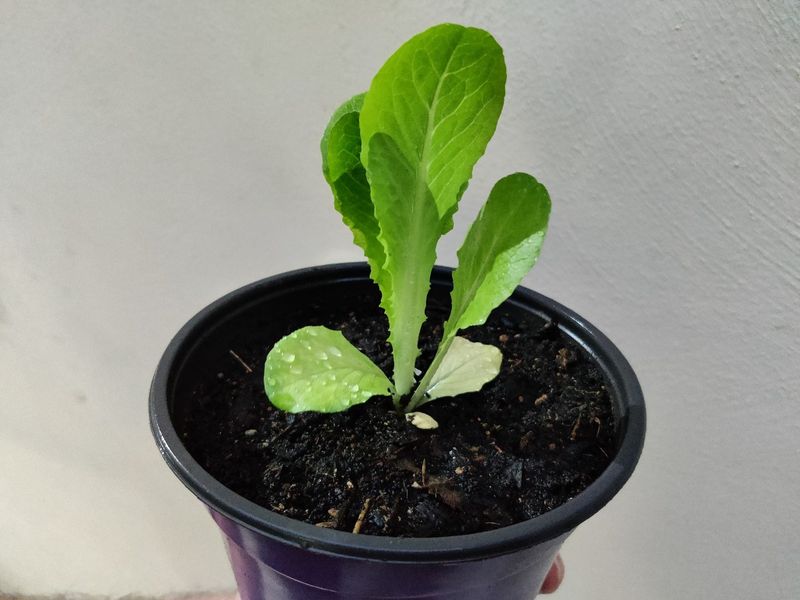
Nothing beats growing your own salad greens right at home. Lettuce is one of the easiest vegetables to grow in containers, which makes it a top pick for beginners and experienced gardeners alike.
But plant it in a black plastic pot and set it in the sun, and your crisp salad dreams can turn bitter in a hurry.
Lettuce is a cool-season crop. It prefers soil temperatures between 60 and 70 degrees Fahrenheit.
When the roots heat up beyond that range, the plant responds by rushing toward seed production, just like cilantro does.
As that happens, the leaves produce more bitter compounds called lactucarium. What started as a sweet, tender leaf becomes tough and unpleasant to eat.
In California, especially in the Central Valley and Southern regions, summer soil temperatures in a black pot can easily exceed 100 degrees Fahrenheit by midday. Even in cooler coastal areas, a black pot on a sunny balcony can heat up fast.
White or light gray fabric grow bags are one of the best options for growing lettuce in containers. They breathe well, stay cooler, and drain properly.
Place your lettuce in a spot that gets gentle morning light and full shade by late morning. Water daily and consider using a light shade cloth over the pot during heat waves.
With the right setup, you can grow fresh lettuce well into early summer and again in the fall.
7. Strawberries Dry Out Too Quickly
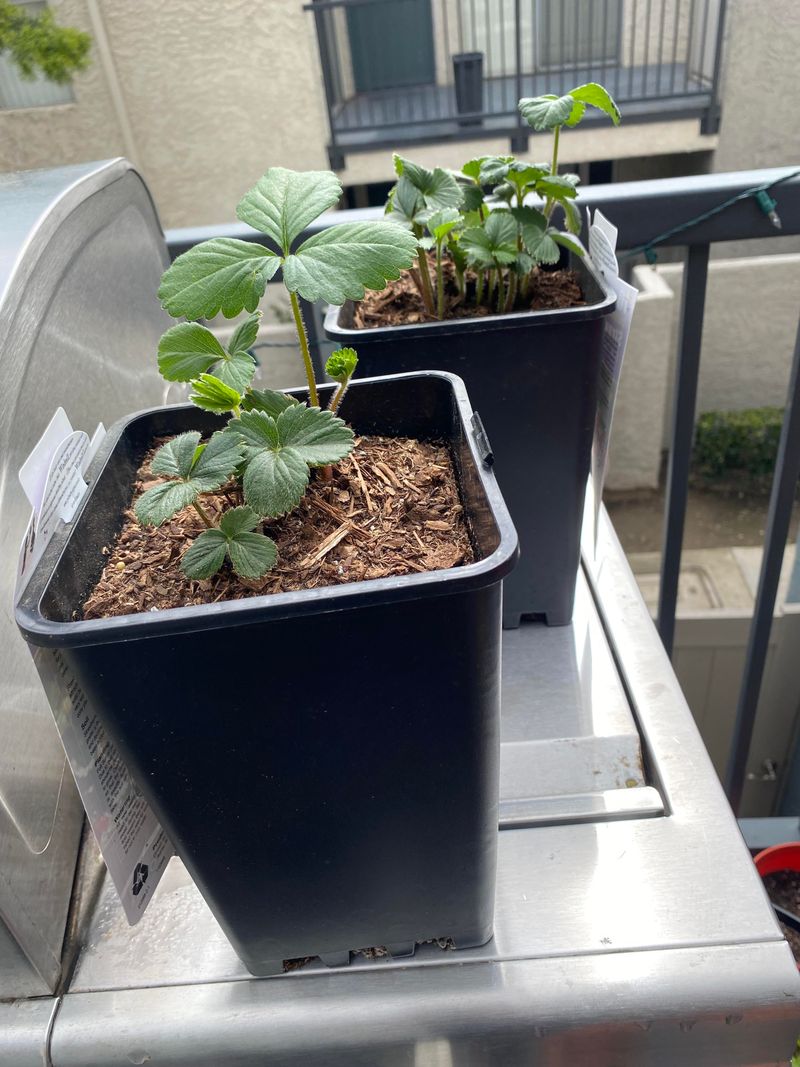
Strawberries in a container are one of the most rewarding things a home gardener can grow.
There is something genuinely satisfying about picking a warm, sun-ripened berry straight from your own patio.
But black plastic pots can turn that sweet experience into a frustrating one pretty quickly.
Strawberry plants have shallow root systems that are very sensitive to temperature swings. In a black pot sitting in the sun, the soil heats up fast and dries out even faster.
You might water your strawberries in the morning and find them wilting by noon. That constant stress from heat and drought weakens the plant, reduces fruit size, and makes the berries taste less sweet.
Black pots also tend to heat unevenly. The sides closest to the sun can get scorching hot while the center stays cooler.
That uneven heat distribution stresses the roots and leads to inconsistent growth across the plant.
Terracotta pots are a much better choice for strawberries. They are naturally porous, which helps regulate soil temperature and moisture.
Light-colored plastic or ceramic pots also work well. Strawberry pots with multiple planting pockets are popular and allow for good airflow.
Place your strawberry container where it gets six hours of sun but is shaded during the peak afternoon heat.
Water every day during warm weather, and add a thin layer of straw mulch on top of the soil to hold in moisture and keep roots from overheating between waterings.
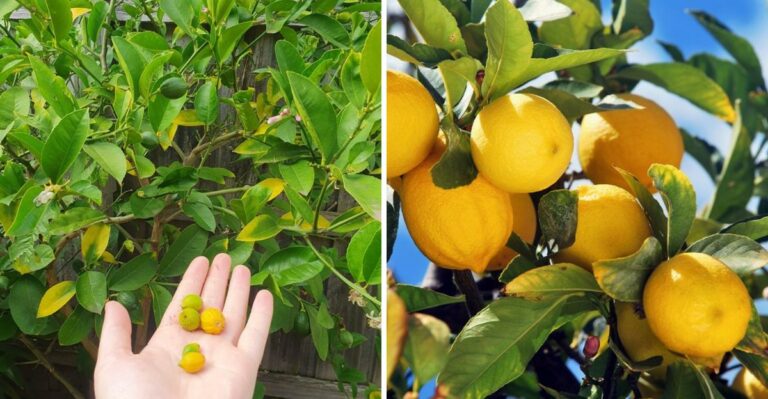
8. Young Citrus Can Stress In Small Black Pots
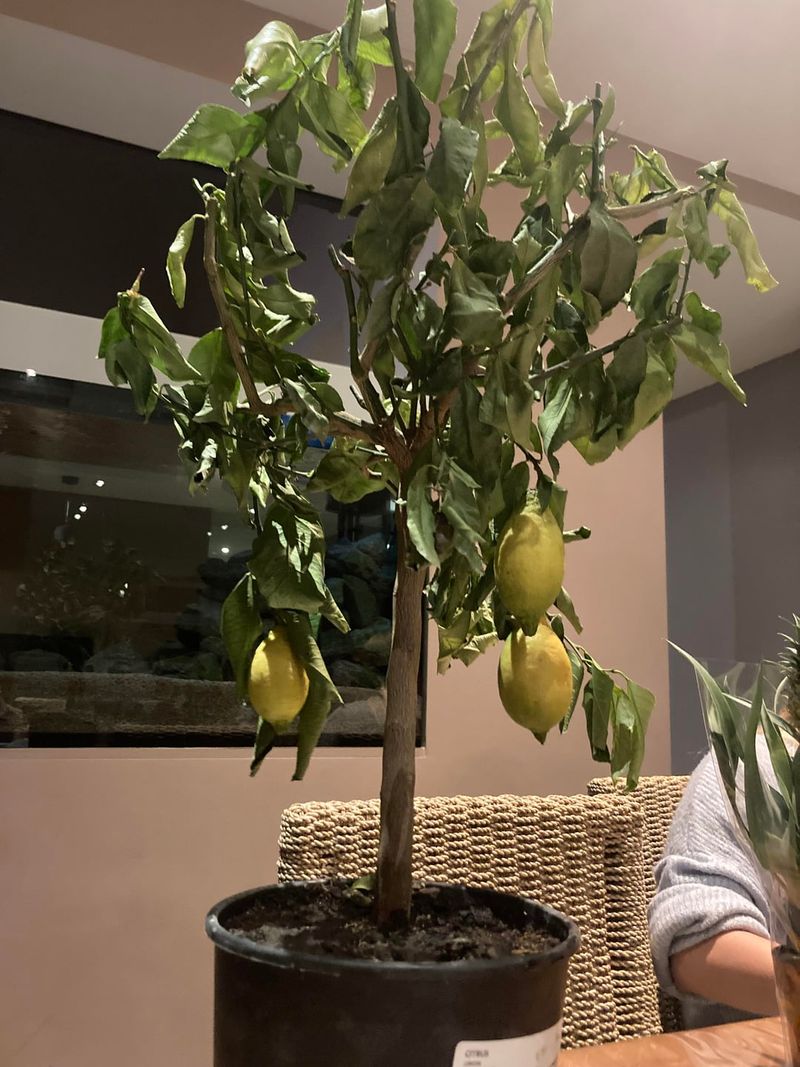
Citrus trees are practically a symbol of warm-weather gardening in our state. Lemons, limes, mandarins, and navel oranges thrive in our sunny climate, and many gardeners love growing young trees in containers so they can move them around easily.
But starting a young citrus tree in a small black plastic pot is one of the quickest ways to set it up for struggle.
Young citrus trees are still building their root systems. Those tender new roots are much more sensitive to heat than the established roots of a mature tree in the ground.
When a small black pot sits in direct sun, the soil inside can reach temperatures that damage those developing roots within just a few hours. The tree responds by dropping leaves, producing pale yellow growth, or stalling out completely.
Small pots also dry out much faster than large ones. A young citrus tree in a tiny black pot may need water twice a day during a heat wave, which is not practical for most gardeners.
Inconsistent watering leads to blossom drop and poor fruit set.
Start young citrus in a light-colored pot that is at least 15 to 20 gallons in size. Bigger pots hold more soil, which insulates the roots better and stays moist longer.
Use a well-draining citrus mix and place the pot where it gets full sun in the morning and some afternoon relief.
As the tree matures, move it into an even larger container to keep roots comfortable and productive year-round.