How To Prepare Virginia Piedmont Clay Soil Before Frost
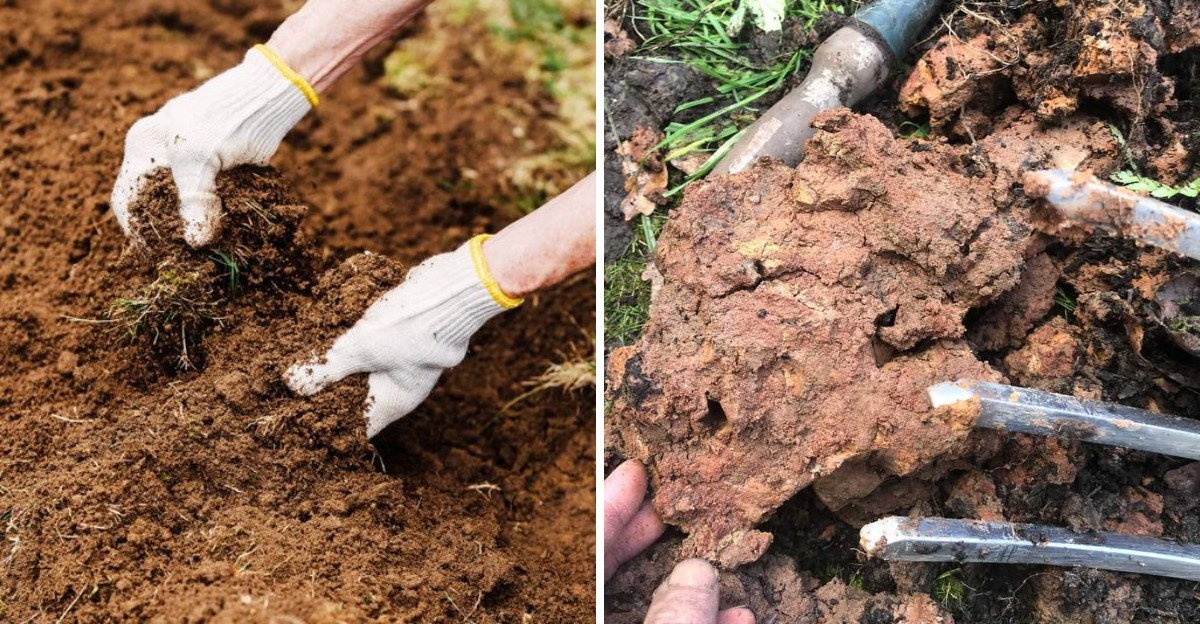
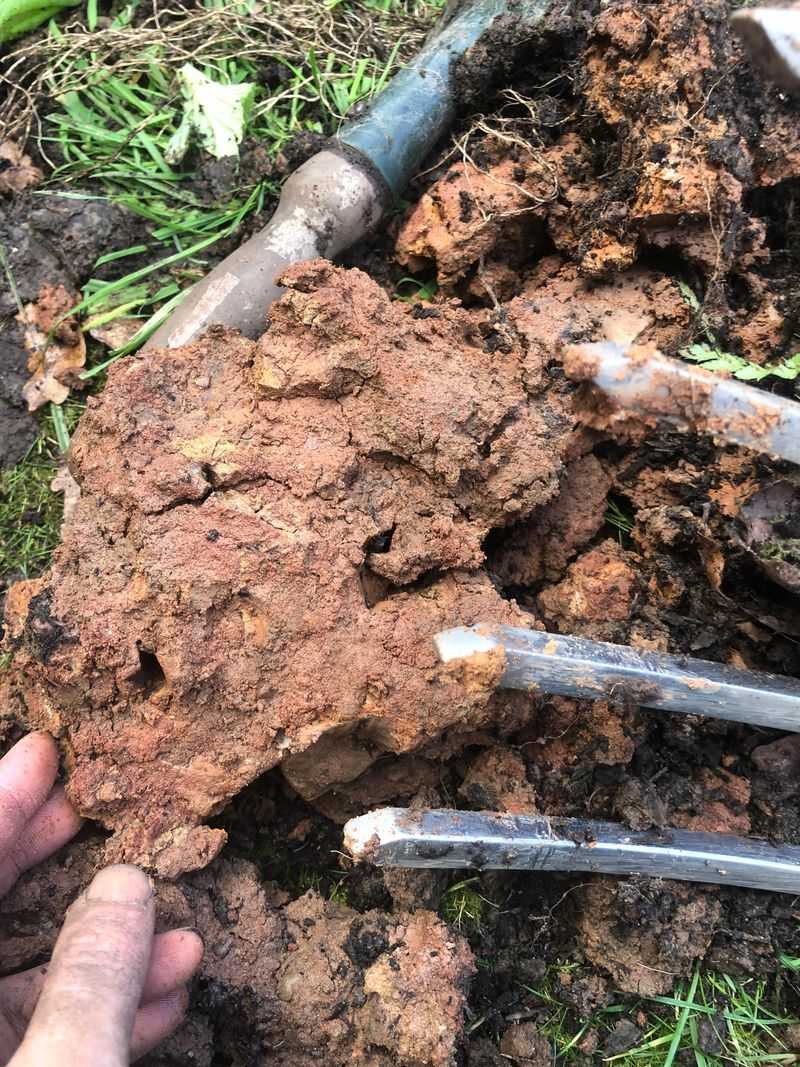
Grab a handful of Virginia Piedmont soil in October, and its texture tells you plenty. That red clay holds moisture and nutrients well, but it can also compact tightly and drain slowly.
Fall offers a useful window to improve it before winter arrives. Cooler weather, steady rain, and natural decomposition can help build better soil structure over time.
A few smart steps now can make spring beds easier to work. You do not need expensive equipment, either.
Think of fall as a chance to give your soil a head start. Come spring, better-prepared beds can support healthier roots and stronger growth.
Add Compost While The Soil Is Still Workable
Timing beats effort when it comes to compost. Spread it while the ground still gives under your shovel, not after the first hard freeze.
Aim for a useful layer of finished compost across your beds, adjusting the amount to how deeply you plan to incorporate it. Rake it even so no bare patches peek through the dark material.
Winter weather and soil organisms help break down that organic matter over time, improving the Virginia Piedmont clay.
You do not need to till it in deeply. A light scratch with a rake or fork mixes the top few inches just fine.
Compost feeds the tiny creatures living underground all season. Those helpers tunnel and chew, slowly opening up space between packed clay particles.
Homemade compost works, and so does bagged mushroom compost from a garden center. Leaf mold raked from your own yard costs nothing at all.
Repeat the routine every fall for the biggest payoff. Clay improves in layers, year after year, rather than in one dramatic weekend.
Gardeners across the Piedmont often say their beds felt different by the third autumn. Shovels slid in easier and puddles stopped lingering after storms.
Skip fresh manure this late in the season. It can burn roots and attract pests before it breaks down properly.
Keep compost a few inches away from tree trunks and shrub stems. Piling it against bark traps moisture and invites rot.
One simple layer now saves hours of digging in April. Your back will thank you when planting season arrives.
Avoid Working Clay When It Is Too Wet
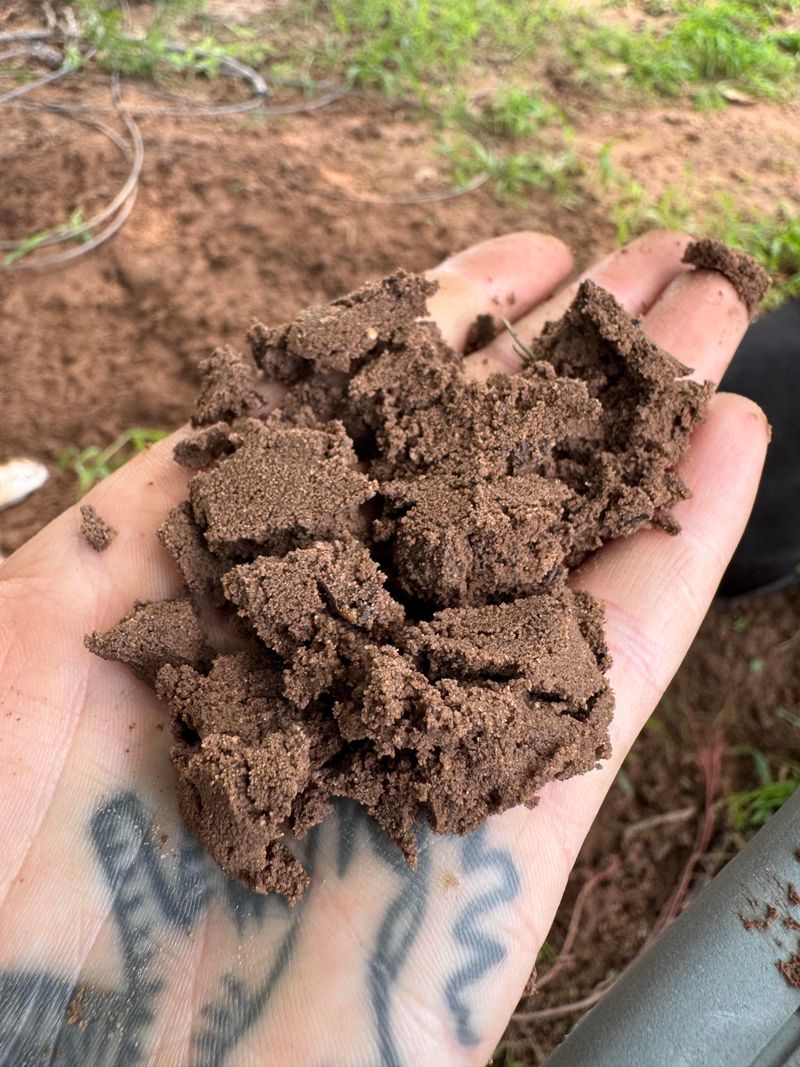
Squishy clay tempts gardeners after a rainy week. Resist it, because wet clay smears instead of crumbling under a shovel.
Pressure squeezes out the air pockets roots depend on. Once those spaces collapse, the soil dries into bricks that resist everything.
Even one careless walk across a soaked bed leaves lasting footprints. Compaction from boots can linger long after the soil dries.
Try the squeeze test before you start. Grab a handful, press it into a ball, then poke it with a finger.
Crumbly means go ahead and work. Shiny, sticky, or ribbon-like means wait a few more days.
Autumn in the Virginia Piedmont brings plenty of steady rain. Patience often matters more than having a free Saturday on the calendar.
Lay down boards or stepping stones if you must cross a bed. Spreading your weight protects the structure underneath.
Your Virginia Garden Changes Every Week. Your Plan Should Too.
Gardening in Virginia changes quickly throughout the season. Every Friday you’ll receive a simple weekly plan showing exactly what to plant, prune, fertilize, harvest, and protect so you never miss the right timing.
Permanent paths help too. Designate walking rows so the growing areas stay untouched by feet and wheelbarrow tires.
Raised beds offer another workaround. They drain faster and become usable sooner after Piedmont downpours.
Machines cause the worst damage. A tiller run through wet clay creates a slick, hardened layer several inches down.
Give the ground two or three dry days after heavy rain. Sunny, breezy weather speeds up the wait considerably.
Working with the weather instead of against it protects everything you built. Good structure is far easier to keep than to rebuild.
Mix Organic Matter Into Heavy Clay
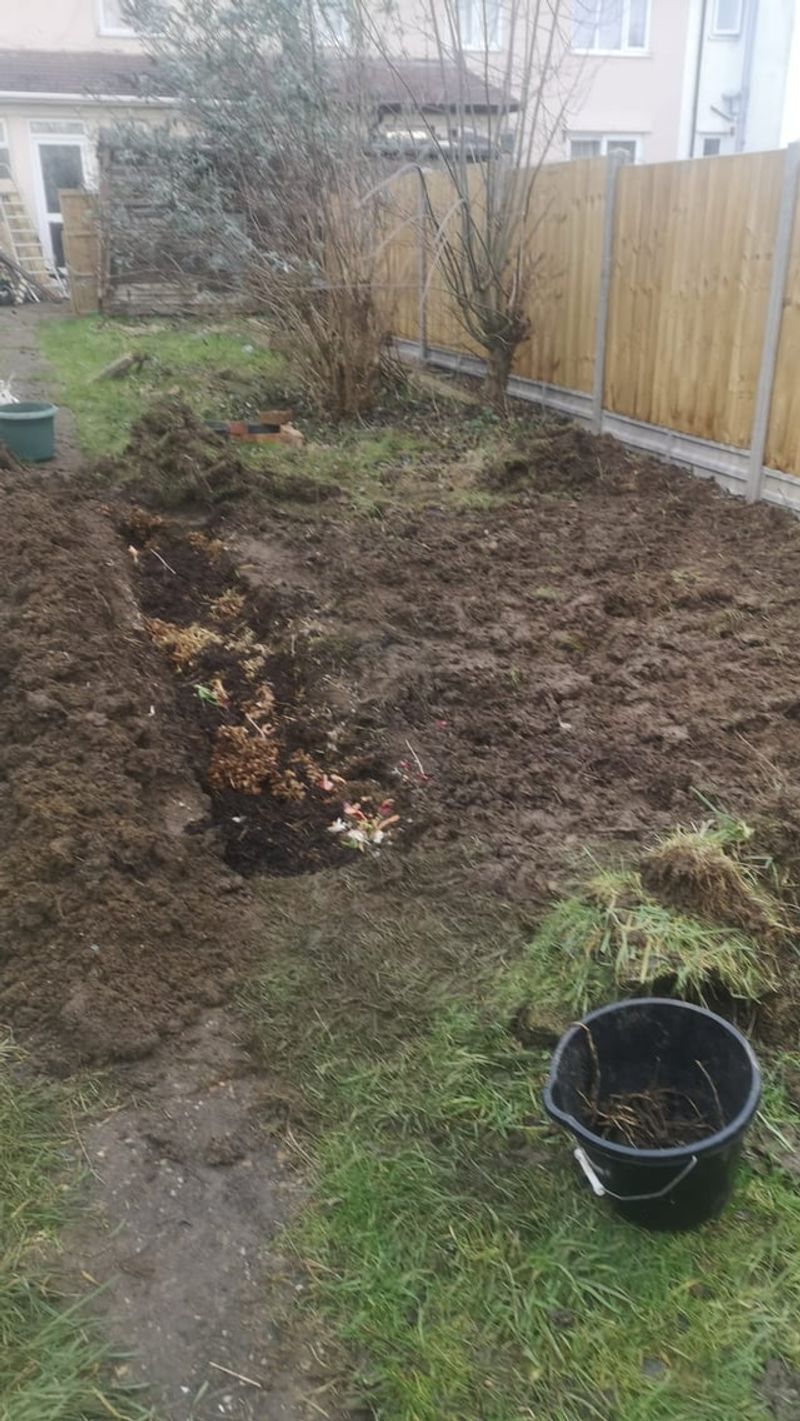
Variety matters more than volume here. Clay responds best when you feed it several different kinds of organic material.
Aged manure, leaf mold, shredded leaves, and finished compost all work. Each breaks down at a different speed, so benefits stretch across months.
Those materials wedge themselves between microscopic clay particles. Air pockets form, and suddenly water can move instead of sitting still.
Drainage improves while moisture holding stays strong. That combination is the quiet superpower of amended Piedmont clay.
Skip the sand, please. Mixing sand into clay without enough organic matter creates something uncomfortably close to concrete.
Fork material into the top six inches rather than digging deep trenches. Shallow blending disturbs fewer earthworms and soil fungi.
Shredded leaves are basically free in November. Run a mower over a pile and you have instant soil conditioner.
Pine bark fines also perform well in Virginia gardens. They resist breaking down quickly, holding open structure for a couple of years.
Watch out for grass clippings treated with weed control products. Those chemicals can linger and stunt vegetables next summer.
Expect gradual change rather than overnight magic. Heavy clay usually needs three to five seasons of steady additions.
Measure progress by feel. When a handful crumbles into small crumbs instead of one solid lump, you are winning.
Roots will find their way through much faster. Plants respond with sturdier growth and fewer struggles during dry Piedmont summers.
Check Drainage Before Adding More Water
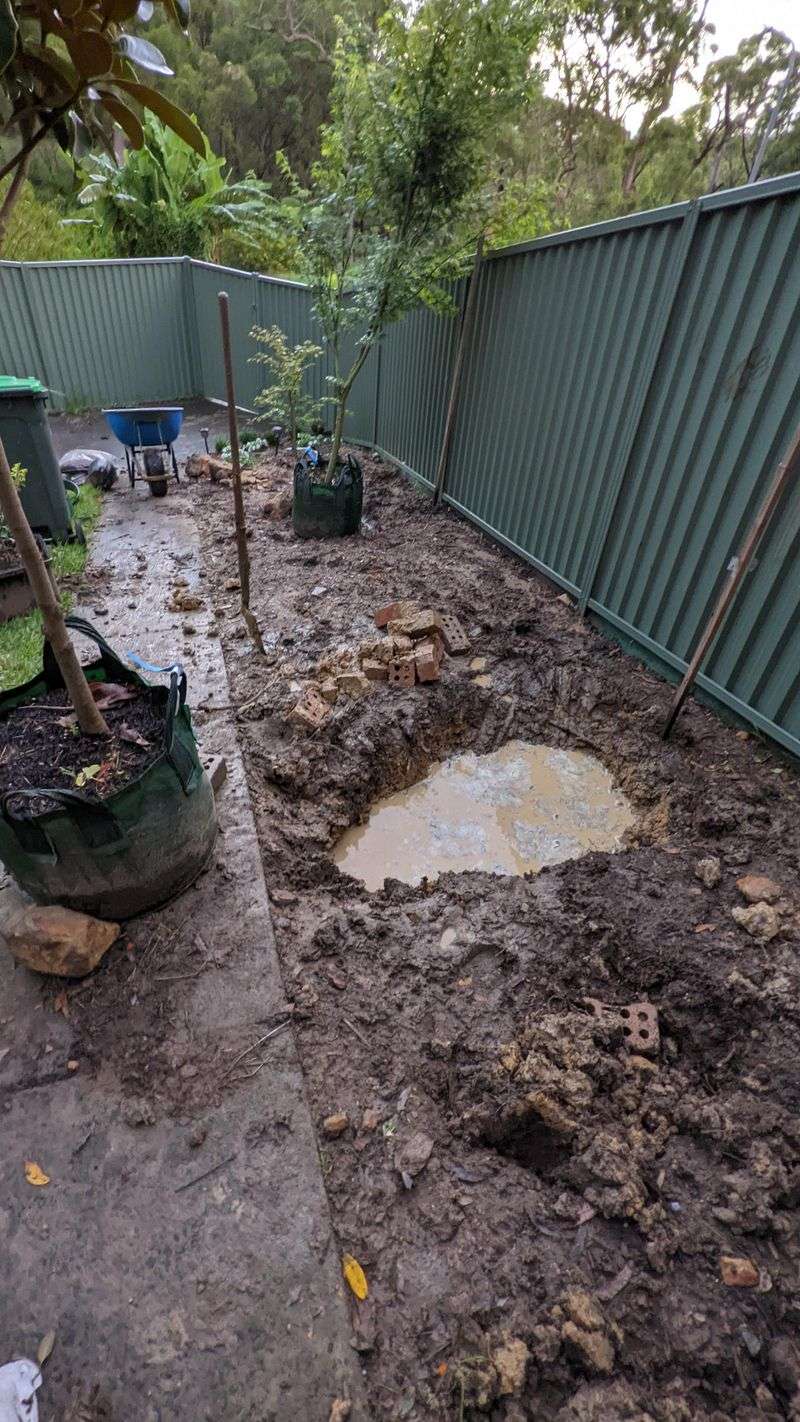
Guessing about drainage leads to soggy roots. A percolation test gives you real numbers in about an afternoon.
Dig a hole roughly one foot wide and one foot deep. Fill it with water and let it drain out entirely.
Refill the hole a second time. Then start your timer and watch how the level drops.
Watch how long the water remains. If water is still standing after about eight hours, the soil is poorly drained.
Test a few spots across the yard. Piedmont properties often have pockets that behave very differently from each other.
Low corners collect runoff from roofs and driveways. Those areas may need regrading or a swale rather than more amendments.
Slow spots benefit from raised beds. Lifting the root zone can improve drainage in poorly drained areas.
Raised beds are one option for dealing with heavy or wet soil.
Compacted subsoil sometimes hides a foot down. Broadforking or a deep-rooted cover crop such as daikon radish can help improve soil structure over time.
Avoid irrigating beds heading into winter if drainage already lags. Saturated ground plus freezing temperatures stresses shallow roots.
Check gutters and downspouts while you are at it. Redirecting roof water away from beds fixes more than people expect.
Write your results in a garden notebook. Retesting the same holes in two years shows exactly how much your work helped.
Knowing the numbers keeps you from wasting money. You amend where it counts instead of treating the whole yard equally.
Cover Bare Soil Before Winter Rain
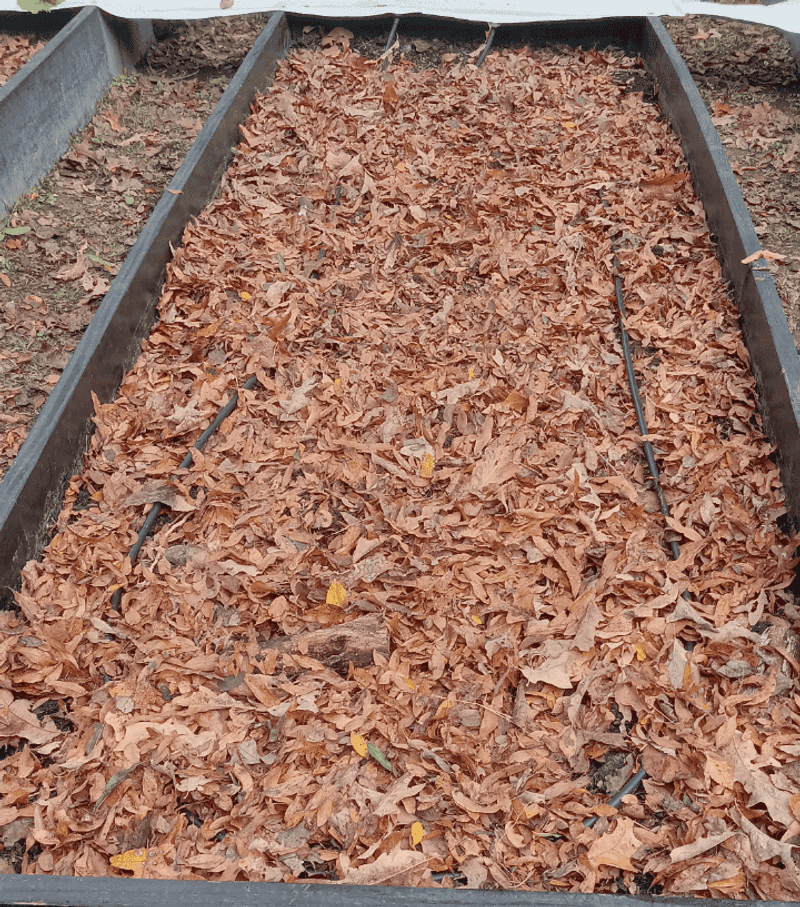
Naked soil in winter is an open invitation to erosion. Piedmont rain arrives hard and fast, carrying topsoil straight down the slope.
Every storm that hits bare ground also pounds the surface flat. Raindrops act like tiny hammers on exposed clay.
A crust forms after repeated beatings. Water then runs off instead of soaking in, which starves the root zone below.
Covering beds solves several problems with one move. Erosion slows, compaction eases, and nutrients stay where you put them.
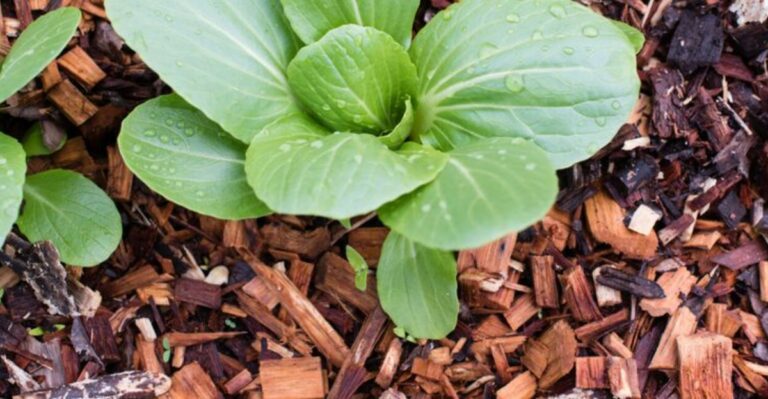
Straw, chopped leaves, pine needles, or even cardboard will do. Anything that softens the impact of falling water counts.
Sloped yards deserve extra attention. Many Virginia Piedmont properties sit on gentle grades that shed water surprisingly quickly.
Landscape fabric is a weaker choice for the long haul. Natural materials break down and enrich the ground as a bonus.
Weigh down light coverings with branches or garden staples. February winds in central Virginia can scatter loose straw across the neighborhood.
Leave a small gap around perennial crowns. Packing material tight against stems traps dampness and invites disease.
Covered beds also warm up predictably in spring. You pull back the layer and find loose, moist soil waiting.
Fewer weeds sprout under cover too. Seeds that never see sunlight rarely bother you in April.
Think of it as tucking your garden in. Small effort in November, big reward come planting time.
Use Mulch To Protect Exposed Soil
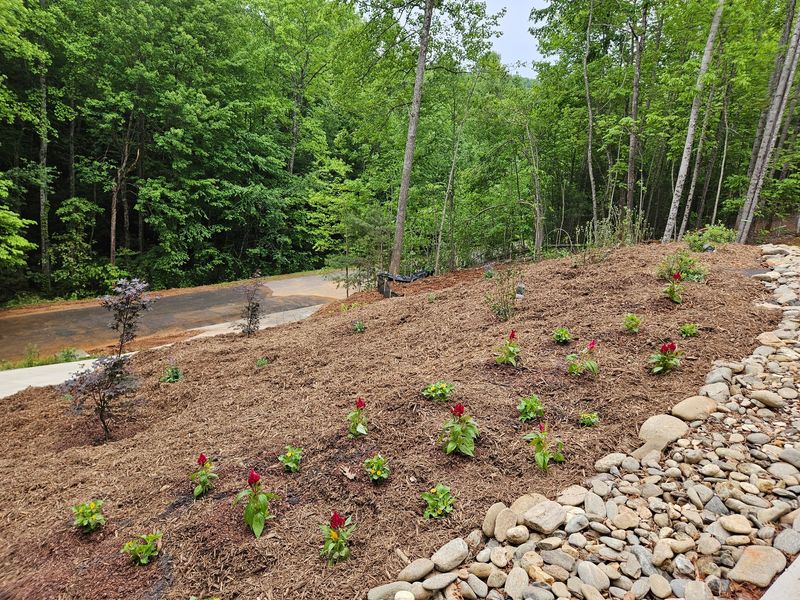
Mulch works like a wool blanket for your beds. It steadies soil temperature so roots avoid wild swings.
Freeze and thaw cycles push shallow plants right out of the ground. A two to three inch layer calms that heaving.
Shredded hardwood bark holds together well on Piedmont slopes. Wood chips, pine straw, and chopped leaves all perform admirably too.
Organic mulches slowly break apart at the bottom. That constant trickle of humus feeds clay without any extra digging.
Weeds get discouraged in the process. Fewer chickweed and henbit seedlings means an easier March cleanup.
Moisture stays put under a mulch layer. Clay that dries out cracks badly, and cracks tear fine roots apart.
Apply after the ground has cooled but before hard frost. Mulching too early can keep soil warm and confuse dormant plants.
Keep material pulled back from trunks and stems. Volcano-style mounds around trees cause bark problems and attract rodents.
Dyed mulches look tidy but add less nutrition. Natural aged bark gives better long-term value for Virginia clay.
Free wood chips often come from local tree crews. Many arborists happily drop a load in your driveway.
Refresh the layer each year rather than piling endlessly. Too much mulch can smother roots and hold excess water.
Come spring, peel back a corner and look. You will likely find crumbly, dark soil and plenty of earthworms.
Plant Cover Crops In Empty Garden Beds
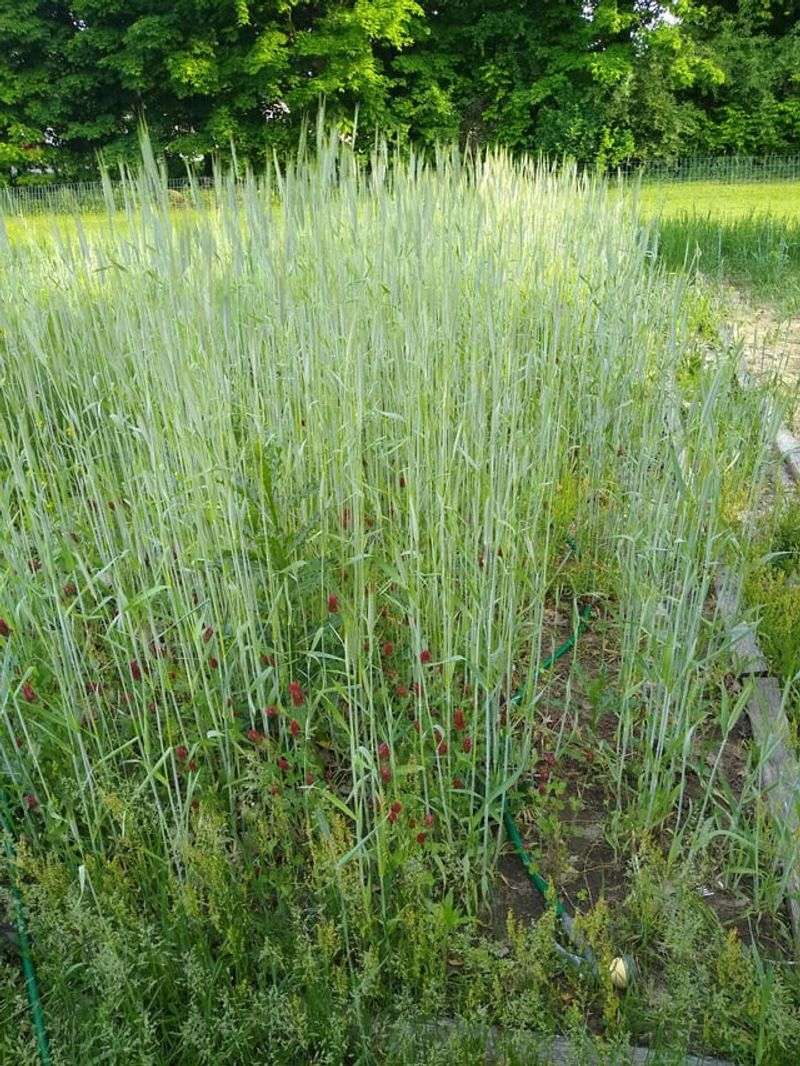
Empty beds can work for you all winter long. Cover crops turn idle space into a living soil factory.
Winter rye handles cold beautifully and sends roots deep. Those roots punch channels through tight Piedmont clay for free.
Oats grow fast and wind down naturally after hard freezes. They leave an easy mat that breaks apart by March.
Crimson clover and hairy vetch fix nitrogen from the air. When incorporated, they can add nitrogen and organic matter for the next crop.
Sow according to the cover crop and your local planting window. Seedlings need time to root before the cold slows them.
Rake the bed smooth, broadcast seed, then rake lightly again. A thin sprinkle of compost helps hold seed in place.
Water once if autumn turns dry. Germination in clay needs consistent surface moisture for about a week.
Mixes often outperform single species. Combining rye with clover gives you both deep tunneling and nitrogen fixing.
Cut or crimp growth two to three weeks before spring planting. Letting residue break down avoids tying up nitrogen.
Do not let rye go to seed. It reseeds enthusiastically and becomes a weed you will chase for years.
Bees appreciate crimson clover blooms in April. Your garden feeds pollinators before vegetables even go in.
Many Virginia gardeners find this habit makes a noticeable difference in their beds. Living roots can improve soil while also protecting it through winter.
Leave Heavy Clay Rough Through Winter
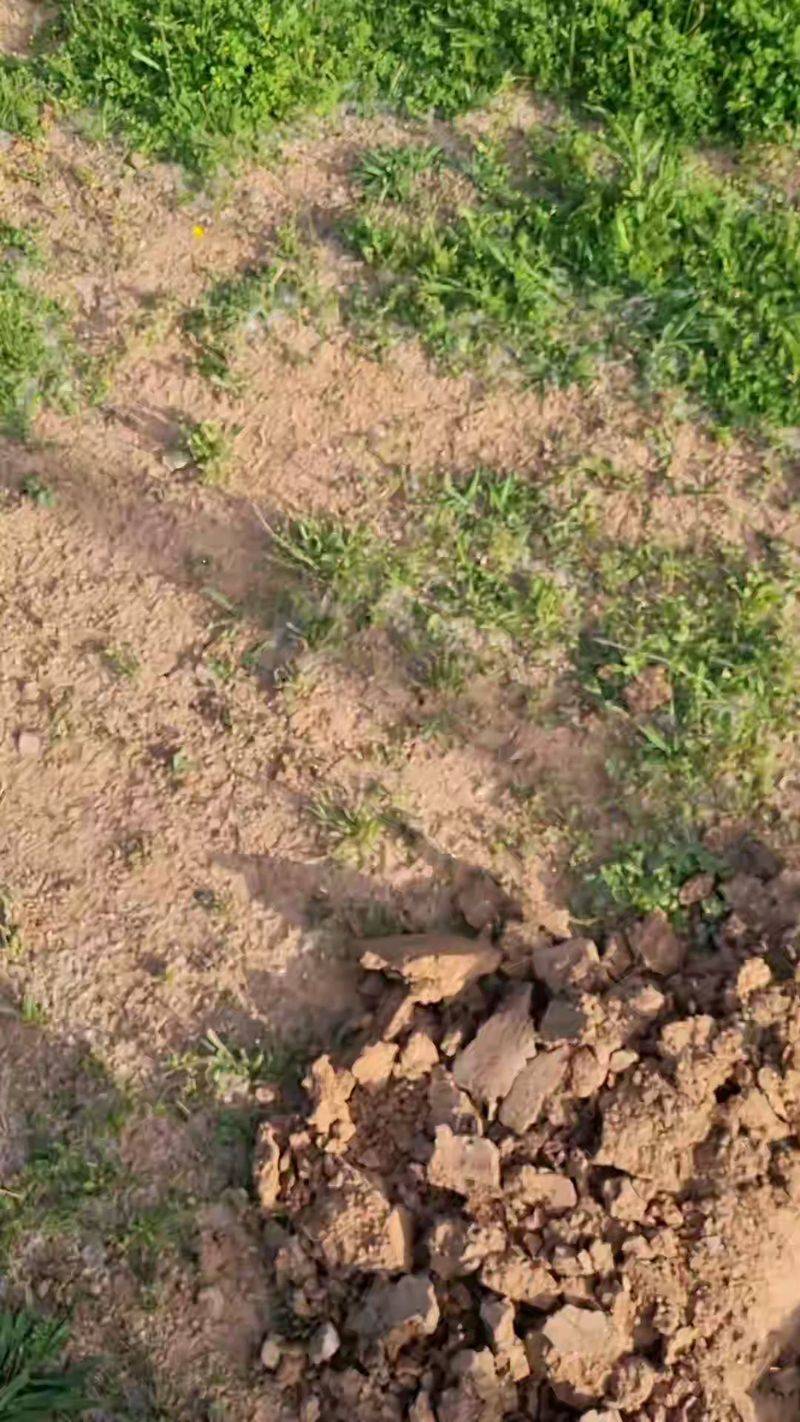
Sometimes the best gardening move is doing less. Rough, lumpy clay can benefit from being left alone through winter.
Turn the ground once with a spade and stop there. Big clods are exactly what you want heading into December.
Water seeps into those clumps and freezes. Ice expands, cracks the lumps apart, and repeats the trick again and again.
Virginia Piedmont winters can bring repeated freeze-thaw cycles. That back-and-forth can help break up heavy clay.
By spring, some of those stubborn chunks may crumble more easily after repeated freezing and thawing. Nature handled the tilling while you stayed warm indoors.
Rough surfaces catch blowing leaves too. Free organic matter collects in every crevice and starts decomposing.
Rain soaks in better across an uneven surface. Smooth, raked beds shed water and crust over quickly.
Skip this approach on steep slopes. Loose clods can wash downhill during heavy storms, so cover those areas instead.
Pair the technique with a light straw scattering. You still get freeze-thaw action plus some erosion protection.
Hold off on raking smooth until spring planting day. Working the surface too early undoes all that winter progress.
Old-timers around central Virginia called it rough plowing. Farmers used the method long before anyone sold soil conditioner in bags.
Free labor from the weather is hard to beat. Let winter be your hardest working garden helper.
Use A Soil Test Before Adding Amendments
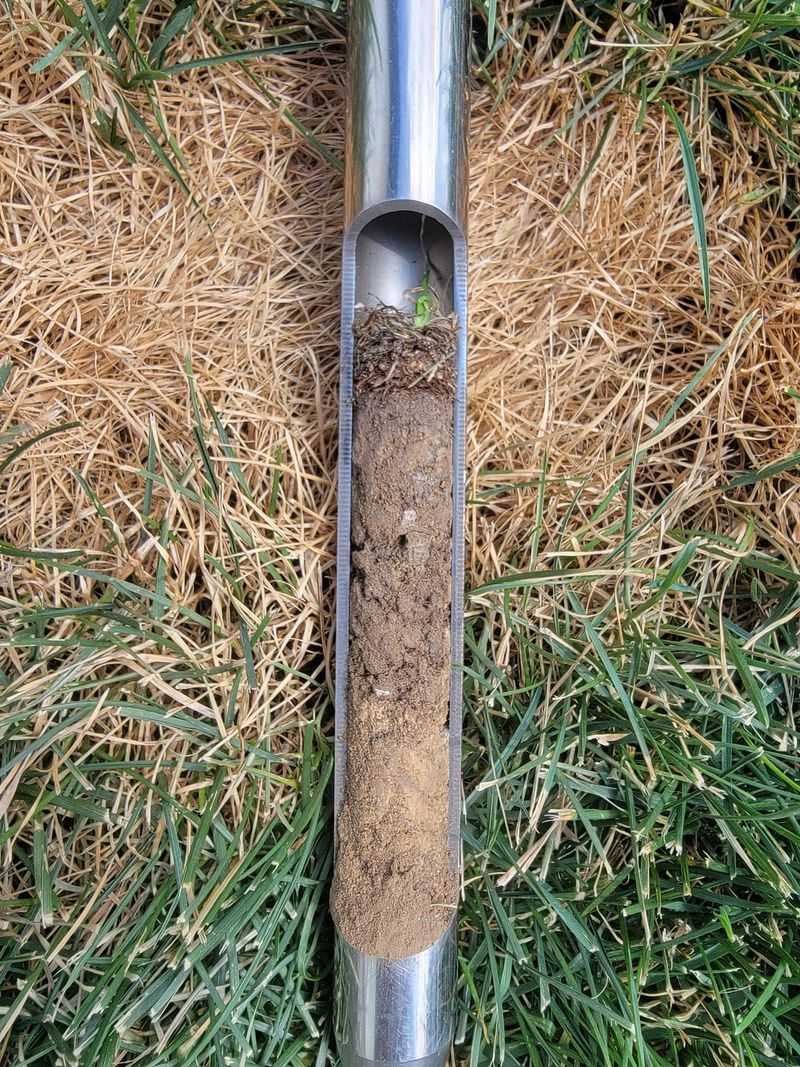
Guessing about lime and fertilizer wastes money fast. A soil test replaces hunches with actual facts about your ground.
Results show pH plus phosphorus, potassium, calcium, and magnesium levels. You learn what your beds truly need instead of what a bag claims.
Kits are available through Virginia Cooperative Extension offices in nearly every county. The cost is modest and the report is detailed.
Samples go to the Virginia Tech Soil Testing Laboratory. Recommendations come back written for home gardeners, not chemists.
Collect several soil subsamples from each uniform bed. Mix them in a clean plastic bucket to make one representative sample.
Dig four to six inches down for vegetable areas. Lawn samples only need the top three or four inches.
Fall is an excellent testing season. A soil test can tell you whether lime is needed and give it time to begin adjusting pH before spring.
Piedmont clay often runs acidic thanks to weathered parent rock. Many gardens here benefit from lime, but only the test confirms it.
Test separate areas separately. Your tomato patch and your blueberry row want very different numbers.
Retest every three to five years in the Piedmont, or sooner if you make major changes to the soil. Tracking changes shows whether your compost habit is actually shifting the chemistry.
Avoid dumping random amendments without data. Too much phosphorus can harm nearby streams and waterways.
Smart gardeners across Virginia start here every time. One small envelope of red clay tells you where to begin.