What It Means When Fireflies Show Up In Your Virginia Yard
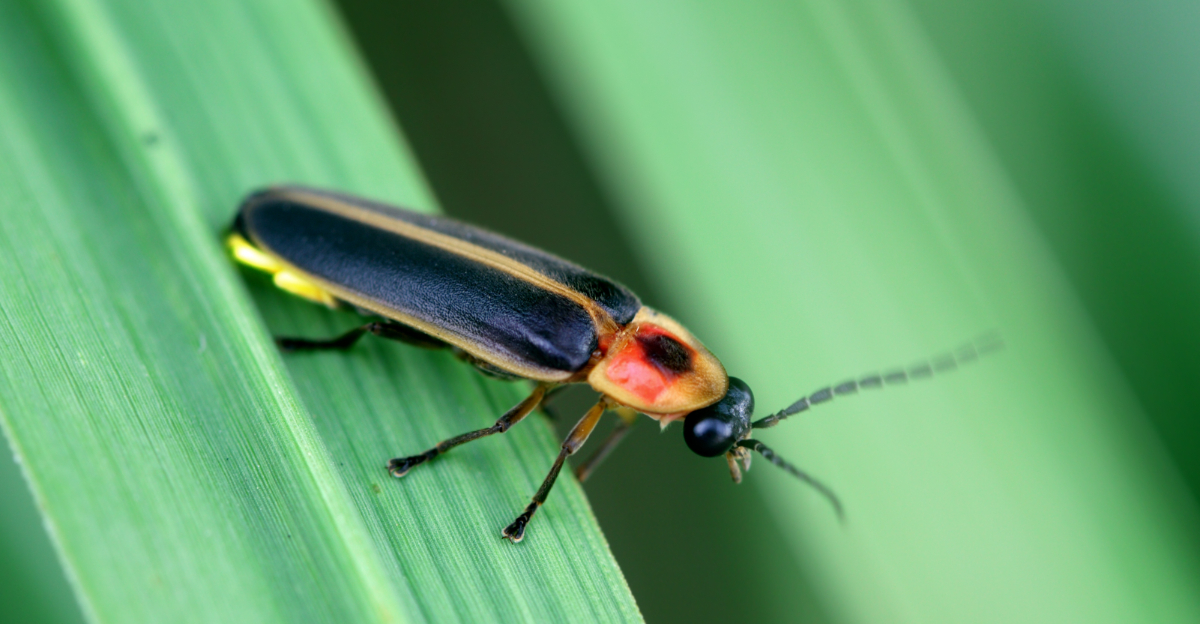
On a warm June evening, tiny lights start blinking near your tree line. Then another flash, closer this time. Fireflies. Seeing them in your Virginia yard is not a coincidence, and it is not just luck.
These beetles are selective about where they settle, and a yard full of them is quietly telling you something. It means your soil holds moisture, your grass has some wildness to it, and your outdoor lighting is not drowning everything out.
Fireflies do not wander randomly. They return to the same small patches of land, often within a few meters of where they hatched. So if they are choosing your yard, your yard is doing something right.
The gap between a yard that attracts them and one that does not is smaller than most people think. Here is where to start.
Fireflies In Your Yard Are A Sign Of Healthy Habitat
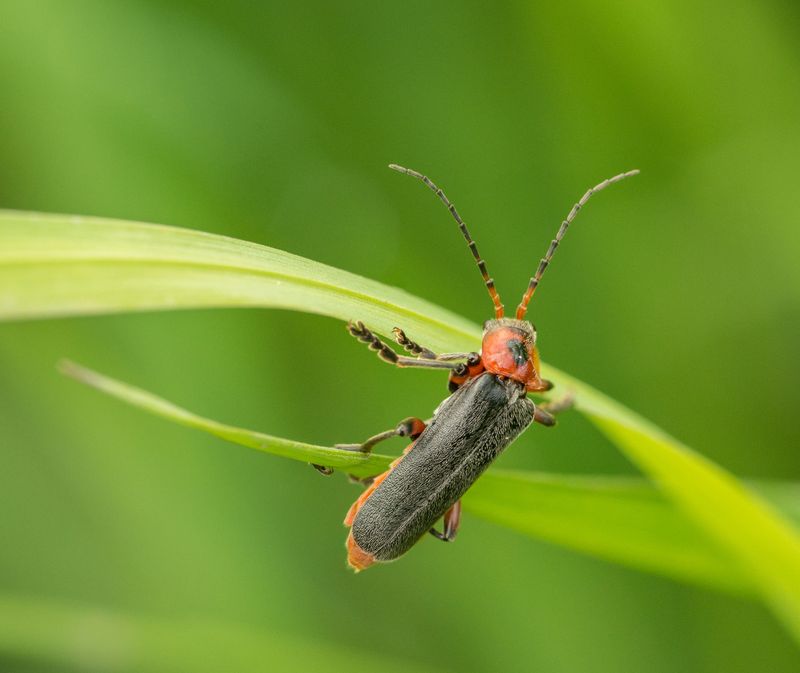
Your yard just passed a nature test. When fireflies show up, it means your outdoor space has what healthy ecosystems need to thrive.
Fireflies need moisture, leaf litter, and undisturbed soil to complete their life cycle. They spend most of their lives as larvae underground, feeding on slugs and snails.
A yard with those conditions is doing something right. Overly manicured lawns with chemical treatments tend to push fireflies out over time.
Think of fireflies as tiny inspectors checking your habitat quality. Their presence is a reliable sign that your yard supports the conditions most insects have lost elsewhere.
Healthy soil holds moisture longer and supports the insects fireflies feed on as larvae. That underground food chain matters more than most people realize.
Mature trees also play a role by creating shade that keeps soil cool and damp. Fireflies in your Virginia yard often cluster near wooded edges for exactly that reason.
Native plants support the whole system by attracting the right insects at every level. A yard full of natives is essentially a buffet for firefly larvae.
Seeing fireflies flash across your grass means your yard supports life beyond what is visible. That is something worth protecting and building on every season.
Virginia Is Home To More Firefly Species Than Most People Realize
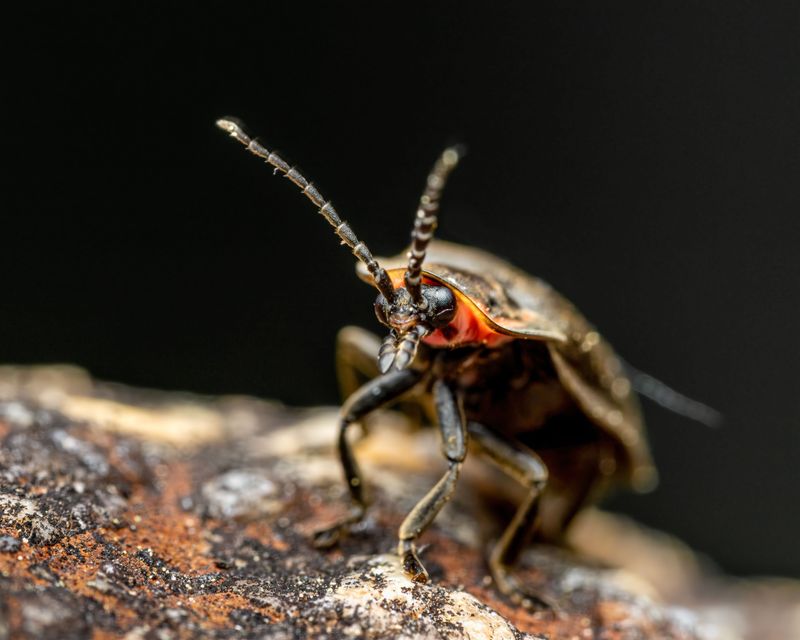
Most people think a firefly is just a firefly. Turns out, the Old Dominion is hiding a surprising amount of variety.
Virginia hosts around 20 known firefly species, each with its own flash pattern and habitat preference. Some flash rapidly, others glow in long slow pulses.
Photinus pyralis is the classic backyard species most Virginians recognize. It flashes a lazy J-shape arc while flying low over lawns on humid evenings.
Then there is Photuris, the femme fatale firefly. Females of this genus mimic other species’ flash signals to lure unsuspecting males close.
Not all Virginia fireflies come out after dark. A handful of species are active during the day and rely on chemical signals rather than light to find mates.
Blue Ghost fireflies are found in parts of the southern Appalachians, primarily in western North Carolina and Tennessee, with occasional sightings near the Virginia border.
Your Virginia Garden Changes Every Week. Your Plan Should Too.
Gardening in Virginia changes quickly throughout the season. Every Friday you’ll receive a simple weekly plan showing exactly what to plant, prune, fertilize, harvest, and protect so you never miss the right timing.
Synchronous fireflies have confirmed populations across the southern Appalachians, with West Virginia among the notable sites. Their synchronized displays draw thousands of visitors each season.
Each species has a specific season, peak hour, and preferred environment. Some prefer wetlands, others open meadows, and some stick strictly to forest floors.
Learning which species visits your yard tells you a lot about your local microhabitat. Fireflies in your Virginia yard may represent more biodiversity than you ever expected.
What Fireflies Are Actually Doing When They Flash
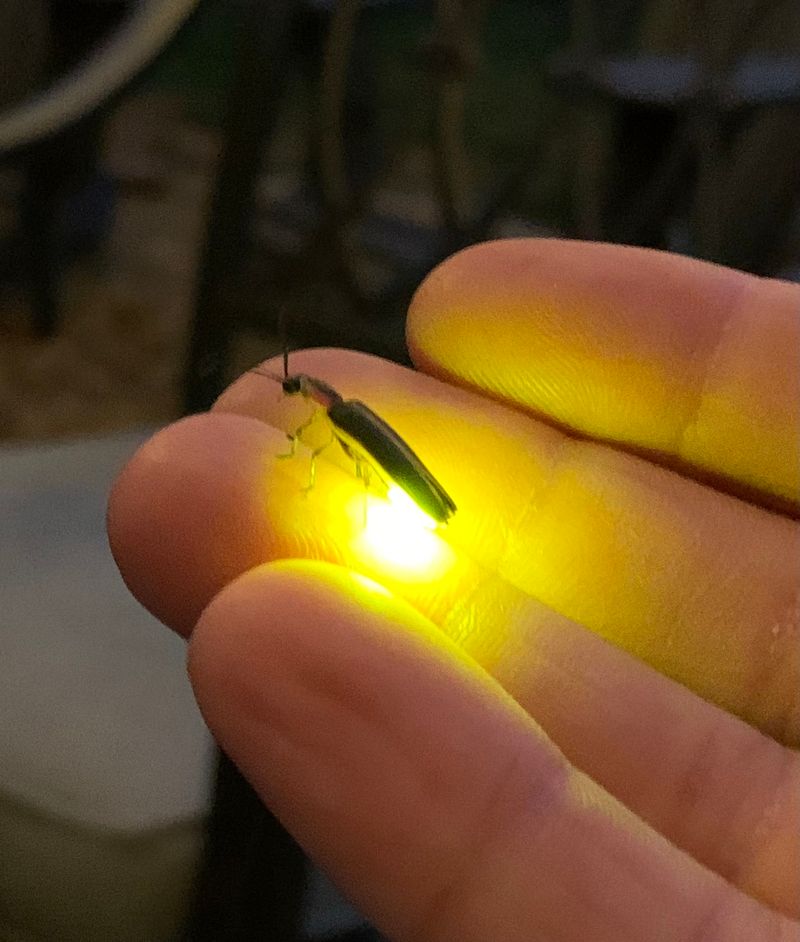
That blinking light is not random. Every flash is a carefully coded message aimed at finding a mate before the night ends.
Male fireflies fly and flash specific patterns based on their species. Females wait in the grass below and flash back if they like what they see.
A receptive female typically flashes back within one to two seconds of the male’s signal. Timing and rhythm are everything in firefly communication.
Bioluminescence powers the whole show. A chemical reaction inside the firefly’s abdomen produces light with almost no heat, which scientists call cold light.
Luciferin is the molecule that reacts with oxygen to create the glow. The enzyme luciferase controls the reaction, switching the light on and off with precision.
Each species has evolved a unique flash code to avoid confusion in the dark. Think of it like a species-specific Morse code broadcast across your lawn.
Temperature affects flash speed too. Warmer nights speed up the chemical reaction, making flashes quicker and more frequent.
Some species also use light to warn predators. Fireflies taste awful to most birds and lizards, and the glow serves as a warning signal.
Next time you watch fireflies in your Virginia yard, you are actually watching a sophisticated communication system. That tiny light carries more information than it appears.
The Yard Conditions That Bring Fireflies In
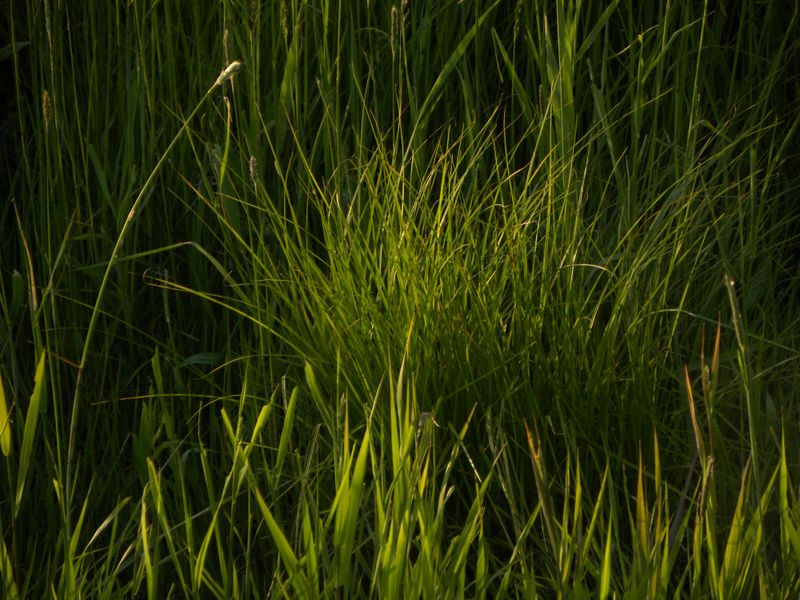
Not every yard gets fireflies. The ones that do share a few key traits that make the environment worth settling into.
Moisture is the biggest factor. Firefly larvae need damp soil to hunt and burrow, so dry, sandy yards rarely attract them.
Long grass and leaf litter give adults a place to rest during the day. Cutting everything short removes the cover they depend on after sunrise.
Standing water features like small ponds or rain gardens add serious appeal. Water sources support the snails and worms that larvae eat underground.
Low artificial lighting matters more than most homeowners expect. Bright outdoor lights wash out firefly flash signals and disrupt mating entirely.
Native trees like oaks and maples create the canopy and leaf drop that builds rich soil over time. That leaf layer is prime firefly larva territory.
Avoiding pesticides is non-negotiable for a firefly-friendly yard. Broad-spectrum insecticides wipe out the prey species larvae need to survive the winter.
Gentle slopes near wooded areas also attract fireflies. They tend to emerge from tree lines and drift toward open spaces to flash and find partners.
Creating these conditions in your Virginia yard does not require a total landscape overhaul. Small, intentional choices stack up quickly and invite fireflies back season after season.
Why Fewer Fireflies Each Year Is Worth Paying Attention To
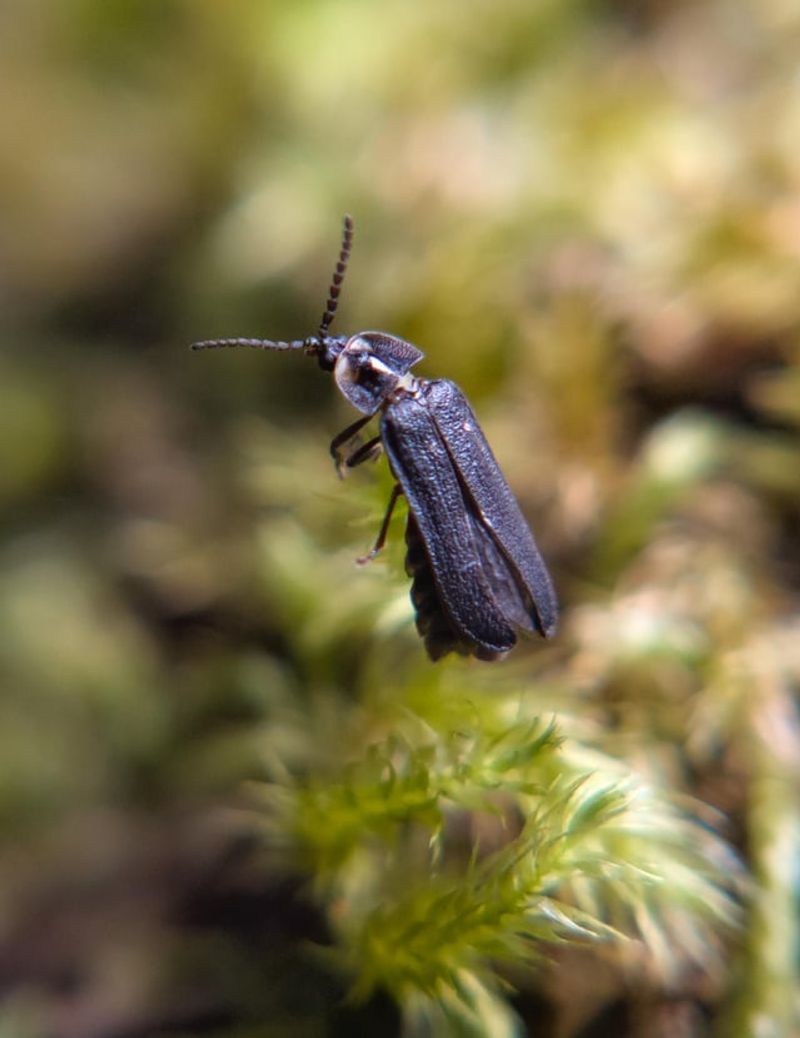
If your summer nights feel a little darker than they used to, you are probably not imagining it. Firefly populations are declining across North America.
Light pollution is one of the top culprits. Artificial lights from streets, homes, and businesses drown out the flash signals fireflies use to find each other.
Habitat loss hits hard too. As wetlands are drained and forests cleared, fireflies lose the specific environments they need to complete their life cycle.
Pesticide use in neighborhoods creates a chemical barrier that disrupts larvae before they ever reach adulthood. A single lawn treatment can affect multiple generations.
Climate shifts are altering the timing of firefly emergence as well. Warmer springs and unpredictable rainfall patterns throw off the seasonal cues fireflies rely on.
Conservation researchers have raised concerns about declining firefly populations, with some species drawing increased attention from groups like the IUCN.
Noticing fewer fireflies in your Virginia yard each summer is a signal worth taking seriously. It points to broader changes happening in your local ecosystem.
Individual yards can still make a real difference. Small habitat improvements at the neighborhood level add up to meaningful change over time.
Paying attention to firefly numbers is one of the easiest ways to monitor your local environment. Their absence speaks just as loudly as their presence.
Simple Changes That Make Your Yard More Firefly-Friendly
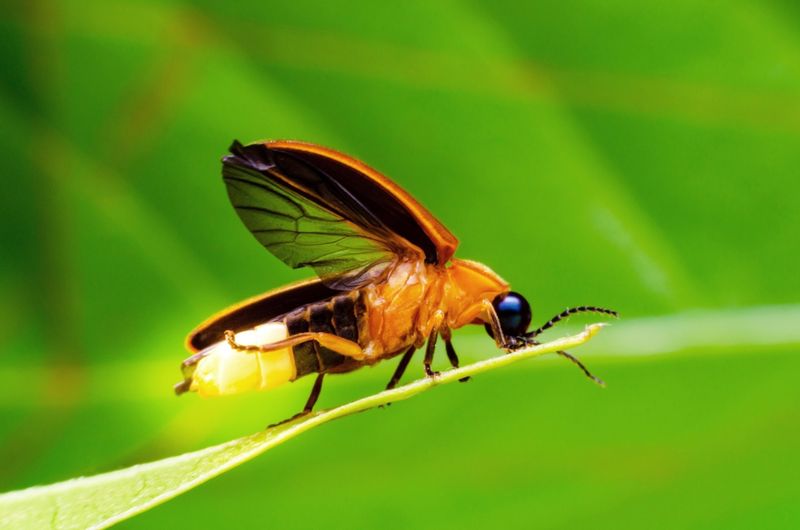
You do not need a wildlife degree to help fireflies thrive. A few straightforward shifts in your yard routine can make a big impact over time.
Start by turning off or dimming outdoor lights during peak firefly season, which runs from late May through early August in most of Virginia. Even switching to warm amber bulbs reduces interference with their flash signals.
Leave a section of your lawn unmowed through the summer. Tall grass gives adult fireflies shelter and keeps the soil beneath cooler and more moist.
Pile fallen leaves near garden borders instead of bagging them. That layer of organic material is where firefly larvae spend the winter months feeding and growing.
Add a small water feature if your space allows. Even a shallow dish kept filled with water supports the soil moisture fireflies prefer nearby.
Plant native species like black-eyed Susans, wild bergamot, and Virginia bluebells. Native blooms attract the prey insects that support the whole food web fireflies depend on.
Skip the broad pesticide spray this season and try targeted solutions instead. Protecting beneficial insects means protecting every creature that feeds on or alongside them.
Talk to your neighbors about these changes too. A connected network of firefly-friendly yards creates a corridor that supports larger, more stable populations.
Welcoming fireflies in your Virginia yard starts with one small choice tonight. Make it, and the light show will follow.