The Hidden Boron Shortage In Virginia Soils, And The Crops That Show It First
A peanut can look perfect on the outside and still hide a brown, hollow pit at its center. Growers call it hollow heart, and it starts with a nutrient plants need in amounts smaller than a pinch of salt.
I was surprised to learn that a whole field can carry enough of this element on paper and still come up short.
Rain, sandy ground, and too much lime can quietly push it out of reach. Virginia growers have spotted the problem in apples, alfalfa, peanuts, and cotton, and Virginia’s sandy soils lose boron easily.
You might notice the clues before you know what they mean. Broccoli stems crack open inside. Beet roots turn dark and corky. Collard leaves turn thick, brittle, and curled.
That tiny ingredient is boron, and your backyard rows will tell you when it runs short, because some crops cannot hide the shortage for long.
Those Hollow Broccoli Stems Are Dropping a Big Hint
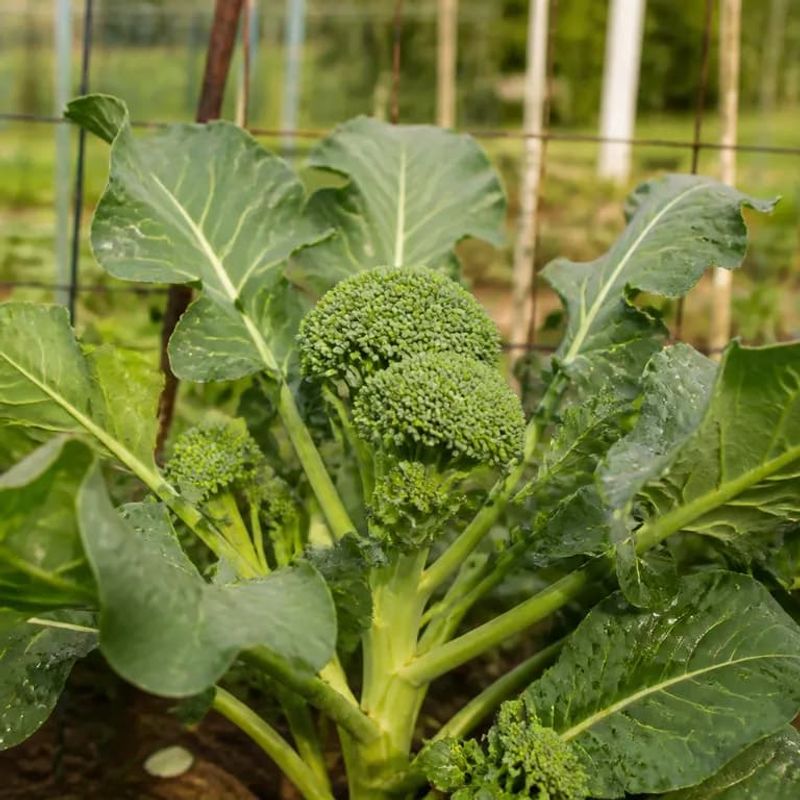
I sliced into a beautiful broccoli head once and found a hollow tunnel running down the stem. It looked like something had tunneled through it, but no bug was to blame.
The real cause is often boron, a trace nutrient plants use in tiny amounts. Boron helps build strong cell walls, so new tissue grows firm and whole.
When boron runs low, fast-growing parts like stems, shoot tips, and young roots crack, split, or grow hollow.
Plants can’t easily shift boron from old leaves to new ones. That means the newest growth shows trouble first, while older leaves may look fine. It’s a sneaky pattern, and it fools a lot of gardeners into blaming pests or weather.
Boron also matters for flowers. It helps pollen grow the tiny tube that reaches the seed, so a shortage can mean flowers drop or fruit stays small. In other words, the problem reaches far past looks.
Hollow stems can also come from very fast growth with heavy nitrogen, so boron isn’t the only suspect. Still, if you see hollow stems along with stunted tips, it’s a strong clue worth checking. A soil test is the best next step before you change anything.
Sandy Coastal Plain Soil Lets Boron Slip Away
Boron behaves a lot like sugar in iced tea. It dissolves in water and moves wherever water goes. That one fact explains why some gardens run short and others don’t.
In sandy soils, rain and irrigation drain through fast. Boron rides along with that water and sinks below the root zone.
Virginia’s Coastal Plain, east of the fall line, has plenty of these light, sandy soils, so shortages show up there more often.
Organic matter acts like a sponge that holds boron near the surface. Sandy ground is usually low in organic matter, so it has less storage.
Heavy spring rains can strip out what little is there. Soil pH counts too. Boron gets harder for roots to take up as pH climbs above about 7. Over-liming a garden can push boron out of reach even when some is present.
Dry spells add another twist. Much of the usable boron sits in the topsoil, and roots pull less from dry topsoil.
That’s why symptoms sometimes pop up in a hot, dry stretch. Clay-rich Piedmont and mountain soils tend to hold more, though shortages can still appear there.
Cabbage Family Crops Usually Wave the First Red Flag
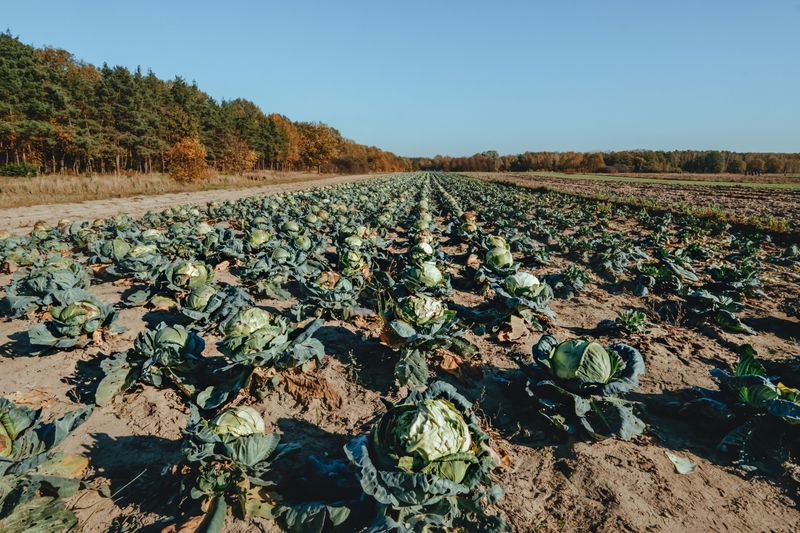
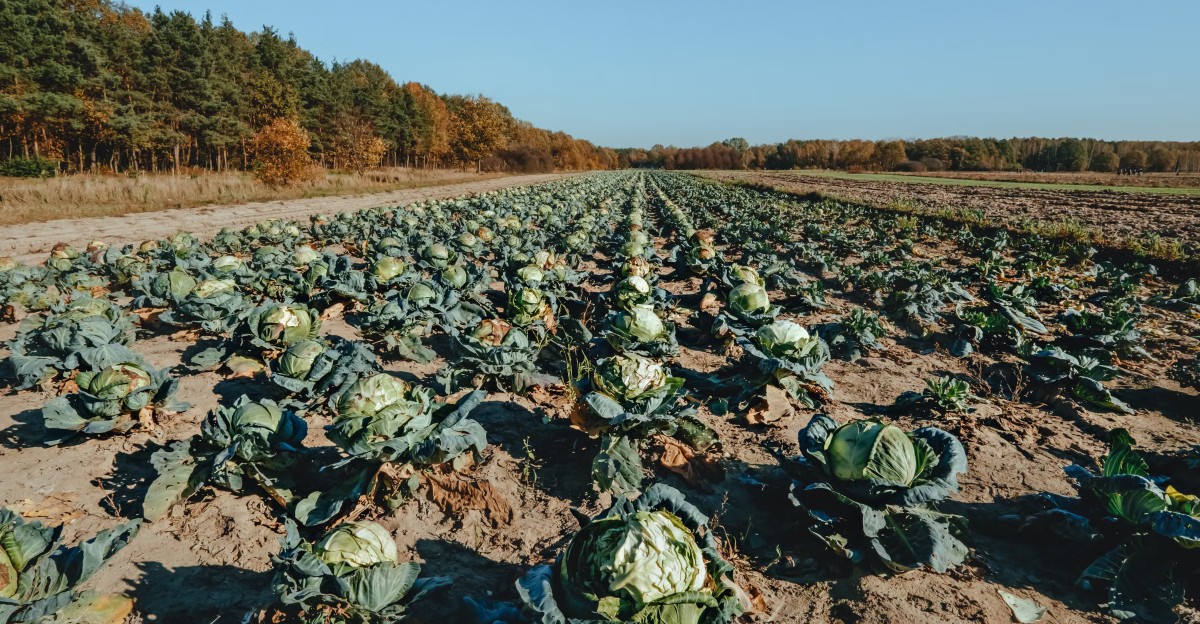
Ask any extension agent which garden crops crave boron most, and the cabbage family lands near the top. Broccoli, cauliflower, cabbage, Brussels sprouts, collards, and turnips all need more than average.
Cauliflower is the drama queen of the group. Its white curd can turn brown and water-soaked, sometimes with a bitter taste.
Brussels sprouts may grow loose and split, while cabbage can develop hollow or cracked hearts.
Turnips and rutabagas show a classic issue called brown heart. Cut one open, and you may find a gray-brown, glassy patch in the middle. The outside often looks normal, which makes it a frustrating surprise at harvest.
Collards and kale tend to show it in their leaves. New leaves may look thick, brittle, curled, or oddly mottled. Midribs can crack, and growing tips may stall out.
Fall crops are common in Virginia gardens, and they often follow summer storms that leach soil. If you plan a fall brassica bed, check your soil test before planting.
Catching it early beats discovering brown curds in November. I keep a small note by my seed packets as a reminder.
Beets and Root Crops Hide Dark Corky Spots Inside
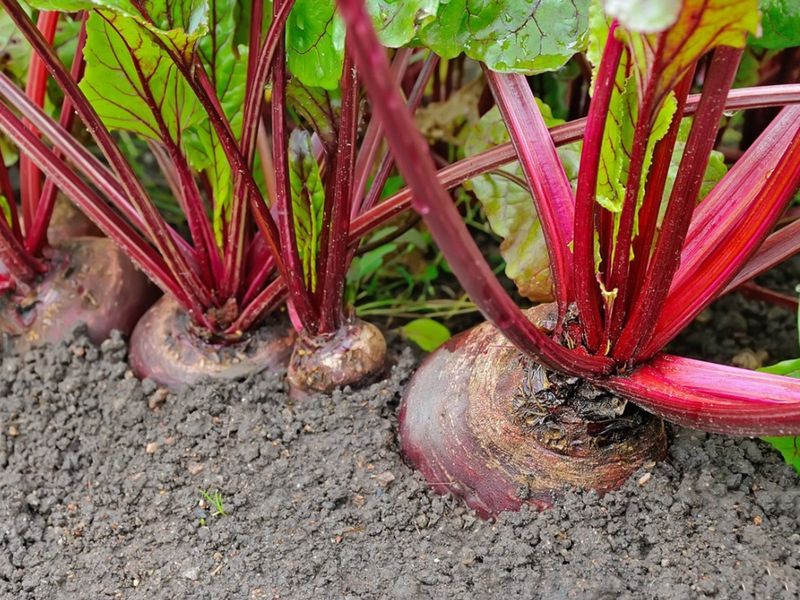
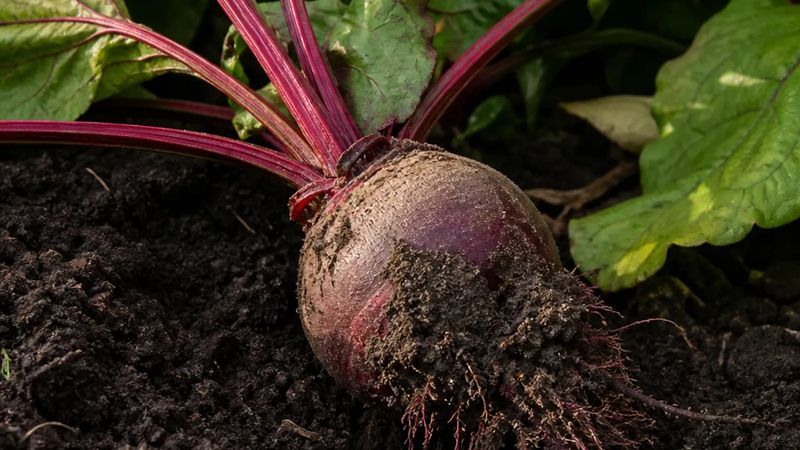
Here’s a fun kitchen mystery. You pull a gorgeous beet, slice it, and the center looks black and corky. Gardeners call this heart rot or internal black spot, and boron shortage is the usual cause.
Beets are among the hungriest crops for boron. Before roots show damage, young leaves may twist, turn red or yellow, and grow small. The crown can crack and decay if things get bad.
Carrots, radishes, and celery can show problems too. Celery may develop cracked stems with brown, crosswise splits, often called cracked stem. Carrots sometimes split or show dark cores.
Root crops are tricky because the damage hides underground. By the time you see it, the season is mostly over. That’s why prevention matters more than rescue with these plants.
A smart trick is to pull one or two test roots midseason and cut them open. If the center looks clean and bright, you’re likely fine.
If you spot dark patches, note it and plan a soil test before next year’s planting. Keep in mind that cracking can also come from uneven watering, so look at the whole picture.
Peanuts, Apples, and Alfalfa Tell the Farm Side of the Story
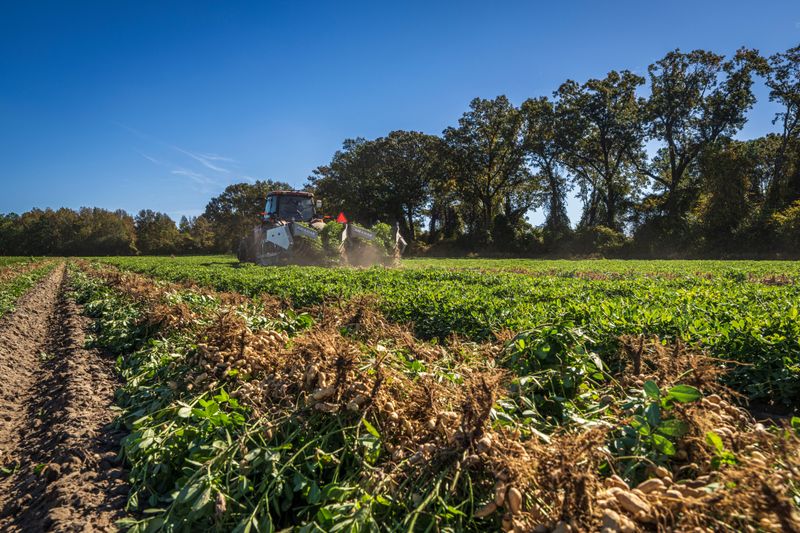
Virginia farmers have dealt with boron for generations. Virginia Cooperative Extension has noted deficiencies in alfalfa, apples, cotton, and peanuts, which says plenty about the state’s soils.
Peanuts are a famous example. Low boron can cause hollow heart, where the inner face of the split kernel turns brown and hollow. That lowers quality, and buyers notice right away.
Apples tell the story differently. Fruit can develop corky brown spots inside, along with cracking or odd shapes.
Twigs may show dieback, and blossoms can set poorly. Backyard apple growers may spot the same problems on their own trees.
Alfalfa shows it in its leaves. Top leaves turn yellow or reddish, while plants grow short and bunchy with a rosette look. Lower leaves often stay green, which is a handy clue.
Why should home gardeners care about farm crops? Those fields act like early warning systems.
If big growers in your county fight boron shortages, your garden soil may share the same traits. Talking with local growers or your county extension office can give you a sense of what’s common nearby.
A Soil Test From Virginia Tech Settles the Question
After I tested my own soil, the guessing game ended fast. Symptoms can point you in the right direction, but only a test confirms it.
The Virginia Tech Soil Testing Laboratory analyzes samples for gardeners across the state. Boxes and forms are available through local Virginia Cooperative Extension offices. Fees are modest, and you get lime and fertilizer recommendations with your results.
Take samples from several spots in one bed and mix them in a clean bucket. Dig about six inches deep for gardens, and skip spots near compost piles or burn areas. Let the soil air-dry before you pack it.
Check whether boron is part of the standard test or an add-on when you send it. Lab offerings can change, so the form or your extension office will tell you what’s included.
Plant tissue tests can help too, especially for fruit trees and commercial crops. These measure what the plant actually absorbed, not just what sits in the dirt.
Fall and early spring are handy testing times, giving you room to adjust before planting season kicks off.
Easy Does It When You Sprinkle Boron on the Garden
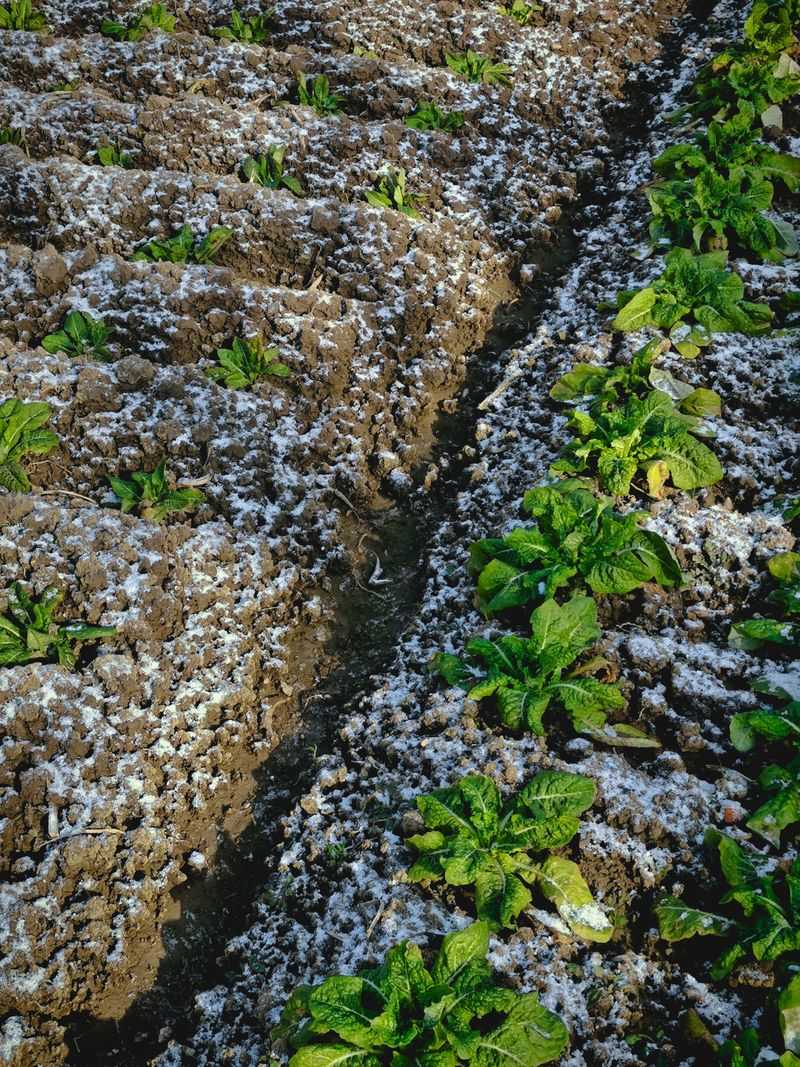
Boron has a very narrow sweet spot. The gap between too little and too much is smaller than for almost any other plant nutrient. A little helps, but a heavy hand can poison your plants.
Too much boron burns leaf edges and tips, starting with older leaves. Beans, peas, cucumbers, and strawberries are more sensitive to excess. A dose that suits your broccoli could hurt the beans next door.
Follow your soil test recommendation exactly. Home gardeners often use small amounts of products like Solubor or borax, mixed with water or blended into fertilizer. Spread it evenly across the whole bed instead of dumping it near one plant.
Avoid putting boron in the seed row, since it can injure young seedlings. Broadcasting before planting is usually safer.
Foliar sprays can give quick help during the season, often timed before or near early bloom. Don’t keep adding boron every year just because it worked once. It can build up, especially in heavier soils.
Retest every two or three years and let the numbers guide you. Compost and organic matter also help hold a steady, gentle supply near the roots.
Rich Compost and Smart Liming Keep Boron Within Reach
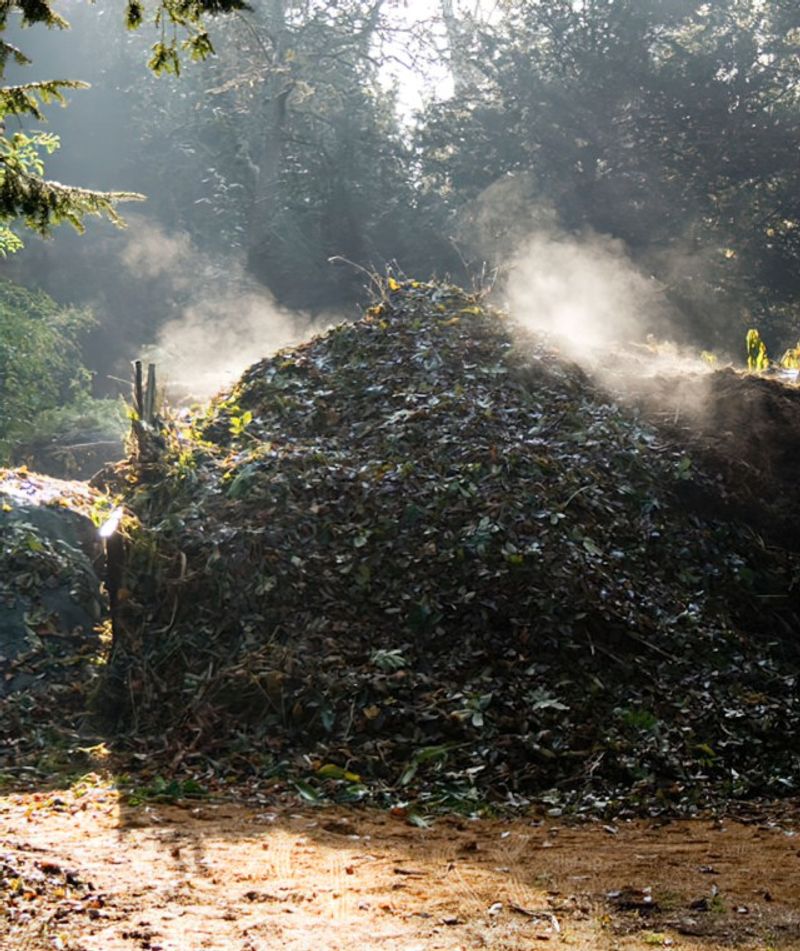
Prevention is where the real wins happen. Boron problems often start with soil habits, not just missing nutrients, so a few changes go a long way.
Compost is your best friend. Organic matter holds boron in the topsoil and slowly releases it as microbes break things down.
Adding an inch or two of compost each year helps sandy beds hold onto what they have. Watch your lime. Virginia soils are often acidic, so liming is common, but more isn’t better.
Lime only to the pH your test recommends, usually around 6.0 to 6.8 for vegetables. Going higher can lock up boron.
Mulch helps too. A layer of straw or shredded leaves keeps the topsoil moist in dry spells, which helps roots keep pulling boron. Steady, deep watering beats quick daily sprinkles that flush nutrients down.
Finally, rotate crops and keep notes. Track which beds grew broccoli, beets, or apples with problems.
Over a few seasons, you’ll learn your soil’s personality. That knowledge, plus a test every few years, turns a hidden shortage into one more thing you’ve got handled. Your fall cabbage will thank you.