Why The Best Fall-Planted Garlic Harvest In Virginia Starts In Summer
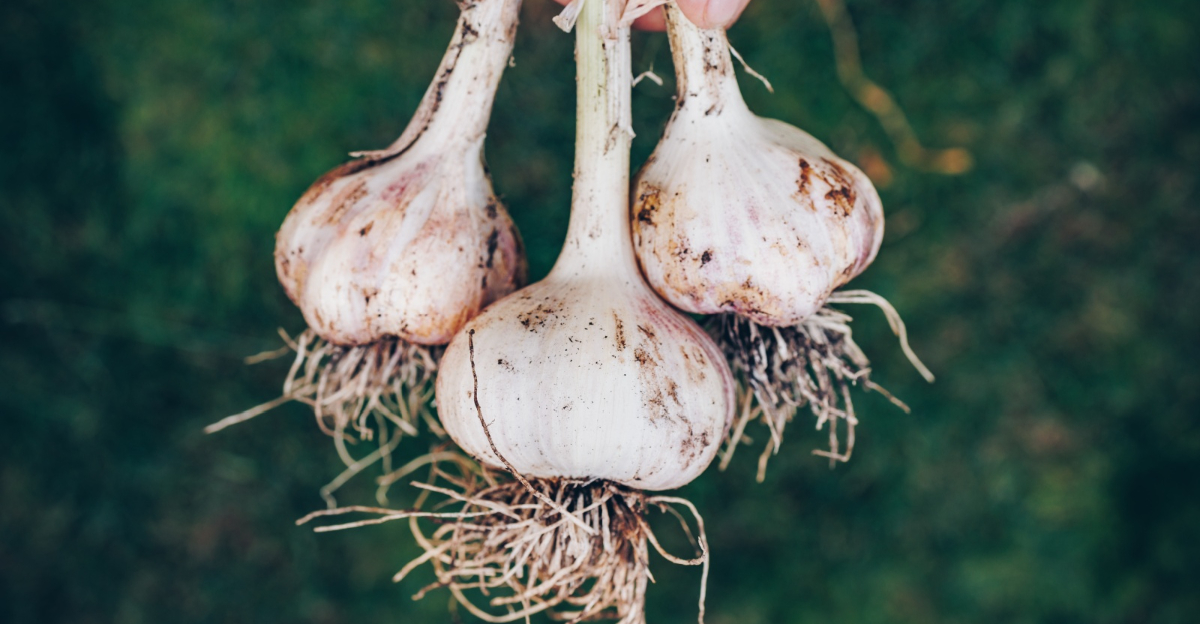
Forget everything you thought you knew about growing garlic. Virginia gardeners who consistently pull the best bulbs from the ground share one quiet habit: they start planning in summer, not fall.
I learned this the hard way after my first season, when I tossed cloves into unprepared soil in October and pulled out sad, stunted bulbs the following June.
Choosing the right variety, building healthy soil, and understanding your local climate are decisions that shape everything down the line.
Virginia’s warm summers and mild winters create a unique growing window that rewards those who pay attention early. Timing matters. Soil matters. Variety selection matters.
None of these things happen well at the last minute. If you are growing for your own table or for a market crowd, a little summer intention goes a long way. Those who plan ahead are the ones who harvest garlic worth bragging about.
1. Perfect Climate Match
Virginia sits in a sweet spot that garlic absolutely loves. The state spans USDA hardiness zones 5b through 8a, which means most regions get just enough winter chill without the deep freezes that can seriously damage a crop.
That temperature range is not an accident of luck for garlic growers. Summer in Virginia is warm and humid, which gives the soil time to build up nutrients and microbial activity before fall planting begins.
Garlic needs a soil that is alive and ready, not cold and compacted. By late summer, garden beds that have been amended and rested are primed for action.
Growers who match their planting calendar to the local climate consistently pull bigger, healthier bulbs come harvest time.
The fall garlic harvest in Virginia rewards those who respect the seasonal rhythm of the land. Think of the climate here as a built-in partner in your growing plan.
Hot summers combined with moist, well-managed soil can support conditions that naturally reduce certain soilborne pathogens over time. That means your cloves drop into cleaner ground when October rolls around.
Planning around Virginia’s climate is not just smart gardening, it is the foundation everything else is built on.
2. Cold Vernalization Period
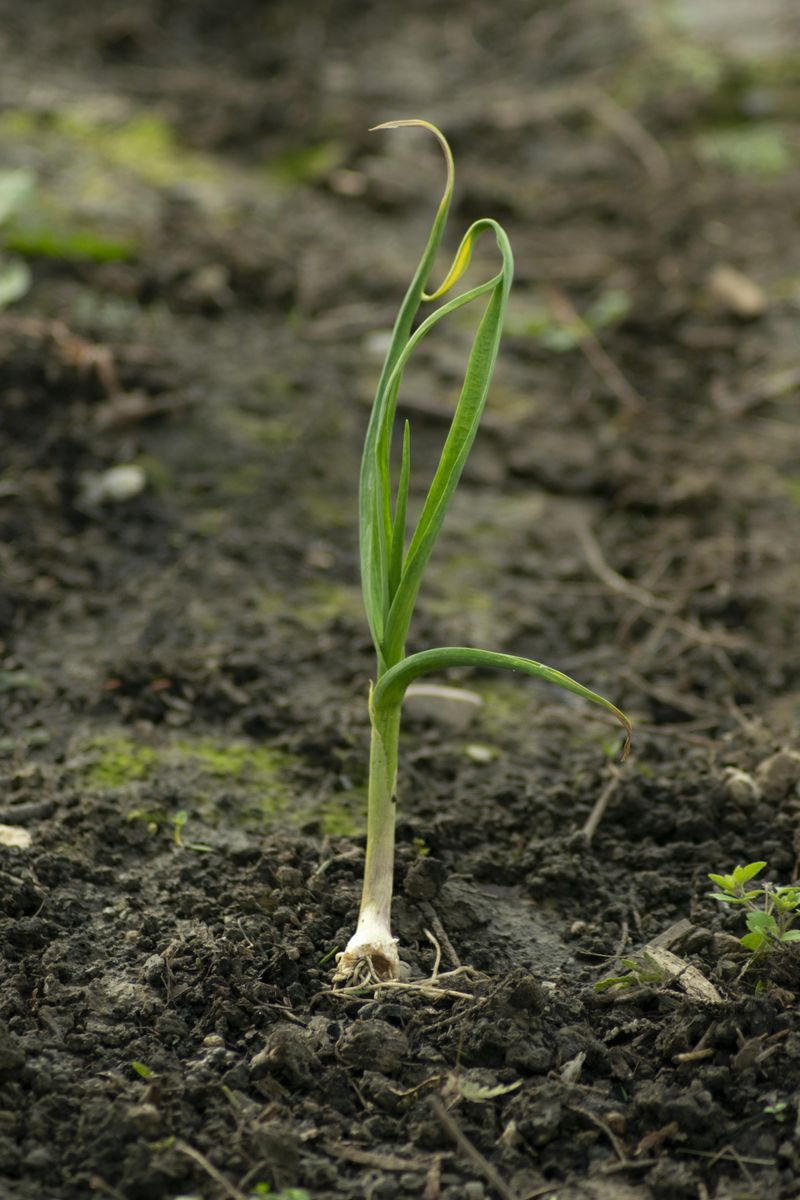
Garlic has a quirky demand that surprises many first-time growers: it needs cold to perform.
This process, called vernalization, is what triggers the bulb to split into separate cloves and size up properly.
Without enough cold hours, you end up with a round single bulb instead of the multi-clove head you were hoping for.
Virginia winters deliver exactly what garlic needs, typically six to eight weeks of temperatures between 32 and 50 degrees Fahrenheit.
That cold window is long enough to satisfy the plant’s biological clock but not so extreme that it damages the roots. The timing lines up beautifully with a late October or early November planting.
Summer preparation matters here because getting cloves into well-structured soil before winter means roots establish faster once the ground cools.
A clove that roots deeply before the freeze has a head start on vernalization. Shallow-rooted cloves struggle to absorb the cold signal evenly.
Your Virginia Garden Changes Every Week. Your Plan Should Too.
Gardening in Virginia changes quickly throughout the season. Every Friday you’ll receive a simple weekly plan showing exactly what to plant, prune, fertilize, harvest, and protect so you never miss the right timing.
Growers who plant on the early side of the fall window consistently report better bulb formation come spring. The cold period is not something you can shortcut or fake.
Respecting it is one of the most powerful moves you can make for a strong fall garlic harvest in Virginia.
3. Larger, More Flavorful Bulbs
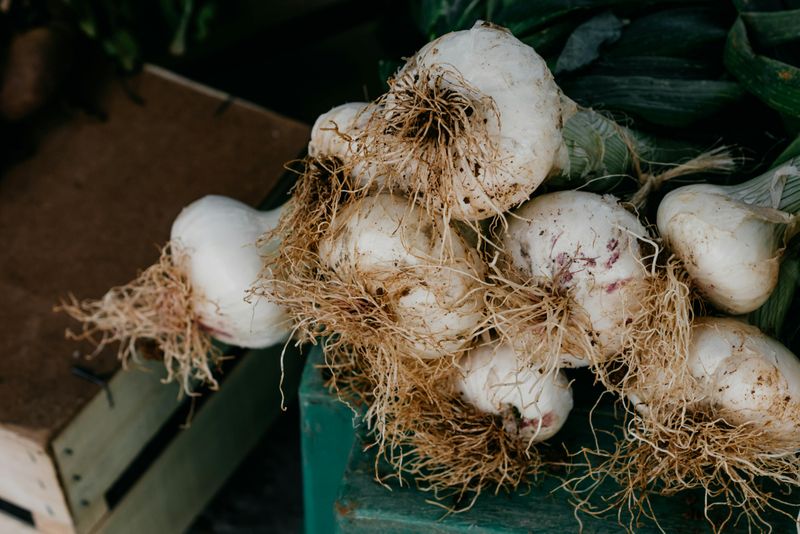
Size matters when it comes to garlic, and flavor follows closely behind it. Bulbs that have had a full season of root development, proper cold exposure, and rich soil to draw from grow noticeably larger than those that were rushed or poorly timed.
Virginia’s long growing season from fall planting to early summer harvest gives garlic plenty of time to bulk up.
Summer soil preparation plays a direct role in bulb size. Adding compost, aged manure, or a balanced organic fertilizer in late summer feeds the microbial life that will later feed your garlic.
Nutrient-rich soil equals nutrient-dense bulbs, and those bulbs taste bolder and more complex.
Hardneck varieties common in Virginia produce cloves with deeper, more nuanced flavor profiles than most grocery store options.
When grown in well-prepped soil with proper cold exposure, those flavors intensify even further.
Home-grown garlic from a well-managed Virginia plot often tastes noticeably fresher and more complex than most store-bought options. Experienced growers often say you can taste the preparation in every clove.
The work you put in during summer shows up on your dinner plate months later. That connection between effort and flavor is one of the most satisfying parts of growing your own garlic.
4. Less Weed And Pest Pressure
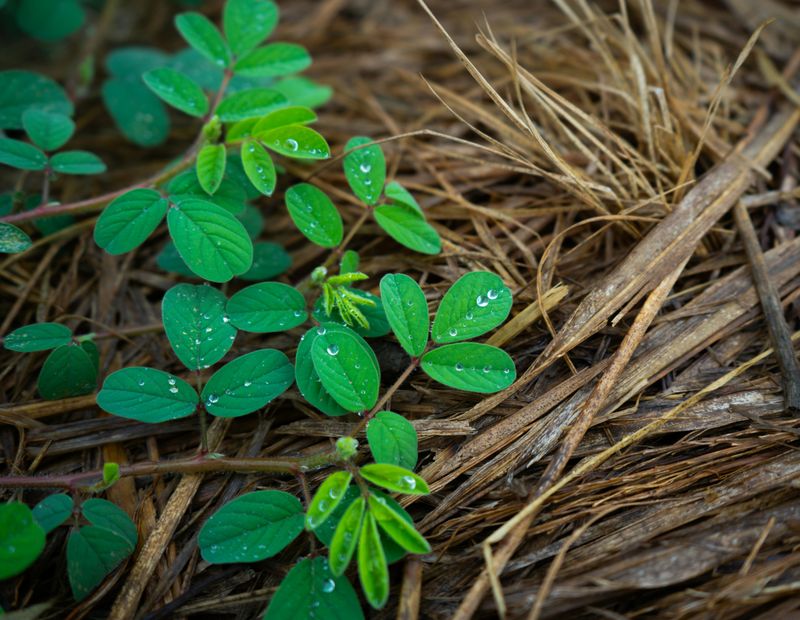
Fall-planted garlic has a sneaky advantage that most gardeners overlook entirely. By the time weeds start pushing up aggressively in spring, garlic shoots are already several inches tall and competing confidently for sunlight and nutrients.
That head start makes a real difference in how much weeding you actually have to do. Summer bed preparation helps here in a big way.
Clearing out old crop debris, turning the soil, and laying down a thick layer of mulch before planting smothers weed seeds that would otherwise explode in spring.
Less competition means more of the soil’s energy goes directly to your garlic. Pest pressure is also lower for fall-planted crops in Virginia.
Many common garden insects, like aphids and thrips, are not active in the cooler months when garlic is establishing its root system.
By the time bug populations ramp up in late spring, garlic is already close to harvest-ready. Mulching with straw or shredded leaves in fall does double duty by suppressing weeds and moderating soil temperature through winter.
A well-mulched garlic bed practically takes care of itself through the cold months. Less weeding, fewer pests, and more time to enjoy the garden sounds like a pretty good deal.
5. Ideal For Hardneck Varieties
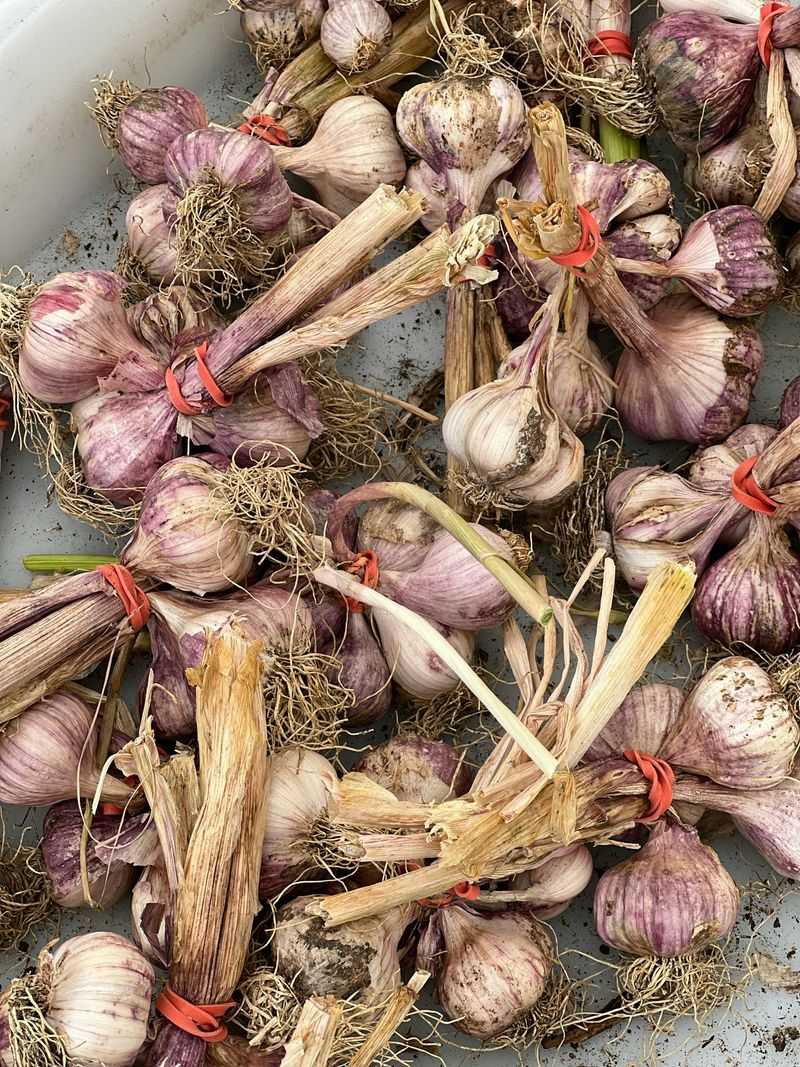
Hardneck garlic is the gardener’s garlic, and Virginia is one of the best places in the eastern US to grow it.
Unlike softneck types found in grocery stores, hardneck varieties produce a stiff central stalk and deliver complex, layered flavors that food lovers go wild for. They also happen to thrive in exactly the kind of climate Virginia offers.
Popular hardneck types like Rocambole, Purple Stripe, and Porcelain all need a genuine cold period to develop properly.
Virginia’s winters provide that chill reliably, making the state a natural match for these premium varieties.
Many growers who try hardnecks for the first time find themselves reaching for them season after season. Summer is the right time to source your hardneck seed garlic from reputable suppliers.
High-quality seed garlic sells out fast, especially the sought-after varieties, so ordering in July or August locks in your supply before the fall rush. Starting your search early is a move that separates casual growers from committed ones.
Hardneck garlic also produces scapes in spring, which are edible flower stalks that taste like mild garlic and work beautifully in stir-fries and pestos.
That bonus harvest is a perk softneck growers never get to enjoy. Choosing hardneck varieties is one of the smartest decisions you can make for your fall garlic harvest.
6. Start With The Soil Before Fall Arrives
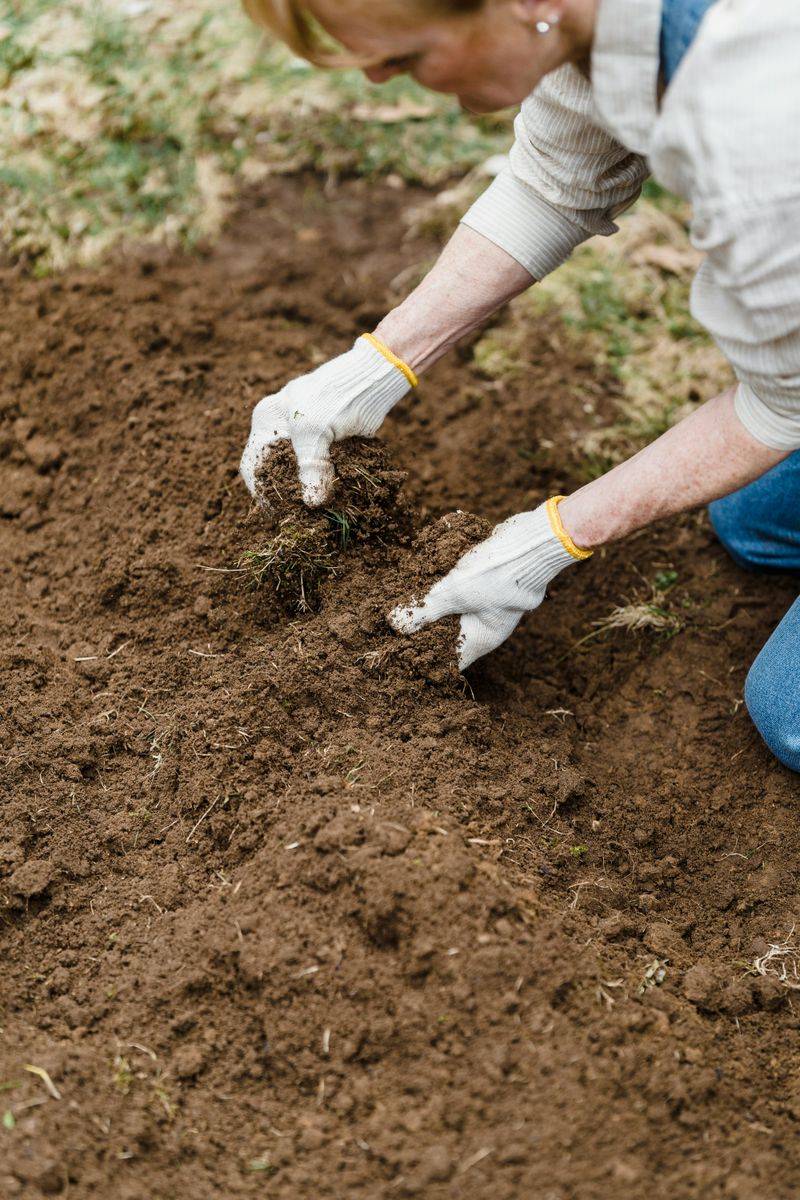
Cold soil is not your friend when it comes to garlic bed preparation. Working frozen or waterlogged ground compacts it, destroys its structure, and makes it nearly impossible for roots to spread.
Summer gives you the gift of loose, warm, cooperative soil that is easy to amend and shape. Late summer is the ideal window to dig in compost, adjust pH with lime if needed, and break up any compaction from the previous growing season.
Garlic prefers a slightly acidic to neutral pH, around 6.0 to 7.0, and getting that balance right before planting makes a measurable difference.
A simple soil test in August tells you exactly what your beds need. Warm soil also supports faster microbial breakdown of organic matter, which means amendments added in summer are partially digested by the time you plant in October.
Your garlic cloves drop into a biologically active environment that immediately starts feeding them.
That biological head start is something cold-weather soil prep simply cannot replicate. Raised beds warm up faster than in-ground plots and drain more efficiently, both qualities that garlic loves.
Building or refreshing raised beds in summer sets you up for a much smoother planting day in fall. Warm, well-structured soil is not just a convenience, it is a competitive advantage.
7. Fills Post-Summer Crop Gaps
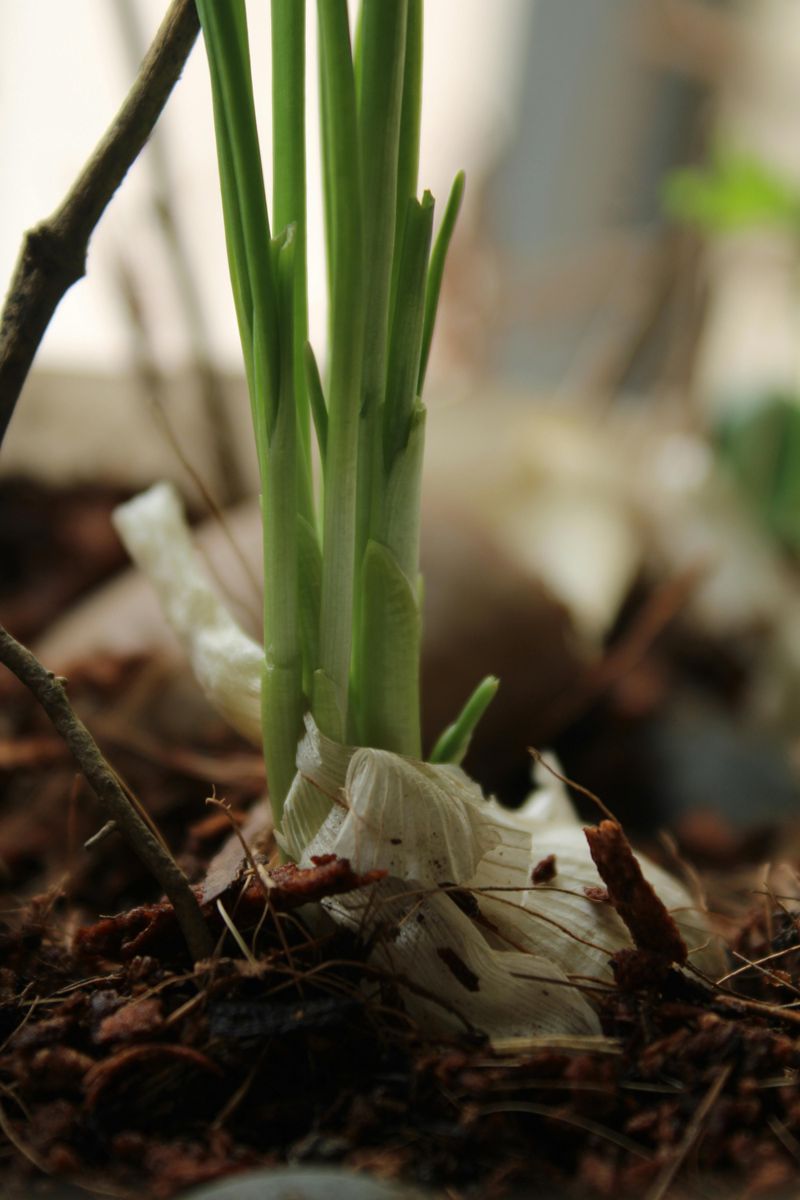
Every gardener faces the same awkward stretch in late summer when tomatoes are winding down and the beds look tired and empty.
That post-summer lull feels like wasted space, but it is actually the perfect opening for garlic. Planting garlic in those cleared beds makes the most of ground that would otherwise sit idle through winter.
It also supports crop rotation, though garlic should avoid any beds that recently grew alliums. A fall garlic crop acts like a natural reset button for your garden beds.
Summer cleanup is the setup for this strategy. Removing spent plants, turning in old mulch, and adding a fresh layer of compost in August transforms an exhausted bed into a welcoming home for garlic by October.
The transition feels seamless when you plan it out in advance. It is a crop that gives back as much as it takes. Filling those post-summer gaps with garlic might be the most productive decision your garden calendar can hold.
8. Bonus Scape Harvest In Spring
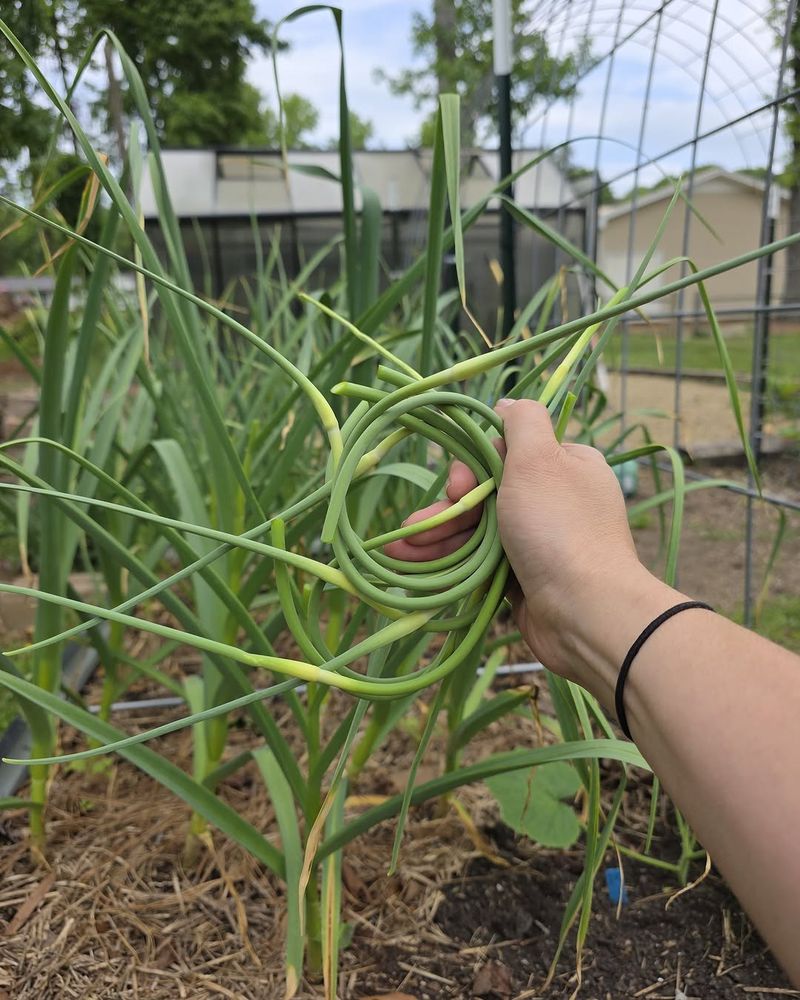
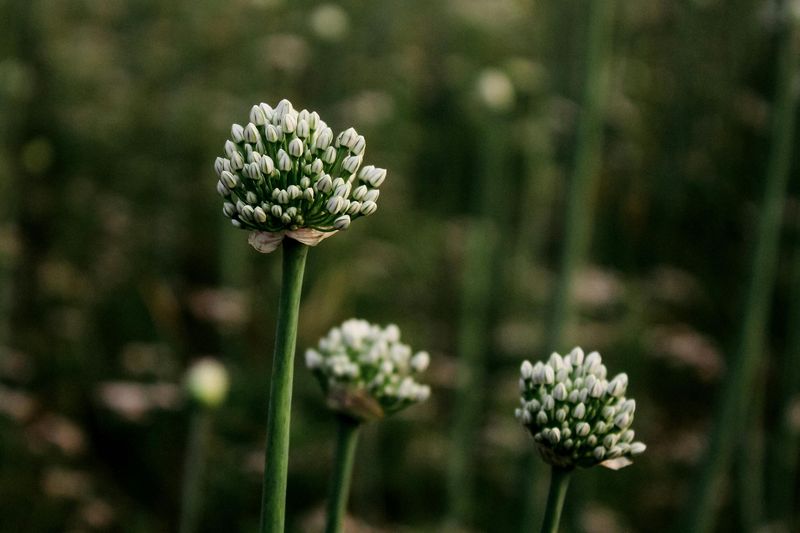
One of the most exciting surprises waiting for hardneck garlic growers is the scape. Scapes are the curling green flower stalks that shoot up from hardneck plants in late spring, usually around May or June in Virginia.
They look like something from a fantasy garden, and they taste like a milder, fresher version of the garlic bulb itself.
Harvesting scapes is not just a culinary bonus, it is actually good for bulb development. Removing the scape redirects the plant’s energy from flower production back into growing a larger underground bulb.
One simple snip in late spring can meaningfully increase the size of your final harvest. Scapes are incredibly versatile in the kitchen.
Chop them into stir-fries, blend them into pesto, pickle them, or toss them on the grill whole for a smoky, garlicky side dish.
Chefs and home cooks who discover scapes for the first time are often genuinely surprised by how much flavor they bring to a dish.
The scape season is short, usually just two to three weeks, so it creates a sense of excitement and urgency that makes spring gardening even more fun.
Planning for scapes in summer by choosing hardneck varieties means you are setting up a two-for-one harvest. Few crops reward their growers with two distinct harvests, and garlic is one of them.
9. Long Curing Window For Storage
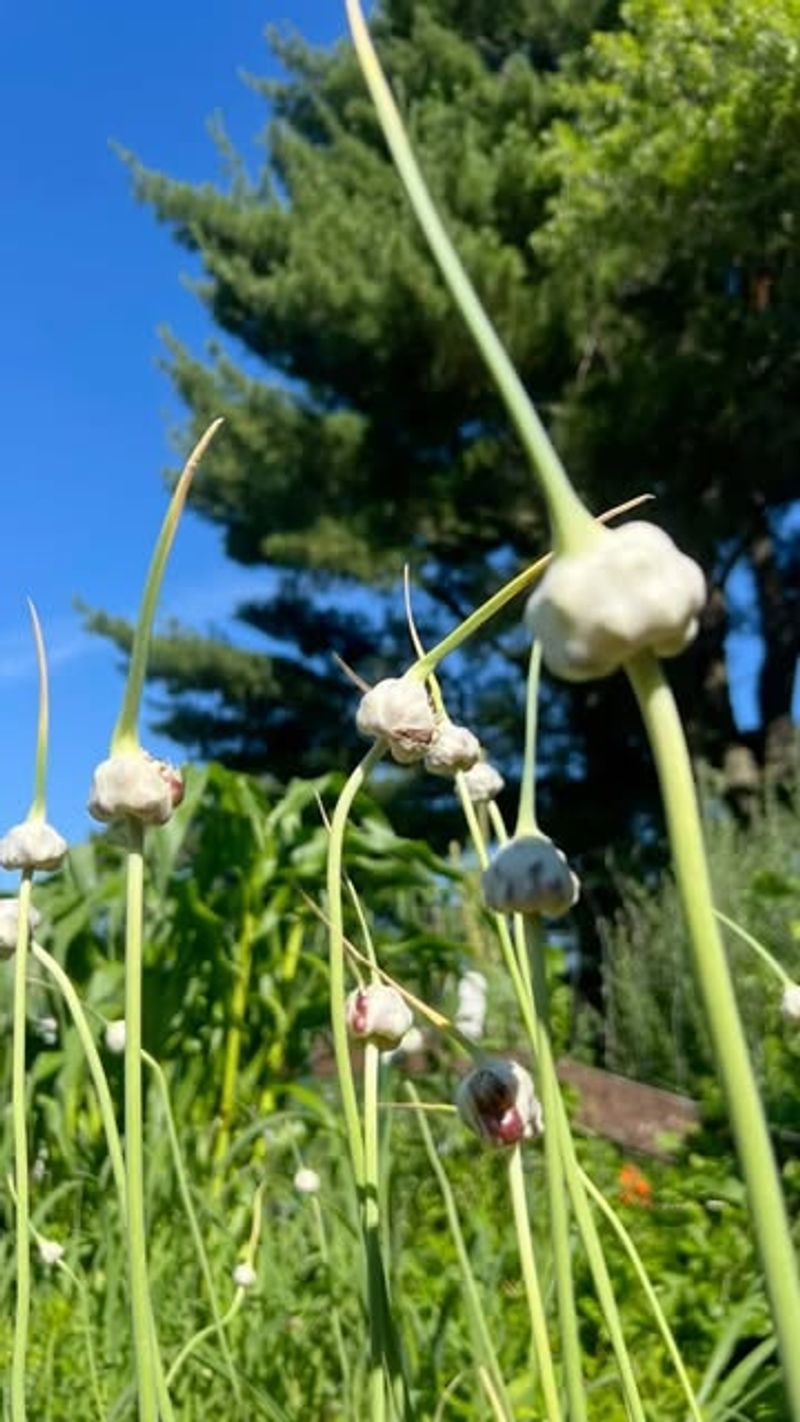
Pulling garlic from the ground is satisfying, but the work is not quite done yet. Curing is the process of drying freshly harvested bulbs so the outer skin tightens and the flavor concentrates.
A proper cure can extend your garlic’s shelf life from a few weeks to six months or more. Virginia’s early summer harvest window, typically late June through July, lines up perfectly with warm, dry weather that is ideal for curing.
Hanging bundles in a shaded, well-ventilated space like a barn, garage, or covered porch allows moisture to escape slowly without baking the bulbs.
Rushing this step by using heat or direct sun damages the outer layers and shortens storage life significantly. Summer prep in the previous year indirectly affects curing quality.
Bulbs grown in well-drained, nutrient-balanced soil tend to have tighter, more intact outer skins after harvest.
Those skins are the garlic’s natural armor during the curing and storage process. A long, successful cure means you could be cooking with your own homegrown garlic well into the following winter.
Few things feel more self-sufficient than reaching for a bulb you grew yourself months after the garden has gone to sleep. The fall garlic harvest in Virginia keeps on giving long after the last clove is pulled from the ground.
10. Lower Disease And Rot Risk
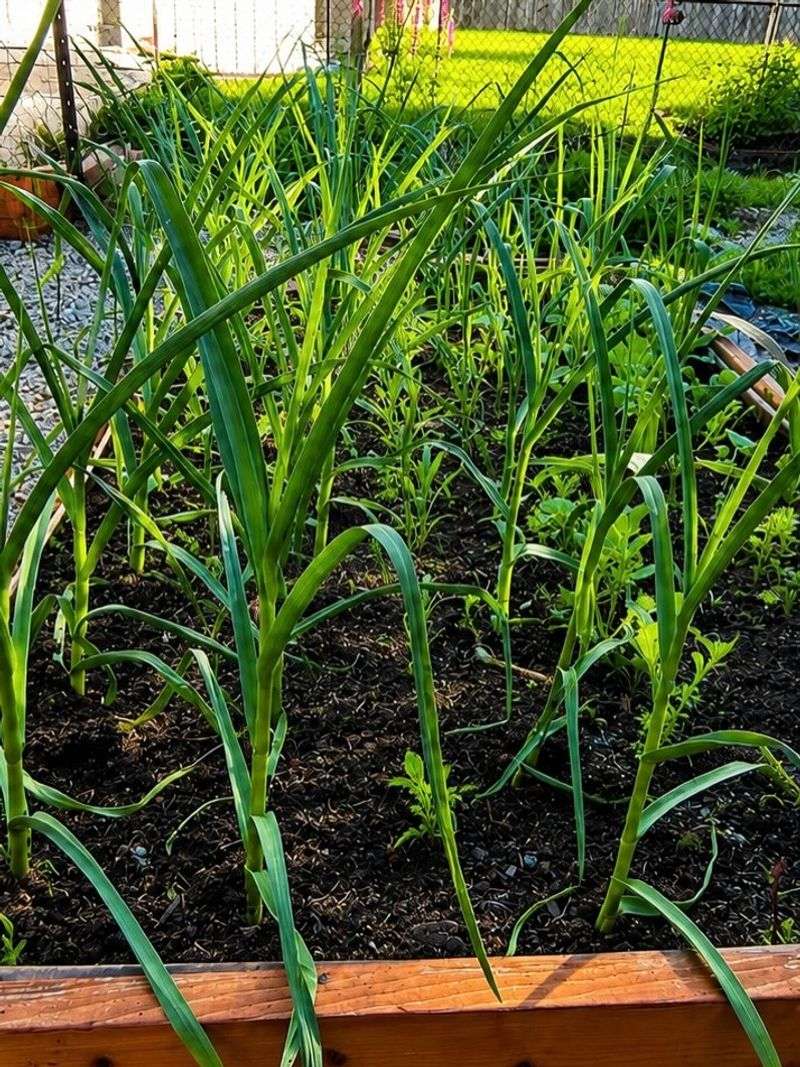
Nothing is more discouraging than pulling up garlic only to find soft, rotted bulbs. Fungal diseases like white rot and botrytis are the most common culprits, and they thrive in wet, compacted, poorly drained soil.
The good news is that smart summer preparation cuts that risk dramatically before a single clove goes in the ground.
Testing and amending soil in late summer improves drainage and aeration, two factors that make it much harder for fungal pathogens to take hold.
Adding perlite or coarse sand to heavy clay soils opens up air pockets that keep moisture from pooling around the developing bulbs. Healthy soil structure is your first and most powerful line of defense against rot.
Choosing disease-resistant seed garlic from certified suppliers also matters enormously. Seed garlic sourced from reputable growers is inspected and less likely to carry dormant pathogens into your garden.
Starting clean in summer means you are not importing problems along with your planting stock.
Crop rotation, which you plan for in summer when you map out your beds, keeps garlic away from spots where alliums grew in recent years.
That spacing breaks the cycle of soil-dwelling diseases that build up over time. Protecting your fall garlic harvest in Virginia from disease starts with the choices you make before summer even ends.