How To Save A Texas St. Augustine Lawn From Chinch Bugs In Peak Season
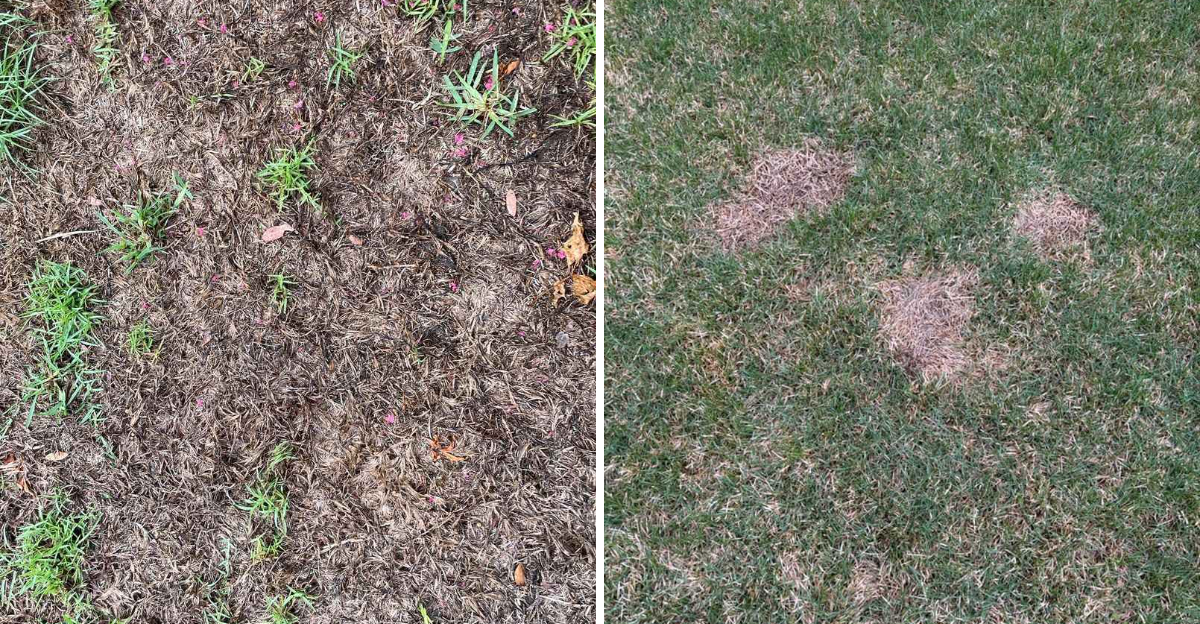
A yellow patch in a Texas St. Augustine lawn can look like a watering problem at first.
The sprinklers run. The grass still fades. The worst spot sits beside the driveway, curb, sidewalk, or a hot brick wall, and every week the patch seems to stretch a little farther into the green turf.
By midsummer, it can feel like the lawn is drying out no matter how faithfully the irrigation system runs.
That is when gardeners often guess wrong.
Heat stress, drought, disease, irrigation problems, nutrient issues, and chinch bugs can all create similar-looking patches.
Treating blindly can waste money, harm helpful insects, and leave the real problem spreading while the lawn keeps thinning.
Peak season calls for a more careful plan.
So how do Texas homeowners save St. Augustinegrass from chinch bugs before the damage gets expensive?
Start by confirming the insect, then focus treatment where the active population is actually feeding.
1. Confirm Chinch Bugs Before Treating
A yellow patch is not proof.
St. Augustinegrass can fade for many reasons in a Texas summer. Dry soil, uneven sprinklers, take-all root rot, brown patch, iron chlorosis, compacted soil, and chinch bugs can all make turf look stressed.
The first step is confirming the pest before any product touches the lawn.
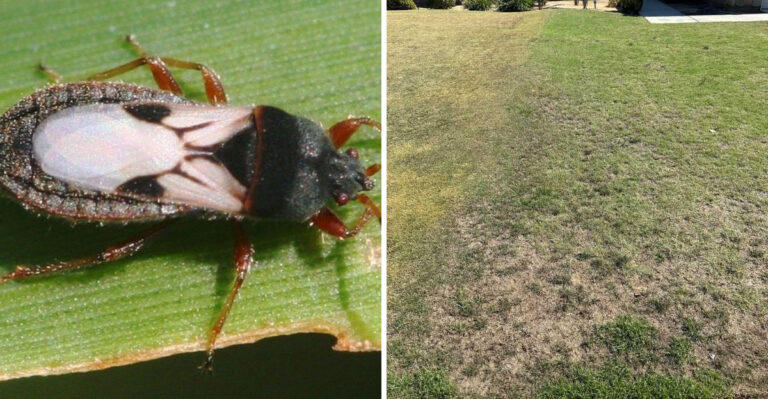
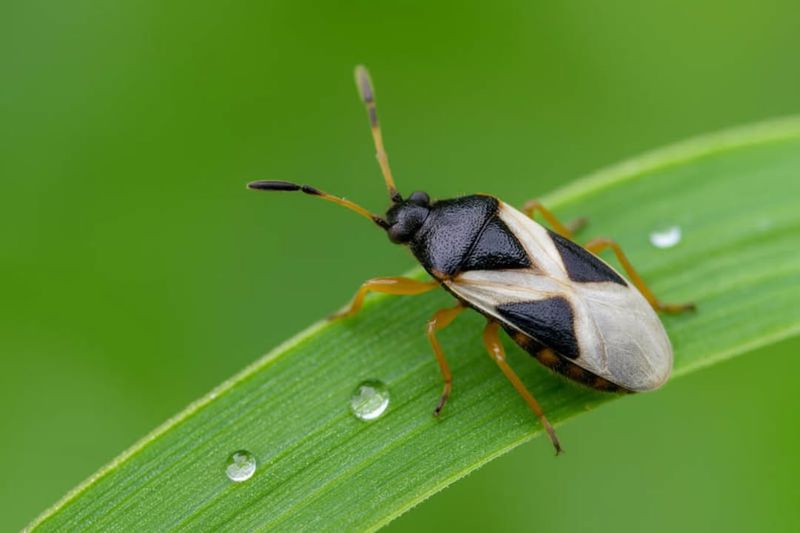
Adult chinch bugs are small. They are usually around one-fifth of an inch long, with black bodies and white wings folded across the back.
Those wings often form a pale X-shaped mark. That pattern helps separate adults from other small insects moving through the thatch.
Young nymphs look different. They may appear orange-red with a pale band across the body before darkening as they mature.
Use the float test. Cut both ends from a coffee can or similar metal cylinder.
Push the cylinder a couple of inches into the soil at the edge of the damaged patch.
Fill it with water and watch closely. Chinch bugs float to the surface when present.
Sample more than once. One test spot can miss a patchy population.
Focus on the line between damaged and healthy grass. The brown center may already be abandoned.
A treatment threshold matters. Finding roughly twenty to twenty-five chinch bugs per square foot in repeated samples points toward an active problem worth treating.
Diagnosis comes before action.
Without confirmation, you may treat a lawn insect that is not there while the real cause keeps spreading.
2. Scout Sunny Pavement Edges First
Chinch bugs love heat.
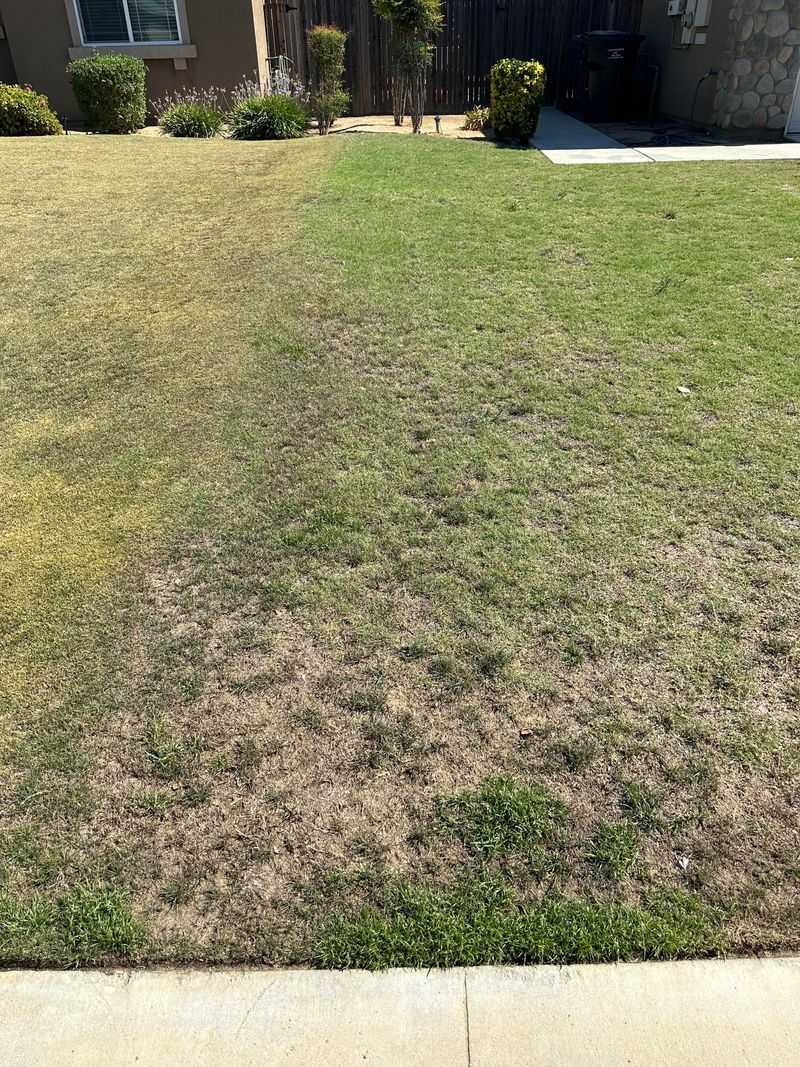
In Texas lawns, they often show up first where conditions are hottest and driest. That means turf along driveways, sidewalks, curbs, patios, and south- or west-facing walls deserves the first close inspection.
Pavement stores heat. Concrete and asphalt warm the soil nearby and intensify stress on St. Augustinegrass.
The grass at those edges dries faster. Even a working irrigation system may not fully compensate during peak heat.
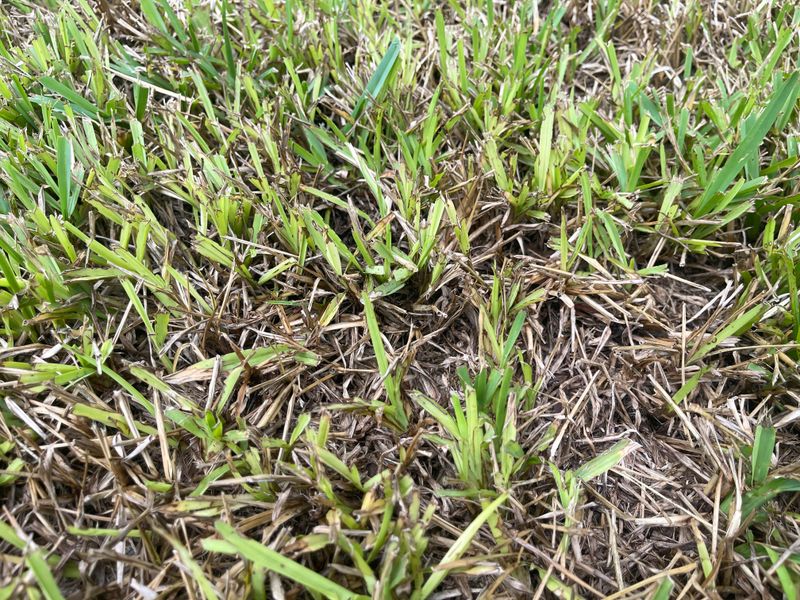
Walk the hot borders first. Look for yellowing or straw-colored patches that begin near pavement and move outward.
The pattern matters. Chinch bug damage often spreads irregularly from those warm edges into nearby green turf.
Your Texas Garden Changes Every Week. Your Plan Should Too.
Gardening in Texas changes quickly throughout the season. Every Friday you’ll receive a simple weekly plan showing exactly what to plant, prune, fertilize, harvest, and protect so you never miss the right timing.
Compare shaded areas. Damage limited to shade under trees or on the north side of a home may point toward another issue.
Look during late morning or early afternoon. The warmest part of the day can reveal the driest, most stressed zones.
Check the curb strip. Narrow grass between sidewalk and street is a common trouble spot.
Do not ignore driveway corners. Those small hot pockets can hold early infestations.
Neighboring lawns can offer clues. Similar spreading patches next door may mean chinch bugs are moving through the block.
Early scouting at pavement edges gives you the best chance of catching the problem before it becomes a full-lawn repair.
3. Part The Turf At Patch Margins
The active insects are usually at the edge.
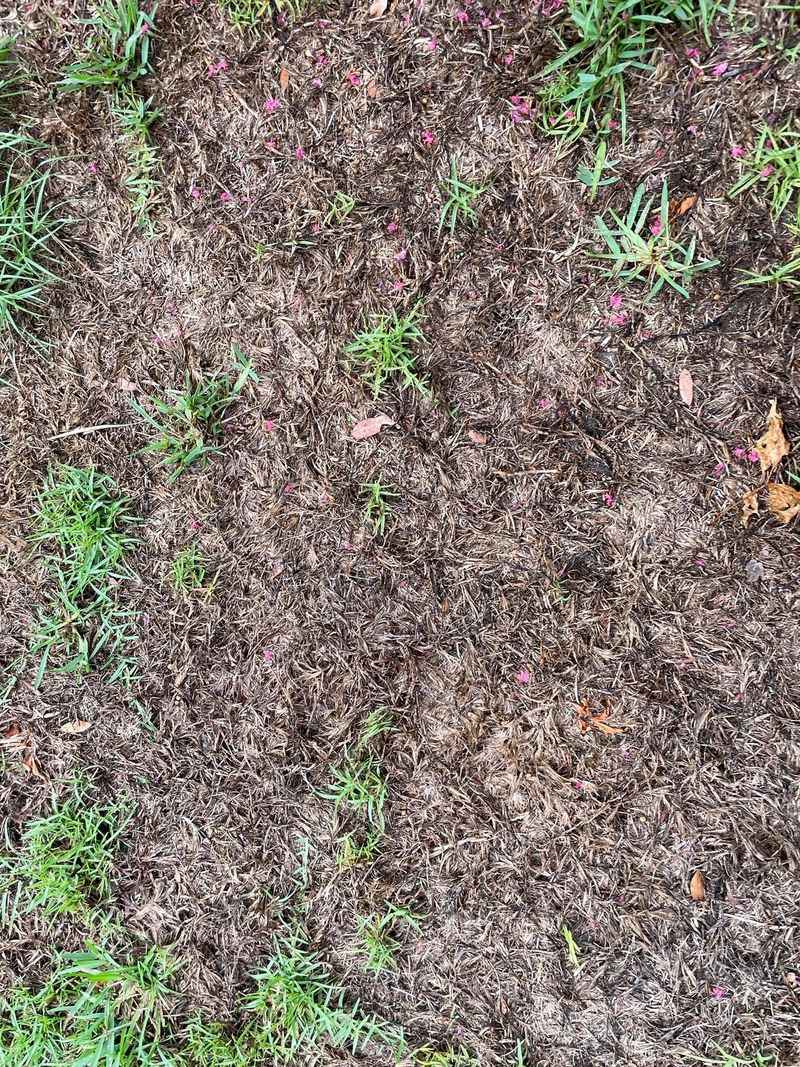
The brown center of a damaged patch may look worst, but many chinch bugs have already moved on from that area. They feed where stressed yellow grass meets still-green turf, because that is where fresh grass remains available.
Get close to the margin. Kneel beside the transition zone.
Use both hands to part the grass. Open the blades and thatch layer all the way to the soil surface.
Hold it open for half a minute. Chinch bugs move quickly when exposed to light.
Look at the lower stems. Many insects stay near the crown area instead of sitting high on blades.
Check the thatch. The spongy layer between green leaves and soil can hide adults and nymphs.
Move slowly. Fast hand movement scatters insects before you can count them.
Use a white tray or paper. Brushing or vacuuming insects onto a pale surface makes counting easier.
Sample several spots along the margin. One edge may hold more insects than another.
Record what you find. Numbers help you know whether pressure is rising or falling.
The patch margin is the front line.
That is where scouting gives the clearest picture of whether chinch bugs are still feeding and moving.
4. Reduce Excess Thatch
Thatch can protect the pest.
A thin thatch layer is normal in St. Augustinegrass. Too much creates a warm, sheltered space where chinch bugs can hide, feed, and avoid some control efforts. It can also block water from reaching the soil evenly.
Cut a small turf plug. Look at the layer between green blades and mineral soil.
That spongy brown material is thatch. A modest layer is not the enemy.
Thatch over about three-quarters of an inch becomes more concerning. It can hold insects and interfere with moisture movement.
Excess thatch makes scouting harder. Bugs can disappear into the layer before you spot them.
It also makes treatments less reliable. Product may not reach the feeding zone evenly.
Do not aggressively dethatch during severe heat. Stressed St. Augustinegrass can be set back by harsh mechanical work.
Plan major dethatching for a safer season. Early fall can be better when temperatures ease and grass still has recovery time.
Core aeration may help sooner. It opens channels through compacted soil and thatch with less shock than full removal.
Avoid overfertilizing. Heavy nitrogen can contribute to fast growth and thatch buildup.
Mow at the proper height. Scalping stresses grass and encourages more problems.
Managing thatch is a long-term fix.
It makes the lawn less comfortable for chinch bugs and helps water reach the roots that need it.
5. Avoid Heavy Nitrogen Feeding
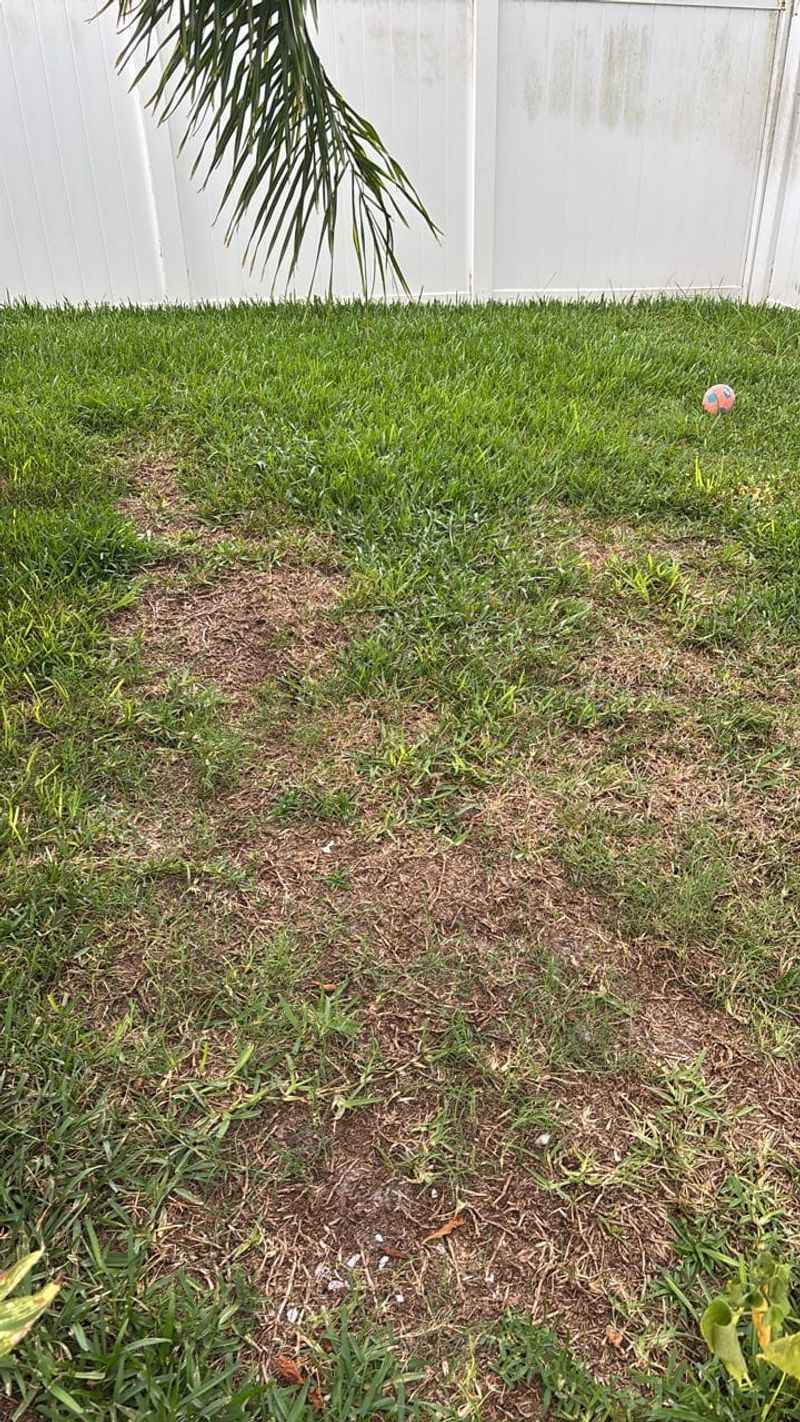
Do not try to fertilize your way out of chinch bugs.
A stressed lawn often makes homeowners reach for nitrogen. The hope is a quick green-up, but too much nitrogen can push soft, tender growth that feeding insects prefer.
Tender growth is easier to damage. Chinch bugs pierce grass tissue and remove fluids.
Fast green growth may look helpful at first. It can also make the lawn more attractive and less resilient.
Use a soil test when possible. Guessing with fertilizer often creates bigger problems.
Follow label rates carefully. More fertilizer does not mean faster recovery.
Avoid heavy feeding during peak heat. July and August are stressful enough for St. Augustinegrass.
Slow-release nitrogen is usually safer than a fast flush. It feeds more steadily and reduces sudden soft growth.
Do not fertilize drought-stressed turf. Roots under water stress cannot use nutrients properly.
Water correctly before any feeding decision. Moisture problems should be solved first.
Watch local rules. Some communities have fertilizer restrictions tied to water quality or seasonal conditions.
Healthy turf needs balanced care, not panic feeding.
A measured fertility program supports recovery without turning the lawn into a better buffet for chinch bugs.
6. Water Deeply Without Daily Sprinkling
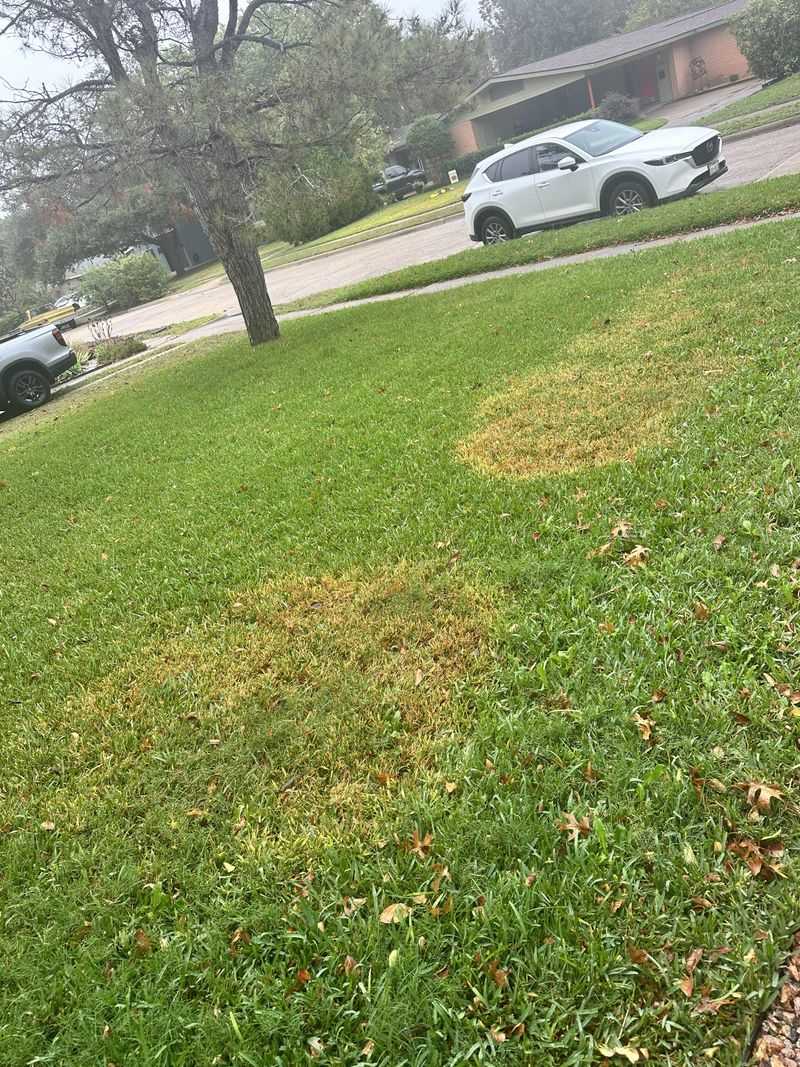
Daily sprinkles create weak turf.
St. Augustinegrass needs moisture, but shallow watering keeps the upper layer damp while the deeper root zone may remain poorly supported. That pattern can weaken the lawn and complicate chinch bug damage.
Water deeply. The goal is moisture four to six inches into the soil.
Use a screwdriver test. After watering, the tool should slide into moist soil without stopping near the surface.
Water in one or two deep sessions when conditions allow. Frequent shallow cycles do not build strong roots.
Watch for runoff. Clay, compacted soil, or slopes may need shorter cycles with rest periods.
Morning watering is best. It reduces evaporation and allows leaf blades to dry during the day.
Avoid evening watering. Overnight wet foliage can encourage disease in warm, humid weather.
Do not water only because grass looks yellow. Chinch bug-damaged turf may look dry even when the soil is moist.
Audit irrigation zones. Uneven coverage can create dry patches that mimic insect damage.
Adjust heads near pavement. Hot edges often need careful coverage without overspray waste.
Let turf dry slightly between sessions. Stronger roots form when grass is not constantly surface-watered.
Water is part of chinch bug management, but it is not the whole answer.
A deep, even irrigation pattern helps healthy turf recover and prevents drought stress from masking the real problem.
7. Spot Treat And Recheck Often
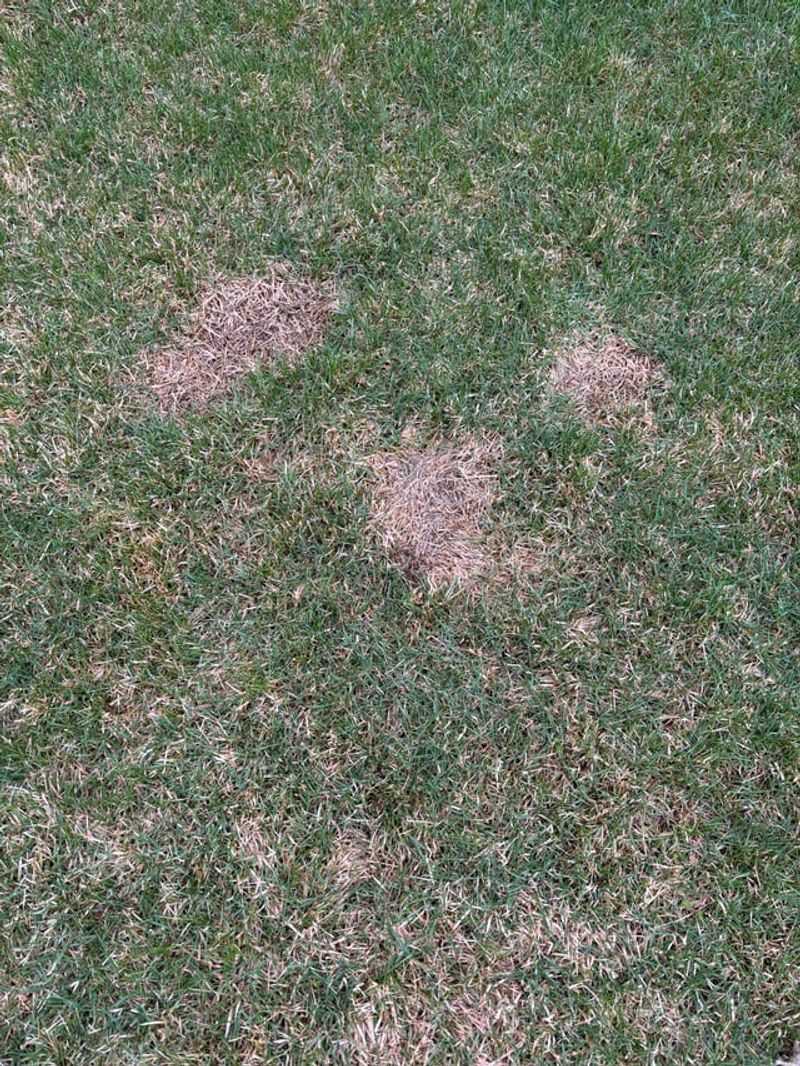
Blanket treating the whole lawn is rarely the best first move.
Chinch bugs often begin in specific sunny patches. Treating only the confirmed active areas protects beneficial insects, saves product, and reduces unnecessary chemical exposure across the yard.
Treat the active margin. That is where insects are still feeding and moving.
Include a buffer into healthy turf. A few feet beyond the visible patch helps catch the advancing population.
Do not focus only on the brown center. The insects may have already left.
Read the product label fully. The label controls where, how, and when the product can be used.
Choose a product labeled for chinch bugs on St. Augustinegrass. Not every lawn insecticide fits every situation.
Follow rate directions exactly. Stronger mixes increase risk without guaranteeing better control.
Water in only when the label instructs. Some products need irrigation after application, while others do not.
Keep people and pets off treated areas until the label allows return.
Avoid treating during wind. Drift can move product onto sidewalks, gardens, or neighboring property.
Do not treat before heavy rain. Runoff wastes product and can create environmental problems.
Spot treatment works because it matches the insect’s pattern.
The goal is to stop the active front, not spray every square foot out of fear.
8. Protect Beneficial Insects Nearby
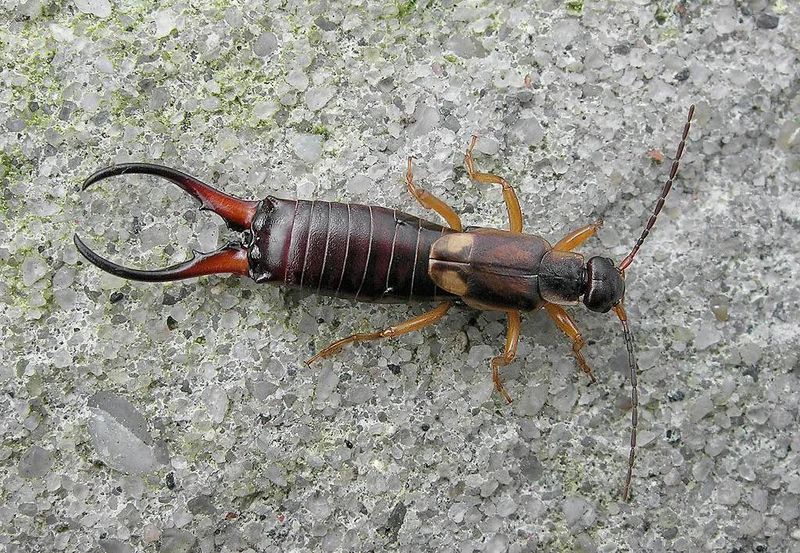
Some insects are helping you.
Big-eyed bugs, earwigs, spiders, ants, and other predators may feed on chinch bugs or other lawn pests. Broad, repeated insecticide use can reduce these helpers and make the lawn more dependent on future treatments.
Look before spraying. Not every small insect in the turf is a chinch bug.
Learn the difference between pests and predators. Big-eyed bugs are often mistaken for pests because they are small and fast.
Treat only confirmed hot spots. This protects beneficials in the rest of the lawn.
Avoid routine calendar sprays. Preventive blanket treatments can disrupt natural control.
Use the narrowest effective treatment. A targeted application is better than a full-lawn reset.
Keep flowering plants nearby unsprayed when possible. Many beneficial insects also use flowers for nectar.
Mow before treatment only when the label allows and the lawn is not stressed. This can improve access to the thatch layer.
Do not overuse the same product. Repeated pressure can favor resistant pest populations.
Monitor after treatment. Beneficial insects often help keep surviving pests from rebounding.
A lawn is not empty green carpet.
It is a living system, and protecting helpful insects can make chinch bug control more durable.