The Best Time Of Day To Water Hanging Baskets In Michigan So They Survive The Afternoon Sun
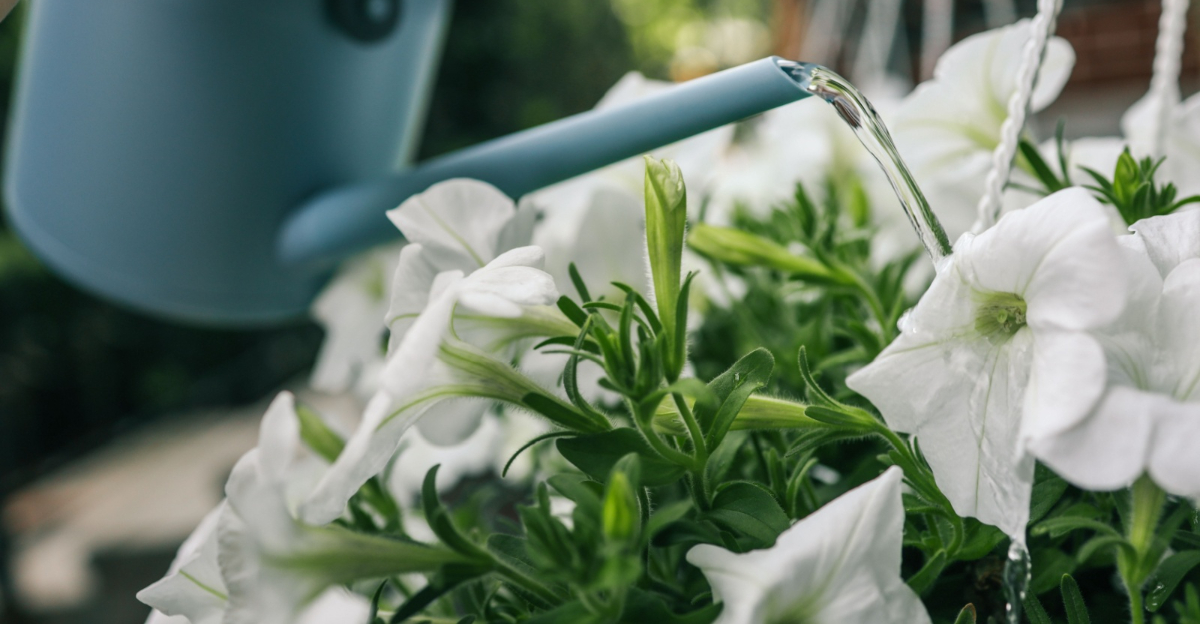
Hanging baskets in a Michigan summer are gorgeous right up until they are not, and the window between thriving and struggling can be surprisingly short once the heat arrives.
Small containers dry out fast, afternoon sun is relentless, and a basket that looked perfectly happy at breakfast can be stressed and wilting by early afternoon without anyone noticing the potting mix went completely dry in between.
Timing is everything with hanging basket watering, and early morning is where that timing starts.
A thorough soak before 9 a.m. sets the basket up to handle whatever the day brings, and checking moisture levels later in the day catches any gaps before they turn into a problem.
Get this habit right and Michigan porch baskets stay looking good all the way through summer.
1. Early Morning Gives Baskets A Head Start
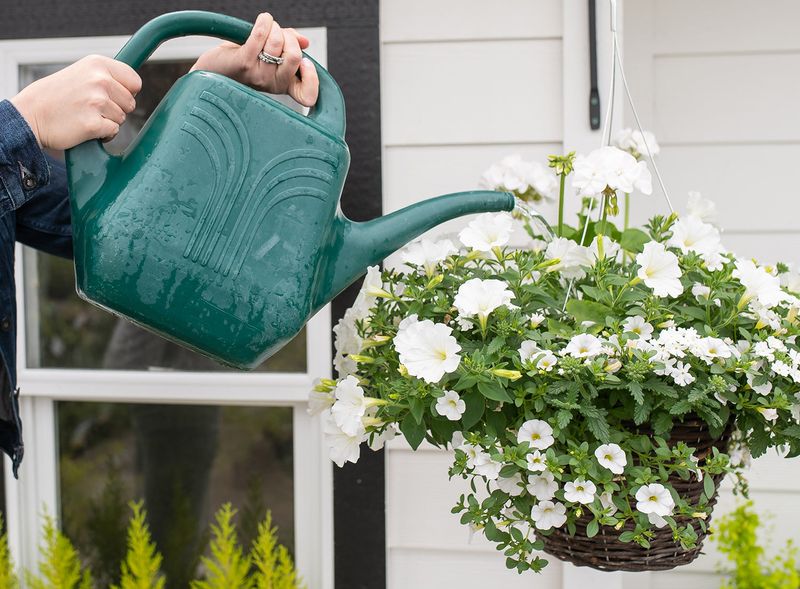
Porch baskets watered first thing in the morning begin the day with a real advantage. When the potting mix is fully moist before the sun climbs, plants can draw up water steadily as temperatures rise.
That early moisture helps flowers stay open, stems stay upright, and trailing plants hold their shape well into the afternoon hours.
Michigan summers can shift quickly from comfortable mornings to blazing midday heat, especially in July and August. A basket that starts the day dry has almost no buffer against that kind of temperature swing.
Roots sitting in dry potting mix have little to pull from when heat stress builds, and visible wilting can follow within just a few hours.
Morning watering also gives foliage time to dry before evening, which matters for plant health over the course of a season. Wet leaves sitting overnight can encourage fungal issues, particularly in more humid parts of Michigan near the Great Lakes.
Getting water to the roots early, rather than splashing it across leaves late in the day, is a small habit that pays off noticeably over time.
Starting a morning watering routine does not need to be complicated. A slow, thorough soak before heading inside for coffee is often enough to set baskets up for success.
2. Before 9 A.M. Is The Best Window
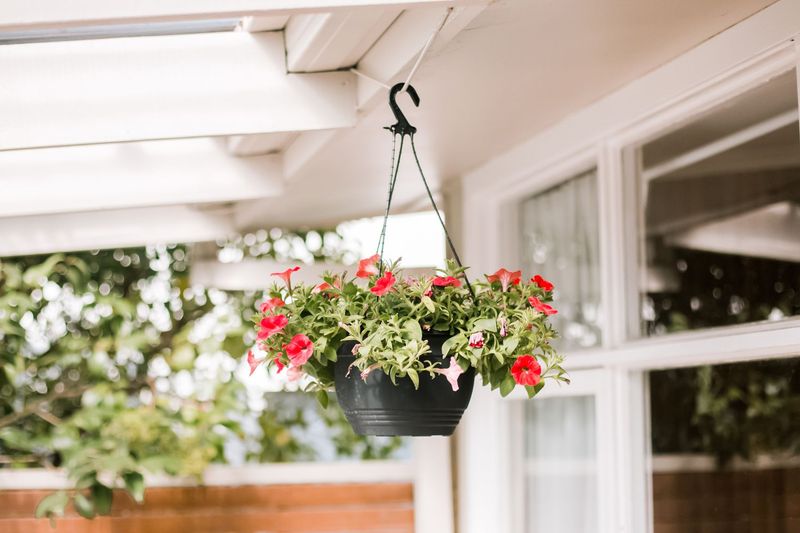
Watering before 9 a.m. gives hanging baskets the best possible start on a warm Michigan day. The air is still cool, evaporation rates are low, and water soaks into the potting mix rather than quickly evaporating off the surface.
That window of time is genuinely valuable, especially once June transitions into the hotter stretch of summer.
After 9 a.m., surface temperatures on patios, railings, and deck boards begin climbing fast. A hanging basket mounted on a south-facing deck railing can sit in direct sun for hours, and the potting mix inside a small container heats up faster than most gardeners expect.
Watering during that cooler early window means moisture is already moving through the root zone before any of that heat builds.
The 9 a.m. guideline is a practical starting point, not a hard cutoff. On overcast Michigan mornings or during cooler stretches in late spring, the urgency is lower.
Your Michigan Garden Changes Every Week. Your Plan Should Too.
Gardening in Michigan changes quickly throughout the season. Every Friday you’ll receive a simple weekly plan showing exactly what to plant, prune, fertilize, harvest, and protect so you never miss the right timing.
But during a stretch of sunny, dry, breezy days in mid-July, getting outside with the hose before the sun gets strong can noticeably reduce afternoon stress on your baskets.
Even a brief check of the potting mix before 9 a.m. helps. Pressing a finger about an inch into the mix gives a quick read on moisture levels and tells you whether a full soak is needed or whether the basket from yesterday is still holding up reasonably well.
3. Afternoon Sun Dries Baskets Fast
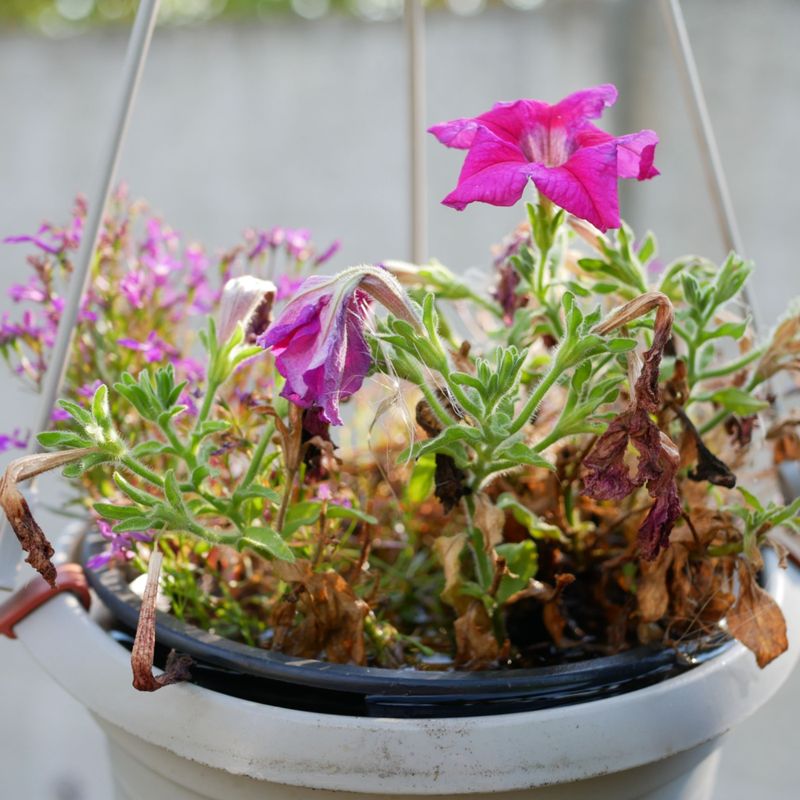
Anyone who has walked out onto a Michigan deck around 3 p.m. in July knows how intense that afternoon sun can feel.
Hanging baskets take the full force of that exposure because they are suspended in open air with no shade from the ground and no buffer from nearby soil mass.
Heat radiates up from decks and patios too, hitting the basket from below as well as above.
Potting mix in a hanging basket dries out much faster than soil in a garden bed. The container is small, drainage is built in, and airflow moves around all sides.
On a sunny afternoon, a basket that felt reasonably moist in the morning can feel nearly dry by early evening. That rapid moisture loss is one reason so many porch plants struggle once midsummer arrives.
Afternoon is generally the worst time to water hanging baskets, not because it harms the plants directly, but because the water evaporates so quickly that roots may not get a meaningful drink.
A fast surface splash during peak afternoon heat often does more to create the appearance of watering than to actually hydrate the root zone.
Recognizing how fast afternoon conditions change in Michigan helps gardeners plan better. A basket that looks fine at noon may show soft, drooping stems by 4 p.m., which is a clear signal that morning watering alone may not be enough on the hottest days of summer.
4. Small Containers Need Closer Watching
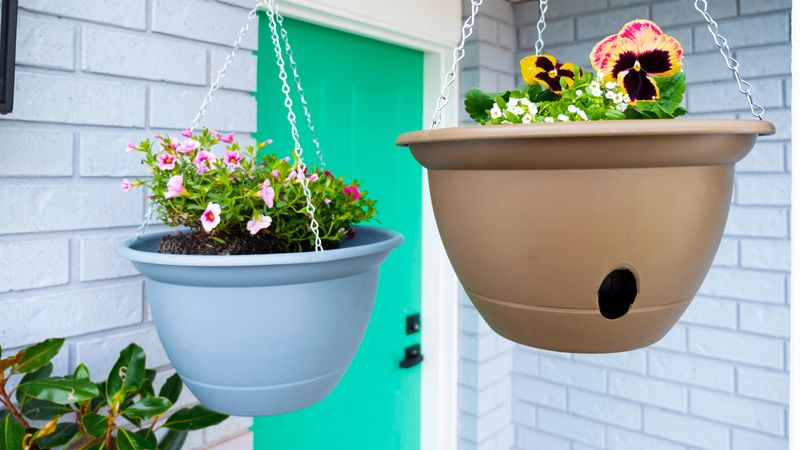
Smaller hanging baskets are often the first to show stress during a Michigan heat wave. The less potting mix a container holds, the faster it dries out, and the less room roots have to find residual moisture between waterings.
A compact six-inch basket in full sun can dry out in a matter of hours on a hot, breezy July afternoon.
Larger baskets with more volume hold moisture longer simply because there is more mix to retain it.
But many popular hanging baskets sold at garden centers and home improvement stores are on the smaller side, which means they need more frequent attention than gardeners sometimes expect.
Buying a beautiful basket in May and assuming it will thrive on a once-a-day watering schedule through August is a common source of frustration.
Wire baskets lined with coco fiber or moss dry out especially fast because moisture can escape through the sides as well as the bottom.
Plastic-lined baskets or those with built-in water reservoirs tend to hold moisture longer, which can make a real difference during a stretch of hot weather across Michigan.
Checking small containers more than once on especially hot days is a reasonable habit. A quick press of the finger into the potting mix takes only a moment and gives a much more accurate picture of moisture levels than simply looking at the surface.
Visual checks alone can be misleading, particularly after a light splash that wets only the top layer.
5. Wind Can Pull Moisture Away Quickly
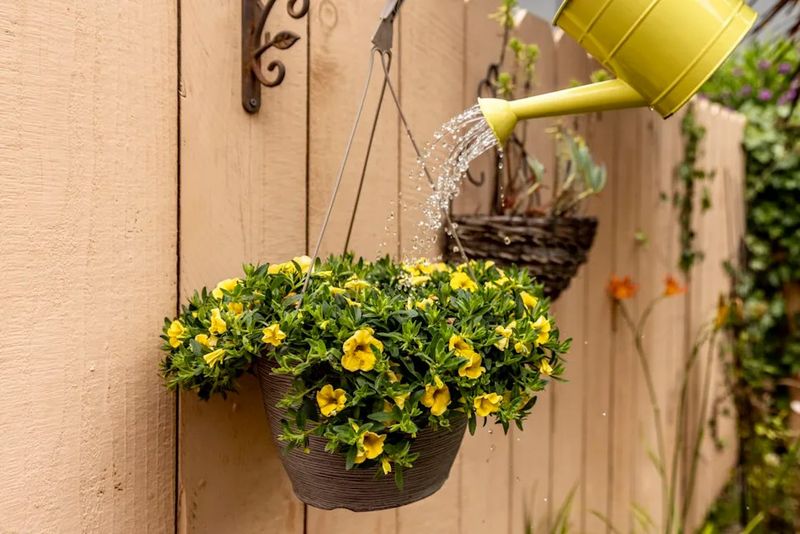
Wind is one of the most overlooked factors in hanging basket care across Michigan.
Breezy conditions increase the rate at which moisture evaporates from both the potting mix and plant leaves, and summers bring plenty of wind, especially near the Great Lakes, on open decks, or in yards with little windbreak protection.
A basket that sits in a sheltered corner of a covered porch behaves very differently from one hanging on an exposed railing facing the lake.
The exposed basket may need water twice on a hot, windy day while the sheltered one is still holding moisture from the morning.
Treating all baskets the same regardless of their location is one reason some containers thrive while others struggle in the same yard.
Trailing plants like million bells, bacopa, and petunias have a lot of leaf surface exposed to moving air, which means they lose moisture through their leaves at a faster rate when wind picks up.
That process, called transpiration, speeds up when air is both warm and moving, pulling water out of the plant faster than roots can always replace it from a drying mix.
Paying attention to wind direction and intensity on any given Michigan summer day is a practical part of good basket care. On calm, overcast days the morning watering may be plenty.
On breezy, sunny days a midday or early evening moisture check can prevent that familiar sight of wilted plants drooping on an otherwise beautiful afternoon.
6. A Later Soil Check May Be Needed
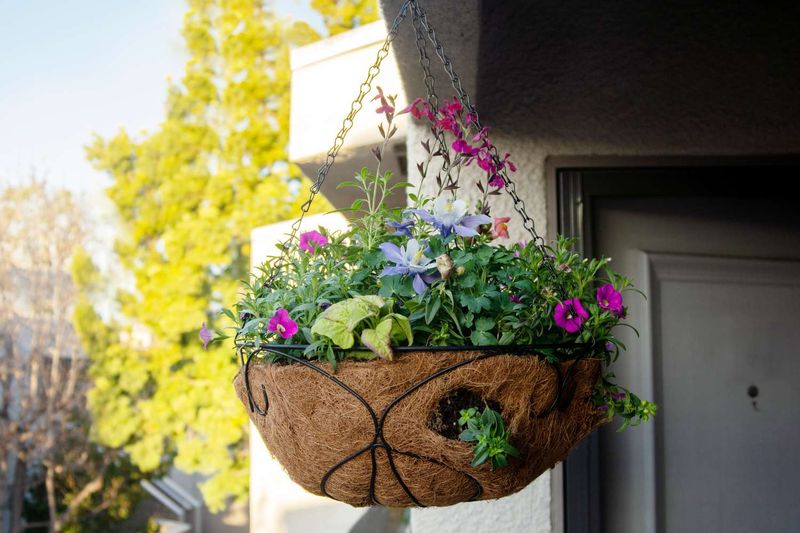
Even a solid morning watering does not guarantee a basket will stay comfortable all the way through a hot Michigan afternoon.
On days when temperatures climb into the upper 80s, the sun stays strong, and a steady breeze blows across the yard, potting mix can reach a critically dry level well before evening.
A mid-afternoon soil check is a smart habit during those kinds of stretches.
Checking moisture is simple. Pressing a finger about an inch into the potting mix gives a clear signal.
If the mix feels dry at that depth, the basket likely needs water regardless of what time of day it is. Waiting until evening out of habit while plants are already under heat stress is not the most helpful approach during an intense heat wave.
Some gardeners find it useful to do a quick visual scan of their baskets around 2 or 3 p.m. Soft, slightly drooping stems on heat-sensitive annuals like impatiens or fuchsia can signal moisture stress before the situation becomes severe.
Catching that early gives time to water and allow plants to recover before temperatures peak in the late afternoon.
A later check is especially worthwhile for baskets in full south or west-facing sun, which takes the hardest hit from afternoon exposure in Michigan.
Containers in those spots may need supplemental watering more often than baskets in morning sun or dappled shade, and building that awareness into a daily summer routine can keep plants looking much better over the long haul.
7. Evening Watering Works As A Backup
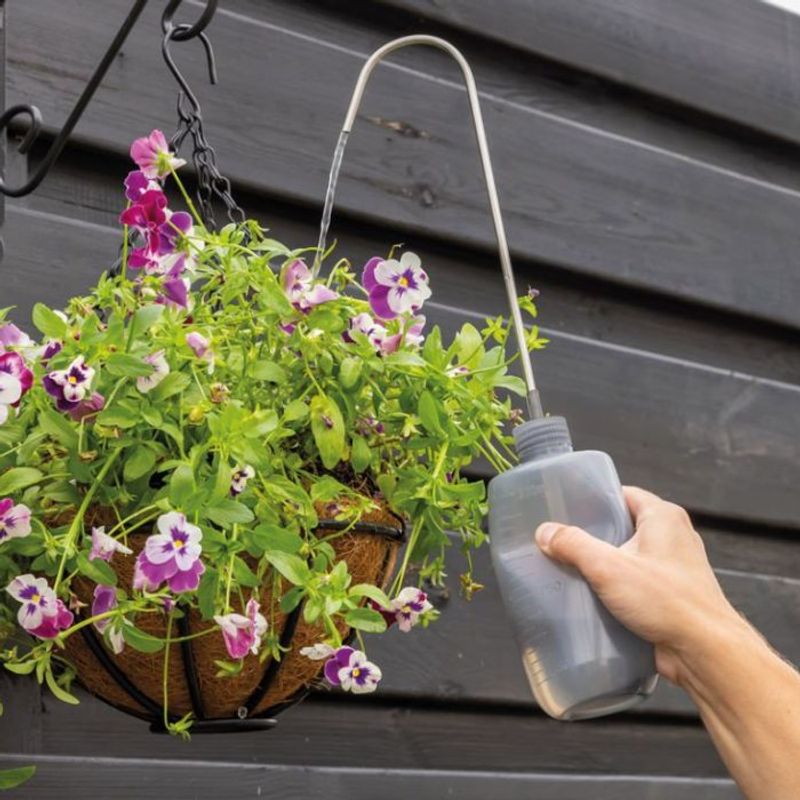
On days when morning watering was not quite enough, early evening can serve as a useful backup window for Michigan hanging baskets.
The sun is lower, temperatures are beginning to ease off, and water applied to the potting mix has a chance to soak in before overnight temperatures drop.
It is a practical option when baskets clearly need more moisture before the next morning rolls around.
Evening watering comes with one consideration worth keeping in mind. Wet foliage sitting overnight in warm, humid conditions can encourage fungal issues over time.
Directing water toward the base of the plant and the potting mix rather than soaking the leaves reduces that risk considerably. A watering wand that reaches up into the basket from below makes this easier and more precise than pouring from above.
In the cooler northern parts of Michigan, or during stretches of mild summer weather, evening watering is generally less of a concern because nights cool down enough to reduce fungal pressure.
Along the southern Lower Peninsula or in urban areas where nights stay warm, being a little more careful about wet foliage makes sense.
Evening watering should be thought of as a supplement rather than a replacement for morning watering. Starting the day with a fully moist basket is still the most effective strategy.
But for gardeners who work long hours or miss their morning window on a hot day, a careful early evening watering can help stressed baskets recover overnight and look much better by the following morning.
8. Deep Watering Beats A Quick Splash
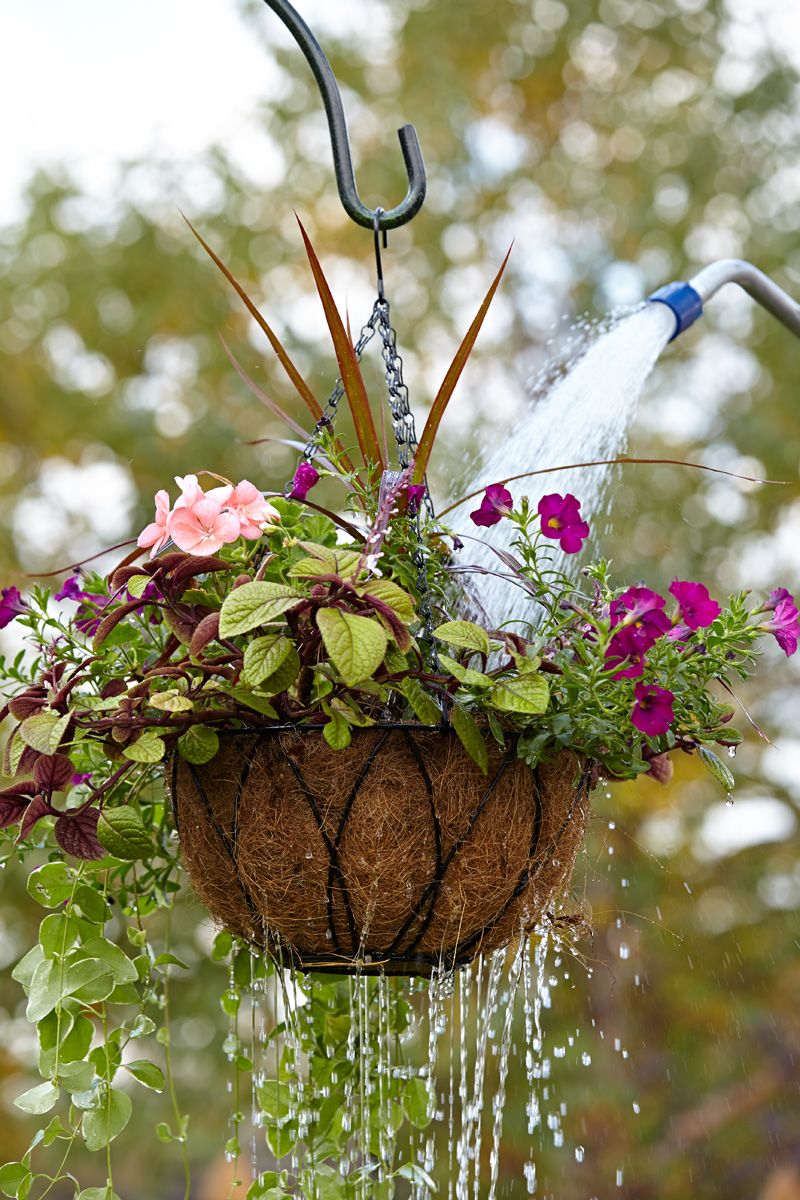
Watching water run out of the drainage holes at the bottom of a hanging basket is actually a good sign. It means moisture has moved all the way through the potting mix and reached the lower roots rather than just wetting the top inch or two of the surface.
That kind of thorough soak is what plants actually need, especially in the heat of a Michigan summer.
A quick splash that wets only the top layer of potting mix can look like watering without doing much for the root zone. Roots tend to grow where moisture is consistently available.
If only the surface gets wet, roots may stay shallow and become even more vulnerable to rapid drying during hot afternoons. Over time, surface-only watering can contribute to a pattern of stress that shows up as poor flowering and tired-looking plants by midsummer.
Taking an extra minute or two to water slowly and thoroughly makes a noticeable difference.
Letting water soak in rather than running off the surface immediately is particularly important for baskets where the potting mix has dried out significantly, because very dry mix can initially repel water rather than absorb it.
For gardeners who want their baskets to look full and colorful from Memorial Day through Labor Day, deep and consistent watering is one of the most reliable tools available.
Combined with the right timing, a thorough soak gives roots what they need to handle heat, sun, and wind across even the toughest stretches of a Michigan summer.