How To Set Up Your Georgia Yard For The Fall Hummingbird Migration
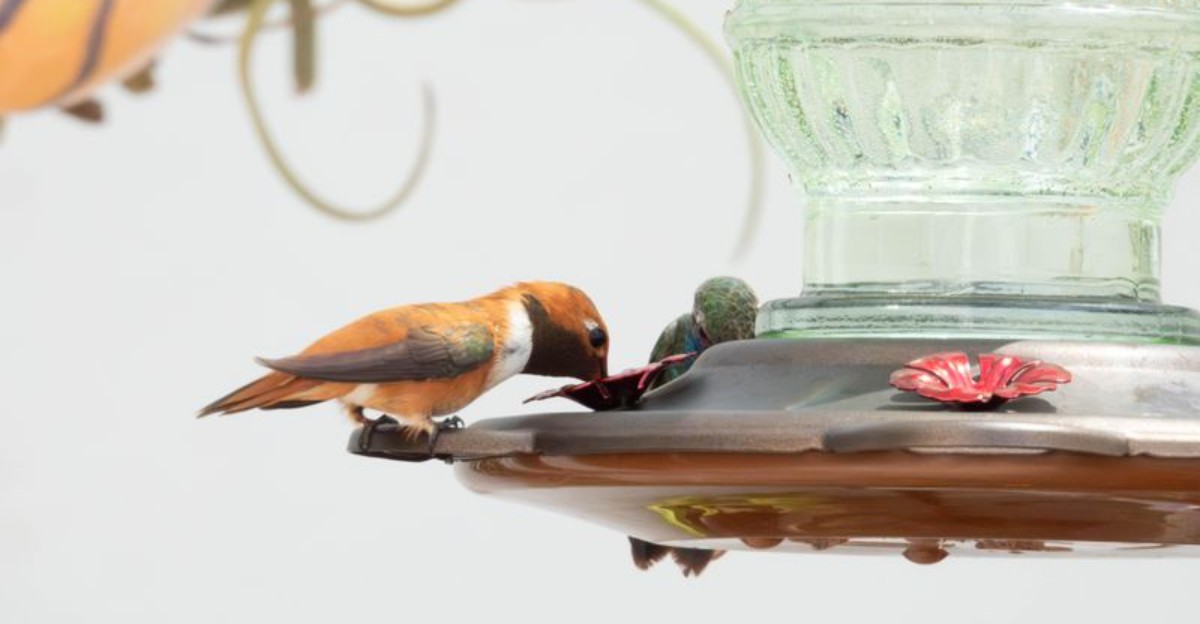
A single hummingbird hovering at your feeder in early October can surprise you after the summer crowd thins out. That visitor is often a migrant passing through on its way south.
Many of these birds travel long distances, and they need reliable places to rest and feed along the way.
Your yard can be one of those stops if it offers what they are looking for.
Small changes often make a bigger difference than adding another feeder or buying fancy gear.
In Georgia, some hummingbirds keep moving through well into fall, and a few western species occasionally show up in winter. Taking down feeders too early can mean missing those later visitors.
Look at your yard from a bird’s point of view this week and notice where it falls short.
1. Passing Migrants Need Fuel Stops Along The Way
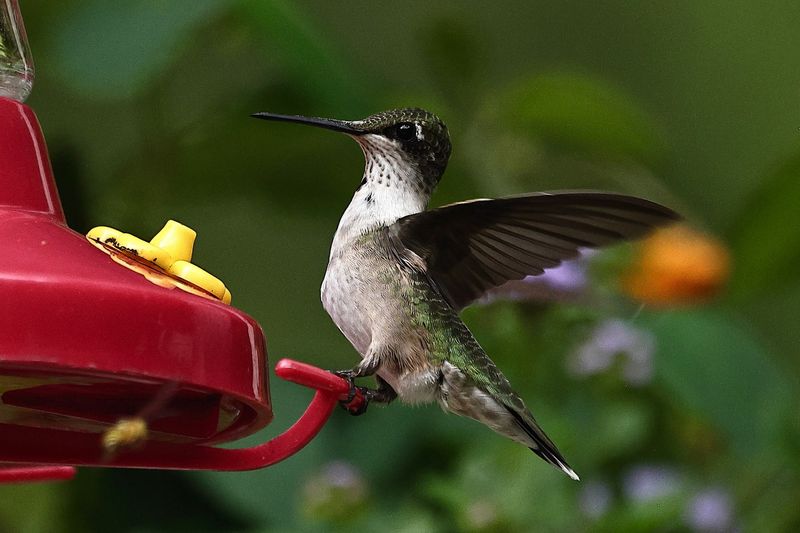
Picture a bird lighter than a penny flying hundreds of miles south. Ruby-throated hummingbirds make that trip every fall, and they can’t do it on one big meal.
Along the way, they stop often to refuel with nectar and small insects.
Before the trip, many of them put on extra fat, sometimes close to doubling their weight. That stored fuel helps them cover long stretches, including the flight across the Gulf of Mexico that some birds make.
Your yard can serve as one of those refueling spots.
In Georgia, a lot of the hummingbirds you see in September may not be the same birds from June. Summer residents often head out while new travelers from farther north drift through.
Each visitor might stay a day, a week, or a little longer, depending on weather and food.
Steady food sources matter more than a fancy setup. A feeder that is clean and full, plus a few blooming plants, gives a tired bird a reason to land.
Spacing helps too, since hummingbirds can be territorial at feeders.
Try placing two or three feeders out of sight of each other so one bossy bird can’t guard them all. That small step lets more travelers grab a meal before moving on.
2. Southbound Traffic Peaks Late Summer, Then Tapers Through October
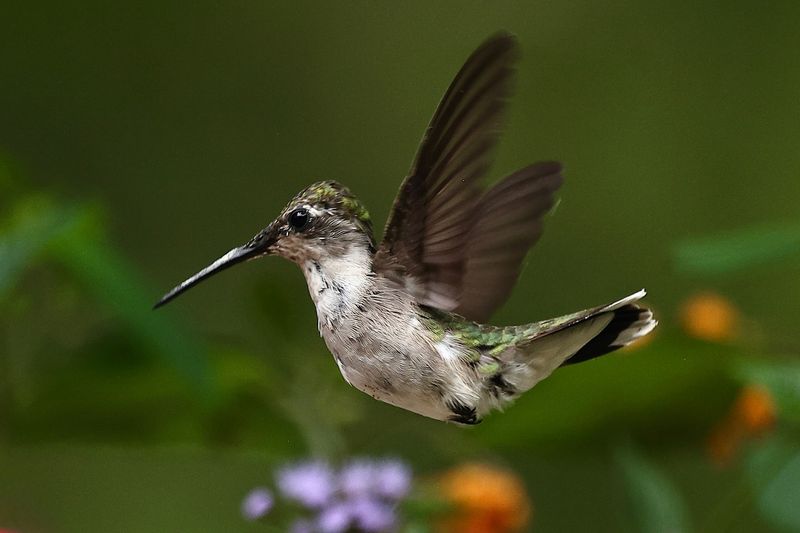
Timing is everything with fall hummingbirds. Put your feeders away too soon, and you could miss the busiest weeks of the year.
Activity in Georgia usually starts picking up in late July and climbs through August.
Many backyard watchers notice the peak somewhere between late August and mid-September. During those weeks, feeders that saw one or two birds in June may suddenly host a small crowd.
Young birds hatched that summer add to the numbers, which is part of why yards feel so lively.
After mid-September, traffic tends to slow down bit by bit. Some ruby-throats still pass through in October, especially stragglers and young birds running behind schedule.
Weather can shift these patterns from year to year, so treat dates as a rough guide.
A good habit is to keep feeders up for about two weeks after you see your last hummingbird. If nothing shows up in that time, you can clean and store them, or keep one out for late visitors.
Your Georgia Garden Changes Every Week. Your Plan Should Too.
Gardening in Georgia changes quickly throughout the season. Every Friday you’ll receive a simple weekly plan showing exactly what to plant, prune, fertilize, harvest, and protect so you never miss the right timing.
Leaving a feeder up will not stop healthy birds from migrating, since daylight and instinct drive their trip.
Jotting down the first and last dates you see birds each year can help you plan. After a few seasons, you will have your own local calendar to follow.
3. Late Bloomers Like Salvia And Firespike Fill The Gap
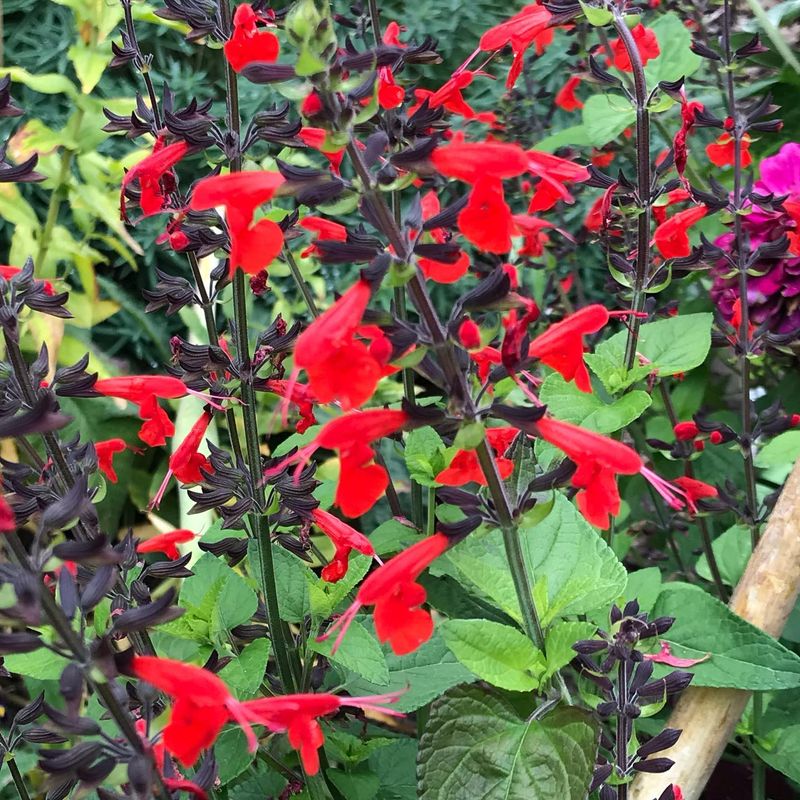
Summer flowers fade, but hungry hummingbirds keep coming. Late-blooming plants can bridge that gap and keep your garden useful into fall.
Salvias are some of the best choices for this job, and there are lots to pick from.
Pineapple sage often blooms bright red from late summer into fall, though an early frost can cut it short. Anise-scented sage, like Black and Blue, tends to flower for months in warm areas.
Firespike is another strong option for gardens in south and central Georgia.
Its tall spikes of red tubular flowers usually show up from late summer through fall. In colder spots, it may freeze back in winter and return from the roots, though very hard freezes can hurt it.
Native plants are worth adding too.
Cardinal flower, coral honeysuckle, and trumpet creeper can all feed hummingbirds, depending on their bloom timing in your area. Coral honeysuckle often reblooms here and there into fall.
Plant in groups instead of single plants scattered around the yard, since bigger patches are easier for birds to spot.
Results vary with sun, soil, water, and your growing zone. Ask a local nursery or extension office which plants do best near you.
4. A Simple Four-To-One Sugar Mix Is All It Takes
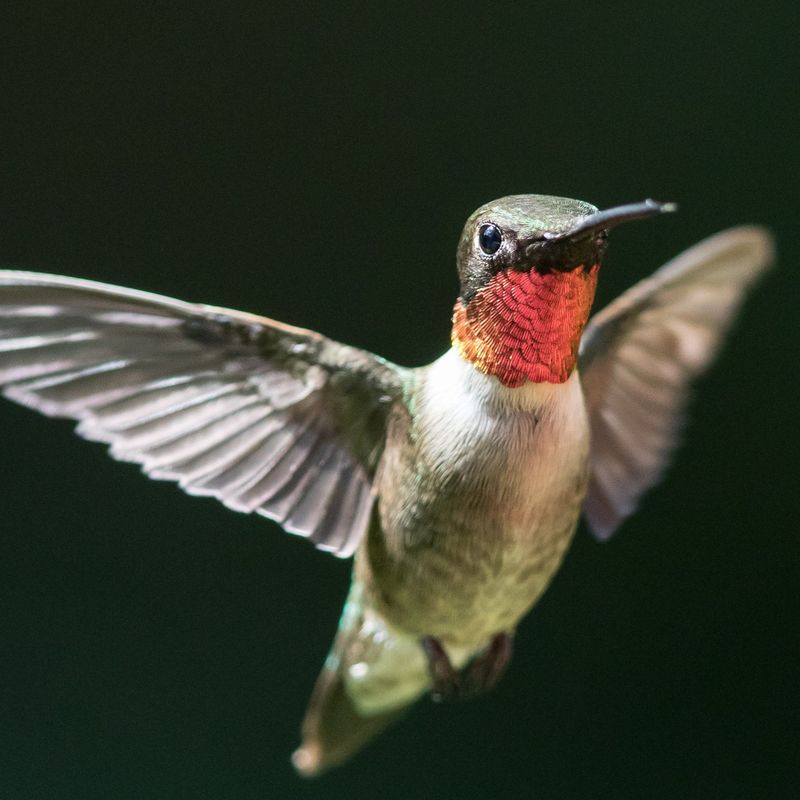
Skip the store-bought red nectar. Plain white sugar and water do the job just fine, and they cost far less.
Mix one part white table sugar with four parts water, such as one cup of sugar in four cups of water.
Stir until the sugar fully dissolves. Some people bring the water to a boil first, which can help the sugar mix in and may slow spoiling a little.
Let the mix cool to room temperature before filling your feeder.
Red dye is not needed, since most feeders already have red parts that draw birds in. Plenty of bird groups suggest leaving dye out because it adds nothing useful.
Honey, brown sugar, and artificial sweeteners are poor choices for hummingbirds. Honey and brown sugar can spoil fast and may grow harmful mold, while sweeteners give no energy.
Stick with plain white cane sugar for the safest mix.
Extra nectar can be stored in a covered container in the fridge for up to about a week. Making a small batch is often smarter during hot Georgia weeks, when feeders need refilling often anyway.
Keep the ratio steady rather than making it extra sweet. A stronger mix is not needed for most backyard feeding.
5. In Warm Weather, Nectar Needs Changing Every Few Days
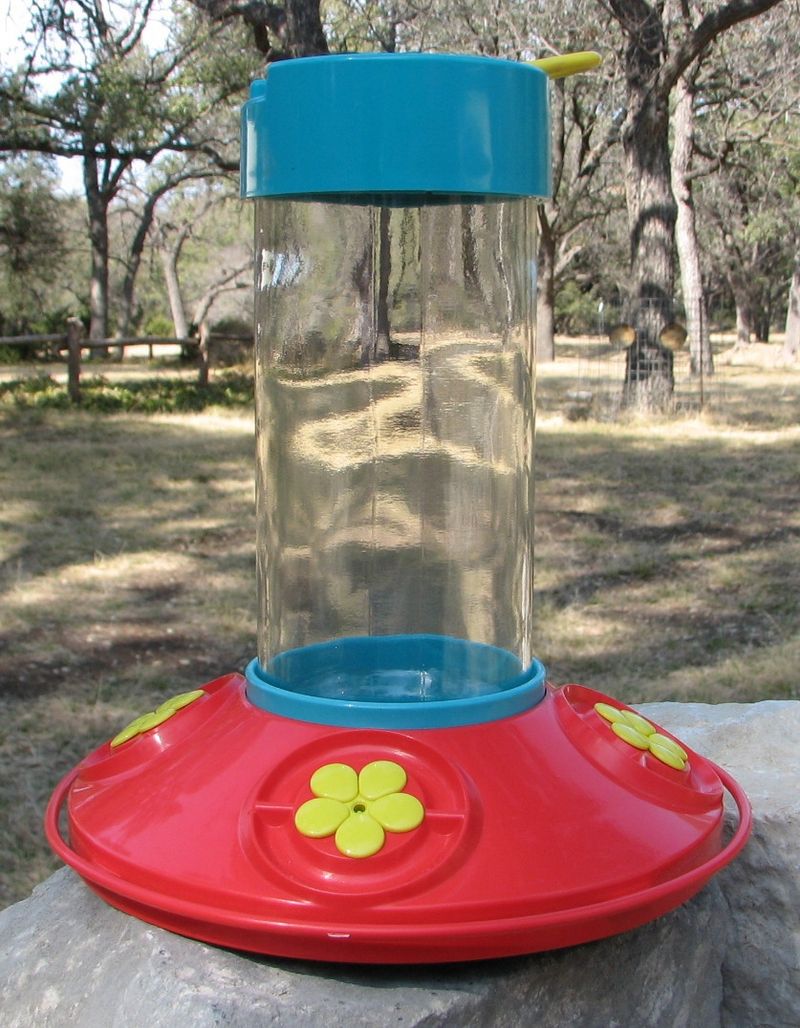
Cloudy nectar is a warning sign. Sugar water spoils quickly in heat, and spoiled food can make hummingbirds sick.
Early fall in Georgia often stays hot well into September, so feeders need extra care.
When temperatures run in the high 80s or 90s, plan to change nectar every one to two days. In milder weather, every three to five days usually works, though a feeder in full sun may need more frequent swaps.
Black specks, mold, or a sour smell mean it’s time to dump it out right away.
Each time you refill, rinse the feeder with hot water and scrub the ports with a small brush. A weak vinegar solution can help with buildup, as long as you rinse well afterward.
Avoid harsh soaps that may leave a residue behind.
Feeders with wide openings and few parts are much easier to clean. If yours is hard to take apart, you might skip a good scrub, and mold can build up in hidden corners.
Hanging feeders in light shade can help nectar last a little longer.
Only fill feeders partway when traffic is low. Less nectar means less waste, and fresh food stays more appealing to visiting birds.
6. Perches And Insects Add More Than Nectar Alone Can Provide
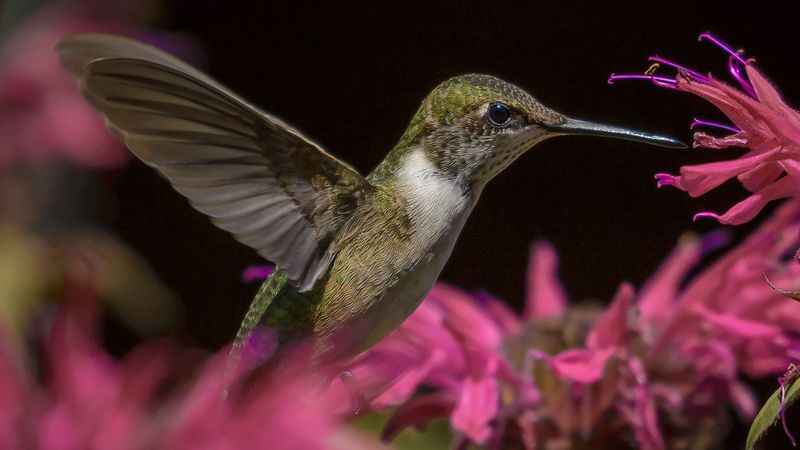
Nectar is only half the menu. Hummingbirds also eat small insects and spiders, which give them protein that sugar can’t supply.
A yard with healthy bug life is a better stopover than one sprayed heavily with pesticides.
Cutting back on insecticides can help keep gnats, aphids, and tiny flies around for the birds to catch. Native shrubs and flowers tend to attract more of these small insects than a bare lawn does.
Spiderwebs matter too, since some hummingbirds pick insects from them.
Rest spots are the other piece people overlook. Hummingbirds spend a lot of time sitting still, watching their feeders and guarding favorite flowers.
Thin, bare branches near feeders give them a place to rest and keep an eye out.
Small trees and shrubs like wax myrtle or American beautyberry, both found across Georgia, can offer cover and perches. A few twiggy branches tucked into a planter work if your yard is small.
Keep perches within a short flight of feeders, but not so close that a single bird can block everyone else.
Shallow water, like a mister or gentle drip, may draw some birds as well. Not every hummingbird will use it, so think of it as a bonus.
7. Late-Season Feeders Occasionally Attract Rare Western Species
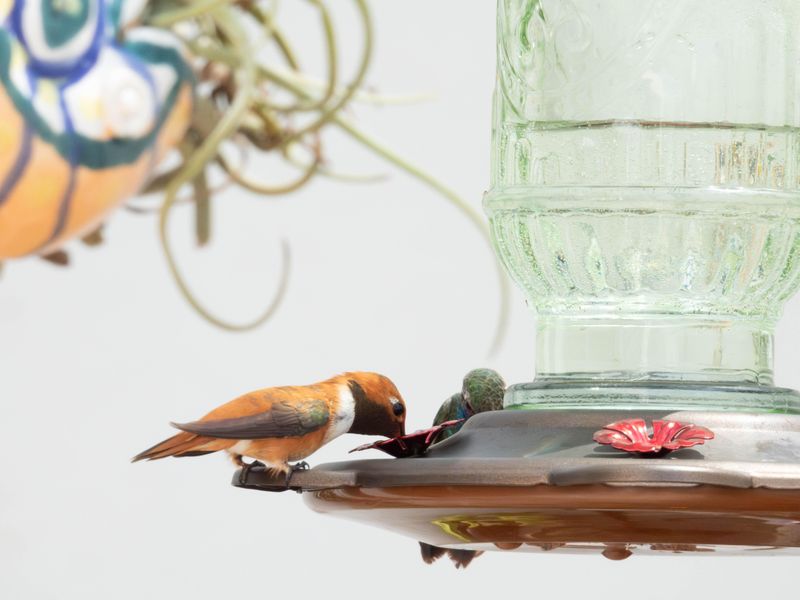
A hummingbird in November? It surprises plenty of people, but it does happen in the Southeast.
Most ruby-throats have left by then, yet a few western species sometimes show up for the winter.
Rufous hummingbirds are the most common of these late visitors in Georgia. Black-chinned, calliope, and Allen’s hummingbirds have also turned up, though much less often.
Sightings are not something you can count on, and many yards go years without one.
Keeping one feeder up through fall and winter gives you a small chance to host a rare guest. Clean and refill it about once a week when the weather is cool, since nectar lasts longer in the cold.
On freezing nights, bring the feeder inside and put it back out at dawn.
Some bird groups band and study wintering hummingbirds in the Southeast. If you spot one after mid-November, consider reporting it to a local birding group or a site like eBird.
Take photos if you can, since many western species look alike and are hard to tell apart.
Patience is key here. Even without a rare visitor, a winter feeder can be a fun reason to look out the window each morning.