Never Mow Your Georgia Lawn While It Is Soaking Wet From Summer Storms
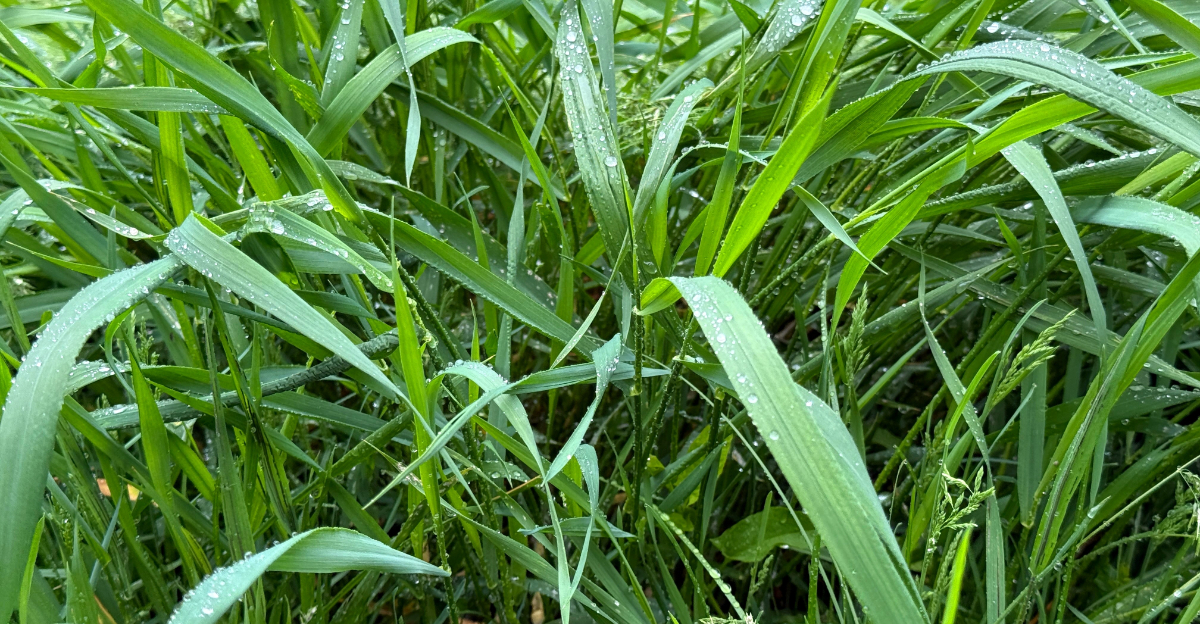
Storm clouds move on, the sun returns, and that overgrown lawn suddenly looks ready for the mower. Give the grass time to dry before trying to catch up on yard work.
Wet grass behaves very differently under mower blades.
Summer storms in Georgia can leave the ground soaked even when the lawn surface starts looking better. Walking or pushing heavy equipment across soft soil can create problems that remain visible long after the rain ends.
Your usual mowing routine should wait when every step leaves a damp footprint.
Check more than the weather before deciding the yard is ready. Grass blades and the soil underneath both need a chance to recover from heavy moisture.
Waiting a little longer may feel inconvenient, but your lawn can look much better because you did.
1. Give The Lawn Time To Dry Before You Mow
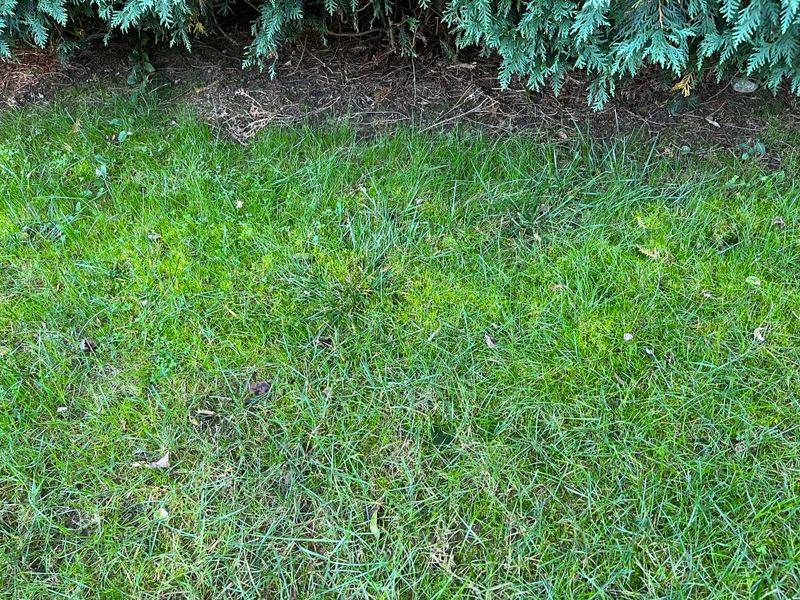
Patience is one of the best tools you have after a summer storm. Grass and soil need time to recover before a mower touches them.
Running equipment too soon puts stress on both the turf and the ground beneath it.
After heavy rain, the soil in most Georgia yards stays saturated longer than it looks from the surface. Even when the grass blades seem dry on top, the root zone below can still be holding a lot of water.
Pressing a mower across that spongy ground causes more harm than most people expect.
A good general rule is to wait at least 24 hours after significant rainfall before mowing. In humid summer conditions, it may take even longer for things to dry out properly.
Check the soil by pressing your foot into the lawn near the edge of your yard. If the ground gives and your shoe sinks slightly, it is not ready yet.
Morning dew can also add moisture back to grass that seemed fine the evening before. Waiting until midmorning gives the sun a chance to evaporate surface moisture before you start the mower.
Timing your mow correctly is not about being overly cautious.
2. Wet Grass Is Harder To Cut Cleanly
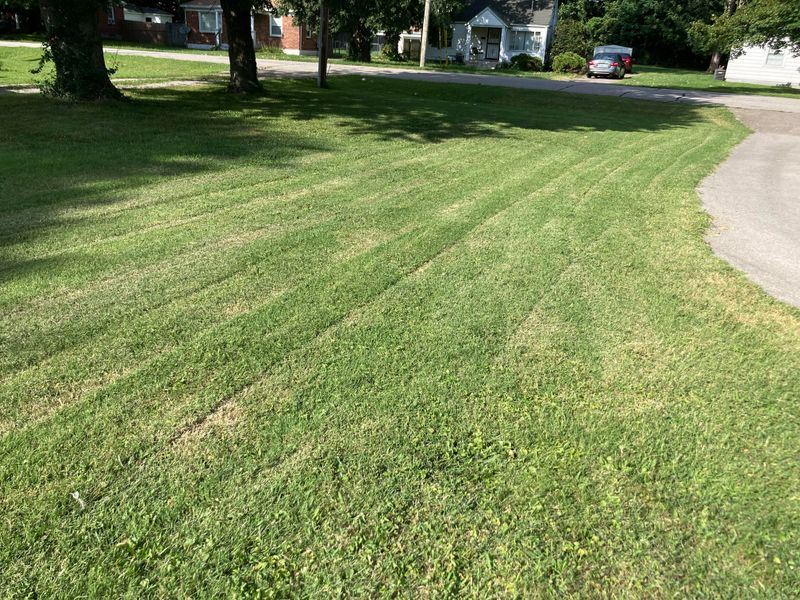
Wet grass does not stand up straight, and that one simple fact causes a lot of cutting problems. Blades of grass bend and flatten when they are heavy with moisture.
A mower passes right over them instead of cutting them at the right height.
Once the grass dries and springs back upright, you will notice uneven patches across the yard. Some areas will look shorter than others.
Some spots may have blades that were barely trimmed at all. The result is a lawn that looks rough and patchy instead of neat and consistent.
Grass that bends during mowing also tends to get torn rather than cut cleanly. Torn tips turn brown within a day or two and give the lawn a ragged appearance.
Even a sharp blade struggles to cut wet, floppy grass at a consistent height because the blades are not presenting themselves evenly to the cutting deck.
Cutting wet grass can also cause the mower deck to drag and scalp low spots where water has pooled. Those scalped areas stress the turf and can take time to recover.
Your Georgia Garden Changes Every Week. Your Plan Should Too.
Gardening in Georgia changes quickly throughout the season. Every Friday you’ll receive a simple weekly plan showing exactly what to plant, prune, fertilize, harvest, and protect so you never miss the right timing.
Waiting for the grass to dry and stand upright again costs you a day or two at most.
3. Heavy Clippings Can Pile Up On The Surface
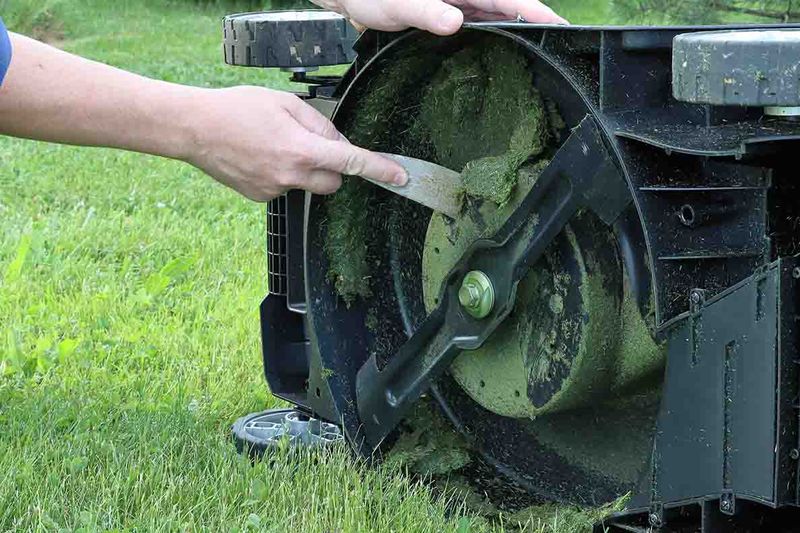
Wet clippings behave completely differently than dry ones. Dry clippings scatter lightly and settle between grass blades where they break down quickly.
Wet clippings stick together into heavy, dense clumps that land in thick mats across the lawn surface.
Those mats do not spread or break apart easily on their own. Clumps of wet clippings sit on top of the grass and block sunlight from reaching the blades below.
Grass underneath those piles can weaken over time if the clippings are not removed or broken up.
Wet clippings also tend to clog the mower deck much faster than dry ones. Clippings pack into the underside of the deck and reduce airflow.
That forces you to stop and clear the deck repeatedly, which slows down the whole job and adds unnecessary wear on the mower.
When clippings clump in heavy layers, they can also hold moisture against the soil surface longer than normal. In warm summer weather, that extra retained moisture creates conditions that are less than ideal for the turf underneath.
Raking up or dispersing clumped clippings after a wet mow adds extra work that could have been avoided entirely. Letting the lawn dry first means clippings spread naturally, break down faster, and return nutrients to the soil the way they are supposed to.
4. Soft Ground Is Easier To Rut With Mower Wheels
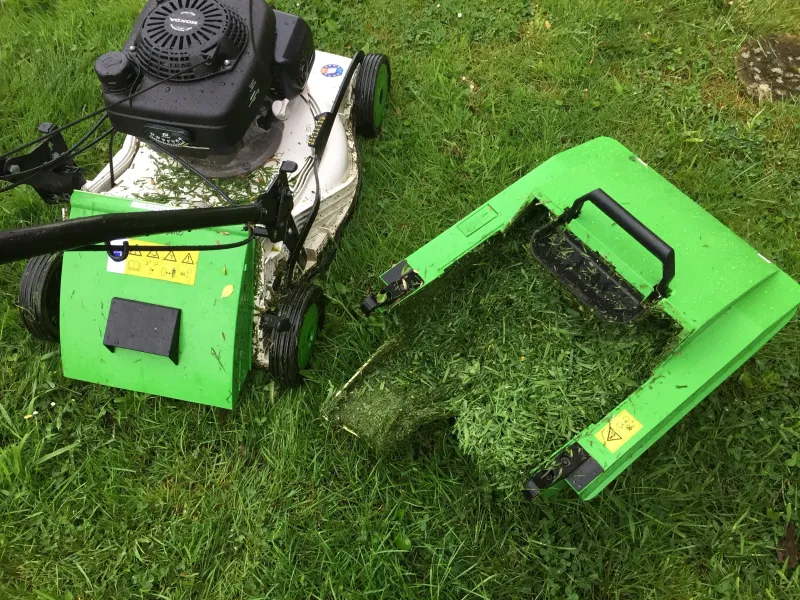
Saturated soil compresses easily under weight. A riding mower or even a heavy push mower can press wheel tracks deep into soft ground after a storm.
Those impressions do not just flatten the grass; they leave physical ruts in the soil itself.
Ruts change the surface level of your lawn in ways that are hard to fix quickly. Low tracks collect water during future rains, leading to uneven drainage across the yard.
High spots between the tracks dry out faster and can look stressed during dry stretches in summer.
Repeated passes over the same wet areas make things worse. Each time a mower rolls over saturated ground, it compacts the soil a little more.
Compacted soil reduces the space available for water and air to move through the root zone, which affects how well the grass grows over time.
Fixing deep ruts usually means adding soil, leveling the surface, and reseeding or resodding the damaged areas. That is a much bigger project than simply waiting for the ground to firm up before mowing.
In Georgia, summer storms can leave soil saturated for longer than expected because of high humidity and clay-heavy soil common in many parts of the state.
5. Long Leaf Wetness Favors Turf Disease
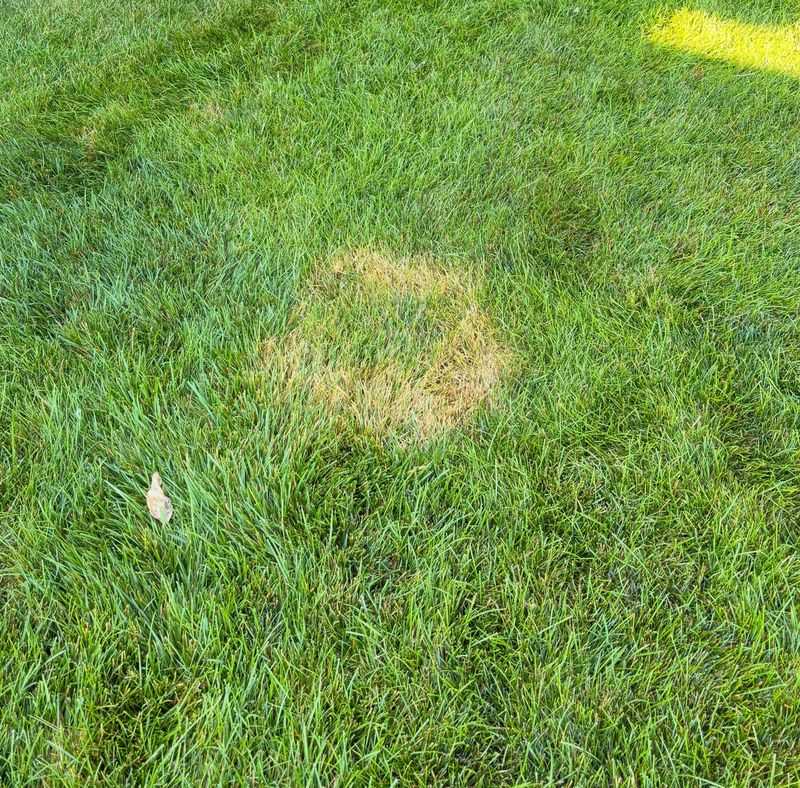
Warm, wet conditions create a favorable environment for certain turf diseases. Georgia summers are already hot and humid, and prolonged leaf wetness adds another layer of stress that some lawn fungi take advantage of.
Brown patch is one of the most common issues seen in warm-season lawns during this time of year.
Mowing does not directly cause turf disease, but it can influence how long grass stays wet. Cutting the lawn while it is soaked keeps moisture trapped between dense blades.
That extended wetness, combined with warm overnight temperatures, creates conditions where fungal activity is more likely to develop.
Lawns that stay wet for long stretches without drying out are generally more vulnerable during peak summer heat.
Proper air circulation matters, and a lawn that is mowed at the right time, when dry, tends to dry out faster after future rains than one that was mowed while wet and left with matted clippings or damaged blades.
Keeping your mowing schedule tied to dry conditions is one practical step toward reducing prolonged leaf wetness. Mowing at the correct height also plays a role.
Cutting too short stresses the turf and makes it less able to handle environmental pressure.
6. Sharp Blades Give A Cleaner Cut Afterward
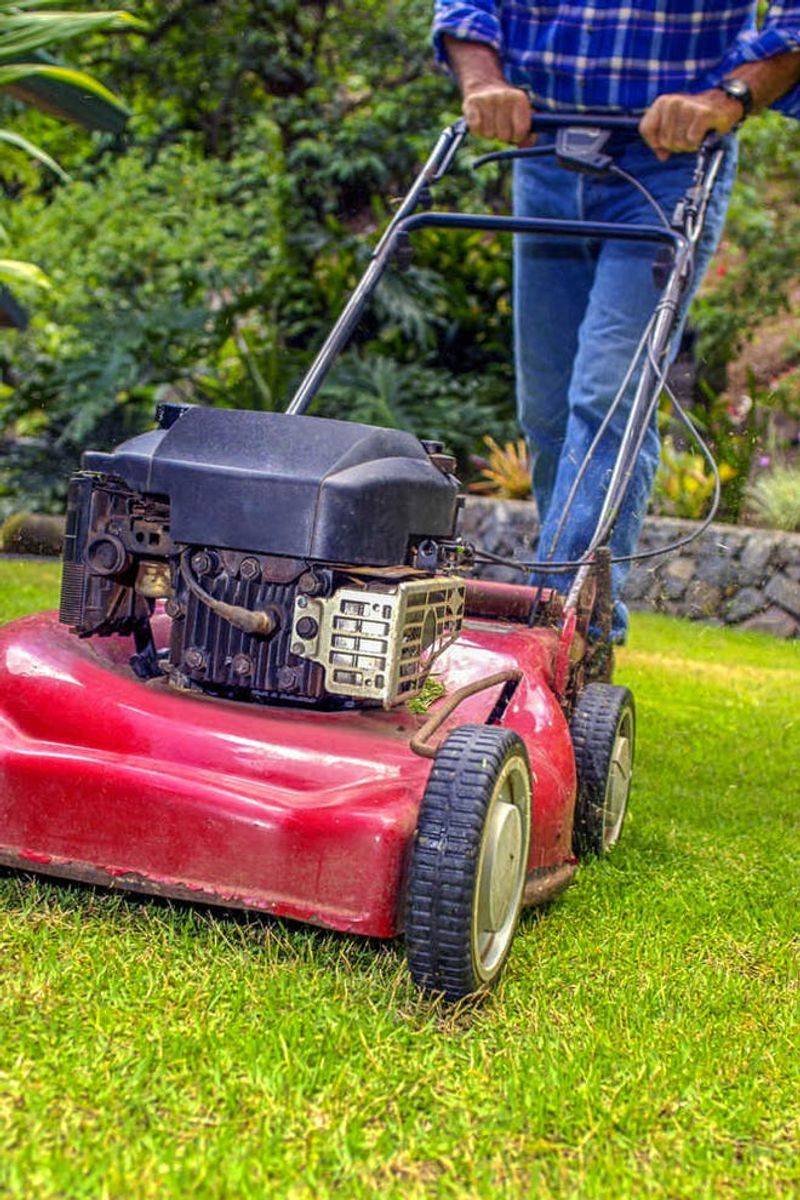
A dull blade does more damage than most people realize. Instead of slicing through grass cleanly, a dull blade tears and shreds the tips.
That torn tissue turns brown and makes the lawn look worn out even after a fresh mow.
Sharpening your mower blade before cutting a lawn that has been through several summer storms is a smart move. Wet conditions are rough on blades over time.
Mowing through mud, debris, and waterlogged clippings dulls a blade faster than normal dry mowing does.
A sharp blade cuts each grass blade with a single clean pass. That clean cut allows the grass to heal faster and reduces the amount of open tissue exposed to heat and humidity.
Torn grass tips take longer to recover and can look ragged for days after mowing.
Checking blade sharpness does not require special tools. Run your finger carefully along the edge, away from the sharpest part, to feel for nicks or a rounded edge.
A blade that needs sharpening will feel blunt or uneven. Most blades benefit from sharpening at least once or twice during a full mowing season, and more often if you mow frequently or hit rocks and roots regularly.
7. Waiting Until Conditions Improve Protects The Lawn
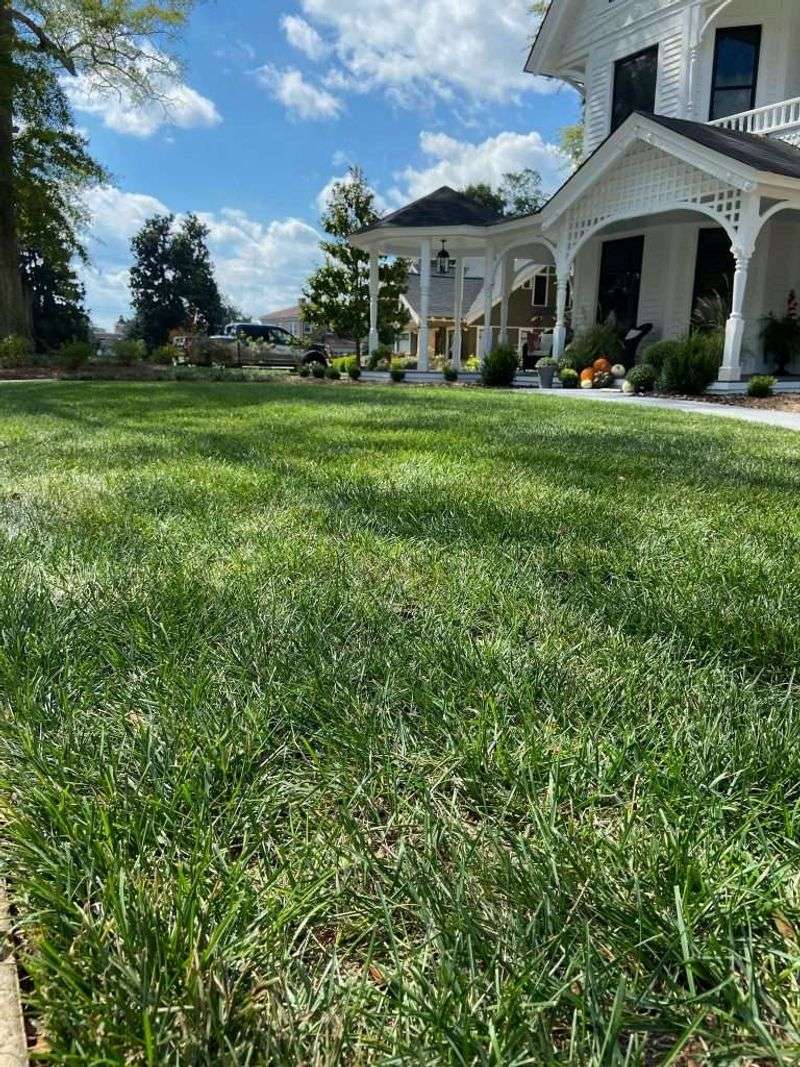
Knowing when the lawn is actually ready to mow again saves you a lot of trouble. A few simple checks can tell you more than just looking at the sky.
Start by walking across the lawn in an area you do not usually mow first.
If your shoes come back soaked or the ground feels soft and spongy underfoot, wait longer. Firm ground that does not sink under your weight is a good sign that the soil has drained enough.
Grass blades that are standing upright rather than lying flat are another positive signal.
Check the forecast before you start. If another round of storms is expected within a day, it may make more sense to hold off entirely rather than mowing between rain events.
Mowing just before heavy rain arrives can leave clippings sitting on wet grass for extended periods, which creates some of the same issues you were trying to avoid.
Midmorning is often a good window for mowing after a storm passes. Dew and leftover surface moisture have usually dried by then, but the afternoon heat has not yet peaked.
In Georgia, summer afternoons can be intense, and mowing during the hottest part of the day adds heat stress to already recovering grass.