What It Means When a Roadrunner Keeps Visiting Your Arizona Yard
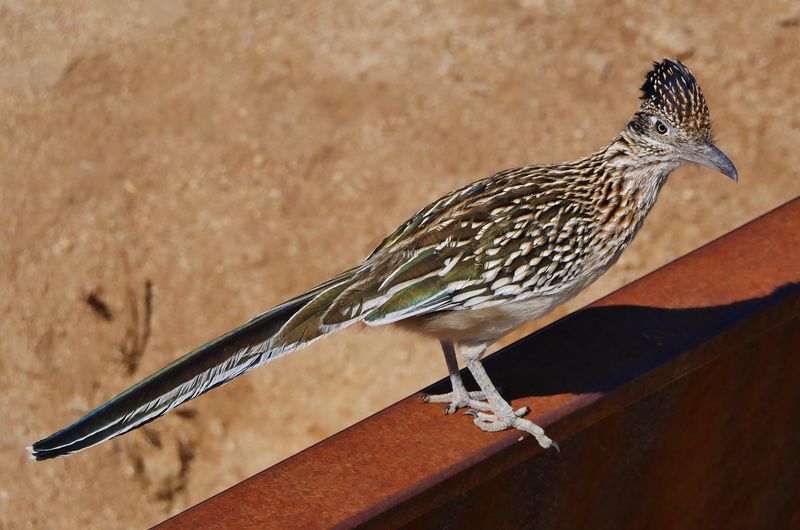
A long-legged bird sprints across your gravel, pauses on the block wall, and disappears into the oleander. When it shows up again a few days later, it is natural to wonder what it means.
Roadrunners are a classic part of the Arizona desert, and a returning one raises fair questions about scorpions, luck, and what you should do next. Here is what a repeat visit can and cannot tell you.
Repeat visits fit ordinary roadrunner behavior, but do not explain this bird
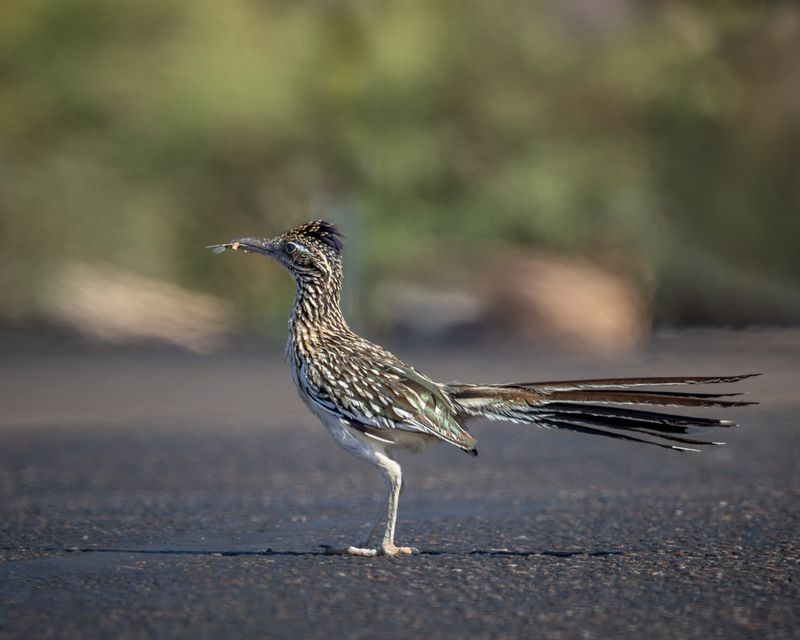
Greater Roadrunners are ground-loving birds that cover a lot of desert on foot. Bird experts describe them as defending large territories and patrolling them regularly.
They hunt mostly by walking and sprinting along the ground, watching for anything that moves.
Those habits fit comfortably with a bird that turns up in your yard more than once. Open ground, shrubs, and walls can all sit inside a territory that a bird covers day after day.
Roadrunners also travel through washes, vacant lots, and neighboring properties, so your yard may be just one stop on a much longer loop.
What a repeat visit cannot tell you is why it happens. The bird may follow a steady route through your property, or it may have wandered in on a single hunting trip.
You may also simply notice it on the days you happen to be looking out the window.
Here is a practical step. Jot down the dates and times of each visit for a few weeks.
A simple phone note can show whether the bird comes in the early morning, the afternoon, or at no set time, which tells you more than guessing at a reason.
A sighting cannot show exactly what attracts the bird
It is tempting to link a roadrunner’s return to something in your yard. Easy food, shady shrubs, and quiet corners are all plausible draws for a hunting bird.
Plausible is not the same as proven, though, and a single visitor will not announce its reasons.
A repeat sighting does not prove the bird nested nearby. It does not show that the bird depends on you, and it does not point to one plant, pest, or feature as the cause.
A territorial bird can use a wide area, and your yard is only the part of it that you can see.
Public sighting maps add another wrinkle. Patterns in reported sightings often reflect where people live, walk, and pay attention, not necessarily where birds prefer to be.
A neighborhood with many bird watchers can look like roadrunner heaven simply because more eyes are on it.
So treat your own observations as one small piece of the picture. Notice what the bird does while it is there, such as walking the wall line, checking under shrubs, or crossing quickly, and leave the bigger conclusions open.
Scorpions are only one part of the roadrunner’s diet
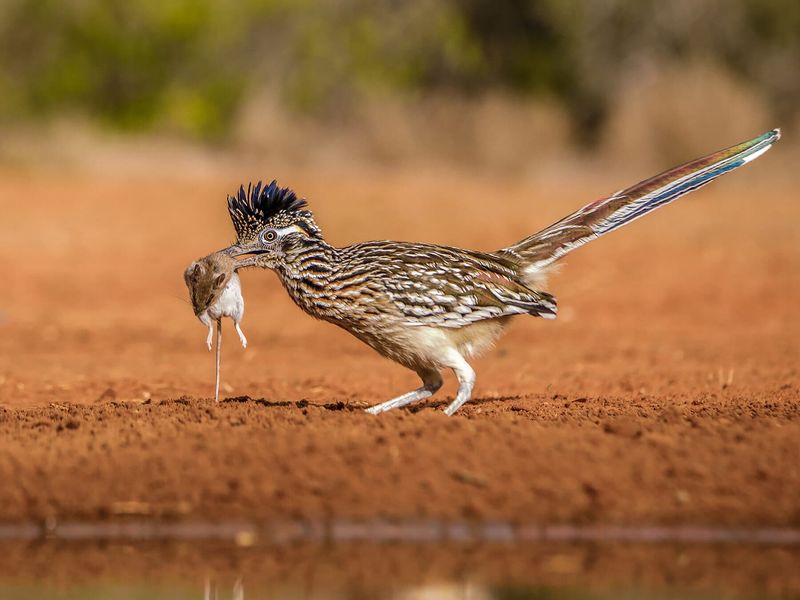
Yes, roadrunners eat scorpions, and that fact gets a lot of attention in Arizona. But scorpions are just one item on a long menu.
Your Arizona Garden Changes Every Week. Your Plan Should Too.
Gardening in Arizona changes quickly throughout the season. Every Friday you’ll receive a simple weekly plan showing exactly what to plant, prune, fertilize, harvest, and protect so you never miss the right timing.
Roadrunners are opportunistic hunters that eat insects, lizards, snakes, rodents, and other small animals, plus some fruit and seeds.
Because the diet is so mixed, a bird walking through your yard may be after beetles, a lizard, or nothing in particular. Eating a scorpion now and then does not mean one visitor will thin out the scorpions around your home.
Treat it as a bonus if it happens, not as pest control you can count on.
The menu also includes small birds and eggs. If you enjoy the finches, doves, or thrashers at your feeders and shrubs, know that a roadrunner may hunt some of them.
That makes the bird a predator with mixed effects on yard wildlife, not a helper for every creature that lives with you.
For scorpion worries, rely on sealing gaps, clearing clutter, and other ordinary home steps. Let the roadrunner be a fascinating neighbor rather than a plan.
Folklore may assign meaning, but it cannot explain a visit
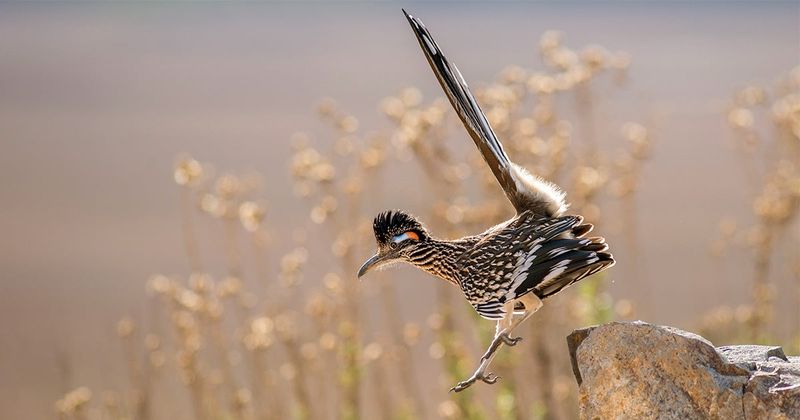
Stories about roadrunners go back a long way. In many traditions the bird has been tied to luck, protection, or messages, and those tales are part of the region’s culture.
They are worth enjoying as stories. They are not a way to read your household’s future.
Nothing about a bird stopping by your wall can confirm good luck, bad luck, or a message meant for you.
If the sight of a roadrunner lifts your mood on a hot morning, that is a perfectly good reason to value it. Just keep the meaning personal rather than factual, and let the bird’s real habits guide how you respond.
Wildlife-friendly habitat does not guarantee a roadrunner visit
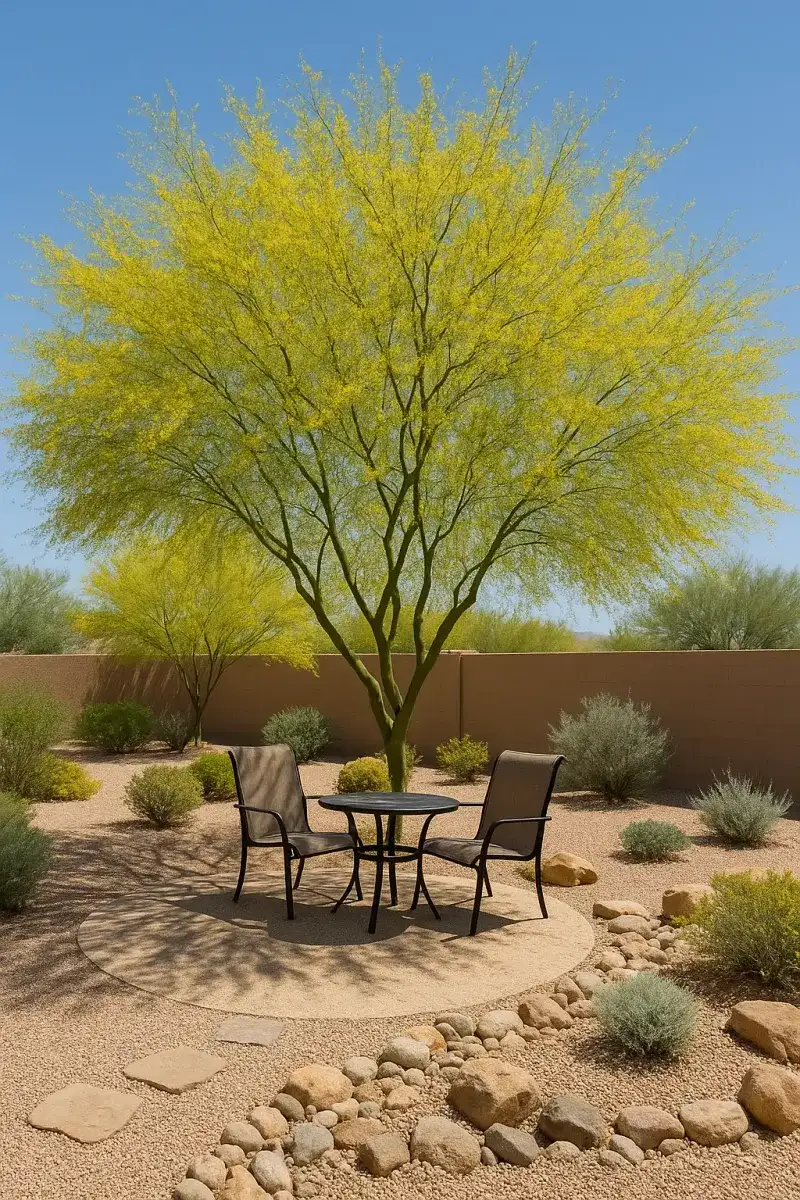
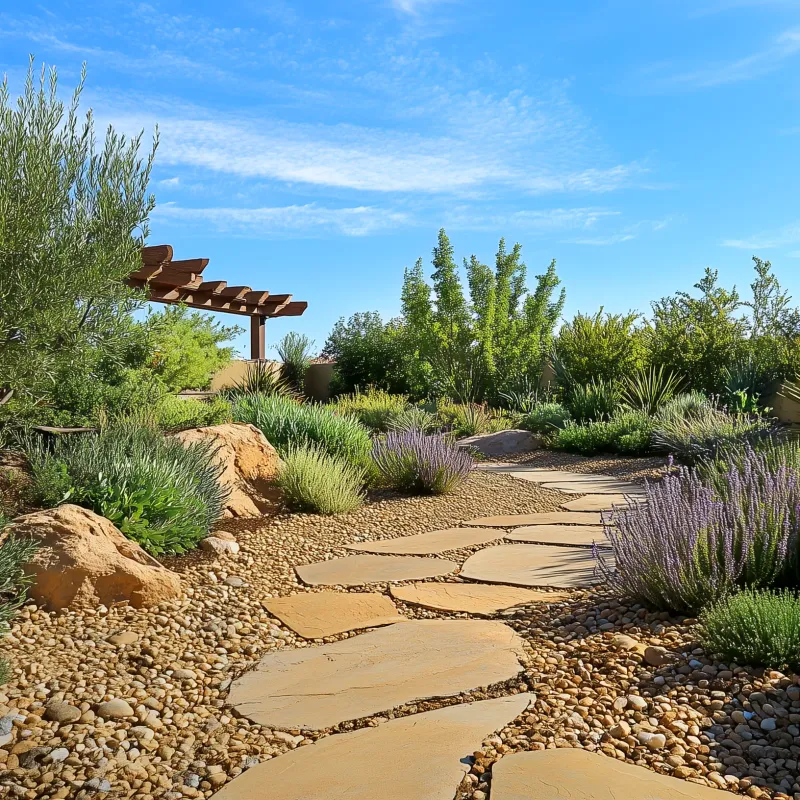
If you want a yard that works for desert wildlife, Tucson Audubon points to a few habits. Plant native desert vegetation, keep areas of dense cover, and leave complex ground habitat such as brush or rock piles.
Skipping insecticides also helps, since insects feed the lizards and birds that share your space.
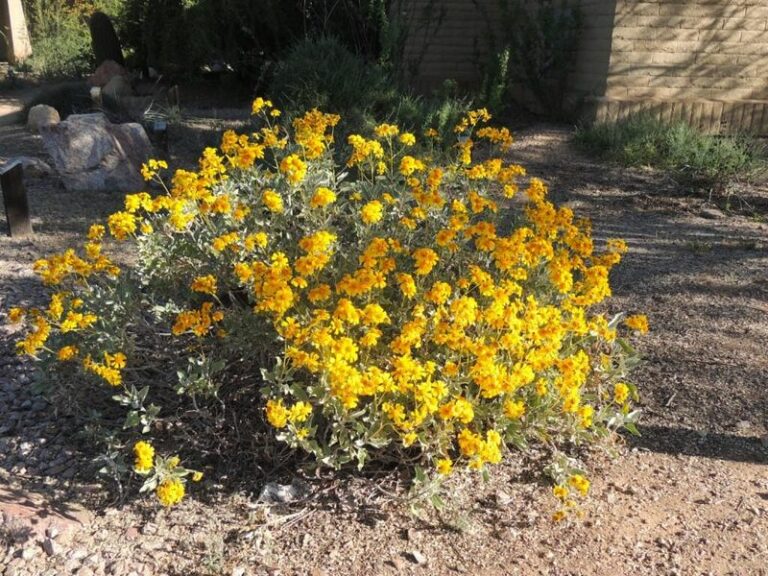
In the low desert, that could mean palo verde, mesquite, desert willow, or brittlebush, with a few low shrubs underneath. A tidy pile of branches and stones in a back corner can give small animals places to hide.
These plantings also tend to suit Arizona heat and cut down on watering.
None of this is a recipe for roadrunners. It may make your yard more suitable for wildlife in general, but a bird can still pass through or skip your block entirely.
Think of it as a good choice for the whole yard, with any roadrunner visits as a possible extra.
Fall and early spring are the best planting windows for most natives here, so you can time changes to the season without rushing.
Give a visiting roadrunner space
Do not hand-feed a roadrunner, and do not leave food out to coax it closer. Arizona Game and Fish advises against intentionally feeding wildlife, noting that food can make animals comfortable around people.
Feeding rules can also differ from one city or neighborhood to another, so check your local requirements.
You may hear that state law makes an exception for birds. That exception is not a suggestion to feed roadrunners, and it does not make baiting a good idea.
Keep pets supervised when a roadrunner is around. Bird experts note that pets and people can displace roadrunners or harm them, so a leash or a closed door is a kind choice for everyone.
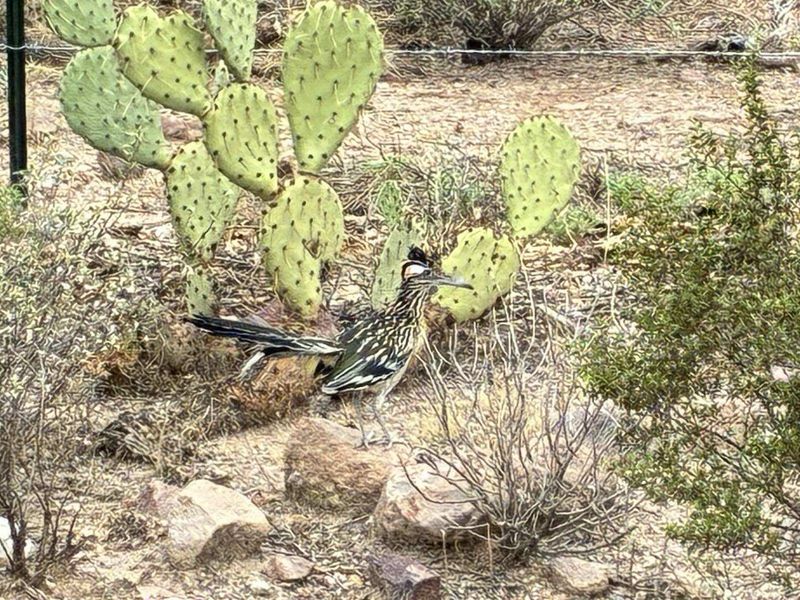
Roadrunner nests are usually hidden in sturdy bushes, cacti, or small trees. If you suspect one, stay away, avoid trimming nearby plants during nesting season, and never handle the nest.
A window or a spot across the yard makes a fine viewing area.
Treat repeat visits as wildlife behavior, not a promise
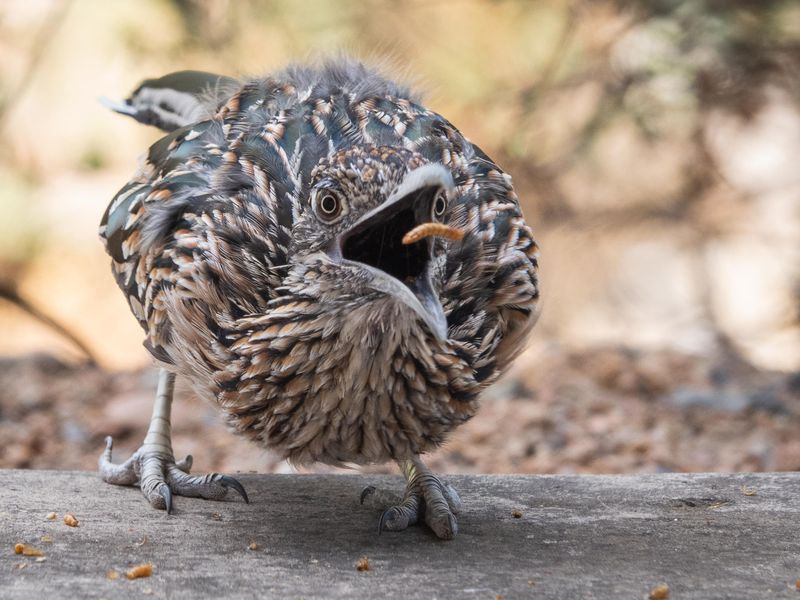
A roadrunner coming back fits with ordinary movement and hunting on the ground. It does not name a cause, predict luck, or promise fewer scorpions.
Watch from a distance, skip the snacks, and keep your yard friendly to wildlife in general. The bird will decide the rest on its own schedule.