How To Spot Storm Damage On Georgia Trees Before It Becomes Dangerous
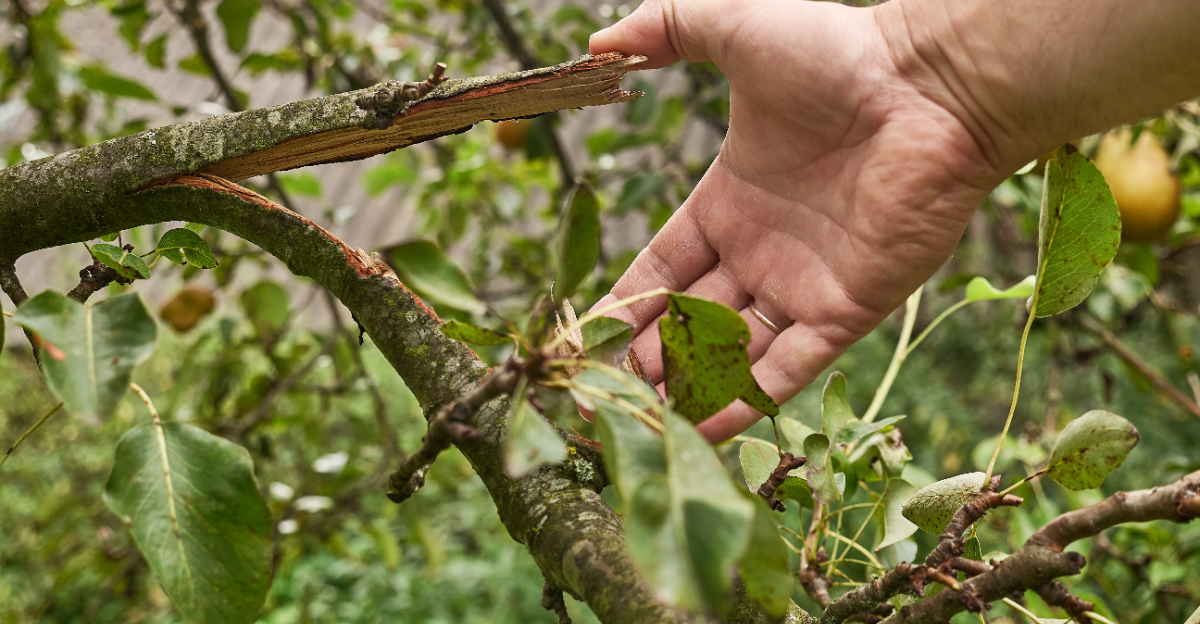
Strong storms can leave behind damage that is easy to miss at first glance. The yard may look mostly normal, yet a tree can have hidden problems waiting to appear later.
Broken branches are not always the only concern. Small cracks, loose limbs, and weakened areas can create risks long after the weather has cleared.
Tree care after a storm is not just about cleaning up fallen debris. Taking a closer look at the trunk, branches, and overall shape can reveal signs of trouble before they become more serious.
Knowing what changes to watch for makes it easier to decide when a tree needs attention.
Georgia weather can bring heavy winds and intense storms that challenge even mature trees.
Checking your trees after severe conditions can help catch damage early and keep your yard safer through the seasons.
1. Broken Branches Can Fall Without Warning
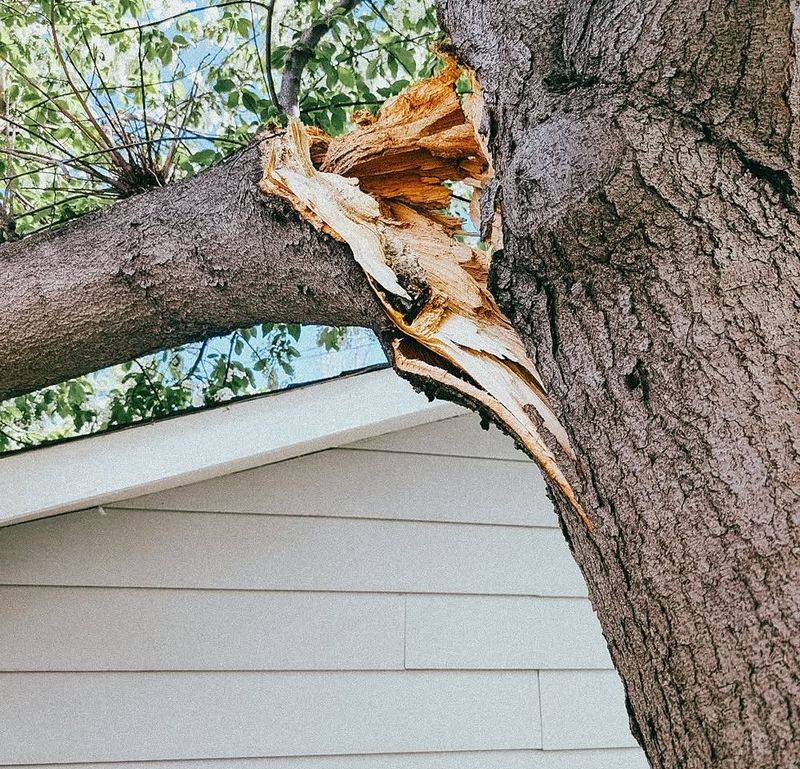
A hanging branch is one of the most underrated hazards in any yard after a storm. It looks stuck, but it is not.
Wind, rain, or even a bird landing on it can send it crashing down with zero notice.
These are often called widow-makers by tree professionals. A branch that broke but did not fully separate from the tree is still holding on by a thin strip of bark or wood fiber.
That connection will not hold forever.
Check every large tree near your house, driveway, and walkways. Look up into the canopy carefully.
Broken branches sometimes get wedged between other limbs and are hard to spot from the ground.
Use binoculars if needed. You want to find any branch that looks cracked, bent at an odd angle, or is missing its bark at the base.
Fresh white or yellow wood exposed at a break point is a clear sign the branch snapped recently.
Do not try to knock it down yourself with a pole or ladder. Falling wood is heavier than it looks, and the angle of the fall is unpredictable.
If the branch is large or positioned over anything valuable or trafficked, call a professional to remove it safely.
Small branches under two inches thick can sometimes be handled with a pruning saw. Anything larger deserves a second opinion from someone trained in tree removal.
2. Fresh Cracks Show Where The Tree Weakened
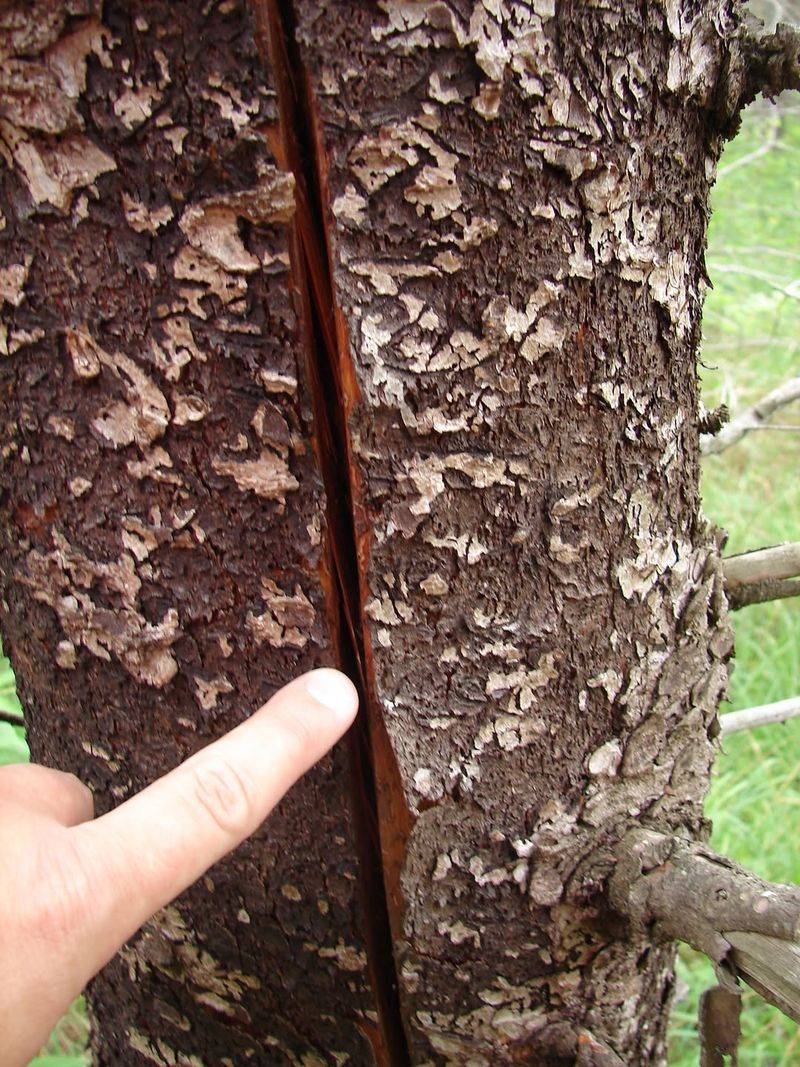
Cracks in a tree trunk are not normal aging. When a crack is fresh, the wood inside looks pale, almost white or cream-colored.
That exposed wood tells you the damage happened recently.
Run your hand along the bark after a storm. Feel for splits, separations, or any section where the bark seems to have pulled away from the wood underneath.
Vertical cracks that run up or down the trunk are especially concerning.
A crack that goes deep into the trunk can compromise the entire structural integrity of the tree. It does not have to be huge to be serious.
Even a narrow crack that runs several feet up or down the trunk can be a sign of internal splitting.
Your Georgia Garden Changes Every Week. Your Plan Should Too.
Gardening in Georgia changes quickly throughout the season. Every Friday you’ll receive a simple weekly plan showing exactly what to plant, prune, fertilize, harvest, and protect so you never miss the right timing.
Two cracks on opposite sides of the trunk are a red flag. That pattern often means the tree absorbed a twisting force during the storm and may have internal damage that is not fully visible from the outside.
Pay close attention to cracks near major branch junctions. Where a large limb meets the main trunk is already a natural weak point.
A crack in that spot after a storm significantly increases the risk of that limb failing.
Photograph any cracks you find and note their location on the tree. If you see new cracks forming over the following days, the tree is still under stress and needs professional evaluation before it causes problems.
3. Leaning Trees Need Immediate Attention
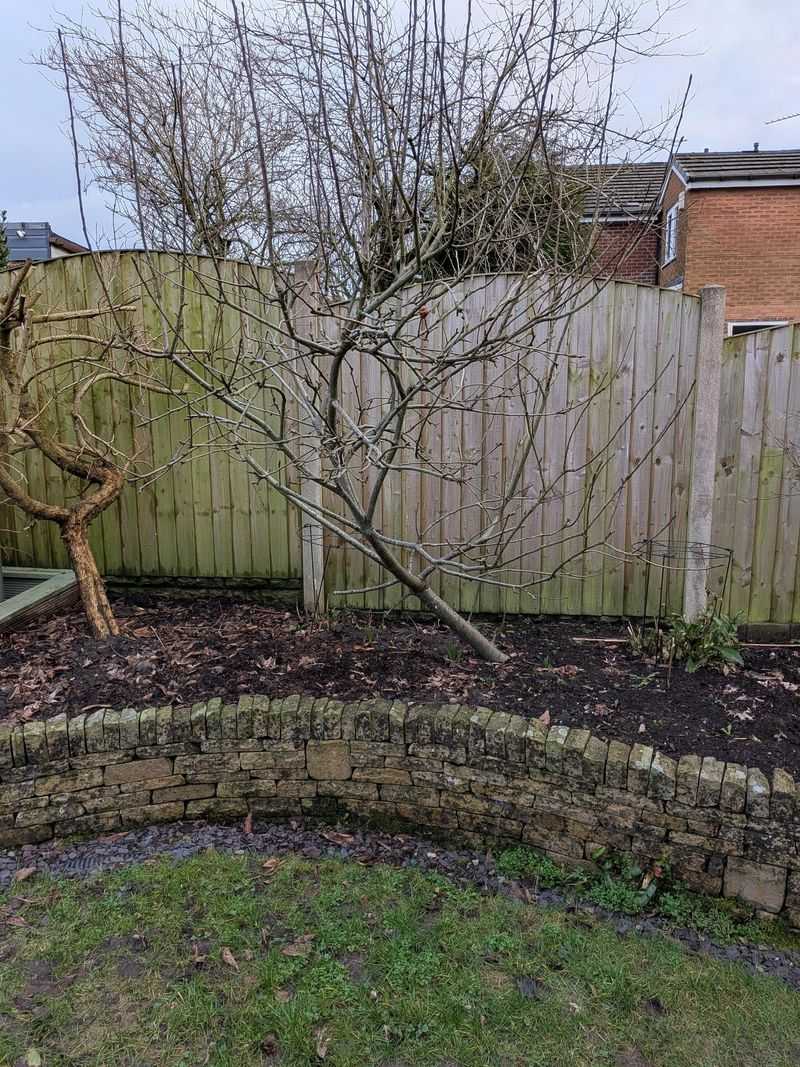
A tree that was not leaning before the storm and is leaning now is a serious warning sign. That shift happened fast, and it usually means the root system was compromised during the storm.
Soil saturation makes leaning worse. When the ground is soaked from heavy rain, roots lose their grip.
Strong wind pushing against a waterlogged root system can cause a tree to shift its entire base position in just a few seconds.
Walk around the base of any leaning tree. Look for soil that appears raised or heaved on one side.
That mounding of dirt is a sign the root plate is lifting, which means the tree could continue to lean or fall over completely.
Direction matters a lot here. A tree leaning toward your house, garage, vehicle, or a neighbor’s property is urgent.
Even a slow lean can accelerate without warning, especially if more rain is coming.
Do not assume a leaning tree will straighten itself out. Unlike smaller plants, trees cannot typically recover from a significant lean caused by root displacement.
The longer it stays in that position, the more the roots pull away from stable soil.
Keep people and pets away from the fall zone until the tree has been assessed. A certified arborist can tell you whether the tree can be stabilized or needs to be removed before it causes serious property damage.
4. Exposed Roots Can Make Trees Less Stable
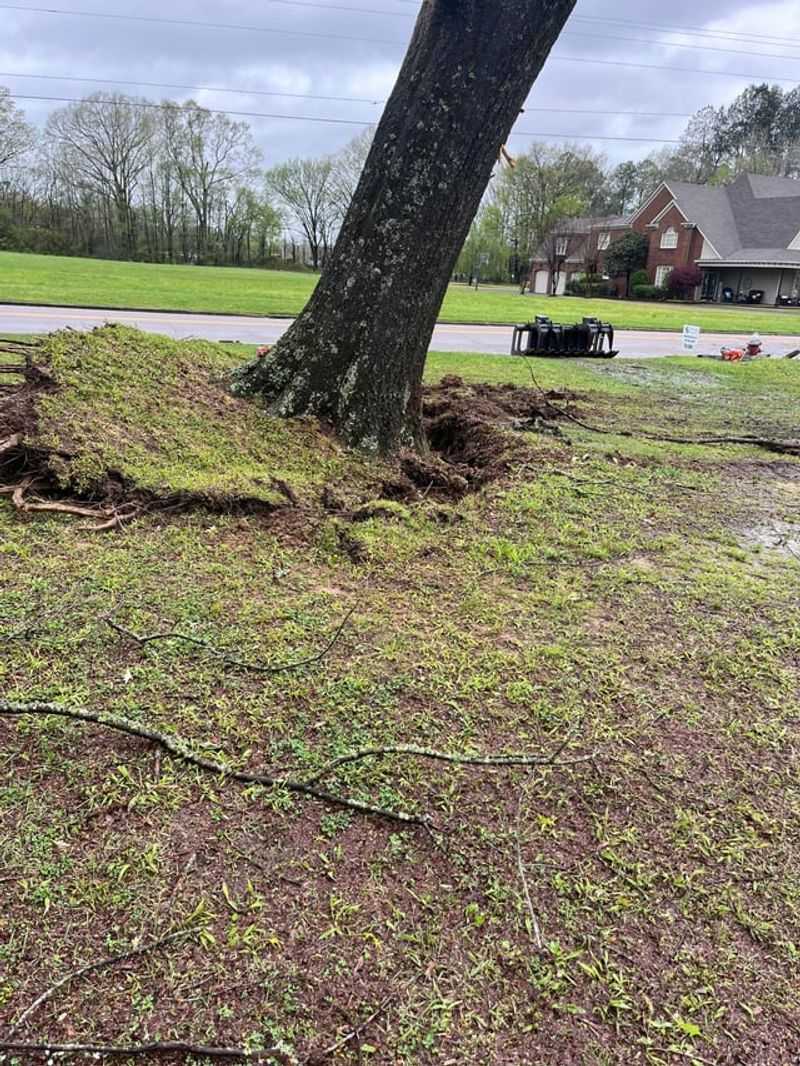
Roots are supposed to stay underground. When you can suddenly see them above the soil line after a storm, something shifted significantly beneath the surface.
Exposed roots do not always mean the tree is about to fall. But they do mean the tree lost some of its anchoring support.
How much support depends on which roots were exposed and how deep the damage goes.
Look for roots that have snapped or torn rather than simply lifted. Broken roots are worse than lifted ones because they cannot reattach.
A tree with several broken anchor roots is working with a weakened foundation, even if it still looks upright and healthy.
Soil cracking around the base of a tree is another clue. Cracks in the ground radiating outward from the trunk suggest the root plate moved.
Even if the tree looks stable now, that movement weakened its hold on the ground.
Some trees with exposed roots can be saved if the damage is caught early and the right support is put in place. Others are too far gone to stabilize safely.
Only a trained arborist can tell you which situation you are dealing with.
In the meantime, avoid parking vehicles or storing heavy equipment near a tree with exposed or disturbed roots. Extra weight on the surrounding soil can accelerate root failure and increase the chance of the tree shifting further.
5. Loose Limbs Can Fall Without Warning
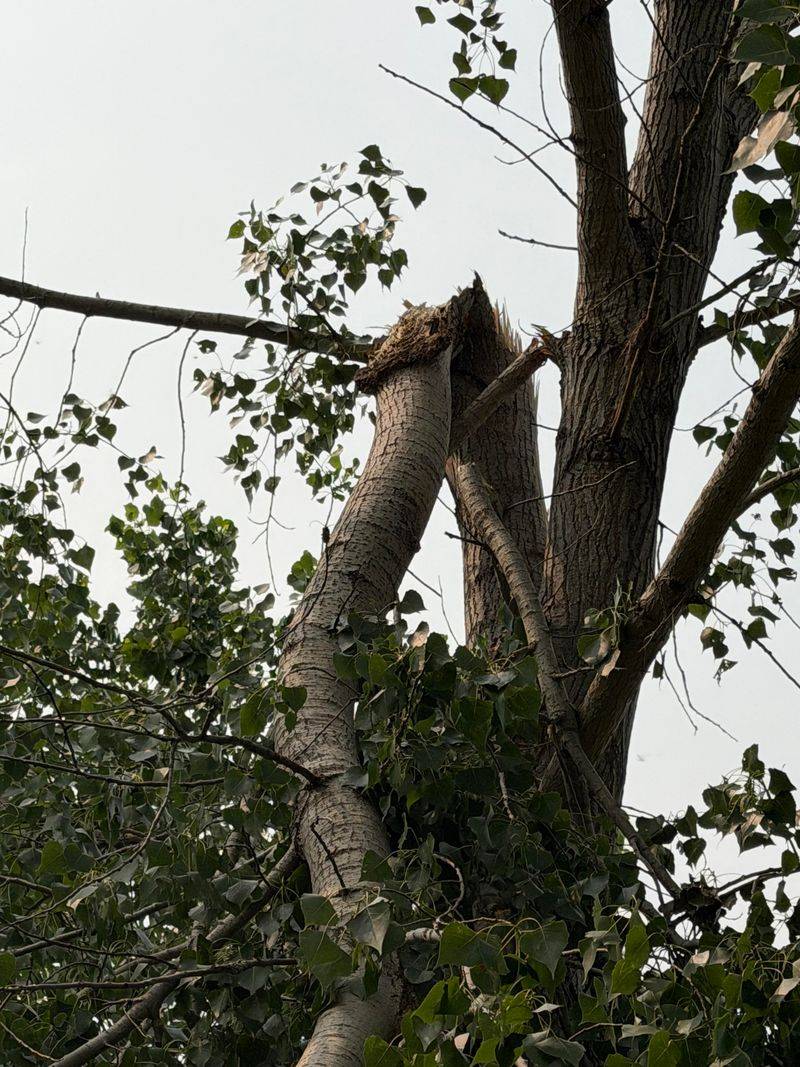
Not every dangerous limb looks broken. Some are still attached but barely holding on, and those are the ones that catch people off guard the most.
After any storm, spend time looking at every major limb on trees near your home. A loose limb might look completely fine from a distance.
Get closer and look at where the limb connects to the trunk or a larger branch.
Signs of a loose limb include bark that is cracked or missing at the attachment point, wood that looks crushed or splintered at the base, and limbs that move more than usual in a light breeze. Any of those signs means the connection is weakened.
Heavy limbs can weigh hundreds of pounds. When they fall, they do not just damage whatever is below them.
They can also tear away sections of the trunk or other limbs on the way down, causing a chain reaction of damage.
Check trees along fence lines too. A limb falling onto a wooden fence might not seem like a big deal, but if that same limb is also positioned over a walkway or patio, the risk to people is real.
Mark any suspicious limbs with bright tape or a flag so everyone in the household knows to stay clear. Schedule a professional inspection quickly, especially before the next round of storms rolls through the area.
6. Major Damage Needs Professional Assessment
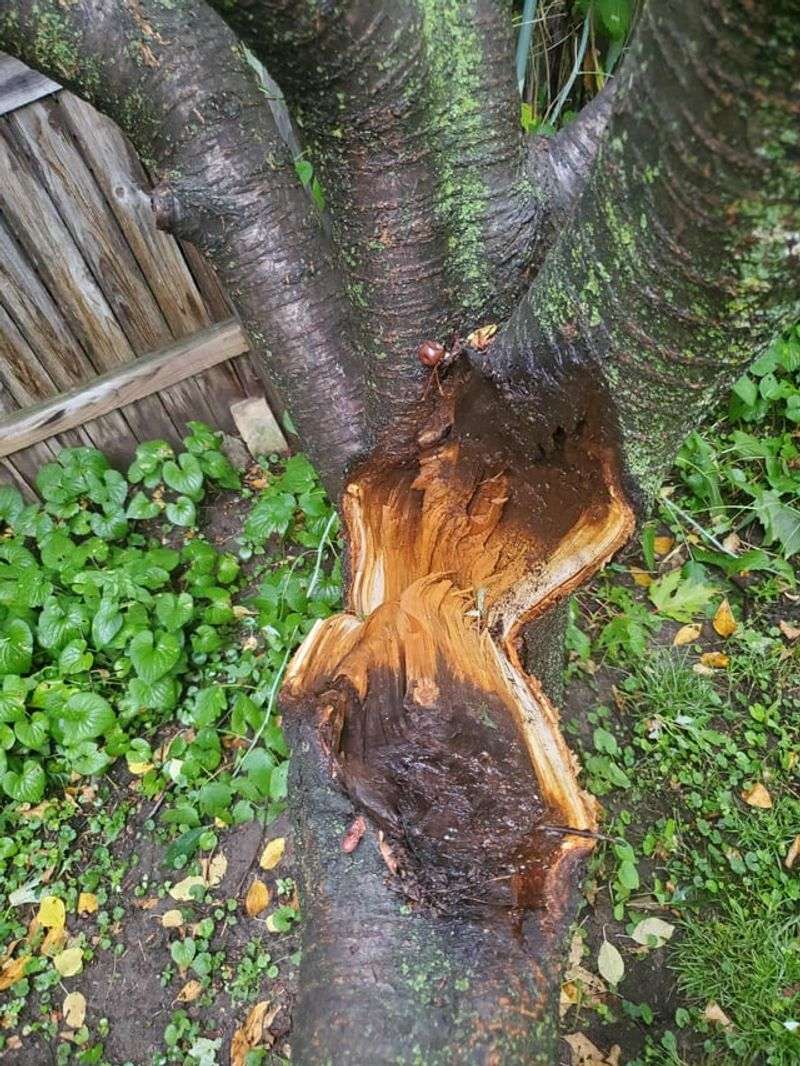
Some storm damage is obvious enough that you know right away it is beyond a DIY fix. Split trunks, massive limbs on the roof, or trees leaning over power lines all call for immediate professional help.
But there is a middle ground that trips people up. A tree might look mostly fine after a storm, with only minor visible damage.
That does not mean the damage stops at the surface. Internal decay, hidden cracks, and weakened root systems are not visible without a proper inspection.
Certified arborists are trained to assess trees from the ground up. They look at bark texture, branch angles, trunk stability, and root zone conditions.
When needed, arborists may use specialized tools to evaluate internal decay or other hidden structural problems.
Skipping an assessment after a major storm is a gamble. A tree that looks stable today could fail in the next storm or even on a calm day when the temperature shifts and wood contracts.
Professional eyes catch things that most homeowners simply are not trained to notice.
Most arborists offer post-storm assessments and can prioritize urgent cases. If multiple trees on your property were hit, ask for a full property walkthrough rather than a tree-by-tree call.
That approach gives you a clearer picture of your overall risk.
Document the damage with photos before any cleanup begins. Those photos can be useful for insurance claims and help the arborist understand what the storm actually did to each tree.
7. Call An Arborist For Large Or Dangerous Trees
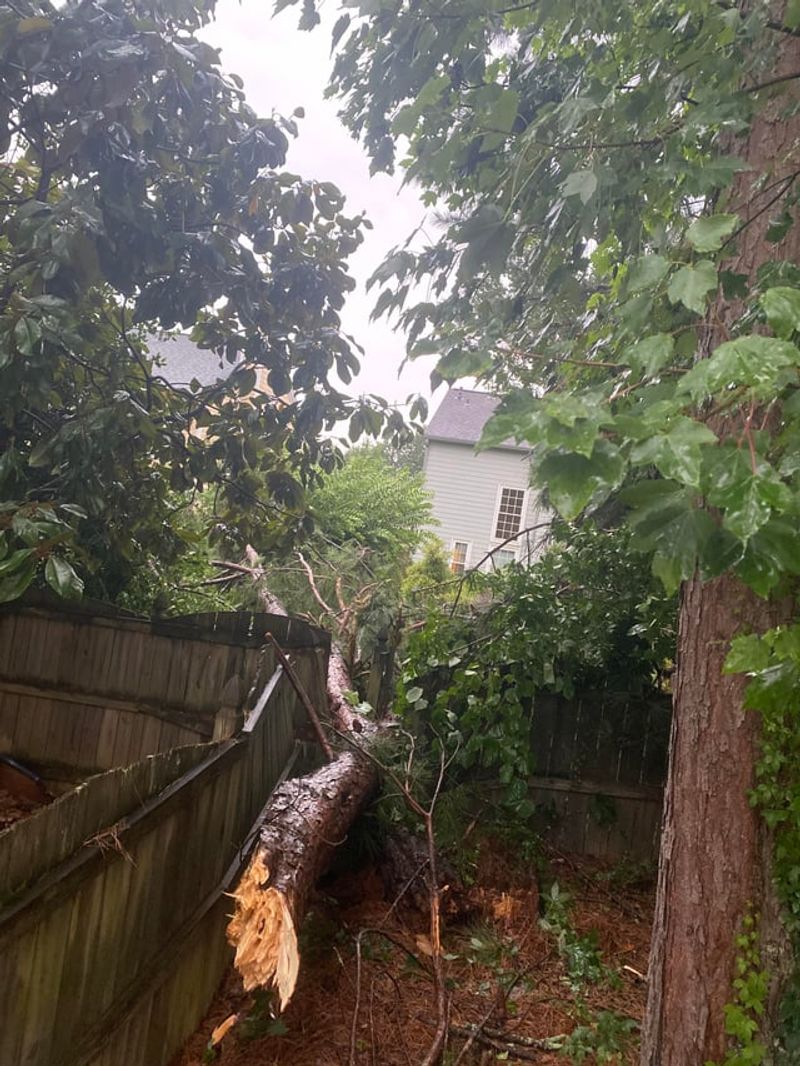
Large trees demand respect, especially after a storm. When a tree is over 20 feet tall or positioned near a structure, the stakes are high enough that professional help is not optional, it is the smart call.
Arborists are not just tree cutters. They are trained to evaluate risk, plan safe removal or pruning, and work with the right equipment to protect surrounding structures.
Attempting to remove a large limb or a leaning tree without that training and gear is genuinely risky.
Finding a reputable arborist in your area is easier than most people expect. Look for someone certified through the International Society of Arboriculture.
Certification means they have passed rigorous training and follow industry safety standards.
After a big storm, arborists get busy fast. Call early and explain the urgency of your situation.
Trees near power lines, over rooftops, or showing signs of imminent failure should be flagged as priority cases when you make that call.
Ask for a written estimate and a clear plan before any work begins. A good arborist will walk you through what they found, what they recommend, and why.
Vague answers or pressure to decide on the spot are signs to look elsewhere.
Staying proactive about tree care between storms also helps. Annual inspections can catch early signs of decay or structural weakness before a storm turns a manageable problem into an emergency.
Regular care keeps trees healthier and your property safer year-round.