The Best Heat-Loving Flowers For Full Sun Texas Gardens
A full sun Texas garden in the middle of summer is one of the most demanding growing environments imaginable. The sun is relentless, the heat builds fast, and the plants that can’t handle it make that very clear in a hurry.
But for the flowers that were built for these conditions, a full sun Texas garden is exactly where they belong. These are plants that don’t just tolerate the heat.
They love it. While everything else in the yard is struggling to stay hydrated and hold its color, heat loving flowers hit their stride in the exact conditions that defeat lesser plants.
They bloom boldly, hold their color through the hottest days, and keep performing when the thermometer climbs to numbers that would make a gardener in cooler climates genuinely nervous.
Finding the right ones makes all the difference between a summer garden that dazzles and one that just barely survives.
1. Texas Lantana
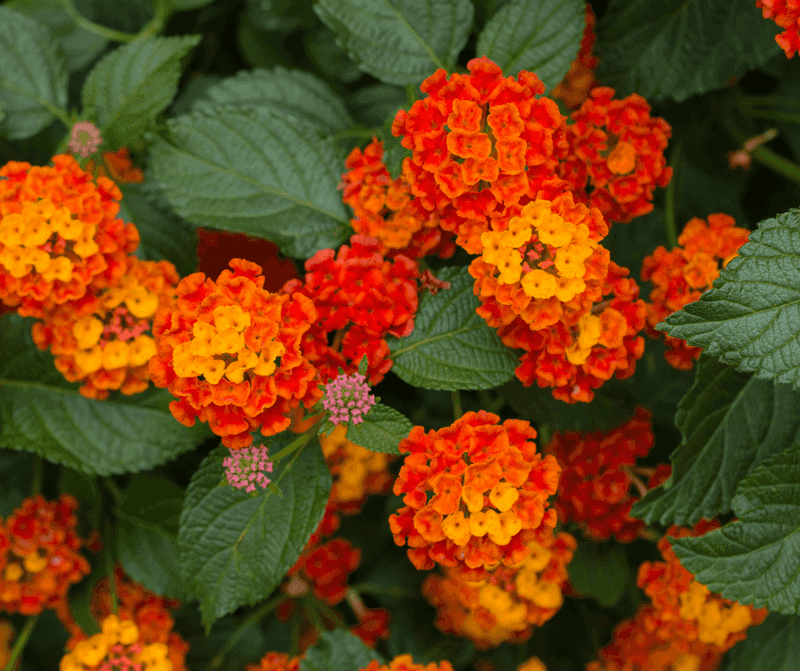
Few flowers feel as perfectly at home in a Texas summer as lantana. Walk through almost any neighborhood in the Lone Star State during July or August, and you will spot those cheerful clusters of yellow, orange, and red blooms practically glowing in the sun.
Texas Lantana is not just pretty. It is tough, reliable, and one of the easiest flowering plants you can grow in a hot climate.
Once established, Texas Lantana handles drought without missing a beat. You do not need to water it every day or fuss over it constantly.
It is perfectly happy in poor, rocky soil where other flowers would struggle. That makes it a great choice for gardeners who want color without a lot of maintenance work.
Butterflies absolutely love lantana. Planting it near a patio or walkway turns your yard into a mini butterfly sanctuary.
Swallowtails, monarchs, and other pollinators will visit your garden regularly. That extra wildlife activity makes the garden feel alive and exciting.
Lantana grows in a low, spreading mound that works well along borders, in raised beds, or even in large containers. It typically reaches about two to four feet tall and can spread just as wide. Pruning it back occasionally keeps it tidy and encourages fresh blooms.
One thing to keep in mind is that lantana berries are toxic to pets and small children, so plant it in spots where little ones or animals cannot easily reach it.
With the right placement, Texas Lantana is one of the most rewarding flowers you can grow all summer long.
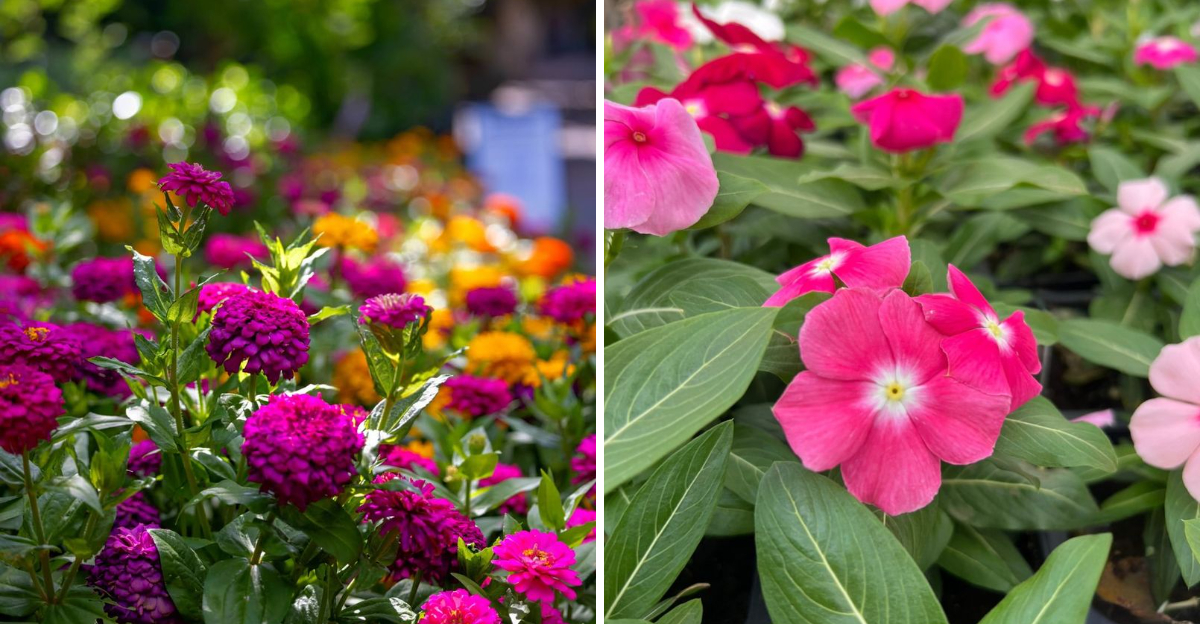
2. Zinnias
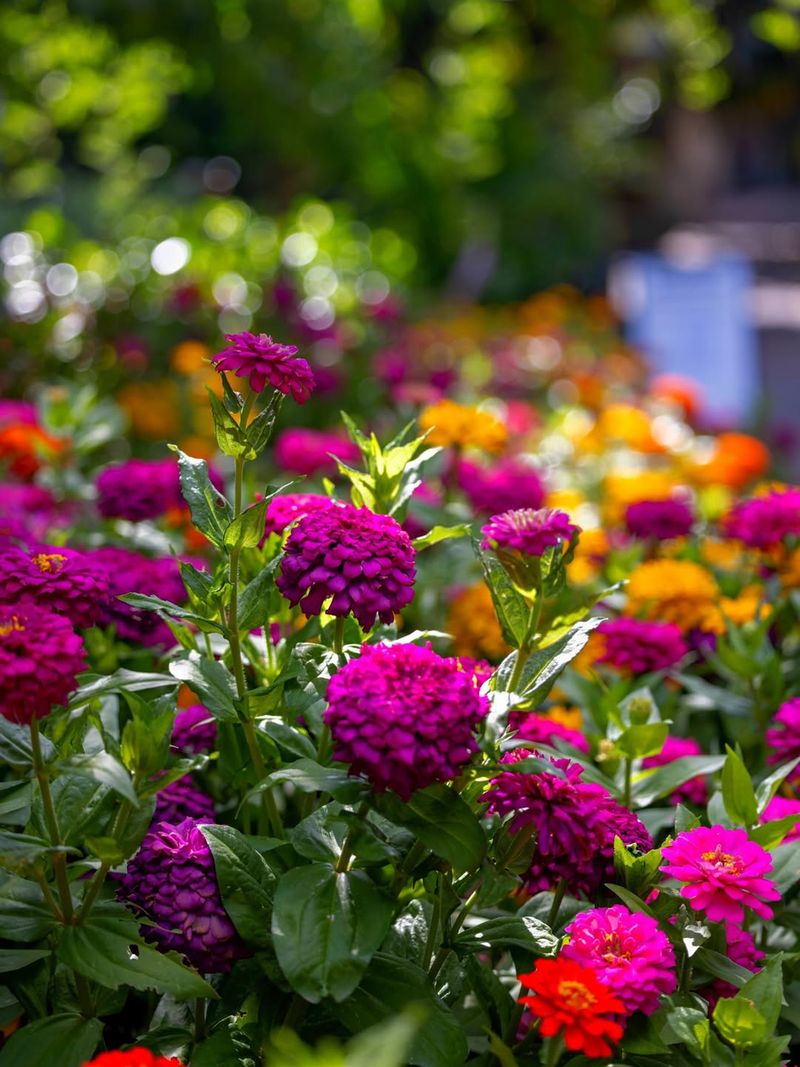
There is something almost magical about zinnias. You scatter a handful of seeds into a sunny bed, water them a few times, and within weeks you have a riot of color that looks like it belongs on a magazine cover.
Zinnias are one of the easiest flowers to grow from seed, and they absolutely love hot weather. The more sun they get, the better they bloom.
Texas summers can be brutal, but zinnias treat the heat like a welcome guest. They bloom heavily from late spring all the way through fall, filling your garden with bold shades of pink, red, orange, yellow, white, and purple.
Your Texas Garden Changes Every Week. Your Plan Should Too.
Gardening in Texas changes quickly throughout the season. Every Friday you’ll receive a simple weekly plan showing exactly what to plant, prune, fertilize, harvest, and protect so you never miss the right timing.
Few other annuals offer that kind of long-lasting color payoff for so little effort. Zinnias are also fantastic for cutting. Snipping the blooms and bringing them inside encourages the plant to produce even more flowers.
You can fill a vase on your kitchen table with fresh zinnias all summer without spending a dime at the flower shop. Kids love picking them too, which makes zinnias a great family gardening project.
They grow best in well-draining soil with good airflow around the plants. Crowding zinnias too close together can lead to powdery mildew, especially in humid conditions.
Spacing them about a foot apart and watering at the base rather than overhead helps keep the foliage healthy.
If you have an empty spot in your garden that needs fast, reliable color, zinnias are your answer. They are low-maintenance, heat-tough, and endlessly cheerful. Plant them once and you will likely save seeds to plant them again next year.
3. Esperanza
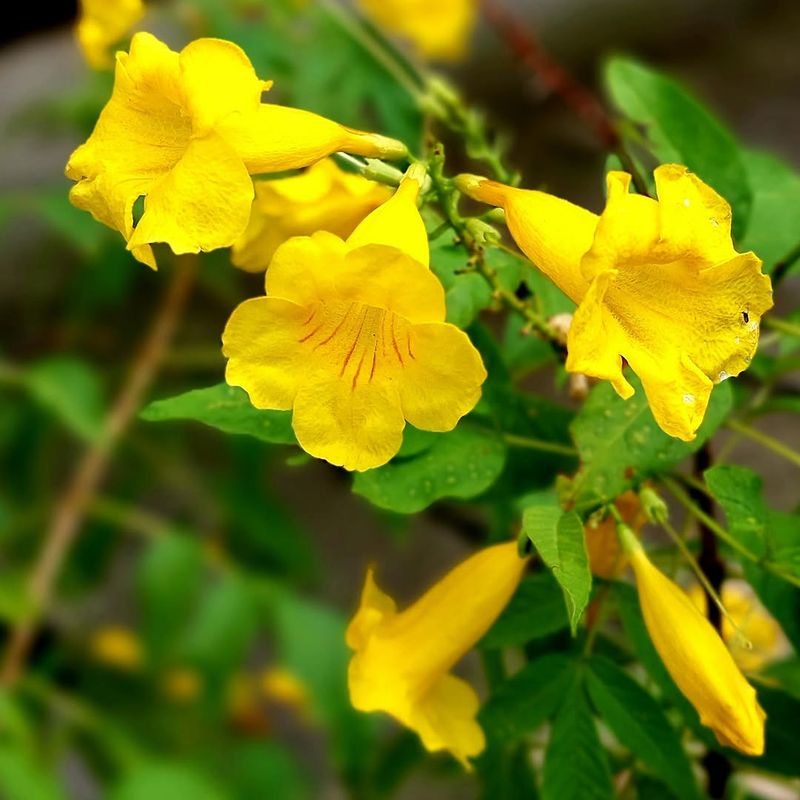
If a flower could bottle up pure Texas sunshine, it would look exactly like esperanza. Also known as yellow bells, this stunning shrub-like plant produces wave after wave of bright, trumpet-shaped yellow flowers from early summer until the first frost.
It is bold, beautiful, and built for the Texas heat in every possible way. Esperanza is native to Texas and northern Mexico, which tells you a lot about its toughness.
It thrives in full sun and well-draining soil, and once it gets established, it handles dry spells without breaking a sweat.
You will not need to baby this plant through a hot August. It actually performs better when the temperature climbs.
Hummingbirds go absolutely wild for esperanza blooms. The trumpet shape is a perfect fit for their long beaks, and the bright yellow color draws them in from a distance.
Planting esperanza near a window or porch gives you a front-row seat to hummingbird activity all season. Bees and butterflies are frequent visitors too.
In warmer parts of Texas, esperanza can grow as a perennial, returning each spring after a winter rest. In cooler areas, it behaves more like an annual.
Either way, it grows quickly and can reach four to six feet tall by midsummer, creating a bold vertical element in your garden design.
Pair esperanza with other heat-lovers like lantana or portulaca for a low-water, high-color combination that practically takes care of itself.
It is one of those plants that rewards you generously for very little extra effort, making it a must-have for Texas gardeners who want drama without daily fuss.
4. Portulaca
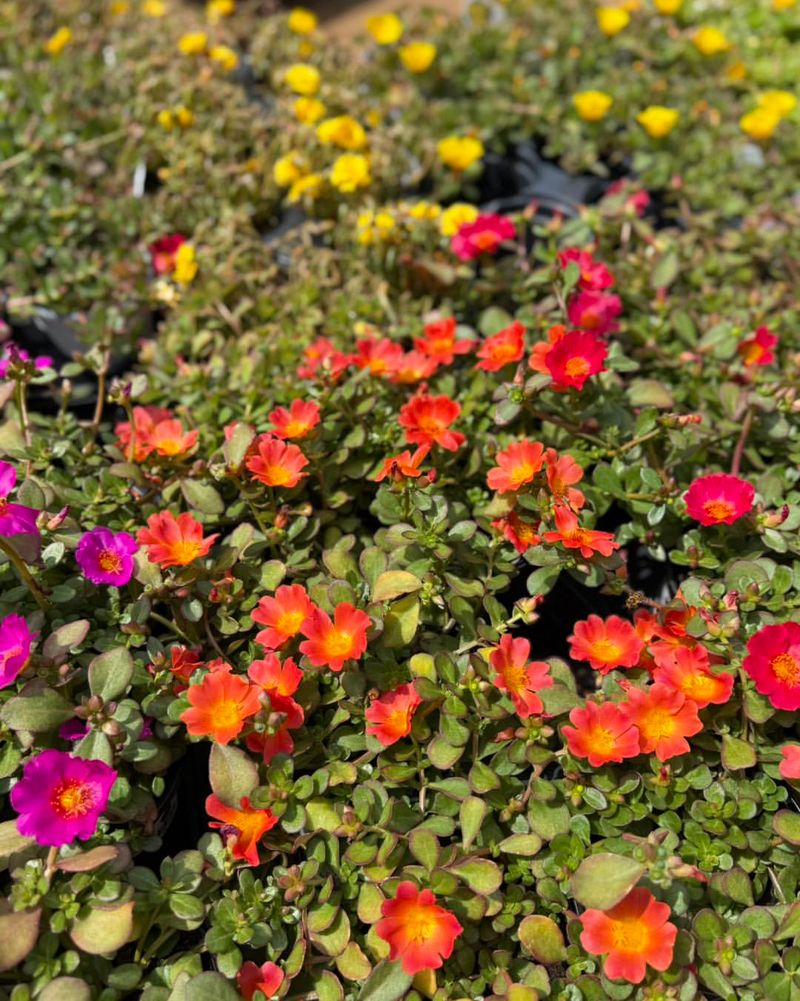
Picture a flower that thrives in the kind of dry, blazing hot conditions that would send most plants into a full-on panic. That is portulaca in a nutshell.
Also called moss rose, this low-growing annual is practically designed for sun-baked Texas garden beds where water is scarce and temperatures are relentless.
Portulaca has thick, fleshy leaves that store water just like a succulent. That adaptation is what makes it so resilient in extreme heat and drought.
When other flowers look wilted and sad by midday, portulaca is still standing tall and showing off its silky, rose-like blooms in shades of pink, yellow, orange, red, white, and coral.
One of the most interesting things about portulaca is how the flowers behave. The blooms open wide in bright sunlight and close up in the evening or on cloudy days.
It is like they are following the sun throughout the day, soaking up every bit of warmth they can get. That behavior makes them especially fun to observe in a garden.
Portulaca works beautifully as a ground cover in spots where soil is thin or rocky. It spreads out in a low mat and fills in gaps between stepping stones, along sunny slopes, or at the front edge of a flower bed.
It rarely grows taller than six inches, so it never blocks other plants. Watering portulaca too much is actually one of the few ways to cause problems for it.
Let the soil dry out between waterings and avoid planting it in spots with poor drainage. Keep it lean, keep it sunny, and it will reward you with nonstop color all summer.
5. Gomphrena
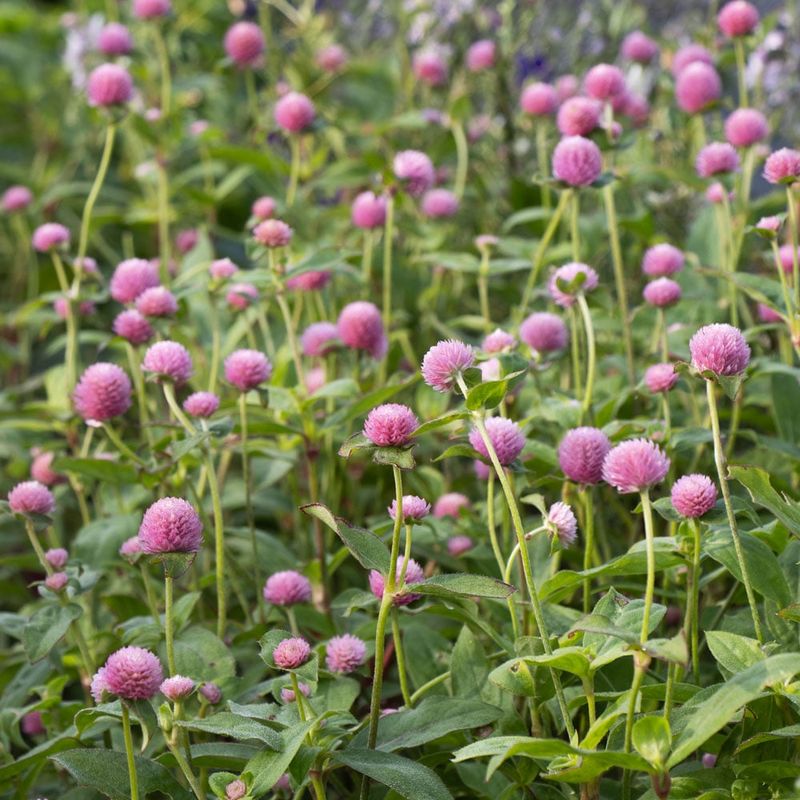
Gomphrena might not be the most famous flower on this list, but gardeners who discover it tend to become instant fans.
Also called globe amaranth, this compact annual produces round, clover-shaped flower heads in shades of purple, magenta, pink, orange, white, and red. And unlike some flowers that fade fast in summer heat, gomphrena just keeps going strong.
Texas summers test even the toughest plants, but gomphrena barely flinches. It is heat-tolerant, humidity-resistant, and very low maintenance once it gets going.
You do not need to deadhead it constantly to keep the blooms coming. The flowers naturally hold their shape and color for weeks, which makes gomphrena one of the most dependable performers in a hot-weather garden.
Did you know that gomphrena flowers dry beautifully? The blooms hold their color and shape even after drying, making them popular for dried flower arrangements and wreaths.
Cutting a few stems and hanging them upside down in a cool, dry room gives you a long-lasting decoration that reminds you of summer all year round.
Gomphrena attracts butterflies and bees throughout the season, adding a lively energy to any garden space. It typically grows between one and two feet tall, making it a solid mid-border plant that fills in nicely without taking over.
It pairs well with zinnias, lantana, and vinca for a layered, colorful planting design. Starting gomphrena from transplants is easier and faster than growing from seed. Plant it in full sun with well-draining soil and give it regular water until it gets established.
After that, it handles the Texas summer heat with impressive confidence and very few complaints.
6. Blanket Flower
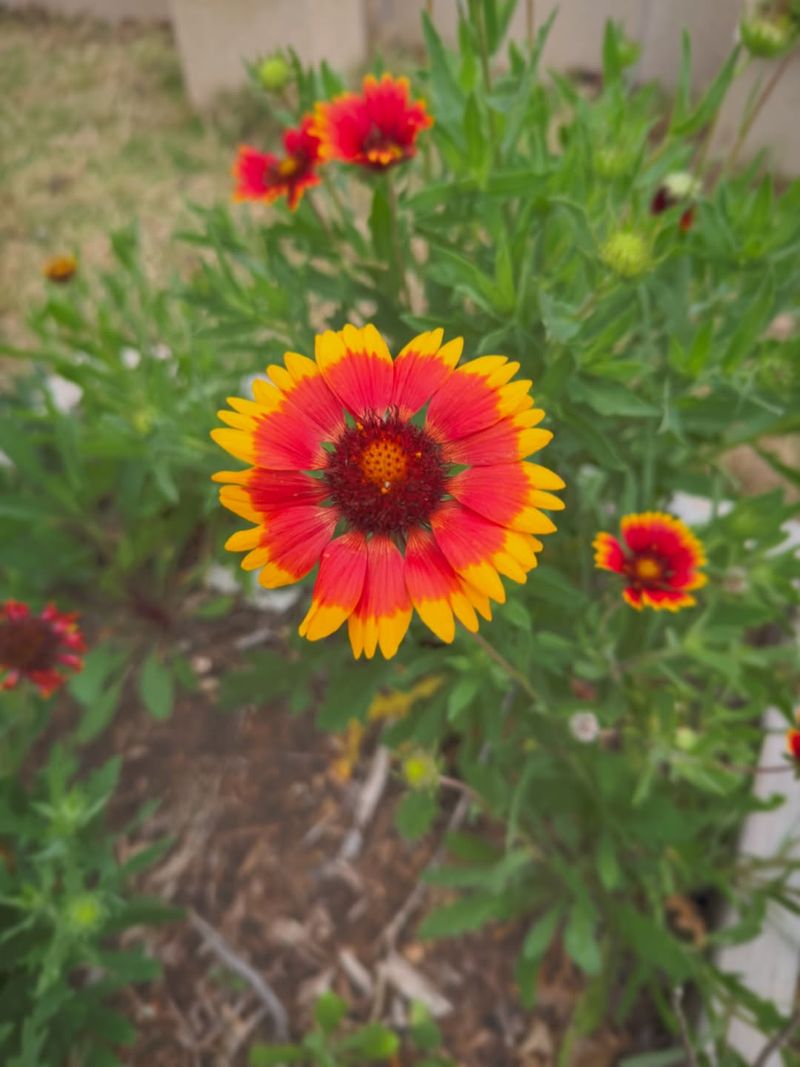
Walk across a Texas prairie in summer and you might just spot blanket flowers nodding in the breeze, their red and yellow petals looking like tiny woven blankets spread across the landscape.
That is actually how they got their name, and it perfectly captures the warm, bold energy these flowers bring to a garden.
Blanket flower, or gaillardia, is one of the most striking heat-tolerant choices for Texas gardeners.
Blanket flowers are native to North America, which means they are already adapted to the climate conditions Texas throws at them. Full sun, dry soil, and high heat are not problems for this plant.
They are conditions it was literally born for. Once established, blanket flowers require very little supplemental watering and thrive even in lean, sandy, or rocky soil.
The blooms are daisy-like with bold two-toned petals in combinations of red, orange, and yellow, often with a dark reddish center.
They add a warm, fiery look to any garden bed and blend seamlessly into native plant landscapes or xeriscape designs. Pollinators like bees and butterflies are drawn to them constantly throughout the season.
Blanket flowers can be grown as annuals or perennials depending on the variety you choose. Perennial types like Gaillardia aristata come back each year and spread gradually over time.
Annual types bloom heavily in their first season and can be replanted each spring for a fresh display.
Cutting spent blooms encourages the plant to produce more flowers. Deadheading is easy and quick, and it makes a noticeable difference in how long the plant keeps blooming.
For a low-water, native-friendly garden that stays colorful all summer, blanket flower is a top-tier pick.
7. Vinca
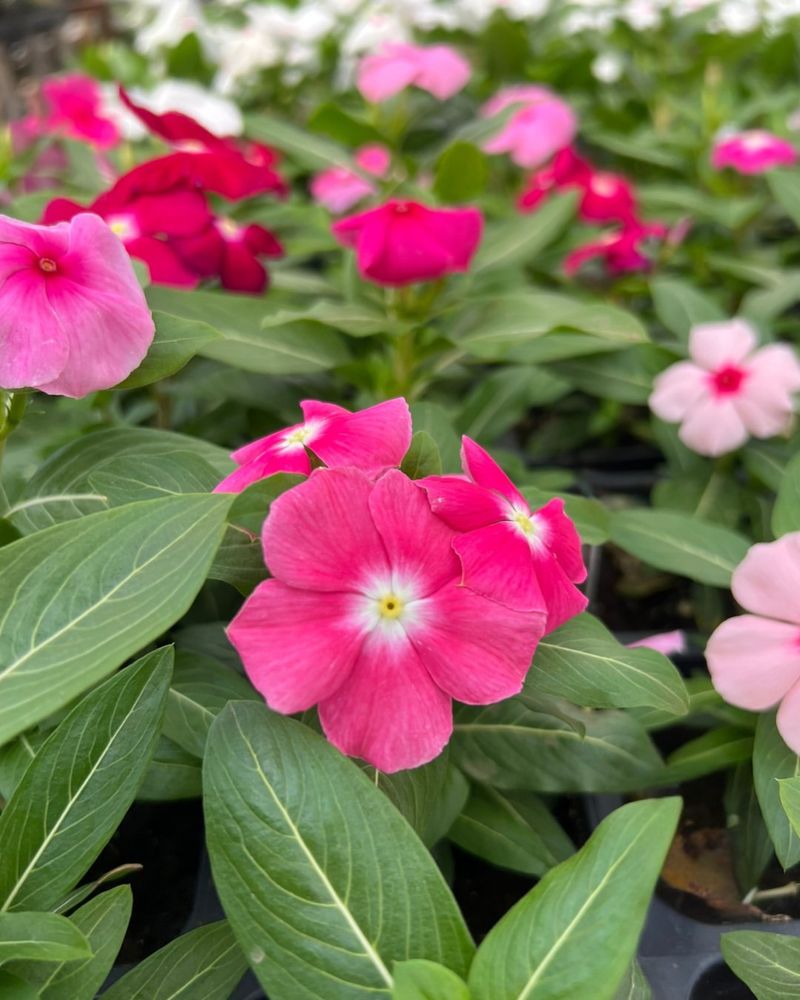
When the summer heat hits its absolute peak and other flowers start looking tired, annual vinca is still putting on a show. This tough little plant has earned its reputation as one of the most dependable warm-weather annuals in Texas.
It loves full sun, shrugs off humidity, and blooms steadily in shades of pink, white, lavender, coral, and red without demanding much attention from the gardener.
Vinca, sometimes called catharanthus or periwinkle, has a clean, polished look that works well in formal garden beds, containers, and window boxes. The glossy dark green foliage makes the bright flowers pop even more.
It grows in a tidy mound shape, usually reaching about one to two feet tall, which makes it easy to work into all kinds of planting designs.
One of the things that sets vinca apart from other summer annuals is how well it handles heat and humidity together. In Texas, those two conditions often come as a package deal, and many plants suffer for it.
Vinca actually seems energized by the combination. The hotter and sunnier the spot, the better it tends to perform.
Vinca is also quite resistant to most common pests and diseases when planted in well-draining soil. Avoid overwatering it, as soggy roots are one of the few things that can cause issues.
Plant it in a spot with good drainage, give it a light feeding once a month, and it will bloom from spring all the way to the first frost.
For beginner gardeners, vinca is a confidence booster. It is forgiving, consistent, and always colorful.
If you are looking for a flower that makes your Texas garden look great with minimal effort, annual vinca is absolutely worth planting this season.