This Night-Blooming Vine Thrives In Georgia Gardens
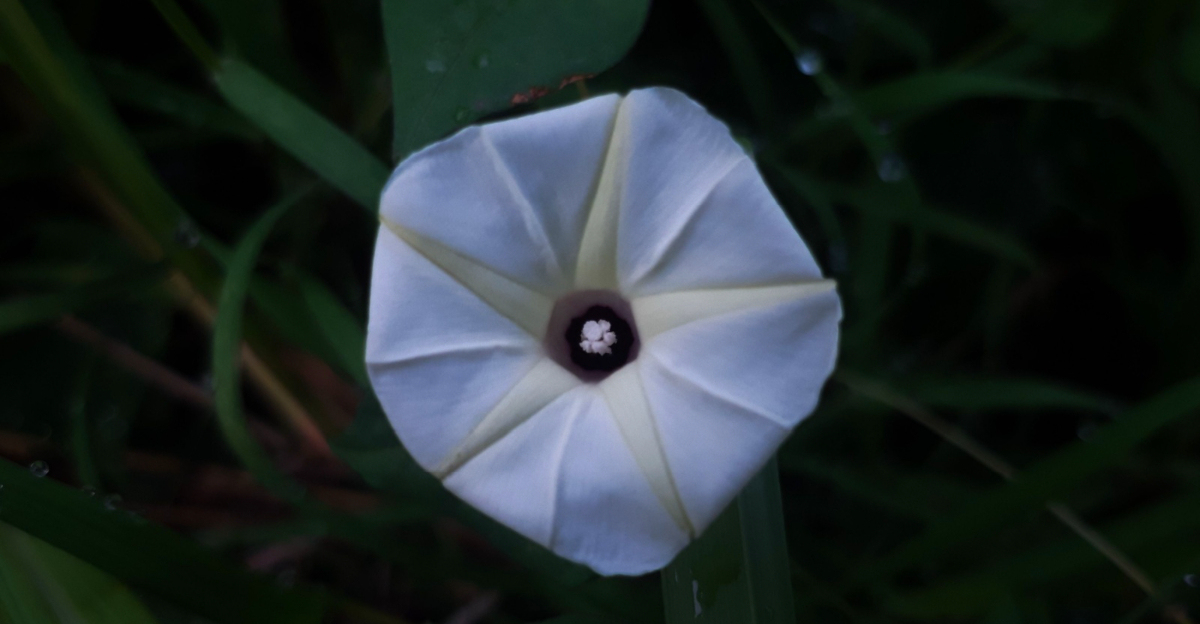
There is something genuinely theatrical about a flower that waits until the sun goes down to put on its best show, and moonflower vine does exactly that with remarkable style.
On warm Georgia summer evenings, just as the light fades and most gardeners are settling onto the porch with a cold drink, those large white blooms start unfurling and releasing a sweet fragrance that drifts across the whole outdoor space.
It’s one of those garden experiences that genuinely surprises people the first time they witness it, including the neighbors who suddenly find reasons to linger near your fence.
Moonflower vine has become a favorite in Georgia gardens for good reason: it climbs fast, blooms generously through the long growing season, and transforms a trellis or fence into something that looks completely magical after dark.
1. Moonflower Vine Opens After Sunset
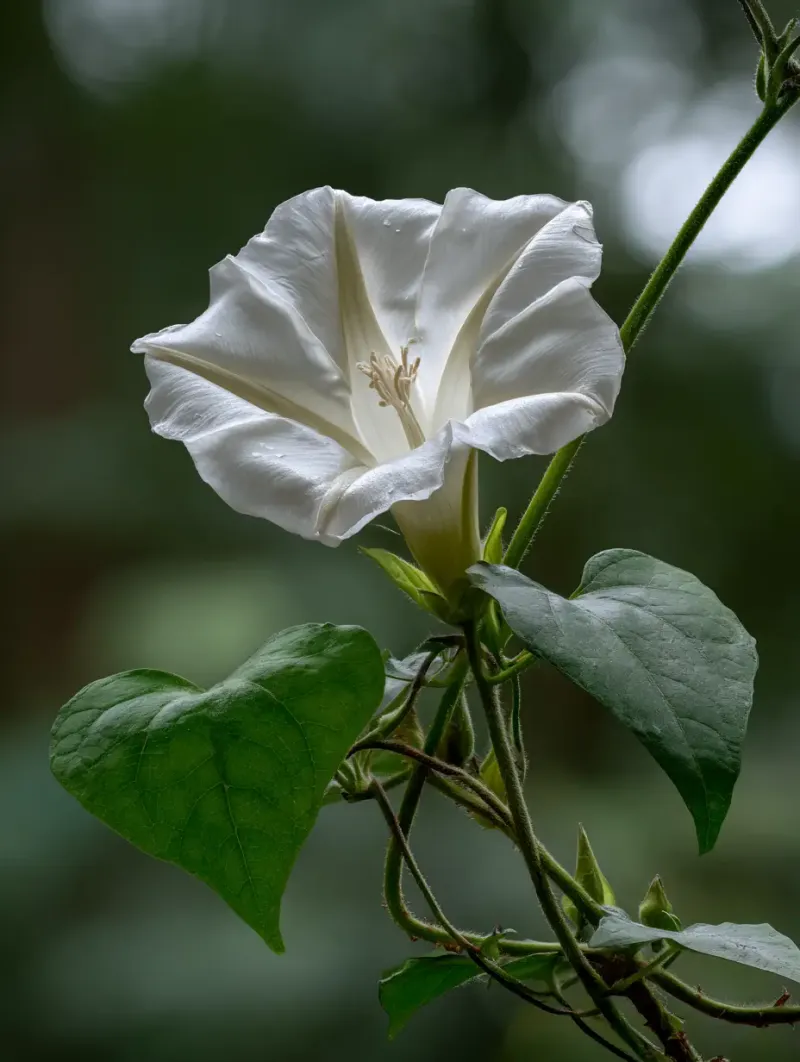
Something almost theatrical happens in a Georgia garden when the light fades and moonflower vine begins to open. Each blossom unfurls slowly, like a time-lapse you can actually watch in real time if you happen to be sitting nearby.
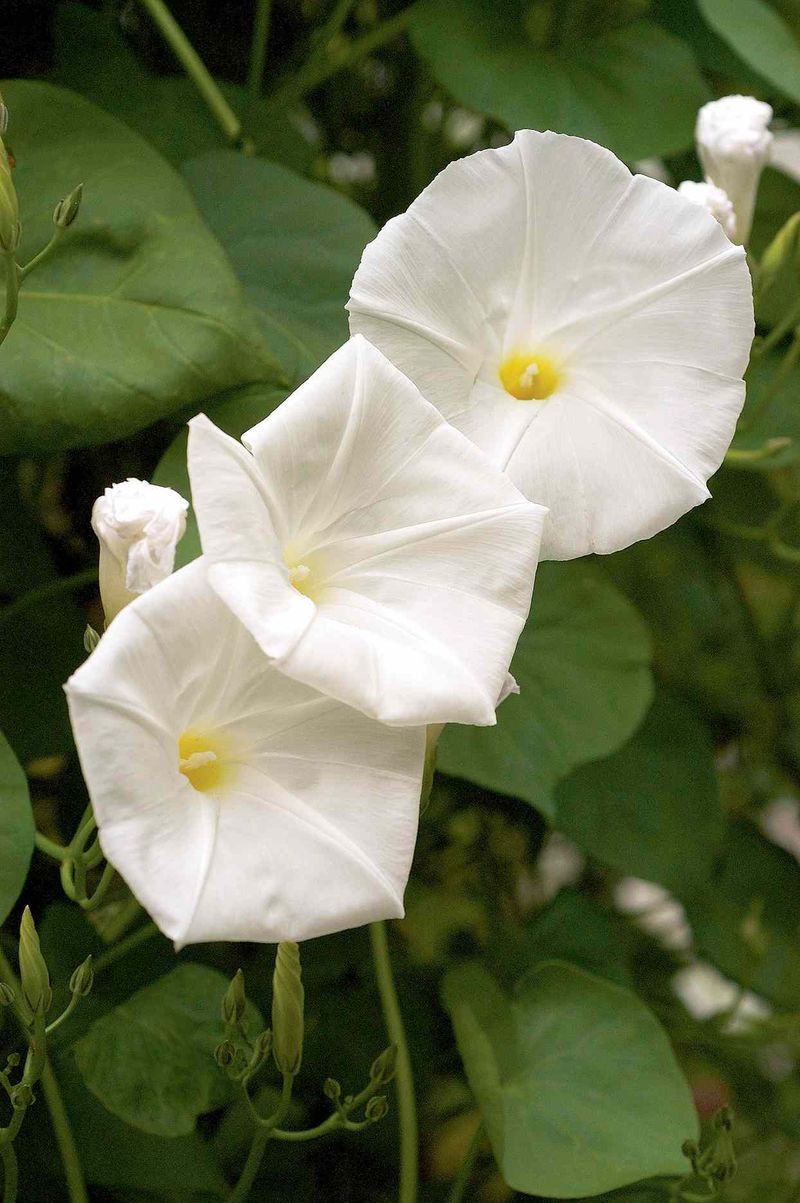
The flowers are large, round, and brilliantly white, making them easy to spot even in low light conditions.
Moonflower vine belongs to the morning glory family, and its blooms follow the opposite schedule of its daytime cousins. While morning glories close up as evening arrives, moonflower blooms open right as darkness settles in.
That reversed rhythm is exactly what makes this vine such a conversation piece in residential Georgia gardens.
Each individual flower typically lasts only one night, closing before or shortly after the morning sun returns.
But because a healthy vine can produce many buds over several weeks, the overall bloom season can stretch through much of the warm Georgia summer.
Gardeners who spend time outdoors in the evenings often find this vine especially rewarding because the show happens right when they are most likely to enjoy it.
The combination of timing, size, and visual impact makes moonflower a standout choice for anyone interested in adding nighttime interest to a porch, fence line, or garden arbor in Georgia.
2. Large White Blooms Glow In Evening Light
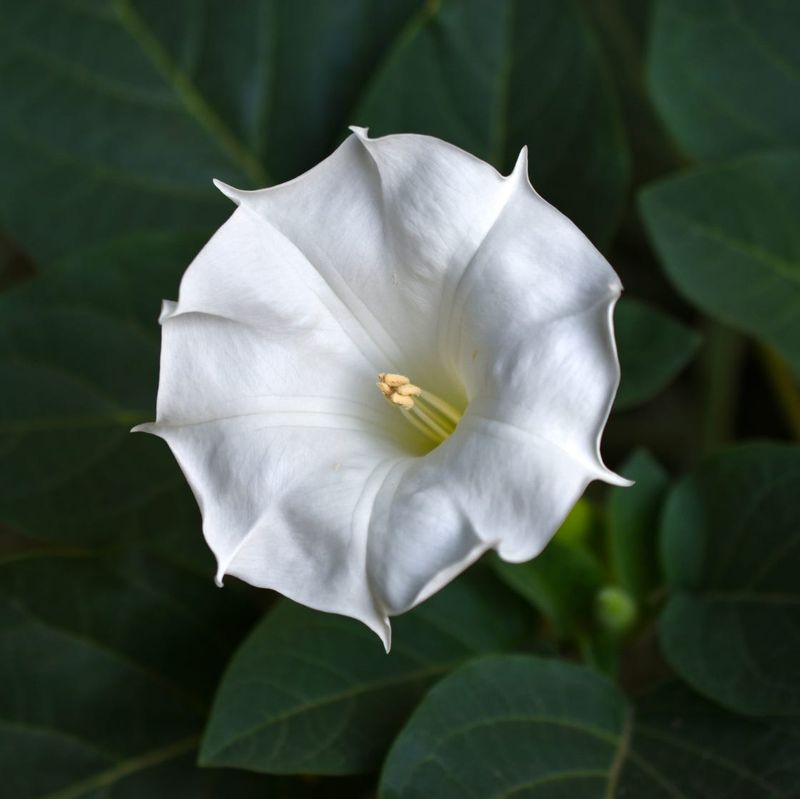
Few flowers manage to look as striking at night as moonflower blooms do. The petals are pure white and can measure five to six inches across, which gives them a bold, luminous quality when caught by porch lights, landscape lighting, or even a bright moon.
In a Georgia garden where summer evenings stretch long and warm, that glow can turn an ordinary fence or trellis into something genuinely beautiful.
The shape of the flower adds to the effect. Each bloom is funnel-shaped with a smooth, rounded face that seems to reflect light rather than absorb it.
Planted near a white fence or a light-colored wall, the visual contrast can be dramatic. Many Georgia homeowners find that moonflower vine works well near outdoor seating areas precisely because the flowers are so visible and appealing in low-light conditions.
Beyond aesthetics, the white color serves a practical purpose in nature. Night-flying pollinators such as hawk moths are drawn to pale, fragrant flowers that are easy to locate in the dark.
Your Georgia Garden Changes Every Week. Your Plan Should Too.
Gardening in Georgia changes quickly throughout the season. Every Friday you’ll receive a simple weekly plan showing exactly what to plant, prune, fertilize, harvest, and protect so you never miss the right timing.
A moonflower vine in full bloom can become a lively spot for nighttime pollinator activity, adding ecological value alongside visual appeal.
For gardeners who enjoy watching the garden after dark, spotting a large moth hovering near an open moonflower blossom is one of those quiet, memorable moments that makes the effort of growing this vine feel completely worthwhile.
3. Warm Georgia Summers Help It Grow Quickly
Georgia’s climate gives moonflower vine exactly the kind of heat it needs to put on rapid, impressive growth.
Once temperatures stay consistently warm and the soil has had time to heat up after the last spring frost, moonflower vine can take off at a pace that surprises many first-time growers.
Under favorable conditions, the vine may climb ten to fifteen feet or more within a single growing season.
That speed is one of the reasons Georgia gardeners appreciate this vine so much.
If you need to cover a fence, screen a utility area, or add vertical greenery to a bare pergola before summer peaks, moonflower vine can get the job done faster than many other ornamental vines.
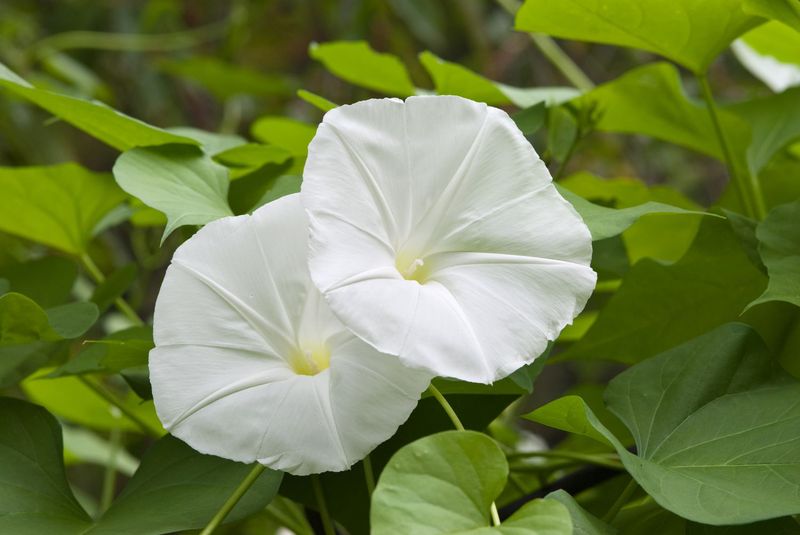
The large, heart-shaped leaves fill in quickly, creating a lush green backdrop that makes the white evening blooms stand out even more.
Because Georgia summers are long and reliably warm, the vine has an extended window to grow and flower before cooler fall temperatures slow things down.
Gardeners in the northern parts of Georgia may notice a slightly shorter season compared to those in the southern part of the state, but even in the foothills region, the season is usually long enough to enjoy a full run of blooms.
Starting seeds indoors a few weeks before the last frost date can give the vine a head start and extend the overall growing period even further.
4. Full Sun Encourages Stronger Flowering
Choosing the right spot in the yard matters a great deal when growing moonflower vine. A location that receives at least six to eight hours of direct sunlight each day tends to support the most vigorous growth and the most reliable flowering.
Spots with too much shade may still produce a vine with plenty of foliage, but the bloom count often drops noticeably when sun exposure falls short.
South-facing fences, sunny patio edges, and open garden beds away from large shade trees are typically strong candidates for moonflower vine in a Georgia yard.
The vine appreciates warmth not just from the air but from the soil as well, so a spot that gets full afternoon sun can help keep the root zone at the temperatures this vine prefers during the growing season.
That said, Georgia summers can bring intense afternoon heat, and some gardeners have noted that a location with morning sun and light afternoon shade may help reduce stress on the plant during the hottest weeks of the year.
Soil drainage also plays a role in how well the vine performs in full sun, since waterlogged soil can cause problems even in a bright location.
Observing how sunlight moves across your yard through the day and selecting a spot thoughtfully can make a real difference in how well moonflower vine grows and flowers through the Georgia summer season.
5. A Sturdy Trellis Helps It Climb Well
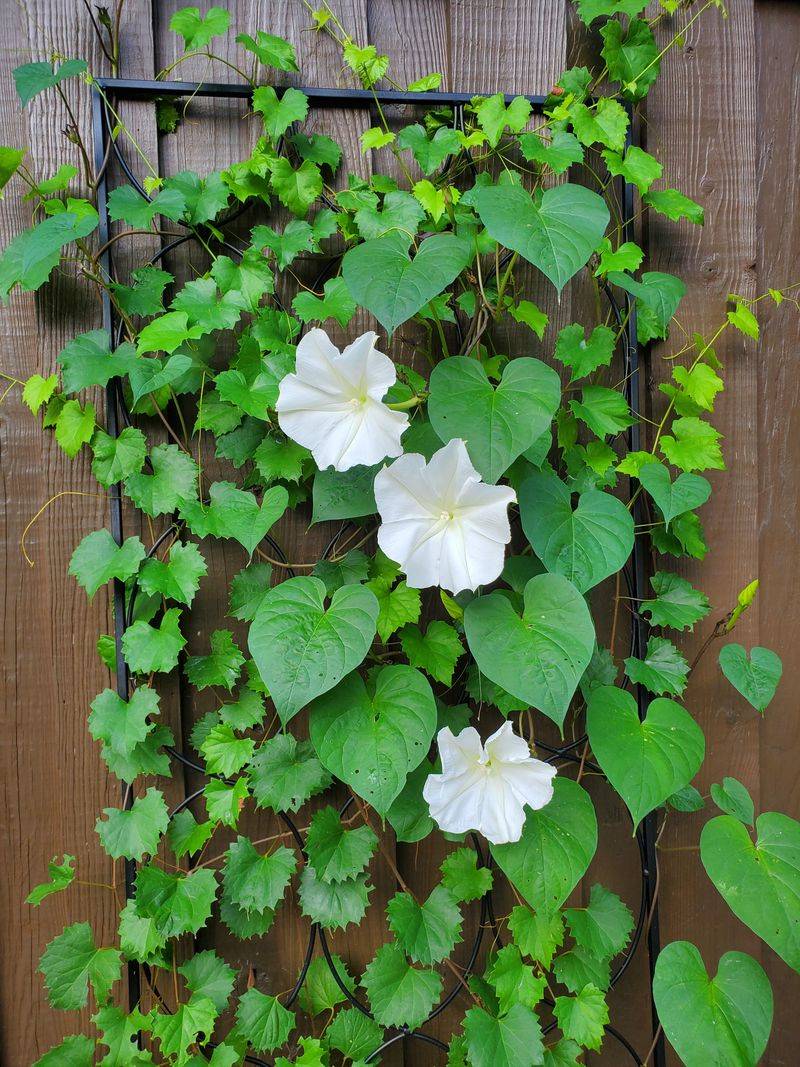
Watching moonflower vine reach for something to hold onto is one of the more charming things about growing it. The vine climbs by twining its stems around whatever support it finds, and it does this enthusiastically once it gets established.
Without a proper structure to climb, the vine can sprawl across the ground or tangle into nearby plants in ways that are harder to manage as the season progresses.
A sturdy trellis, garden fence, arbor, or pergola gives moonflower vine the vertical space it needs to grow upward and show off its blooms at a height where they can actually be seen and appreciated.
Wood and metal trellises both work well, though the support should be secure enough to handle the weight of a full-grown vine, especially after a summer rainstorm adds extra moisture to the foliage.
In Georgia, where afternoon thunderstorms are common during summer, a well-anchored support makes a noticeable difference.
Many Georgia homeowners find that planting moonflower vine along a porch railing, chain-link fence, or lattice panel is a practical and attractive solution. The vine fills in those surfaces quickly and creates a living screen that adds privacy along with evening blooms.
Guiding the young stems toward the support early in the season helps the vine establish a good climbing pattern and reduces the chance of stems crossing or tangling in ways that are difficult to correct later on.
6. Even Moisture Keeps The Vine Looking Better
Consistency in watering tends to produce the best results with moonflower vine. Soil that stays evenly moist without becoming waterlogged supports steady growth, healthy foliage, and a longer bloom period.
In Georgia, where summer heat can dry out garden beds surprisingly fast between rainstorms, checking the soil regularly and watering when the top inch or two feels dry is a reasonable approach for most home gardeners.
Newly planted or recently germinated moonflower vines benefit from more attentive watering until the roots have had time to establish.
Once the vine is growing well and climbing its support, it tends to handle short dry spells more easily, though prolonged drought can cause the foliage to look stressed and may reduce flower production.
Mulching around the base of the vine helps the soil hold moisture longer and keeps the root zone a bit cooler during the hottest stretches of a Georgia summer.
Overwatering is a concern worth keeping in mind as well. Soil that stays soggy for extended periods can lead to root problems that slow the vine’s growth and affect its overall health.
Raised beds or garden spots with good natural drainage are often easier to manage than low-lying areas where water tends to collect.
Paying attention to how the soil feels, rather than watering on a rigid schedule, usually produces better outcomes for moonflower vine growing through a long Georgia season.
7. Fragrance Makes Patios Feel More Inviting
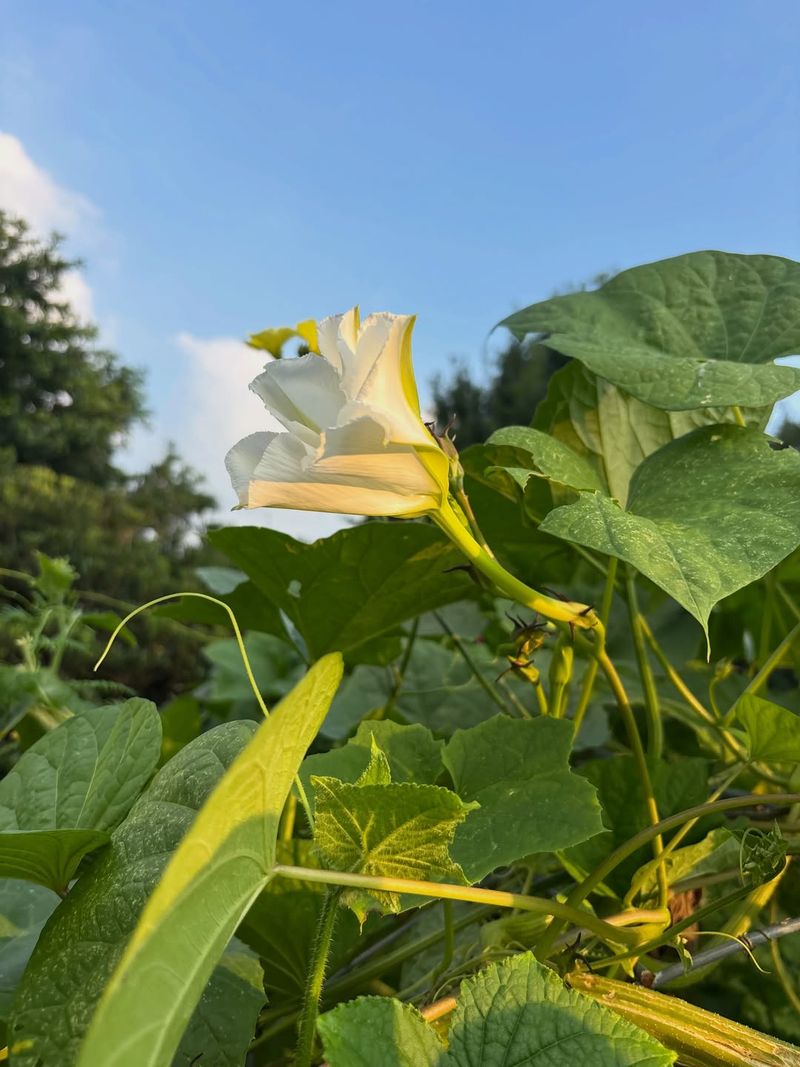
The scent of moonflower vine is one of its most underrated qualities.
As the flowers open in the early evening, they release a sweet, soft fragrance that can carry across an outdoor seating area and make spending time on a porch or patio feel noticeably more pleasant.
In a Georgia garden, where summer evenings are often warm enough to sit outside well past dinner, that fragrance becomes part of the whole experience.
Planting moonflower vine near a seating area, along a porch railing, or beside an open window allows the scent to drift where people are most likely to notice and enjoy it.
The fragrance is not sharp or overwhelming in most cases, but rather gentle and inviting, which makes it well-suited to a relaxed backyard setting.
Gardeners who grow it near a hammock, outdoor dining table, or fire pit often mention the scent as one of the highlights of the vine.
Beyond the human experience, the fragrance plays a role in attracting night-flying pollinators to the garden.
Moths in particular are drawn to strongly scented white flowers that bloom after dark, and a moonflower vine in good health can become a reliable stop for these nighttime visitors.
Watching a large moth visit flower after flower in the fading evening light is one of those small, quiet pleasures that Georgia gardeners who grow this vine tend to look forward to each summer season.
8. Seeds And Plant Parts Need Careful Handling
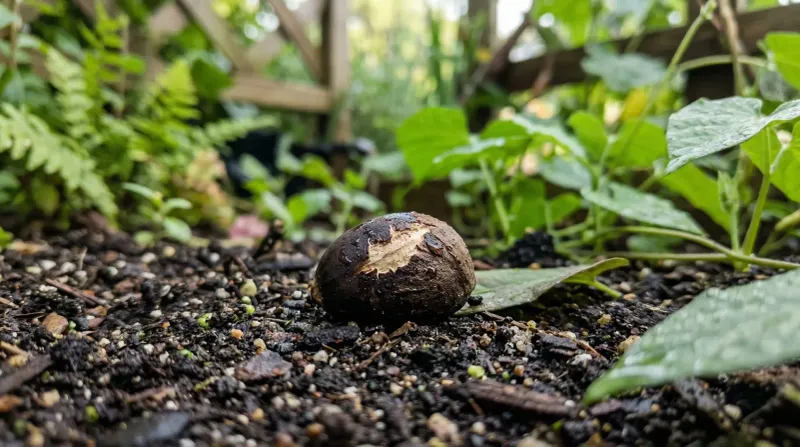
Before planting moonflower vine, it helps to know that all parts of the plant are considered toxic if ingested, including the seeds, leaves, and stems. This is worth keeping in mind for households with young children or pets who spend time in the garden.
Planting the vine in a spot that is less accessible, or simply being mindful of where it grows, is a reasonable precaution for many Georgia families.
The seeds themselves have a hard outer coat that can slow germination if they are planted without any preparation.
Soaking the seeds in warm water for several hours before planting, or gently nicking the seed coat with a nail file, helps water reach the inner seed more easily and tends to improve germination rates.
Planting seeds directly in the garden after the last frost date works well in Georgia, where the growing season is long enough to allow the vine to reach maturity and bloom without being started indoors.
Wearing gloves when handling seeds or working around the vine is a simple habit that many experienced gardeners recommend.
Washing hands after gardening is a good practice regardless, but it is especially worth remembering with plants known to have toxic properties.
None of this should discourage growing moonflower vine, because with basic awareness and sensible precautions, it can be a safe and rewarding addition to a Georgia evening garden for many summers to come.