The Best Time To Water Red Bird Of Paradise In Arizona
Watering seems simple until a healthy plant suddenly starts looking tired in the middle of summer. Adding more water feels like the obvious fix, but that choice can sometimes create another problem instead.
The clock matters just as much as the hose when temperatures stay dangerously high. A small change in timing can help roots stay healthier and reduce unnecessary stress.
That is why experienced gardeners pay close attention to when they water instead of only how much they use.
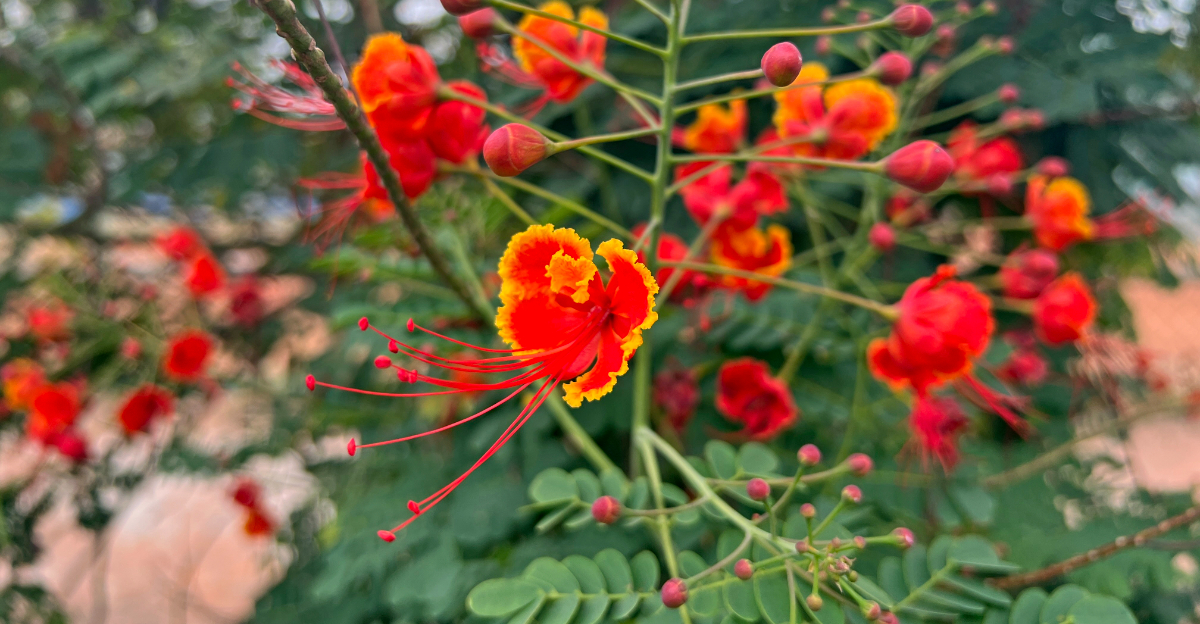
Red Bird of Paradise handles heat remarkably well, but it still benefits from the right routine. In Arizona, watering at the proper time helps moisture reach the roots before intense sunshine can quickly dry the soil.
Getting that timing right encourages stronger growth, healthier blooms, and a plant that stays in much better shape through the hottest weeks of summer.
1. Early Morning Is The Best Time To Water
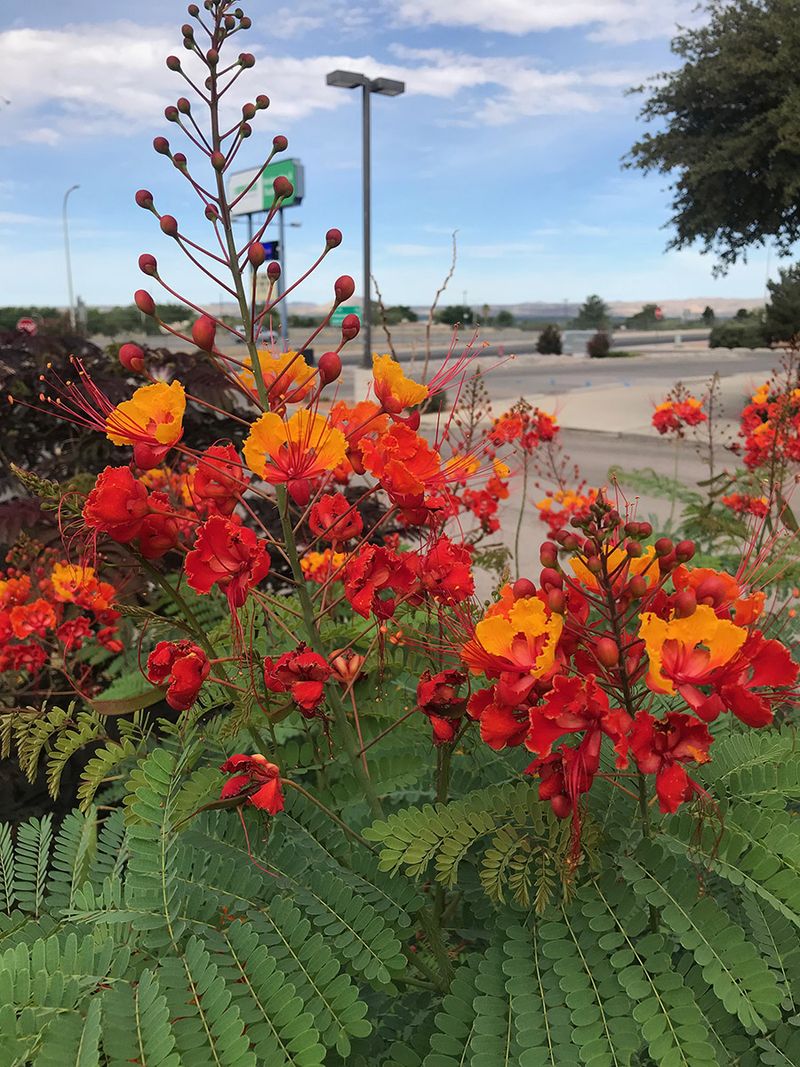
Watering before the sun climbs high is one of the smartest moves you can make for your Red Bird of Paradise. Morning temps are cooler, wind is usually calm, and the soil has not yet started baking from direct sunlight.
Water soaks in slowly and reaches the roots instead of evaporating off the surface.
Aim to water between 5 a.m. and 8 a.m. if you can. At that window, moisture has time to move deep into the soil before midday heat kicks in.
Roots get a solid drink, and the plant heads into the hottest part of the day already hydrated.
Watering in the afternoon is a common mistake in hot climates. Midday sun can heat the water sitting on the soil surface, and much of it evaporates before roots absorb anything useful.
Late evening watering is slightly better than midday but can leave foliage damp overnight, which sometimes encourages fungal issues.
A drip system on a timer set for early morning works well for most Arizona yards. It takes the guesswork out of the schedule and keeps water delivery consistent.
Consistency matters more than occasional heavy watering sessions, especially during summer months when temps regularly push past 100 degrees Fahrenheit.
2. Deep Soaking Reaches The Entire Root Zone
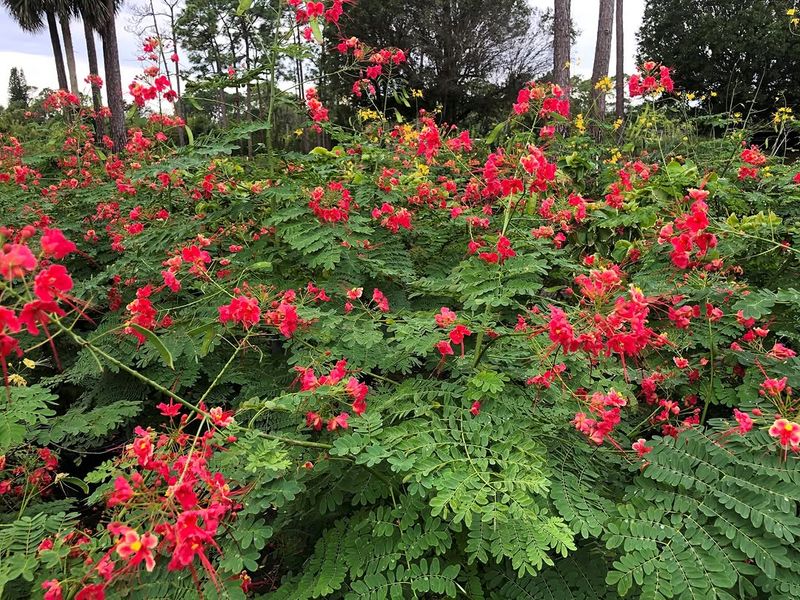
Shallow watering is one of the most common mistakes desert gardeners make. Sprinkling just the top inch of soil trains roots to stay near the surface, where heat and fast evaporation put them at risk during peak summer heat.
Red Bird of Paradise develops a deep, spreading root system when given the chance. Deep soaking encourages roots to push further down into the soil, where moisture lasts longer and temps stay more stable.
A plant with deep roots handles dry spells much better than one with shallow roots.
To water deeply, run your drip system or hose slowly for 30 to 45 minutes at a time. You want moisture to reach at least 12 to 18 inches below the surface.
Checking with a soil probe or a long screwdriver after watering helps confirm how far the water actually traveled.
Space out deep watering sessions rather than watering lightly every single day. In peak summer heat, established Red Bird of Paradise plants typically need deep watering once or twice a week.
Your Arizona Garden Changes Every Week. Your Plan Should Too.
Gardening in Arizona changes quickly throughout the season. Every Friday you’ll receive a simple weekly plan showing exactly what to plant, prune, fertilize, harvest, and protect so you never miss the right timing.
In spring and fall, once a week or even every ten days may be enough, depending on recent rainfall and soil type. Adjust based on what you observe, not just a fixed calendar schedule.
3. Sandy Soil Dries Out Faster Than Clay
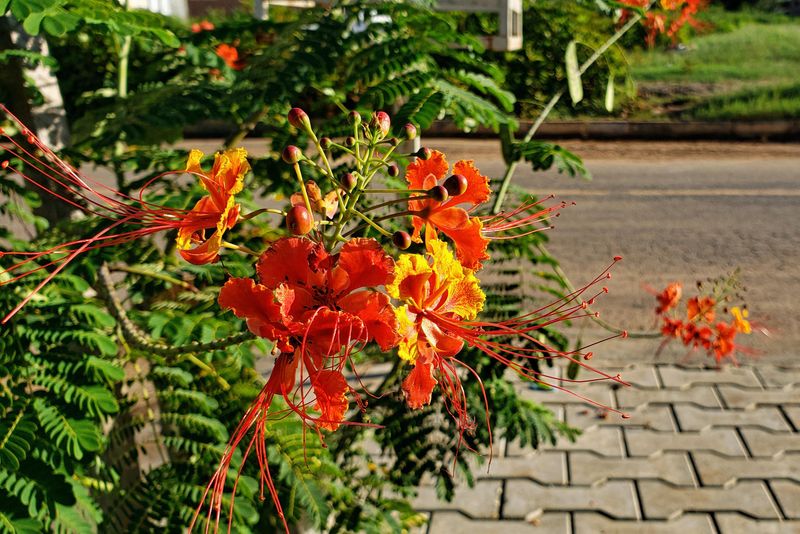
Soil type quietly controls your entire watering schedule. Sandy soil drains fast, sometimes too fast, pulling water away from roots before the plant gets a full drink.
Clay soil holds moisture longer but can stay waterlogged if you overwater, which causes root problems.
Most Arizona yards have sandy or sandy-loam soil, especially in the Phoenix metro area and surrounding desert communities. That type of soil needs more frequent watering than clay-heavy ground.
Water passes through quickly, so roots need access to moisture more often to stay healthy during summer heat.
Adding a layer of organic compost to sandy soil can improve its ability to hold moisture between watering sessions. Work it into the top several inches before planting, or apply it as a top dressing around established plants.
It breaks down slowly and gradually improves soil structure over time.
Clay soil behaves differently. It holds water well but drains slowly, so overwatering becomes a real risk.
If your yard has heavy clay, stretch out your watering intervals and watch for standing water near the base of the plant. Waterlogged roots struggle to absorb oxygen, which weakens the plant over time.
4. Young Plants Need More Frequent Watering
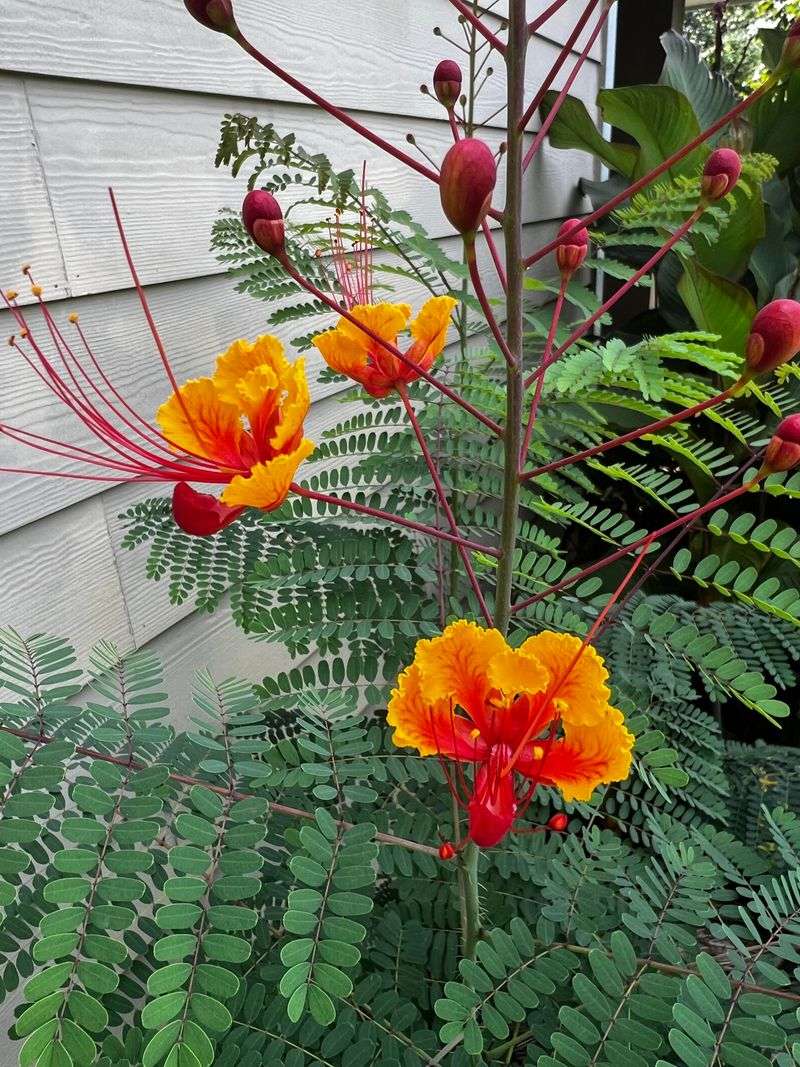
Freshly planted Red Bird of Paradise needs extra attention during its first year. Young roots have not yet spread out wide enough to pull moisture from a large area of soil.
Without consistent watering, new plants struggle to get established before summer heat arrives.
Right after planting, water every two to three days for the first two to four weeks. Once the plant shows new growth and looks stable, you can begin stretching the intervals.
The goal is to encourage roots to reach outward and downward, not keep them dependent on surface moisture.
Young plants planted in late spring or early summer face the toughest conditions. Intense heat and low humidity hit them hard before their root systems are ready to handle stress.
If you can plant in fall or early spring, the milder temps give new plants a much better chance to settle in before peak heat arrives.
Watch the leaves closely during the establishment phase. Slight wilting in the afternoon heat is normal and not always a sign of drought stress.
Wilting that does not recover by the following morning is a stronger signal that the plant needs water sooner.
5. Check Soil After Monsoon Rainfall
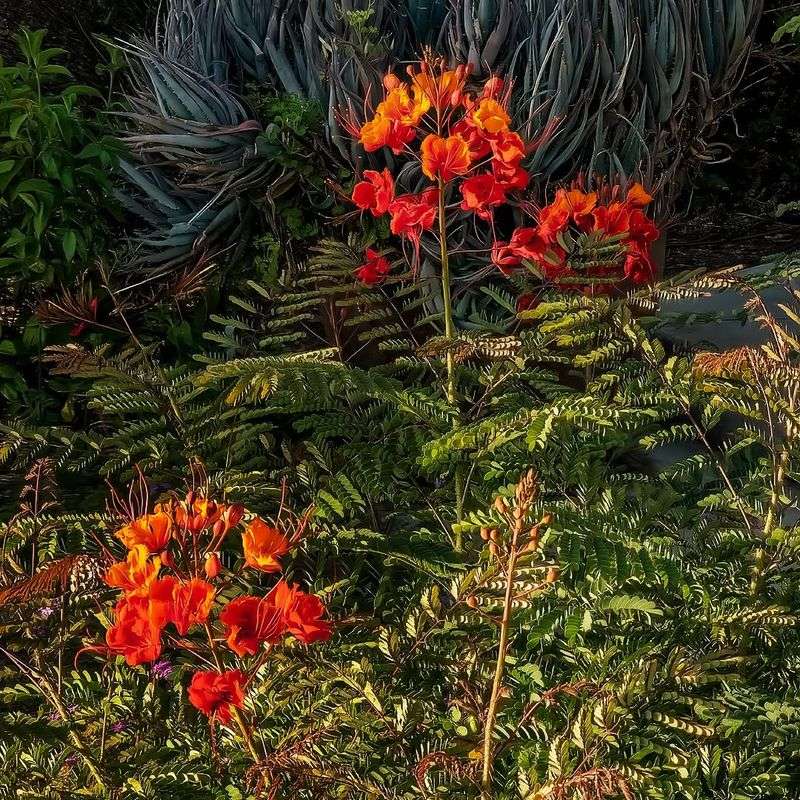
Monsoon season changes everything about your watering routine. From roughly July through mid-September, Arizona receives bursts of heavy rainfall that can drop a significant amount of water in a short time.
Watering right after a good monsoon storm often means overwatering your plants unnecessarily.
Before you run your drip system after any monsoon rain, check the soil first. Push a finger or a screwdriver several inches into the ground near the plant.
If soil feels moist below the surface, skip the scheduled watering and check again the next day. Overwatering during monsoon season can saturate the root zone and lead to root stress.
Not every monsoon storm delivers enough water to count as a full irrigation session. Light showers that wet only the surface do not penetrate deep enough to benefit established roots.
After a light storm, the soil surface may look wet while the root zone stays dry. Always check a few inches down before deciding whether to skip your watering cycle.
Monsoon rains also raise humidity levels temporarily, which slightly reduces the plant’s water demand. But once storms pass and dry heat returns, the soil dries out quickly again.
6. Mulch Helps Keep Moisture In The Soil
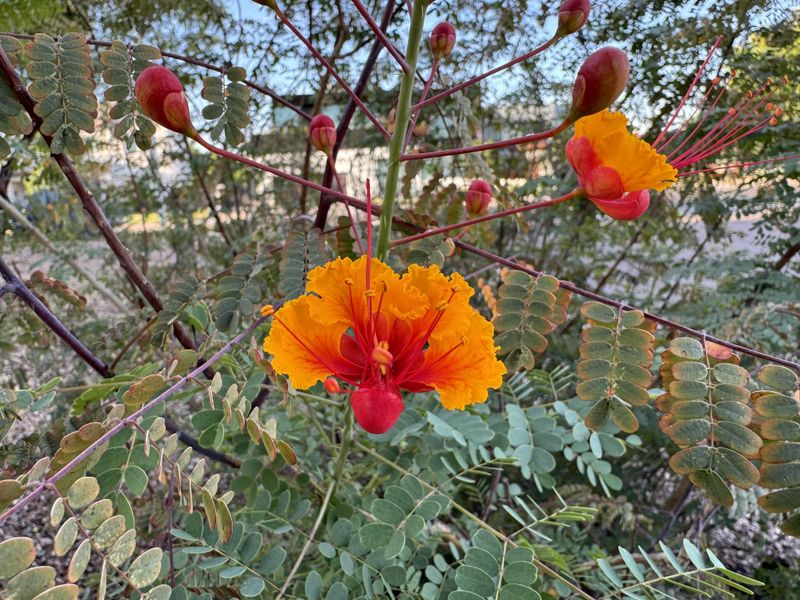
Bare soil in a hot desert climate loses moisture fast. Sun and heat pull water out of the ground within hours of watering, leaving roots scrambling for what little remains.
Mulch acts as a barrier that slows that process down considerably.
Spreading a 3 to 4 inch layer of mulch around your Red Bird of Paradise keeps the soil underneath noticeably cooler and moister between watering sessions.
Wood chips, shredded bark, and even gravel can help, though organic mulches tend to improve soil quality as they break down over time.
Keep the mulch a few inches away from the main stem of the plant. Piling it directly against the stem traps moisture right at the base, which can cause stem rot in some conditions.
A donut-shaped ring of mulch around the plant gives you the moisture-retention benefit without the risk.
Mulch also helps moderate soil temperature swings. Desert soil can heat up dramatically during the day and cool sharply at night.
Those temperature swings stress roots over time. A good mulch layer buffers those extremes and creates a more stable environment underground.
7. Yellow Leaves Can Signal A Watering Problem
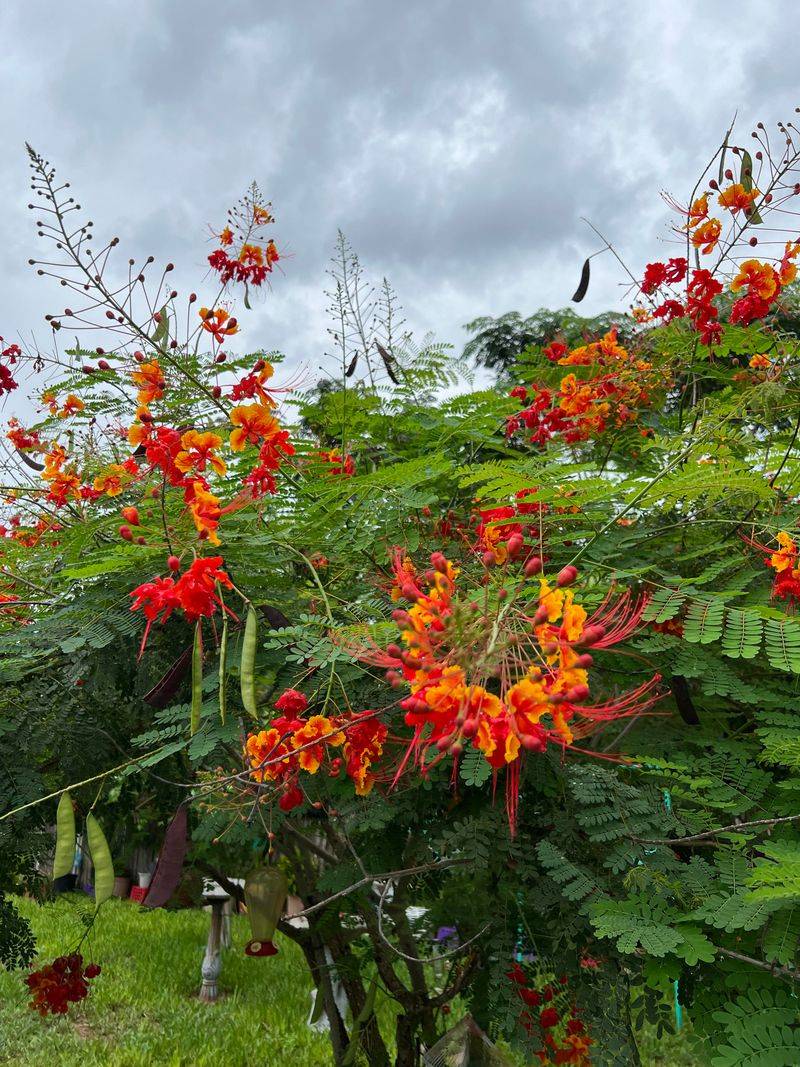
Yellow leaves get a lot of gardeners worried, and for good reason. Color changes in foliage are often the first visible sign that something is off with your watering routine.
But yellow leaves can point to both overwatering and underwatering, so reading the full picture matters.
Underwatered plants tend to show yellowing that starts at the tips and edges of leaves. Soil around the plant feels dry several inches down.
Leaves may also look slightly crispy or curled. In that case, increasing your watering frequency or duration usually helps the plant recover within a few weeks.
Overwatered plants also show yellow leaves, but the pattern looks different. Yellowing tends to spread across the whole leaf rather than just the edges.
Soil stays consistently wet or soggy. Roots sitting in waterlogged ground struggle to absorb nutrients, which shows up as pale or yellowing foliage even when water is plentiful.
Other factors can cause yellowing too. Nutrient deficiencies, especially iron chlorosis, are common in alkaline desert soils and show up as yellow leaves with green veins.
Seasonal leaf drop in fall is also normal for Red Bird of Paradise in many climates. Before adjusting your watering schedule, check the soil moisture first.