Michigan Deer Skip This Shrub Every Time, And It Happens To Be The Best Windbreak You Can Plant
Something strange happens along Michigan fence lines every winter.
Deer browse through yards, munch on arborvitae, and strip young trees down to sticks, yet one tough, spiky evergreen shrub almost always gets left alone.
It stands right next to the damage, completely untouched, while everything around it looks like a bad haircut.
Many Michigan homeowners walk right past it at the nursery without a second glance.
The ones who plant it tend to become quietly devoted to it, and for reasons that go well beyond deer resistance.
It grows fast enough to make a real difference, survives brutal cold, tolerates poor soil, and creates a dense green wall that stands tall even when January winds howl across open fields.
Farmers, conservationists, and backyard gardeners across the Great Lakes region have leaned on this plant for decades.
It is also inexpensive, widely available at Michigan conservation district sales, and requires almost nothing from you after the first growing season.
Eight reasons explain why this particular shrub deserves a front-row spot in your windbreak plan, and the first item reveals exactly what it is.
1. Start With Eastern Redcedar
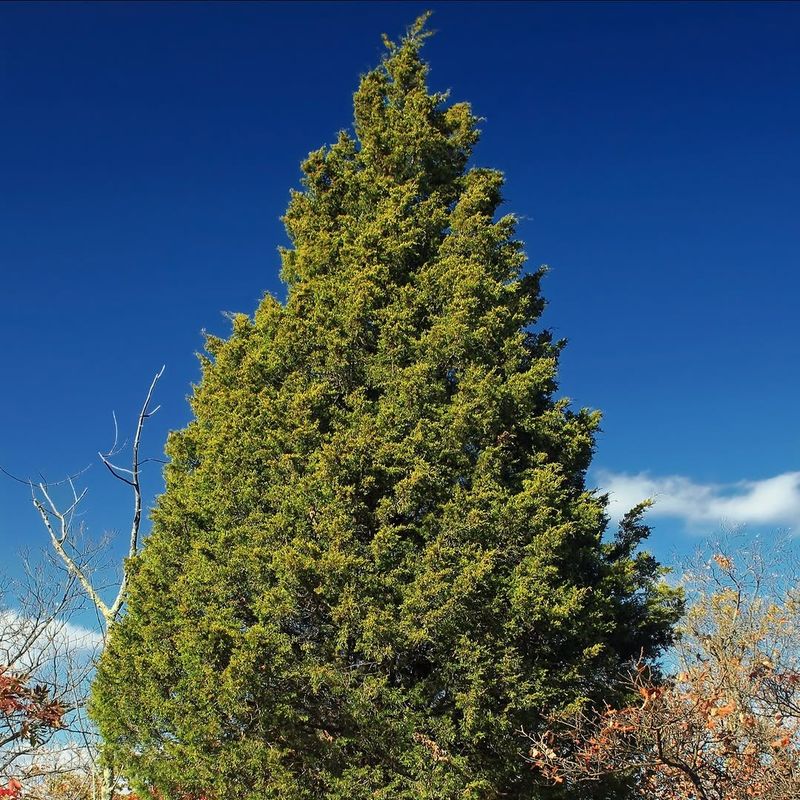
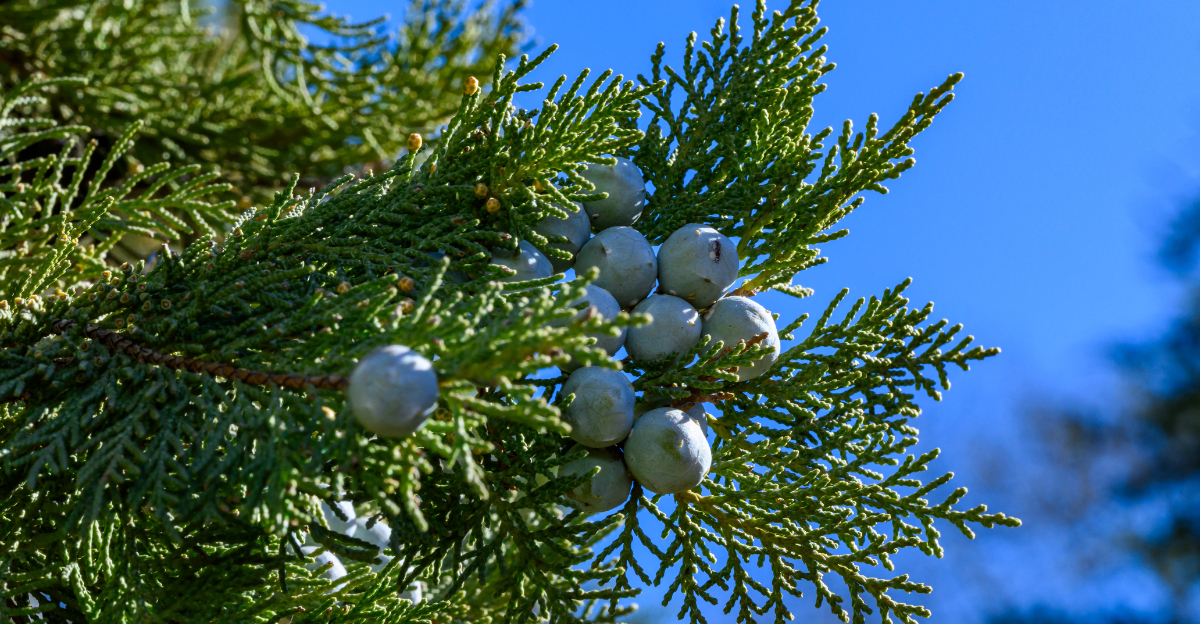
Native to a huge stretch of North America, eastern redcedar has been holding its ground across Michigan long before anyone thought to plant it on purpose.
Juniperus virginiana is a rugged evergreen conifer that thrives across the Lower Peninsula and parts of the Upper Peninsula with very little fuss. It handles Michigan’s freeze-thaw cycles, clay soils, and dry sandy ridges without complaint.
For windbreak purposes, this plant checks nearly every box.
It grows at a moderate pace, adding roughly one to two feet per year under decent conditions. Over time, it reaches heights of thirty to forty feet, creating a tall, dense barrier that shields homes, gardens, livestock, and fields from bitter northwest winds.
Eastern redcedar is also one of the most widely available native conifers at Michigan nurseries and conservation district plant sales.
Bare-root seedlings from conservation districts often cost just a dollar or two per plant, making large-scale windbreak planting very affordable.
Unlike many ornamental shrubs that need pampering, eastern redcedar settles in and starts working without much help from you.
Once established, it requires almost no supplemental watering, no fertilizer, and no pest sprays. It is a plant that earns its keep every single season without asking for anything in return.
2. Deer Usually Pass It By
Walk through a Michigan woodlot after a hard winter and you will notice something telling.
Arborvitae gets chewed to bare sticks, white pine lower branches disappear, and young apple trees look like they were attacked with scissors. Eastern redcedar, standing right next to all of it, often comes out untouched.
Deer resistance in plants is never a guarantee.
Hungry deer in late winter will sample plants they normally ignore. But eastern redcedar ranks consistently high on deer-resistant plant lists from Michigan State University Extension and USDA resources.
Most deer find it unappealing enough to move on to easier targets nearby.
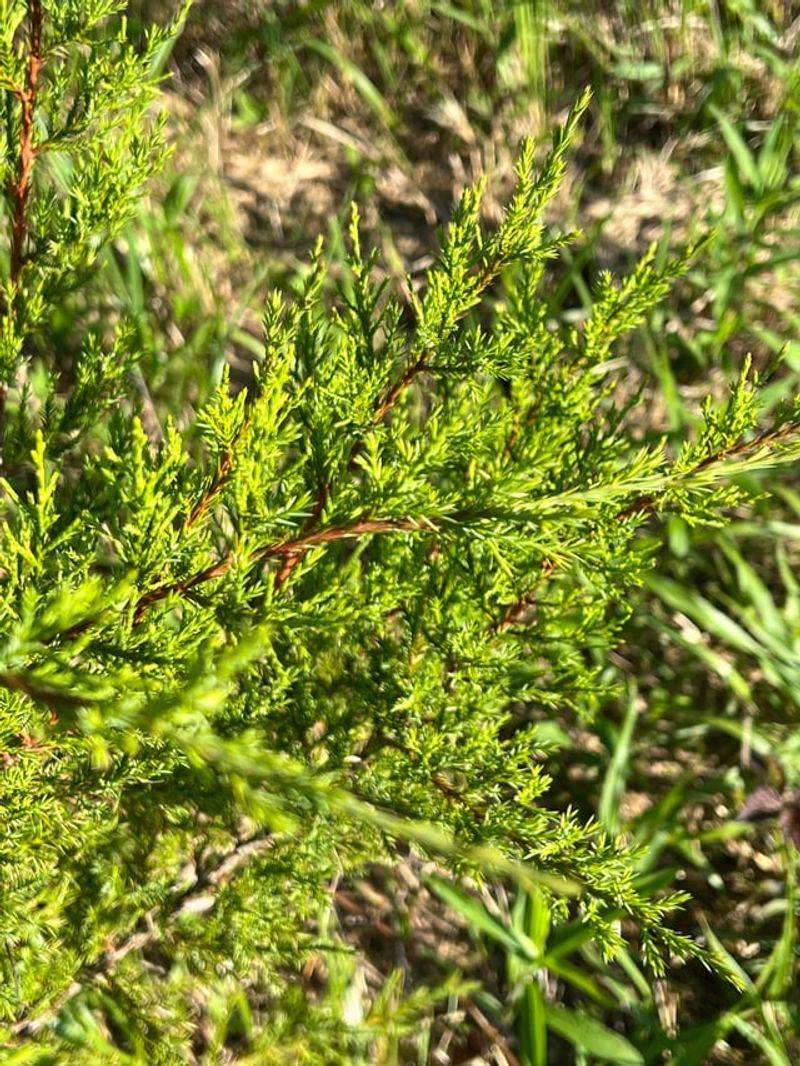
One reason for this is the sharp, scale-like foliage that irritates a deer’s soft muzzle. Another reason is the strong aromatic oils the plant produces. Both factors together make eastern redcedar a less-than-tempting snack.
Your Michigan Garden Changes Every Week. Your Plan Should Too.
Gardening in Michigan changes quickly throughout the season. Every Friday you’ll receive a simple weekly plan showing exactly what to plant, prune, fertilize, harvest, and protect so you never miss the right timing.
For homeowners who have lost shrub after shrub to deer pressure, switching to eastern redcedar can feel like a genuine turning point.
Planting a row of them means you are not replanting every spring or wrapping everything in mesh each fall. Deer tend to focus their attention elsewhere, which gives your windbreak the time it needs to grow tall and fill in properly.
3. Aromatic Foliage Helps Protect It
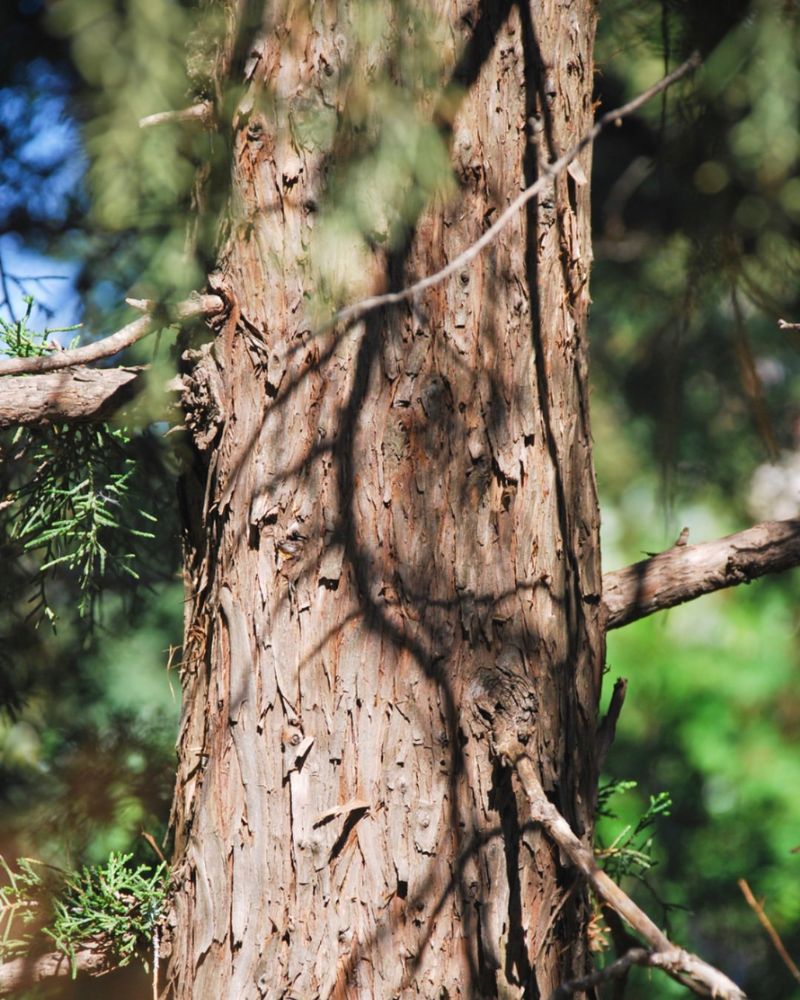
Crack open a small branch of eastern redcedar and take a sniff.
That sharp, clean, cedar-like smell is not just pleasant to humans. It is one of the main reasons deer tend to steer clear of this plant.
The foliage contains natural aromatic oils that most browsing animals find off-putting, especially compared to the mild, sweet smell of arborvitae or the soft texture of young pine growth.
The oils found in eastern redcedar come from compounds like cedrol and thujopsene.
These chemicals are concentrated in the foliage and woody stems, and they are strong enough that the wood has been used for centuries in cedar chests and closets to repel moths and insects.
If it bothers moths, it makes sense that deer are not exactly lining up for a taste either.
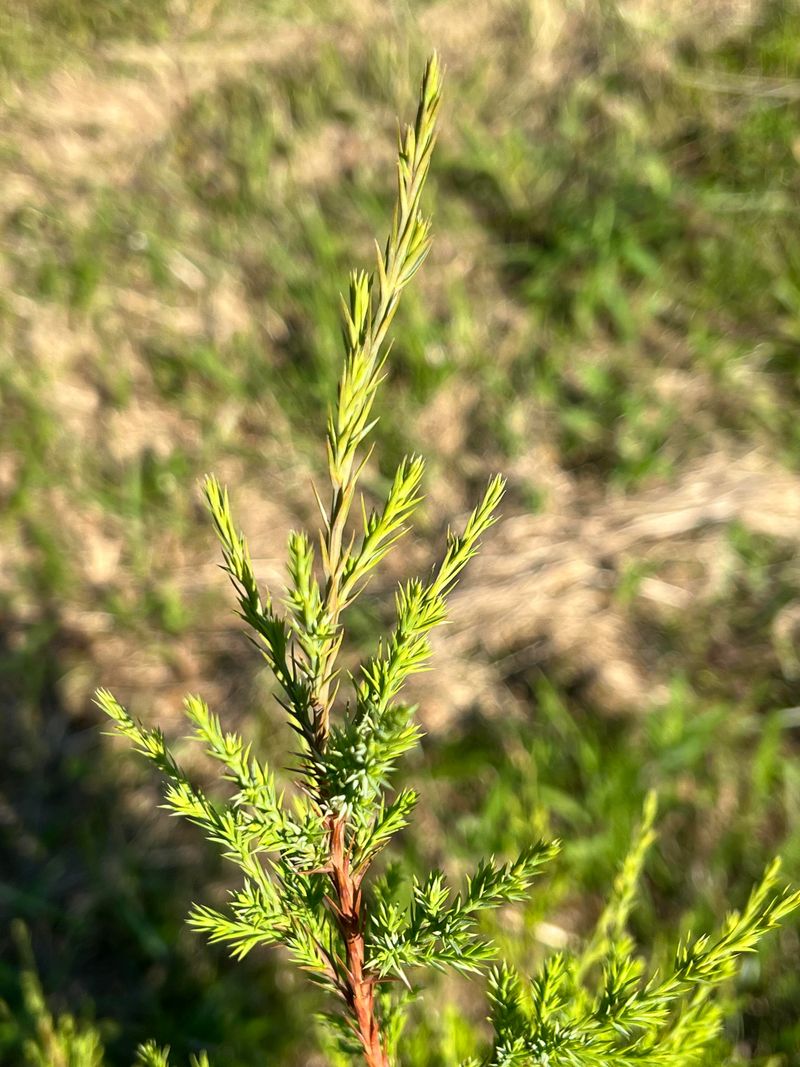
Beyond the scent, the texture plays a big role. Young eastern redcedar foliage has a sharp, almost spiny quality that scratches at a deer’s sensitive nose and lips.
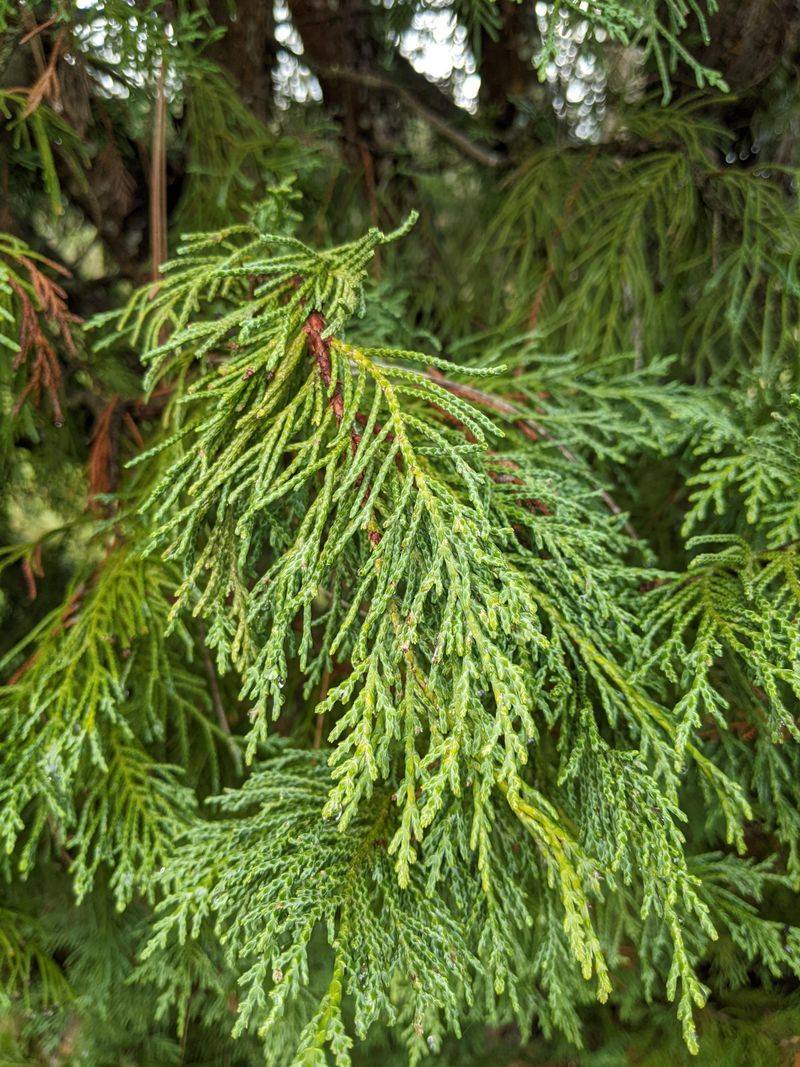
Mature foliage becomes scale-like and dense, which does not make for comfortable eating.
The combination of smell and texture creates a natural deterrent that works around the clock without any spray or fence from you.
Planting eastern redcedar in a windbreak row means you are stacking the odds in your favor every single day the plants are in the ground.
4. Dense Branching Blocks Winter Wind
Few plants match eastern redcedar when it comes to sheer branch density.
From the base of the trunk all the way to the pointed tip, this tree fills in with tightly packed foliage that leaves almost no gaps for wind to sneak through. That solid structure is exactly what a windbreak needs to do its job properly.
Wind reduction is not just about comfort.
A well-placed windbreak can lower home heating costs by reducing the wind chill effect against walls and windows.
USDA windbreak research shows that a properly planted shelterbelt can reduce wind speed by up to fifty percent on the leeward side.
Eastern redcedar, with its low, dense branching habit, contributes significantly to that kind of protection.
One key advantage over some other windbreak species is that eastern redcedar holds its lower branches naturally.
Many conifers drop their bottom limbs as they age, leaving gaps at ground level where cold air rushes through. Eastern redcedar tends to stay full from the ground up, especially when given enough sunlight and spacing.
Stiff branches also mean the plant handles heavy snow loads without splitting or collapsing.
Michigan winters can stack serious weight on branches, but eastern redcedar bends a little, sheds what it can, and bounces back.
It is practically built for the Great Lakes region, and it shows every time a February blizzard rolls through.
5. Evergreen Cover Works All Year
Deciduous windbreaks have a serious flaw. The moment leaves drop in October, the barrier disappears right when you need it most.
Cold northwest winds hit Michigan hardest from November through March, and a leafless row of shrubs does almost nothing to stop them.
Eastern redcedar sidesteps this problem entirely by staying green and dense every single month of the year.
Year-round screening matters beyond just wind. Privacy, noise reduction, and visual blocking all work better when foliage is present twelve months out of twelve.
A row of eastern redcedar planted along a property line creates a consistent green wall that works in July just as well as it works in January.
Wildlife benefits from this year-round structure too.
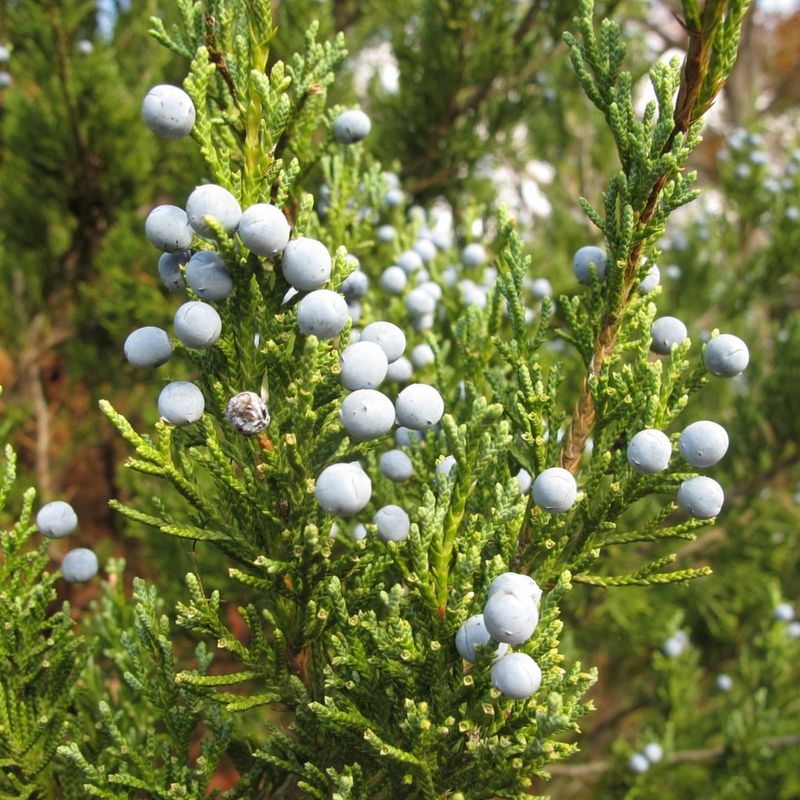
Birds like cedar waxwings, robins, and bluebirds rely on eastern redcedar for winter shelter and food. The small blue berries, technically cones, provide high-energy nutrition during cold Michigan months when other food sources are scarce.
The deep green color of eastern redcedar also adds visual interest to a landscape that might otherwise look bare and brown in winter.
Rows of these trees create a backdrop that makes the whole property look more intentional and put together.
Evergreen structure is a landscape asset that pays off visually in every season without you lifting a finger after establishment.
6. Deep Roots Handle Dry Sites
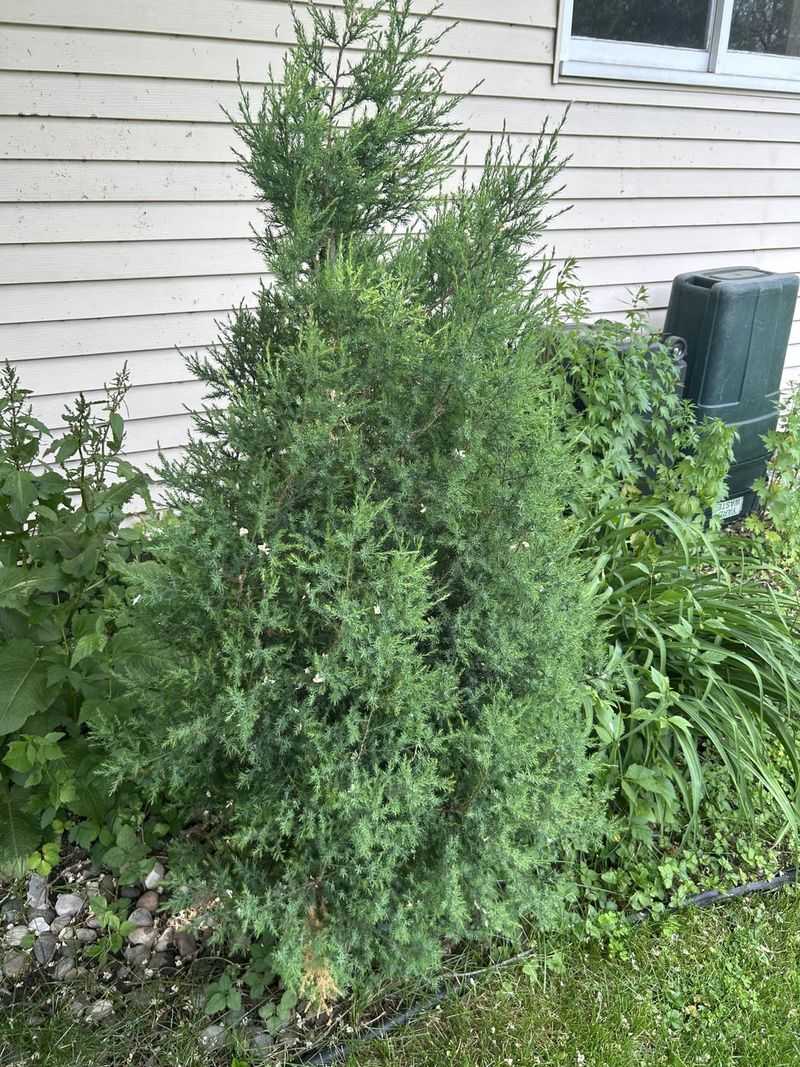
Sandy loam, rocky ridges, dry hillsides, and thin soils along fence rows. Eastern redcedar does not care.
Once established, this plant sends roots deep into the soil profile, tapping moisture that shallower-rooted plants simply cannot reach.
That deep root system is one of the biggest reasons it survives Michigan droughts that stress or finish off less resilient species.
Establishment does take some patience.
New transplants need watering during the first growing season, especially during dry spells. Bare-root seedlings planted in spring should receive a good soaking once or twice a week until fall.
After that first year in the ground, most eastern redcedar plants are largely on their own.
Soil adaptability is another strong point. Eastern redcedar grows in soils ranging from heavy clay to coarse sand, and it tolerates both acidic and slightly alkaline pH levels.
It even handles compacted soils better than many other conifers. That flexibility makes it useful across a wide range of Michigan property types, from lakeside cottages to open farm fields.
One thing to avoid is planting in areas with standing water or consistently saturated soil.
As long as drainage is reasonable, this plant will settle in, anchor itself firmly, and keep growing through conditions that would stress most other windbreak choices considerably.
7. Spacing Builds A Strong Screen
Planting too close together seems like a shortcut to a faster screen, but crowded eastern redcedars compete for light, air, and moisture in ways that weaken the whole row over time.
Proper spacing from the start is what separates a windbreak that thrives for fifty years from one that gets scraggly and thin within a decade.
For a single-row windbreak using eastern redcedar, most Michigan conservation guidelines recommend spacing plants six to eight feet apart.
This gives each tree enough room to develop full branching from the ground up without shading out its neighbors too aggressively.
Two-row or three-row windbreaks should stagger plants in a zigzag pattern, with rows spaced at least ten to twelve feet apart.
Wider spacing early on means you may see gaps in the first few years. That is normal and temporary.
Eastern redcedar fills in steadily, and by years five through eight, a properly spaced row starts to close those gaps and present a solid front. Rushing the process by planting too tight almost always backfires.
Mark your spacing with stakes before you plant so the row stays straight and even.
A crooked windbreak is not just a visual issue. Irregular gaps let wind funnel through at unexpected angles, reducing the overall effectiveness of the barrier.
Precise spacing is a small upfront effort that protects your entire investment in the long run.
8. Pruning Keeps The Windbreak Thick
Left completely alone, eastern redcedar does a solid job of staying full and dense on its own.
But a little light pruning at the right time can make the difference between a good windbreak and a great one.
Strategic shaping encourages thicker side growth, keeps lower branches healthy, and helps the row maintain a tight, even profile that blocks wind more effectively.
The golden rule with eastern redcedar pruning is to avoid cutting back into old wood.
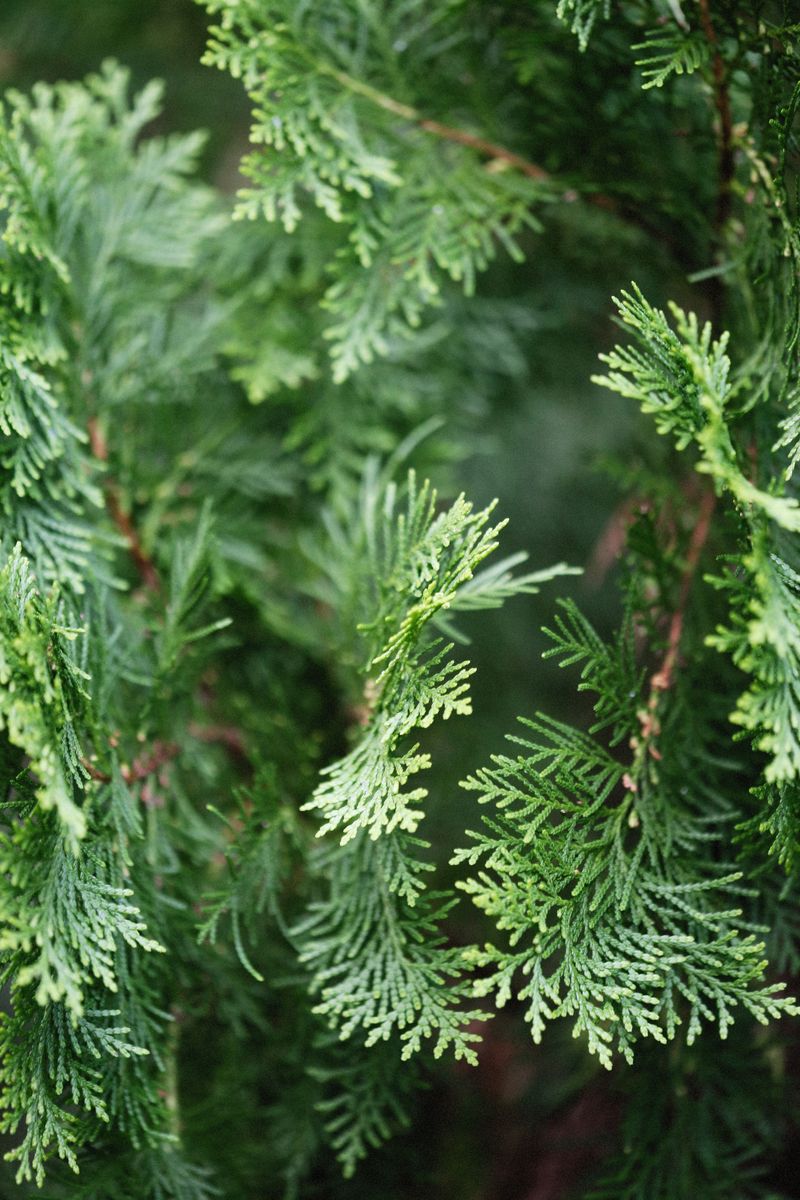
This plant does not regenerate from bare, woody stems the way some shrubs do. Always prune within the green foliage zone, trimming back the tips of branches rather than removing whole limbs.
Light tip pruning in late winter or very early spring gives the best results.
Lower branch retention is especially important for windbreak function. Resist the urge to limb up the base of eastern cedars to create clearance underneath.
Those low branches are doing real work, blocking ground-level wind and creating the dense bottom coverage that makes the windbreak effective. Removing them opens a gap right where cold Michigan air moves fastest.
Over time, a lightly pruned windbreak row develops a more uniform shape that holds together better during heavy snow and ice events.
Annual light shaping sessions, each lasting just a few minutes per tree, add up to a windbreak that stays thick, tall, and productive for decades. A little snip here and there goes a very long way.