How To Support California Fence Lizards That Help Reduce Lyme Disease Risk In Your Yard
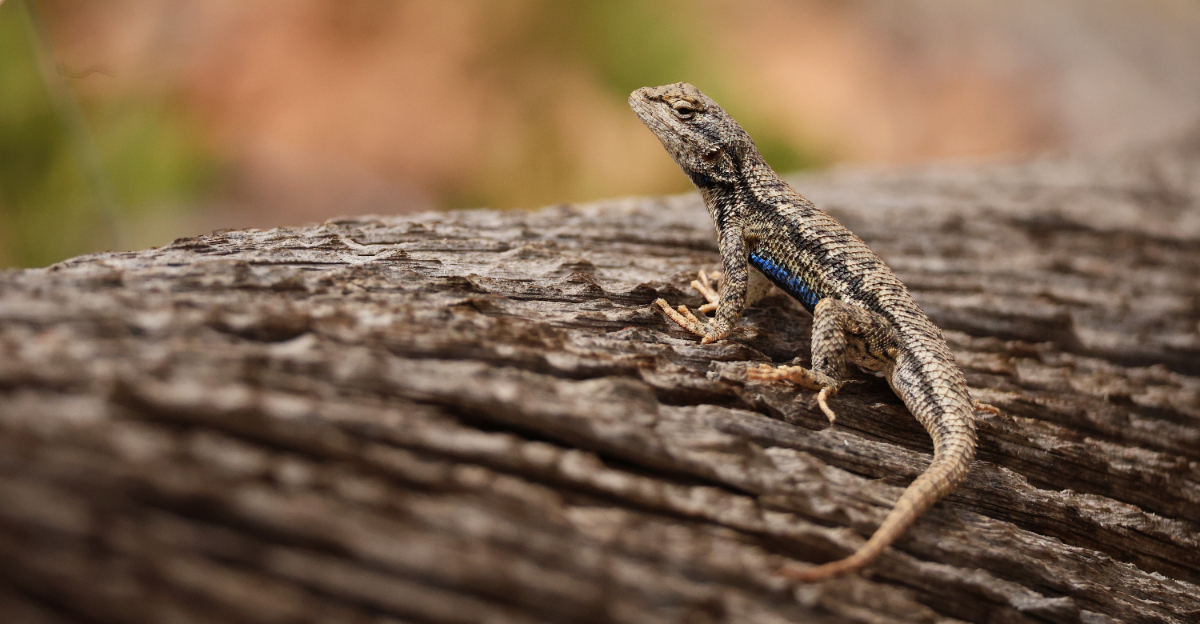
A quick lizard darting across a wall can be more helpful than it looks. California fence lizards are part of the backyard wildlife many homeowners barely notice, yet they may play a role in lowering Lyme disease risk around the yard.
When certain ticks feed on these lizards, a protein in the lizard’s blood can help clear the bacteria linked to Lyme disease from the tick.
That makes their presence especially interesting for gardeners who want a healthier outdoor balance.
A lizard friendly space does not need to look wild or messy. It just needs safe cover, sunny basking spots, and fewer harsh treatments that remove the small life they depend on.
This is not a complete tick control plan, but it can be one smart piece of a safer yard.
1. Western Fence Lizards Need Sunny Basking Spots
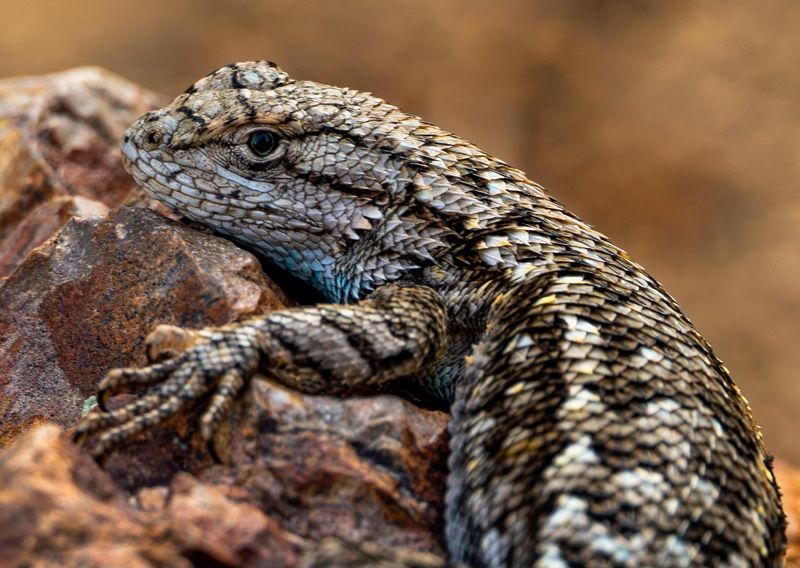
Sunbathing is not just a leisure activity for western fence lizards. It is a survival necessity.
These reptiles are cold-blooded, which means they rely on the sun to warm their bodies and stay active. Without enough heat, they cannot hunt, digest food, or move fast enough to avoid predators.
Your California yard probably already has spots that get full sun for several hours a day. Fences, concrete borders, wooden decks, and low garden walls are all places lizards naturally gravitate toward.
If your yard is mostly shaded, consider trimming back a few branches to let more sunlight reach ground level.
Flat, dark-colored surfaces work especially well because they absorb heat quickly and hold it longer. Placing a dark flat rock or a section of old brick in a sunny open area can create the perfect basking station.
Position it near some low shrubs or plants so the lizard can retreat quickly if it feels threatened.
Lizards are most active in the morning when they need to warm up after a cool night. Try to keep those sunny patches clear of foot traffic during early hours.
Avoid moving or disturbing rocks and surfaces that lizards have claimed as their warming spots.
Once a lizard finds a reliable basking area, it will return to the same spot day after day, making your yard part of its daily routine.
2. Flat Rocks Give Lizards A Safe Place To Warm Up
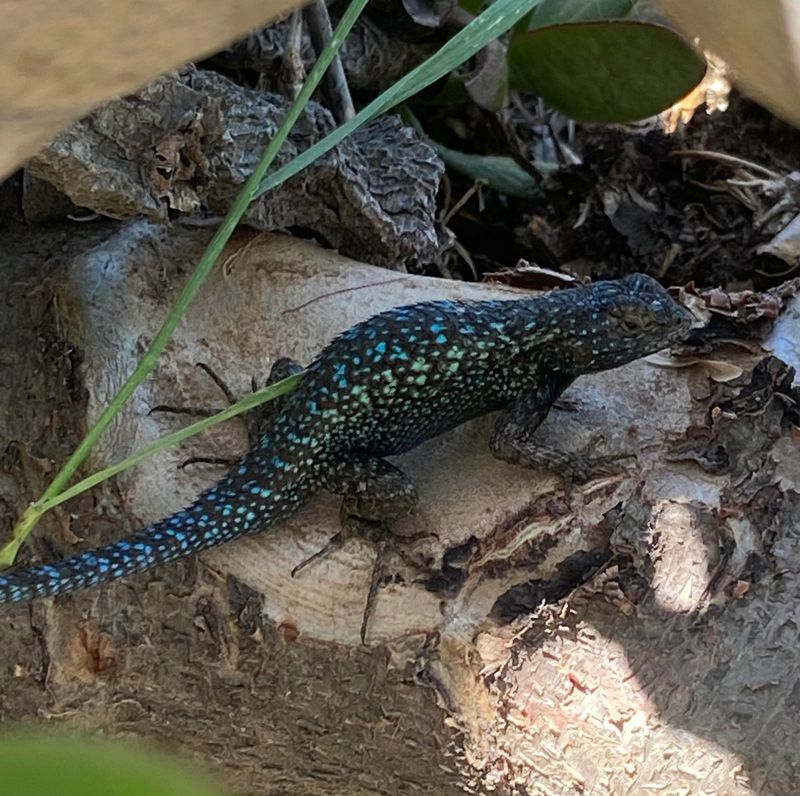
Rocks are one of the simplest and most effective tools for attracting fence lizards to your yard.
A well-placed flat rock can act as a personal heating pad for a lizard, giving it a warm, stable surface to rest on while it watches for insects nearby.
Not all rocks work equally well. Flat, wide stones with a dark or medium gray color absorb sunlight faster than lighter ones.
Sandstone, slate, and flagstone are great choices. Try to find rocks that are at least the size of a dinner plate so the lizard has enough room to fully stretch out and soak up warmth.
Placement matters just as much as size. Set your rocks in areas that get direct morning and midday sun.
Avoid placing them in corners that stay shaded most of the day. Grouping two or three rocks together at slightly different heights creates a more natural look and gives lizards options depending on the temperature.
Your California Garden Changes Every Week. Your Plan Should Too.
Gardening in California changes quickly throughout the season. Every Friday you’ll receive a simple weekly plan showing exactly what to plant, prune, fertilize, harvest, and protect so you never miss the right timing.
Leaving small gaps between rocks also provides hiding spots underneath, which lizards use when they feel threatened or need to cool down quickly. You do not need to buy expensive landscaping stones.
Rocks from a local garden center or even ones found on a hike can work perfectly. Once placed, leave them undisturbed so lizards learn those spots are safe and reliable resting areas in your yard.
3. Log Piles Create Shelter Without Making The Yard Messy
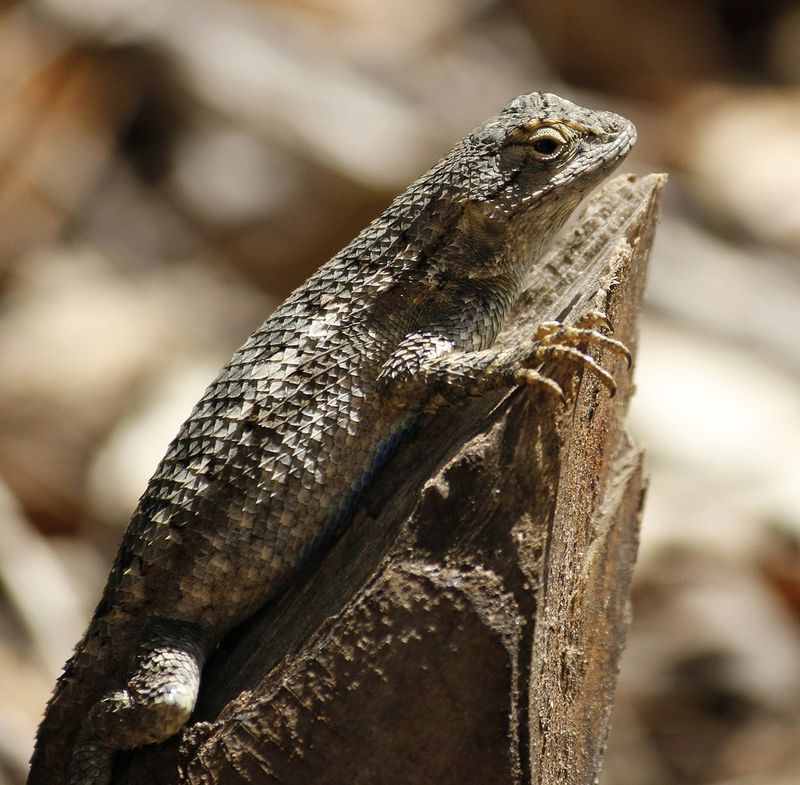
Log piles have a bit of an unfair reputation. Many California homeowners see them as messy or unattractive, but a small, tidy stack of logs in the right corner of your yard can be a fantastic habitat feature for fence lizards.
It offers shelter, shade, and a hunting ground all in one spot. Lizards use log piles to hide from predators, escape the midday heat, and search for insects like beetles, ants, and spiders that live in and around decaying wood.
The gaps between logs create the kind of dark, sheltered spaces that lizards feel safe in. A log pile does not need to be large to be useful.
Stack three to five logs near a sunny area so lizards can move between warmth and shelter easily. Use logs from native trees if possible, since they tend to attract local insects that lizards prefer to eat.
Avoid using chemically treated wood, as the residues can be harmful to small wildlife.
To keep it looking neat, tuck the log pile near a fence corner, behind a garden bed, or along a wall. You can even plant low native groundcover nearby to blend it into the landscape.
Do not disturb the pile once lizards start using it. Consistent, undisturbed shelter encourages lizards to stay in your yard long-term, which means more ticks encountering that protective lizard blood all season.
4. Native California Plants Bring The Insects Fence Lizards Eat
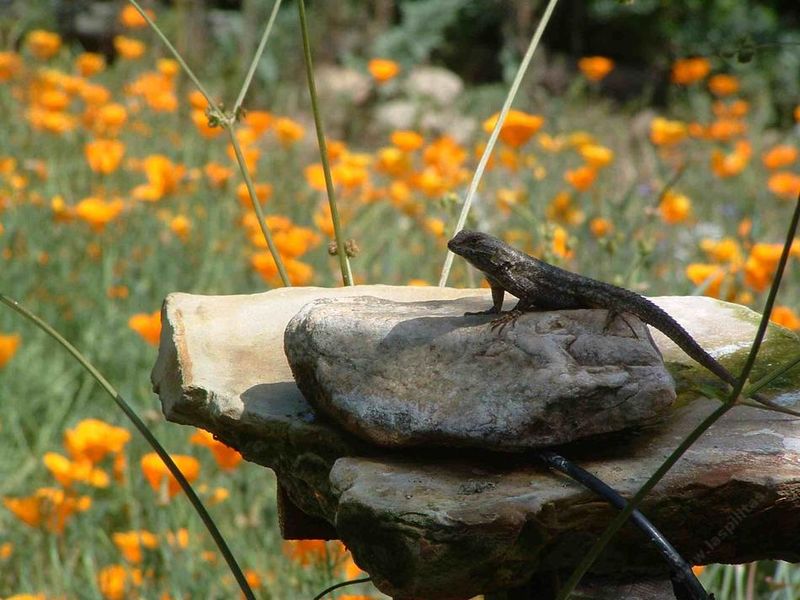
Food is the fastest way to attract any animal to your yard, and fence lizards are no different. Their diet consists mostly of insects, including beetles, ants, grasshoppers, and spiders.
The best way to keep a steady supply of those insects nearby is to grow plants that naturally support them.
Native plants are the gold standard here. Plants like coyote brush, native buckwheat, toyon, and California sagebrush attract a wide range of local insects because those plants and insects evolved together over thousands of years.
Non-native ornamental plants often do not support the same insect diversity, which means fewer food sources for your lizards.
You do not need to redesign your entire yard. Even a small native plant bed near a sunny rock or log pile can make a real difference.
Start with two or three native species that are easy to grow in your region. Many local nurseries carry drought-tolerant native plants that thrive with very little water once established.
Avoid deadheading or over-pruning native plants during the warm months, since insects often shelter in seed heads and stems. Let plants grow a little wild in spots away from walkways.
The more insects your California yard supports, the more attractive it becomes to fence lizards. Over time, a lizard-friendly plant palette creates a self-sustaining mini-ecosystem right in your backyard that benefits everyone.
5. Leaf Litter Helps In Habitat Corners, Not Walkways
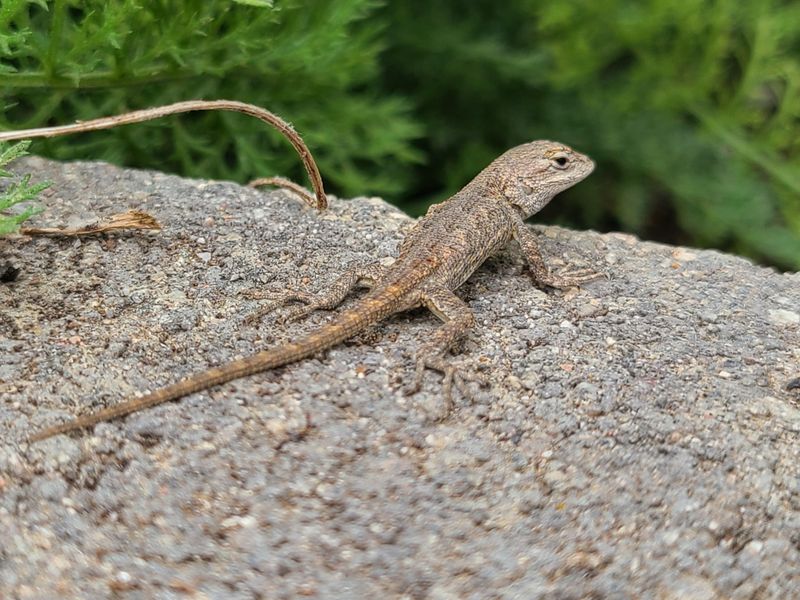
Leaf litter gets raked up and tossed away in most yards, but leaving it in the right spots can seriously boost your lizard habitat.
A thin layer of fallen leaves in a sheltered corner creates a microhabitat full of insects, moisture, and hiding places that fence lizards actively seek out.
Beetles, pill bugs, earwigs, and small spiders all thrive in leaf litter. These are exactly the kinds of creatures that make up a large portion of a fence lizard’s diet.
When lizards forage in leaf litter, they use quick flicking movements to flip leaves and expose prey hiding underneath. It is one of their most natural hunting behaviors.
The key is placement. Do not let leaf litter pile up on walkways, near your home’s foundation, or in areas with standing water.
Those spots can attract pests you do not want. Instead, rake leaves toward garden corners, under native shrubs, or along fence lines where they can break down naturally and support insect activity without creating problems.
A layer about two to three inches deep is plenty. Thicker piles can become too dense and damp, which discourages lizards from using them.
Refresh the litter each fall by letting new leaves settle in those designated corners. This small seasonal habit creates reliable foraging zones that keep lizards coming back to your yard throughout the warmer months of the year.
6. Pesticides Can Remove The Bugs Lizards Depend On
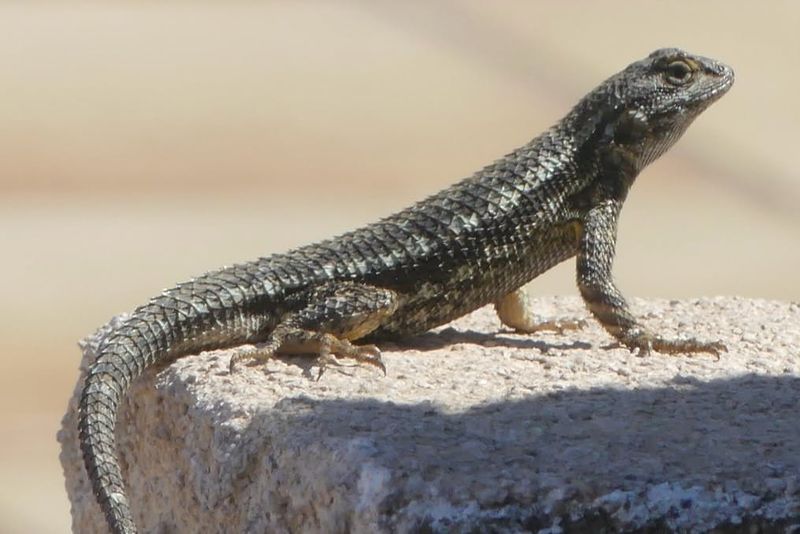
Spraying pesticides might seem like a quick fix for bugs, but it can quietly strip your yard of the very insects that keep fence lizards fed and healthy. Broad-spectrum pesticides do not just target the bugs you dislike.
They wipe out beetles, ants, grasshoppers, and other insects that lizards rely on every single day.
When the insect population drops, lizards have less food available. They may leave your yard in search of better hunting grounds, or they may struggle to stay healthy and active.
A yard with no insects is essentially a yard with no lizards, which means ticks in that area are no longer encountering the protective proteins in lizard blood.
There are better ways to manage problem insects without affecting the whole food web.
Targeted treatments that address specific pests, like aphid sprays applied directly to affected plants, are far less damaging than broadcasting pesticides across an entire yard.
Neem oil, insecticidal soap, and physical removal are gentler options worth trying first.
Systemic pesticides, which get absorbed into plant tissue, are especially harmful because insects that feed on treated plants carry the chemicals through the food chain.
Avoiding systemic treatments near native plant areas is one of the most effective steps you can take.
Reducing overall pesticide use does not mean accepting a damaged yard. It means trusting the natural balance that lizards and other beneficial wildlife help maintain every season.
7. Cats Are A Major Problem For Backyard Lizards
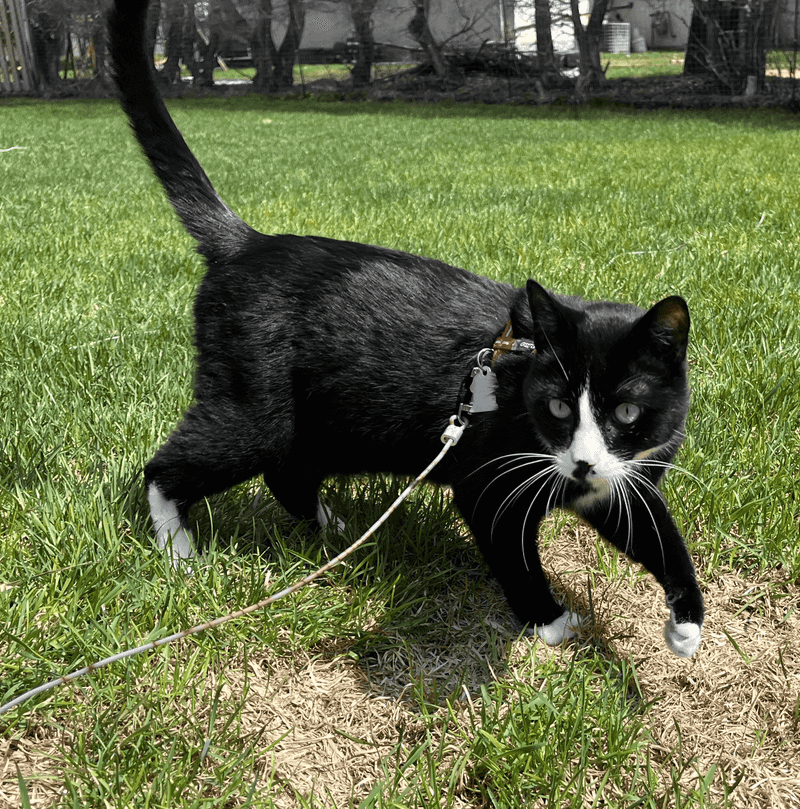
Outdoor cats are one of the biggest threats to fence lizards in residential areas. Cats are natural hunters with fast reflexes, and lizards, despite being quick themselves, are no match for a cat that has learned the layout of your yard.
Even well-fed cats will hunt lizards out of instinct. Studies have shown that free-roaming domestic cats are responsible for a significant decline in small reptile and bird populations in suburban neighborhoods.
A single cat can patrol a large territory and catch lizards before they ever get a chance to establish a regular basking or foraging routine in your yard.
If you have an outdoor cat, consider creating a designated enclosed outdoor space, sometimes called a catio, where your cat can enjoy fresh air without accessing the parts of the yard where lizards live. This keeps both your cat and the local wildlife safer at the same time.
Talking to neighbors about keeping their cats indoors or in enclosed spaces can also help, especially if you notice lizard activity dropping in your yard.
Placing lizard habitat features like rocks and log piles in areas that are harder for cats to access, such as against a back fence or within a fenced garden section, adds another layer of protection.
Small changes in how and where cats roam can have a surprisingly large impact on lizard survival rates in backyard habitats.
8. Open Soil Patches Give Lizards Room To Hunt
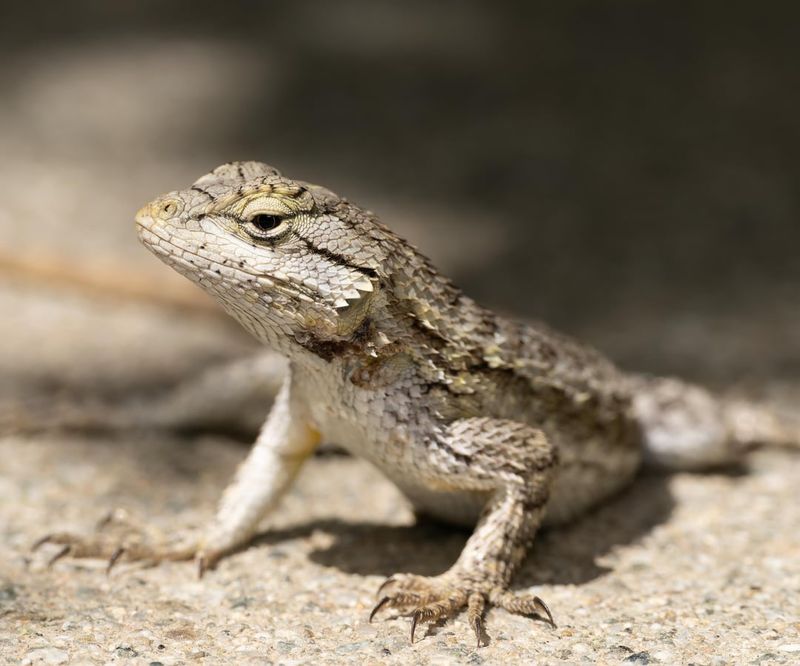
A perfectly manicured lawn with no bare ground might look tidy, but it is not very useful to a fence lizard.
Open soil patches are actually important hunting zones where lizards sprint after insects, dig for prey, and move freely without the tangle of dense grass slowing them down.
Lizards are visual hunters. They need clear sightlines to spot moving insects from a distance.
Dense turf or thick ground cover blocks their view and makes it harder to chase prey effectively.
A small open area of dry, loose soil near a sunny rock or log pile gives them the perfect combination of warmth, visibility, and access to ground-level insects.
You do not need to remove your entire lawn to create these patches. Try leaving a small section of soil bare near a garden bed or along a sunny fence line.
Avoid covering every inch of ground with mulch or dense plantings. Let some natural bare spots develop, especially in areas that already get full sun throughout the day.
Sandy or gravelly soil is especially attractive to lizards because it warms up quickly and allows them to move fast.
In some cases, lizards also use loose soil for thermoregulation, pressing their bodies against warm ground to absorb heat from below.
Keeping a few open patches in your yard throughout the growing season gives fence lizards the open terrain they need to hunt successfully and stay active all summer long.