How To Tell If A California Plant Needs More Sun Or More Shade By Reading Its Leaves
A potted sage on a sunny Sacramento patio starts turning a strange papery tan, and its owner responds by adding more water.
Across town, a fern by a dim window slowly stretches thin and pale while nobody can figure out why.
Both plants are sending clear messages through their leaves. In each case, the real problem is light rather than water.
California’s mix of blazing inland sun, foggy coastal mornings, and shady north-facing yards makes these mix-ups surprisingly common.
Learning what too much sun and too little sun look like helps gardeners spot trouble early and make the right fix before small problems grow.
Bleached Or Scorched Leaves Signal Too Much Sun
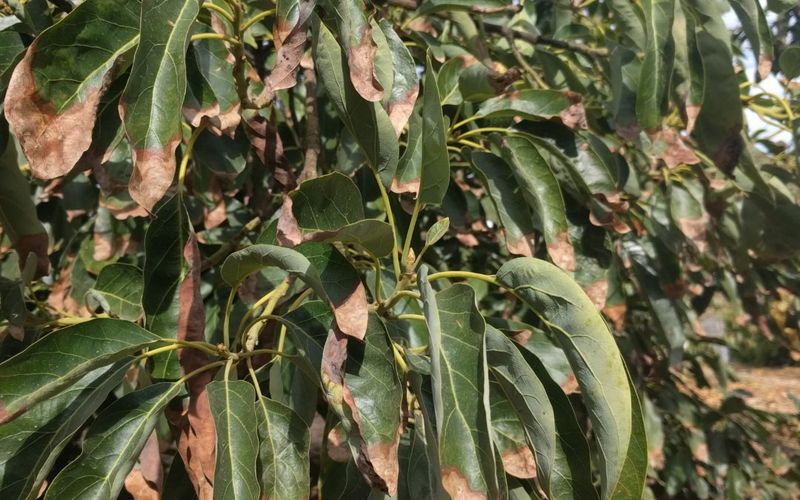
A leaf that looks like someone aimed a hair dryer at it is showing one of the clearest signs of sunburn. According to UC ANR, sunburn often appears first on the leaves most exposed to strong afternoon sun.
Bleaching usually comes first. Healthy green color fades to pale yellow, cream, or even whitish patches, often in the middle of the leaf or between the veins.
Continued stress can turn those faded spots tan or brown. The damaged areas often feel dry and papery, a lot like an old paper bag.
Scorch tends to look a little different. Leaf edges and tips turn brown and brittle, while the area near the stem may stay green.
On hot inland days in places like Riverside or Fresno, scorch can develop fast. Sometimes a single heat wave is enough to leave its mark on an otherwise healthy plant.
The location of the damage offers a helpful clue. Sunburn usually hits the south or west side of a plant, or the top leaves, while shaded leaves underneath stay healthy.
Other causes deserve a quick check, though. Drought and salty soil can also brown leaf edges, so UC ANR suggests reviewing watering habits as well.
Damage that lines up neatly with where the hottest sun lands still points strongly toward light. In that case, a little afternoon shade often solves the problem.
Leaves Curling Inward Often Mean Sunburn
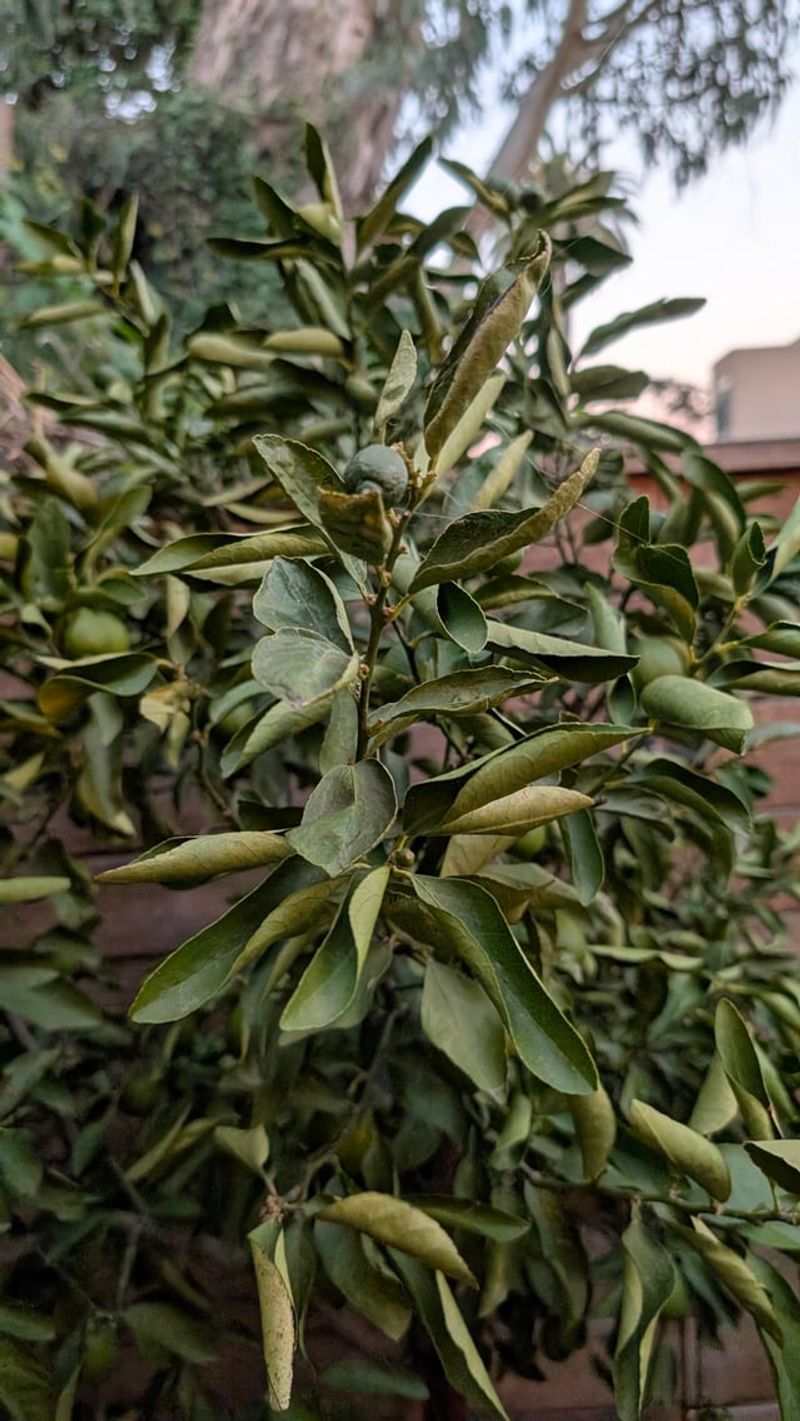
Plants can’t grab an umbrella, so they do the next best thing. When sunlight gets too intense, many leaves roll or cup inward to hide part of their surface.
It’s a bit like squinting and hunching the shoulders on a blazing beach day. The response is simple but surprisingly effective.
A rolled leaf has less area facing the sky. That means it soaks up less heat and loses less water through its surface.
UC ANR notes that leaf curling and wilting can signal heat and water stress, especially during hot, dry California summers. Timing helps separate sun stress from other problems.
Leaves that curl tight in the hot afternoon and relax again by evening or early morning are usually reacting to heat and bright light. Curl that stays put around the clock suggests something else may be involved.
Pests deserve a quick look, too. Aphids and some other insects can make leaves curl, so flipping a few leaves over to check the undersides is worthwhile.
Your California Garden Changes Every Week. Your Plan Should Too.
Gardening in California changes quickly throughout the season. Every Friday you’ll receive a simple weekly plan showing exactly what to plant, prune, fertilize, harvest, and protect so you never miss the right timing.
No insects, no sticky residue, and curling only on the sunny side all point toward too much sun. Curling also tends to show up alongside the bleaching described earlier.
Both signs together are the plant’s version of waving a red flag. A shade cloth, a taller neighboring plant, or a spot with morning sun and afternoon shade can offer real relief.
Pale Stretched Growth Points To Too Little Light
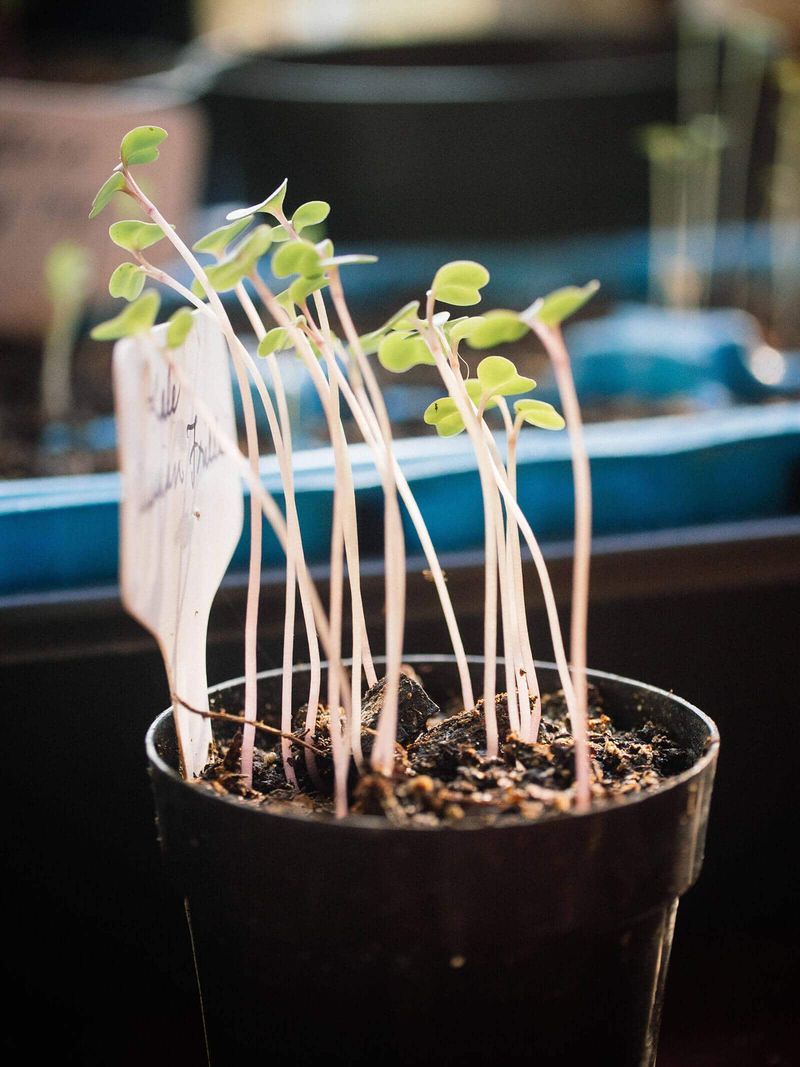
Tomato seedlings grown on a kitchen counter far from the window can turn into skinny green noodles within a couple of weeks. They grow tall and floppy and can barely stand on their own.
Gardeners have a fancy word for this: etiolation. It happens when a plant doesn’t get enough light and responds by stretching its stems fast, hoping to reach brighter conditions.
UC ANR resources on seedlings and houseplants describe this as long, weak stems with lots of space between the leaves. The plant spends its energy on height rather than strength.
Color offers another big clue. Leaves on a light-starved plant are often pale green or yellowish instead of rich and deep.
That paleness comes from reduced chlorophyll, the green pigment plants use to turn sunlight into food. Less light simply means less of it gets made.
A quick look at the internodes, the spaces between leaves on the stem, helps confirm the problem. Gaps much longer than normal for that plant, along with stems that bend easily, make low light a strong suspect.
Nutrient problems can look similar at first glance. A lack of nitrogen also makes leaves pale, but it usually doesn’t cause stretched, spindly stems.
When paleness and stretching show up together, light is very likely the issue. The plant is quietly asking for a brighter home, and a sunnier window or garden spot usually brings quick improvement in new growth.
Leggy Stems Reaching One Direction Reveal Shade Stress
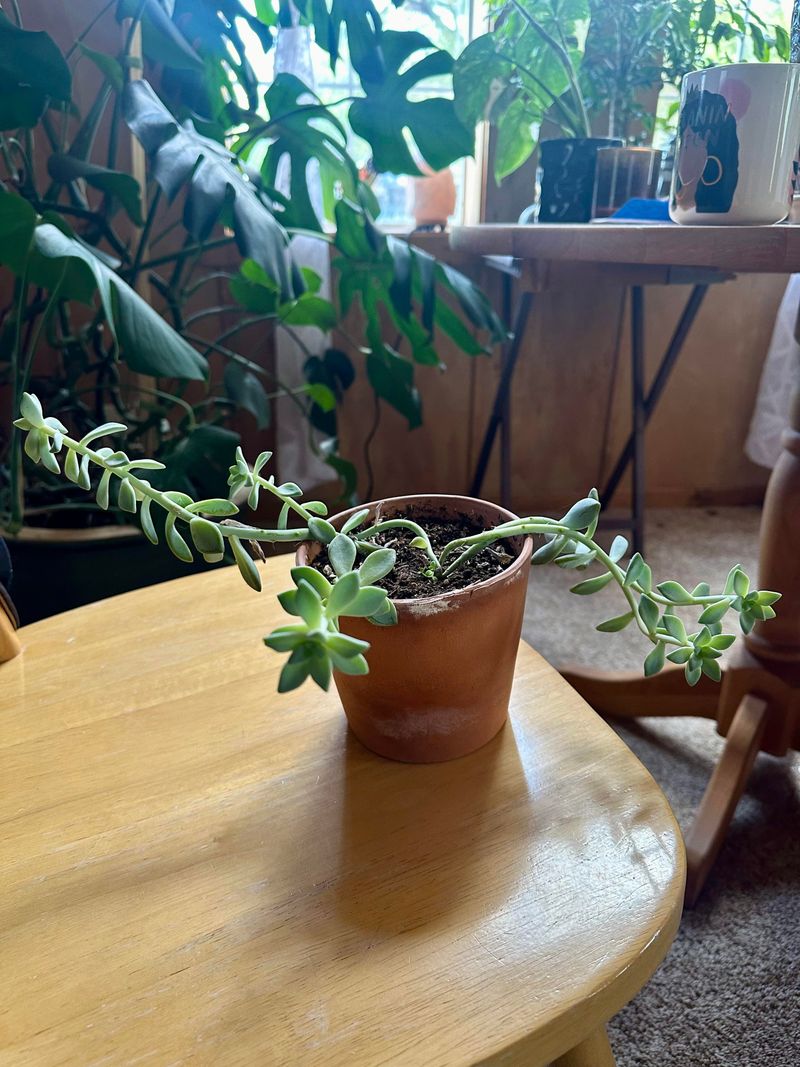
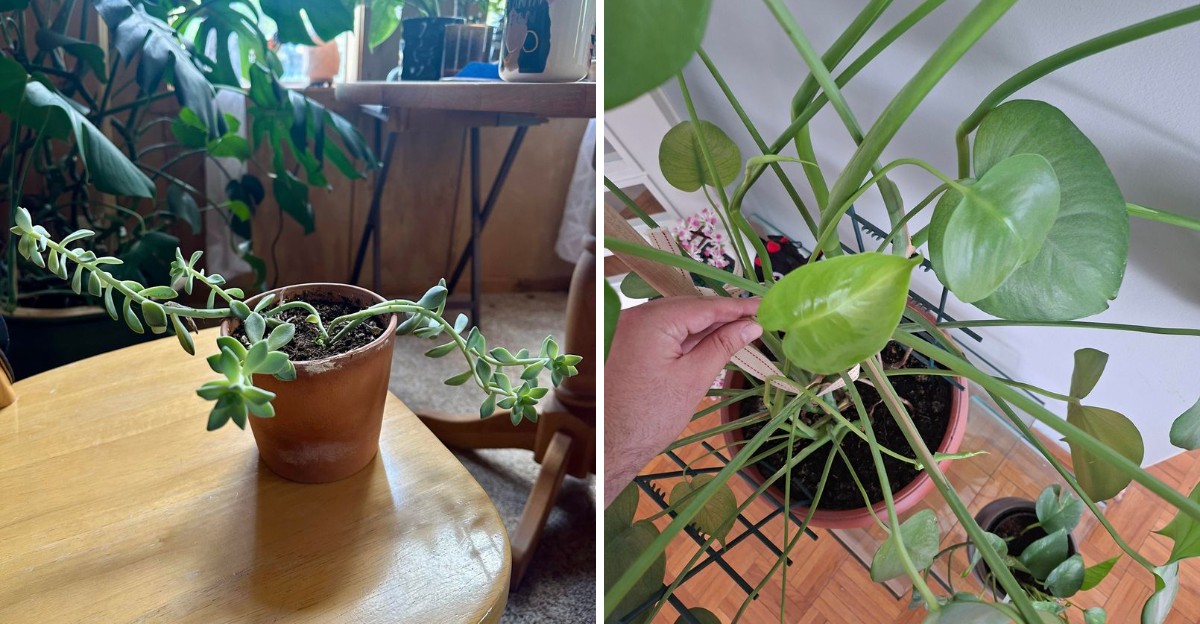
Some plants chase the light like sunflowers, and the lean is easy to spot. A pothos or succulent that looks like it’s trying to climb out the window is sending an important message.
Bending toward light is called phototropism. Cells on the shady side of the stem grow faster, which tips the whole plant toward the brightest spot.
A little lean is normal. A dramatic tilt with long, bare stems, though, signals that the plant isn’t getting enough light overall.
Succulents are famous for this in California homes. A healthy echeveria stays tight and rosette-shaped, but in low light it stretches out, with leaves spaced far apart and the stem curving toward the window.
A quick check reveals a lot. Stems on the leaning side often look longer, and lower leaves may drop away, leaving bare stalks behind.
Leaves facing the room may also look smaller or paler than those facing the light. Those differences confirm that one side of the plant is getting far more light than the other.
Turning the pot a quarter turn every week or so helps even out growth. Rotation only treats the symptom, however, and doesn’t change the total amount of light.
A lean that keeps coming back means the plant needs a brighter overall spot. An east-facing window or a lightly shaded porch often provides the boost it’s been reaching for.
Smaller Leaves Can Signal Insufficient Light
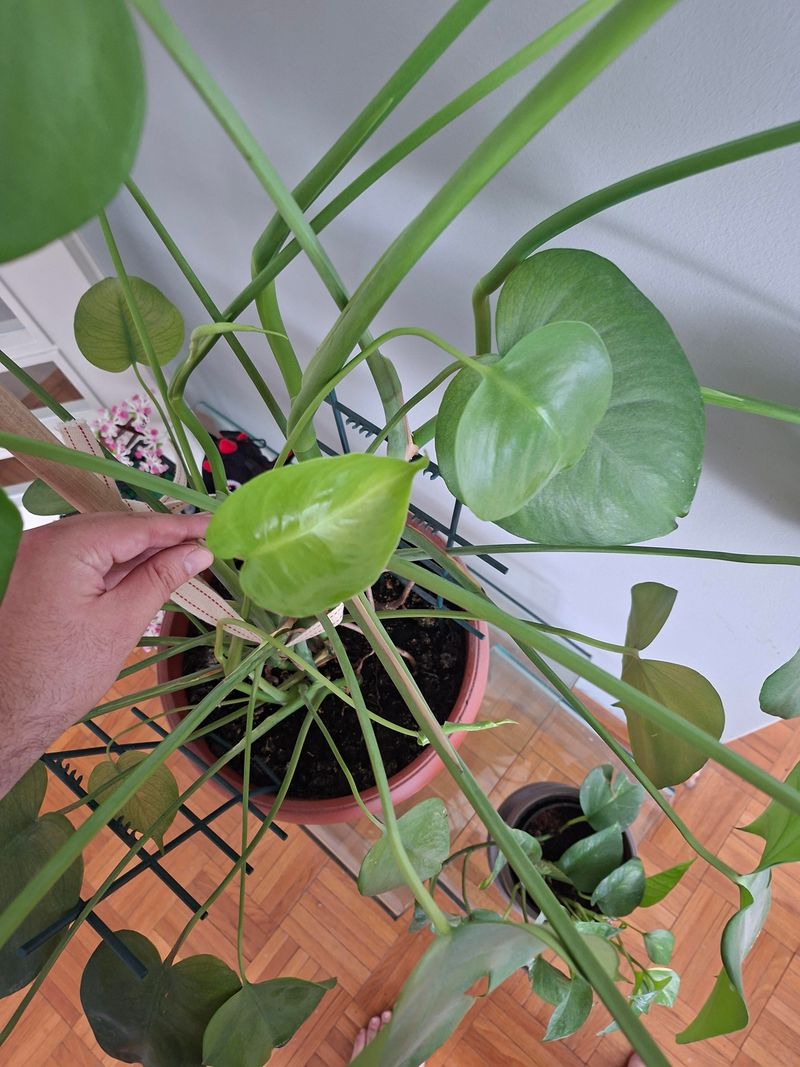
This one surprises many gardeners. Plants in moderate shade sometimes make bigger, thinner leaves to catch more light, yet a plant truly starved for light often ends up making smaller leaves instead.
The difference comes down to energy. Leaves are built using food the plant makes from sunlight, and when light drops too low, there’s simply less to go around.
New leaves may come in noticeably smaller than older ones. They may also look thin and pale.
This sign shows up often under California oaks or along the north side of a house. A rose or lavender planted there might put out tiny leaves and few flowers, even with good soil and regular water.
Sun-loving Mediterranean plants are especially likely to shrink their leaves in heavy shade. Their natural homes are bright, open hillsides, and deep shade is a big change.
This clue calls for some caution, though. Small leaves can also come from root problems, poor soil, drought, or cold weather, and some plants naturally make smaller leaves at certain times of year.
That’s why small leaves work best as a supporting sign. Paleness, stretching, or leaning alongside them makes a much stronger case for a light problem.
Several of these signs on a full-sun plant that gets fewer than about six hours of direct sun usually solve the mystery. A sunnier spot often brings larger, healthier leaves within a season.
Compare New Growth To Older Leaves
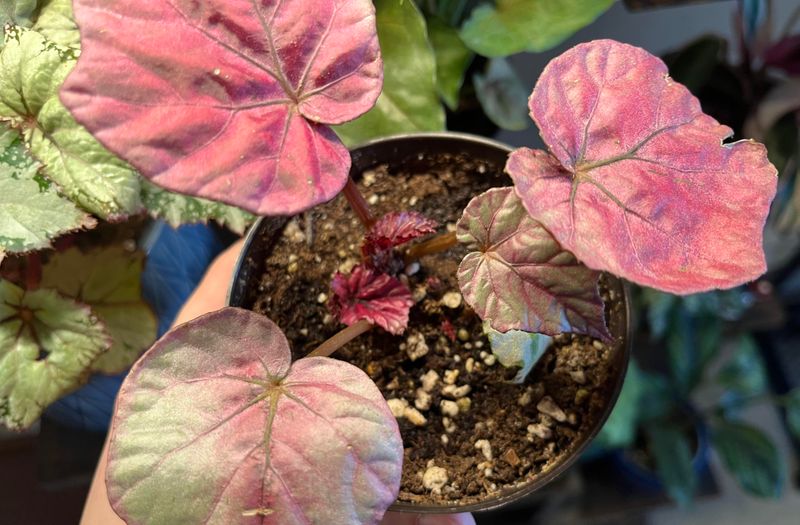
A plant’s leaves work a lot like a photo album. Older leaves show what conditions were like months ago, while the newest ones reveal what’s happening right now.
Comparing the two is one of the easiest detective tricks available. A slow look from the bottom of a stem toward the tip tells much of the story.
Healthy plants usually keep a fairly steady leaf size, color, and spacing. Big changes along the way suggest something shifted, often after a move, a new neighbor plant, or a change in season.
New leaves that are pale, small, and widely spaced suggest the plant now gets too little light. Fresh leaves with bleached spots or crispy edges, while older ones look fine, point toward a recent jump in sun exposure.
The reverse pattern is encouraging. Damaged older leaves on the sunny side paired with healthy new growth often mean the plant has already adjusted.
Damaged leaves won’t turn green again, though. A scorched or bleached leaf stays that way, so old spots that remain aren’t a reason to worry.
Progress is best judged by the new leaves instead. Each fresh one reflects current conditions more accurately than anything older on the plant.
A phone photo every week or two makes tracking even easier. Lined up side by side, those pictures show how clearly a plant tells its story over time.
Move The Plant Gradually, Not All At Once
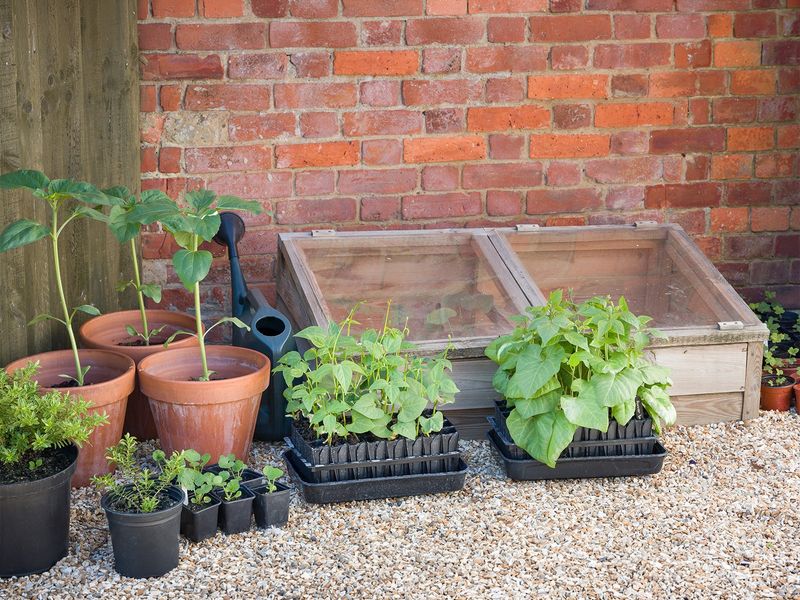
A whole winter indoors followed by six straight hours on the beach would leave just about anyone sunburned. Plants react the same way, and sudden changes in light can cause fresh damage even when the move is the right idea.
UC ANR advice on hardening off seedlings follows this same thinking. Plants raised in lower light have leaves built for those conditions.
Thrown into full California sun all at once, those tender leaves can bleach or scorch within days. A slower transition gives new growth time to adapt.
For a plant that needs more sun, a gradual plan over one to two weeks works well. An hour or two of gentle morning sun makes a good start, with a little more time added every few days.
Afternoon sun in hot inland areas is the strongest. It’s best saved for last, and some plants are happier without it altogether.
The reverse move matters too. A sun-stressed plant shifted straight into deep shade can drop leaves from the shock.
Bright shade or filtered light makes a helpful middle step. For garden plants too established to move, a shade cloth offers similar relief.
New leaves remain the best guide throughout the process. Healthy color and steady size show the transition is on track, and the plant is finally getting the light it was asking for all along.