How To Tell If Your Green Beans Are Thriving Or Stressed In Michigan’s July Heat
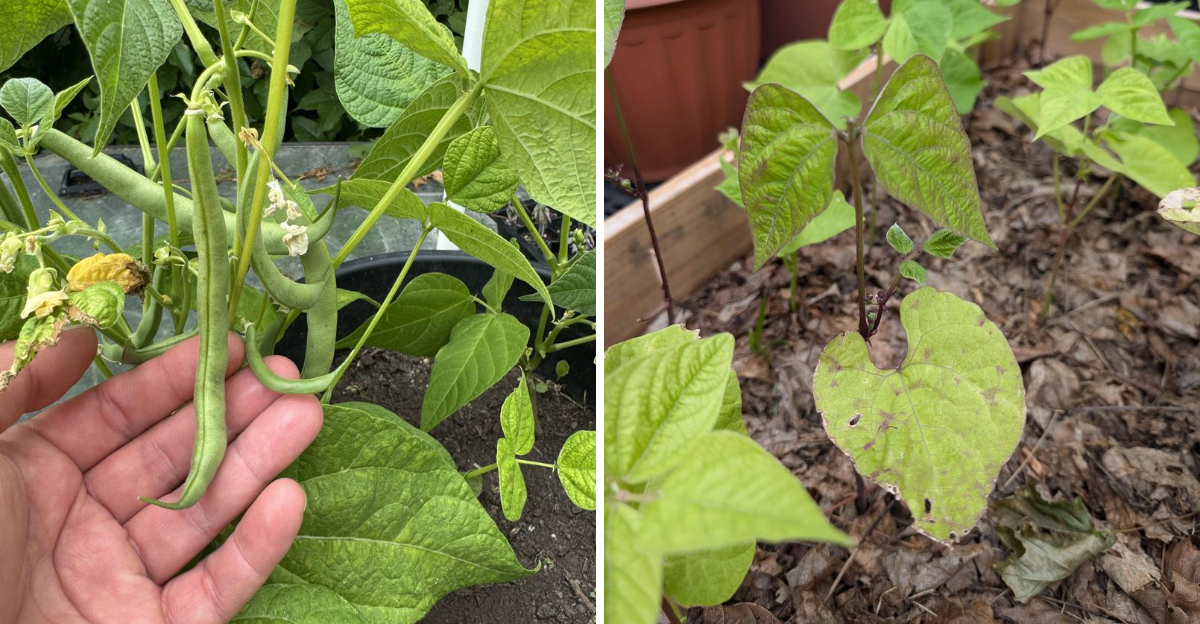
In July, Michigan green beans can look great on top while suffering underneath. You might not notice the stress until the plant suddenly stops producing or the beans taste bad.
Leaf color, pod texture, flowering pattern, and the way new growth emerges at the tips of the plant all tell a more accurate story about what is actually happening than a quick visual scan of the overall planting ever reveals.
Learning to read these specific indicators gives Michigan gardeners the kind of early information that allows real adjustments while the plant still has enough of the season ahead of it to respond and recover fully.
1. Leaves Stay Upright In The Morning
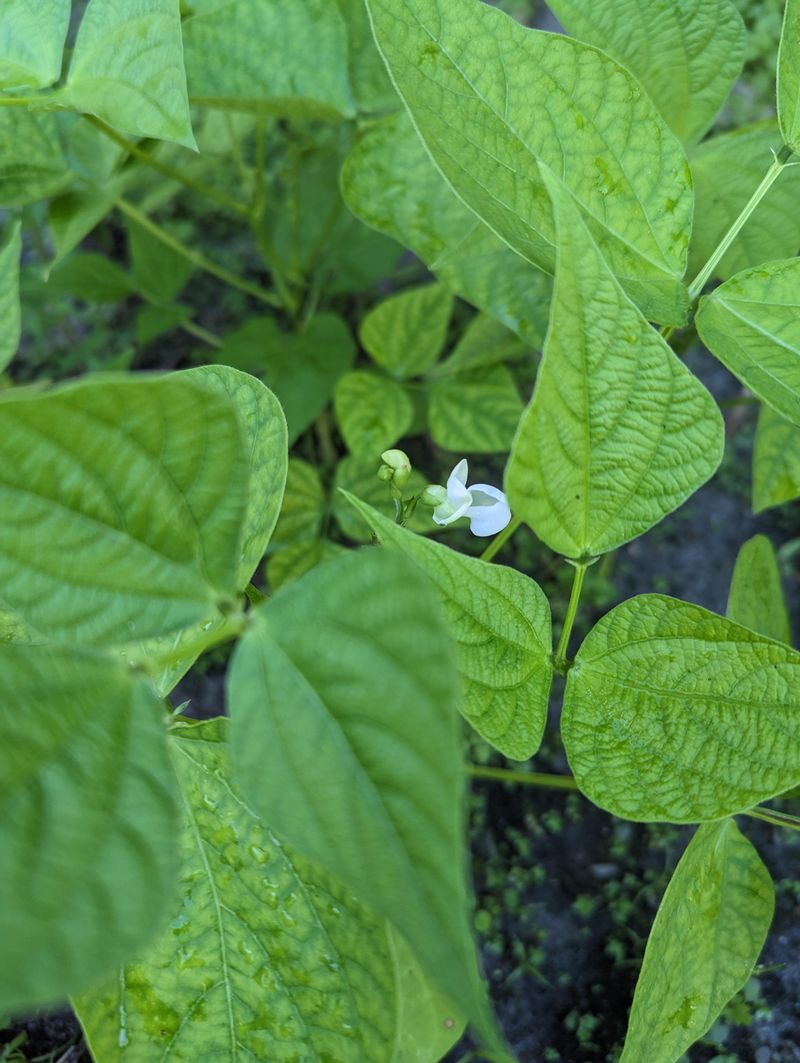
There is something satisfying about walking out to your garden first thing in the morning and seeing your green bean leaves standing tall and proud.
That upright posture is one of the best signs that your plants are in good shape.
When roots are pulling up steady moisture from the soil and the plant is well-fed, leaves hold their position naturally in the cooler morning air.
Michigan July mornings can still feel warm, especially after a hot night, so even healthy plants may look slightly relaxed or soft during the peak afternoon heat. That is completely normal.
The real thing to watch for is whether they bounce back and look fresh again once the evening cools down or the next morning rolls around.
Plants that consistently look perky and upright during the early hours are telling you that their root system is working well and the soil moisture is staying steady. It means your watering schedule is probably on track.
Roots that have access to deep, even moisture can keep the plant fueled through even the hottest Michigan afternoons without much trouble.
A quick morning check takes about two minutes and gives you a reliable snapshot of overall plant health.
Walk your rows slowly, look at the angle of the leaves, and notice whether the plants look lively or droopy.
Building that simple habit into your routine means you will catch small problems before they grow into bigger ones, and your harvest will thank you for it.
2. Leaves Stay Limp After The Sun Eases
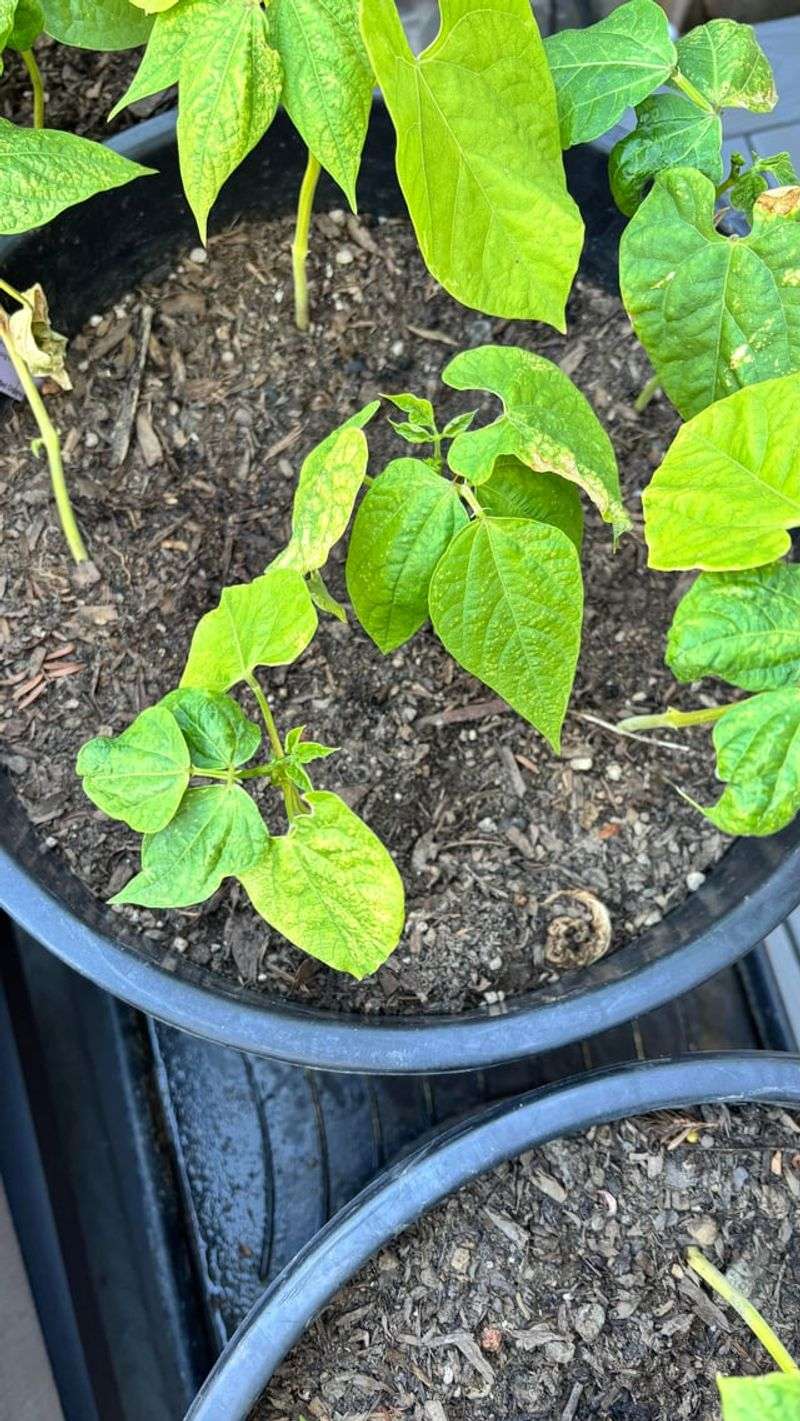
Most gardeners expect their green beans to wilt a little during the hottest part of a Michigan July afternoon, and that is fair. Heat causes temporary wilting even in perfectly healthy plants.
The real warning sign shows up when those same leaves are still limp and hanging low after the sun starts to ease up in the early evening. Leaves that stay droopy well past sunset are telling you something is off below the surface.
One of the most common causes is uneven watering, where the top inch of soil gets wet but the moisture never reaches the root zone four to six inches down.
Shallow watering trains roots to stay near the surface, where they are far more vulnerable to heat and dry spells. Compacted soil is another culprit that often gets overlooked.
Your Michigan Garden Changes Every Week. Your Plan Should Too.
Gardening in Michigan changes quickly throughout the season. Every Friday you’ll receive a simple weekly plan showing exactly what to plant, prune, fertilize, harvest, and protect so you never miss the right timing.
When garden beds get walked on or stay packed from heavy rain, water has a harder time moving down to where the roots actually need it.
Roots in compacted soil also struggle to spread out and find moisture on their own, which puts the whole plant under stress during hot weather.
If you notice persistent evening limpness, check your watering depth first by pushing a finger or thin stick into the soil. Also feel around the base of the plant to see if the ground feels crusty or packed.
Loosening the soil slightly and watering more slowly and deeply can make a noticeable difference within just a day or two.
3. Soil Feels Moist Four To Six Inches Deep
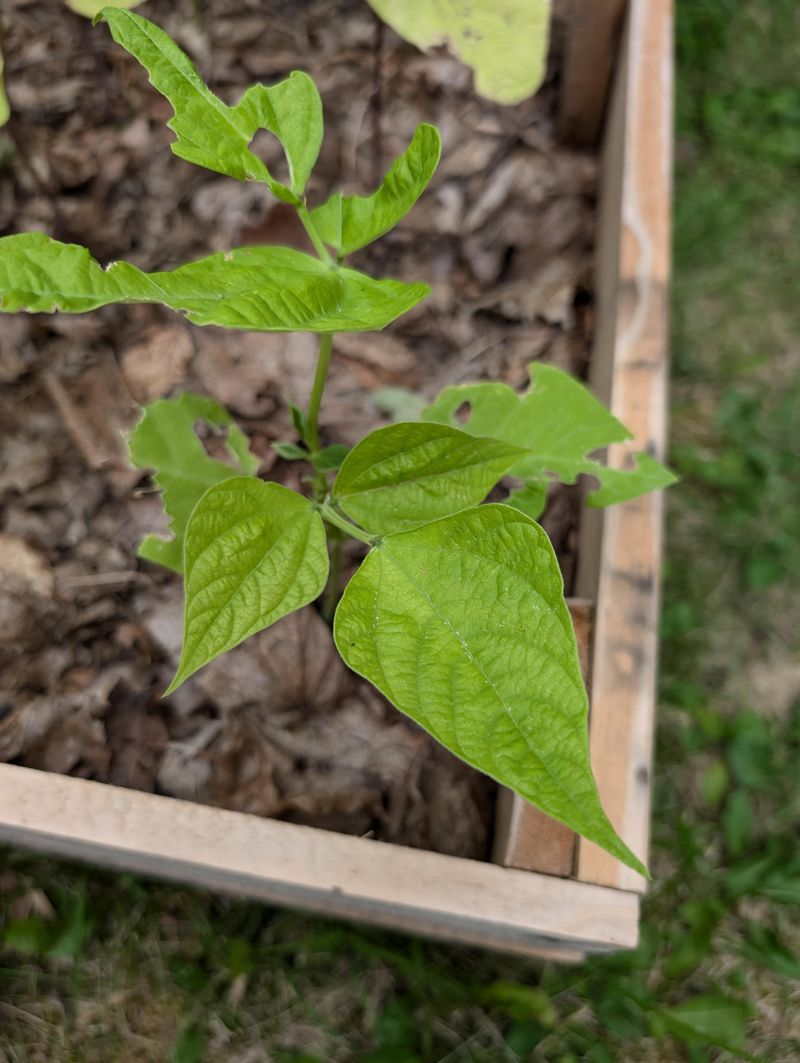
Surface soil can trick you.
On a hot Michigan July afternoon, the top layer of your garden bed can look bone dry and crumbly, making you think your plants are desperate for water, when in reality the root zone a few inches down is still holding plenty of moisture.
Watering based only on how the surface looks is one of the most common mistakes home gardeners make.
Green bean roots typically sit between four and six inches deep in well-prepared garden soil. That zone is where you want to keep consistent moisture during the summer.
The easiest way to check is to push your finger straight down into the soil beside a plant. If the soil feels cool and slightly damp at that depth, your beans are probably doing just fine even if the surface looks dry.
Checking that depth before every watering session helps you avoid overwatering too, which can cause its own set of problems.
Waterlogged soil pushes oxygen out of the root zone and can lead to root issues that stress your plants just as much as dry conditions.
Healthy roots need both moisture and air to keep working properly through the heat. A simple soil moisture meter is a handy tool for this if you want something more precise than the finger test. They are inexpensive and easy to use.
Whichever method you choose, making soil depth checks a regular part of your garden routine will help your green beans stay strong and productive all the way through Michigan’s hottest weeks.
4. Flowers Keep Opening And Pods Keep Setting
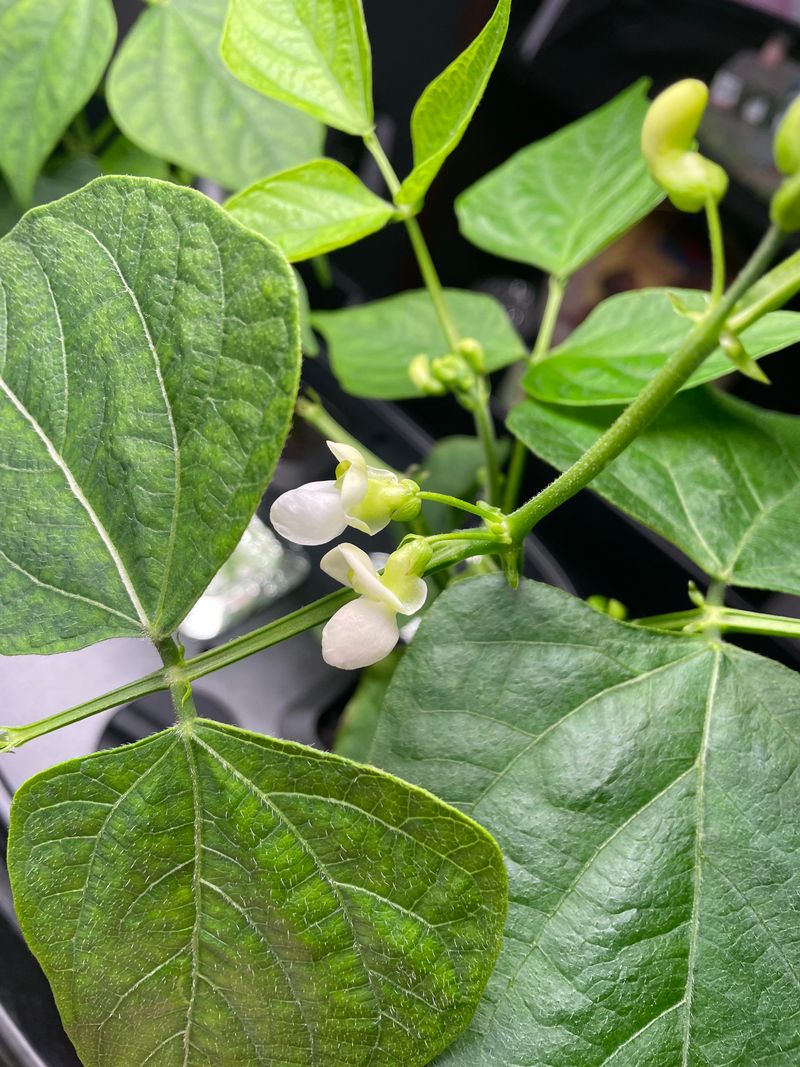
Watching new flowers open on your green bean plants during a hot Michigan July is genuinely exciting, and it means more than just good looks.
Consistent flowering is one of the clearest signs that your plants have enough energy and moisture to keep growing and producing.
When beans are thriving, they push out new blooms regularly, and those blooms turn into pods within just a few days.
Heat stress is one of the main reasons flowers drop before setting pods. Green beans are particularly sensitive to temperatures above 85 to 90 degrees Fahrenheit during flowering.
When the air stays that hot for several days in a row, especially overnight, pollen can become less effective and the plant may shed flowers rather than put energy into forming pods.
Watching how many flowers actually turn into young pods gives you a real-time picture of how your plants are handling the heat.
Steady pod set usually means your watering is consistent and your plants are not struggling to survive.
A plant under serious stress shifts its energy away from reproduction and toward basic survival, which shows up as fewer pods, more flower drop, and slower overall growth.
If you see a lot of empty stems where flowers used to be, that is a clear signal to check your watering and consider whether your plants need a little afternoon shade during the peak heat hours.
Mulching around the base of your plants can also help stabilize soil temperature, which supports better flowering and pod development through the hottest stretches of the season.
5. Pods Look Firm, Smooth, And Tender
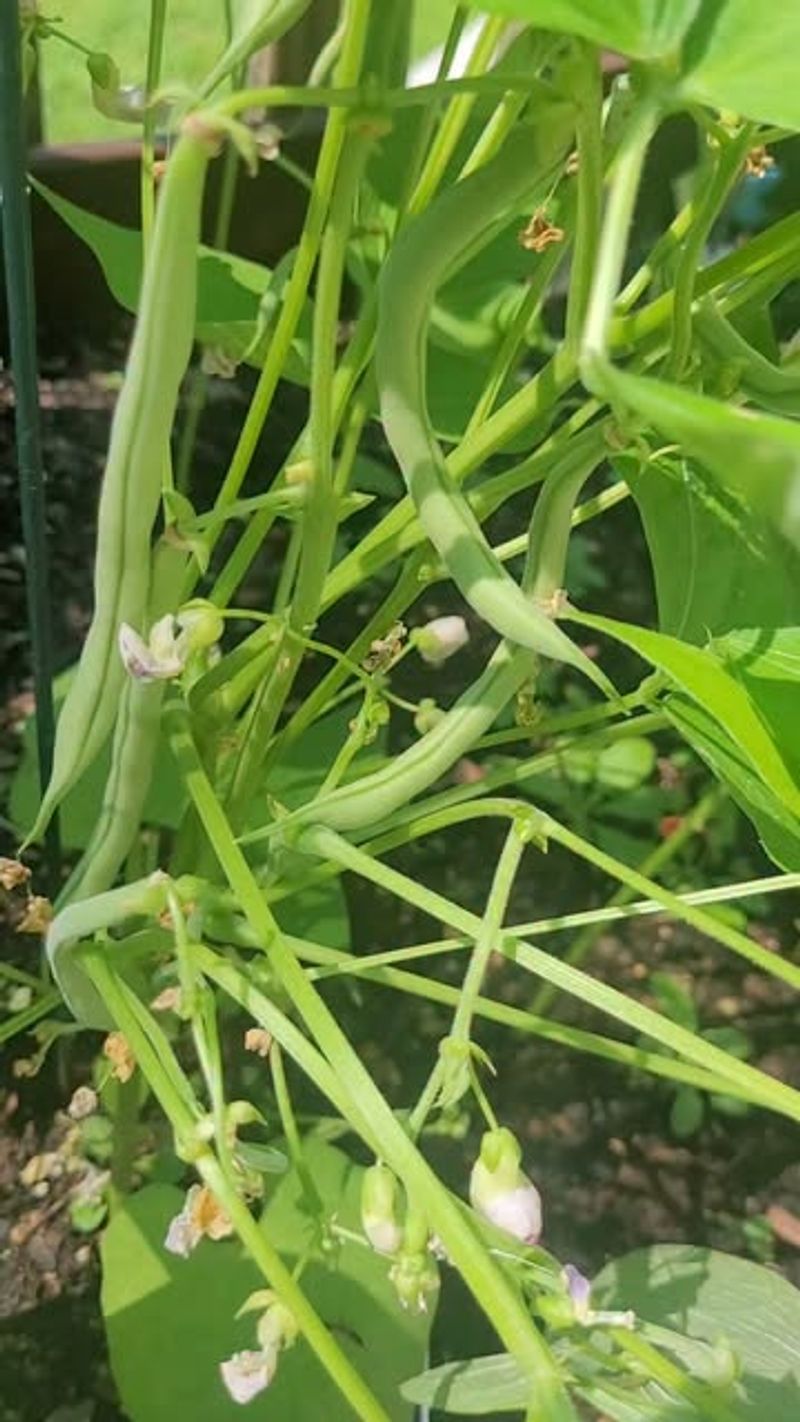
Picking a green bean and feeling it snap cleanly in your hand is one of those small garden joys that never gets old.
Firm, smooth, tender pods are the gold standard for healthy green beans, and they tell you a lot about what was happening in the soil and air during the weeks those pods were forming.
When plants have steady moisture and consistent nutrition, they produce pods that are plump, bright green, and easy to snap.
Stress during the flowering and early pod-sizing stage often shows up in the quality of the pods themselves.
Beans that went through a dry spell or extreme heat while they were sizing up tend to come out tough, stringy, or slightly curled.
Some may be smaller than normal or have a rough, bumpy texture instead of that smooth, even surface you want. These are not just cosmetic issues.
They are signs that the plant was struggling to keep up with demand during a critical growth window.
Checking your pods regularly while they are still on the plant is a great habit to build. Run your fingers along a few pods every couple of days. Feel for firmness and smoothness.
If pods start feeling rubbery or look like they are curling at the tips, increase your watering depth and check whether your mulch layer is thick enough to hold soil moisture through the heat of the day.
Harvesting pods at the right size, before they get too large and fibrous, also encourages the plant to keep producing fresh new pods all season long.
6. Leaves Stay Evenly Green Without Crispy Edges
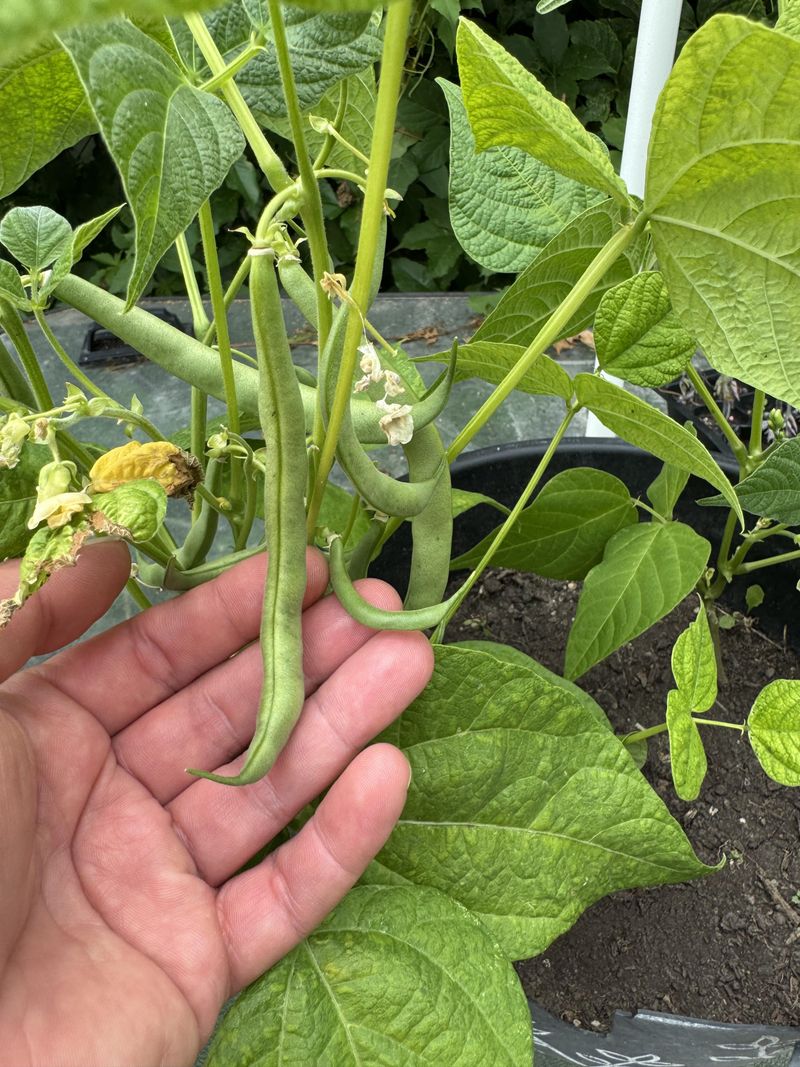
Leaf color is one of the most honest health reports your green bean plants can give you.
When everything is going well, the leaves across your entire plant should look a consistent, medium to deep green from the base all the way up to the newest growth.
That even color means the plant is getting what it needs in terms of water, nutrients, and sunlight without too much stress from the heat.
Pale or yellowish leaves are often a sign of nitrogen deficiency or inconsistent watering. Brown, crispy edges are a classic symptom of heat stress or moisture loss happening faster than the roots can replace it.
Scorched-looking leaf tips, where the very ends of the leaves turn tan or papery, usually point to a combination of high temperatures and dry root zones working against each other during Michigan’s hottest weeks.
Leaf curl is another thing to watch for. When leaves start curling inward along their edges, the plant is trying to reduce the surface area exposed to the sun to slow down moisture loss.
It is a smart survival strategy, but it also tells you the plant is working harder than it should have to.
Catching these signs early gives you a real chance to correct the problem before it affects your pod production.
Adding a balanced vegetable fertilizer mid-season and keeping your watering consistent and deep can help bring leaf color back on track.
Healthy, evenly green leaves mean your plant is photosynthesizing well and building the energy it needs to keep producing pods right through the heat.
7. Plants Have Space For Air And Sun
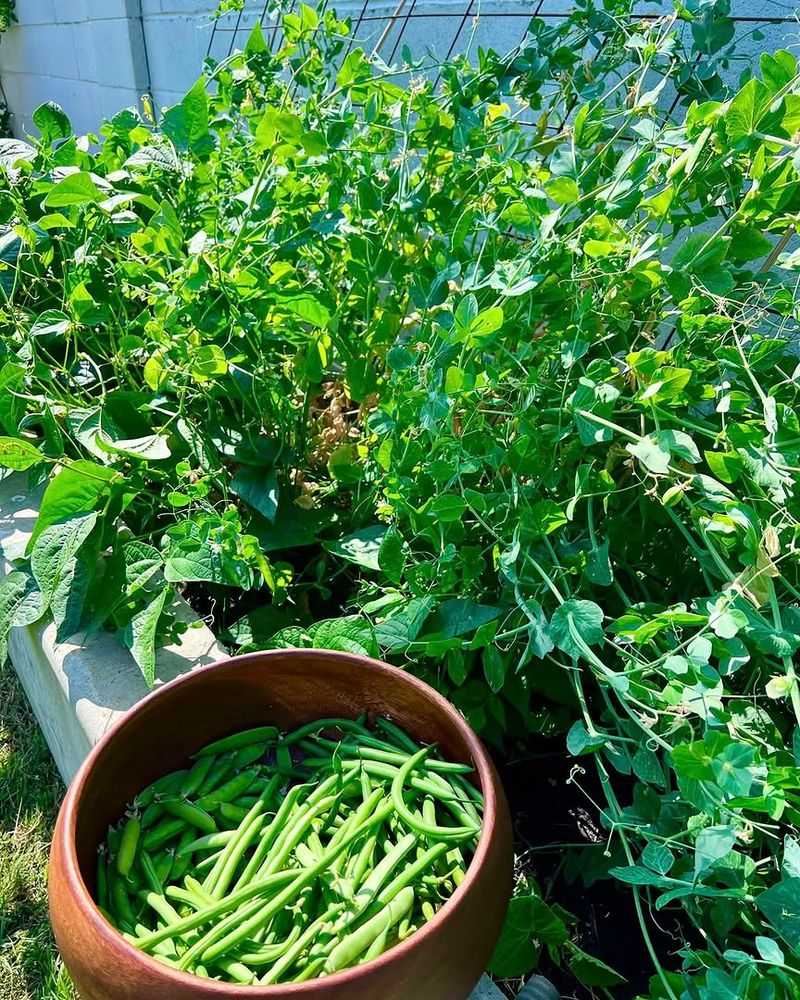
Spacing might not be the first thing you think about when checking on your green beans in the July heat, but it plays a bigger role in plant health than most people realize.
Plants that have enough room between them get better airflow, which helps leaves dry out faster after rain or watering and reduces the chance of fungal problems taking hold during humid Michigan summers.
Good spacing also means each plant gets its fair share of direct sunlight. Green beans are sun lovers and need at least six to eight hours of full sun each day to produce well.
When plants crowd each other, the ones in the middle or on the shaded side start to stretch toward the light instead of putting energy into flowers and pods.
That kind of competition slows growth and can make already heat-stressed plants fall behind even faster.
The recommended spacing for bush green beans is generally about four to six inches between plants within a row, with rows about eighteen inches apart.
For pole beans, giving each plant a little more room and a sturdy support structure makes a noticeable difference in how well they handle summer stress.
Crowded plants also tend to hold moisture against their stems for longer, which creates conditions that roots and lower leaves do not love.
If you notice your plants are too close together, thinning a few out now can actually help the remaining plants perform better for the rest of the season.
More space means more resources per plant, and that translates directly into a better harvest from your Michigan garden.
8. Weeds Are Not Competing Around The Roots
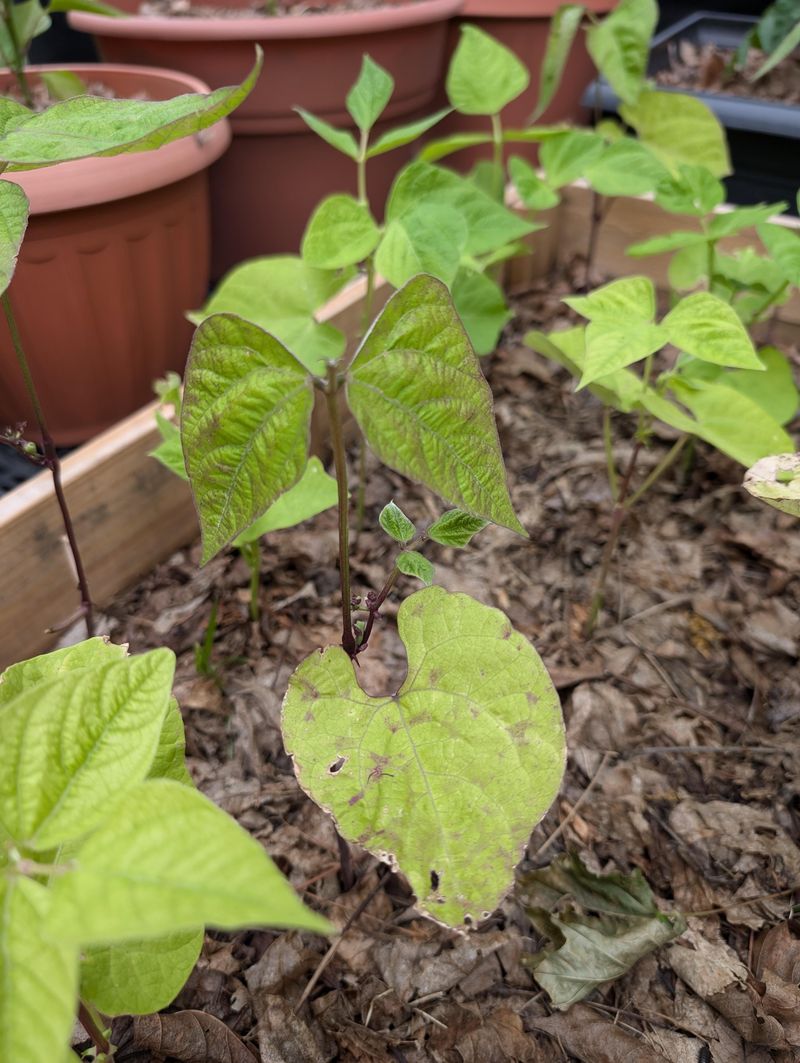
Weeds are quiet competitors, and they are surprisingly aggressive during Michigan’s warm, wet July weather.
A patch of garden that looks mostly clean can still have enough weed growth around the base of your green beans to pull away a meaningful amount of water and nutrients before your plants ever get a chance to use them.
Keeping the area around your beans clear is one of the simplest things you can do to help them handle the heat.
The competition for water is the biggest concern during a hot summer. Weeds near the root zone of your beans are drinking from the same moisture supply your plants depend on.
After a watering session, that moisture gets divided between your beans and whatever weeds have taken hold nearby.
During a stretch of hot, dry weather, that competition can push your beans into stress faster than you might expect, especially if the weeds are large and well-established.
Beyond water, weeds also compete for nutrients and can block light from reaching the lower leaves of your bean plants.
Some weeds grow quickly enough to shade smaller plants or create humid, stagnant air pockets near the soil surface, which is not ideal for plant health in summer heat.
A light layer of straw or wood chip mulch applied after your plants are a few inches tall works really well for keeping weeds down and holding soil moisture at the same time.
Two to three inches of mulch around the base of your plants, kept a little away from the stems, can make a noticeable difference in how your beans perform through the hottest part of the Michigan growing season.