Michigan Shrubs That Look Their Best In August And Require Almost No Care
August is when the garden maintenance calendar starts feeling like a burden, and the shrubs that carry a Michigan landscape through that stretch without demanding anything in return earn a level of loyalty that flashier spring bloomers rarely inspire.
A specific group of shrubs saves their best display for exactly this month, producing color, texture, and visual presence while the rest of the garden trends toward exhaustion.
They did not look spectacular in May, and they did not compete for attention in June. August is their season, and gardeners who planned for it have something worth showing off precisely when everyone else is apologizing for how their yard looks.
1. Smooth Hydrangea
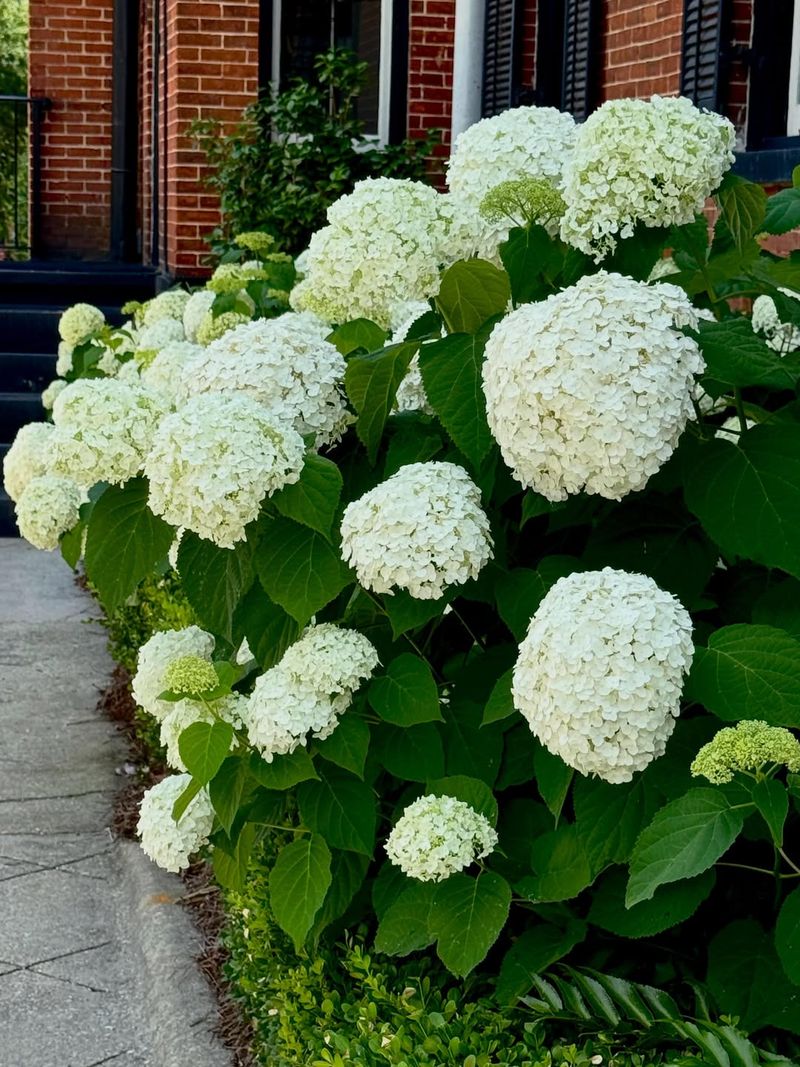
There is something wonderfully reliable about smooth hydrangea. Every August, without much fuss, it delivers enormous rounded clusters of white flowers that can reach eight to twelve inches across.
The blooms have a clean, classic look that works in both formal garden beds and casual cottage-style yards, and they hold their shape beautifully even as they age and dry.
Smooth hydrangea is native to eastern North America, which means it evolved to handle conditions that gardeners in Michigan deal with every year.
It tolerates clay soil better than most ornamental shrubs, manages part shade without skipping a bloom cycle, and bounces back from hard winters reliably.
Because it flowers on new wood, even if stems get damaged by cold, fresh growth in spring still produces a full flower display by summer.
Planting it in moist, well-drained soil gives the best results, though it adjusts to a range of conditions once established. Water it regularly during the first growing season to help roots settle in.
After that, it becomes much more self-sufficient, needing only occasional attention during very dry stretches.
Pruning is simple and actually beneficial. Cut stems back hard in late winter or very early spring, and the plant will respond with strong new growth and bigger flower heads.
Annabelle is the classic variety most gardeners know, but Incrediball and Invincibelle Spirit offer improved stem strength and rosy pink tones. Smooth hydrangea is low-maintenance gardening at its most rewarding.
2. Shrubby St. Johns Wort
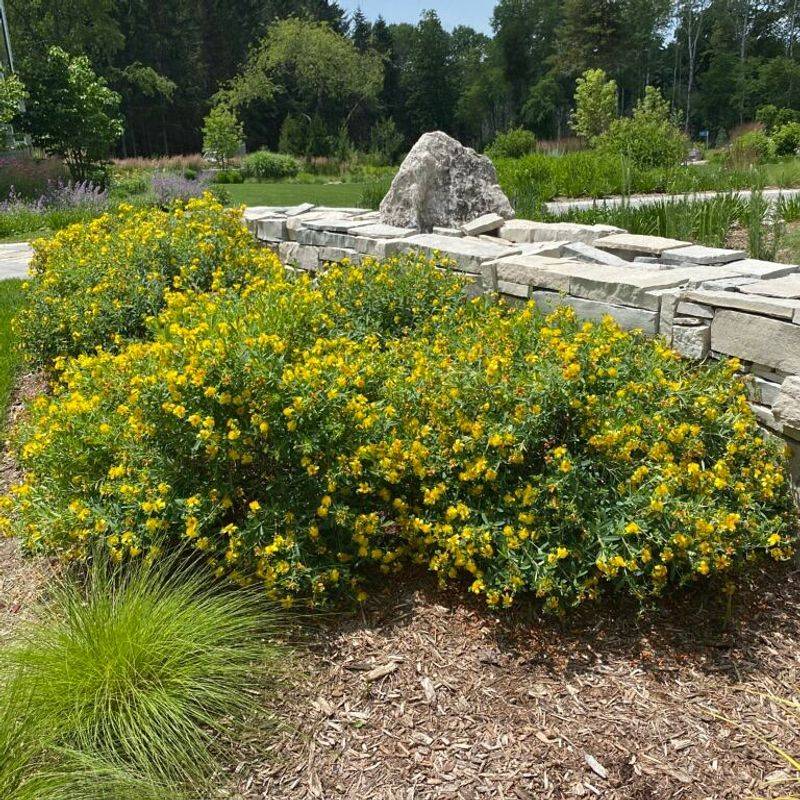
Bright yellow flowers in August are not as common as you might think, which is exactly why shrubby St. Johns Wort stands out so well.
This compact native shrub produces cheerful, five-petaled golden blooms from midsummer right into late August, lighting up sunny borders and slopes with warm color at a time when many other plants are past their peak.
Originally found growing wild across Michigan and much of eastern North America, this plant is built for tough conditions. Once established, it handles drought without wilting, tolerates poor or sandy soils, and grows happily in full sun or light partial shade.
Slopes, road edges, dry garden beds, and sunny naturalistic plantings are all ideal spots where this shrub genuinely earns its keep.
Growing two to three feet tall and spreading slightly wider, shrubby St. Johns Wort fits neatly into smaller spaces without overwhelming nearby plants.
Your Michigan Garden Changes Every Week. Your Plan Should Too.
Gardening in Michigan changes quickly throughout the season. Every Friday you’ll receive a simple weekly plan showing exactly what to plant, prune, fertilize, harvest, and protect so you never miss the right timing.
Its fine-textured blue-green foliage looks tidy through the whole season, and the seed capsules that follow the flowers add subtle autumn interest before the leaves drop.
Routine care is minimal. No deadheading is needed, and fertilizing is rarely necessary if the plant is in decent soil.
A light trim in early spring helps maintain a tidy, rounded shape and encourages fresh new growth. Pest and disease problems are almost unheard of with this shrub.
For gardeners who want a pop of reliable late-summer color without the maintenance demands, shrubby St. Johns Wort is an easy, cheerful answer.
3. Bush Cinquefoil
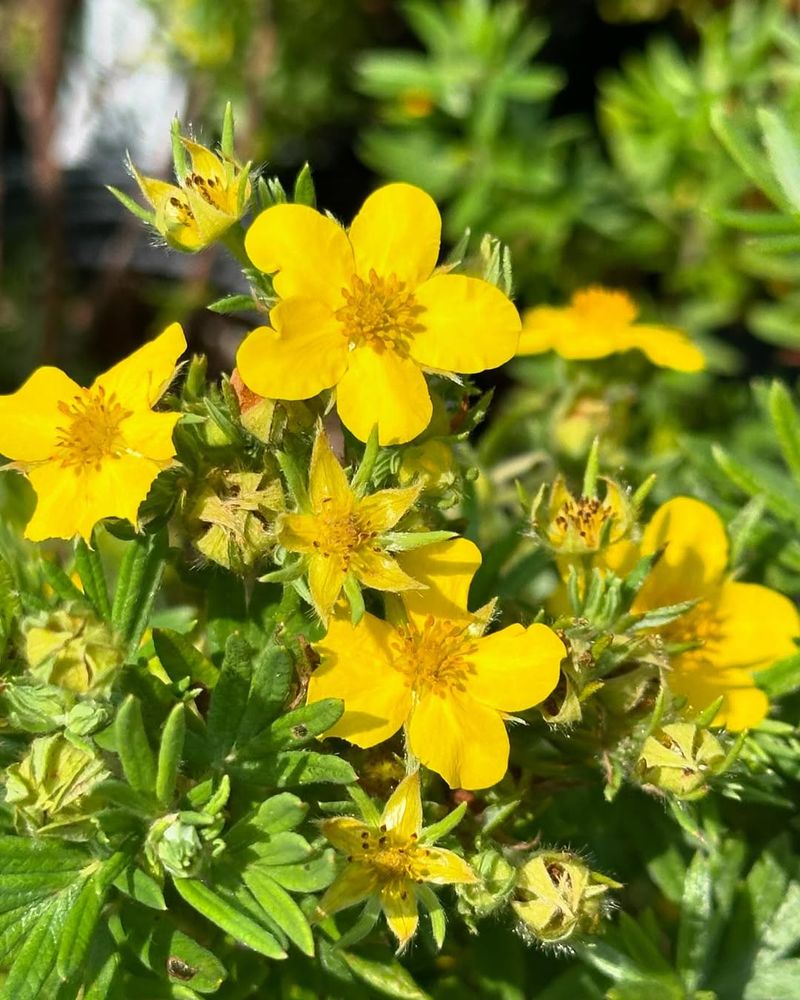
Bush cinquefoil has been earning fans in Michigan gardens for decades, and it is easy to understand why.
This compact shrub blooms almost nonstop from late spring straight through August and sometimes into September, producing small, cheerful flowers that look like tiny wild roses.
Yellow is the most classic color, but modern varieties come in white, cream, soft orange, and peachy pink, giving gardeners plenty of options to match any palette.
Toughness is genuinely one of this shrub’s best qualities. Bush cinquefoil is extremely cold-hardy, handling Michigan winters without any protection.
It tolerates drought once established, grows in a wide range of soils from sandy to clay, and does not demand rich or amended ground to perform well. Full sun brings out the best bloom production, though it manages light shade without completely shutting down.
Sizes vary by variety, but most bush cinquefoils grow two to four feet tall and wide, making them ideal for low borders, foundation plantings, and mass plantings along fences or driveways.
The fine-textured foliage stays fresh and green through the whole growing season, providing a clean backdrop for the constant flower show.
Maintenance is honestly minimal. Deadheading is not required, and the plant rarely needs supplemental watering after its first year in the ground.
A gentle shaping trim in early spring keeps it looking neat and encourages vigorous new growth. For a sunny spot that needs reliable color from June through August with almost zero weekly effort, bush cinquefoil is a smart, satisfying choice.
4. Common Ninebark
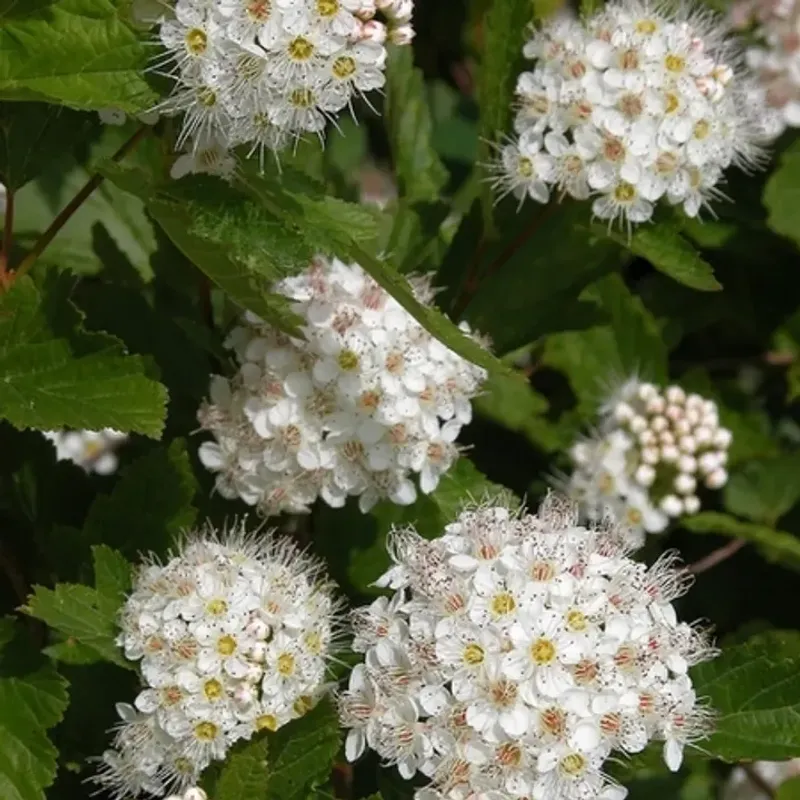
Common ninebark earns its place in August gardens not through flowers but through sheer foliage presence.
By midsummer, most spring-blooming shrubs have gone quiet, but ninebark keeps delivering bold color right through the hottest months.
Dark-leafed varieties like Diablo and Summer Wine hold their rich burgundy tones well into fall, while gold-leafed types like Dart’s Gold glow warm yellow-green against darker plants.
This shrub is a true Michigan native, growing naturally along stream banks and woodland edges throughout the state. That native toughness means it handles a wide range of garden conditions without complaint.
Heavy clay, sandy soil, full sun, part shade, wet seasons, dry spells, ninebark pushes through it all and keeps growing. It is the kind of plant that rewards neglect rather than punishing it.
Ninebark grows vigorously, typically reaching six to ten feet tall depending on the variety, so it works well as a background shrub, a privacy screen, or a bold anchor in a mixed border.
The peeling, cinnamon-colored bark adds quiet winter interest after the leaves fall, giving the plant a full four-season presence that few shrubs can match.
Pruning is simple. Remove a few of the oldest stems at the base every two or three years to keep the plant looking fresh and full.
Beyond that, ninebark needs very little attention once it is settled in. For a Michigan garden that needs structure, color, and reliability through late summer with almost no weekly maintenance, common ninebark delivers everything you could ask for.
5. Panicle Hydrangea
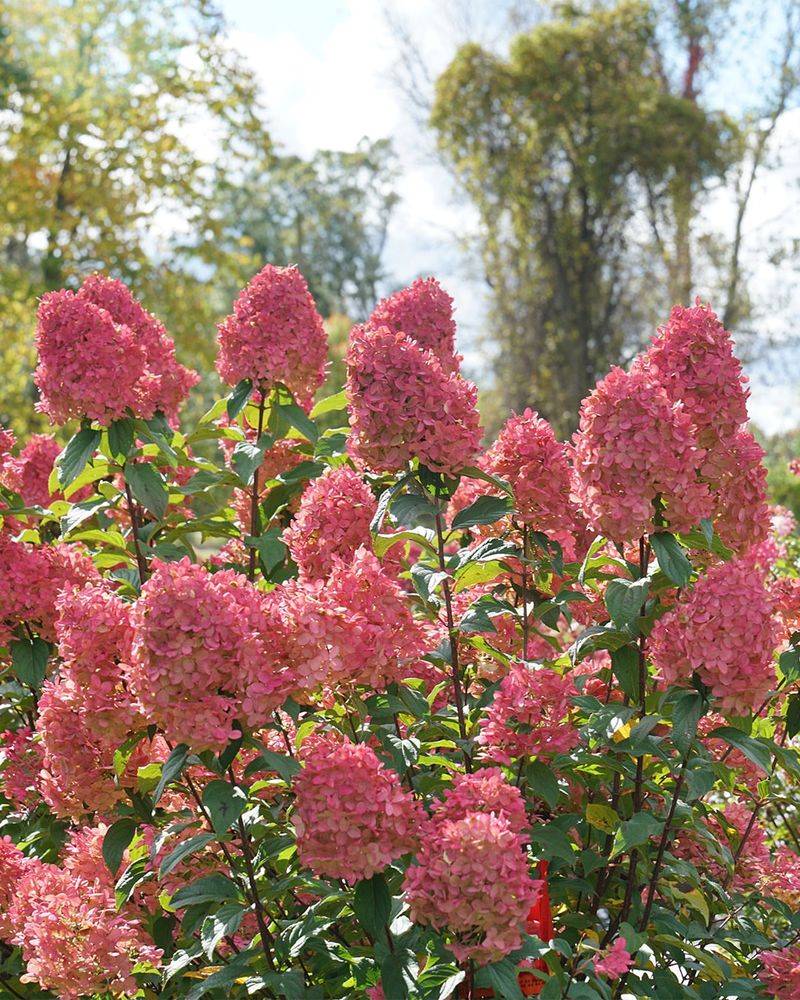
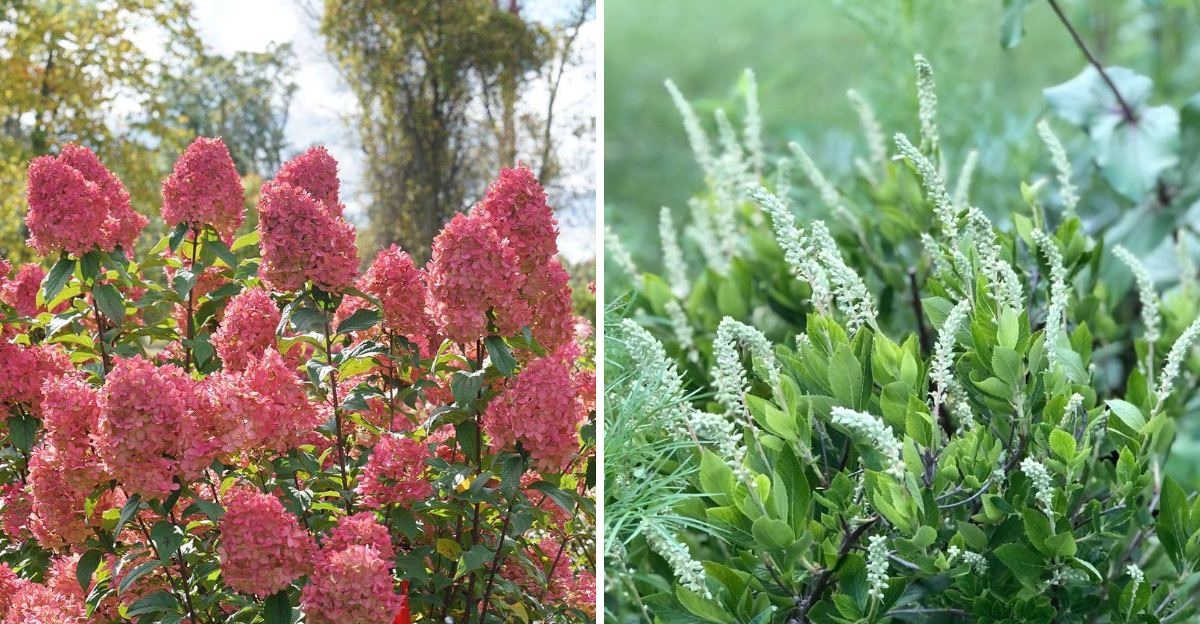
Few shrubs make as bold a statement in August as panicle hydrangea. Those massive cone-shaped flower clusters can reach up to 18 inches long, turning heads from across the yard.
They open creamy white in midsummer and gradually blush pink as the season shifts, giving you a slow, beautiful color show that lasts for weeks.
One of the biggest reasons Michigan gardeners love this shrub is its toughness. Panicle hydrangea is the most cold-hardy hydrangea species available, handling Michigan winters without complaint.
Unlike some hydrangeas that bloom on old wood and suffer when late frosts hit, this one blooms on new growth every single year, so you get reliable flowers no matter what the previous winter threw at it.
Planting is straightforward. Choose a spot with full sun to light shade and make sure the soil drains reasonably well.
Once established, panicle hydrangea handles summer dry spells better than most hydrangeas, needing only occasional deep watering during extended heat.
It grows vigorously but stays manageable with a simple late-winter trim before new growth begins.
Popular varieties like Limelight, Quick Fire, and Bobo offer different sizes, so whether you have a small urban garden or a wide open landscape, there is a panicle hydrangea that fits.
This shrub delivers stunning late-summer drama with almost no weekly effort, making it one of the smartest investments any Michigan gardener can make for long-season beauty.
6. Buttonbush
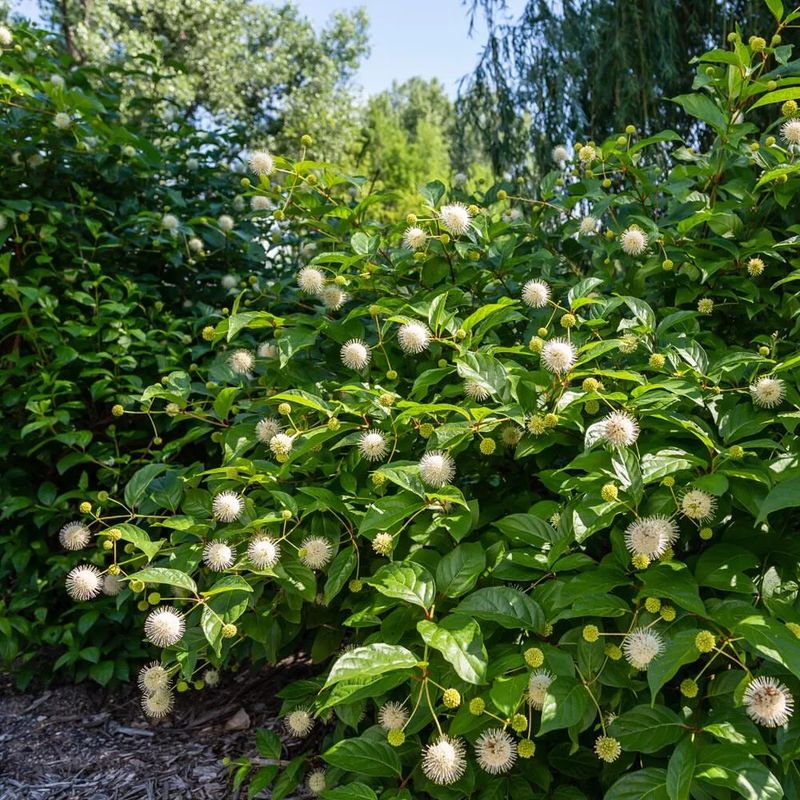
Buttonbush is one of those shrubs that looks like something from another world when it blooms. The flowers are perfectly round white spheres covered in tiny protruding stamens, resembling a botanical pincushion or a tiny firework frozen mid-burst.
They appear in July and carry right through August, attracting an impressive parade of bees, butterflies, and hummingbirds that make the garden feel wonderfully wild and alive.
This Michigan native is built specifically for wet conditions. Buttonbush grows naturally along rivers, pond edges, marshes, and floodplains across the state, meaning it genuinely thrives in spots that would waterlog most other shrubs.
Rain gardens, boggy low areas, and shoreline plantings are all perfect homes for this plant. Placing it somewhere with consistently moist or even seasonally flooded soil is the key to keeping it happy and low-maintenance long-term.
Beyond the flowers, buttonbush offers glossy, attractive foliage that stays fresh through summer, and the small round seed heads that follow the blooms bring textural interest into late August and September.
Birds, particularly waterfowl and songbirds, feed on those seeds, adding another layer of wildlife value to an already impressive plant.
In the right spot, buttonbush is genuinely low-effort. It handles full sun and part shade, rarely needs fertilizing, and grows at a moderate pace to about six to twelve feet tall.
If your yard has a wet problem area that nothing else seems to tolerate, buttonbush turns that challenge into one of the most interesting and ecologically rich corners of your entire garden.
7. Summersweet Clethra
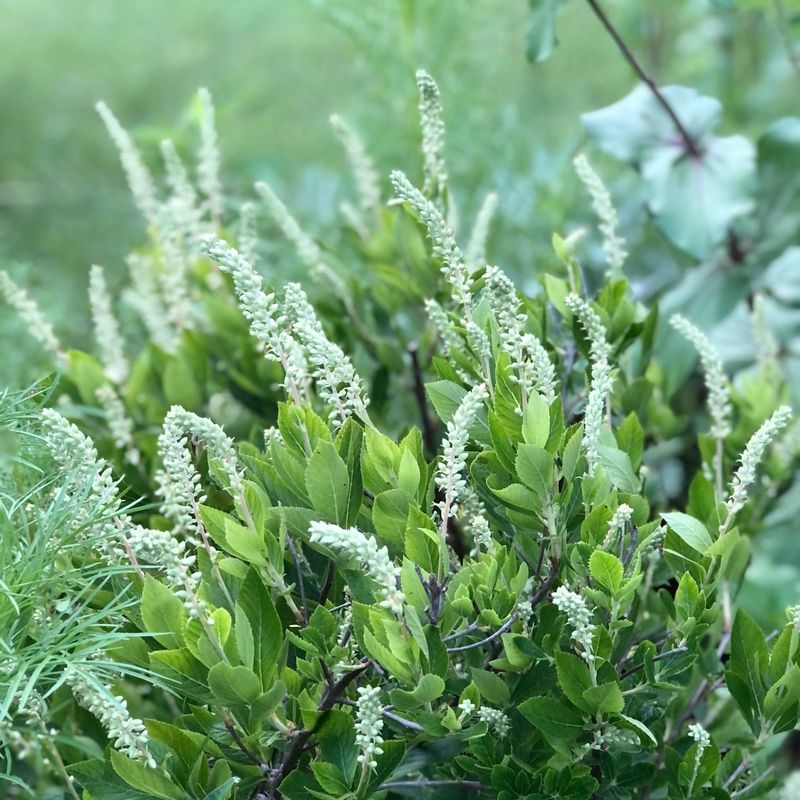
Walk past a summersweet clethra in August and you will stop in your tracks. The fragrance from its slender white or soft pink flower spikes is genuinely sweet, almost like a light vanilla mixed with spice.
Bees and butterflies absolutely swarm this shrub when it blooms, making your garden feel alive with movement and buzzing energy.
What makes summersweet especially valuable in Michigan is where it thrives. Most flowering shrubs want dry, well-drained soil and full sun, but summersweet actually prefers moist soil and handles part shade with ease.
That makes it a top pick for rain gardens, low spots in the yard, woodland edges, and areas near downspouts where water tends to collect. Instead of fighting your landscape, this shrub works with it.
Care is refreshingly simple. Once planted in the right spot, summersweet largely takes care of itself.
It spreads slowly by suckers to form a natural colony, which works beautifully in naturalistic or informal garden designs. If you want a tidier look, just remove the outermost stems in early spring to keep things compact.
Varieties like Ruby Spice offer deeper pink blooms and a slightly more compact habit, while Hummingbird stays small enough for tight spaces.
Summersweet clethra typically grows four to six feet tall and wide, providing solid screening and seasonal interest well beyond the bloom period.
For shady or wet spots where nothing else seems to work, this shrub is a genuinely satisfying solution.
8. Steeplebush
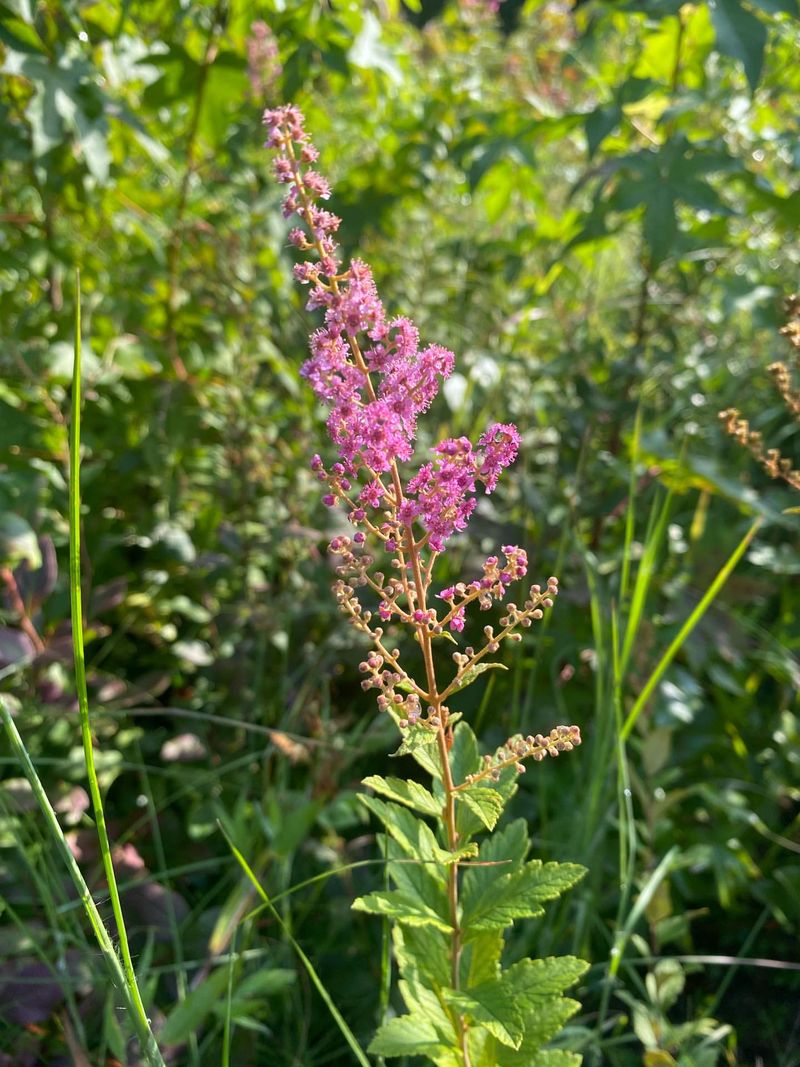
Steeplebush is one of Michigan’s most overlooked native shrubs, and that is a real shame because it puts on a genuinely lovely show from July straight through September.
The flowers rise in tall, slender pink spires at the tips of each branch, giving the plant a soft, elegant look that works beautifully in natural-style gardens, rain gardens, and pond edges where wild beauty is the goal.
Found growing naturally in wet meadows, bog edges, and sunny moist sites across Michigan, steeplebush has adapted perfectly to the conditions that challenge gardeners most. It thrives where soil stays consistently moist and sunlight is abundant.
Pair it with native grasses, joe-pye weed, or swamp milkweed and you create an August garden scene that feels genuinely connected to Michigan’s natural landscape.
Pollinators absolutely love steeplebush. Bees, especially native bumblebees, visit the flower spikes constantly while they are in bloom, and the plant supports a broader community of beneficial insects throughout the season.
Growing three to six feet tall with a slightly spreading, suckering habit, it forms natural colonies over time that provide excellent cover and food sources for wildlife.
Care is refreshingly hands-off once the plant is established in moist soil. Occasional removal of older stems keeps the colony looking tidy and encourages fresh, vigorous new growth.
Steeplebush rarely needs watering beyond natural rainfall in the right site and requires no fertilizing. For native plant enthusiasts and anyone building a low-care, ecologically meaningful Michigan garden, steeplebush is a beautiful and worthy addition.