How To Tell Whether Holes In Your California Garden Are From Birds, Beetles, Or Rodents
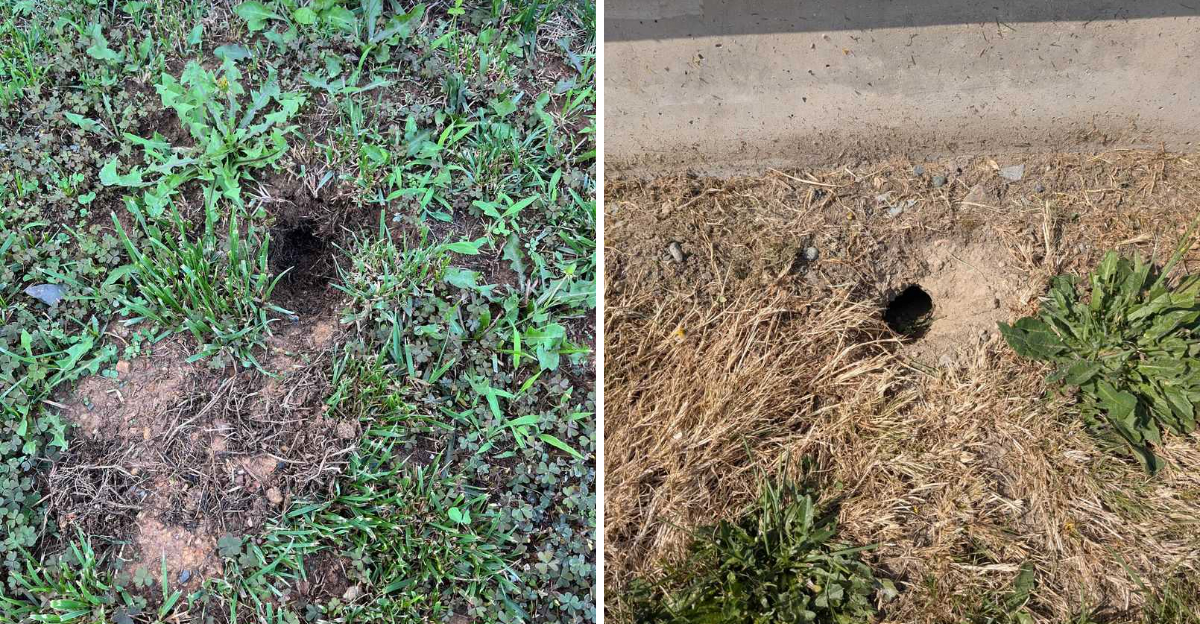
A fresh hole in the garden can feel like a small backyard mystery.
One morning, the lawn looks fine. The next, there is loose soil near the roses, a torn patch in the turf, or a tunnel opening beside the vegetable bed. No tracks. No witness. Just a mystery in the dirt.
The hole itself is only part of the clue.
Birds may be probing for grubs. Beetle larvae may be feeding under the turf. Gophers, voles, rats, or ground squirrels may be tunneling, chewing, or clipping plants from below.
Each culprit leaves a different pattern, and each one needs a different response.
Guessing can waste time fast.
Treating for beetles will not stop a gopher. Blaming birds may miss the grubs they were trying to eat. Filling a burrow without knowing who made it can make the damage move somewhere else.
So how can California gardeners tell what made those holes?
Start with the shape, soil, plant damage, turf roots, runways, timing, and the full set of clues before taking action.
1. Check The Hole Shape
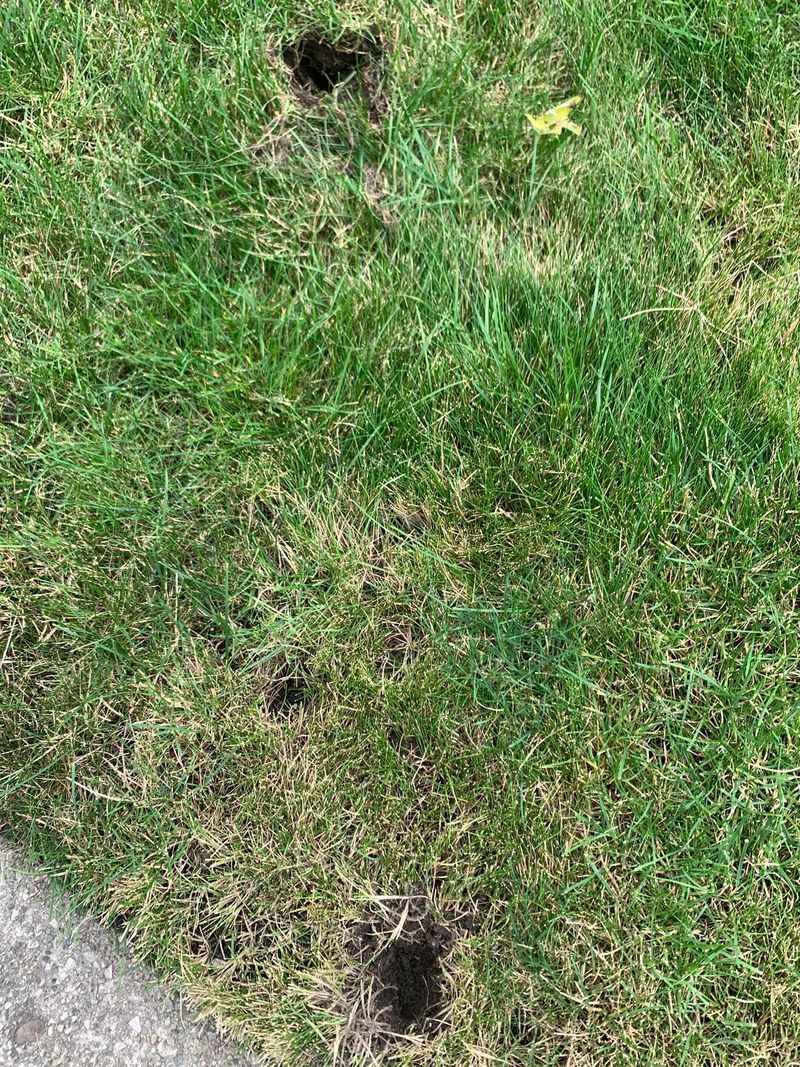
The hole’s shape can tell you more than its size.
A ruler helps, but diameter alone can be misleading. A rat, a ground squirrel, and even a large bird can leave openings that look similar at first glance.
Look at the angle. A smooth entrance that slopes downward often points toward a burrowing rodent, especially a ground squirrel. These holes usually stay open and lead into a larger tunnel system.
Check for a soil plug. Pocket gopher openings are often sealed with loose soil, so the actual entrance may be hidden along the edge of a mound rather than sitting open like a doorway.
Notice the rim. Bird-made holes tend to be shallow, rough, and scattered, with soil flipped outward rather than pushed into a mound.
Study the walls. Rodent burrows often look smooth and packed from repeated travel. A messy divot with torn roots and scratches around the edge suggests digging for food rather than a permanent tunnel.
Use a flashlight carefully. A quick look into an open hole may reveal depth, angle, or fresh scrape marks, but avoid putting your hand inside.
Photograph before disturbing it. Once you step on the rim, rake the soil, or fill the hole, some of the best evidence disappears.
The first clue is not just how wide the hole is.
It is how the opening was made.
2. Look For Fresh Soil Mounds
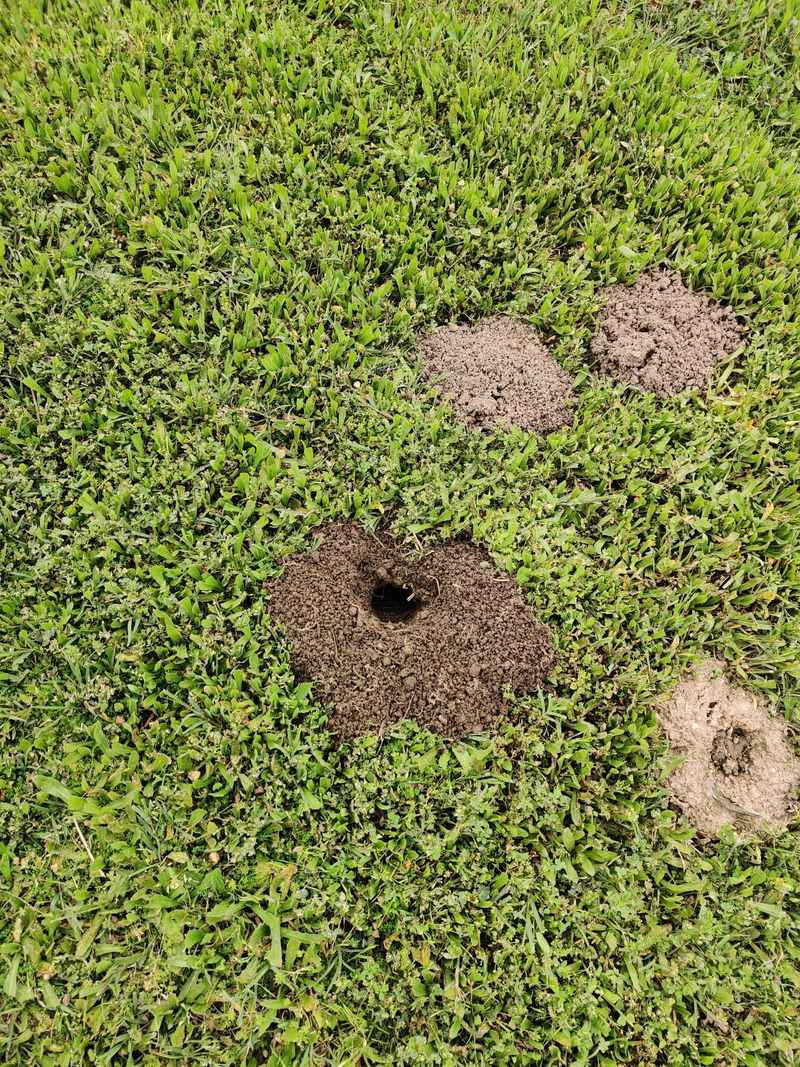
Fresh soil mounds narrow the suspect list quickly.
California gardens with loose piles of soil often point toward animals that tunnel rather than birds or beetles alone. The shape of the mound matters.
Fan-shaped mounds often suggest pocket gophers. They push soil out from underground tunnels, creating crescent or fan-like piles with the tunnel entrance plugged off to one side.
Open holes with messy soil can suggest ground squirrels. Their burrow entrances are usually visible, and the soil around them may look kicked out rather than neatly shaped.
Volcano-shaped mounds point somewhere else. Moles, where present, tend to create more centered, rounded mounds, though they are less common in many California gardens than gophers.
Your California Garden Changes Every Week. Your Plan Should Too.
Gardening in California changes quickly throughout the season. Every Friday you’ll receive a simple weekly plan showing exactly what to plant, prune, fertilize, harvest, and protect so you never miss the right timing.
Rats and voles usually leave less dramatic soil. Their routes often stay close to walls, mulch, dense plants, or surface cover instead of creating large, fresh mounds.
Freshness matters. Dark, moist, crumbly soil usually means recent digging. Pale, crusted, dry soil may be older activity that no longer tells the current story.
Check several mounds. One pile can mislead you, but a pattern across the bed, lawn, or property line usually points more clearly to the culprit.
Do not flatten everything right away.
The mound is evidence, and its shape may be the best clue you get.
3. Read The Leaf Damage
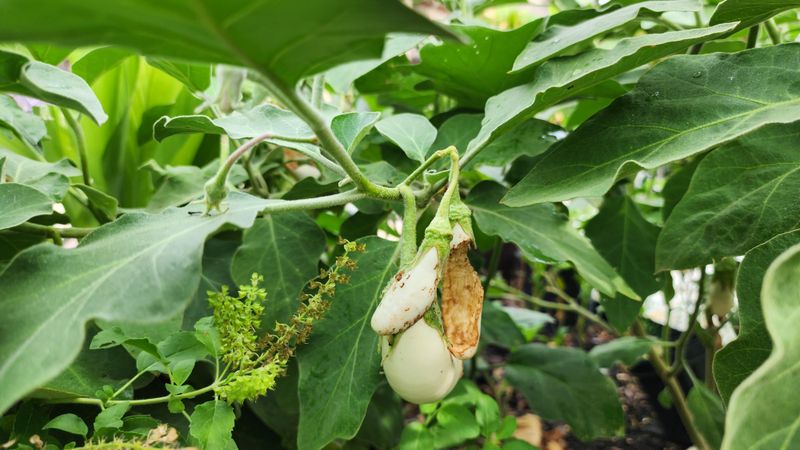
The plant damage may solve what the hole cannot.
Sometimes the real clue sits above ground, not inside the opening. Chewed leaves, clipped stems, missing seedlings, and gnawed bark can tell you who was feeding.
Missing plants point below the soil. A seedling or vegetable plant that seems pulled down from underneath may suggest pocket gopher activity.
Clipped stems suggest surface feeders. Ground squirrels, rats, rabbits, and voles may cut plants above the soil line, often leaving angled or ragged stubs behind.
Gnawed bark near the base matters. Voles often chew around young trunks and low stems, especially where mulch, grass, or ground cover gives them protection.
Leaf holes higher on the plant usually point to insects. Beetles, caterpillars, and other chewing pests can notch, skeletonize, or chew leaves in patterns rodents do not make.
Skeletonized leaves are a strong insect clue. When only the leaf veins remain, beetles or caterpillars are far more likely than burrowing animals.
Pull one struggling plant gently. Roots chewed off below ground point toward underground feeding. Intact roots with damaged leaves or stems shift the search upward.
Match the plant damage with the hole location. A tunnel beside a disappearing lettuce plant tells a different story than shallow pecks across a lawn.
The leaves and stems are witnesses too. Read them before blaming the nearest hole.
4. Watch For Bird Pecking
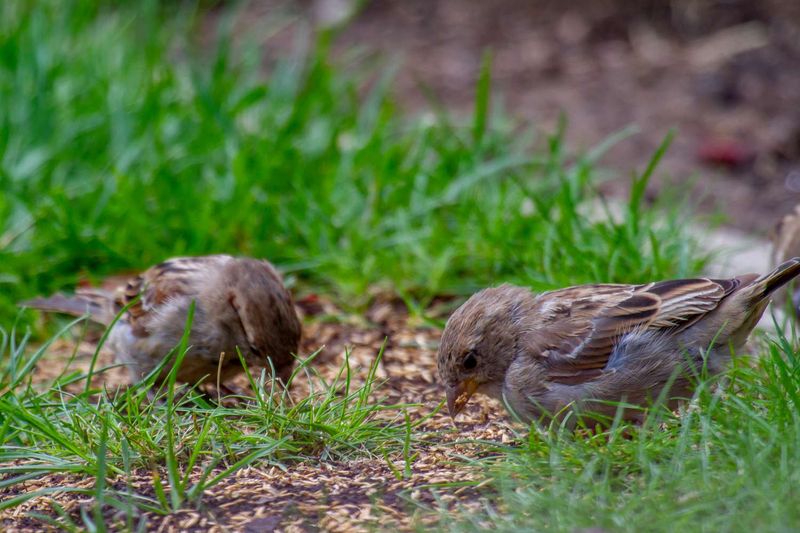
Birds often arrive after the real problem starts.
Robins, crows, starlings, and other California yard birds may leave small punctures, flipped mulch, or torn turf patches while searching for insects under the surface.
Their holes are usually shallow.
Bird pecks often appear as clusters of small probes rather than one clean tunnel entrance. Soil may be flicked outward in little bits instead of piled into a mound.
Look for repeated feeding paths. Birds working a lawn methodically may be following grubs, beetle larvae, worms, or other invertebrates near the root zone.
Do not blame them too fast. The birds may be exposing a pest issue that was already present under the turf or mulch.
Check the soil beneath the feeding area. Lift a small patch of damaged turf and look for white C-shaped grubs, loose roots, or soft, spongy soil.
Watch for flock behavior. Several birds returning to the same lawn area over multiple mornings often means food is concentrated there.
Avoid spraying because birds showed up. A pesticide may harm beneficial insects and still miss the actual reason birds were feeding there.
Birds can make the mess more visible. But they may be acting more like scouts than vandals.
5. Tug Nearby Turf Gently
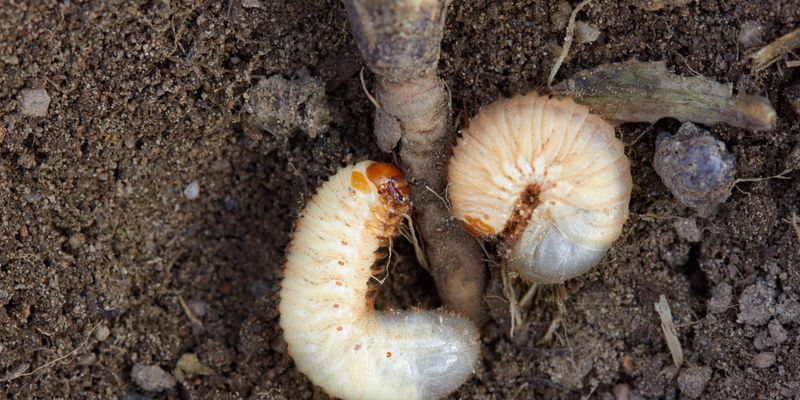
The tug test can expose hidden beetle trouble.
Grab a small section of turf near the damaged area and pull upward with steady pressure. Healthy grass should resist because its roots are holding tight.
Loose turf is a warning. Grass that lifts like a rug may have damaged roots, and beetle larvae are one possible cause.
Flip the turf and inspect. White C-shaped grubs in the root zone suggest beetle larvae have been feeding below the surface.
Sample more than one spot. Grubs are often patchy, so one clean section does not clear the whole lawn. Check several areas around the damage.
Count what you find. A few grubs may be normal. Heavy numbers across multiple samples make beetle damage more likely.
Check moisture too. Dry, shallow-rooted grass can also lift easily, especially during California heat or inconsistent irrigation.
Use a screwdriver test. Soil that is too dry may resist a screwdriver or probe, while adequately moist soil allows it to slide in more easily.
Pair the tug test with bird activity. Birds pecking in the same area where turf lifts easily makes the grub clue stronger.
A loose patch of grass is not just lawn damage. It is a window into what is happening under the roots.
6. Trace Runways Through Cover
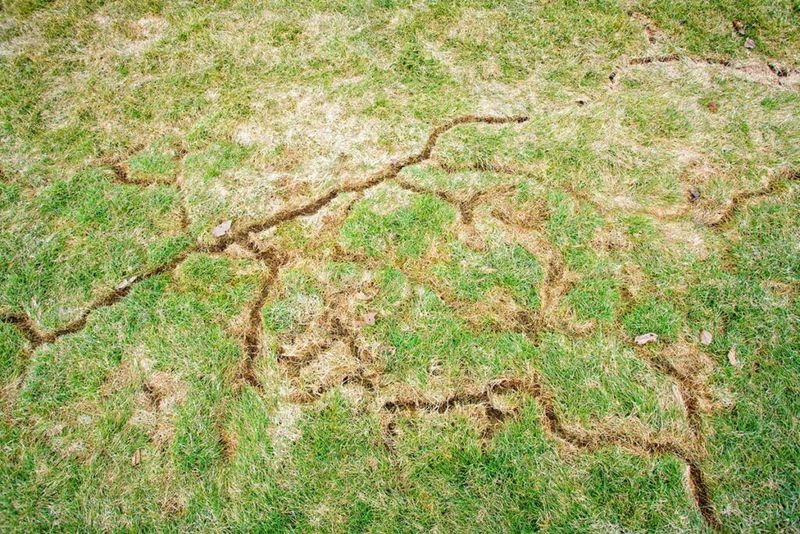
Small rodents often leave roads instead of mounds.
Voles, especially, move through sheltered paths in grass, mulch, ground cover, and dense plantings. These narrow routes can be easy to miss until you kneel down and look sideways across the soil.
Runways are usually narrow. A path one to two inches wide through grass or mulch can point toward vole movement.
The edges may look clipped. Voles often trim grass and low stems along their routes, creating a short, neat-looking lane.
Tiny holes may sit nearby. Vole openings are usually small and low, often tucked under plants, mulch, boards, or edging.
Look along fences and walls. Voles prefer protected routes where predators have a harder time spotting them.
Check young trees and shrubs. Bark gnawing close to the soil line is a major clue, especially when mulch is piled thick around the trunk.
Do not confuse them with gophers. Gophers spend most of their time underground and create larger soil mounds. Voles move at the surface under cover.
Reduce hiding places carefully. Pull mulch back from trunks, mow tall grass near beds, and thin dense ground cover where runways appear.
You do not need to strip the yard bare. Targeted cleanup can make vole routes less comfortable without removing all habitat.
7. Match Clues Before Acting
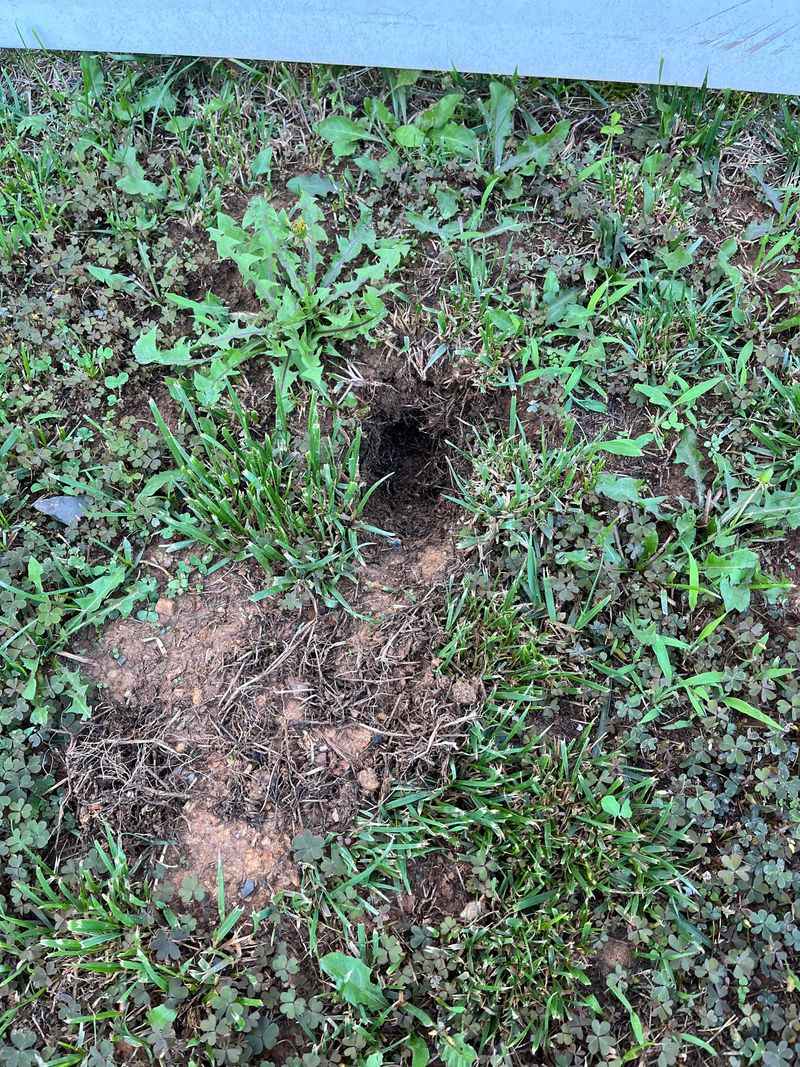
One clue is not enough.
A hole, a mound, a chewed leaf, or a bird visit can point you in the right direction, but the best identification comes from matching several signs together.
Make a simple evidence list. Note the hole shape, soil mound, plant damage, turf condition, runway pattern, timing, and any tracks or droppings.
Take photos from different distances. Capture the whole area, then close-ups of the hole, mound, plants, and surrounding soil.
Match the response to the culprit. A bird looking for grubs, a beetle larva feeding under turf, and a gopher tunneling through vegetables all need different solutions.
Start with the least disruptive fix. Habitat changes, barriers, exclusion, better sanitation, and targeted plant protection often make more sense than broad treatments.
Use pesticides carefully. Any bait, insecticide, or rodenticide should match the confirmed pest and be used exactly according to the label.
Protect non-target wildlife. California gardens often share space with native birds, beneficial insects, reptiles, pets, and neighborhood animals that can be harmed by the wrong control choice.
Get help for uncertain cases. Local extension offices, wildlife professionals, and licensed pest managers can help identify tricky damage before action starts.
The goal is not to win a guessing game. It is to solve the right problem without creating a new one.
8. Inspect At Dawn And Dusk
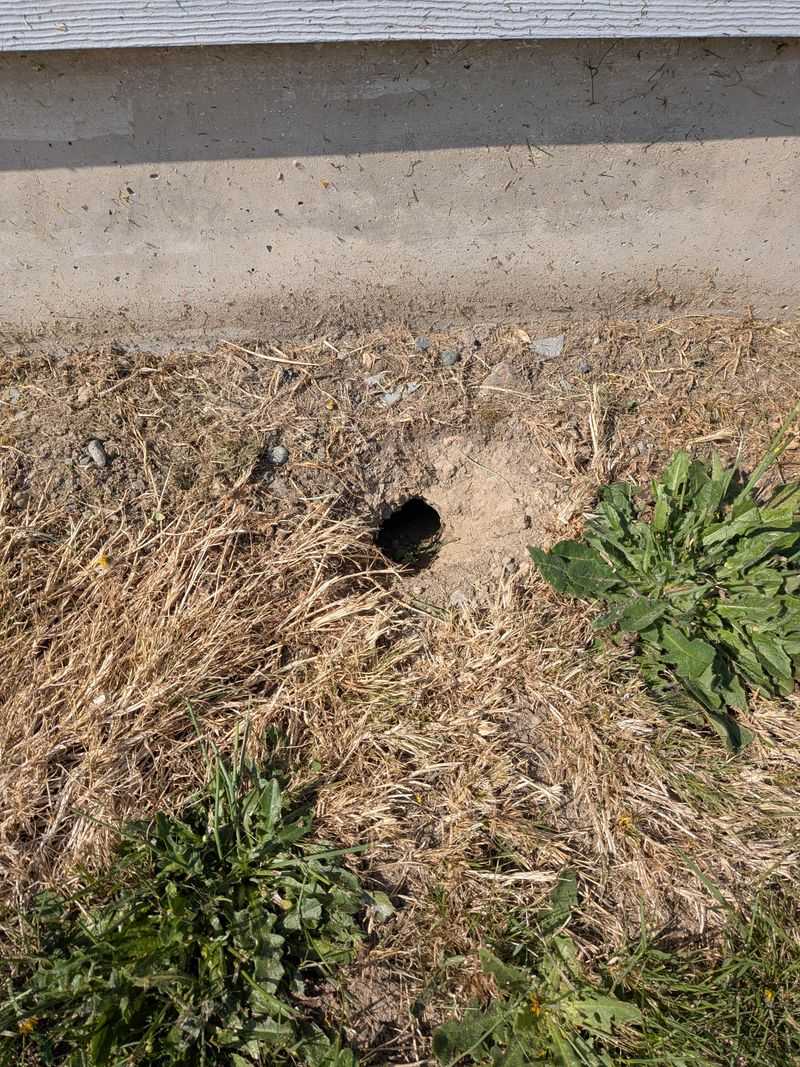
Timing can reveal the culprit.
Many garden visitors are most active when the light is low and temperatures are easier to handle. A short observation at dawn or dusk can be more useful than several midday checks.
Ground squirrels favor daylight. They are often busiest during cooler morning hours, especially near burrow entrances, walls, and open feeding areas.
Gophers may push soil when it is cooler. Fresh mound activity can appear early or late in the day, even though the animal stays mostly hidden underground.
Voles move under cover. They may travel day or night, but low-light periods can make surface activity easier to catch.
Birds leave morning evidence. Fresh pecking, flipped mulch, or turf probing often happens early while the soil surface is cooler and food is easier to find.
A trail camera helps. Point it toward active holes, runways, or damaged plants overnight and through the morning. Footage can remove nearly all guesswork.
Keep your distance. Do not reach into holes, handle wildlife, or block a burrow while trying to identify it.
Look for fresh tracks after watering. Damp soil near hoses, mud, or irrigation edges may hold prints by morning.
Observation is slower than guessing.
It is also far more accurate.