8 Native Ohio Groundcovers That Choke Out Summer Weeds Without Any Effort In July
July weeds in Ohio do not wait for an invitation. They move into any bare soil, any thin patch of lawn, any gap between plants that was not there last week.
Most gardeners spend the hottest month of the year on their knees pulling them out, knowing the same battle is waiting again in two weeks. Native groundcovers end that cycle.
The right ones spread thick enough to deny weeds the bare soil and light they need to get started. No pulling, no spraying, no weekend mornings devoted to a problem that keeps coming back.
Ohio has native groundcovers that handle July conditions without complaint. Heat, humidity, dry spells between rains.
They keep spreading, keep covering, and keep crowding out whatever was trying to move in underneath them. Eight of them have a particular track record for smothering summer weeds in Ohio gardens.
Your bare patches deserve a permanent answer.
1. Plant Wild Strawberry To Cover Sunny Bare Soil
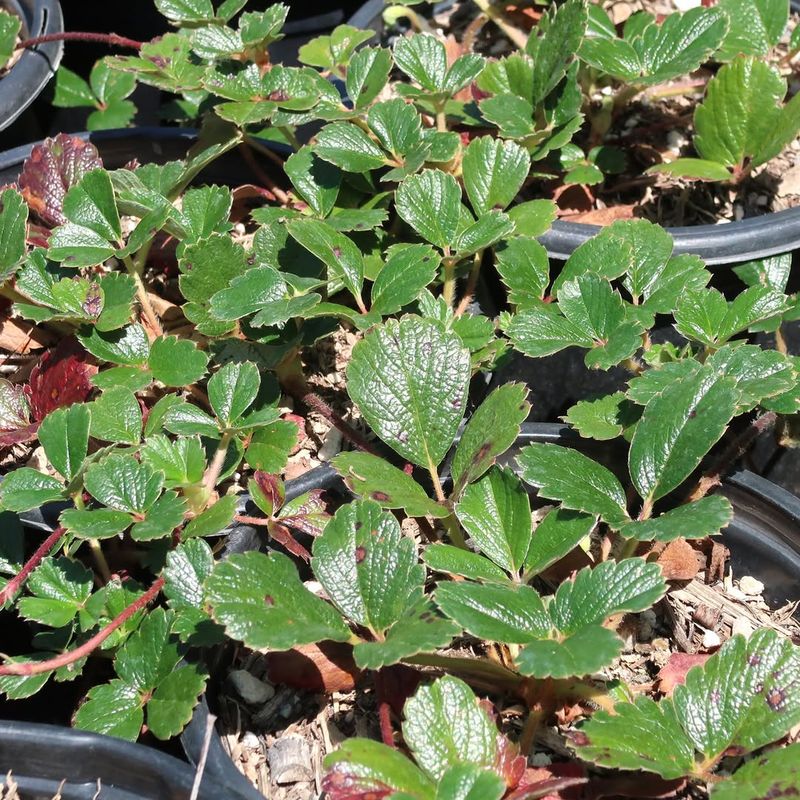
A patch of bare soil beside a walkway can turn into a July weed nursery faster than most gardeners expect. Wild strawberry, Fragaria virginiana, is a native low-growing plant that spreads by runners and fills open sunny ground over time.
It works well in full sun to partly sunny spots with average to dry soil, making it a practical choice for edges, garden borders, and open lawn gaps.
The plant stays low, usually under six inches tall, and its dense leaf coverage shades the soil surface. That shade is what makes it useful against weed seedlings, which need light to get started.
It does not block established perennial weeds or deep-rooted invasives, so clear the bed before planting.
In July, newly planted plugs need regular moisture to get their roots going. Water during dry spells and keep surrounding weeds pulled while the runners have not yet filled in.
Space plugs about twelve inches apart to give runners room to spread without crowding. Avoid thick mulch over the crowns, which can slow establishment.
Wild strawberry also produces small edible fruit that birds and pollinators appreciate. Buy plants from a reputable native nursery rather than collecting from the wild.
Once established in the right sunny site, it can cover soil steadily and reduce the bare gaps that invite summer weeds back in.
2. Use Pennsylvania Sedge For A Soft Shade Carpet
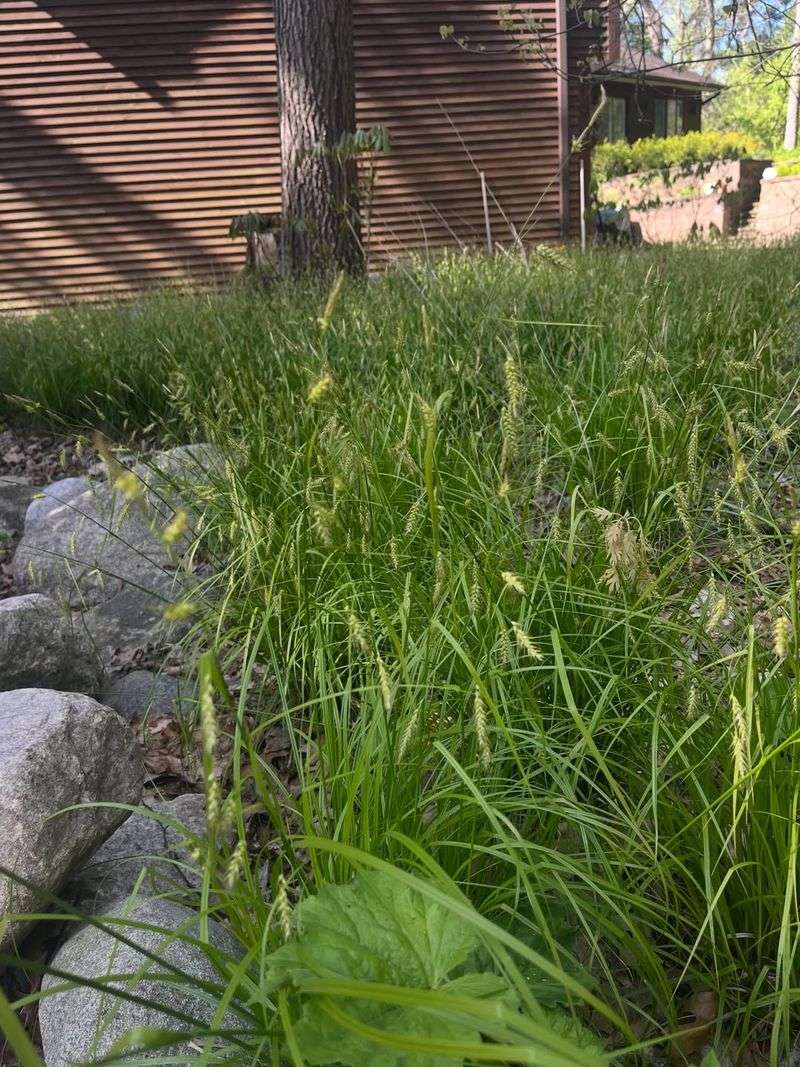
Dry shade under mature trees is one of the hardest spots to manage in an Ohio home landscape. Turf thins out, mulch blows around, and weeds creep in along the edges.
Pennsylvania sedge, Carex pensylvanica, is a fine-textured native sedge. It can form a soft, low mat in these conditions when planted in groups and given time to settle.
This sedge grows about six to ten inches tall and spreads slowly by rhizomes. It handles dry to average shade well, which is a real advantage under established tree canopies where roots compete for moisture.
It is not a fast filler. Expect a couple of seasons before plants knit together into solid coverage.
Your Ohio Garden Changes Every Week. Your Plan Should Too.
Gardening in Ohio changes quickly throughout the season. Every Friday you’ll receive a simple weekly plan showing exactly what to plant, prune, fertilize, harvest, and protect so you never miss the right timing.
Spacing matters here. Plant plugs about eight to twelve inches apart to encourage the mat to fill without large gaps that weeds can use.
In July, water new plantings regularly because dry summer heat can stress young sedge before roots are established. Keep competing weeds removed by hand during that first growing season.
Pennsylvania sedge does not need mowing, though a light trim in early spring can keep it tidy. It stays semi-green through winter in many parts of this state.
Buy from a reputable native nursery and confirm you are getting the true native species. Once established, it creates a quiet, low-maintenance ground layer that shades soil and discourages weed seedlings from taking hold.
3. Grow Wild Ginger Under Trees Where Weeds Creep In
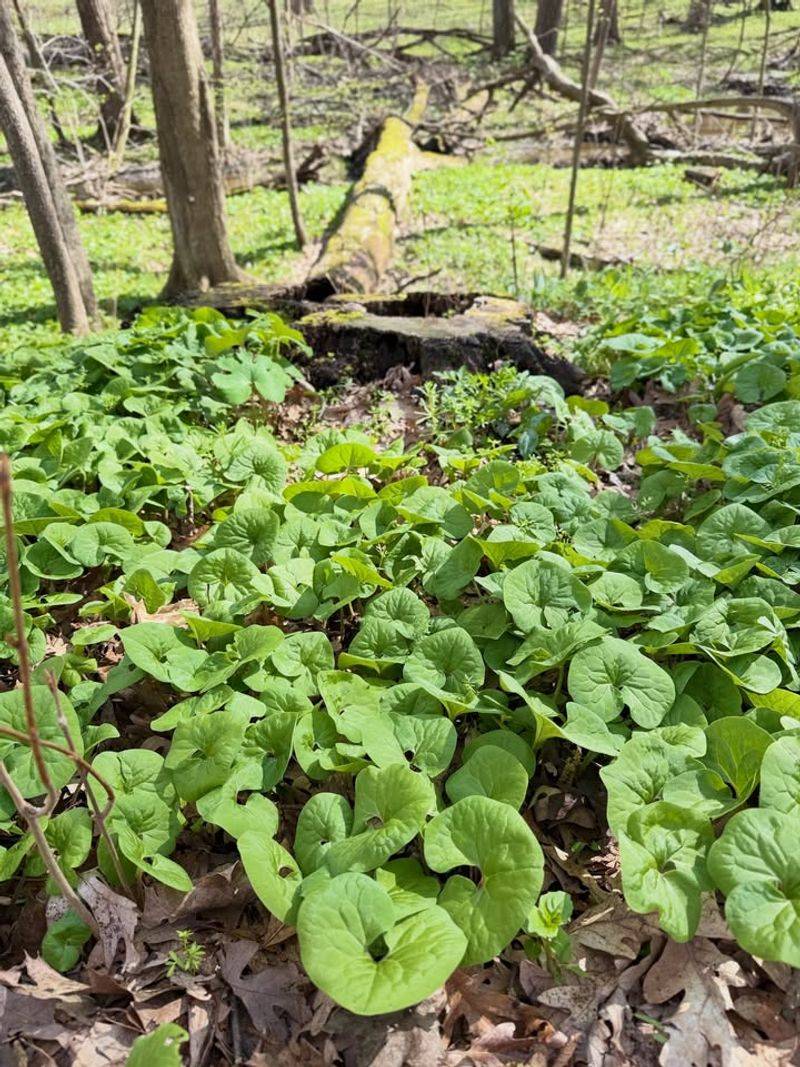
Tree-root zones are some of the most challenging spots in a yard. Shallow roots, low light, and dry pockets make most plants struggle.
Wild ginger, Asarum canadense, is a native woodland plant that thrives in exactly this kind of shaded, humus-rich environment. Its broad, heart-shaped leaves form a dense layer that covers soil and shades out weed seedlings underneath the canopy.
Wild ginger spreads slowly by rhizomes, building a colony over several years. It is not a fast solution, but it is a lasting one when the site conditions match.
It needs shade and consistently moist, organically rich soil to perform well. Hot, dry, or sunny spots are not suitable.
Placing it in the wrong site will stall its spread and leave gaps for weeds to fill instead.
In July, new plantings need attention. Water during dry spells and keep surrounding weeds cleared while the colony is getting started.
Mulch lightly around new plants, but do not bury the crowns. Space plants about eight to twelve inches apart and allow two to three seasons for solid coverage to develop.
The leaves are deciduous, so the groundcover effect is seasonal. Wild ginger pairs well with other shade plants like foamflower or Pennsylvania sedge in layered woodland beds.
Always purchase from a reputable native nursery. Do not dig plants from natural areas, as this disrupts wild populations and is often illegal on protected land.
4. Let Green And Gold Spread Through Part-Shade Beds
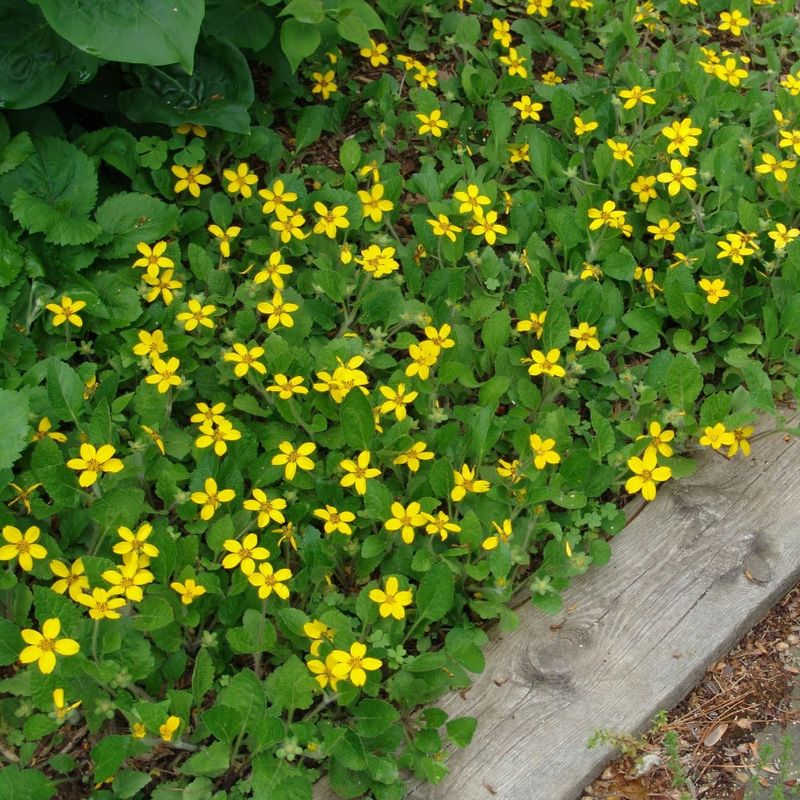
Part-shade beds along the north side of a house or under a high tree canopy often end up patchy and weedy by midsummer.
Green and gold, Chrysogonum virginianum, is a cheerful native groundcover that can fill those gaps over time with low foliage and yellow star-shaped flowers.
It typically blooms in spring and sometimes again in fall, but its foliage works year-round to cover soil.
This plant grows about six to nine inches tall and spreads by stolons and self-seeding. It is not a fast runner, but it builds steady coverage in part-shade to light-shade beds with average to slightly moist, well-drained soil.
Hot, dry full-sun spots or consistently wet areas will stress it and slow its spread significantly.
In July, water new plantings two to three times per week during dry stretches. Remove competing weeds by hand while the plant is filling in.
Space plugs about twelve inches apart. A light layer of mulch between plants can help retain moisture without smothering the crowns during the heat of summer.
Green and gold is native to the eastern United States and grows well in many parts of this state, especially in sheltered garden beds. Buy from a reputable Ohio native nursery to get a healthy, locally sourced plant.
Once established, it forms a tidy, low mat that shades soil and reduces the bare patches that annual weeds exploit through the summer months.
5. Plant Foamflower Where Moist Shade Needs Coverage
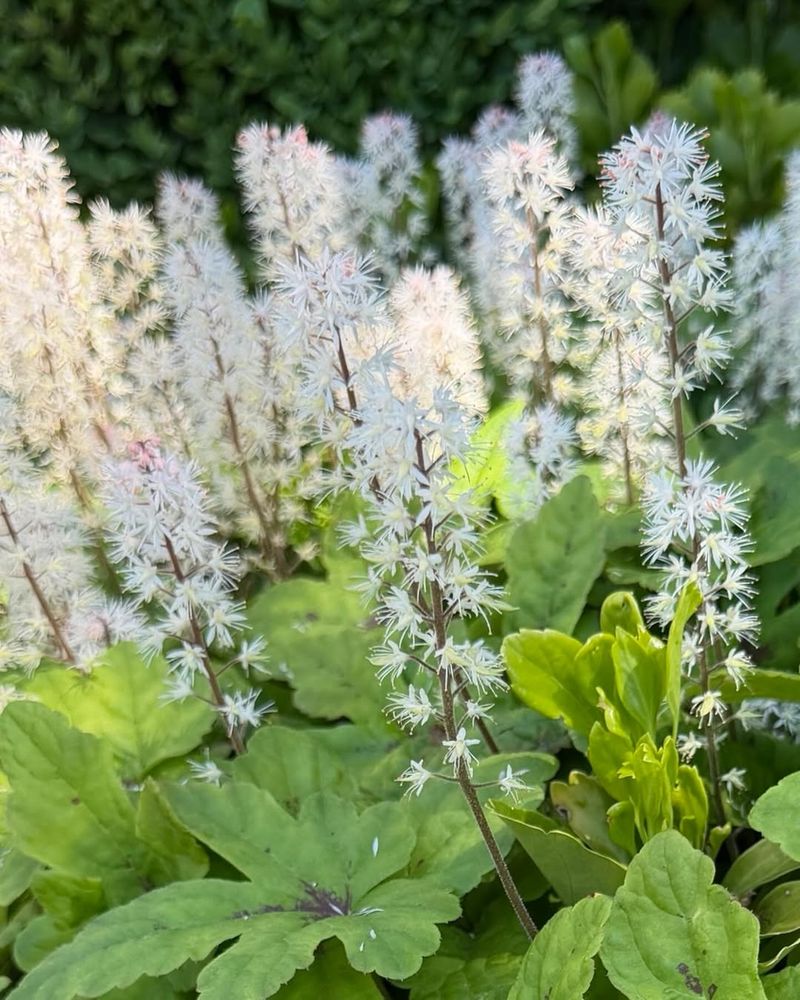
Moist, shaded corners of a yard are spots where weeds like garlic mustard and ground ivy tend to move in if the soil stays bare.
Foamflower, Tiarella cordifolia, is an Ohio native woodland plant that can cover those spots with attractive lobed foliage and airy white flower spikes in spring.
Its spreading habit makes it useful for filling in cool, moist shade where conditions stay consistent.
Foamflower spreads by stolons and can form a low mat over time in the right site. It needs moist, humus-rich, well-drained soil and consistent shade to perform well.
It is not a tough full-sun groundcover. Placing it in a hot, dry bed will cause it to struggle and leave soil exposed.
Match the plant to a site that mimics its woodland home and it will reward you with steady growth.
July planting is possible but demanding. Water new plants every few days during dry summer weather.
Keep surrounding weeds removed by hand and mulch lightly between plants to hold moisture. Space plugs about ten to twelve inches apart.
Avoid burying crowns under heavy mulch or leaf litter during establishment.
Foamflower pairs well with wild ginger and Pennsylvania sedge in layered shade beds. The combination of plants at different heights can create a more complete soil-covering effect.
Purchase from a reputable native nursery. Given the right moist, shaded site, foamflower can build a reliable ground layer that reduces bare soil and limits summer weed pressure over time.
6. Use Common Blue Violet For Low Part-Shade Coverage
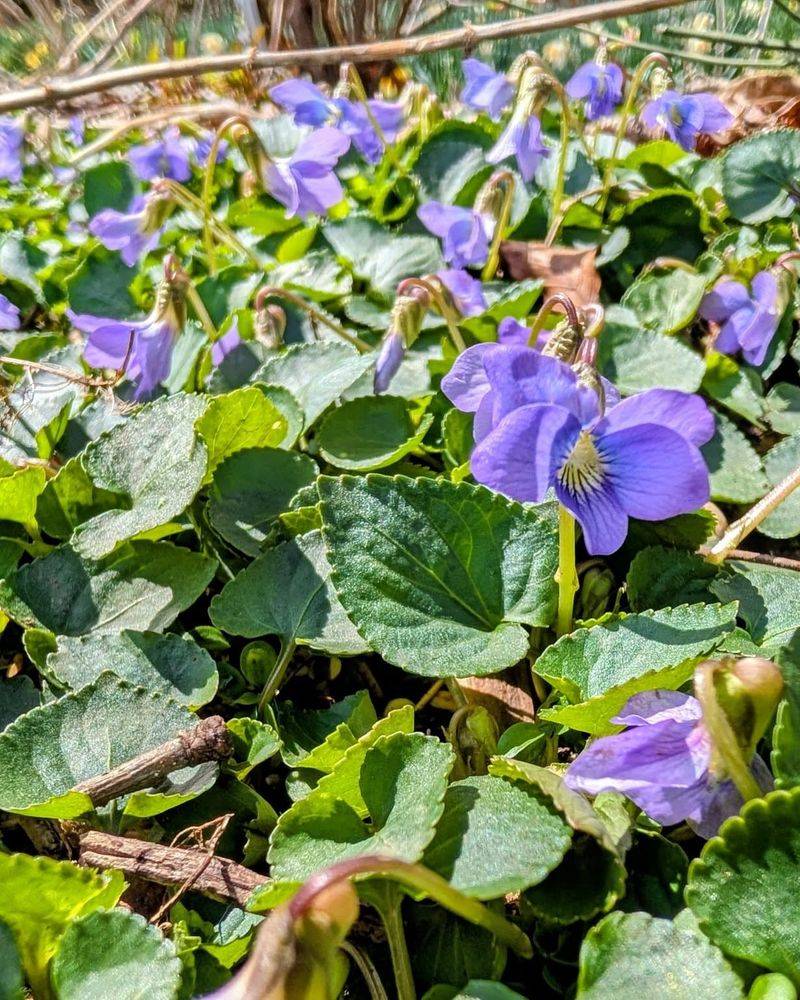
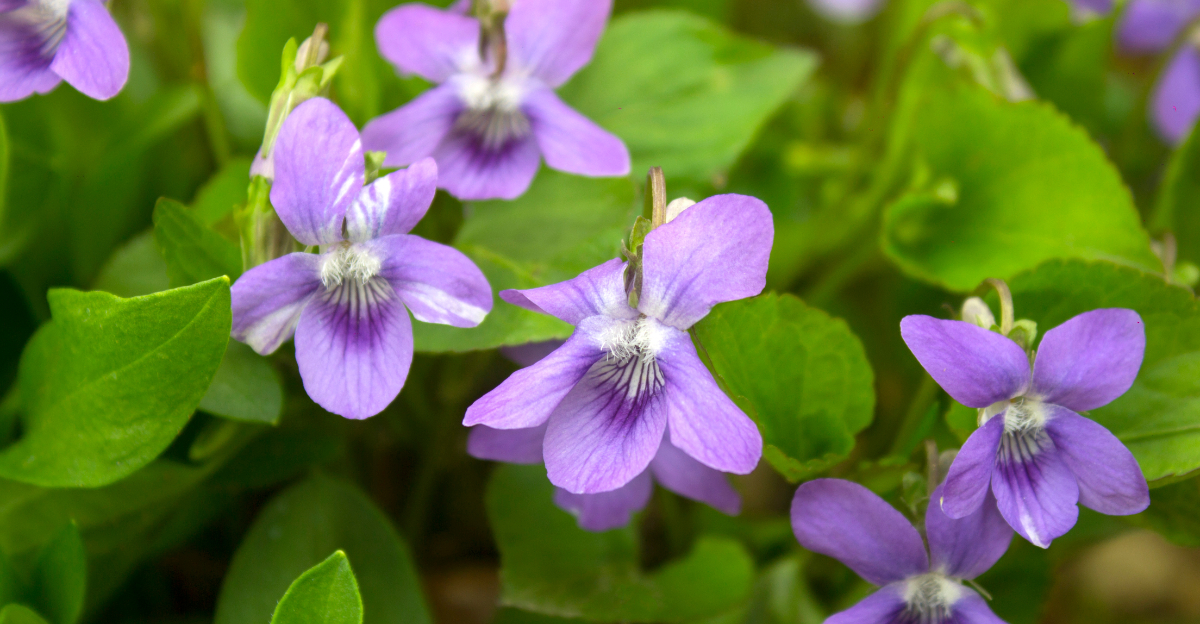
Common blue violet, Viola sororia, works along lawn edges, under shrubs, and in part-shade borders. It fills gaps with heart-shaped leaves and small purple-blue spring flowers.
It spreads by seed and by short rhizomes, which means it can move into open soil fairly quickly once it finds a spot it likes. That spreading habit is useful in informal or naturalistic plantings where coverage matters more than tidy edges.
This violet handles part-shade to full shade and tolerates average to moist soil. It can also handle some dry conditions once established, giving it flexibility in a range of garden spots.
The low foliage, usually four to six inches tall, shades the soil surface and limits space for weed seedlings to get started.
Be honest about its enthusiasm. In formal beds with carefully spaced plants, common blue violet may spread more than expected.
It works better in relaxed borders, lawn edges, or naturalistic areas where some self-spreading is acceptable. If it moves into spots you do not want it, it pulls out easily by hand.
July is a tough time to plant, so water new plants consistently and keep competing weeds pulled while the violet settles in. It is widely available from native nurseries and responsible growers.
Do not confuse it with non-native violet species. Given space and the right site, this native violet can build a dense, low ground layer that reduces weed pressure through the summer months.
7. Grow Creeping Phlox For Sunny Edges And Slopes
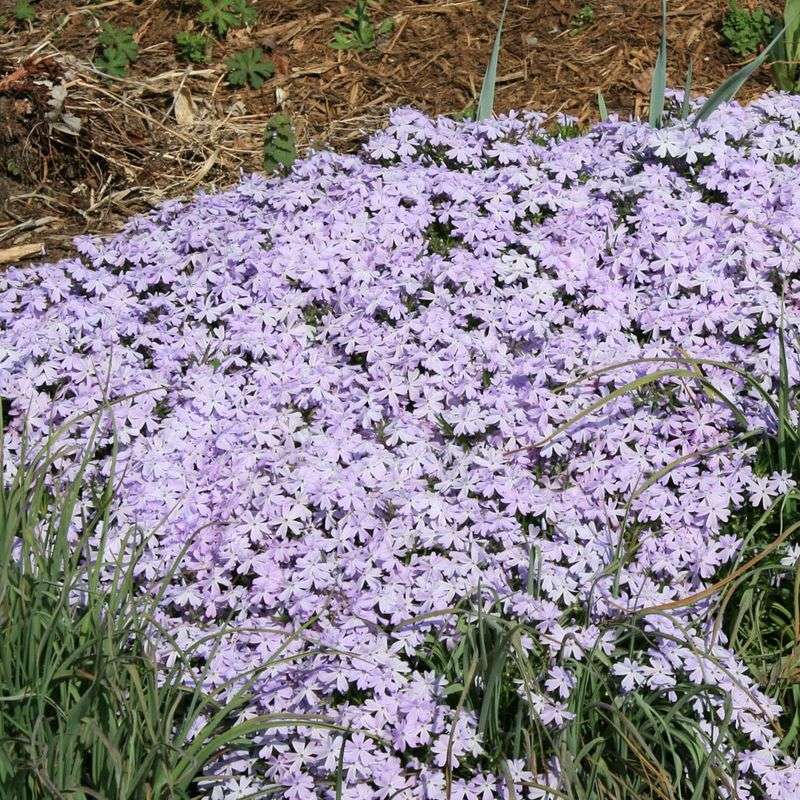
Sunny slopes and dry garden edges are spots where bare soil erodes easily and weeds move in fast during summer. Creeping phlox, Phlox subulata, is a native mat-forming plant that can anchor those spots with a dense, low layer of needle-like foliage.
It is well known for its spring flower display, but its real value as a groundcover comes from the tight mat it holds through the rest of the season.
Creeping phlox grows about four to six inches tall and spreads outward steadily over time. It needs full sun and well-drained to dry soil.
Wet, heavy clay or shaded spots will cause it to thin out and rot. Matching it to a sunny, well-drained edge or slope is the key to getting the dense mat that actually suppresses weed seedlings by blocking light and covering soil.
Planting in July requires extra care. Water new plants every few days until roots are established.
Avoid overwatering on slopes where drainage is already good. Space plants about twelve to eighteen inches apart and allow two seasons for the mat to fill in solidly.
Light trimming after spring bloom can keep plants compact and encourage denser growth.
Creeping phlox is available from native nurseries and reputable growers. Confirm you are buying a native species rather than a cultivar with reduced ecological value.
Once established on the right sunny, well-drained site, it forms a reliable mat that covers soil, reduces erosion, and limits the bare patches that invite summer weeds.
8. Choose Allegheny Spurge For A Native Evergreen Mat
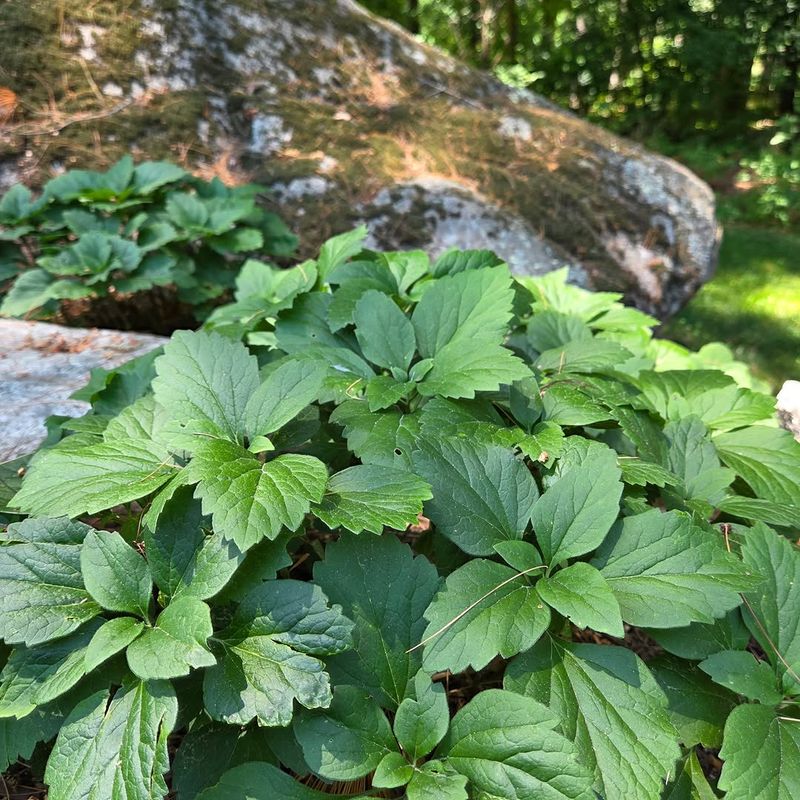
Shaded beds under deciduous trees can look bare and weedy by midsummer, especially when the canopy closes in and little else wants to grow.
Allegheny spurge, Pachysandra procumbens, is a native semi-evergreen groundcover that can form a low, attractive mat in those conditions.
It is the native alternative to Japanese pachysandra, which is widely used but considered invasive in some natural areas of this state.
Allegheny spurge grows about six to ten inches tall with mottled, gray-green leaves that add texture to shaded beds. It spreads slowly by rhizomes, forming dense colonies over time.
It performs best in part-shade to full shade with moist, well-drained, humus-rich soil. It does not handle hot sun, dry exposed spots, or compacted clay well.
July planting is possible with consistent care. Water new plants every few days during dry weather and keep competing weeds removed by hand while the colony fills in.
Space plugs about ten to twelve inches apart. A light layer of organic mulch between plants helps hold moisture and moderate soil temperature during summer heat.
Allegheny spurge is slower to establish than its non-native look-alike, but it supports native insects and fits naturally into woodland-style plantings. Purchase from a reputable native nursery and confirm the species name.
Given a shaded, humus-rich site and a couple of seasons to settle, it can build a steady native mat that covers soil and reduces weed pressure through the summer months.