8 Herbs Washington Gardeners Can Still Grow In November (Outdoors Or On A Windowsill)
Have you ever grabbed a tiny pack of basil at the grocery store, glanced at the price, and thought, “Really, this much for ten leaves?”
That was me, every week, until one November morning I did something that changed my garden and my grocery bill forever.
I grabbed eight herb plants, cleared a sunny corner of my Washington garden, and got my hands dirty, even though the season was winding down.
I had no idea what I was actually starting. Those little plants took root in the cool soil, stayed green through the chilly weeks, and many of them came back stronger every season. I also potted a few for my kitchen windowsill, and they kept my meals fresh all winter long.
If you have a spare patch of ground or a bright windowsill in Washington, this list will change how you garden.
1. Parsley Stays Green In Washington Gardens Well Into Winter
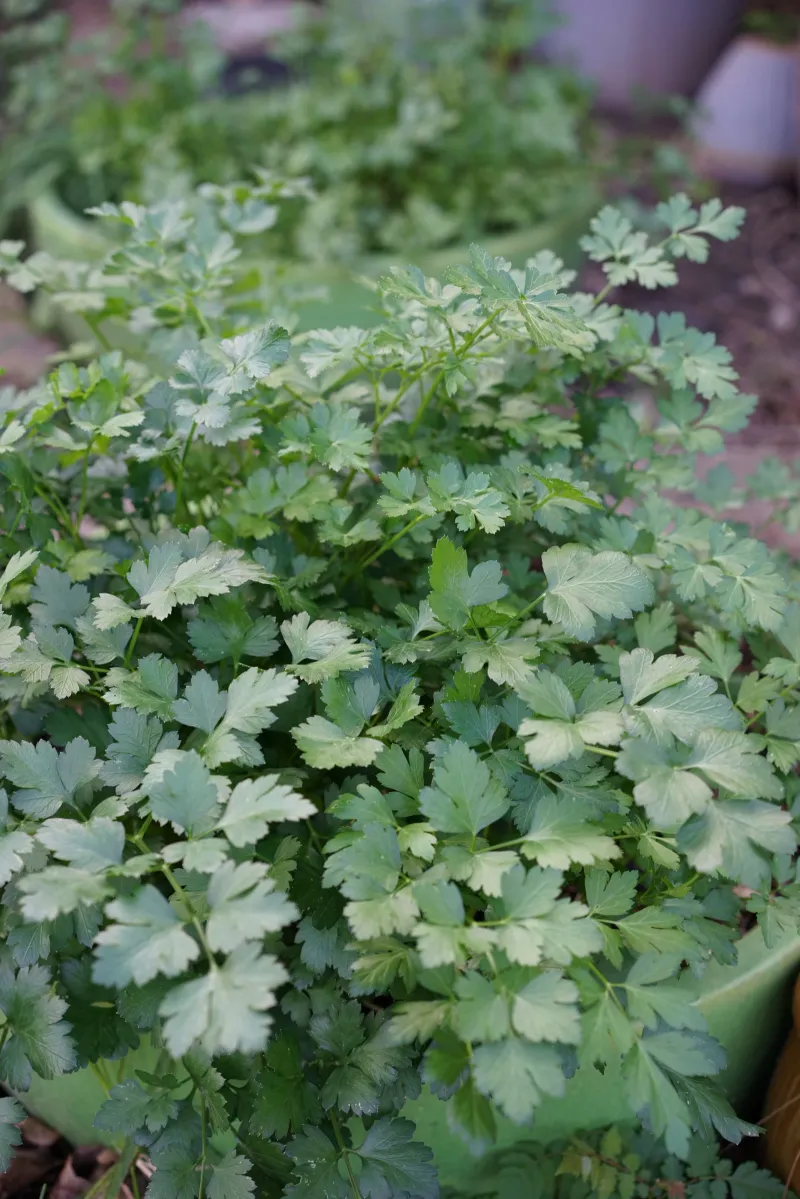
Parsley is one of the friendliest herbs you can grow in a Washington garden this time of year.
It is a biennial that happily lives through cool weather and keeps producing fresh leaves while many other plants fade.
In western Washington, where winters are mild and damp, parsley often stays green all the way through the colder months.
November is a good moment to tuck in a few young plants from a nursery, since the cool soil encourages steady root growth without stress. Choose a spot with morning sun and rich, well-drained soil.
Water gently until the roots settle in. If you live east of the Cascades, where nights can dip lower, cover your plants with a light row cover or a layer of straw on frosty evenings.
Flat-leaf parsley, also called Italian parsley, has a bold flavor that works well in soups, stews, and roasted vegetables. Prefer to stay cozy indoors?
Parsley grows nicely on a bright windowsill in a pot at least eight inches deep, because its long taproot likes room to stretch. Keep the soil lightly moist and turn the pot every few days so the stems grow evenly.
Harvest by snipping the outer stems at the base, which encourages the plant to send up fresh growth from the center.
Parsley is rich in vitamin C and vitamin K, and a handful of leaves adds color and freshness to almost any winter meal. Once you have a pot of parsley on your counter, you will wonder why you ever bought those tiny store packs.
2. Chives Come Back Every Year And Welcome November Planting
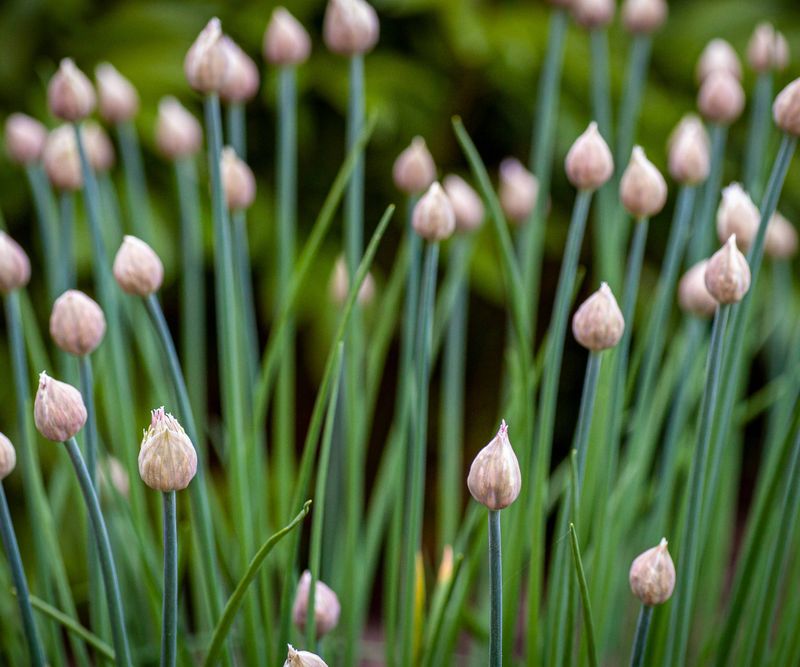
Chives are one of the easiest herbs you can grow, and they are surprisingly happy in Washington’s cool fall weather.
They are hardy perennials, so once they settle in, they return each spring with very little help.
November is a good time to plant a nursery clump or divide an existing one while the soil is still workable.
Dig a hole just wide enough for the roots, set the clump at the same depth it grew before, and water well. Chives like full sun to light shade and soil that drains freely.
In western Washington they often keep their green blades through winter, while in colder parts of the state the tops may fade and wait quietly underground until spring.
A layer of mulch about two inches thick helps protect the roots through freezing nights. For a windowsill, pot up a small clump from the garden or buy a started plant.
Place it in your sunniest window and turn the pot now and then. Chives grow best indoors with at least six hours of light, so a south-facing window is ideal.
Snip the blades about an inch above the soil with clean scissors, and the plant will keep sending up new ones.
The mild onion flavor is wonderful on baked potatoes, scrambled eggs, soups, and creamy dips. In spring, chives produce round purple flowers that bees adore, and the blossoms are edible too.
Sprinkle them over salads for a pretty touch. Chives are a gift that keeps on giving, and a single pot can supply your kitchen all winter long.
3. Thyme Thrives In Cool Weather And Tiny Pots
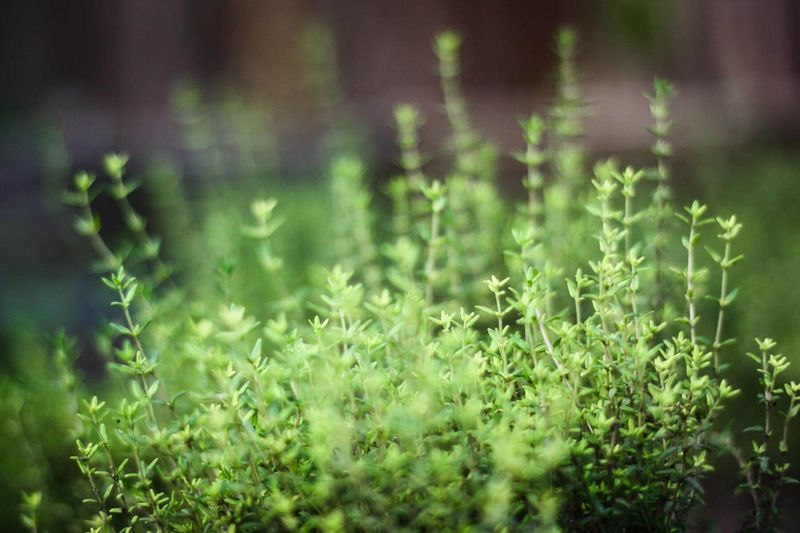
Thyme is a small herb with a big personality, and it handles Washington’s cool, damp fall better than you might expect.
This Mediterranean favorite is a hardy evergreen perennial in most of the state. It prefers full sun and gravelly or sandy soil that drains quickly, so avoid spots where water pools after a rain.
If your soil is heavy, mix in coarse sand or plant thyme in a raised bed or container. November planting works well in western Washington because the soil stays workable and the plants can build roots slowly over winter.
In eastern Washington, where winters are colder, add a light mulch of pine needles or straw after planting. English thyme and lemon thyme are both reliable choices.
Lemon thyme has a bright citrus scent that brings a fresh note to chicken and fish. For indoor growing, choose a shallow pot with drainage holes and a gritty potting mix.
Set it in your brightest window and water only when the top inch of soil feels dry, since thyme dislikes soggy roots. A little neglect is actually good for this plant.
Harvest by clipping the tips of the stems, leaving the woody base in place. The tiny leaves add warm, earthy flavor to soups, roasted vegetables, and winter stews.
Thyme also makes a soothing tea when steeped with a spoonful of honey, a cozy habit on a rainy evening. Few herbs ask for so little and give so much, which makes thyme a lovely choice for beginners.
4. Sage Is A Sturdy Garden Herb That Loves Cool Season
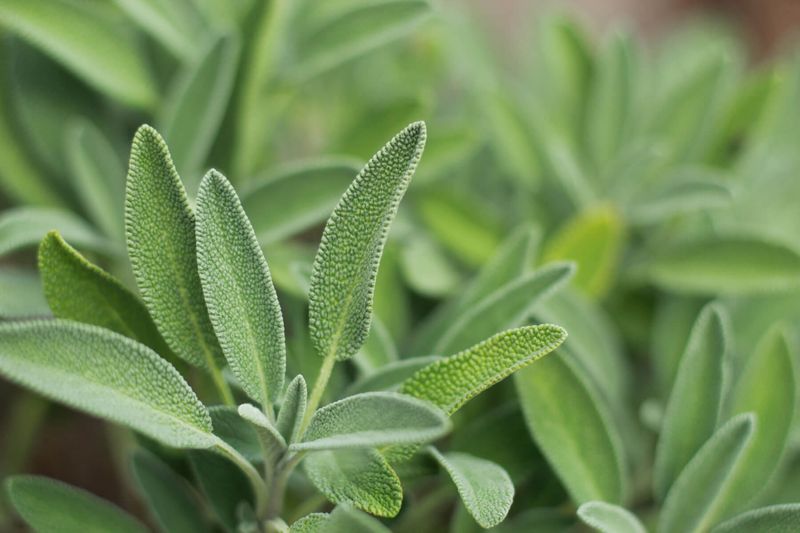
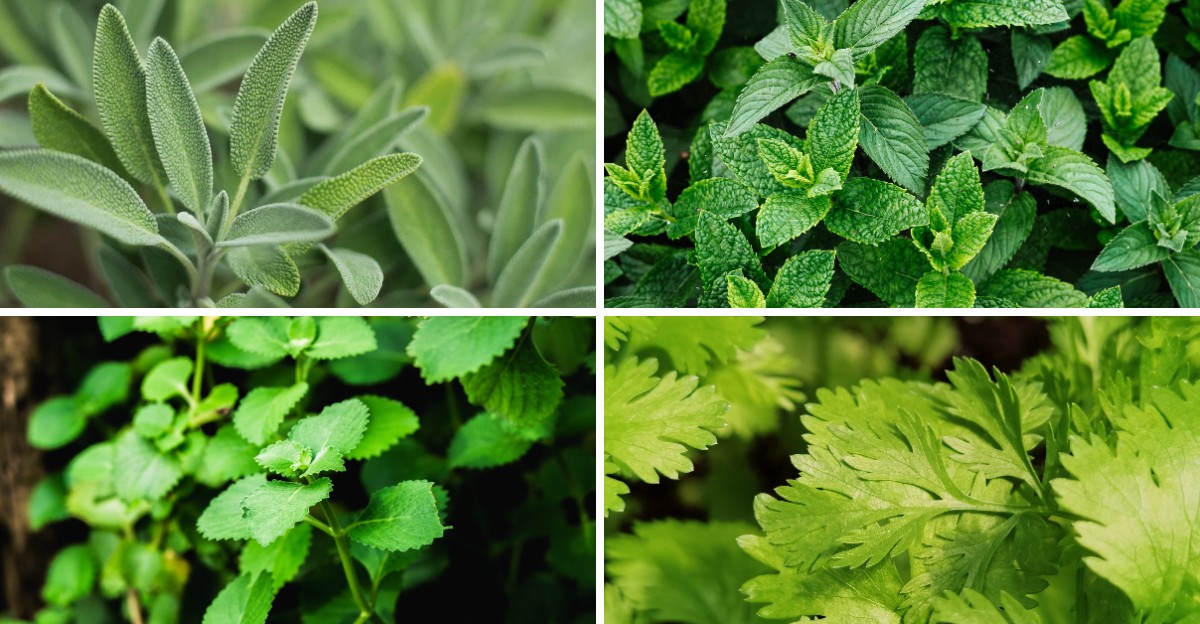
Sage is a classic herb with soft, silvery green leaves and a rich, savory aroma. It is a hardy perennial that does well across much of Washington, and fall is a fine time to plant it.
In November, the cool soil encourages roots to settle in while the plant rests above ground. Choose a sunny spot with well-drained soil, and avoid areas that stay wet through winter. Sage prefers to be a bit on the dry side, so go easy on the watering can once the rains begin.
Common garden sage is the best choice for cooking. Purple sage and golden sage are also pretty, adding color to borders and containers. In eastern Washington, mulch around the base to protect the crown from hard freezes.
For windowsill growing, use a pot at least ten inches wide with a gritty mix, and place it in the sunniest window you have.
Sage can get a little leggy indoors, so pinch the tips often to keep it bushy. Pick leaves as needed, taking only a few from each stem so the plant stays strong.
Sage is lovely with roasted squash, sweet potatoes, turkey, and brown butter pasta, which makes it perfect for the holiday season.
Fresh leaves can be fried in butter until crisp for a simple, elegant treat. Dried leaves keep well in a jar, so you can enjoy your harvest long after the weather turns.
Bees enjoy the lavender-blue flowers in late spring and early summer. A single sage plant can supply a whole household for years.
5. Rosemary Can Brighten A Winter Garden Or Kitchen Window
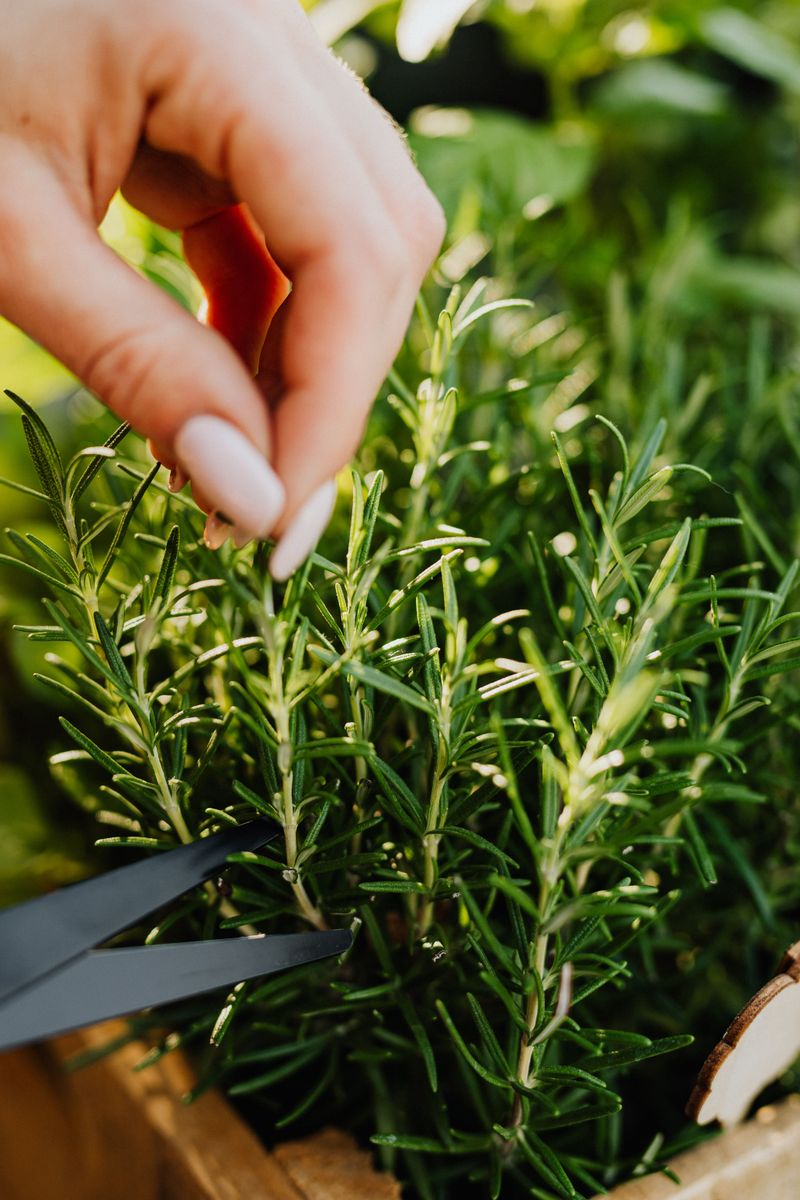
Rosemary brings a wonderful piney fragrance to any space, and it can be grown in Washington with a little planning.
In western Washington, especially near Puget Sound where winters are mild, rosemary often lives happily outdoors all year.
Look for hardy varieties such as Arp or Hill Hardy, which tolerate colder nights better than standard types.
Plant in full sun against a south-facing wall or fence, where it can soak up extra warmth. Soil must drain well, so mix in sand or grit if your garden is heavy clay.
November is fine for planting in mild areas, though you will want to cover young plants with a frost cloth on very cold nights.
In eastern Washington and higher elevations, rosemary does best in a pot that can come indoors for winter. Choose a terra cotta container with good drainage, which helps the soil dry between waterings.
Indoors, place it in the brightest window and give it good air circulation. Water only when the top inch of soil is dry, because rosemary dislikes soggy roots.
A small fan or an open window nearby on mild days can help prevent powdery mildew. Harvest by cutting sprigs about four inches long from the tips.
Rosemary is wonderful with roasted potatoes, bread, chicken, and olive oil. Its woody stems can even serve as fragrant skewers for vegetables.
With a little patience, a young plant can grow into a handsome shrub that serves your kitchen for many years. Few herbs feel as cozy on a gray November day as a pot of rosemary on the sill.
6. Mint Keeps Growing In Washington Containers Even As Days Turn Cool
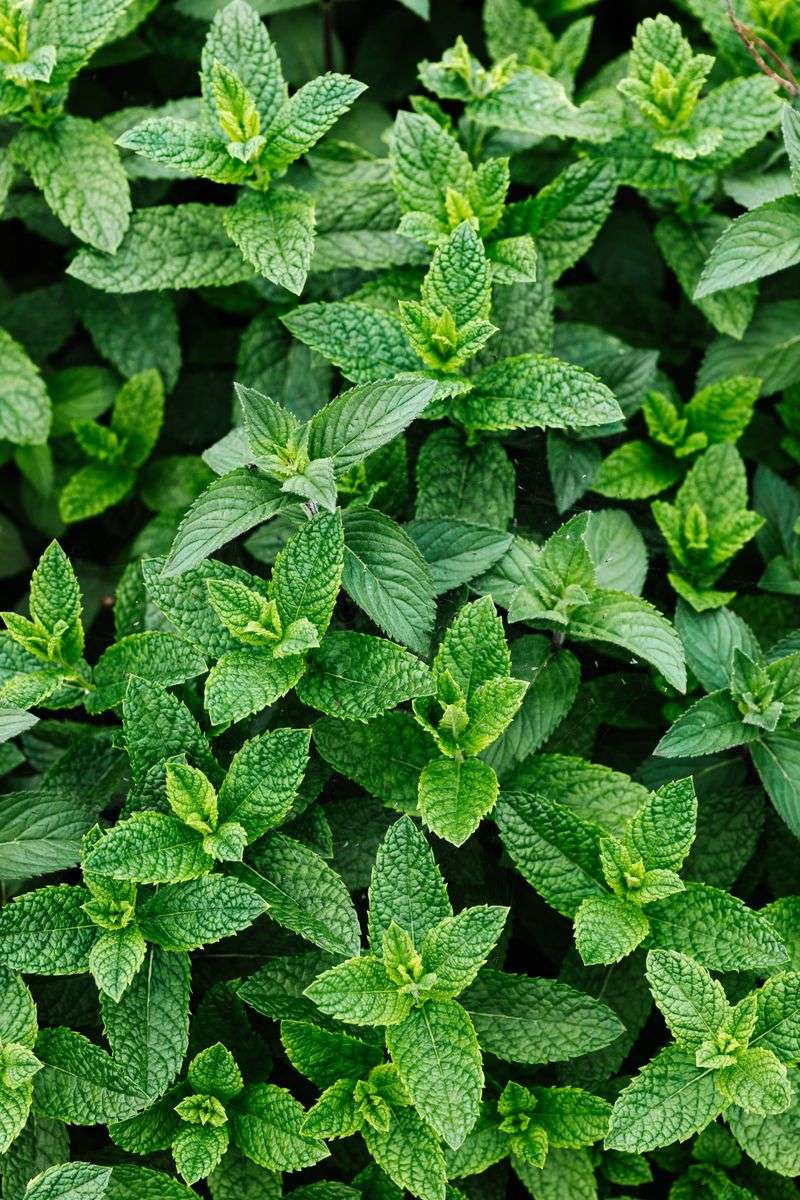
Mint is famously vigorous, and that enthusiasm makes it a reliable choice for November.
It is a hardy perennial that enjoys Washington’s moist climate, especially west of the Cascades.
The best way to grow mint is in a container, since its roots spread quickly and can wander through garden beds.
Plant it in a large pot with drainage holes and set it on a patio or near a kitchen door for easy picking. Use rich, evenly moist soil and give it morning sun with a bit of afternoon shade.
In November, the tops of outdoor mint may fade as the days shorten, but the roots stay alive and send up new shoots in spring.
Mulching the pot with a little straw helps protect the roots during freezing weather. Spearmint and peppermint are the most popular types.
Chocolate mint and apple mint are fun varieties for the curious cook. To enjoy fresh leaves all winter, bring a pot indoors or start a cutting.
Cuttings root easily in a glass of water on the windowsill within a couple of weeks, and then they can be moved into soil. Place the plant in a bright window and keep the soil damp but not soggy.
Pinch off the stem tips often to encourage bushy growth. Fresh mint makes a soothing tea, especially after a hearty meal.
It also adds a cool, bright flavor to hot chocolate, fruit salads, and sparkling water. A pot of mint on the windowsill fills the room with a cheerful scent that lifts the mood on a gray day.
7. Cilantro Enjoys Cool Weather More Than Summer Heat
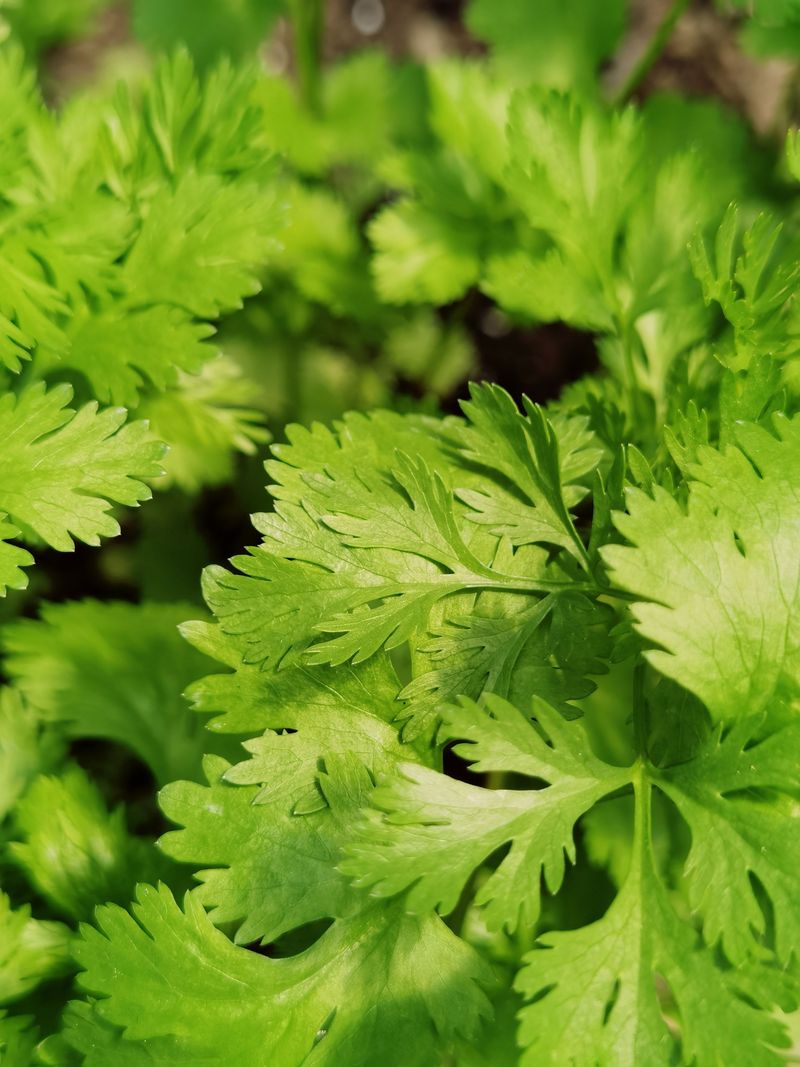
Cilantro is a cool-season herb, which makes late fall a surprisingly good time to grow it in Washington.
Warm summer weather tends to push it to flower quickly, but cool days keep the leaves tender and flavorful.
In western Washington, cilantro seeds sown in early November may sprout slowly and give you small harvests through winter.
Growth is slower in the cold, so be patient. A cold frame, cloche, or row cover helps hold in warmth and speeds things along.
In eastern Washington, where November nights are colder, a windowsill or greenhouse is the best choice.
Sow seeds about a half inch deep in a pot at least eight inches deep, since cilantro has a long taproot that dislikes being moved. Use a light, well-drained potting mix and keep it evenly moist.
Cilantro needs about four to six hours of light daily, and a bright window works well. Sow a new pinch of seeds every three weeks for a steady supply.
Harvest by snipping outer leaves once the plant is about six inches tall. The fresh, citrusy leaves are lovely in salsa, tacos, soups, and curries.
When the plant eventually flowers, allow a few blooms to form seeds, which become coriander. Coriander seeds are a handy spice for baking and cooking.
Beneficial insects such as hoverflies enjoy the small white blossoms, so a few flowers help the whole garden. Cilantro rewards your patience with a flavor that no store-bought bunch can match.
8. Oregano Is A Hardy Herb That Keeps Its Flavor Through Cool Months
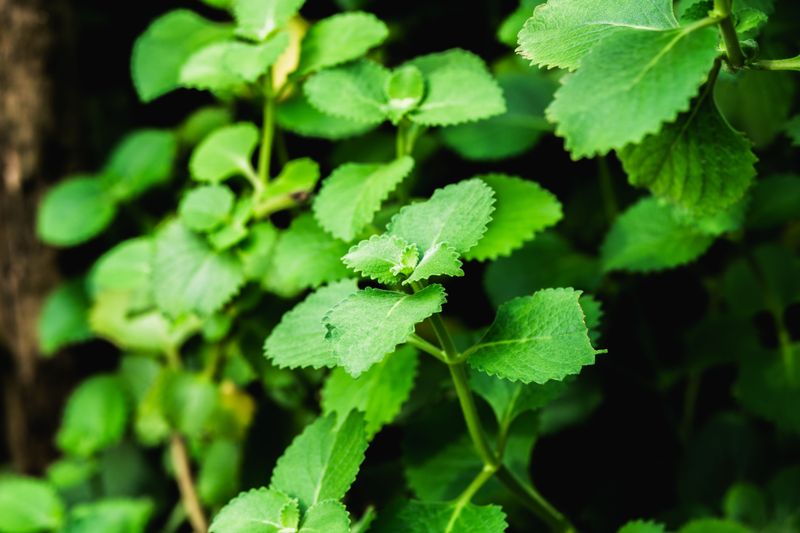
Oregano is a sturdy, sun-loving perennial that fits nicely into a Washington herb garden. Greek oregano has the strongest flavor and is the best choice for cooking.
It tolerates cool weather well and often keeps its leaves through mild winters in western Washington. In colder areas, the tops may fade, but the roots survive and push up fresh growth in spring.
November is a fine time to plant a nursery start, since the cool soil helps roots settle without stress. Pick a sunny spot with soil that drains quickly, and add a handful of compost to the planting hole.
Oregano does not need rich soil, and too much fertilizer can actually reduce its flavor. Water well after planting, then let the soil dry a bit between waterings.
A thin layer of mulch protects the roots during freezing nights. For a windowsill garden, choose a pot about eight inches wide and place it in your brightest window.
Oregano grows best with at least six hours of light, so a grow light can help during short winter days. Trim the stems regularly to keep the plant compact and full.
Fresh leaves are wonderful in pasta sauce, pizza, roasted vegetables, and salad dressings. You can also dry the sprigs by hanging them in a cool, airy spot, then store the leaves in a jar.
Dried oregano often tastes even stronger than fresh, so a small pinch goes a long way. Pollinators love the small pink flowers that appear in summer, which makes oregano a friend to the whole garden.