The Evergreen Groundcover Maryland Banned From Sale Is Still Covering Local Yards
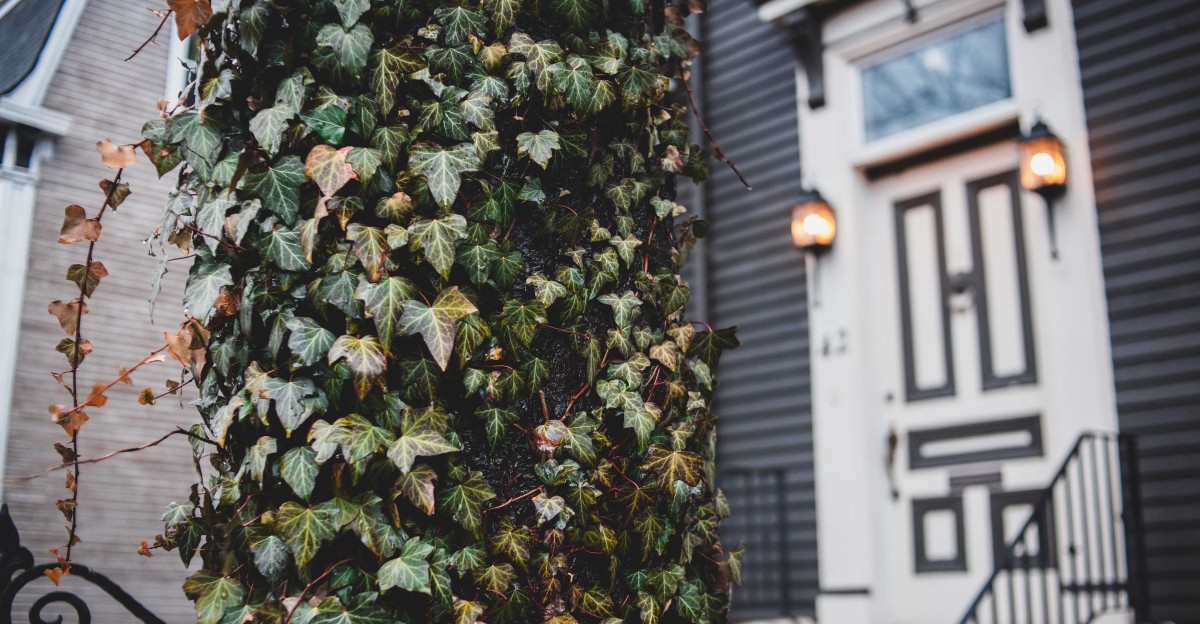
A plant sold for generations as a tidy, classy groundcover now sits on Maryland’s official list of invasive plants. Yet you can walk almost any older neighborhood and find it carpeting shady yards, wrapping fences, and climbing straight up oak trunks.
Truth is, the rules mostly target nurseries and garden centers. Nobody comes knocking to make homeowners rip out what’s already growing, so the old patches keep on creeping. Fair warning, that loophole is huge.
I’ll admit I once admired this plant. Glossy, dark leaves, green even in January, and zero mowing required. It took me a while to notice the birds snacking on its dark berries and dropping seeds in the woods behind my house.
Now what happens when the most familiar green carpet in town turns out to be the problem? And what should you plant once you finally pull it up?
That Glossy Ivy Carpet Under Your Shade Tree Has a Complicated Past
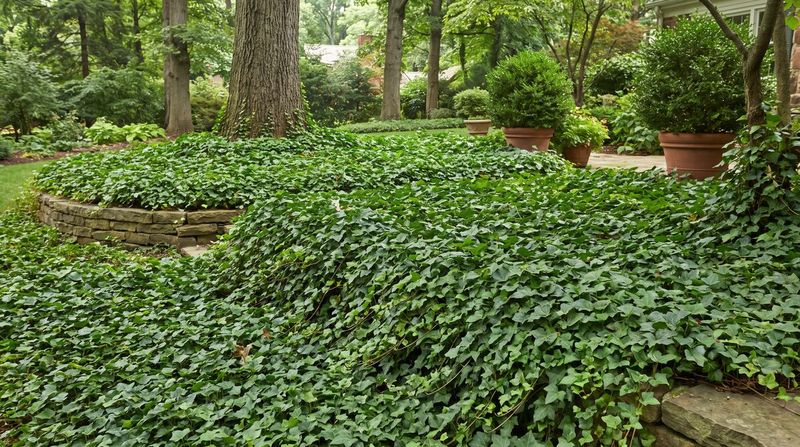
Grandma probably planted it, and the garden center happily sold it to her. English ivy, known to botanists as Hedera helix, arrived from Europe with colonists who loved its old-world charm.
For centuries it was the go-to fix for bare shade under trees. It stayed green all winter, handled poor soil, and needed almost no care. Builders and landscapers tucked it around foundations, along slopes, and under big oaks across the Mid-Atlantic.
The trouble is that ivy doesn’t stay where you put it. Those trailing stems root wherever they touch soil, and a single patch can quietly spread for decades. Many older Maryland neighborhoods now have ivy that has slipped under fences, crossed property lines, and pushed into nearby woods.
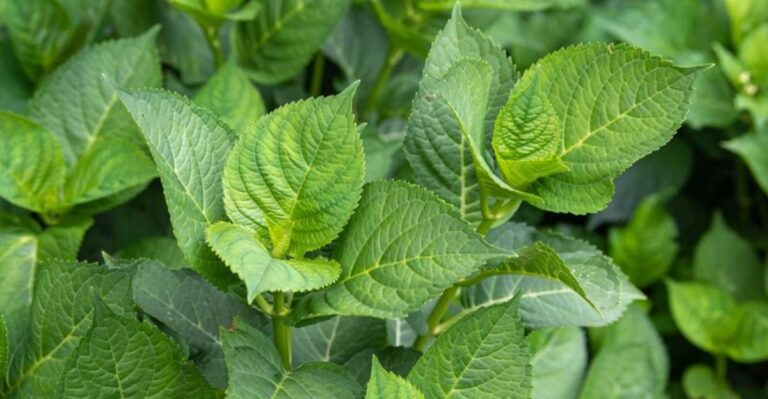
Here’s a quirky detail most people miss. Ivy has two life stages. The familiar three- to five-lobed leaves belong to the young, creeping form. Once a vine climbs high enough to reach sunlight, it switches to a mature form with plain, oval leaves that can flower and fruit.
That switch is the moment a pretty groundcover turns into a seed factory. Knowing it helps you spot which patches in your yard deserve attention first.
Maryland’s Invasive Plant List Changed the Rules for Selling English Ivy
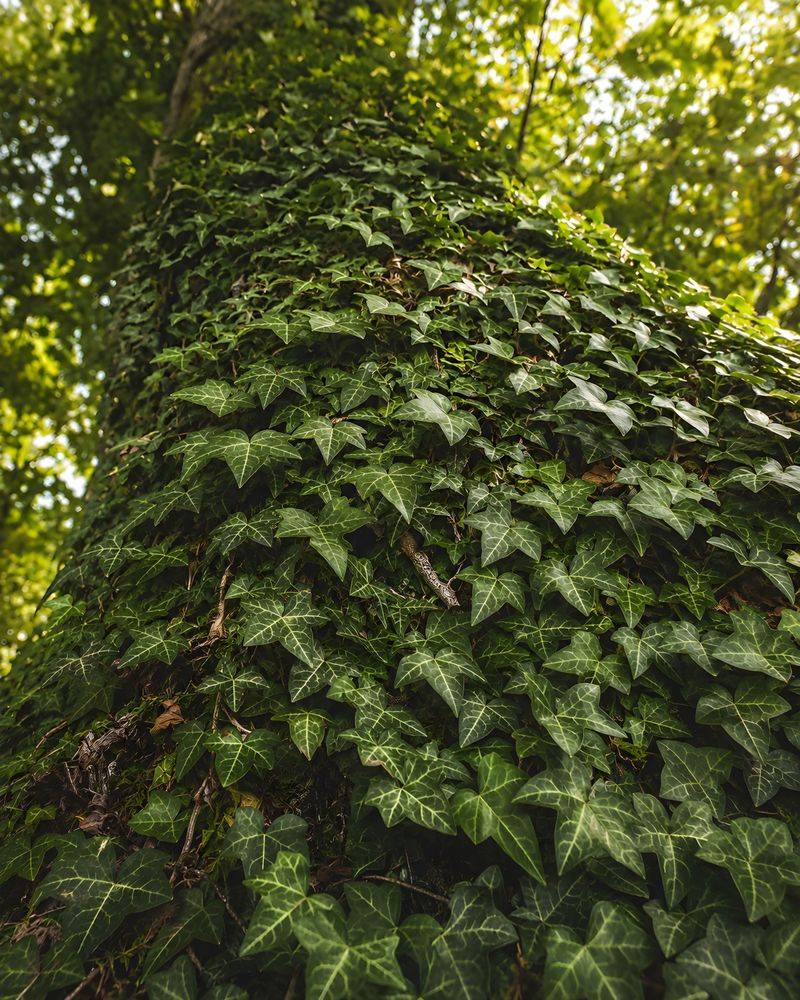
Not going to lie, the legal side surprised me. The Maryland Department of Agriculture keeps a Prohibited Invasive Plant List, and English ivy, including its close cousin Hedera hibernica, has been added to it.
Plants on the list cannot be acquired or sold in the state once a listing takes effect, and for English ivy that date was July 15, 2026. Nurseries with existing stock get a phase-out period, which for English ivy runs until July 2027 for potted plants and July 2028 for in-ground plants.
Notice who those rules focus on. They target sellers, nurseries, and anyone moving plants commercially. They don’t require homeowners to remove ivy that was already growing before the listing.
That gap explains the title. Sales got tighter, yet millions of square feet of established ivy stayed right where it was. It keeps rooting, climbing, and fruiting on its own schedule.
A smart move is to stop sharing cuttings with friends or neighbors. Passing along a rooted stem might feel generous, but it simply starts a fresh patch somewhere new. If you love trading plants, swap native groundcovers instead and keep the goodwill going.
Ivy Vines Climbing Your Oak Trunk Need Attention First
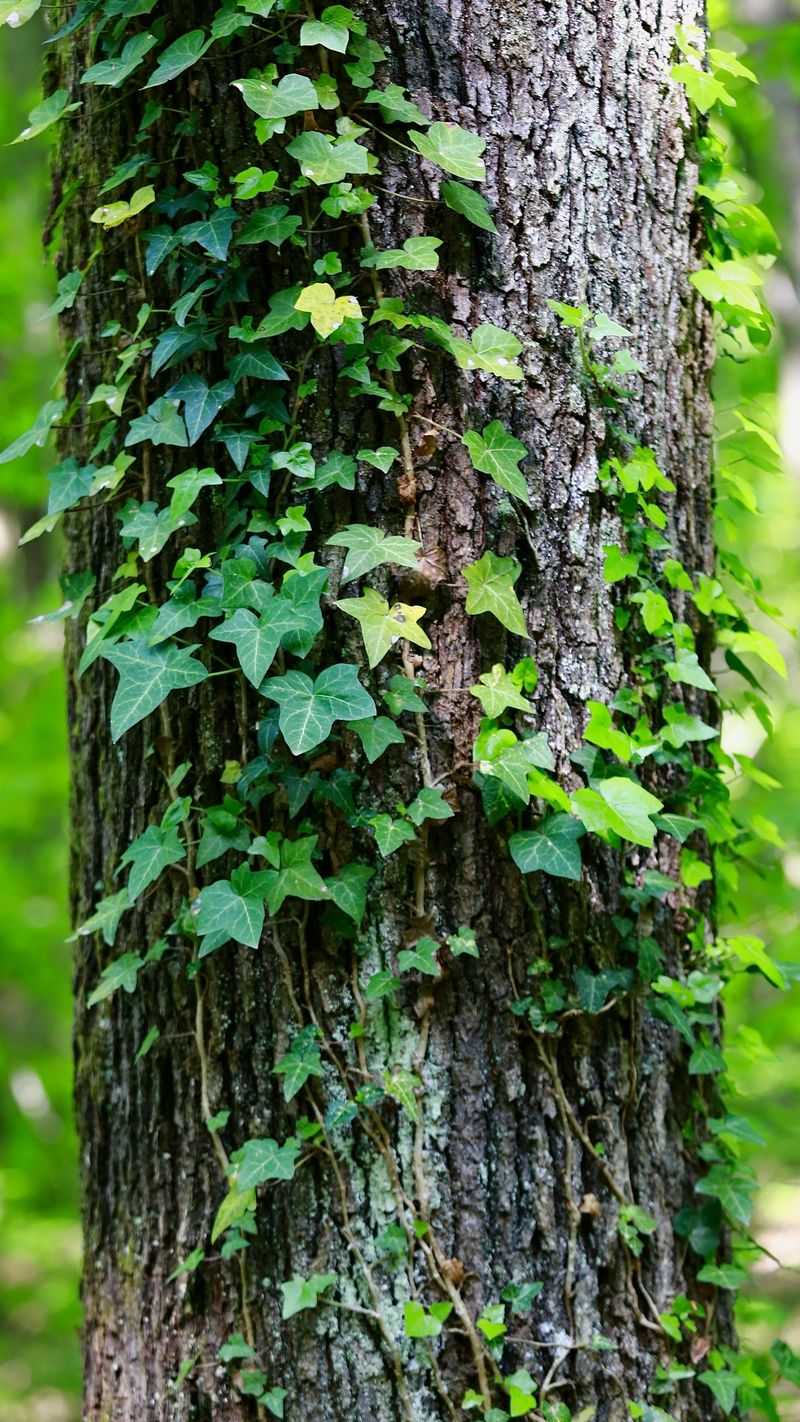
My first big ivy job was a tulip poplar wearing a shaggy green coat halfway to the canopy. Once I learned what that coat was doing, I grabbed my loppers that same weekend.
Climbing ivy adds heavy weight to branches, which raises the chance of limbs snapping in storms or ice. A thick mat can also hide rot, cracks, and other problems an arborist would want to see. On top of that, climbing vines reach enough sun to flower and set berries.
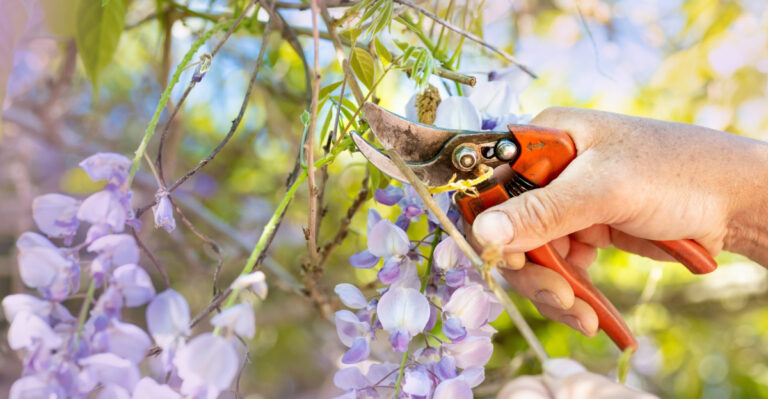
Extension specialists recommend a method sometimes called the survival ring. Cut every vine around the trunk at about chest height, then carefully pull ivy away from the base so there’s a bare circle of soil a few feet wide.
Leave the upper vines alone. Ripping them off can tear bark, and the cut sections will wither and drop over time. That brown mess looks odd for a season, but it means the job worked.
Check the trunk each spring and fall. New stems often creep back toward the bark, and snipping them early takes only a few minutes. Large trees near houses or power lines deserve a call to a certified arborist.
Those Dark Ivy Berries Are How Birds Carry It Into the Woods
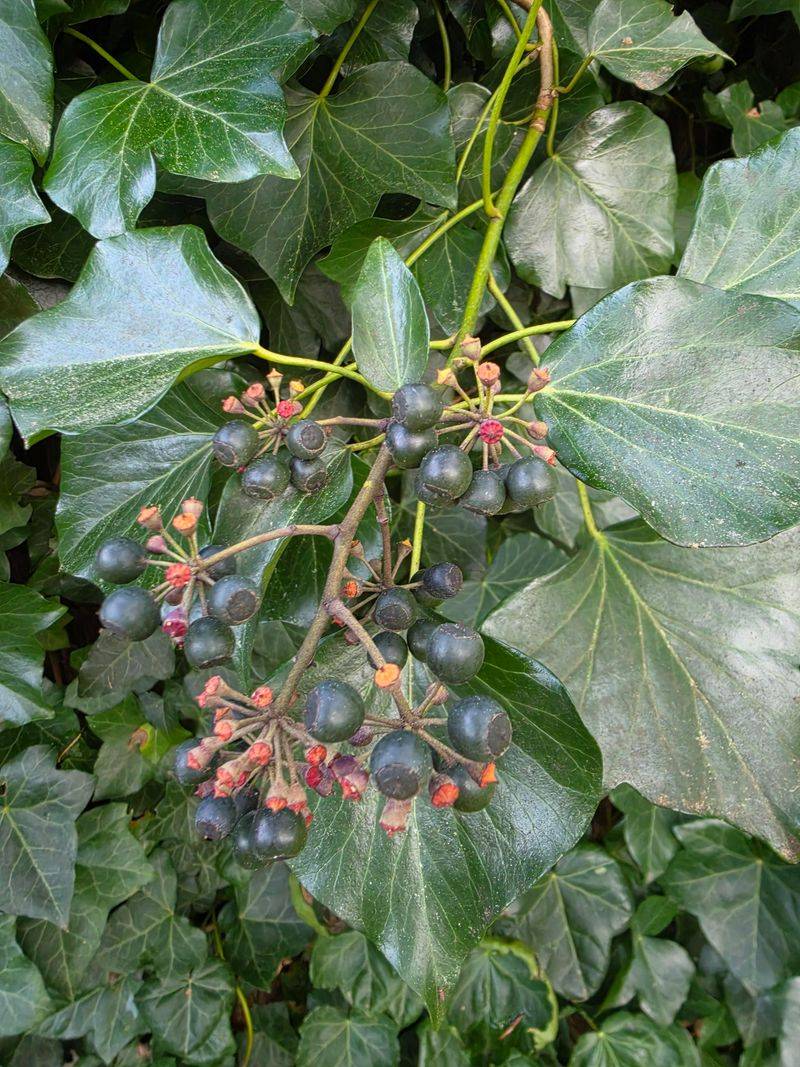
Ever notice ivy popping up deep in a forest with no house nearby? Birds are usually the delivery crew.
Mature ivy blooms in early fall with small, greenish flower clusters that bees and flies happily visit. By late winter those flowers turn into round, blue-black berries. Starlings, robins, and other birds eat them and spread the seeds wherever they perch.
The berries are mildly toxic to people and pets, so they aren’t something you want kids or dogs nibbling. Birds handle them fine, which makes ivy a remarkably mobile plant for something that looks rooted in place.
That’s why one fruiting vine on a backyard fence matters beyond your yard. Seedlings can sprout in parks, stream valleys, and state forests. Groups that manage Maryland’s natural areas spend real time and volunteer energy pulling ivy that started in someone’s landscape.
Your easiest win is removing any ivy that has reached the mature, berry-producing stage. Look for upright, bushy branches with unlobed leaves on walls, fences, and tree trunks. Clip off flower heads or berry clusters, bag them, and toss them in the trash rather than your compost pile.
Pulling Ivy From the Ground Works Best After a Good Rain
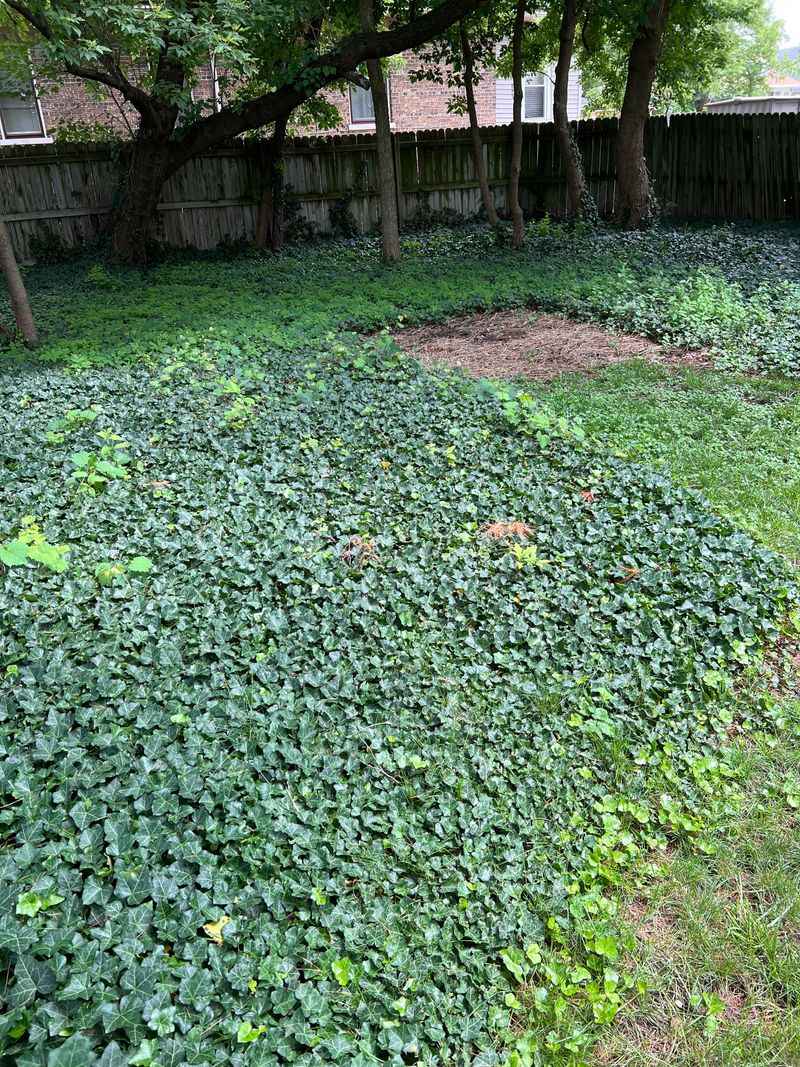
Patience beats muscle with this chore. Hand-pulling is still the most reliable way to clear groundcover ivy, and damp soil makes it far easier.
Wait for a day or two after a soaking rain. Grab a stem, follow it back, and pull gently so the roots release. Many gardeners roll the vines up like a carpet as they go, which keeps the mat in one tidy bundle.
Late fall through early spring is a comfortable window in Maryland. Temperatures stay cool, mosquitoes are gone, and you can see the vines without summer weeds crowding the view. Wear gloves and long sleeves, since ivy sap can irritate sensitive skin.
Bag the pulled vines or let them dry out on a tarp before disposal. Fresh stems tossed on bare ground can root again surprisingly fast. Check your county’s yard waste guidelines, since some programs prefer invasive plants go in the trash.
Expect sprouts for a year or two. Small root pieces left behind will send up new shoots, so plan quick follow-up sessions. Covering cleared ground with a few inches of shredded leaves or wood chips helps slow the comeback while you decide what to plant.
Waxy Ivy Leaves Shrug Off Many Weed Sprays
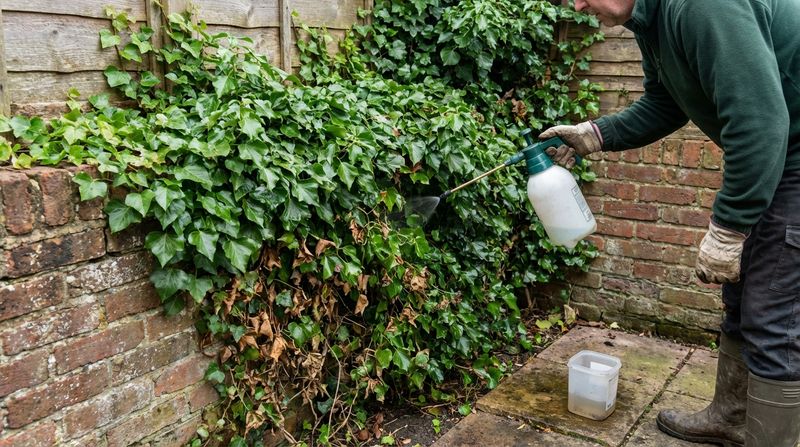
I learned the hard way that a quick spray rarely touches established ivy. Those shiny leaves aren’t just pretty, they carry a thick, waxy coating that sheds liquid like a raincoat.
Many herbicides bead up and roll off before the plant absorbs much. Gardeners who try spraying often see a little browning, then fresh growth a few weeks later. That cycle wastes product and can harm nearby plants you actually like.
University extension programs generally point to manual removal first. When chemical help makes sense on large areas, some experts suggest treating freshly cut stems, or spraying on a mild winter day when surrounding native plants are dormant. Crushing or mowing leaves first can also help the product get in.
Read the label carefully, since it is the legal guide for how to use any herbicide. Keep sprays away from streams, ponds, and storm drains, where runoff can harm fish and frogs. Many Chesapeake Bay area homeowners skip chemicals near water for exactly that reason.
If a slope is huge or steep, consider hiring a licensed pesticide applicator or an invasive removal crew. Their experience can save you months of frustrating trial and error.
Bare Soil After Ivy Removal Is Begging for Native Groundcovers
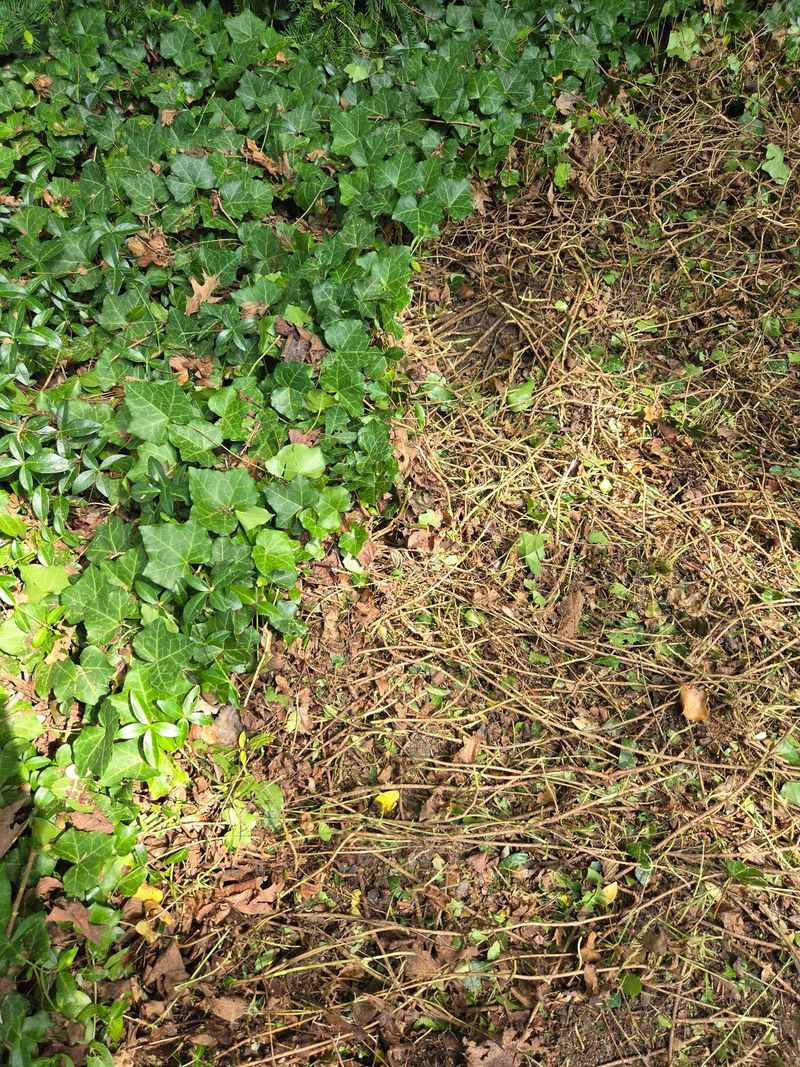
Clearing ivy feels great for about a week. Then you stare at a patch of bare dirt and realize something has to fill that space before weeds do.
Native groundcovers make a terrific swap. Pennsylvania sedge forms soft, grassy tufts in dry shade. Allegheny pachysandra, a native cousin of the common Asian pachysandra, offers mottled leaves and fuzzy spring blooms.
Green-and-gold brightens shady edges with cheerful yellow daisies from spring into summer. Christmas fern stays green through winter, giving you that evergreen look you liked about ivy. In moist woodland spots, foamflower and creeping phlox add soft spring color.
Plant in early fall or spring, when cooler temperatures and steady rain help roots settle in. Space plants closer than you might expect so they knit together faster. Mulch lightly between them with shredded leaves.
Native groundcovers feed caterpillars, bees, and the birds that depend on them. They also tend to stay where you plant them, which feels like a small miracle after wrestling ivy. The Maryland Native Plant Society and local extension offices share plant lists and sales that make shopping simple and affordable.
One Ivy-Free Yard Can Inspire the Whole Street
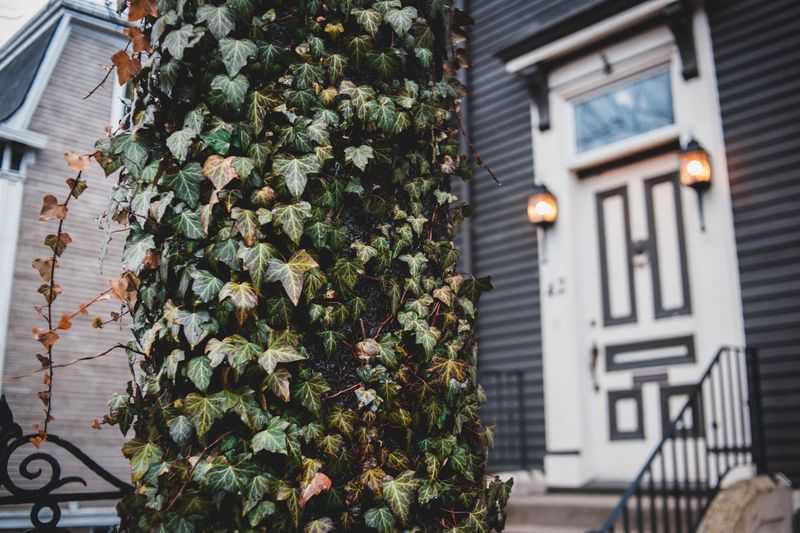
Ivy doesn’t respect property lines, so the most lasting fix often involves a friendly chat over the fence. A cleared yard next to an overgrown one tends to get reinvaded within a few seasons.
Start small with neighbors who share a fence or tree line. Offer to tackle the border together on a cool Saturday, and maybe bribe everyone with coffee and donuts. People are much more likely to join when the job feels social instead of overwhelming.
Many counties, parks departments, and watershed groups host invasive plant removal days. Volunteers learn identification tricks, borrow tools, and see how much ground a small crew can clear. Those events are also a handy way to swap native plant divisions.
Homeowner associations can help too. Some update landscaping guidelines to discourage new ivy plantings and encourage native alternatives. A short newsletter note about the state’s invasive list can open plenty of eyes.
Above all, stay patient with yourself. Clearing ivy is a marathon, and small steady efforts add up beautifully. Cut climbing vines first, pull a little at a time, plant natives as you go, and enjoy watching wildlife return to your shady corners.