If You Grow Petunias In Ohio, Avoid These 7 Gardening Mistakes At All Costs
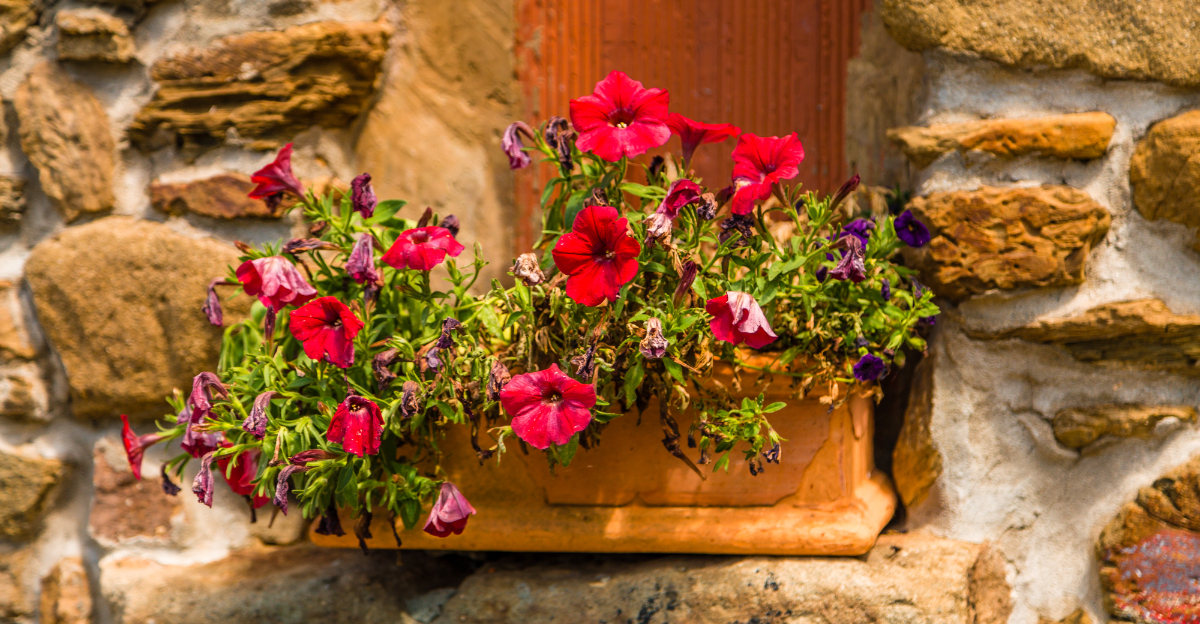
Petunias look like a sure thing. Bright, fast-growing, and available at every garden center from April onward, they have a way of convincing Ohio gardeners that success is practically guaranteed.
Then midsummer arrives and the plants that started so promisingly are leggy, sparse, and barely flowering. That story plays out in gardens across the state every single season.
Petunias are not difficult, but they are specific. They have clear preferences around watering, feeding, and pruning that casual care tends to miss.
Ohio’s humidity adds another layer, creating conditions where certain mistakes accelerate faster than they would in a drier climate. None of the pitfalls are obscure or hard to avoid.
Most gardeners who struggle with petunias are making the same handful of errors without realizing it. Knowing what those are before the season gets away from you changes the whole outcome.
1. Planting Petunias Before The Nights Stay Warm
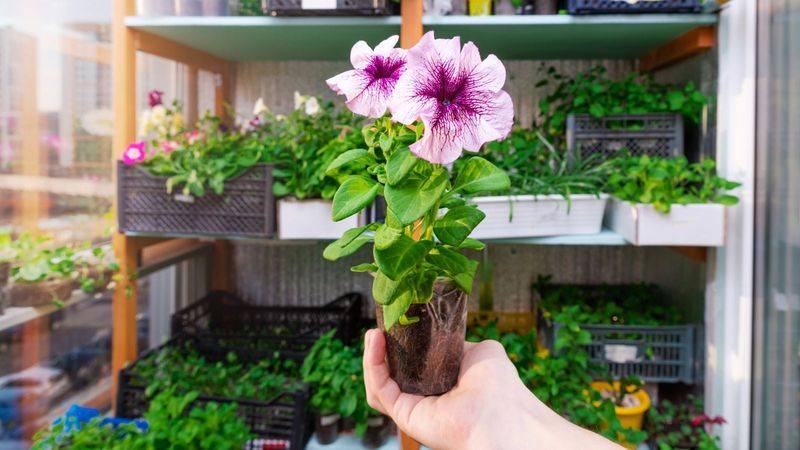
Rushing petunias outside too early is one of the most common mistakes home gardeners make each spring. Petunias are warm-season annuals, which means they thrive in warmth and struggle when temperatures dip too low.
Cool nights, late frosts, and cold soil can all slow growth, stress young transplants, and set plants back weeks before they even get started.
In southern parts of the state, last frost dates typically fall earlier, often around mid-April in many areas. Central regions tend to follow in late April.
Northern regions and Lake Erie-influenced areas can see frost well into May, so gardeners there need to be especially patient. Frost-prone spots in elevated or low-lying areas can surprise you even after a mild stretch of days.
A good general guideline from extension sources is to wait until nighttime temperatures are consistently above 50 degrees Fahrenheit. Then you can set petunias outside for good.
Soil temperature matters too. Cold soil slows root development and makes it harder for transplants to establish, even if they technically survive a chilly night.
If you want to get a head start, you can harden off transplants gradually by setting them outside during warm daytime hours and bringing them back in at night.
This process, done over about a week, helps young plants adjust to outdoor conditions without the shock of a sudden temperature drop.
Watching your local forecast closely in April and May is just as important as knowing your average frost date. A late cold snap after a warm week can catch gardeners off guard.
Keeping transplants in pots near a sheltered wall or under a cold frame gives you flexibility. That helps if the weather turns cold again before you are ready to commit to planting day.
2. Choosing A Spot With Too Much Shade
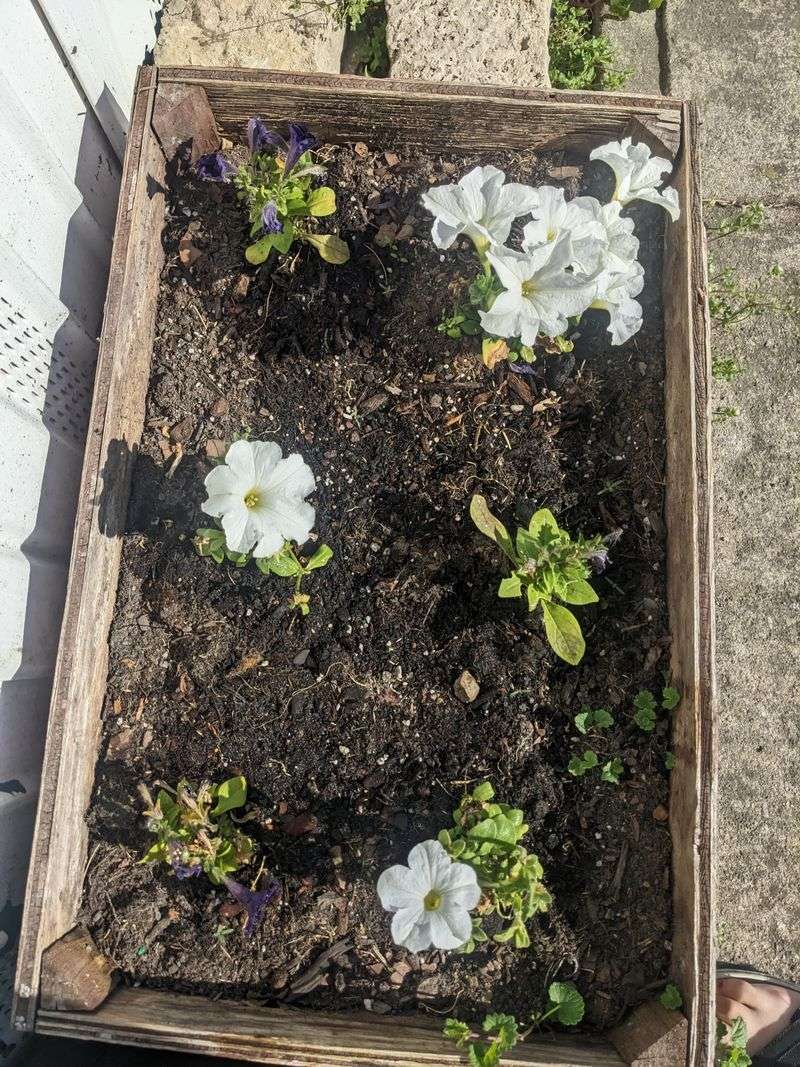
Sunlight is not optional for petunias. These flowers are built for bright, open conditions, and they show their best performance when they receive at least six hours of direct sun each day.
Gardeners who tuck petunias into shady spots under trees or along north-facing walls often wonder why their plants look leggy, pale, and reluctant to flower.
Your Ohio Garden Changes Every Week. Your Plan Should Too.
Gardening in Ohio changes quickly throughout the season. Every Friday you’ll receive a simple weekly plan showing exactly what to plant, prune, fertilize, harvest, and protect so you never miss the right timing.
Too much shade pushes petunias to stretch toward any available light. Stems get long and thin, leaves spread out in search of sun, and flowers become sparse.
The plant is putting energy into reaching for light instead of producing the blooms you planted it for in the first place.
Morning sun is particularly valuable because it helps dry dew and moisture off foliage quickly. Wet leaves that stay damp into the afternoon can invite fungal problems, especially during humid stretches of summer weather.
A spot with good morning sun and some protection from the most intense afternoon heat can work well for petunias in containers. Hot afternoon sun in July and August can dry out pots very quickly.
For flower beds and garden borders, choose a location that gets full sun for most of the day. South-facing and west-facing beds typically offer the most consistent light.
Avoid planting under dense shade trees or too close to tall fences that block sun for large portions of the day.
Hanging baskets and window boxes give you more flexibility because you can move them to better locations if the spot you first chose turns out to be too shaded. If your petunias are blooming lightly and stretching more than expected, check the light first.
Do that before assuming the problem is something else entirely.
3. Letting Containers Dry Out Too Often
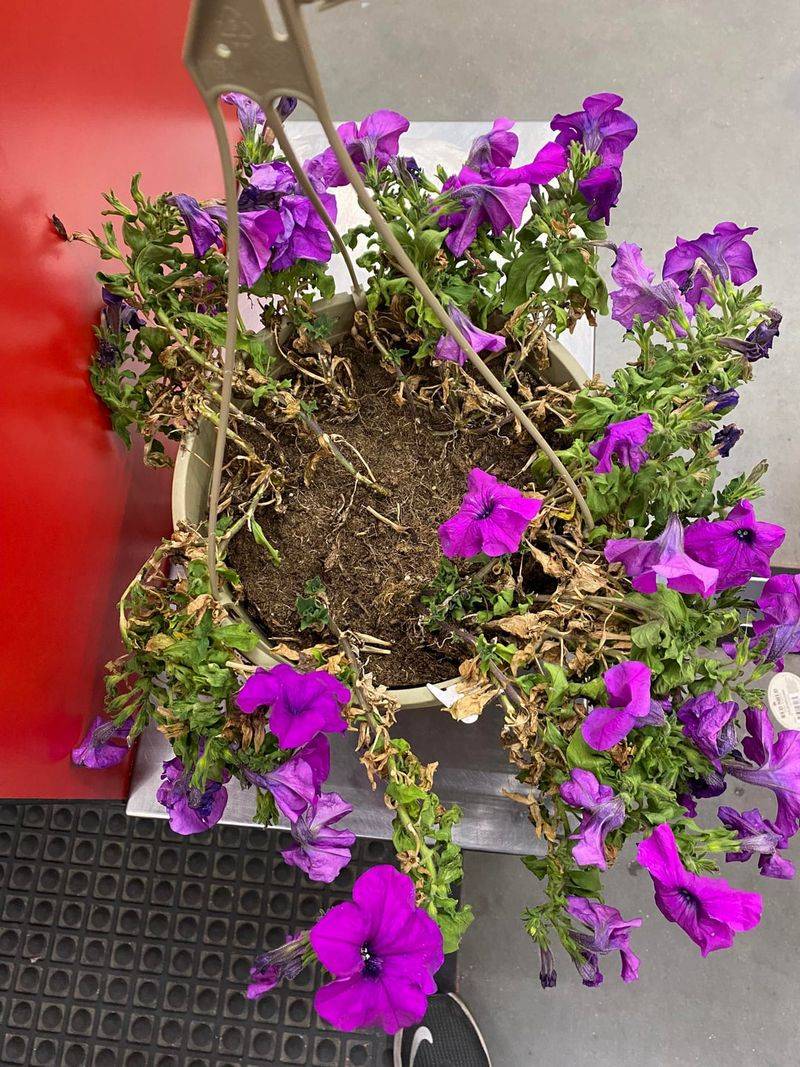
Container petunias are thirsty plants. Pots, window boxes, and hanging baskets all dry out much faster than in-ground beds because they hold a limited amount of soil that heats up quickly in warm weather.
On a hot, breezy summer day, a hanging basket can go from moist to bone dry in just a few hours, especially if it is hanging in full sun.
Repeated drying out puts real stress on petunias. Plants that swing between drought and overwatering tend to bloom less, drop buds before they open, and look tired well before summer is over.
Consistency matters more than any single watering session.
The finger test is one of the most practical tools you have. Push your finger about an inch into the soil.
If it feels dry at that depth, it is time to water. If it still feels slightly moist, you can wait a little longer.
This simple check takes just a few seconds and tells you far more than a fixed watering schedule ever could, since weather conditions change from day to day.
Water thoroughly when you do water, until it drains freely from the bottom of the container. Shallow watering that only wets the top inch of soil encourages roots to stay near the surface instead of reaching deeper.
That makes plants even more vulnerable to drying out between sessions.
Drainage is equally important. Soggy soil that stays wet for long periods can lead to root problems.
Make sure containers have drainage holes and that saucers are not trapping standing water underneath. A well-draining potting mix designed for containers helps keep moisture levels balanced without staying waterlogged after heavy rain or thorough watering.
Mulching the top of larger containers can also help slow moisture loss on the hottest days.
4. Skipping Regular Feeding During Bloom Season
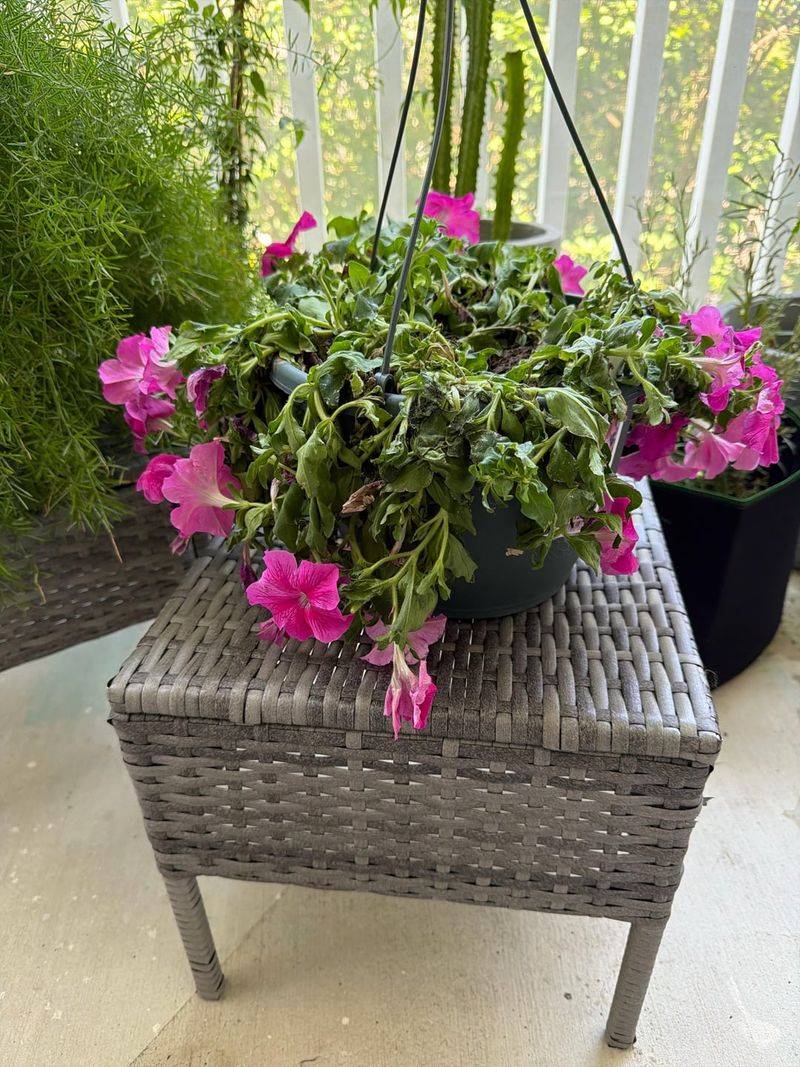
Petunias are heavy bloomers, and producing all those flowers takes a steady supply of nutrients. Plants growing in garden beds can sometimes get by with less frequent feeding if the soil is already rich, but container petunias are a different story.
Every time you water a pot or hanging basket, nutrients wash out through the drainage holes. Over a few weeks, even a good potting mix can become depleted enough to slow down flowering noticeably.
Regular fertilizing during the growing season helps replace what gets lost and keeps plants producing new buds consistently. A balanced fertilizer that contains roughly equal parts nitrogen, phosphorus, and potassium works well for general feeding.
Some Ohio gardeners prefer a fertilizer with a slightly higher middle number, which represents phosphorus and supports flowering. Always follow the label directions for rates and frequency, since more is not always better.
One thing worth watching is nitrogen. Too much nitrogen pushes plants to produce lush, dark green leaves instead of flowers.
If your petunias look very leafy and full but are not blooming much, excess nitrogen could be part of the reason. Switching to a bloom-focused fertilizer with a lower nitrogen ratio can help redirect the plant’s energy back toward flowers.
Liquid fertilizers applied during regular watering sessions are popular for containers because they deliver nutrients directly to the root zone quickly.
Slow-release granular fertilizers mixed into potting soil at planting time can provide a steady background level of nutrition.
They may still need supplementing during peak bloom periods.
Feeding every one to two weeks during active bloom season is a common recommendation from extension sources for container petunias. In-ground petunias may do well with less frequent feeding, but a monthly boost can still keep them looking their best through summer and into early fall.
5. Cutting Back Too Late When Plants Get Leggy
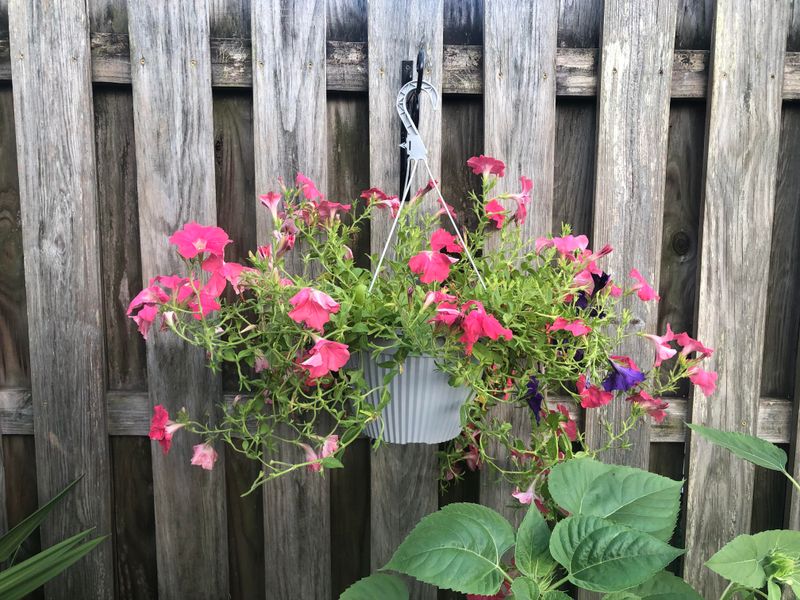
By midsummer, petunias can start to look stretched, bare at the base, and worn out. Long stems with flowers only at the tips, sparse foliage in the middle of the plant, and fewer new buds are all signs that petunias are getting leggy.
It is a normal part of their summer cycle, but how you respond to it makes a big difference in how plants look for the rest of the season.
Waiting too long to trim is where many gardeners go wrong. Once stems are very long and bare, cutting back hard can feel like a big risk.
But a light to moderate trim done before plants look completely exhausted tends to work much better than waiting until the whole container or bed looks ragged. Catching it early gives plants more time and energy to push out fresh growth and new flower buds.
You do not need to follow a precise formula for every variety. Trailing and mounding types respond differently, and some newer varieties are bred to stay tidier on their own.
As a general approach, trimming stems back by roughly one-third to encourage fresh branching is a reasonable starting point for most common petunia types. The goal is to remove the long, tired portions and let the plant redirect energy into new shoots.
After cutting back, a light feeding can help petunias bounce back faster. Keep watering consistently during the recovery period, since plants that are already stressed from heat and heavy blooming need steady moisture to push out new growth.
Midsummer is the most common time for this kind of light rejuvenation trim in our growing season, usually sometime in July. Plants that get a timely trim often come back looking noticeably fuller and more colorful within two to three weeks.
That helps carry the garden through late summer and into September.
6. Crowding Plants Where Airflow Stays Poor
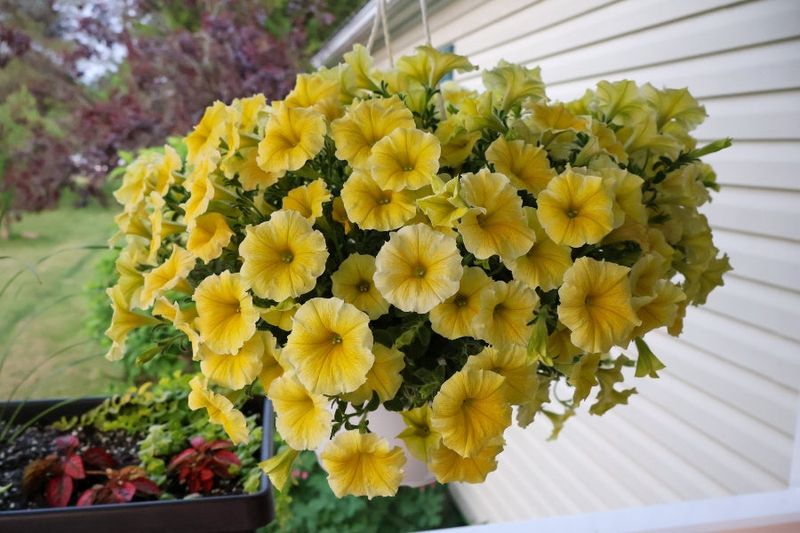
Packing too many petunias into a small space feels tempting, especially when you want a full, lush look right from the start. But crowded plants create conditions that can work against you as the season goes on.
When stems and leaves are pressed tightly together, air cannot move through the planting freely. In a state where summer humidity can build quickly, that stagnant air around foliage becomes a real concern.
Fungal issues such as botrytis and powdery mildew tend to show up more often in plantings where moisture lingers on leaves and stems for extended periods. Crowded conditions slow down the drying process after rain, irrigation, or heavy dew.
Spacing plants with enough room for air to circulate is one of the simplest ways to reduce that risk without reaching for any kind of treatment.
In garden beds and borders, following the spacing guidelines on the plant tag is a practical starting point. Most standard petunia varieties do well with about 12 inches of space between plants, though spreading and trailing types may need more.
Resist the urge to fill every gap immediately. Plants will spread and fill in naturally as the season moves forward.
Containers and hanging baskets deserve the same consideration. Overstuffing a basket makes it look lush in May.
By July, the plants can be competing for water, light, and air in ways that show up as poor performance and increased disease pressure. A basket that looks slightly open at planting often fills in beautifully within a few weeks as plants establish and spread.
Mixed containers combining petunias with other annuals should also account for the growth habits of every plant included. Choosing companions with similar water and light needs keeps mixed plantings healthier.
Leaving enough space for everyone to grow comfortably also helps them look good well into summer and fall.
7. Ignoring Pests Until Blooms Start To Struggle
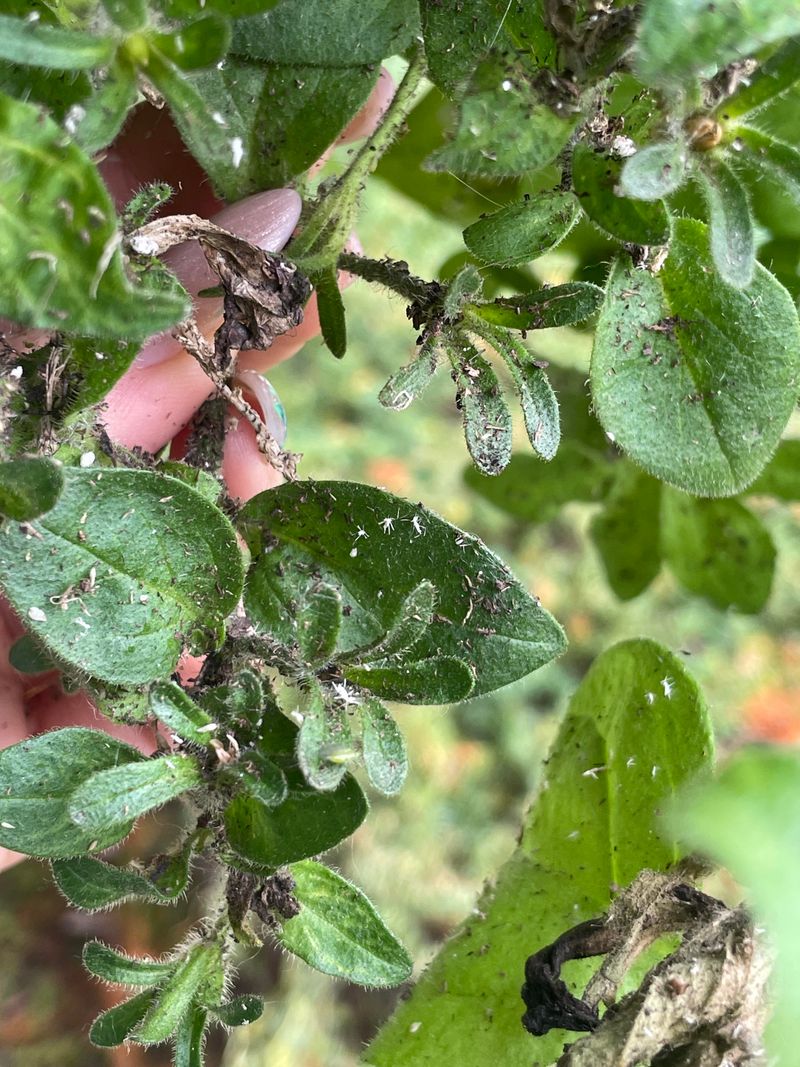
A petunia that looked perfect one week and ragged the next often has a pest problem that went unnoticed too long. Regular inspection is one of the most practical habits you can build into your routine.
Catching a pest problem early makes management much more straightforward. It is much easier than dealing with a heavy infestation later in the season after populations build up or damage spreads.
Aphids are among the most common visitors on petunias. These small, soft-bodied insects tend to cluster on new growth, buds, and the undersides of leaves.
A strong spray of water from a garden hose can knock them off plants in many cases. Keeping plants healthy and well-watered also makes them more resilient against aphid pressure.
Petunia budworms, also called tobacco budworms, are a more serious concern because they feed inside flower buds before the blooms even open. Affected buds may look chewed or fail to open properly.
Checking buds closely and removing affected material promptly can help limit spread. Extension sources recommend checking plants frequently during warm weather when budworm activity tends to peak.
Slugs can also cause damage, particularly in beds with dense foliage or in areas that stay moist. Ragged holes in leaves or flowers, often noticed in the morning after overnight feeding, are a common sign.
Reducing excess moisture around plants and removing debris where slugs can shelter during the day are practical first steps.
The broader principle across all pest situations is to check your plants often. Look at leaves, stems, buds, and flowers from multiple angles, and act early when something looks off.
Healthy, well-fed, properly watered petunias tend to handle moderate pest pressure better than stressed plants. Early attention keeps small problems from turning into the reason your summer blooms fall short of what you hoped for.