If Your Ohio Lawn Thatch Is More Than Half An Inch Thick, September Changes The Plan
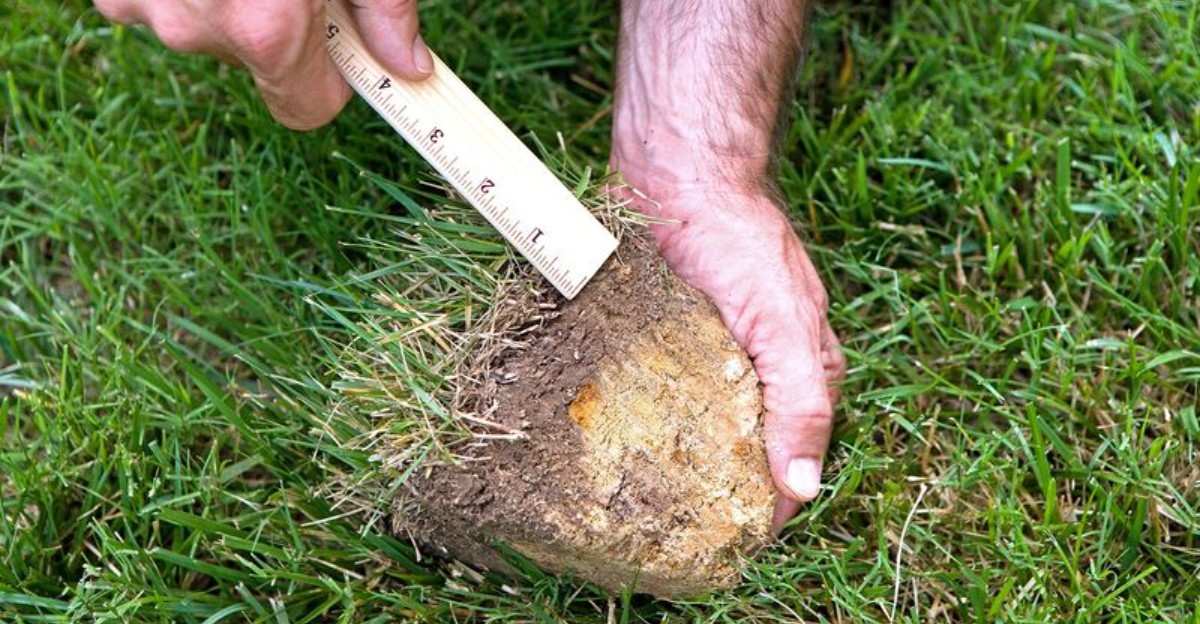
Run your fingers through your Ohio lawn this week, and half an inch might be the number standing between a healthy fall routine and a wasted one.
Thatch builds up quietly between grass blades and soil, and most homeowners never think to check it until problems show up on the surface. Cross a certain thickness and your usual September routine stops working the way it used to.
Water and fertilizer that should reach the roots instead get trapped above the soil, feeding a layer that does nothing for the grass underneath.
One extra step this month makes the difference between a lawn that bounces back strong and one that spins its wheels no matter what you throw at it.
Pull back a patch of grass and check your thatch layer before you commit to your usual plan. That one measurement could change everything you do next.
1. Measure The Thatch Before Reaching For A Rake
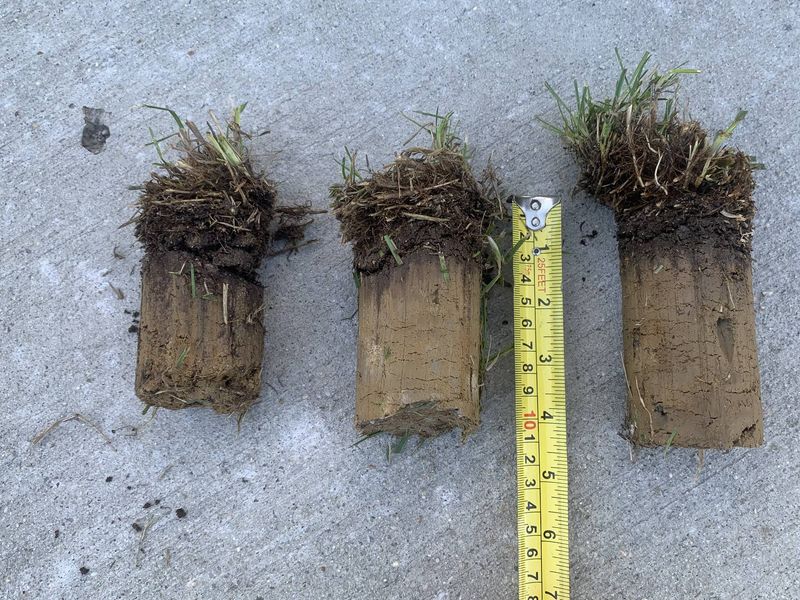
Grab a shovel or a soil probe and pull a plug about three inches deep from your yard. Look at the side of that little core like a slice of layer cake.
Between the green blades and the dark soil, you will see a brownish, fibrous band. That band is thatch, a woven mat of stems and roots that piles up faster than soil microbes can break it down.
Hold a ruler against it and get an honest number. Under half an inch is good news, and that thin cushion actually works in your favor by steadying soil temperature, holding moisture, and feeding nutrients back slowly.
No shovel handy? Push a long screwdriver straight down and feel for the change in resistance as it passes through the spongy brown layer into firmer ground.
Take readings in three or four spots across the yard, since thatch rarely builds evenly. Shady corners, heavily fertilized strips, and areas you water often tend to run thicker.
Write the numbers down somewhere. That single measurement decides whether September means light overseeding or a bigger renovation plan, and it saves you from renting machinery your lawn does not need.
Guessing is what gets Ohio homeowners into trouble. Measuring takes five minutes and costs nothing at all.
2. Know When Thatch Becomes A Lawn Problem
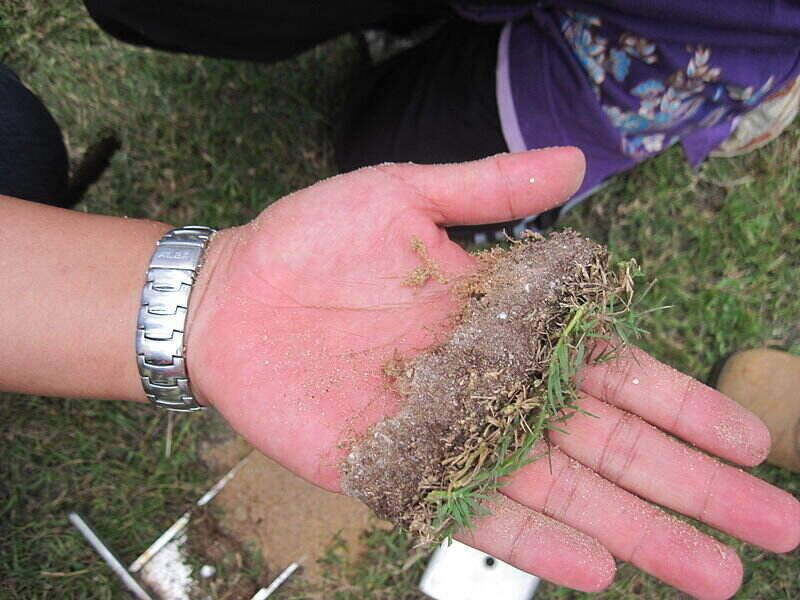
Around half an inch is a useful point to start paying closer attention. As thatch gets substantially thicker, it can begin interfering with water and root growth.
Water, air, and nutrients hit the mat and struggle to get through to the root zone. Roots respond by growing sideways into the thatch itself, where they sit high and exposed instead of anchored in cool, moist soil.
Come July, those shallow roots have nothing to fall back on. A week without rain hits that lawn far harder than it hits a neighbor with a thinner mat.
Your feet often notice before your eyes do. A spongy, bouncy step across the yard is one of the clearest clues that organic matter has piled up too high.
Watch what happens when you irrigate, too. If water beads up, puddles, or runs toward the driveway rather than soaking straight in, the mat is shedding it.
Your Ohio Garden Changes Every Week. Your Plan Should Too.
Gardening in Ohio changes quickly throughout the season. Every Friday you’ll receive a simple weekly plan showing exactly what to plant, prune, fertilize, harvest, and protect so you never miss the right timing.
Another tell is a lawn that stays damp long after surrounding areas dry out. That lingering moisture creates a cozy spot for turf diseases and certain insects to settle in.
Put those signs together with your ruler measurement. Two or three matching clues mean September deserves a real plan, not just a bag of seed tossed around.
3. Skip Heavy Dethatching On Stressed Turf
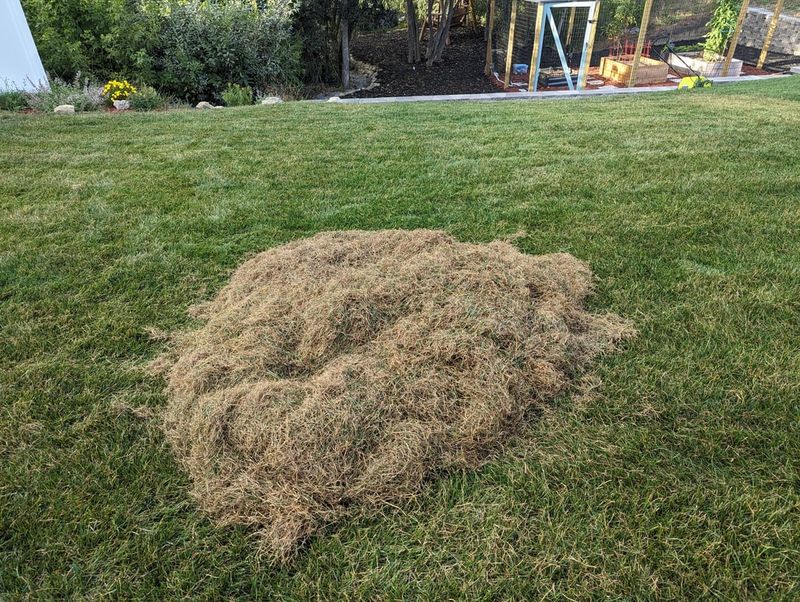
Here is the part people skip: dethatching is rough on grass. Ripping out that mat also tugs at crowns and roots, so the lawn needs energy in the tank to bounce back.
Actively growing turf handles it. Turf that is baked flat, gone tan and dormant from heat, or sitting in soggy soil does not.
August heat is the classic mistake. Turf already fighting drought stress gets torn open, and the recovery you were hoping for turns into thin patches instead.
Waterlogged ground causes its own trouble. Machine tines dig too deep in soft soil and pull up far more than the brown layer you were aiming at.
Newer lawns generally need more caution. Young seed or sod can be more vulnerable to aggressive dethatching while the root system is still developing.
And if your measurement came back under half an inch, put the rental catalog away. Soil microbes are already chewing through the organic matter at a healthy pace, which is exactly what you want.
September in Ohio usually brings cooler nights and steadier moisture, waking cool-season grass back up. Wait for that green surge, then decide.
Patience here protects the turf you already paid for.
4. Use Core Aeration To Encourage Decomposition
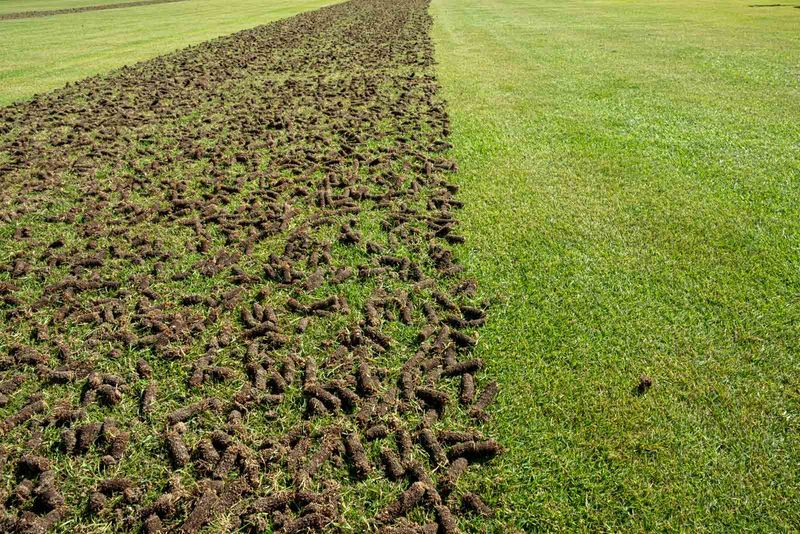
Core aeration is the quiet hero of thatch control, and it works in a way that surprises most homeowners. The machine pulls thousands of finger-sized soil plugs out of the ground and drops them right on top of the lawn.
Those plugs look messy for a week or two. Then rain and mowing break them apart, and the soil inside melts down into the thatch layer.
Soil carries microbes, and microbes eat organic matter. Mixing living soil into a brown fibrous mat speeds decomposition dramatically compared to letting that mat sit there alone.
The holes do double duty. Pulling cores relieves compaction, so water, air, and nutrients travel deeper instead of stalling near the surface.
Roots follow that easier path downward. Deeper roots mean a lawn that shrugs off a dry August far better than one rooted in fluff.
For yards carrying serious buildup, aeration thins the layer gradually rather than shocking the turf all at once. It treats the cause, not just the symptom.
Best part for September planners: aerated ground is prime seedbed territory. The holes catch seed, hold moisture, and shelter young seedlings while they root in.
One pass helps, two passes in different directions help more. Skip the plug cleanup and let nature handle it.
5. Let Soil Contact Guide Your Fall Seeding
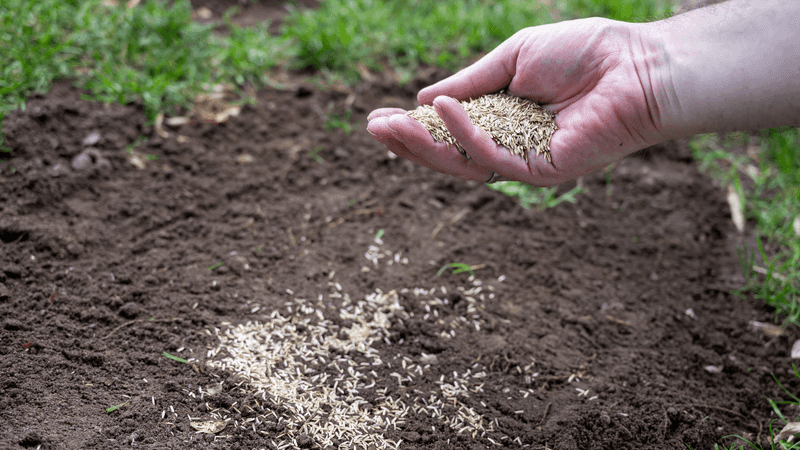
Seed needs to touch dirt. That one rule explains most fall seeding failures in Ohio, and thatch is usually the reason the rule gets broken.
Toss seed onto a thick brown mat and it perches there like gravel on carpet. It dries out between waterings, washes into low spots during a storm, or gets picked off by birds before a root ever forms.
Aeration solves a lot of this for free. Those open holes hold moisture, shade tender sprouts, and give roots soft ground to dig into, which matters most on compacted yards.
Thin, beaten-up areas call for slit seeding. The machine cuts narrow grooves and drops seed straight into them, putting every kernel where it needs to be.
Small bare patches near a walkway or under a maple are easy hand work. Scratch the surface with a metal rake, scatter seed, then rake lightly again so the seed mixes into the top layer.
Skip the temptation to bury seed deep. Seed should stay close to the surface; too much soil or debris over the seed can interfere with germination.
Keep the top inch damp for the first couple of weeks. Light, frequent watering beats one long soak while those roots are still finding their footing.
6. Avoid Tearing Up Healthy Grass With Aggressive Equipment
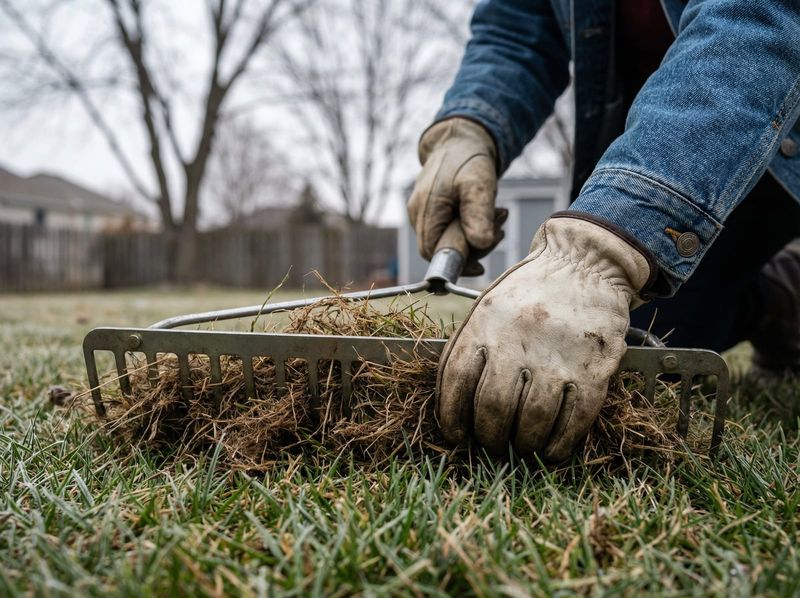
Rental power rakes have one speed setting in most people’s minds: as deep as it goes. That instinct leaves bare soil and shredded turf behind.
Vertical mowers and power rakes cannot tell thatch from a healthy grass plant. Set too low, they yank out living crowns along with the brown stuff and open the door for crabgrass next spring.
Doing it year after year thins turf gradually. Most Ohio and Michigan lawns get by needing this treatment only every few years, not every season.
Before the machine moves an inch, flag your irrigation heads and any shallow utility lines. A severed sprinkler turns a Saturday project into a plumbing bill.
Mow down to roughly half your usual height, somewhere around one to two inches, so the tines reach the mat instead of chewing leaf blades. Resist scalping it further.
Blade depth is where the real judgment lives. Set it to slice through the thatch and just graze the soil, so a little dirt shows up mixed with the debris you pull.
Start with a shallow pass in a hidden corner and check your results. Adjust from there rather than committing to the whole yard at a guess.
7. Give New Seed A Clear Path To The Soil
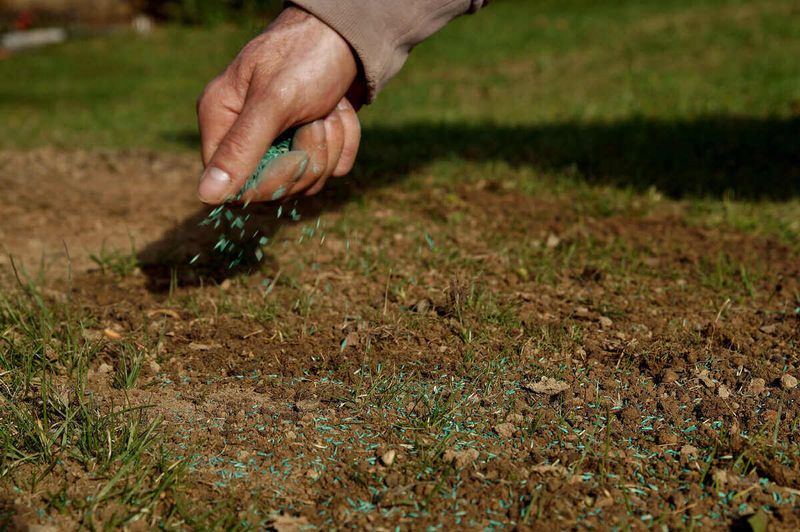
Think of prep work as clearing a runway. Weeds, matted brown grass, and leftover debris all stand between your seed and the soil it needs.
Pull or clear that material out first. Loosening the surface underneath gives new roots something soft to grip, and they anchor deeper because of it.
After running a dethatcher, gather the loosened material the same day if you can. Left in place, it simply settles back down and forms a fresh mat over your seedbed.
A leaf rake and a tarp handle small yards fine. Bigger properties are worth a bagging mower pass or a quick trip to the yard waste drop-off.
Mow shorter than your normal height before spreading seed, and collect any heavy clippings. Shorter blades let seed fall through and let sunlight reach the ground.
Large renovations go faster with the right machine. A verti-cutter or slit seeder works seed into the top half inch of soil in one operation, which beats broadcasting and hoping.
Once seed is down, keep foot traffic light and the surface consistently moist. Little seedlings are tough about weather and fussy about being stepped on, so rope off the busy paths for a few weeks.
8. Finish Fall Renovation Before Growth Slows
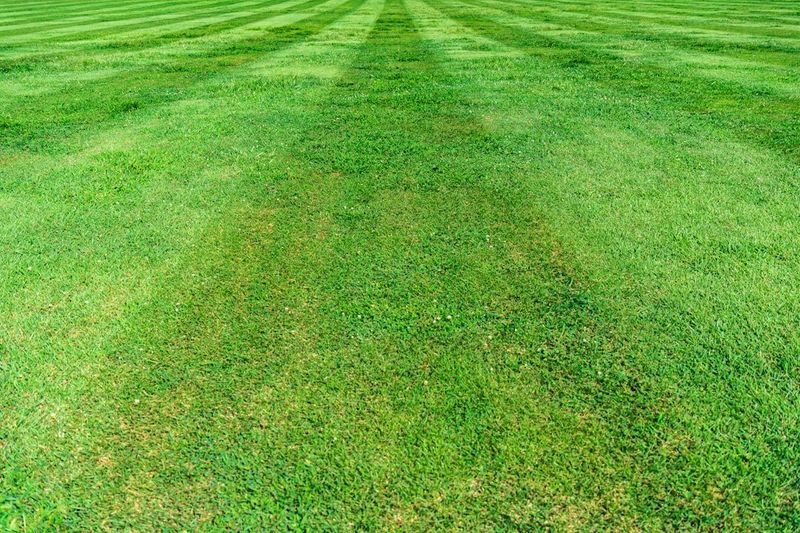
September earns its reputation for a reason. Soil still holds summer warmth, air has cooled off, and weed pressure has dropped way down, which is about as friendly as conditions get for cool-season grass.
In southwest Ohio, late August through September is generally a strong window for cool-season lawn renovation, depending on weather and the grass you’re establishing.
Northeast Ohio typically seeds from mid-September through mid-October, aiming for soil temperatures between fifty and sixty-five degrees. A cheap soil thermometer takes the guesswork out of picking your day.
Young grass needs about four to six weeks of real growing weather to build roots that hold up through the first hard frost. Count backward from your average frost date and you will see how tight the calendar is.
Seeding late shortens that runway. The seed may sprout, but those thin roots head into winter without much to stand on.
Past mid-October, the smarter play is usually waiting for next August or trying dormant seeding once the ground has chilled. Both beat wasting good seed on borrowed time.
So if your ruler showed a thick mat, get moving now. September rewards the prepared and shrugs at the procrastinator.
9. Build A Thinner Thatch Layer For Next Year
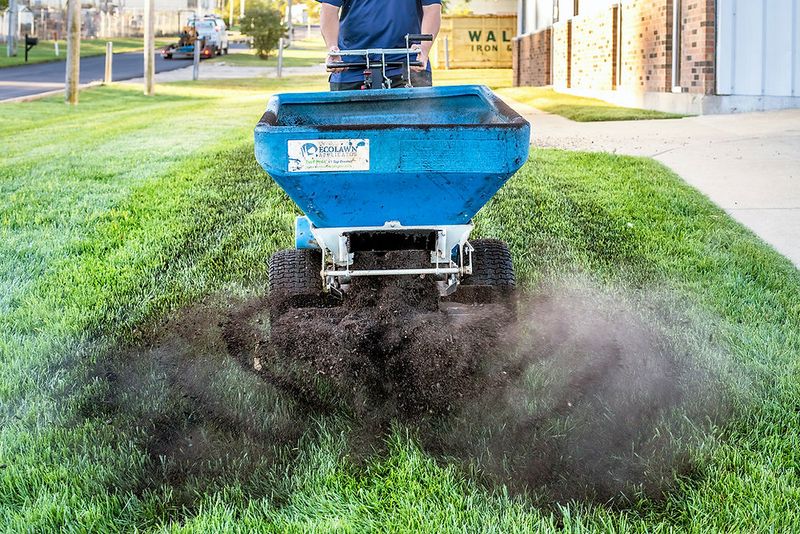
The long game is simple: keep soil microbes fed and happy, and they handle thatch for you. A thin top-dressing of compost gives those tiny workers a boost and adds life to tired soil.
Aerating compacted ground once a year keeps the pipeline open. Roots get air, water, and nutrients instead of fighting through packed clay, which Ohio has plenty of.
Watering habits matter more than most people expect. Deep and infrequent soaks push roots downward, while daily sprinkles encourage soft, lush top growth that piles up as organic matter.
Raise the mower a notch and stay consistent with your schedule. Taller blades support deeper roots and reduce the shock that leads to surges of fresh growth.
Run a soil test every few years. A pH that has drifted or a missing nutrient can slow microbial breakdown to a crawl without any visible warning.
Go easy on synthetic nitrogen, too. Heavy feeding pushes fast top growth that soil organisms simply cannot process quickly enough to keep up.
Here is a bonus that saves work: leave your clippings on the lawn. Short clippings break down within days and hand nutrients right back to the soil, so they help prevent thatch rather than cause it.