Illinois Wasps Are Entering Their Most Defensive Two Weeks Of The Year
Late summer in Illinois has a certain sound to it. The cicadas hum, the grill hisses, and something small keeps buzzing a little too close to your plate.
For most of the season, those buzzing neighbors mostly ignore you. Then the calendar flips, the nights cool down, and their mood shifts in a way most homeowners don’t expect.
There is a short window, roughly two weeks long, when backyard traffic gets noticeably touchier. Bump the wrong corner of a porch railing during that stretch and you will hear about it.
The reason behind the shift makes the whole thing far less scary. It also helps you plan picnics, yard work, and ladder projects with a lot more confidence.
The Biology Behind Their Late-Summer Mood Shift
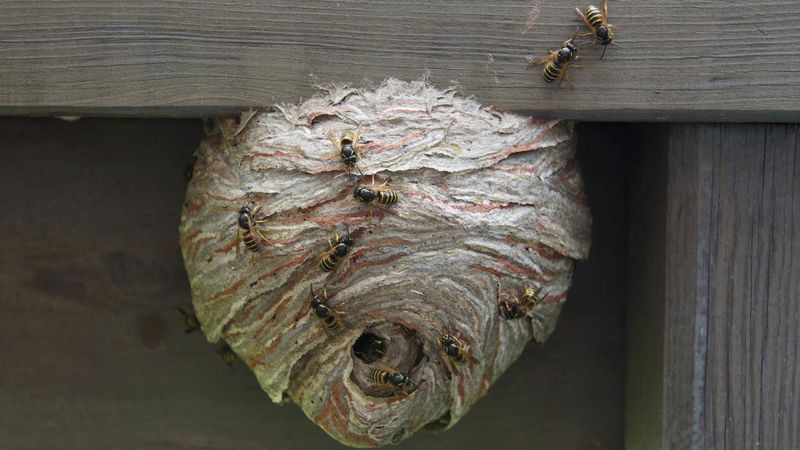
Something changes inside a wasp colony once the days start shrinking. The queen slows down her egg laying, which means fewer hungry larvae in the nest.
That matters more than it sounds. All summer long, worker wasps spent their time hunting caterpillars and flies to feed those babies, and the larvae paid them back with a sugary liquid snack.
When the nursery empties out, that reward stops flowing. Suddenly a few hundred workers have no job, no snack source, and a strong craving for sugar.
Illinois usually hits this turning point somewhere between late August and mid-September, depending on the weather that year. A cool snap speeds it up, while a stretch of warm days can push it back.
Colonies also reach their largest size right about now. A yellowjacket nest that started with one queen in April may hold thousands of workers by Labor Day weekend.
More residents plus fewer chores equals a lot of restless insects circling your yard. They are not plotting anything, but they are far quicker to react to movement, vibration, and noise near their entrance.
The colony is also raising its next generation of queens during this stretch. Protecting those future queens raises the stakes for every guard wasp that responds.
Once you know the biology behind it, the sudden attitude makes sense. Same insects, different season, much shorter fuse.
Pinpointing The Two-Week Window In Illinois
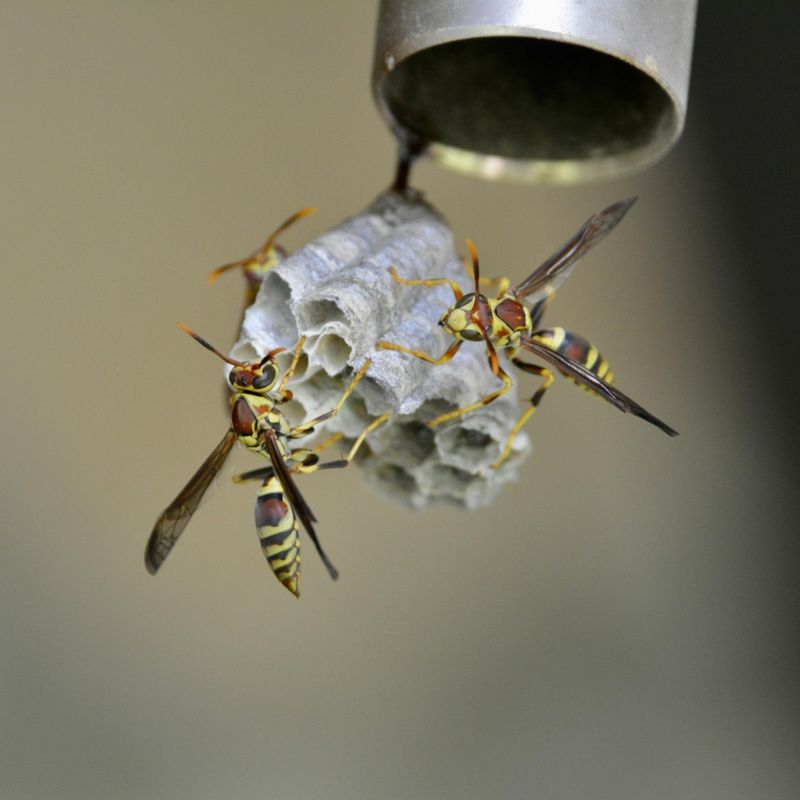
Ask ten Illinois gardeners when wasps get grumpy and you will hear ten slightly different answers. The honest reply is that it tracks temperature more than dates.
Across most of the state, the touchy stretch lands between the last week of August and the third week of September. Northern Illinois tends to shift earlier than the southern counties near Cairo.
Watch for a few natural signals instead of circling a day on the calendar. Overnight lows dipping into the 50s, goldenrod blooming along roadsides, and morning dew lingering past breakfast all point to the same thing.
Another clue shows up at your table. When wasps start hovering over soda cans, watermelon rinds, and dropped ice cream instead of chasing bugs in the garden, the switch has already happened.
Rain plays a role too. A soggy stretch keeps colonies confined and hungry, so the first sunny afternoon afterward often brings a burst of very determined foragers.
Your Illinois Garden Changes Every Week. Your Plan Should Too.
Gardening in Illinois changes quickly throughout the season. Every Friday you’ll receive a simple weekly plan showing exactly what to plant, prune, fertilize, harvest, and protect so you never miss the right timing.
Labor Day cookouts sit right in the middle of this window, which explains why so many stories start with a paper plate. Homecoming games and apple orchard trips run into it as well.
The good news is that the intensity fades fast. Once a solid frost arrives, usually mid to late October in Illinois, the colonies wind down and the yard goes quiet again.
Common Missteps That Turn A Buzz Into A Sting
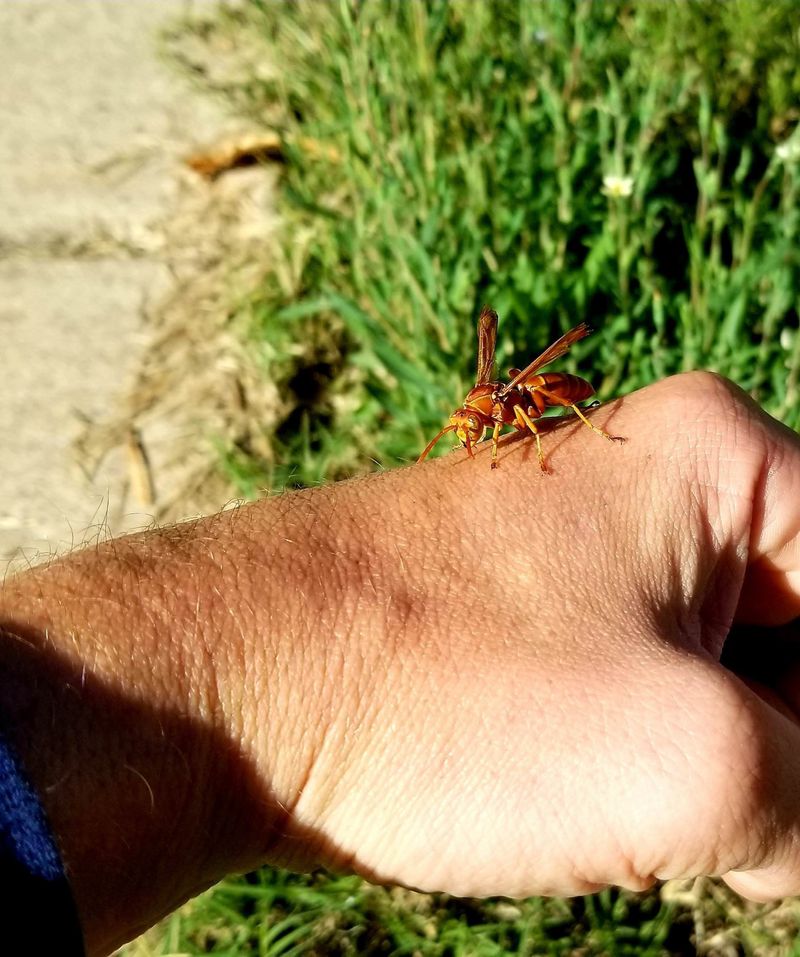
Most late-season stings in Illinois trace back to something the person did not realize they were doing. Swatting tops the list, because fast motion near a nest reads as a threat.
Vibration ranks a close second. Running a string trimmer along a fence line, power washing siding, or shaking a shrub can rattle a hidden nest and bring out the guards.
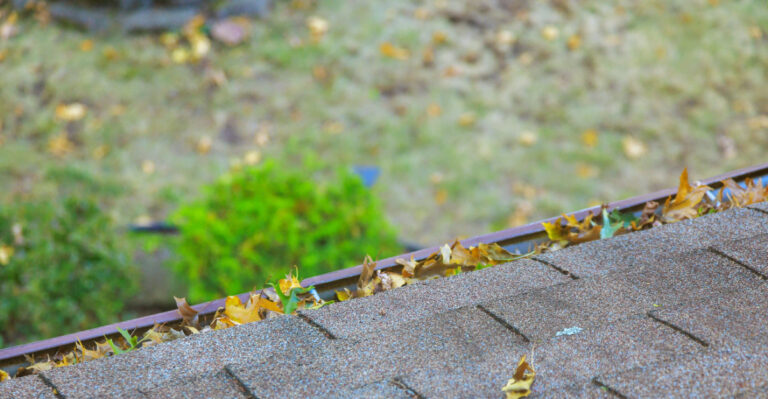
Ladder work causes plenty of trouble in September. Gutter cleaning puts your face inches from soffits and eaves, which happen to be favorite nesting real estate for paper wasps.
Then there is the drink problem. Foragers crawl into open cans looking for sugar, and a distracted sip can put one against your lip.
Perfume, scented lotion, and fruity sunscreen also draw attention during this hungry stretch. Bright floral patterns on clothing do not help either.
Some folks try knocking a nest down with a broom or a garden hose. That approach almost guarantees an unhappy crowd at eye level with nowhere to go but toward you.
Blocking a nest entrance with caulk or foam is another mistake worth skipping. Trapped wasps often chew a new exit, sometimes into a wall cavity or a bedroom ceiling.
Slow down, look before you reach, and cover your drinks. Those three habits prevent the vast majority of backyard encounters.
Reading Your Yard Before You Reach For Tools
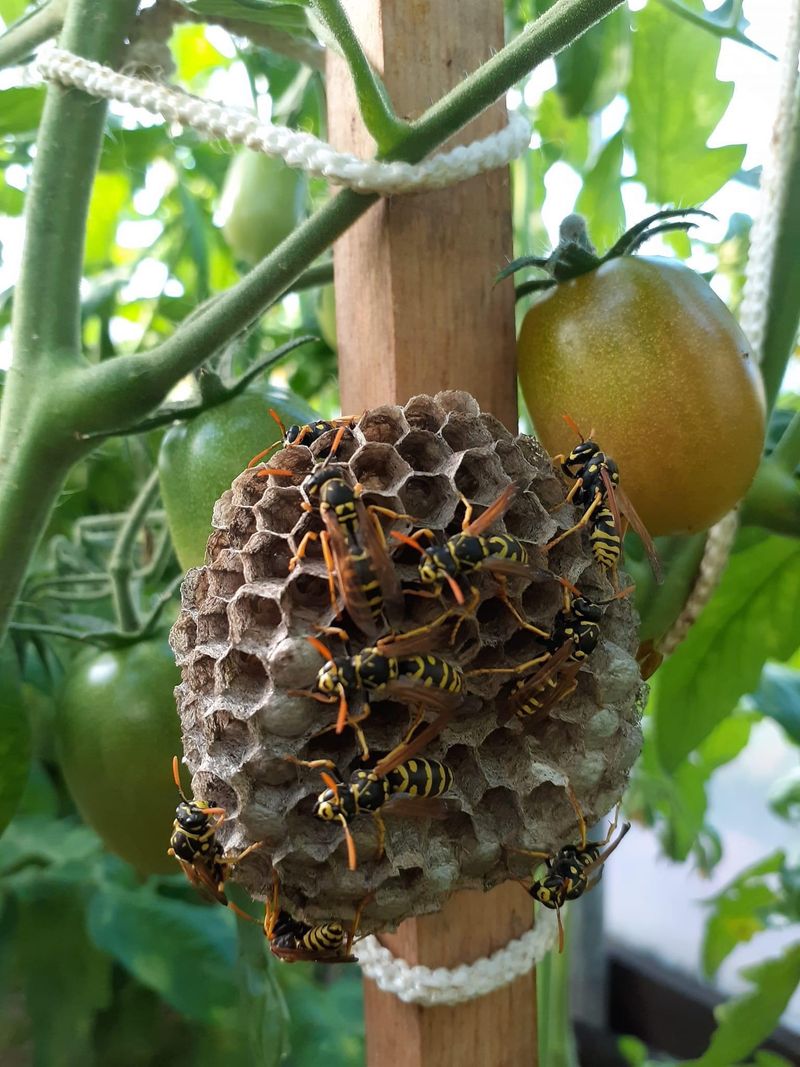
A five-minute walk around the property beats any spray can. Do it in the morning while temperatures are still cool and traffic in and out of nests is light.
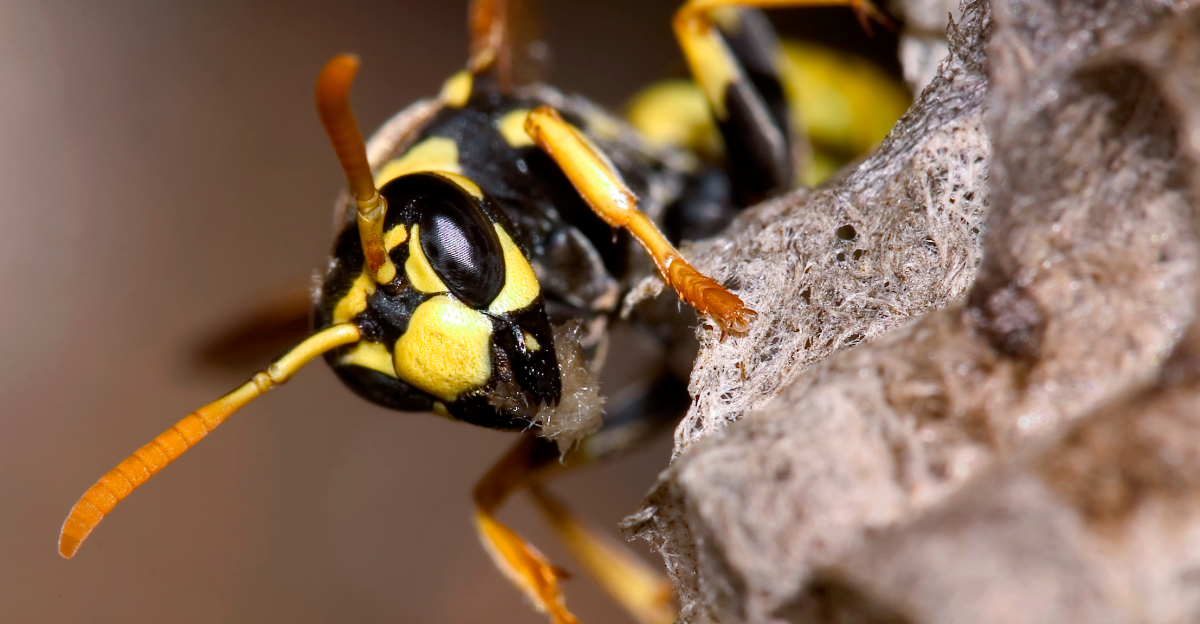
Look up first. Paper wasps hang umbrella-shaped nests under eaves, deck rails, grill lids, mailbox flags, and inside unused planters.
Then look down. Yellowjackets in Illinois love abandoned rodent burrows, so a steady stream of insects popping out of a hole in the lawn deserves a wide berth and a marker flag.
Check the quiet corners of sheds, garages, and playsets too. A nest inside a swing set tube can surprise a child long before an adult notices anything.
Bald-faced hornets build those big papery footballs in trees and shrubs, sometimes six feet off the ground in a lilac. Their nests blend in surprisingly well until the leaves start dropping.
Watch the flight paths as much as the nests. Wasps travel in fairly straight lines, so following one for a few seconds often reveals the home address.
Once you know where the hotspots sit, plan around them. Mow that section earlier in the day, move the kids’ water table, and postpone the fence staining project for a few weeks.
Mapping beats reacting every single time. Awareness costs nothing and keeps everyone in a much better mood.
Smart Ways To Share The Yard Right Now
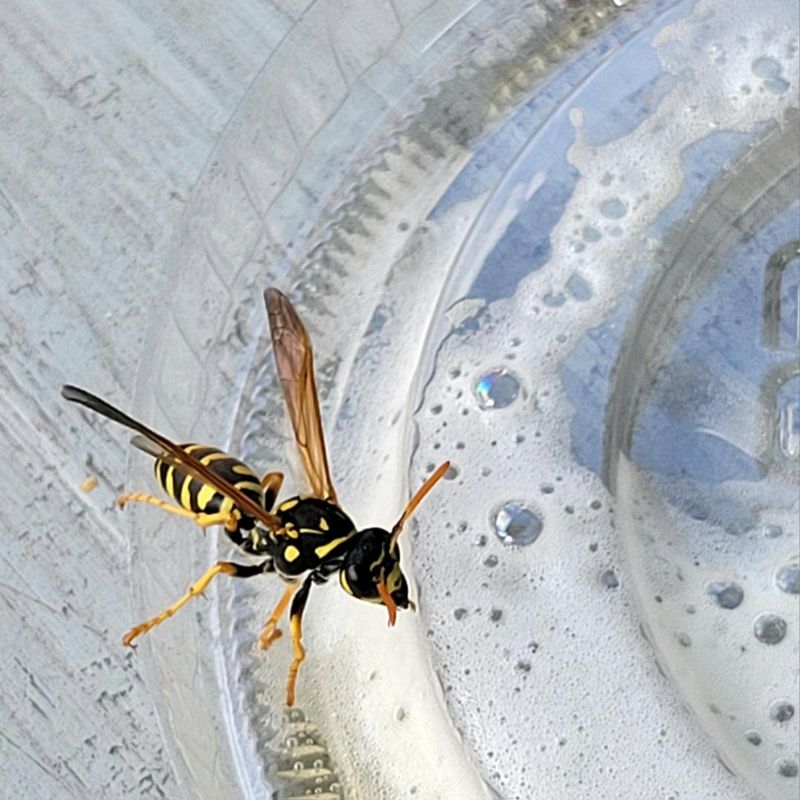
Coexisting through this stretch is mostly a food management project. Wasps want sugar and protein, and your patio happens to offer both.
Serve drinks in cups with lids and straws, or at minimum keep a coaster on top of every glass. Cans are the biggest culprit because nobody can see inside them.
Move the trash can farther from the seating area and make sure the lid actually latches. Rinsing recyclables cuts the sweet smell that carries across a whole block.
Fallen fruit under apple, pear, and crabapple trees acts like a buffet sign. Raking it up every couple of days makes a noticeable difference in traffic.
Pet food bowls and grill drip trays deserve the same attention. A greasy grill left open overnight becomes a breakfast spot by nine in the morning.
If one lands on your plate, stay still and let it finish its inspection. Blowing on it or flicking it triggers exactly the response you are hoping to avoid.
Teach kids the calm walk-away move now, before the first scare. Slow steps in a straight line work far better than running and shrieking.
Plant-based decoys help a little as well. Setting a sacrificial plate of jam at the far end of the yard pulls foragers away from the table.
Small adjustments, big payoff. The wasps get their sugar and you get your cookout.
Illinois Winters End The Threat On Their Own
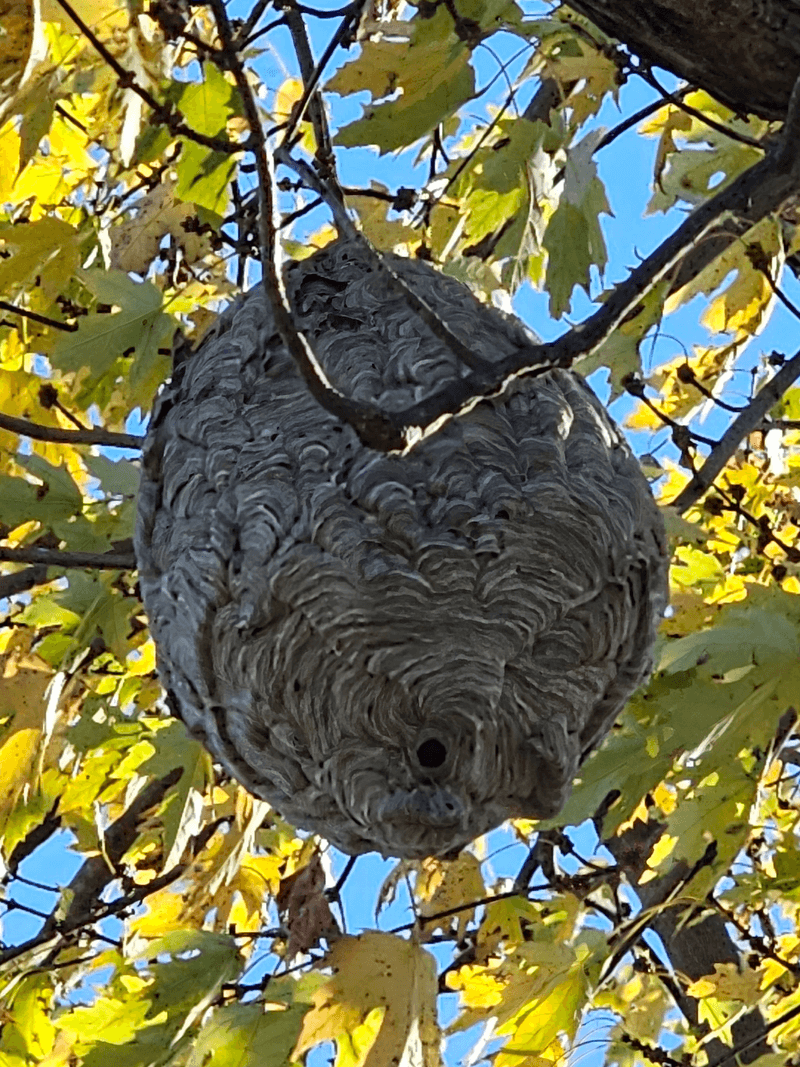
Here is the part that surprises people: this whole tense chapter ends on its own. Illinois winters handle the situation without any help from a spray bottle.
As temperatures drop through October, the colony’s food supply thins out and workers slow way down. Activity around the nest tapers off week by week.
New queens are the only members with a future. They mate in early fall, then tuck themselves under loose bark, in log piles, or inside wall voids to wait out the cold months.
Everyone else fades with the season. By the time real winter settles over the state, the nest sits empty and silent.
Old nests do not get reused the following spring. That papery gray shape under your eave in December is basically an abandoned building, safe to remove on a chilly day.
Which means patience is a legitimate strategy for nests in out-of-the-way spots. A colony in a high tree branch or a back fence corner will handle its own exit.
Reserve professional help for nests near doors, in wall cavities, or anywhere someone with a sting allergy passes daily. Illinois has plenty of licensed technicians who handle ground nests safely.
Come spring, a single queen starts the cycle over with a nest the size of a quarter. Catching it that early is far easier than negotiating in September.