How To Remove Crabgrass From Your Landscape Beds In Illinois
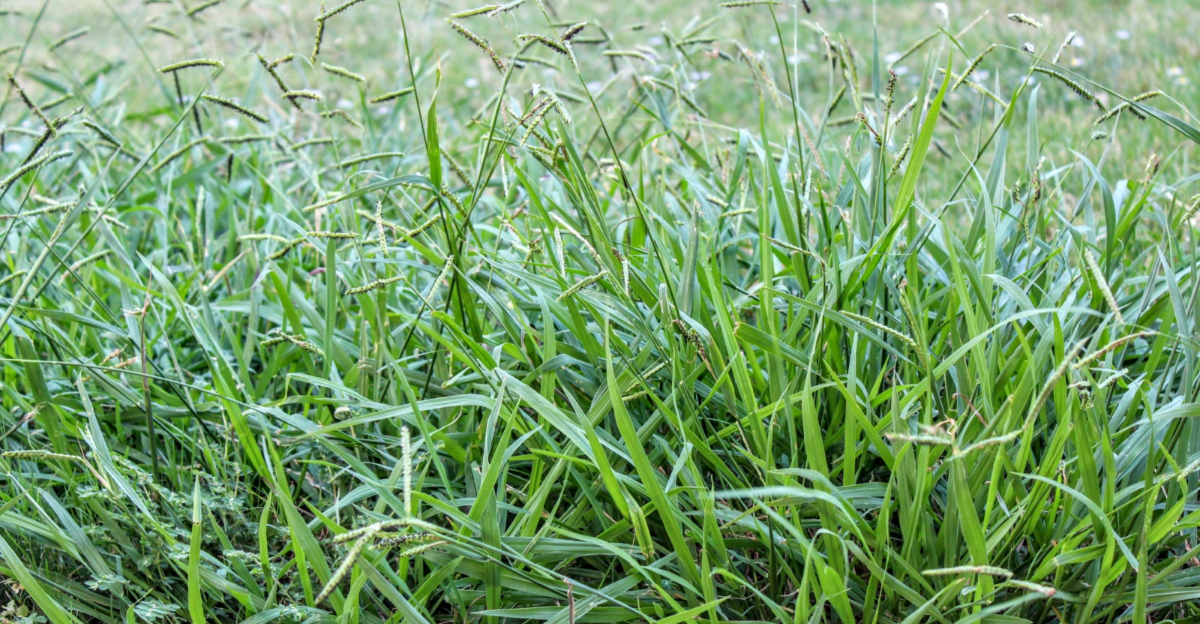
Crabgrass spreads quickly once conditions favor it. Illinois heat gives this weed everything it needs to spread through your beds. You notice clean soil early, then growth accelerates quickly.
Roots spread sideways under your mulch while you’re busy elsewhere. Seeds scatter across your beds before you even notice growth. Gardeners across Illinois know how narrow your window is.
Timing matters more than effort when you’re managing this weed. Pulling weeds late only guarantees crabgrass returns to your beds. Bare patches in your landscape practically invite crabgrass back.
Ground cover gives your soil less room for weeds to grip. Consistency beats intensity if you want lasting results. Every step you take builds toward a cleaner landscape.
Nothing here demands expensive tools or hired help from you. Control over this outcome rests entirely in your hands. Turning that control into action starts the moment you keep going.
1. Remove Existing Crabgrass Before Seeds Spread
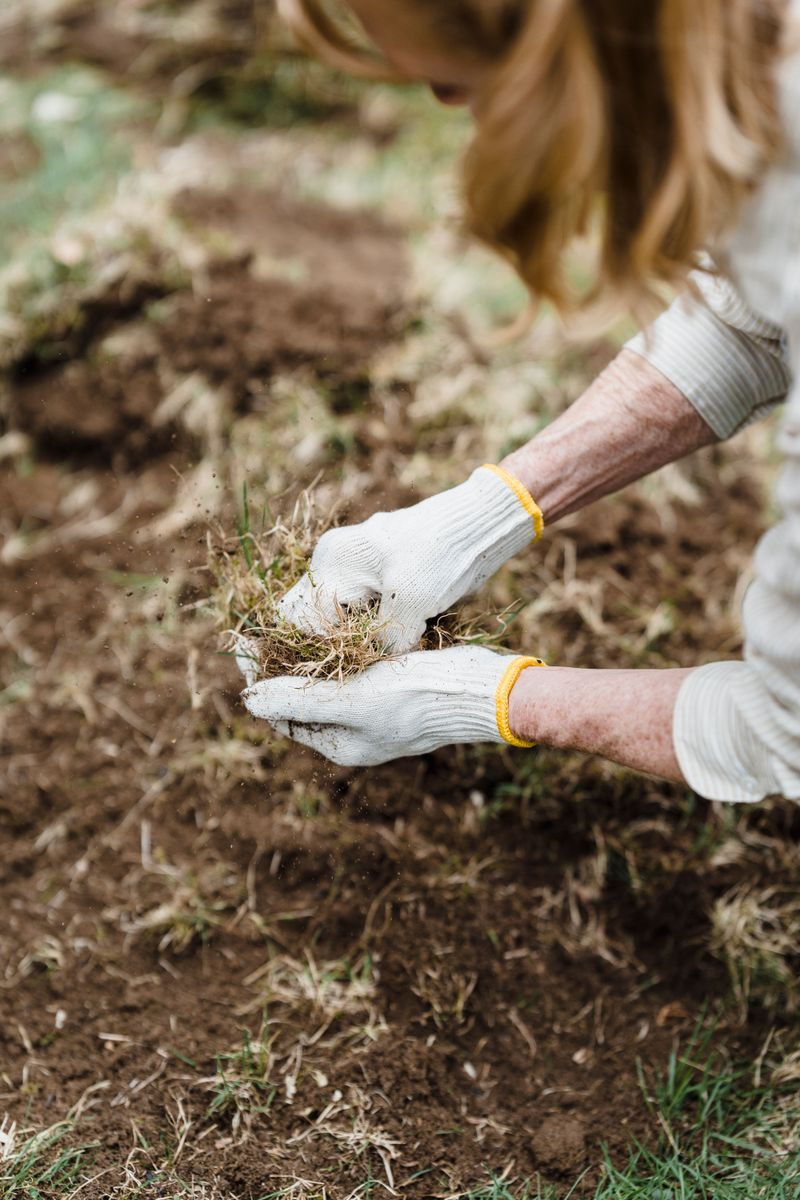
Early removal saves work later. Crabgrass is an annual weed, which means it lives for one season and then drops thousands of seeds before completing its life cycle.
Each plant can release a very large number of seeds into your soil, depending on size and growing conditions. Those seeds stay dormant through winter and sprout aggressively the following spring.
Removing existing crabgrass before it seeds is the single most important step in breaking that cycle. Grab a pair of sturdy gardening gloves and get to work early.
Hand-pulling works best when the soil is moist after rain or watering. Grip the plant low, near the base, and pull firmly to get the entire root system out.
Leaving roots behind means the plant can regrow quickly. Toss pulled plants into a bag, not your compost bin, since seeds can survive composting temperatures.
A hand weeder tool gives you better leverage in compacted soil. Look for one with a forked tip that slides under the root crown without snapping the stem.
Timing is everything here. In Illinois, crabgrass typically seeds out between late July and September, so you want to clear your beds well before that window opens.
Walk your landscape beds every week during summer. Catching new sprouts early means less work overall and far fewer seeds entering your soil bank.
Consistent removal now dramatically reduces how to remove crabgrass from your landscape beds challenges next season. Stay ahead of it and the job gets easier every year.
2. Put Down Pre-Emergent Herbicide In Spring
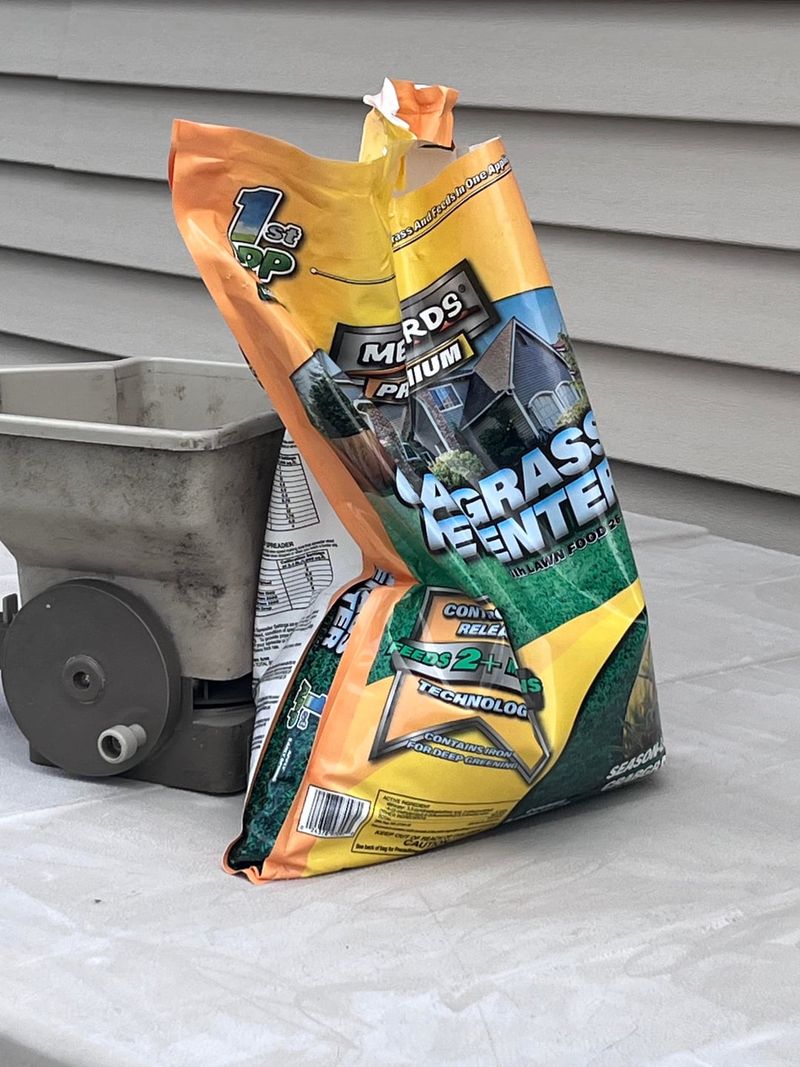
Timing is everything with pre-emergent herbicide. This product does not treat existing weeds; it stops seeds from germinating in the first place.
In Illinois, crabgrass seeds begin sprouting when soil temperatures hit around 55 degrees Fahrenheit consistently. That usually happens sometime between late March and May, depending on your specific region of Illinois.
Apply pre-emergent before that temperature threshold arrives. Most garden centers carry granular options that work well in landscape beds without harming established shrubs or perennials.
Corn gluten meal is a popular organic option. It releases nitrogen into the soil while blocking seed germination, making it a two-in-one treatment for eco-conscious gardeners.
Your Illinois Garden Changes Every Week. Your Plan Should Too.
Gardening in Illinois changes quickly throughout the season. Every Friday you’ll receive a simple weekly plan showing exactly what to plant, prune, fertilize, harvest, and protect so you never miss the right timing.
Synthetic options like prodiamine or dithiopyr tend to last longer in the soil. They provide a wider window of protection through late spring when crabgrass pressure peaks.
Always water the product in after application unless rain is expected within 24 hours. Activation requires moisture to form that chemical barrier just below the soil surface.
Avoid disturbing the treated soil after application. Digging or raking breaks up the barrier and creates gaps where seeds can slip through unprotected.
Do not apply pre-emergent right after seeding grass or ground cover in your beds. The same barrier that stops crabgrass will also prevent your desired plants from establishing roots.
A spring pre-emergent application is one of the most effective tools for anyone serious about how to remove crabgrass from your landscape beds long-term. Mark your calendar now.
3. Target Regrowth With Post-Emergent Treatment
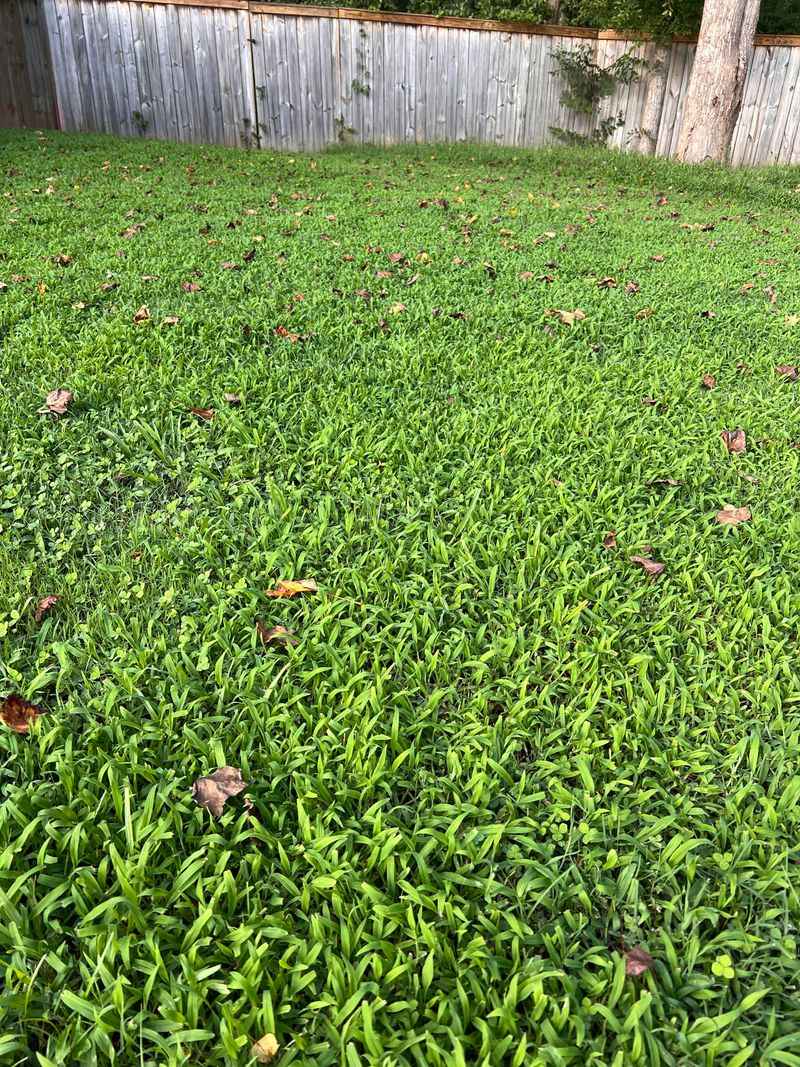
Spotted new crabgrass after your pre-emergent window closed? Post-emergent herbicide is your next line of defense. It works directly on actively growing plants rather than preventing seeds.
Select a product labeled specifically for crabgrass. Quinclorac is a commonly used active ingredient for crabgrass control in landscape beds.
Check the product label carefully, since not all crabgrass herbicides are safe for use around ornamental plants.
Always read the label before spraying near flowers, shrubs, or perennial ground covers. Some formulations are selective, meaning they target grassy weeds while leaving broadleaf plants alone.
Apply on a calm, dry day with no rain expected for at least 24 hours. Wind causes drift onto plants you want to keep, and rain washes the product away before it absorbs.
Young crabgrass responds best to post-emergent treatment. Plants with fewer than five tillers, meaning young side shoots, absorb the herbicide more efficiently than older, larger specimens.
Spray to the point of light coverage on leaf surfaces without soaking the soil. Over-application wastes product and can stress nearby desirable plants unnecessarily.
You may need a second application seven to ten days after the first. Stubborn patches often require two treatments to fully break down the plant’s cellular structure.
Mark treated areas with small flags so you can monitor results without accidentally respraying. Progress is visible within five to seven days as leaves yellow and curl.
Post-emergent treatment paired with removal gives you a strong combined approach to managing crabgrass in your landscape beds this season. Act fast on young growth.
4. Layer Mulch To Cut Off Sunlight
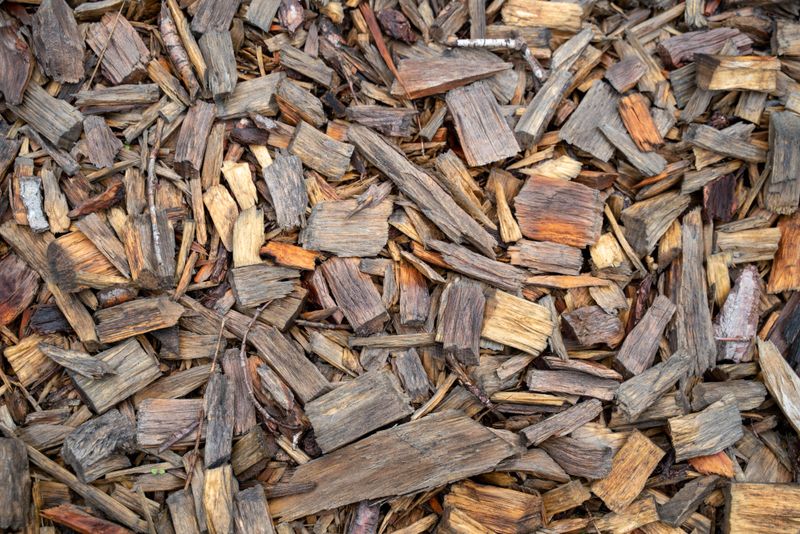
Crabgrass needs sunlight to germinate and thrive. Cutting off that light source with a thick mulch layer is one of the most effective and low-effort ways to control it.
Aim for a mulch depth of two to three inches across your landscape beds. Anything shallower lets light penetrate to the soil surface where seeds are waiting to sprout.
Wood chips, shredded bark, and pine straw all work well in Illinois landscapes. Shredded hardwood bark tends to stay in place better during heavy Midwest rain events.
Avoid piling mulch directly against plant stems or tree trunks. That creates a moist environment that invites fungal disease and pest activity right at the crown of your plants.
Refresh your mulch layer each spring before soil temperatures climb. Old mulch breaks down over winter, thinning out and losing its weed-suppressing effectiveness just when you need it most.
Some gardeners add a layer of cardboard or newspaper beneath the mulch for extra suppression. This biodegradable barrier blocks light completely and breaks down into organic matter over the season.
Avoid dyed or rubber mulch near edible plants. Stick with natural, untreated materials that decompose safely and improve your soil structure over time.
Consistent mulching also moderates soil temperature and retains moisture. That creates better conditions for your desired plants while making the environment far less welcoming for opportunistic weeds.
A fresh mulch layer is one of the easiest upgrades you can make when managing how to remove crabgrass from your landscape beds. Simple, effective, and beautiful too.
5. Boost Drainage To Make Soil Less Inviting
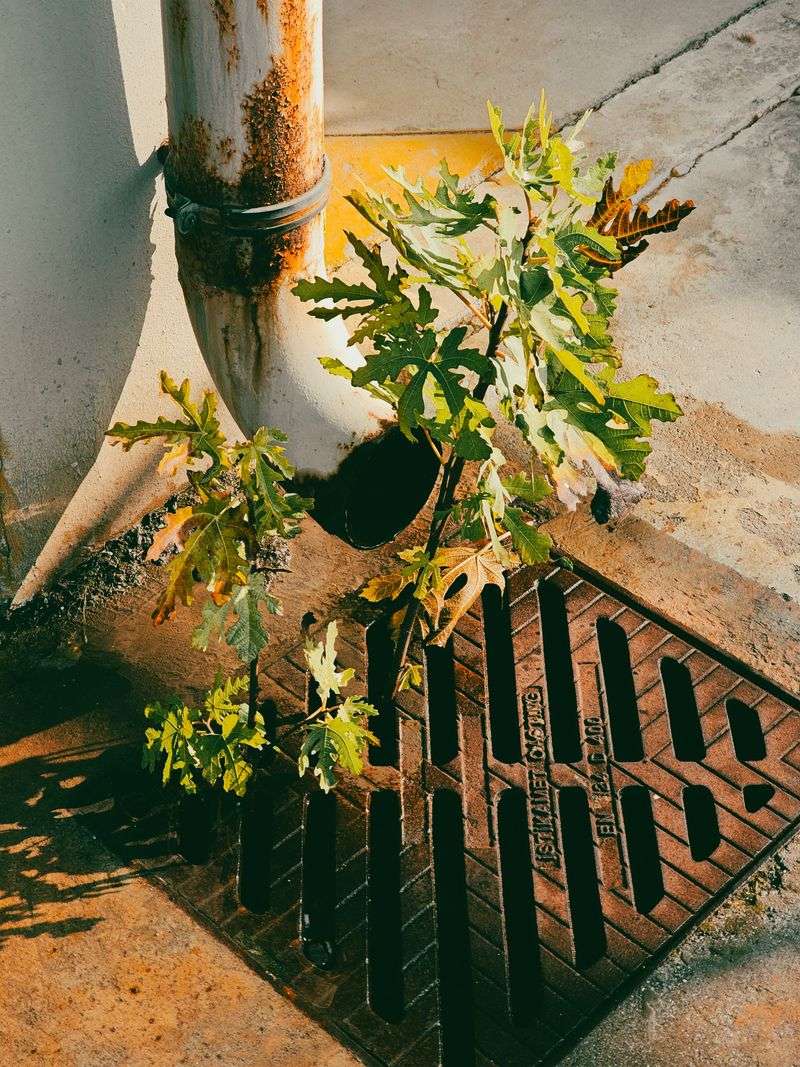
Wet, compacted soil creates ideal conditions for crabgrass. This weed thrives in conditions that stress out your desired plants, making poor drainage a condition that can encourage weed growth.
Illinois soils, particularly across the northern, central, and southern regions, often tend toward heavy clay.
Improving drainage starts with loosening compacted soil. Use a garden fork or broadfork to aerate your beds without flipping layers or disrupting beneficial soil organisms living below.
Work coarse sand or perlite into clay-heavy beds to open up the soil structure. Adding two to three inches of compost also improves drainage while feeding your plants simultaneously.
Raised bed edging is another smart option for problem areas. Raising the bed surface by just four to six inches dramatically improves water runoff and root zone conditions.
French drains or gravel trenches along bed borders redirect water away from planting areas. These work especially well for low-lying spots that collect runoff after heavy summer storms.
Check your downspout placement too. Many Illinois homeowners unknowingly direct gutter water straight into landscape beds, creating the soggy, compacted conditions crabgrass absolutely loves.
Well-draining soil dries faster between waterings, creating a less hospitable environment for moisture-loving weeds. Your ornamental plants will also respond with stronger, more vigorous growth overall.
Fixing drainage is a foundational fix for anyone tackling how to remove crabgrass from your landscape beds for good. Healthy soil structure changes everything beneath the surface.
6. Keep Nearby Grass Mowed And Trimmed
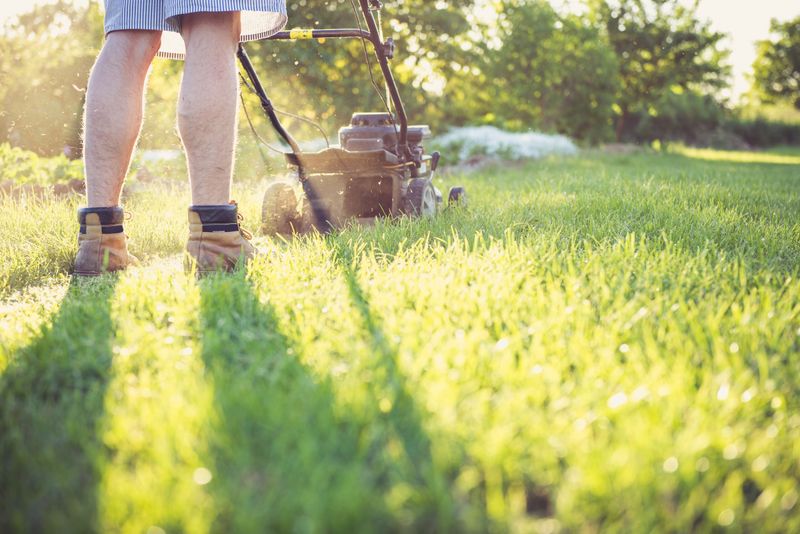
Overgrown grass along bed edges is an entry point for crabgrass spread. Seeds produced in your lawn travel just inches into your landscape beds and take hold fast.
Mow your lawn at the correct height for your grass type. Tall fescue and bluegrass, both common in Illinois, should be kept at three to four inches for best results.
Taller turf shades the soil surface and crowds out weed seedlings naturally. Scalping your lawn short actually encourages crabgrass by exposing bare soil to sunlight and seed germination.
Edge your landscape beds cleanly after every mow. A sharp edger or half-moon spade creates a defined border that stops creeping grass from spreading into your mulched areas.
String trimmers are fast but can fling debris and seeds into beds. Use them carefully along borders and clean up any clippings that land inside the mulch layer.
Never mow when crabgrass in your lawn is actively seeding. Mowing at that stage spreads seeds across a wider area, including directly into your landscape beds nearby.
Bag your clippings during peak seeding season from late July through September. Mulching clippings back into the lawn is fine most of the year, but not when crabgrass is seeding.
A clean, well-maintained lawn edge creates a clear barrier around your landscape beds. It makes it harder for weeds to creep in and easier for you to spot trouble early.
Consistent mowing habits support every other step in how to remove crabgrass from your landscape beds. A sharp blade and a steady schedule make a real difference.
7. Switch To Deep, Infrequent Watering

How you water your landscape beds has a bigger impact on crabgrass than most people realize. Frequent shallow watering creates favorable conditions for this opportunistic weed.
Crabgrass roots stay near the soil surface. Short, frequent watering cycles keep that top layer moist and perfect for shallow-rooted weeds to thrive and spread.
Deep, infrequent watering pushes moisture down into the soil profile. This encourages your desired plants to develop deep root systems while leaving the surface layer dry and inhospitable to crabgrass.
Aim to water landscape beds once or twice per week rather than daily. Apply enough water to penetrate six to eight inches into the soil each session for best results.
Drip irrigation is one of the most effective options for landscape bed watering. It delivers moisture directly to root zones without wetting the soil surface where crabgrass seeds are lurking.
Overhead sprinklers wet the entire bed surface and encourage surface-level germination. If sprinklers are your only option, run them early in the morning so the surface dries quickly by afternoon.
Check soil moisture before watering by pushing a finger two inches into the soil. If it still feels damp at that depth, hold off and check again the following day.
Consistent deep watering also reduces the stress that makes your ornamental plants vulnerable to competition from aggressive weeds. Strong, well-watered plants crowd out opportunistic weeds more effectively.
Adjusting your watering schedule is a low-cost upgrade that supports how to remove crabgrass from your landscape beds without any extra products or tools. Water smarter, not more.
8. Fill Gaps With Dense Ground Cover
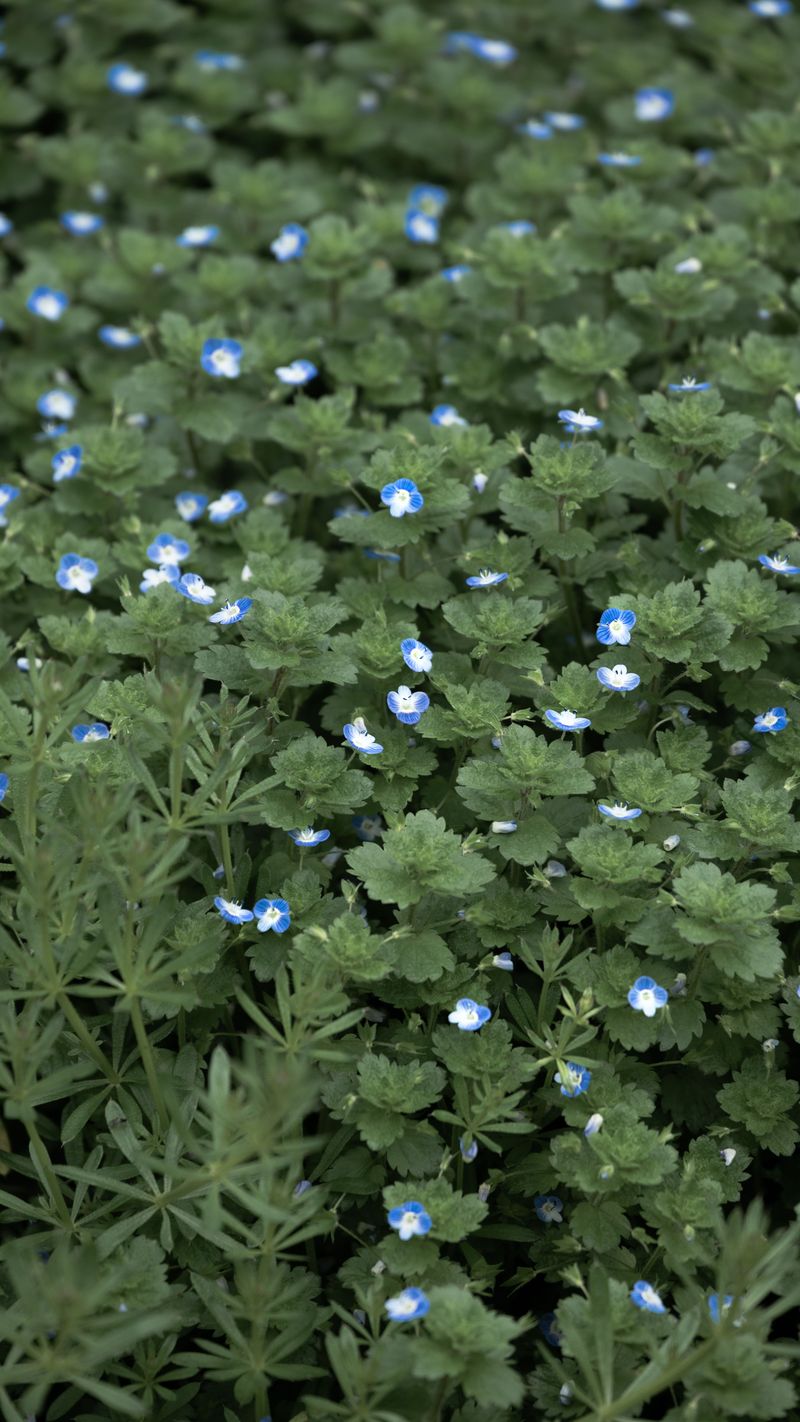
Bare soil is an open invitation for crabgrass to move in. The fastest way to close that door is by filling empty spots with dense, low-growing ground cover plants.
Ground covers compete directly with weeds by shading the soil and taking up space, water, and nutrients. Crabgrass has nowhere to establish when every inch of ground is occupied.
Creeping phlox, pachysandra, and ajuga are all excellent choices for Illinois landscapes. They spread quickly, tolerate a range of conditions, and look attractive through most of the growing season.
Liriope, also called lilyturf, is another sturdy option for shaded beds under trees. It forms dense clumps that crabgrass simply cannot penetrate once the plants are established.
Plant ground covers at the spacing recommended on the tag. Planting too far apart creates gaps that weeds exploit immediately, especially during the first season before plants fill in.
Mulch between new plants during the establishment phase. That temporary layer of protection keeps weeds at bay while your ground cover spreads to cover the soil naturally.
Fertilize ground covers lightly in early spring to encourage faster spreading. A slow-release granular fertilizer applied once annually is usually enough to keep most varieties vigorous and thick.
Avoid ground covers that spread so aggressively they become invasive. English ivy and vinca minor can escape beds and cause problems in natural areas around Illinois properties.
Planting the right ground cover is the final piece of the puzzle for how to remove crabgrass from your landscape beds permanently. A full, healthy bed leaves little room for weeds to establish.