The Odd Scorched Scent In Your Illinois Home This November Has A Surprisingly Simple Cause
The first warm blast from a furnace in fall can smell like burnt toast nobody made. I sniffed every outlet in my house the first time it happened to me.
That toasty odor often shows up on the first truly cold night in Illinois. It drifts from the vents, hangs around for a bit, and then slips away as quietly as it arrived, which is a familiar ritual for homeowners across Illinois.
You might notice it right after you switch the thermostat from cool to heat. Your nose is smarter than you think, and it can tell a harmless whiff from a real warning sign.
A little evidence gave me peace of mind, plus a few easy habits that keep the smell short and mild. I also learned which odors mean you should act fast. Dust has been waiting all summer, and your furnace is about to cook it.
That Toasty Smell From Your Heating Vents Has a Sneaky Source
Months of quiet time leave a gift behind. While your furnace rests all summer, a thin layer of household dust, lint, and pet hair settles on the heat exchanger, burners, or electric heating strips.
The first time you call for heat, those parts warm up fast. The dust on them scorches, and the blower pushes that toasted scent through every vent in the house. HVAC makers like Carrier describe this as a normal part of the first fall startup.
Most Illinois homes see this moment in late October or early November. Nights start dipping near freezing across the state, and many people hold off on heat until they really need it. The longer the system sits idle, the more dust it collects.
The smell often seems stronger in rooms near the furnace or in homes with pets. Houses that went through summer remodeling or heavy gardening tracked indoors can build up extra grime too. Even a tidy home produces plenty of fine dust over five or six months.
So that mystery aroma is usually just your heating system shaking off summer. It sounds a little silly, but it is one of the most common fall calls HVAC companies answer.
Give Your Furnace About an Hour to Burn Off the Dust
Patience solves this one most of the time. HVAC technicians generally say the dusty odor should fade within a few minutes to about an hour of steady running.
You can help it along with a few simple steps. Crack a window or two for fresh air, and let the system run one full cycle instead of flipping it on and off. Short bursts just stretch out the smell over several days.
A smart trick is to run your heat on a mild afternoon before the real cold arrives. That way the dust burns off while you can still open the house up comfortably.
Many folks do this in early October, a few weeks before steady frost. Keep your nose alert during that first hour. The scent should get weaker, not stronger. If it fades and stays gone, you can relax and enjoy the warmth.
People with asthma or allergies may feel a little scratchy during the burn-off. Stepping into another room or running a portable air purifier for a while can make it easier.
One more tip: dust off vent covers with a damp cloth before startup. Less dust at the vents means a gentler first whiff.
Melting Plastic or Hot Wire Odors Mean Shut the Furnace Off
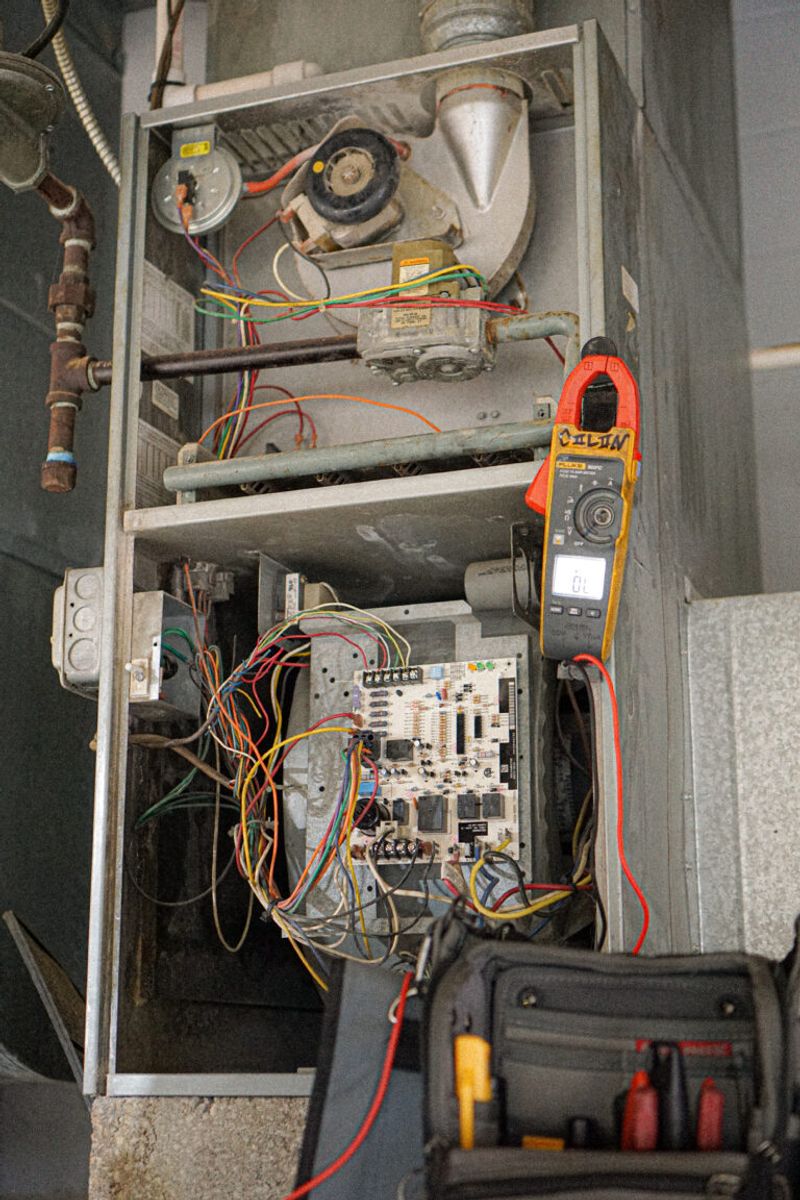
Not every burning smell is innocent dust. A sharp, chemical odor like melting plastic or hot wiring tells a very different story.
That kind of scent can point to an overheating blower motor, a failing capacitor, or damaged wiring inside the unit. HVAC professionals treat it as a possible fire hazard. If you notice it, switch the thermostat off and cut power at the furnace switch or breaker.
Other red flags deserve the same quick response. Watch for a smell that grows stronger after an hour, visible smoke, buzzing or grinding sounds, or scorch marks near outlets and panels.
Any of these means the system needs a licensed technician before it runs again. A rotten egg smell is its own emergency. Utilities add a sulfur-like scent to natural gas so leaks are easy to notice.
Leave the house right away, skip flipping switches, and call your gas company from outside. Also make sure your carbon monoxide alarms work. CO has no smell at all, so your nose cannot warn you.
Illinois law requires CO detectors within 15 feet of sleeping rooms in most homes with fuel-burning appliances. Trust your instincts here. A quick call costs far less than ignoring a real problem.
A Clogged Furnace Filter Makes the Scorched Smell Worse
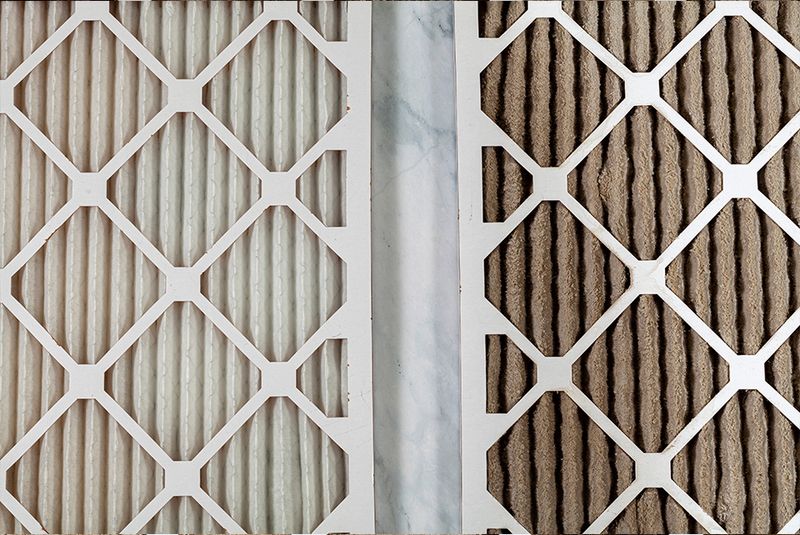
Ever pulled out a furnace filter and gasped? Mine once looked like a gray felt blanket after a dusty summer of tracking garden soil inside.
A clogged filter lets more dust slip past and land on hot parts. It also chokes airflow, which can make the system run hotter than it should.
Many furnaces have a safety switch that shuts them down when they overheat, and a dirty filter is one of the most common triggers.
Swapping the filter before your first heating day is one of the easiest fixes around. Most standard one-inch filters need changing every one to three months. Thicker media filters can last six months or more, so check the label.
Homes with dogs, cats, or busy households often need more frequent changes. So do houses near gravel roads or farm fields, which are common across central and southern Illinois.
Write the date on the filter frame with a marker. It takes two seconds and saves you from guessing later.
Pick a filter that matches your system. Very dense filters can restrict airflow on some older furnaces, so ask your technician which rating suits your unit best.
Mice Moving Indoors Can Chew Wires Near Your Furnace

Garden visitors do not stay outside once the cold hits. House mice and deer mice start hunting for warm shelter in fall, and a mouse can slip through a gap about the width of a pencil.
Rodent teeth keep growing their whole lives, so they gnaw on hard objects to wear them down. Wire insulation is a favorite target.
Chewed wires can short out, spark, and give off a hot plastic smell inside walls or near appliances.
Furnace areas appeal to mice because they are warm, quiet, and often cluttered. Some mice even build nests inside ductwork or furnace cabinets. When the burner kicks on, that nesting material can scorch and add a smoky, musty odor.
Watch for small dark droppings, shredded paper or insulation, greasy rub marks along baseboards, and scratching noises at night. Any of these near your utility room deserves attention.
Be careful with cleanup. The CDC recommends wetting droppings with a disinfectant and wiping them up with gloves instead of sweeping, since deer mice can carry hantavirus.
If you find chewed wiring, leave repairs to a licensed electrician. Patching it with tape is not a safe fix.
Tidy Your Foundation Beds to Keep Rodents Out of the House
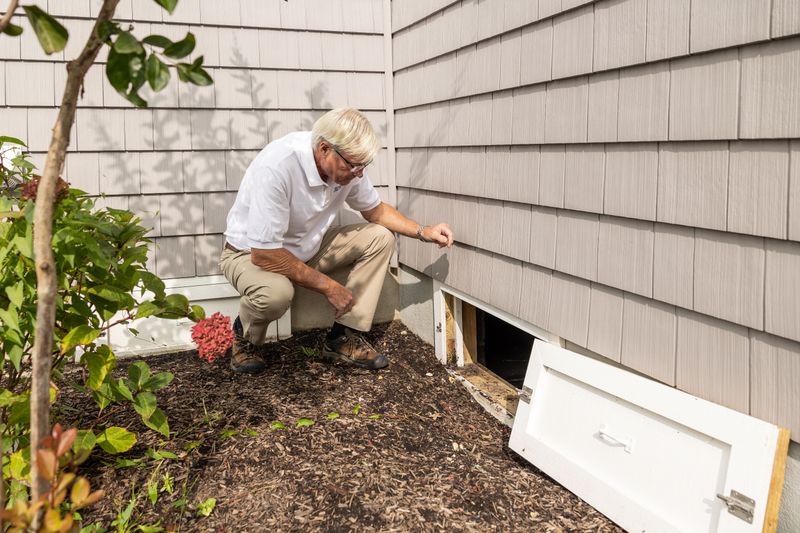
My fall garden cleanup does double duty now. Every leaf pile I pull away from the house is one less cozy hiding spot for mice.
Start with the strip right along your foundation. Keep thick mulch, firewood, and brush piles a couple of feet back from the walls.
Stack firewood off the ground and away from the house, which University of Illinois Extension also suggests for pest control.
Trim shrubs and tree limbs so they do not touch siding or rooflines. Squirrels and mice use them as bridges to reach attic vents and gaps.
Walk the outside of your home and look closely at where pipes, cables, and dryer vents enter. Pack small gaps with steel wool or copper mesh, then seal with caulk. Hardware cloth works well over larger openings and vents.
Store birdseed, grass seed, and pet food in metal or thick plastic bins with tight lids. A torn seed bag in the garage is basically an open invitation.
You can still leave some leaves for pollinators and wildlife. Just move them out to garden beds and lawn edges, well away from the house, where overwintering insects can use them.
Book a Fall Furnace Tune-Up Before the Deep Freeze
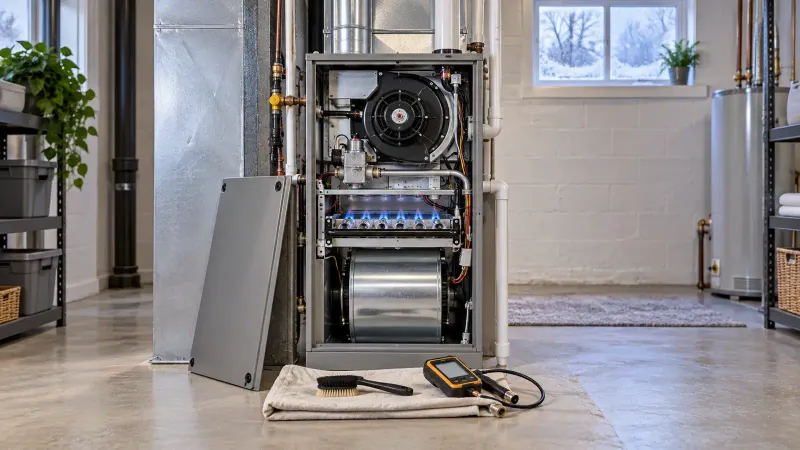
Early is better than urgent. Once January cold settles over Illinois, HVAC companies get swamped and repair waits can stretch for days.
A yearly checkup in early fall lets a technician clean burners, inspect the heat exchanger, test safety controls, and check wiring for wear. Many manufacturers require regular maintenance to keep warranties valid, so it pays off in more ways than one.
During the visit, ask the tech to look for signs of rodent activity around the cabinet and ducts. Mention any odd odors you noticed, even if they faded. Small details help them spot problems early.
Fireplaces deserve attention too. The Chimney Safety Institute of America recommends a yearly chimney inspection, since creosote buildup can cause smoky smells and raises fire risk.
Test smoke and carbon monoxide alarms when you change your clocks in November. Replace batteries and swap out alarms past their expiration date, which is usually printed on the back.
The big takeaway is simple. A brief toasty smell on day one is usually harmless dust. A lingering, sharp, or growing odor deserves a fast call to a pro, and a little prep makes winter cozy and calm.