7 Things To Do With Texas Gardenias So They Bloom All Summer
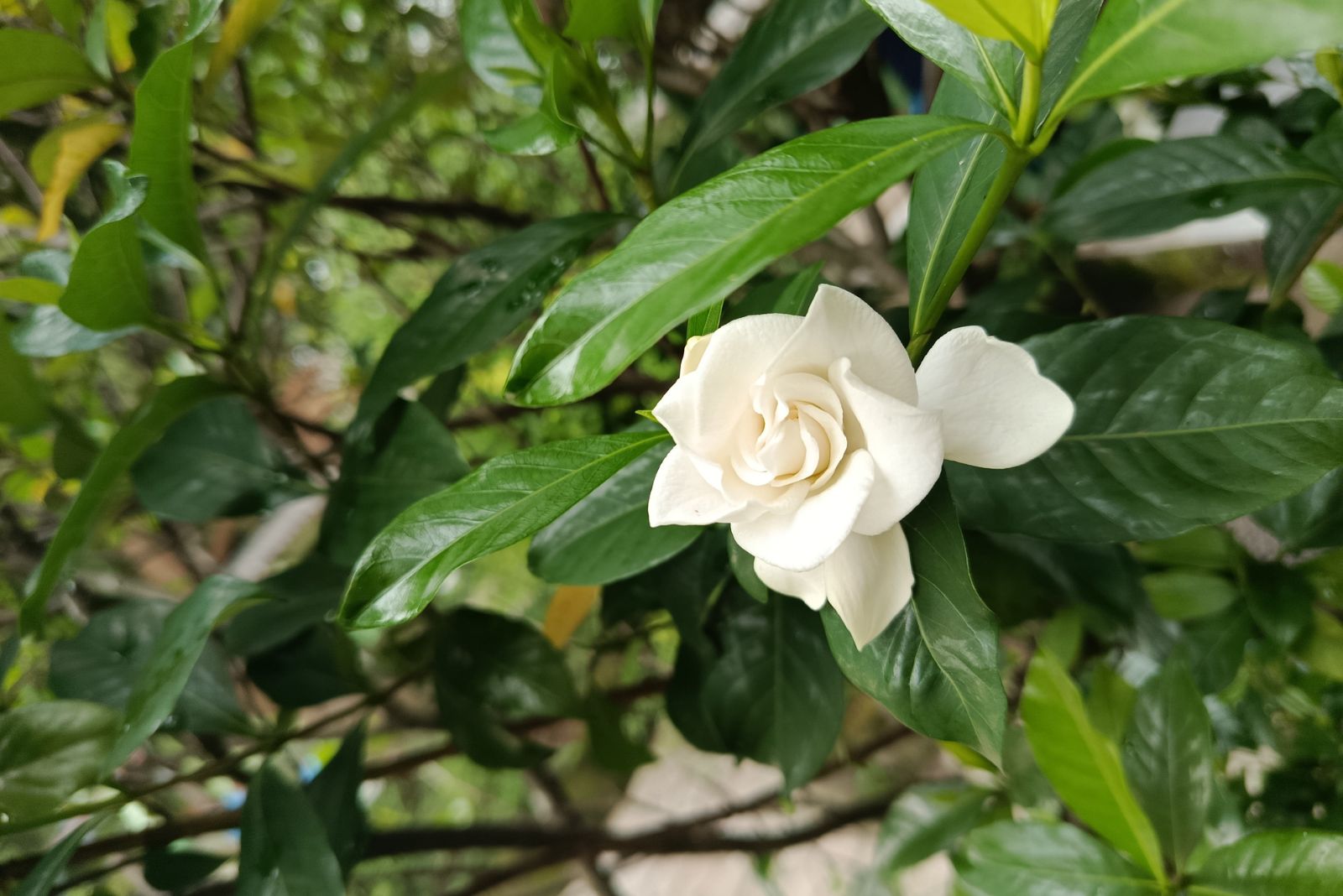
Have you ever stood next to a gardenia in full bloom and understood immediately why people are so devoted to this plant? That fragrance is genuinely something else, rich and unmistakable in a way that turns a simple walk past a shrub into a full sensory experience.
Texas gardeners who grow gardenias successfully will tell you it’s one of the most rewarding things in their yard, and they’re not exaggerating.
The challenge is that gardenias in Texas have a reputation for being temperamental, and that reputation exists for a reason.
Getting them to bloom consistently all summer rather than putting on one good flush and then going quiet takes more than just planting them and hoping for the best.
There are specific things this plant needs from you at specific times, and skipping those steps is exactly why so many Texas gardenias underperform despite looking perfectly healthy.
Get those steps right and a gardenia that blooms all summer in Texas is absolutely achievable.
1. Give Them Morning Sun And Afternoon Shade
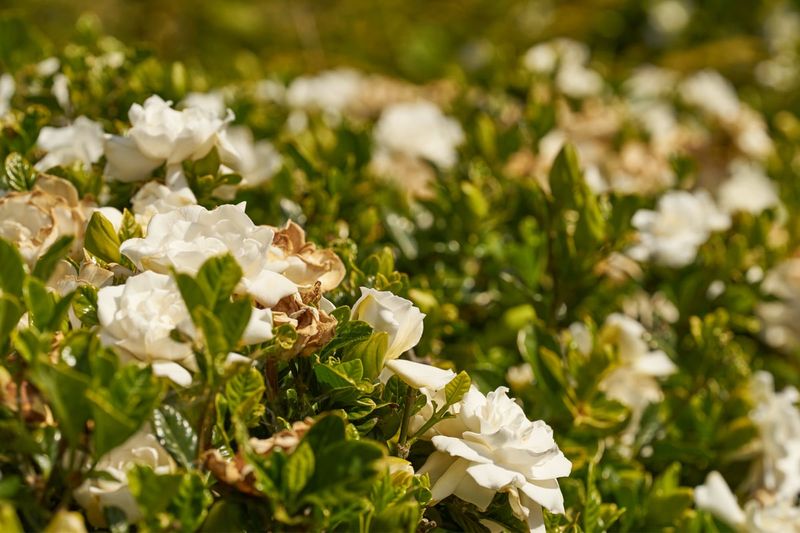
Sunlight is everything when it comes to gardenias, but too much of it can actually work against you. In Texas, the afternoon sun is brutal, especially from June through August.
Gardenias that sit in full sun all day often end up with scorched leaves and fewer blooms than you would expect.
The sweet spot for Texas gardenias is morning sun and afternoon shade. Morning light gives the plant the energy it needs to grow and produce flowers.
Then, as the hottest part of the day rolls in, shade protects the plant from stress and heat damage.
If your gardenia is already planted in a spot that gets too much afternoon sun, do not panic. You can add a shade cloth or plant taller shrubs nearby to create natural protection.
Even a fence or the side of your house can provide enough afternoon shade to make a big difference.
Gardenias planted under large trees in Texas often perform beautifully because the canopy filters the harsh midday light. Just make sure the tree is not blocking morning sun entirely, since gardenias still need at least four to six hours of direct light each day.
Paying attention to where the sun hits your yard at different times of day is one of the easiest ways to set your gardenias up for success.
Once you find that perfect spot with the right light balance, your Texas gardenias will reward you with a summer full of stunning white blooms and incredible fragrance.
2. Keep Soil Consistently Moist
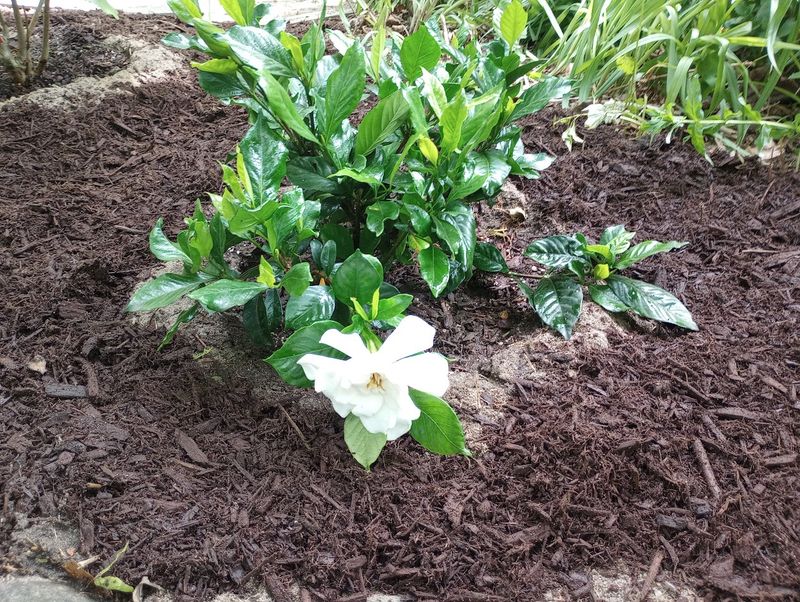
Ask any experienced Texas gardener and they will tell you the same thing: gardenias hate drying out. These plants are used to humid, moist environments, and the dry Texas heat can pull moisture out of the soil faster than you might think.
Keeping the soil consistently moist is one of the most important things you can do all summer long.
Consistent does not mean soggy. Overwatering can cause root problems just as quickly as underwatering.
Your Texas Garden Changes Every Week. Your Plan Should Too.
Gardening in Texas changes quickly throughout the season. Every Friday you’ll receive a simple weekly plan showing exactly what to plant, prune, fertilize, harvest, and protect so you never miss the right timing.
The goal is to keep the soil damp but never waterlogged. A good rule of thumb is to water deeply two to three times per week during the hottest months, depending on rainfall.
Stick your finger about an inch into the soil near the base of the plant. If it feels dry, it is time to water.
If it still feels damp, wait another day and check again. This simple trick saves a lot of guesswork and helps you avoid both extremes.
Drip irrigation systems work really well for gardenias in Texas because they deliver water slowly and directly to the roots. This keeps moisture levels steady without wetting the leaves, which can lead to fungal issues in humid summer conditions.
Early morning is the best time to water your Texas gardenias. The plant absorbs moisture before the heat of the day sets in, and any water that splashes on the leaves has time to dry before nightfall.
Staying on top of watering is one of the simplest ways to keep those beautiful blooms coming all season.
3. Use Acidic Soil Or Fertilizer
Here is something not every beginner gardener knows: gardenias are picky about soil chemistry. They thrive in slightly acidic soil, ideally with a pH between 5.0 and 6.5.
In many parts of Texas, the soil leans more alkaline, which can cause gardenias to struggle and develop yellow leaves, a condition called chlorosis.
Yellow leaves on a gardenia are usually a sign that the plant cannot absorb enough iron or other nutrients because the soil pH is too high. The good news is that fixing this problem is completely doable.
You just need to know what to add to the soil. Sulfur is one of the most common amendments used to lower soil pH in Texas gardens. You can also mix in peat moss when planting, which naturally brings acidity to the soil.
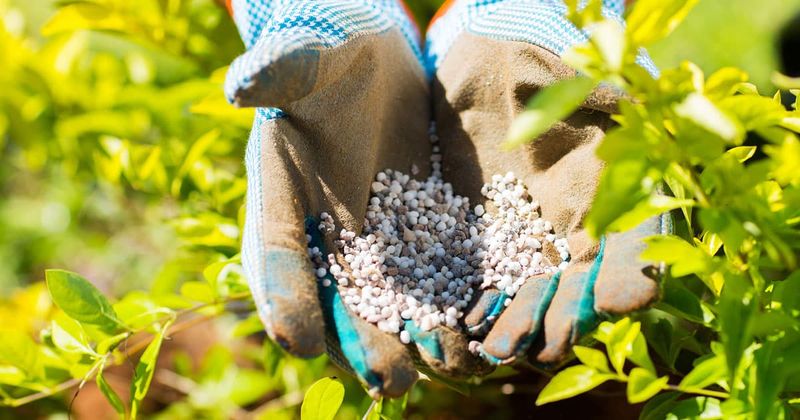
For a quicker fix, acidic fertilizers made specifically for gardenias, azaleas, and camellias work really well.
Look for fertilizers that list ammonium sulfate or other acidifying ingredients on the label. These products feed the plant while also helping to keep the soil pH in the right range.
Apply them according to the package directions, usually every four to six weeks during the growing season.
Testing your soil before you plant is always a smart move in Texas. Simple at-home soil test kits are available at most garden centers and give you a clear picture of what your soil needs.
Getting the chemistry right from the start means your gardenias will have a much easier time blooming all summer long.
4. Mulch Around The Roots
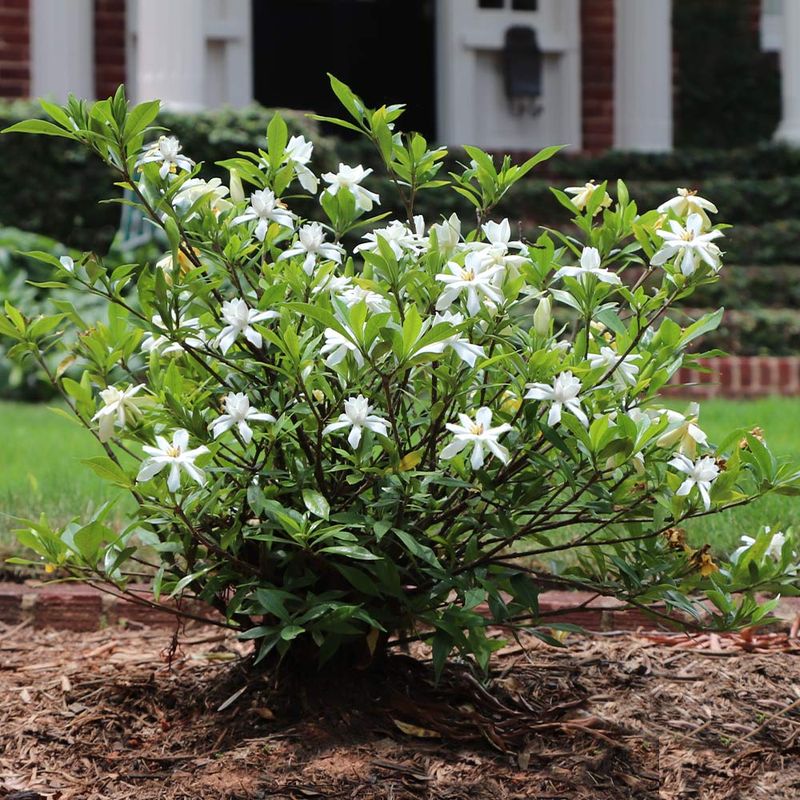
Mulching might be the most underrated gardening habit out there, especially in Texas. When summer temperatures climb into the triple digits, the soil around your gardenias can heat up fast.
That heat stresses the roots and makes it harder for the plant to absorb water and nutrients properly.
A three to four inch layer of mulch around the base of your gardenia acts like a natural insulator.
It keeps the soil cooler during the day, holds moisture so you do not have to water as often, and slowly breaks down to add organic matter back into the ground. It is one of the best things you can do for any plant in a Texas summer.
Pine bark mulch and pine straw are especially great choices for gardenias because they are slightly acidic. As they break down over time, they help maintain that lower soil pH that gardenias love so much.
This makes them a two-for-one solution for Texas gardeners. When you apply mulch, keep it a few inches away from the main stem of the plant. Piling mulch directly against the stem can trap moisture and encourage rot.
Spread it out in a wide circle instead, covering as much of the root zone as possible. Refreshing your mulch layer once or twice a year is usually enough to keep it working well. Spring and midsummer are good times to top it off in Texas.
With consistent mulching, your gardenias will stay cooler, happier, and more likely to keep blooming straight through the long summer months.
5. Prune Lightly After Flowering
Pruning gardenias can feel a little intimidating if you have never done it before. Many gardeners worry about cutting off too much and losing future blooms.
The key word here is lightly. A light trim after the first flush of flowers can actually encourage your Texas gardenias to produce more blooms later in the season.
The best time to prune is right after the main bloom period, which usually happens in late spring or early summer in Texas. At this point, the plant has already set the buds for the next round of flowers.
A light shaping now removes spent blooms and encourages the plant to push out new growth and fresh buds.
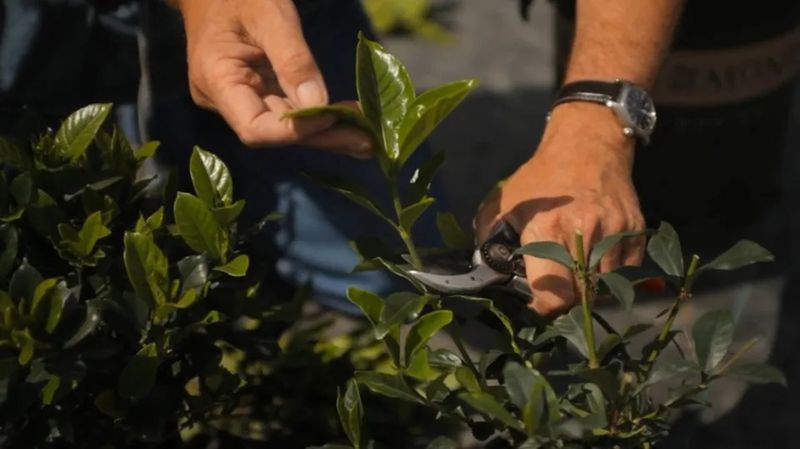
Use clean, sharp pruning shears for this job. Dull blades can crush stems instead of cutting them cleanly, which opens the door for disease.
Wipe your shears with rubbing alcohol before you start to avoid spreading any bacteria or fungal spores from other plants.
Focus on removing dry or faded flowers, crossing branches, and any stems that look leggy or out of shape. You are just tidying up the plant, not giving it a dramatic haircut. Removing about one third of the new growth at most is a safe guideline to follow.
Avoid pruning Texas gardenias in late summer or fall. By that point, the plant has already started forming buds for the following season, and cutting then would remove those buds before they ever get a chance to open.
Stick to post-bloom pruning for the best results and the most flowers all summer.
6. Feed Regularly During Growing Season
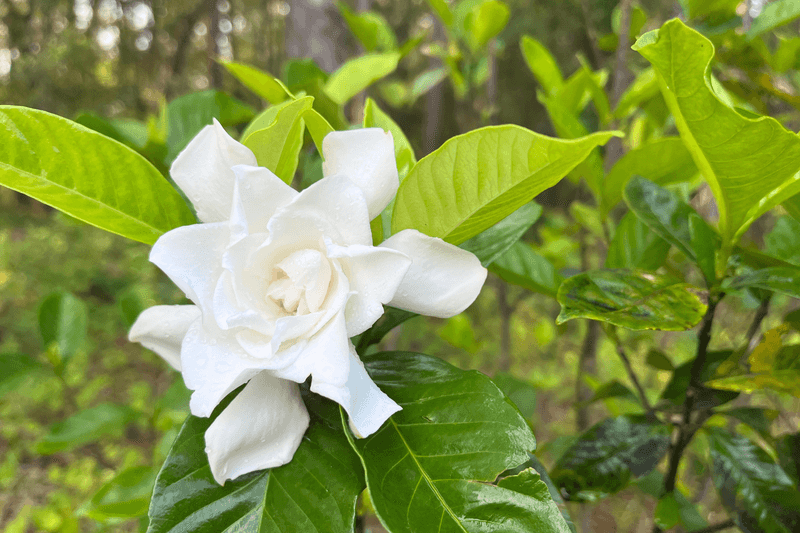
Gardenias are heavy feeders, which means they use up nutrients quickly when they are actively growing and blooming. In Texas, the growing season stretches from spring well into fall, giving your gardenias a long window to produce flowers.
Feeding them regularly during this time keeps the plant strong and supports repeat blooming.
Choose a fertilizer that is made for acid-loving plants. Products labeled for gardenias, azaleas, or camellias are a solid choice because they contain the right balance of nutrients and help maintain soil acidity at the same time.
Look for a slow-release granular formula or a liquid concentrate, both of which work well. Start feeding in early spring when new growth begins and continue through late summer. Most gardeners in Texas apply fertilizer every four to six weeks during the active growing season.
Always follow the directions on the package since over-fertilizing can actually burn the roots and cause more harm than good.
One thing to watch for is a flush of dark green leaves with no flowers. This can sometimes mean the plant is getting too much nitrogen, which pushes leafy growth at the expense of blooms.
If that happens, switch to a fertilizer with a lower first number in the NPK ratio on the label. Stop feeding in late fall when the plant starts to slow down for the cooler months. Texas winters are mild, but gardenias still need a rest period.
Giving your gardenias consistent nutrition during the growing season is one of the most reliable ways to keep those fragrant white flowers showing up all summer long.
7. Watch For Spider Mites And Whiteflies
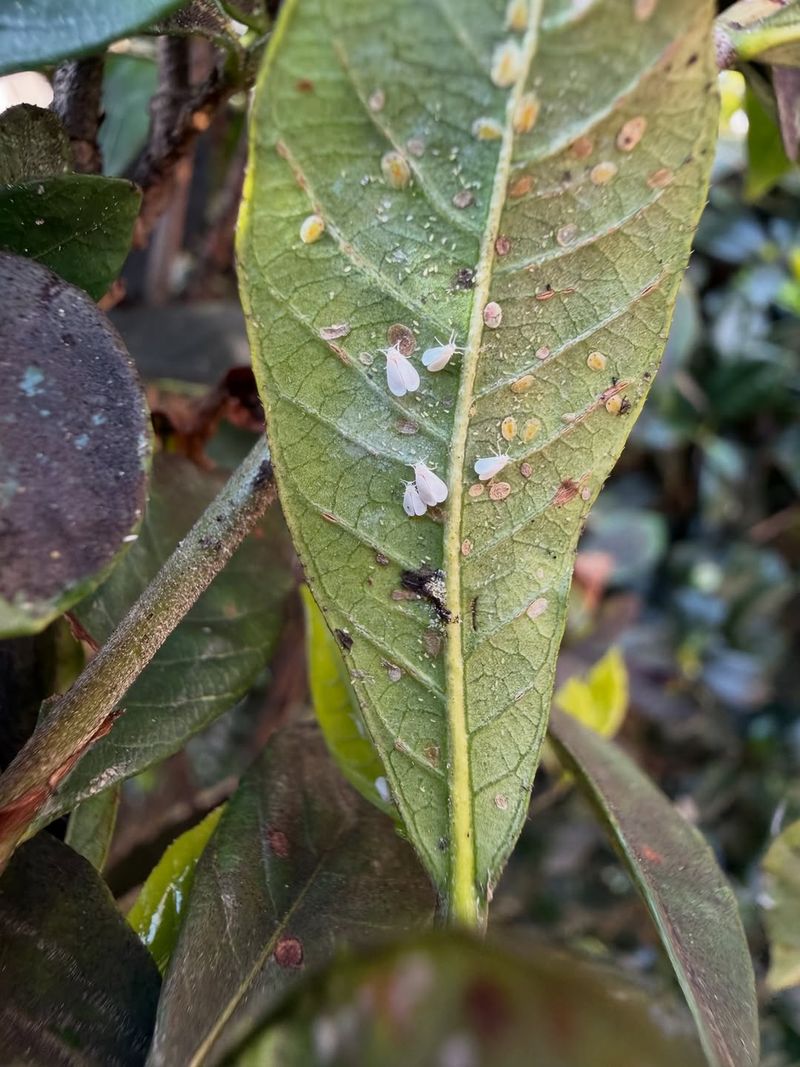
Hot, dry Texas summers create the perfect conditions for pest problems on gardenias. Two of the most common culprits are spider mites and whiteflies.
Both are tiny and easy to miss until the damage is already done, so getting in the habit of checking your plants regularly is a smart move.
Spider mites are almost invisible to the naked eye, but they leave behind a telltale sign: fine webbing on the undersides of leaves. The leaves may also start to look dusty, faded, or speckled with tiny yellow dots.
If you notice any of these signs on your Texas gardenias, act quickly. Whiteflies are a little easier to spot. Shake a branch gently and a cloud of tiny white insects will fly up.
They feed on the undersides of leaves and excrete a sticky substance called honeydew, which can lead to a black sooty mold that coats the leaves and reduces the plant’s ability to photosynthesize.
Insecticidal soap spray is one of the safest and most effective treatments for both pests. Spray it directly on the affected areas, making sure to coat the undersides of leaves where these insects like to hide.
Neem oil is another great option and works as both a treatment and a preventive measure. Check your Texas gardenias at least once a week during peak summer heat. Catching pest problems early means less damage to your blooms and leaves.
A little vigilance goes a long way in keeping your gardenias healthy, vibrant, and full of beautiful flowers from one end of summer to the other.