Indiana Gardeners Have A Narrow Window To Get Garlic Into The Ground
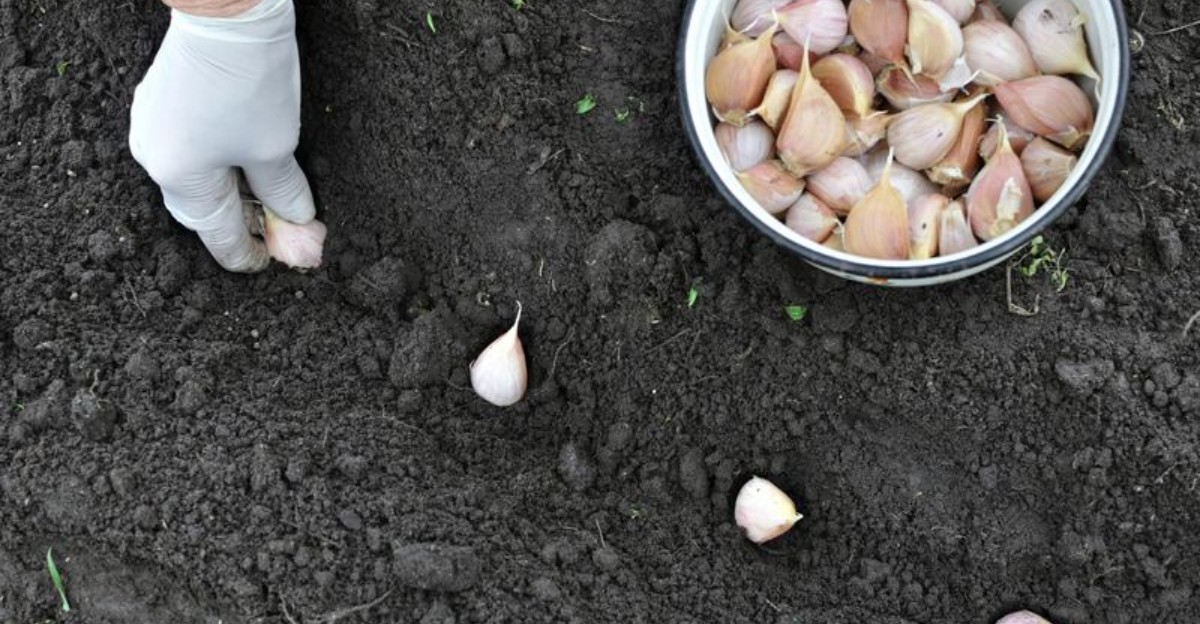
Right now, something buried under Indiana ground is quietly racing against a clock you can’t see. Wait even a week too long, and you’ll spend next summer already wondering where you went wrong.
Timing here works like a countdown, not a gentle suggestion you can casually shrug off. Indiana weather doesn’t negotiate, and it certainly won’t send you a reminder when the moment finally passes.
Underneath that patch of dirt, a single choice you make this week decides everything that follows. Miss the signal even briefly, and you’ll spend next year staring at thin, pale, disappointing results.
Nobody really warns you how narrow this window truly is until it’s already shut. You don’t want to be the one explaining what happened come next spring.
Soil Temperature Behind The October Planting Date
Garlic cloves are a bit like kids at bedtime, needing just the right conditions before they settle down. Soil temperature is the quiet signal that tells them it is finally time to root in and rest.
The sweet spot arrives when soil four inches down cools to around 50 degrees Fahrenheit. At that point, cloves happily grow sturdy roots underground but do not push up much green growth before winter.
In most of Indiana, that happens from early to late October, depending on where you live. Northern counties near Fort Wayne and South Bend usually cool off a week or two earlier than Evansville does.
Plant too early, and your cloves may sprout tall, tender leaves that get damaged by a hard freeze. Plant too late, and roots will not have enough time to anchor before the ground freezes solid.
A simple soil thermometer from any garden store takes the guesswork out of this whole timing puzzle. Push it four inches into the bed each morning and check it for several days in a row.
Another handy clue is the weather itself, since nighttime temperatures dipping into the 40s often mean the soil is ready. Many Indiana growers also aim for about two to three weeks after the first light frost.
Use these last warm September days to watch the forecast, gather supplies, and choose your planting weekend. Circle a tentative date on the kitchen calendar, then let the thermometer have the final word.
Hardneck Varieties Suited To Indiana Winters
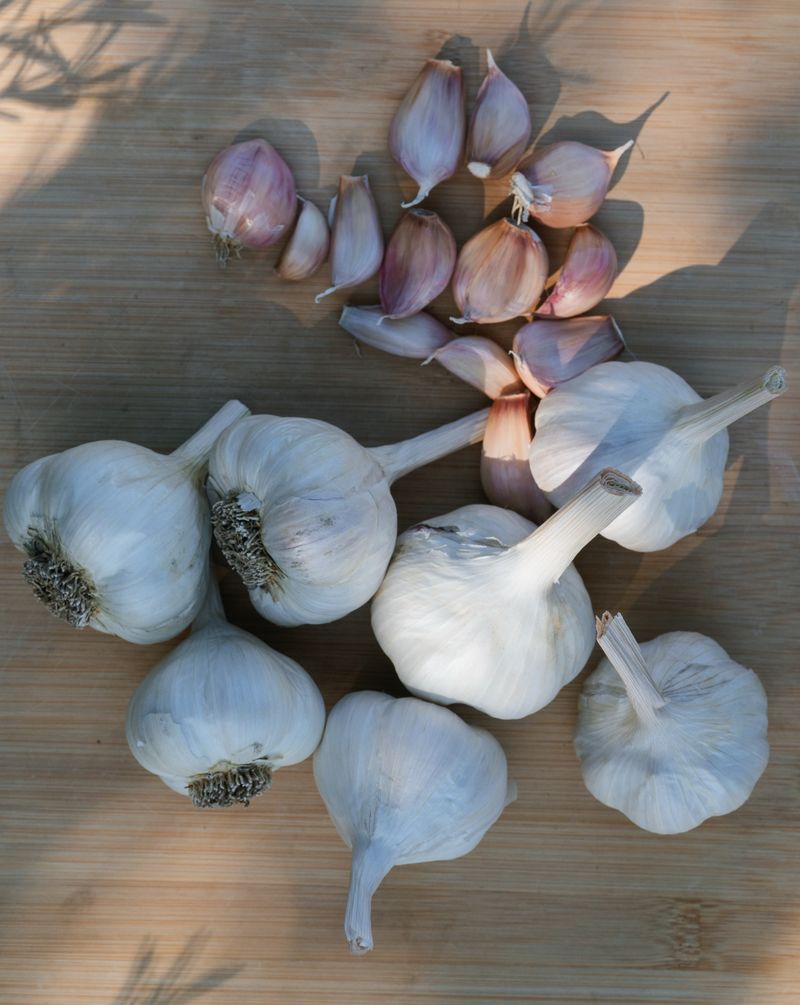
Picture a garlic bulb that shrugs off January blizzards like a farmer in a thick wool coat. Hardneck garlic is exactly that kind of tough customer, and it truly thrives in Indiana’s long, cold winters.
Hardnecks get their name from the stiff central stalk that grows up through the middle of the bulb. They actually need a long chilly spell each winter to form big, well-divided bulbs by early summer.
Softneck types, the kind you usually see braided at farmers markets, prefer milder places like California or Texas. They can grow here, but hardnecks tend to handle Midwest freezes and thaws with far fewer problems.
Music is a favorite among Hoosier growers because it produces large, easy-to-peel cloves with a rich flavor. German Extra Hardy lives up to its bold name and stands firm against harsh January cold snaps.
Your Indiana Garden Changes Every Week. Your Plan Should Too.
Gardening in Indiana changes quickly throughout the season. Every Friday you’ll receive a simple weekly plan showing exactly what to plant, prune, fertilize, harvest, and protect so you never miss the right timing.
Chesnok Red turns sweet and creamy when roasted, making it a hit at family dinners. Spanish Roja offers a spicy kick that garlic fans rave about, though it stores for a shorter time than others.
Here is a tasty bonus: hardnecks send up curly green shoots called scapes in late spring or early June. Snap them off, toss them in a stir-fry or pesto, and your bulbs will grow bigger too.
Order your hardneck seed during September, since popular varieties often sell out well before October arrives. Trying two or three kinds side by side is a fun, tasty way to find your household favorite.
Seed Garlic Versus Grocery Store Bulbs
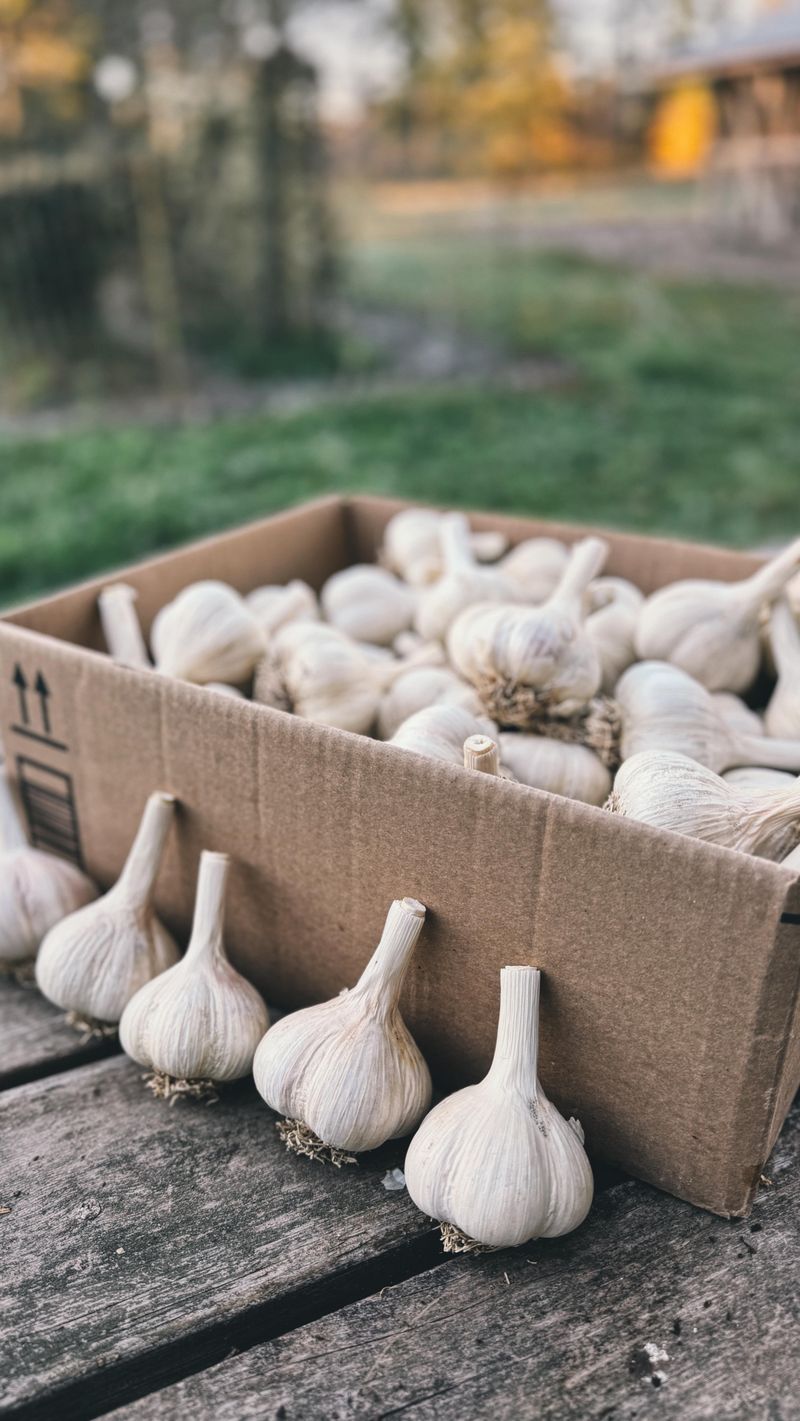
It is tempting to grab a bag of cheap garlic from the grocery store and call it a day. Unfortunately, that bargain bulb can quickly turn into an expensive letdown by next summer.
Much store-bought garlic is shipped from China or California and is a softneck type suited to warmer weather. Some bulbs are also treated with a sprout inhibitor to keep them looking fresh on shelves longer.
Those treated cloves may just sit in your cold soil and do very little all winter long. Even untreated grocery bulbs might carry hidden diseases or pests that linger in your garden beds for years.
Seed garlic, on the other hand, is grown specifically for planting and checked for health before it ships. It is the same species you eat, but the bulbs are chosen for size, vigor, and local toughness.
Yes, seed garlic costs more up front, often fifteen to thirty dollars per pound. Keep in mind that one pound can give you around forty to fifty plump cloves ready for planting.
Better yet, you only need to buy it once if you save your biggest, best bulbs each summer. Many Indiana gardeners have grown the same family strain for decades, and it adapts better each year.
Check local farmers markets, Purdue Extension events, and regional seed companies for bulbs raised in the Midwest. A bulb from a nearby grower already knows how to handle an Indiana winter, which gives you a head start.
Bed Preparation In The Weeks Before Planting
Garlic spends about nine months in the ground, which makes it one of the longest tenants in your garden. Giving it a comfy, well-prepared home now pays off with plump, juicy bulbs next July.
Start in mid to late September by picking a sunny spot that gets at least six hours of light. Avoid areas where onions, leeks, or garlic grew last year to help prevent soil-borne disease.
Indiana is famous for heavy clay soil that stays soggy after rain and cracks like pavement when dry. Cloves sitting in waterlogged clay can fail to develop over winter, so drainage matters more than almost anything else.
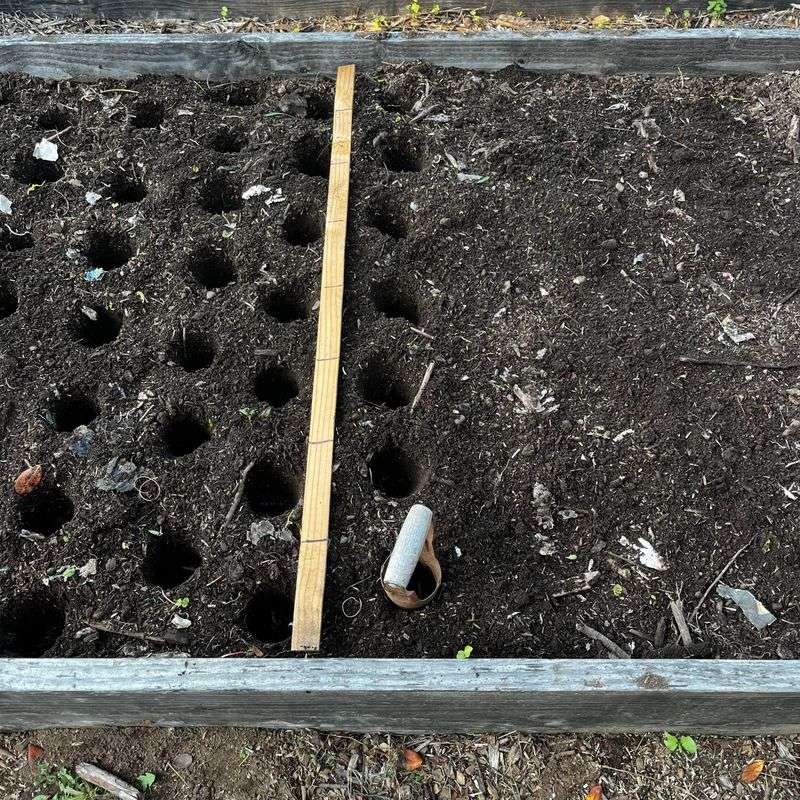
Loosen the soil about eight to ten inches deep with a garden fork or broadfork. Then mix in two to three inches of compost or well-aged manure to lighten the texture and feed the roots.
If your yard stays wet, consider building a raised bed or a mounded row about six inches high. Even a small bump in height helps water drain away from the cloves during spring thaws.
A soil test through Purdue Extension costs little and tells you exactly what your ground is missing. Garlic prefers a pH between 6.0 and 7.0, and it enjoys a bit of extra nitrogen early in the season.
Finish by pulling every weed and raking the surface smooth so planting day goes quickly and easily. Then let the bed settle for a week or two, and enjoy a glass of cider while you wait.
Depth For Each Clove Below The Surface
Here is a fun fact: a single garlic bulb can multiply into ten or more new bulbs by next summer. Every one of those future bulbs starts with a single clove tucked into the soil at the right depth.
Before planting, gently break the bulb apart into individual cloves, leaving the papery skins in place. Save the biggest, fattest cloves for planting, since large cloves usually grow into large bulbs.
Set each clove pointy end up and flat root end down, just like a tiny rocket ready to launch. Upside-down cloves will still grow, but they waste precious energy curling around to find the surface.
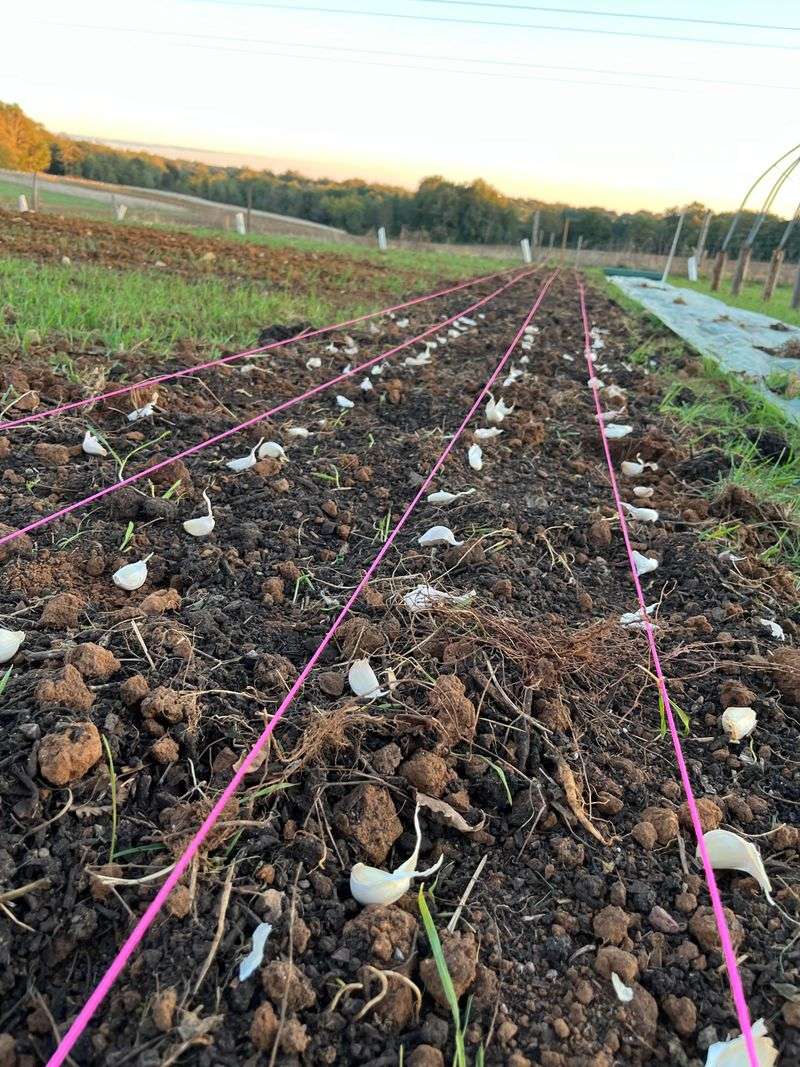
In Indiana, aim to plant each clove about two inches deep, measured from the tip to the soil surface. That depth protects cloves from frost heaving, when freezing and thawing soil pushes them upward.
Gardeners in northern counties with harsher winters can go a little deeper, closer to three full inches. Southern Indiana growers with lighter, sandier soil may do just fine sticking to the two-inch mark.
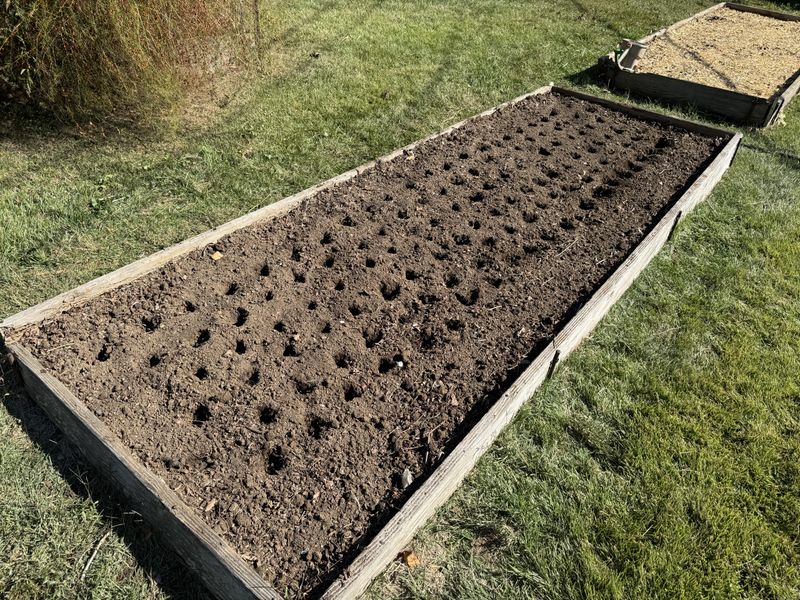
Space cloves about six inches apart in rows roughly twelve inches apart to give each bulb elbow room. Crowded garlic competes for water and nutrients, which leads to smaller, disappointing heads at harvest time.
A handy trick is to mark your trowel handle or a wooden stick with lines at two and three inches. Poke, drop, cover, and repeat until the bed looks like a neat checkerboard of hidden treasure.
Straw Mulch Applied After The Ground Cools
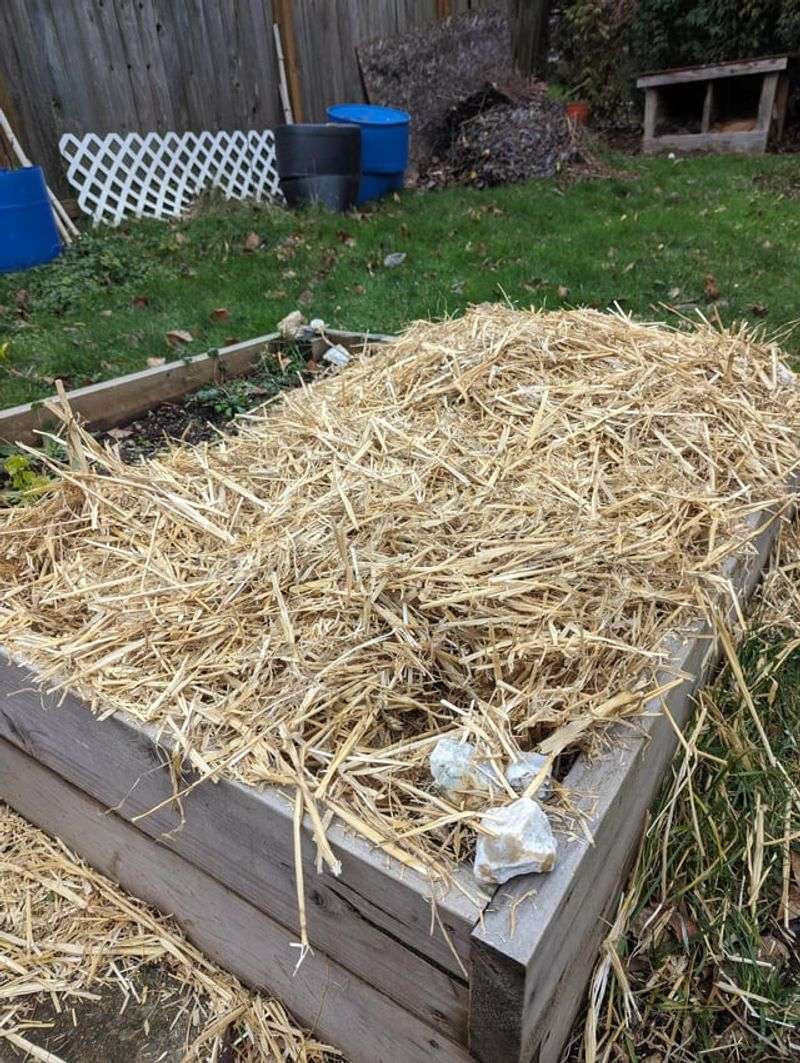
Tucking garlic in for winter feels a lot like pulling a warm quilt over a sleeping child. A fluffy layer of straw mulch is that quilt, and timing matters just as much as thickness.
Wait until the ground has cooled and nights regularly dip below freezing, usually in mid to late November here. Mulching too soon traps warmth and can trick cloves into sprouting before real winter sets in.
Spread about four to six inches of loose, golden straw evenly over the entire garlic bed. It will slowly settle down to a few inches as snow and winter rain press it flat.
Straw works like insulation, keeping soil temperatures steady during Indiana’s wild swings between freezes and warm spells. It also reduces frost heaving, holds in precious moisture, and smothers many weeds before they get started.
Be sure to use clean straw instead of hay, since hay is often packed with weed seeds. Shredded leaves make a decent free option, but whole leaves can mat down into a soggy, heavy blanket.
Come March, green shoots will poke up through the straw like curious little submarine periscopes. You can pull the mulch back slightly to let the soil warm, or leave it to keep weeds down.
Some gardeners keep the straw on until harvest, and the bulbs seem to love the cool, moist soil underneath. By July, you will lift fat, fragrant bulbs and remember this chilly autumn work with a big grin.