Should You Cut Ohio Hydrangea Flowers Off In September Or Leave Them Through Winter
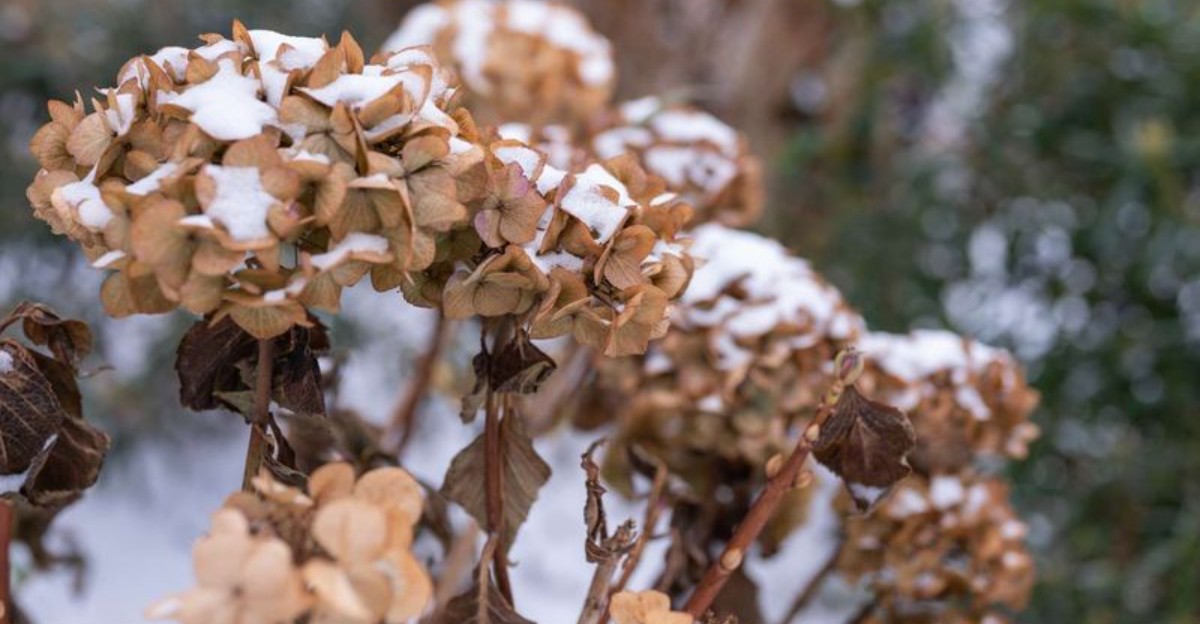
Grab your shears for those spent hydrangea blooms, and you might be undoing something your plant actually needs.
Cut flowers off in September and you remove more than tired, brown heads. Your hydrangea type decides what that actually costs you.
Some varieties tuck next year’s blooms inside those old flower heads. Others rely on that same faded growth as a layer of protection through Ohio’s coldest stretches.
Those blooms serve a purpose through winter too, beyond the frosted look they bring to an otherwise bare yard. Timing and variety together decide whether cutting now helps or hurts you.
Know your hydrangea type before you touch a single bloom this month. The right call depends on more than what looks tidy right now.
1. Leave Bigleaf Hydrangea Blooms Through Winter
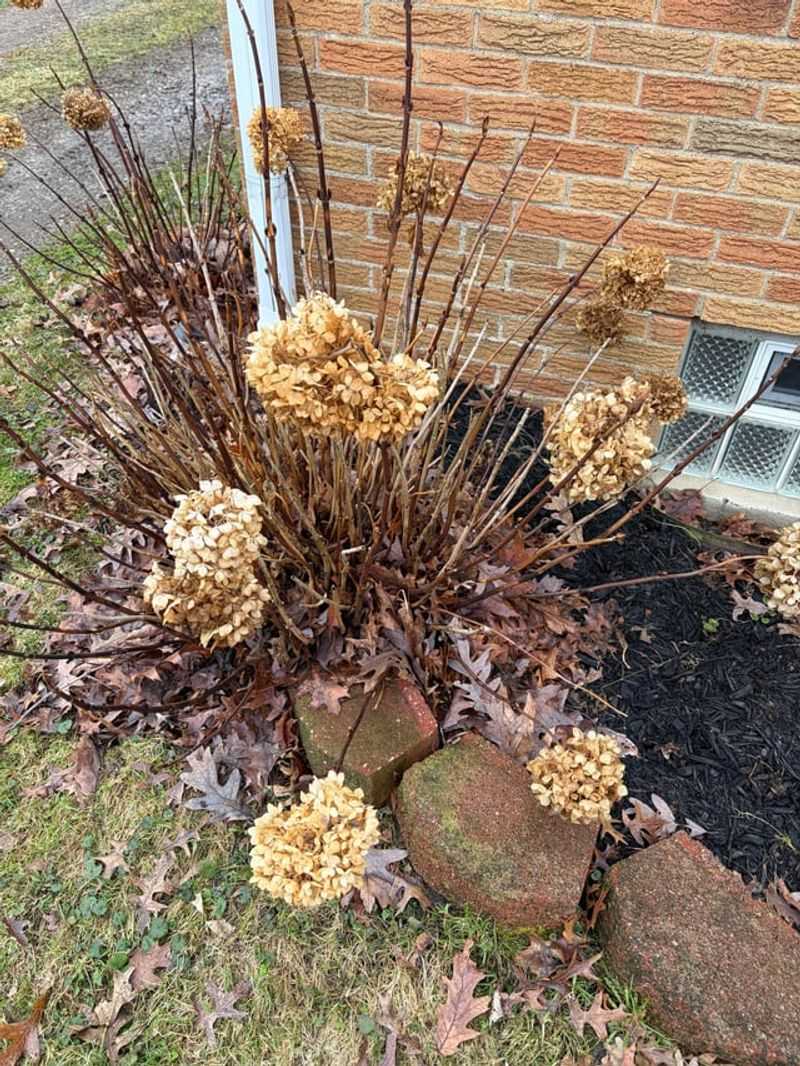
Picture those big blue mopheads from July, now turned the color of old parchment. They look finished, but they are quietly doing a job.
Bigleaf hydrangeas, known botanically as Hydrangea macrophylla, set their flower buds on old wood during late summer and early fall. Both mophead and lacecap types follow that same schedule.
Cutting stems back in September means you are trimming away buds that were formed weeks earlier.
Leaving the old flower heads in place can provide some protection from winter exposure, while also helping you avoid cutting back stems that carry next year’s buds.
If neatness matters to you, there is a middle path. Trim lightly during summer by snipping just above a healthy pair of leaves or a visible bud, well before September arrives.
Once autumn settles in, put the pruners down and let the shrub keep its winter coat. You can enjoy the frosted silhouettes from a kitchen window, which is honestly one of the better views a cold January offers.
Come spring, wait until buds start swelling before removing the old heads. By then you can clearly see which stems woke up and which ones did not, so your cuts land in the right place instead of guessing blindly.
2. Protect Old Wood From Harsh Ohio Cold
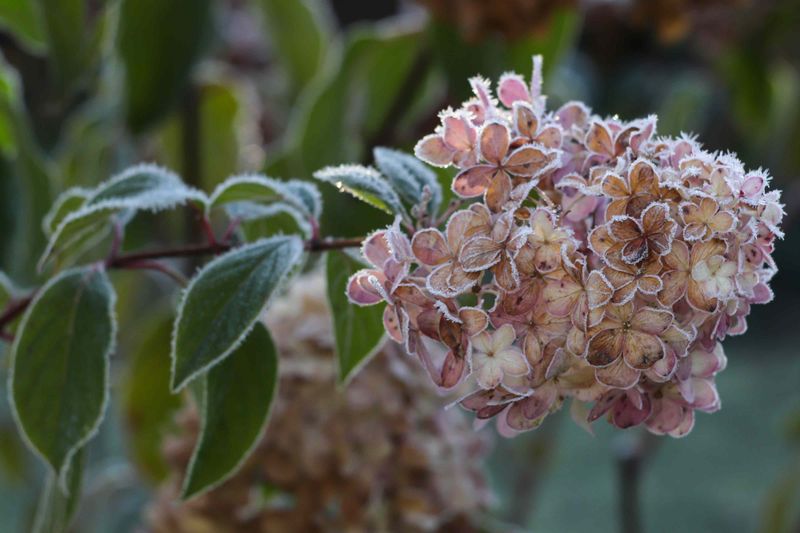
Ohio winters have a mean streak, especially along the lake where wind arrives with an attitude. Shrubs that bloom on old wood feel that bite the hardest.
Bigleaf and oakleaf hydrangeas, meaning Hydrangea macrophylla and Hydrangea quercifolia, carry next season’s buds on stems that already exist. Extreme cold snaps and drying winds can damage those buds, which is why some gardeners get leafy shrubs with hardly any flowers.
Protection is simpler than it sounds. Wrapping the plant loosely in burlap blocks wind without trapping too much moisture.
A ring of chicken wire filled with dry leaves or straw insulates the lower stems beautifully.
An anti-desiccant spray on the stems is another option, since it slows moisture loss during those bright, bitter days when the ground is frozen solid.
Timing matters more than materials. Wait until the plant has gone dormant and sustained freezing weather is approaching, rather than wrapping it while fall temperatures are still mild.
Your Ohio Garden Changes Every Week. Your Plan Should Too.
Gardening in Ohio changes quickly throughout the season. Every Friday you’ll receive a simple weekly plan showing exactly what to plant, prune, fertilize, harvest, and protect so you never miss the right timing.
Remove the wrapping in early spring once hard freezes taper off. Gardeners who bother with this step often notice their old-wood hydrangeas bloom while the neighbor’s shrub is still sulking.
3. Let Panicle Hydrangeas Keep Their Faded Flowers
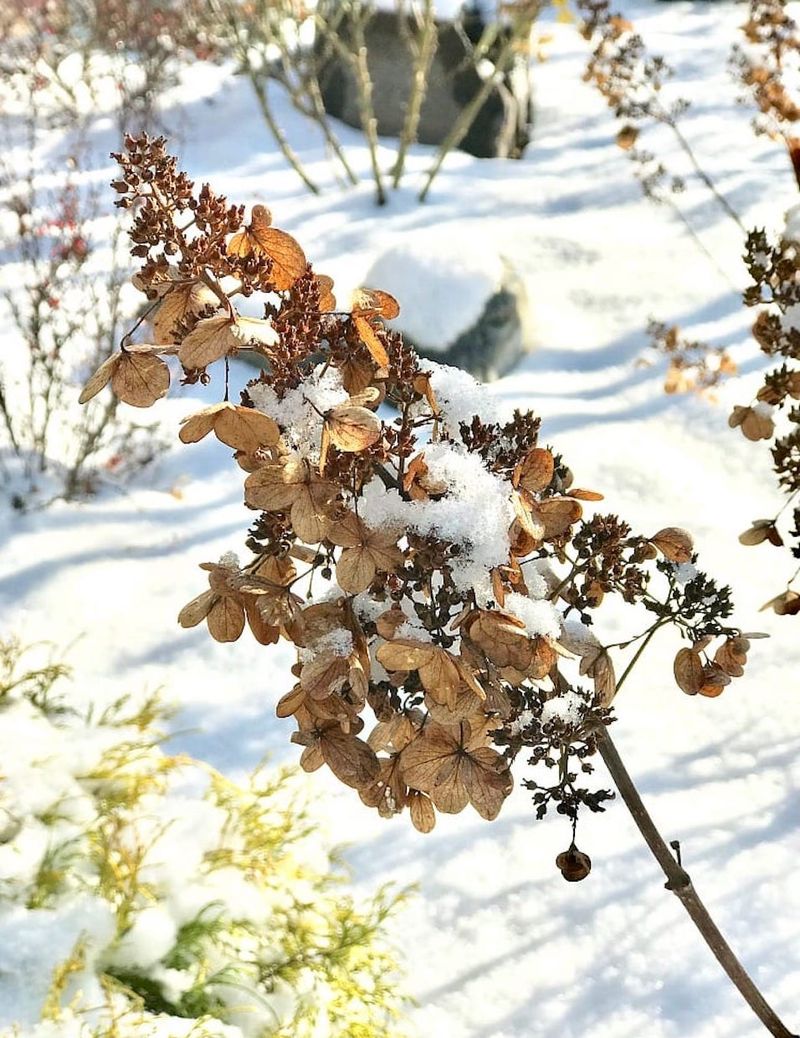
There is something wonderful about a panicle hydrangea in January. Those cone-shaped blooms turn a soft tan and hold snow like scoops of vanilla.
Hydrangea paniculata flowers on new wood, which means the buds form during the coming growing season rather than the one just ending. Late pruning does not cost you blooms, so the pressure is off entirely.
You could technically cut panicles back in late fall, early winter, or early spring and still get a full show. Most experienced gardeners choose spring anyway, and the reason is partly selfish.
Winter gardens in Ohio can look pretty bare once the perennials flop. Leaving those dried cones gives the yard structure, catches frost in a way that looks almost staged, and feeds a little joy on gray days.
Birds appreciate the shelter too, and the stems give some protection to the crown during freeze and thaw swings.
When March rolls around, prune before new growth pushes. Cut back about a third of the previous year’s growth, shaping as you go, and the plant responds with sturdy stems that hold heavy blooms upright.
Skip the September haircut and enjoy the free winter decoration instead.
4. Give Smooth Hydrangeas More Pruning Flexibility
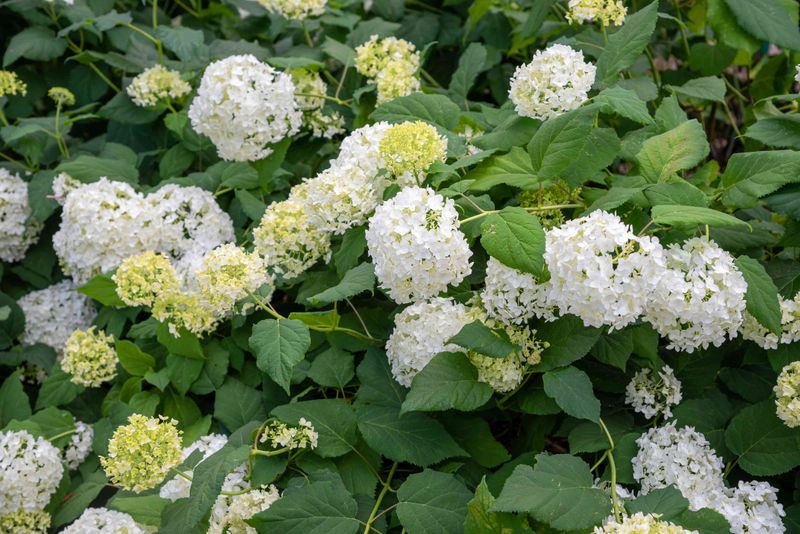
Annabelle types are the forgiving friends of the hydrangea world. Mess up the timing and they shrug it off.
Smooth hydrangeas, or Hydrangea arborescens, build flower buds on fresh spring growth every single year. Fall, winter, or early spring pruning all work, which gives you more freedom than any other hydrangea in an Ohio landscape.
Still, there is an argument for waiting. Stems left standing through winter tend to thicken and toughen, and gardeners often report stronger, sturdier growth when they hold off until late winter.
These shrubs can also handle a serious cut. Taking them down to roughly six to twelve inches in late winter or early spring encourages vigorous new stems and noticeably larger flower heads.
One trick worth knowing: cutting them a bit higher, around eighteen to twenty-four inches, leaves a woody framework that helps support those famously floppy blooms after a summer downpour.
If the plant looks messy in September and it bothers you, trimming then will not hurt next year’s flowers. Just avoid doing it right before an unusually warm stretch, since soft new shoots can get nipped by an early freeze.
Flexibility is the gift here, so use whichever schedule fits your weekend.
5. Treat Reblooming Varieties Differently
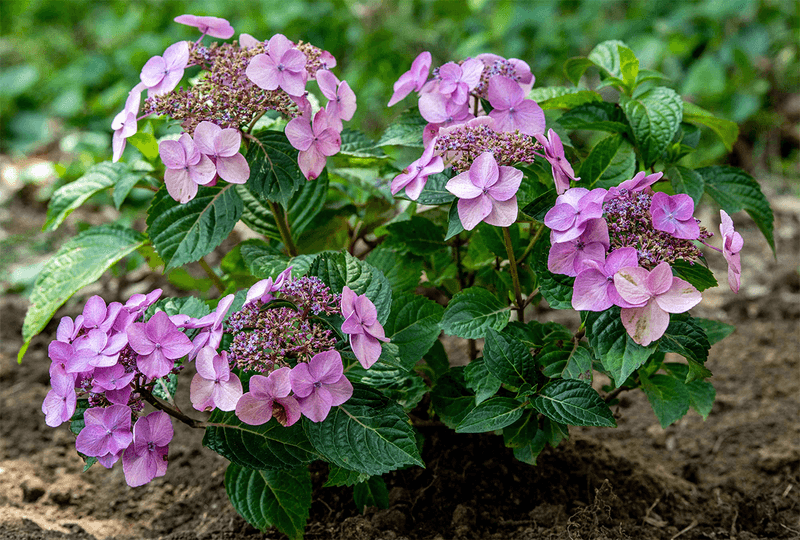
Rebloomers like Endless Summer play both sides of the field. They flower on old wood and new wood, which sounds foolproof until the details show up.
Even though these plants can produce flowers on fresh growth after a rough winter, the biggest and earliest display comes from buds that survived on last year’s stems. Protecting that old wood gives you a fuller June rather than a thin August.
Trimming works well through summer and keeps fresh flushes coming. Stop around mid to late fall so the plant can settle and set buds without being nudged into new growth.
If a rebloomer truly needs shaping, handle it in summer or very early fall, right after a flush fades. That timing avoids stripping the buds that fuel next spring’s first wave.
Honestly, most reblooming types need very little cutting. A quick spring cleanup to remove weak, spindly, or damaged stems usually covers it.
One extra tip for Ohio gardens: mulch and wind protection matter for these varieties too, because a protected plant simply performs better and blooms sooner.
Resist the September tidy-up urge and you will likely be rewarded with earlier color.
6. Use Fall Cleanup For Broken Stems Only
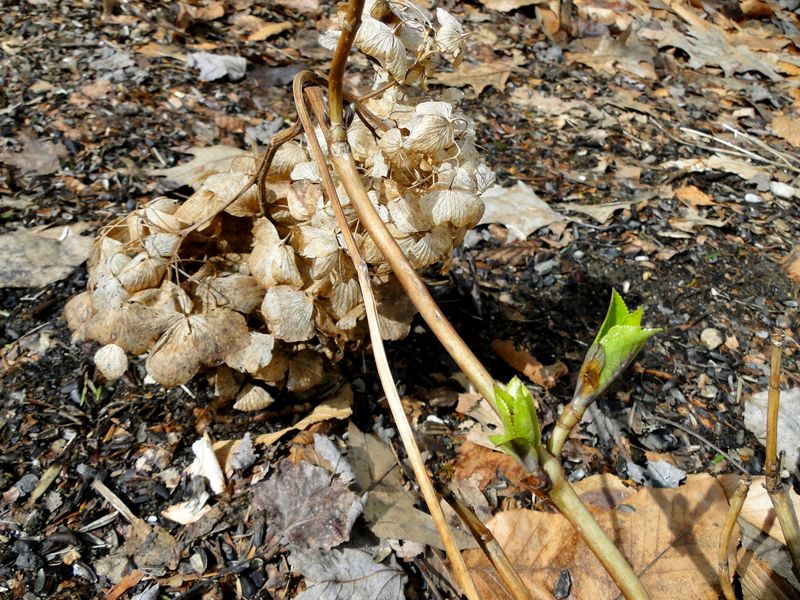
A storm rolls through, a branch snaps, and suddenly your shrub looks lopsided. That kind of damage is fair game any month of the year.
Removing broken, split, or diseased stems helps the plant more than it hurts. Those cuts open up airflow through the middle of the shrub, which lowers the chance of fungal trouble settling in during damp Ohio autumns.
Keep the work surgical rather than sweeping. Snip out the problem stem at its base or back to healthy wood, then stop and look at the shrub before reaching for anything else.
Heavy fall pruning is the mistake to sidestep. Big cuts can push a burst of tender growth that has no time to harden before frost, and on old-wood types those same cuts carry away next year’s flowers.
Clean tools help too. A quick wipe with rubbing alcohol between plants keeps you from carrying spores around the yard.
Here is a simple rule to remember through September: if the stem is broken or clearly unhealthy, take it. If it is merely untidy, let it stand until spring shows you what survived.
Patience costs nothing and protects the bloom count.
7. Keep Fallen Leaves Away From Disease-Prone Plants
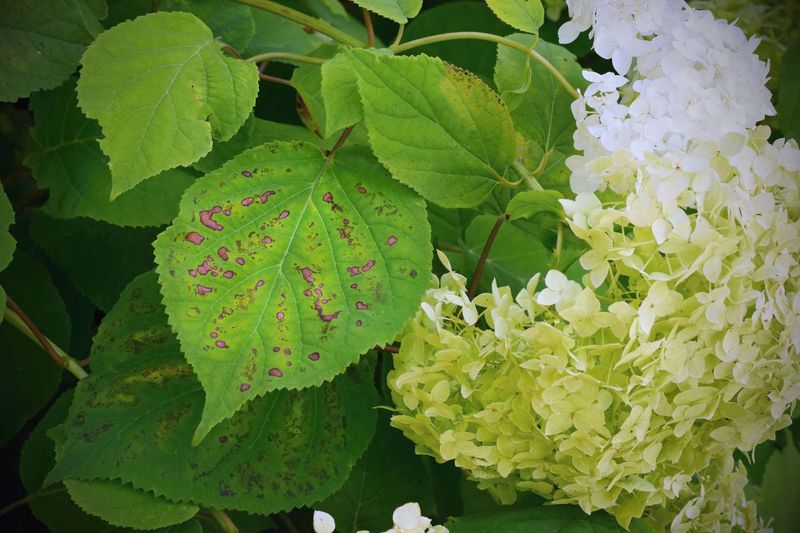
Leaf litter looks cozy, but around hydrangeas it can behave like a storage locker for trouble. Fungal spores overwinter in that damp pile and wait patiently.
Botrytis blight, Cercospora leaf spot, and powdery mildew all persist in old plant debris. When spring rain hits the soil, water splashes spores right back onto fresh leaves, and the cycle starts again.
Clearing the base of the plant in mid-November cuts down on that source material. Rake out the fallen hydrangea leaves, any mushy flower bits, and stems that dropped during storms.
Toss diseased material in the trash rather than the compost pile, since most home compost heaps do not get hot enough to handle those fungi reliably.
Ohio’s cool, humid stretches make good sanitation extra valuable. Plants crowded against fences or shaded walls hold moisture longest, so those spots deserve the most attention.
While you are down there, check spacing. If branches from neighboring shrubs press against each other, a light thinning next season will improve airflow and help leaves dry faster after rain.
Clean ground in November means fewer spotted leaves in July, and that trade feels pretty fair for twenty minutes of raking.
8. Add Mulch Around Roots Before Deep Cold
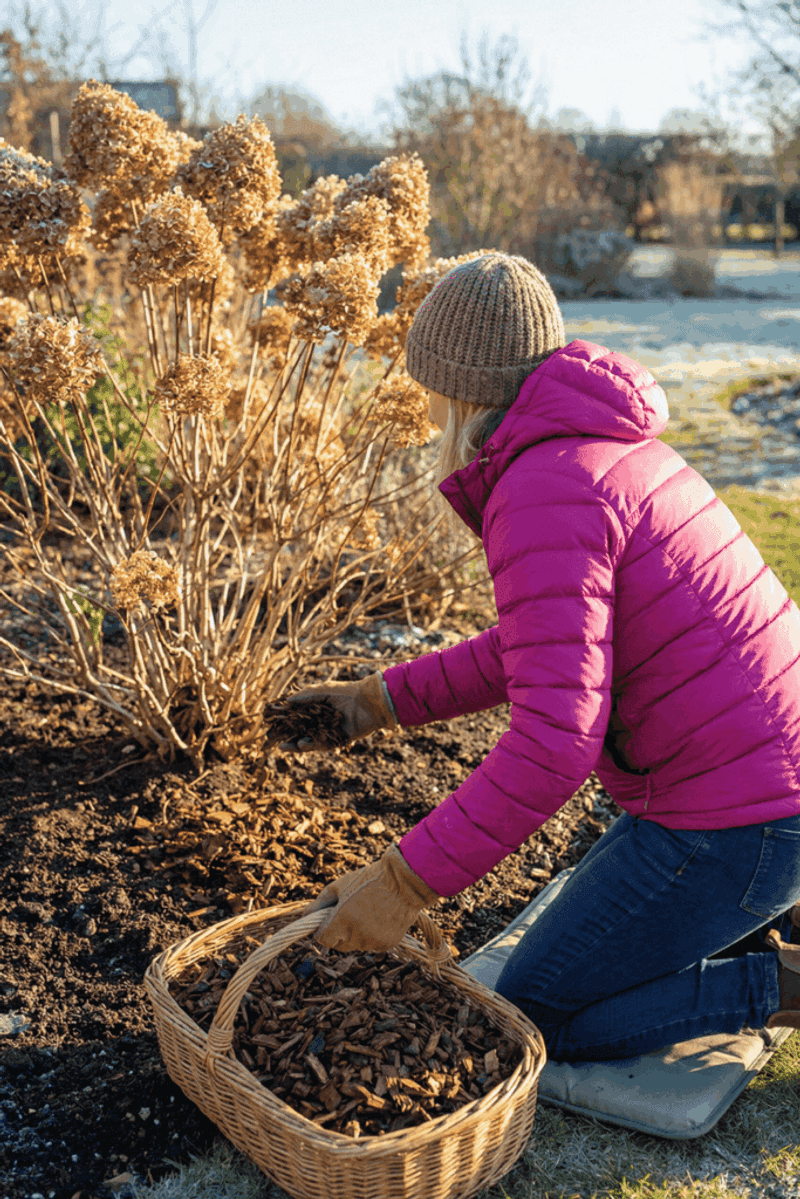
Roots do not get the glory, yet they decide whether the shrub thrives or limps along. Mulch is how you look after them when the thermometer drops.
A few inches of organic mulch around the root zone can help buffer soil temperatures and protect the roots from winter swings. Shredded bark, wood chips, or chopped leaves all work nicely, and chopped leaves are free if you have a mower.
Insulation is only half the benefit. Mulch also holds soil moisture, and winter in Ohio can be surprisingly dry when the ground freezes and wind pulls water from stems.
Timing keeps things from backfiring. Apply in late November or early December, once the soil has cooled or begun to freeze, so you are locking in cold rather than trapping autumn warmth.
Mulching too early in a mild September can invite rodents looking for a snug hideout and may encourage rot around the crown.
Leave a small gap right at the stems so bark is not buried against wet material. Think donut, not volcano.
Pull the excess back in spring as growth begins, and the shrub steps into the season with a healthy, well-rested root system.
9. Save Major Pruning For The Right Season
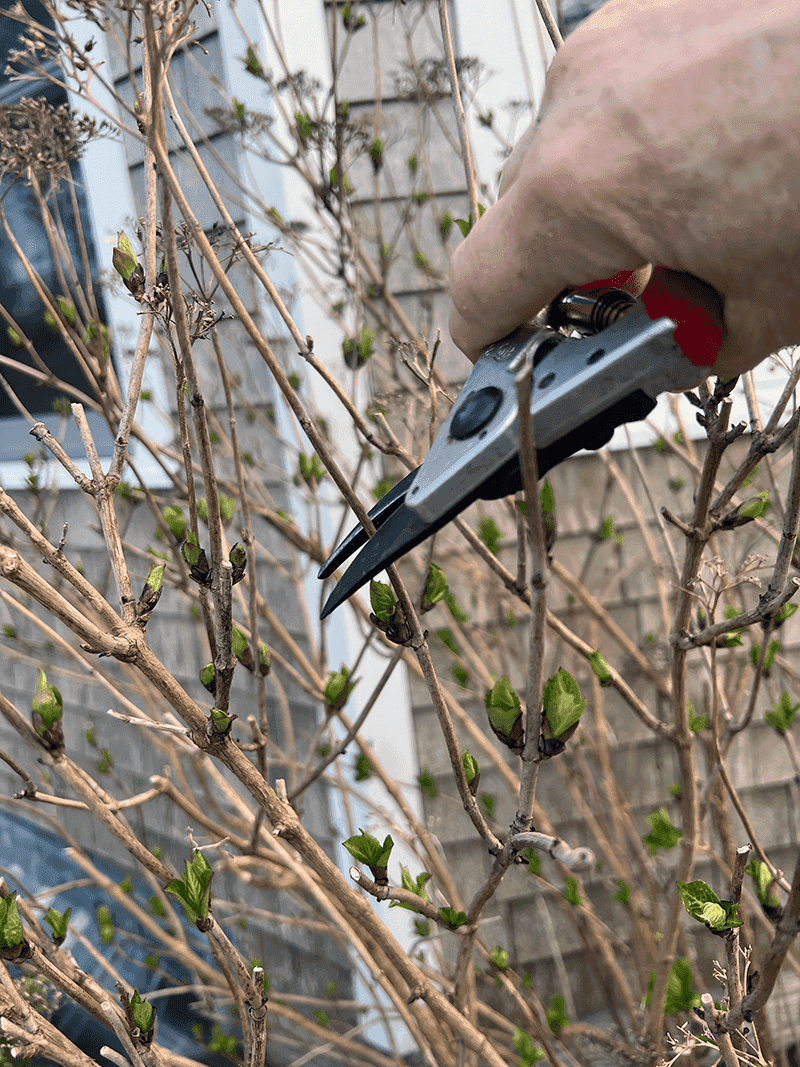
Most bloomless hydrangea stories trace back to one thing: a big pruning done at the wrong moment. The fix is knowing which wood your plant flowers on.
Bigleaf, oakleaf, mountain, and climbing hydrangeas bloom on old wood. Significant pruning for that group belongs in summer, right after the flowers fade, generally from mid-July through early August.
Panicle and smooth hydrangeas bloom on new wood. Their major pruning fits best in late winter or early spring, before buds swell and growth takes off.
September falls into an awkward gap for nearly everyone. Old-wood types have already set buds, and new-wood types gain nothing from an early haircut.
Not sure what you are growing? Check when it flowered.
Early-summer flowering can be a clue that a shrub blooms on older wood, while later-season flowering may point toward new-wood bloomers.
When the label is long gone and memory is fuzzy, the safe move is skipping heavy fall pruning entirely. You lose nothing by waiting, and you avoid the sting of a flowerless June.
Write the plant name on a small tag this fall. Future you will appreciate the reminder when the pruners come out again.