Indiana’s Leggiest Basement Bug Packs Venom, But It’s Working In Your Favor
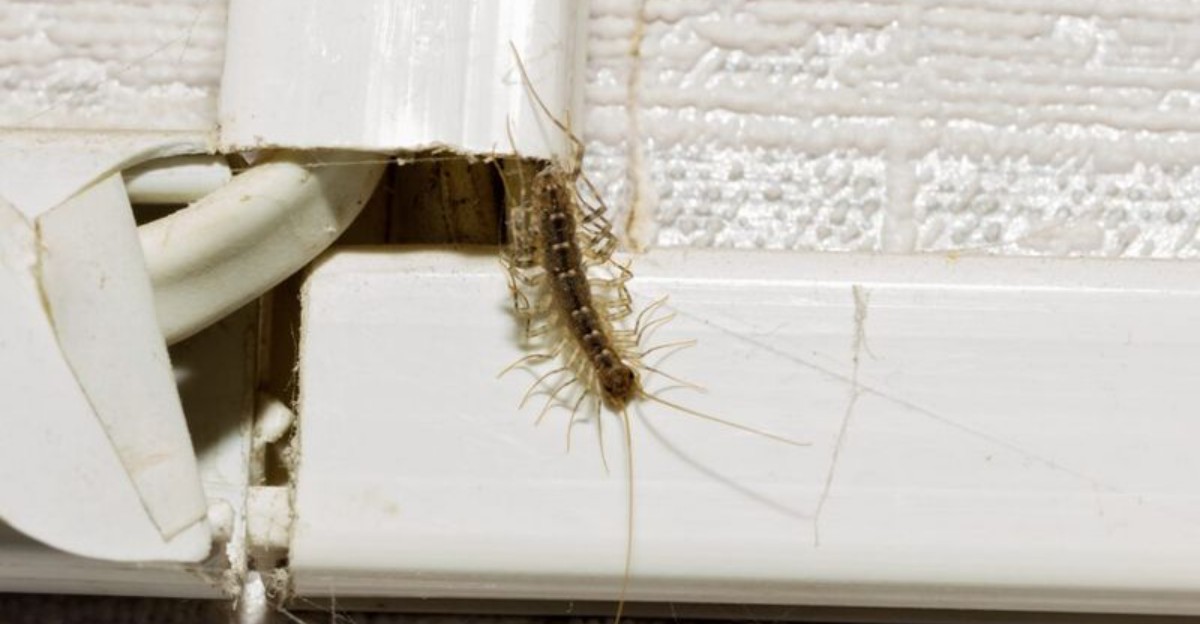
Fifteen pairs of striped legs can carry one small basement hunter across your floor faster than you can grab a shoe. Its back legs are so long they almost look like a second set of antennae.
Not going to lie, the first one I spotted in my Indiana basement made me yelp. I was halfway to the broom before I learned what it actually eats.
Here’s what gets me. This creature carries real venom, yet it spends its nights chasing down the bugs we complain about most. Roaches, silverfish, and even bed bugs are on its menu.
Truth is, most of us see it for two seconds before it vanishes under a box. So why does something this alarming deserve a little grace in your home?
That Blur of Striped Legs on Your Basement Floor Has a Name
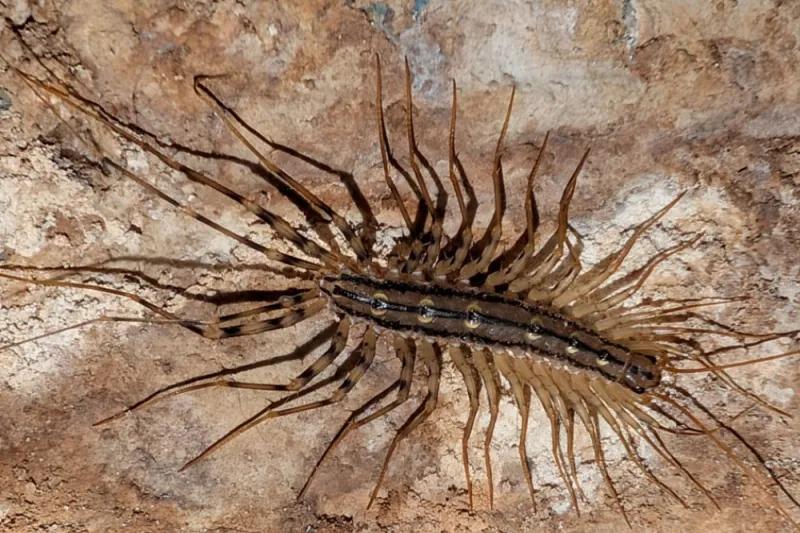
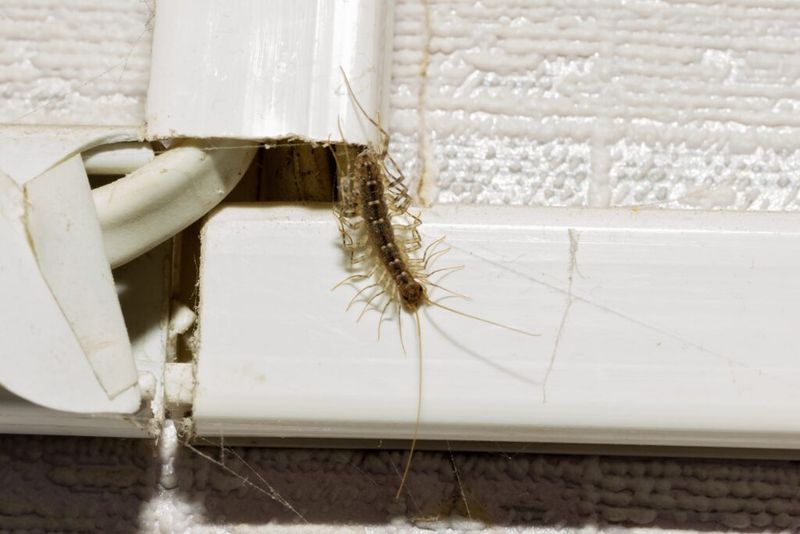
Flip on a basement light late at night, and you might catch a fuzzy-looking streak racing toward the wall. That speedy visitor is the house centipede, known to scientists as Scutigera coleoptrata.
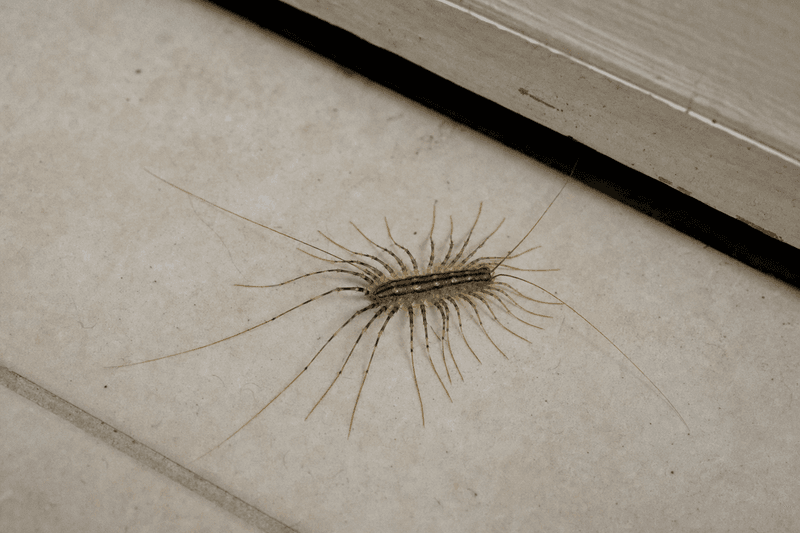
Its body is only about 1 to 1.5 inches long. Still, those 15 pairs of long, banded legs make it look much bigger, sometimes close to the size of a playing card stretched out.
Fun fact for your next trivia night: this species likely came from the Mediterranean region. Over time, it spread across North America and settled into homes from coast to coast, including basements across Indiana.
Indoors, house centipedes can live year-round. Many people notice them more in spring and fall, when weather shifts send them and their prey looking for steady shelter.
I used to think every one I saw meant a new invasion. In reality, these hunters are usually loners that roam at night and hide in cracks, under boxes, or behind stored items during the day.
Give it a second look instead of a scream. Knowing what it is takes away much of the fright, and it sets up the surprising part of the story. This bug is mostly on your side.
Those Centipede Fangs Are Made for Bugs, Not People
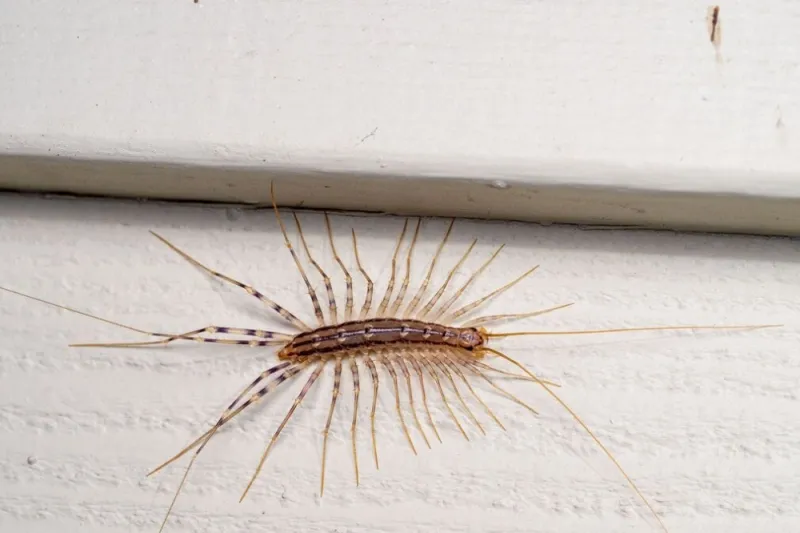
Yes, the venom is real. House centipedes have a pair of modified front legs called forcipules, which work like tiny pinchers that inject venom into prey.
That venom is built for small creatures like spiders and silverfish. It works fast on a cockroach, but it is a very different story for a person.
Bites on humans are rare. Most happen when someone traps a centipede against bare skin, like rolling over one in bed or pressing it while grabbing a towel.
Even then, their small claws often have a hard time breaking through skin. When a bite does happen, it usually feels similar to a mild bee sting, with some pain, redness, and swelling that fades within a day or so.
Fair warning for anyone with bee or wasp allergies. Watch for unusual swelling or trouble breathing, and call a doctor if anything feels off.
For a normal bite, wash the spot with soap and water and add a cold pack. That simple care is usually all you need.
House centipedes would much rather run than fight. If you leave them alone, they will happily return the favor and get back to hunting.
Cockroaches and Silverfish Top This Night Hunter’s Menu
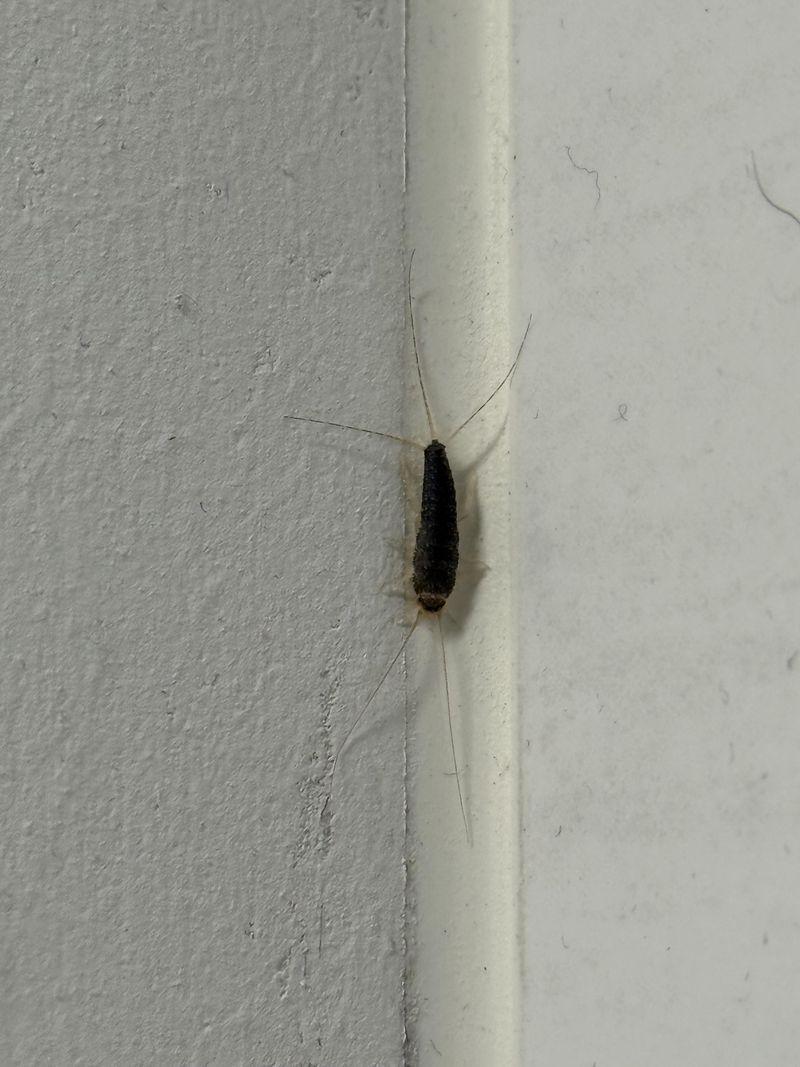
Call me practical, but I love free help. A house centipede works the night shift in your basement and never asks for a thing.
These predators are strict meat eaters. They will not chew your houseplants, nibble stored food, or damage wood, wiring, or clothes.
Instead, they chase down the pests that do cause trouble. Their menu includes silverfish, firebrats, cockroaches, spiders, carpet beetle larvae, termites, moth larvae, and even bed bugs.
The hunting style is pretty wild. A centipede may lash its legs around prey like a little cage, then deliver a quick bite to stop it from escaping.
Some reports describe them grabbing more than one insect at a time. Their speed, up to about 16 inches per second, helps them catch bugs that would outrun a slower hunter.
A single centipede will not clear out a serious roach problem. Still, a few of them can help keep small pest numbers in check between your regular cleaning routines.
So that leggy shape near the water heater may have just saved you from a silverfish snacking on old photos or book pages. Not bad for a roommate who pays no rent.
Damp Basements and Leaky Pipes Roll Out the Welcome Mat
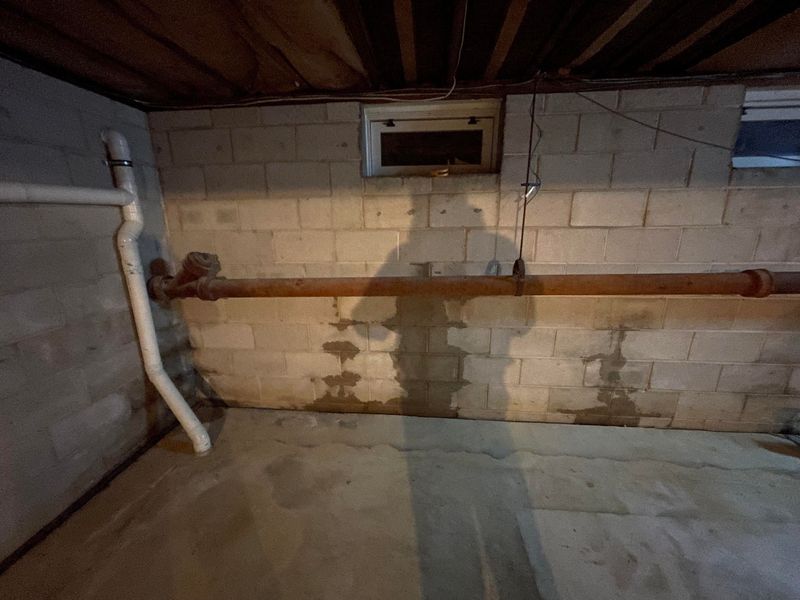
Moisture is the magnet. House centipedes lose water through their bodies quickly, so they look for humid spots where they will not dry out.
Basements, crawl spaces, bathrooms, and laundry rooms check every box. Dark corners, floor drains, and cluttered storage areas give them extra hiding places.
Here in Indiana, humid summers and wet springs can leave lower levels feeling clammy. A sweating pipe, a slow drip under the sink, or poor drainage outside the foundation can create the moist pocket they crave.
Outdoors, they hide under mulch, rocks, firewood, leaf piles, and logs. When the weather turns too dry, too wet, or too cold, some wander inside through cracks and gaps.
Food matters too. Damp areas tend to attract silverfish, spiders, and other small bugs, so the centipede follows the buffet.
I learned the hard way that the stack of cardboard boxes against my basement wall was a five-star hotel. Cardboard holds moisture and gives pests plenty of shelter.
If you see centipedes in one spot over and over, check that area for dampness. Often, they are pointing you right to a moisture problem worth fixing.
Telling a House Centipede From a Slow Millipede
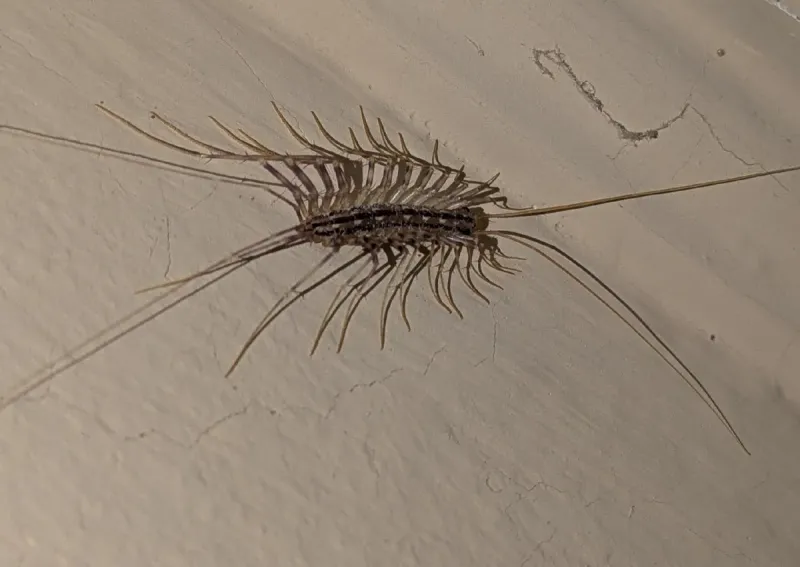
Plenty of folks mix these two up. Both have lots of legs, both like damp places, and both can startle you in a basement.
A house centipede has a flattened, yellowish-gray body, often with three dark stripes running down its back. Its legs are very long, thin, and banded with light and dark rings.
Each body segment carries one pair of legs. The very back pair is extra long and can look like antennae, which may confuse predators about which end is the head.
Millipedes look quite different up close. They are usually rounder, darker brown or black, and have two pairs of short legs on most body segments.
They also move slowly and often curl into a tight spiral when disturbed. Millipedes munch decaying plant material, not insects, and they do not bite.
Speed is the easiest clue. If it zips away so fast you barely saw it, you likely met a house centipede.
Knowing the difference helps you pick the right response. Millipedes in the basement often point to too much mulch or moisture near the foundation, while centipedes may point to other bugs nearby.
A Dehumidifier and Sealed Cracks Keep Centipedes Outside
I get it. Even helpful hunters can be a little much when one runs across your bare foot.
The best plan is to make your home less inviting, not to grab a spray. Most extension experts agree that cutting moisture works better than chemicals for house centipedes.
Start with a dehumidifier in the basement. Aim to keep indoor humidity around 50 percent or a bit lower, and empty or drain the unit often.
Fix dripping faucets and sweating pipes. Outside, make sure gutters and downspouts carry water away from the foundation.
Next, seal the entry points. Caulk cracks in the foundation, add weatherstripping to doors, and patch gaps around pipes and vents.
Trade cardboard boxes for plastic bins with lids. Keep stored items off the floor and away from walls so hiding spots disappear.
Outdoors, pull mulch, leaf piles, and firewood back from the house by a foot or more. That simple move reduces damp shelter for centipedes and the bugs they eat.
If one wanders into view, a cup and a piece of paper work fine. Carry it outside to a shady garden bed where it can keep hunting.
Lots of House Centipedes Usually Means Other Bugs Are Hiding
One or two centipedes are a normal part of many homes. Seeing them night after night is a different message.
Predators only stick around where there is food. A crowd of house centipedes often means a steady supply of silverfish, roaches, spiders, or other pests living out of sight.
Try placing a few sticky traps along basement walls, near drains, and under sinks. After a week, check what you caught to learn which bugs are really in charge.
From there, go after the root problem. Clean up clutter, store food tightly, vacuum corners and baseboards, and keep working on moisture control.
If you find signs of termites, bed bugs, or heavy cockroach activity, call a licensed pest professional. Purdue Extension also offers helpful guides for identifying household pests in the state.
As the prey numbers drop, the centipedes tend to follow. They simply move on or decline when the hunting gets poor.
My takeaway is simple. Treat these leggy hunters like a warning light on your dashboard, not the problem itself. Listen to what they are telling you, fix the damp spots, and let them handle the small stuff in the meantime.