7 Indoor Plants Michigan Gardeners Keep In Bedrooms For Better Sleep And Positive Energy
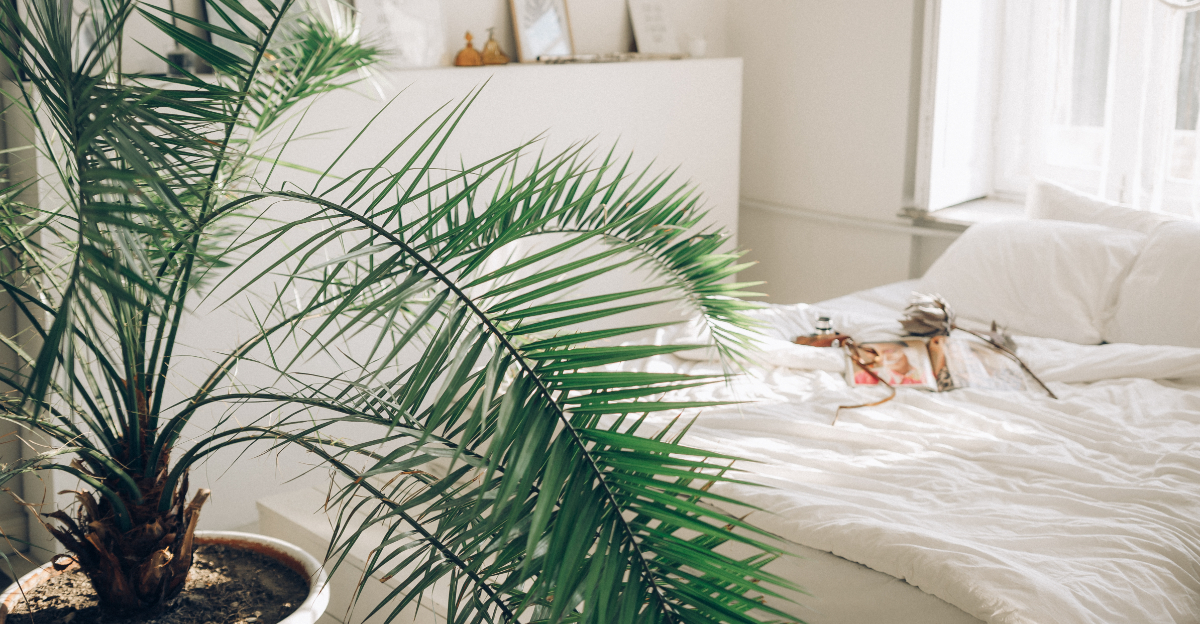
You can only stare at seed catalogs for so long before the off-season slump sets in, leaving you waking up groggy and completely drained.
The smartest fix isn’t buying a fancy mattress or chasing a zen wellness trend, it’s dragging the garden right onto your nightstand.
Bringing the right plants into your bedroom is a purely practical move for your environment and mindset.
While you rest, these specific varieties act like quiet, living anchors, clearing the stagnation out of the air, lifting the room’s energy, and transforming a basic sleeping space into a living sanctuary so you can wake up feeling refreshed.
Best of all, they are tough as nails, thriving in low indoor light and requiring just enough basic care to keep your hands in the dirt without adding a chore to your routine.
1. Snake Plant For Calm Bedroom Greenery
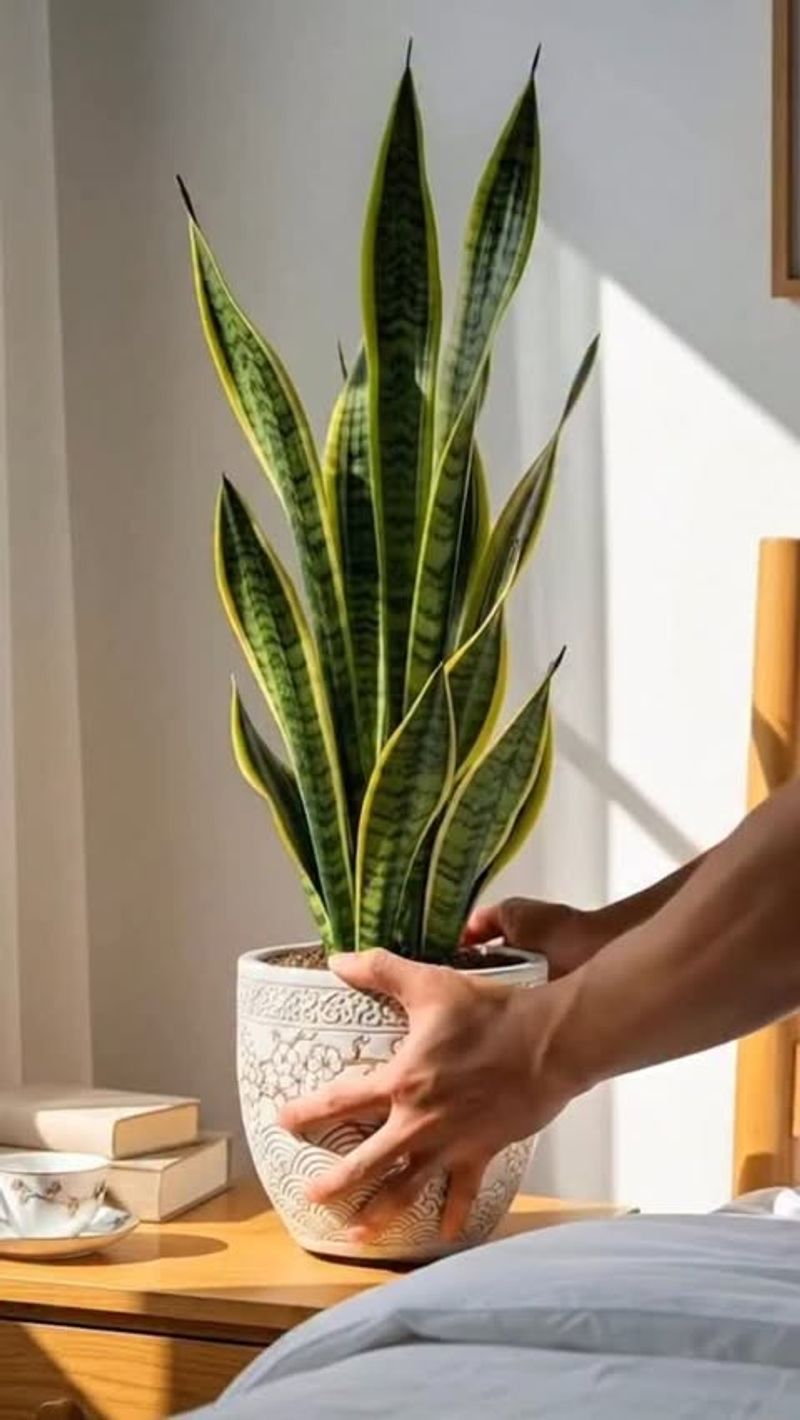
There is something quietly satisfying about a snake plant standing tall in the corner of a bedroom, especially when snow is piling up outside.
Michigan gardeners have long appreciated this plant because it handles indoor conditions with ease, even when winter light drops to almost nothing.
The upright, sword-shaped leaves have a bold, sculptural look that can make any bedroom feel more grounded and put-together without a lot of effort.
Unlike some houseplants that need constant attention, the snake plant is genuinely forgiving.
It usually does fine with infrequent watering, tolerates low light better than most greenery, and rarely makes a fuss.
For gardeners who want to add life to their bedroom without adding stress, this plant is a natural fit.
Many Michigan gardeners say that just having it nearby makes their evening routine feel a little calmer and more intentional. The care routine is refreshingly simple.
Water it every couple of weeks in winter, give it a spot with some indirect light, and it will stay healthy through the coldest months. A well-draining pot and a little patience are really all it needs.
That low-maintenance quality is exactly what makes it so popular in bedrooms, where you want peace, not plant drama.
One important note for households with curious pets or young children: snake plant leaves can cause stomach upset if chewed or eaten, so placing it somewhere out of reach is always the smart move.
A high shelf or a dresser top usually works perfectly for keeping everyone safe while still enjoying the plant’s calm, upright presence in the room.
2. Spider Plant For Soft Positive Energy
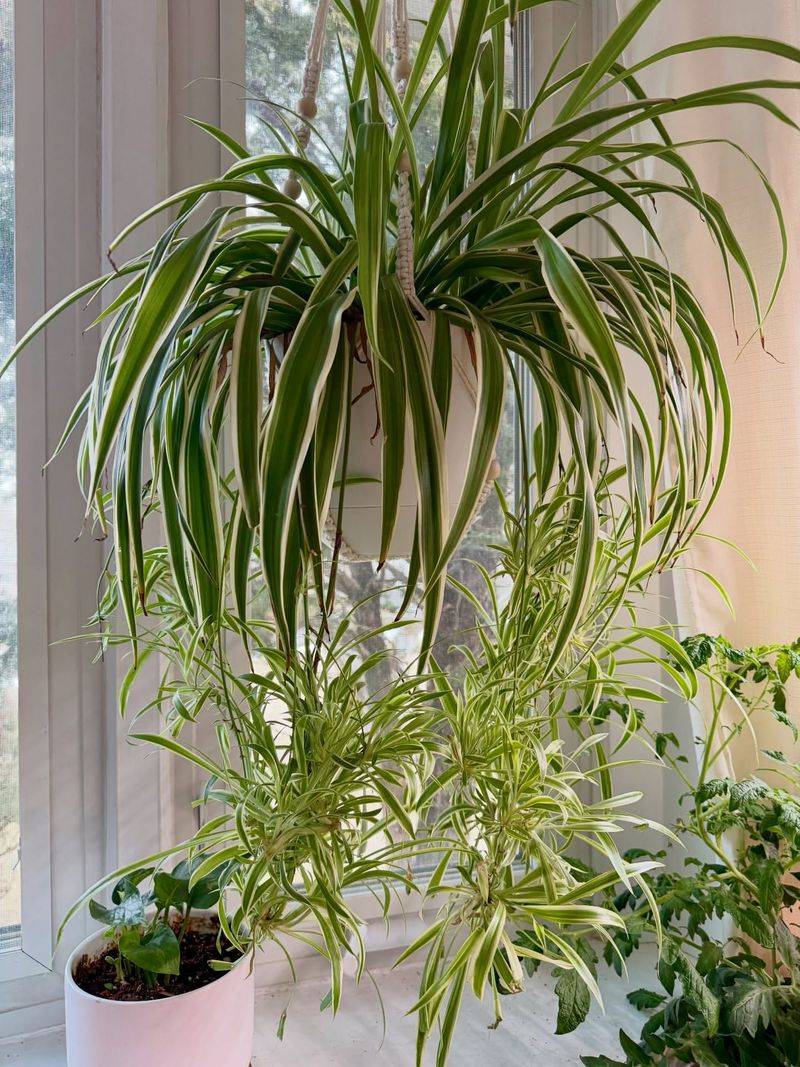
Few plants bring as much cheerful energy into a bedroom as the spider plant.
With its long, arching leaves striped in green and creamy white, it has a lively, almost playful look that can instantly make a room feel lighter and more cared for.
Michigan gardeners who spend months indoors during the cold season often turn to this plant because it adds movement and brightness even when outdoor gardens are buried under snow.
What makes the spider plant especially appealing is the way it produces little baby plantlets, sometimes called spiderettes, that dangle down from the mother plant like tiny green ornaments.
Your Michigan Garden Changes Every Week. Your Plan Should Too.
Gardening in Michigan changes quickly throughout the season. Every Friday you’ll receive a simple weekly plan showing exactly what to plant, prune, fertilize, harvest, and protect so you never miss the right timing.
For a gardener, watching those babies develop is genuinely exciting. It gives the bedroom a sense of growth and life that feels especially welcome during long, flat Michigan winters when outdoor gardening is months away.
Care is refreshingly straightforward. Spider plants usually prefer bright, indirect light, but they can adapt well to a range of indoor spaces, making them flexible enough for different bedroom setups.
Water them when the top inch of soil feels dry, and they will reward you with lush, healthy growth.
They also tend to enjoy a little extra humidity, so a bedroom humidifier running through the dry winter months can help them thrive.
The overall mood a spider plant brings to a bedroom is hard to describe but easy to feel. It can make the space seem more peaceful, more alive, and more intentionally cared for.
While it may not guarantee anything specific about sleep quality, many gardeners find that having this cheerful, growing plant nearby helps their bedroom feel like a true retreat from the day.
3. Peace Lily For A Quiet Bedroom Corner
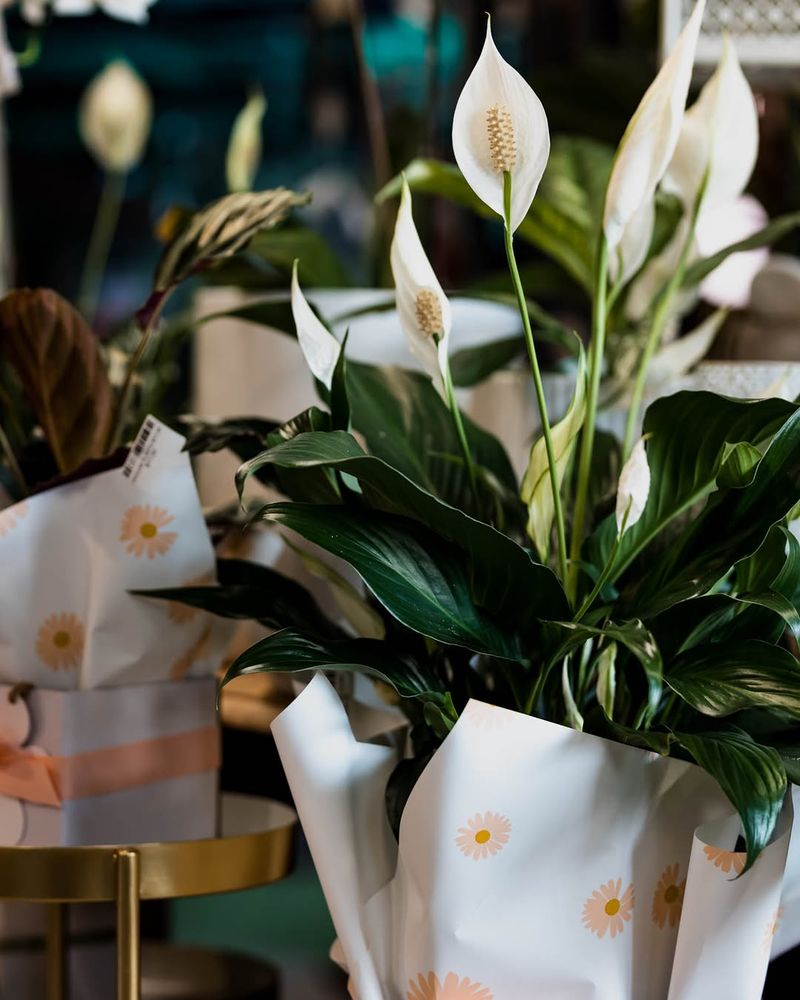
Walk into a bedroom with a peace lily in the corner and you immediately notice something different about the space. There is a tidiness to it, a sense of calm that the plant seems to carry with it.
The glossy, deep green leaves and soft white blooms give the room a garden-like quality that many Michigan gardeners find especially comforting during the long stretch of gray winter weather that settles over the state each year.
Peace lilies are not fussy plants, but they do have their preferences. They usually do best in indirect light, away from harsh afternoon sun that can scorch their leaves.
Moisture matters too. They like their soil to stay consistently moist but never soggy, because sitting in waterlogged soil can cause root problems over time.
During dry Michigan winters when heating systems pull moisture out of the air, a little extra humidity goes a long way toward keeping the leaves looking their best.
A small humidifier nearby or an occasional misting can help the plant stay healthy and vibrant through the coldest months.
Grouping it with other plants is another easy way to create a slightly more humid microclimate around it.
These small efforts pay off with lush, beautiful growth that genuinely elevates the look and feel of a bedroom.
One thing to keep in mind: peace lily leaves can be harmful to pets and children if chewed or swallowed, so placing the plant on a sturdy surface out of their reach is a smart habit.
A corner shelf or a tall nightstand works well and keeps the plant looking elegant while staying safely out of reach.
4. Pothos For Gentle Trailing Greenery
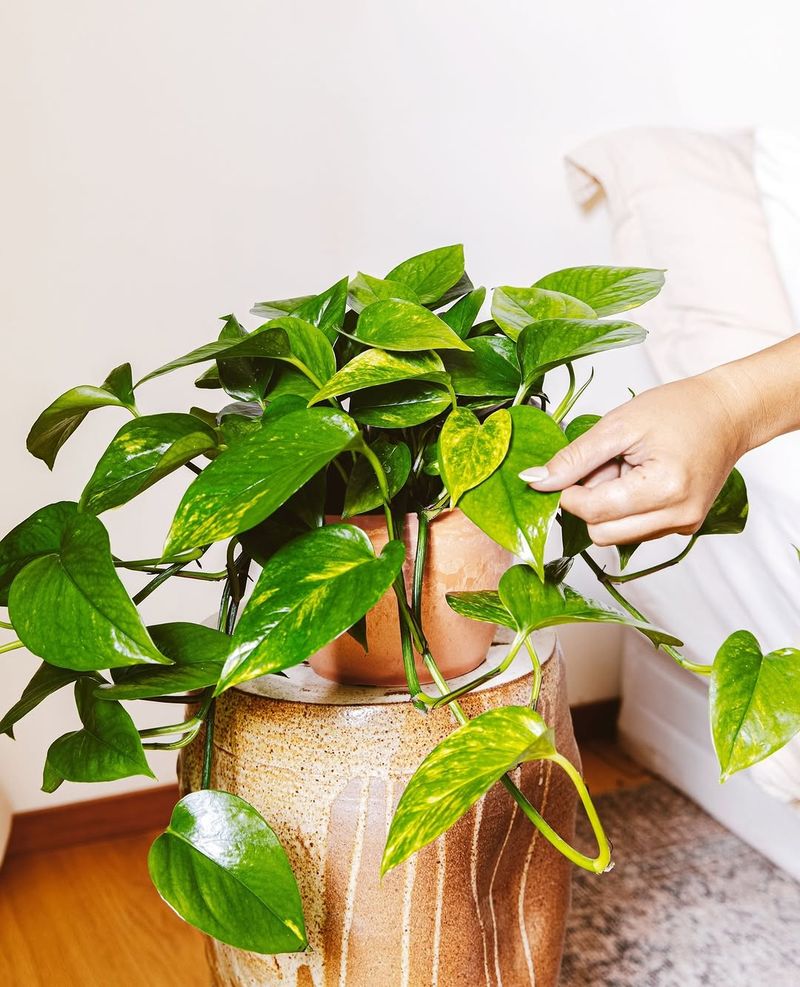
Pothos has earned its reputation as one of the most beloved bedroom plants among Michigan gardeners, and it is easy to understand why.
Those long, trailing vines with heart-shaped leaves have a way of softening even the most bare and boxy bedroom setup.
Draped over a shelf, cascading from a dresser top, or hanging in a pot near a window, pothos adds a sense of lush, natural abundance that feels especially welcome during cold Michigan months when everything outside looks brown and frozen.
What gardeners appreciate most about pothos is how forgiving it is. Forgot to water it for a week? No problem. Placed it in a low-light corner? It will likely manage just fine.
This easygoing quality makes it a perfect fit for bedrooms, where the goal is relaxation rather than constant upkeep.
Many Michigan gardeners say that having pothos in their bedroom creates a more relaxing, alive atmosphere that makes the space feel intentionally designed rather than just functional.
Pothos grows quickly too, which means you can watch it change and expand through the winter, giving you that satisfying sense of growth even when outdoor gardening is completely on hold.
Propagating new cuttings in a glass of water is simple and fun, making it easy to share plants with friends or fill other rooms in the house.
One practical note worth mentioning: pothos can cause stomach irritation in pets and young children if they chew on the leaves.
Keeping it on a higher shelf or in a spot that curious kids and animals cannot easily reach is always a good idea. That small precaution lets everyone enjoy the plant safely.
5. Lavender For A Garden Inspired Bedroom
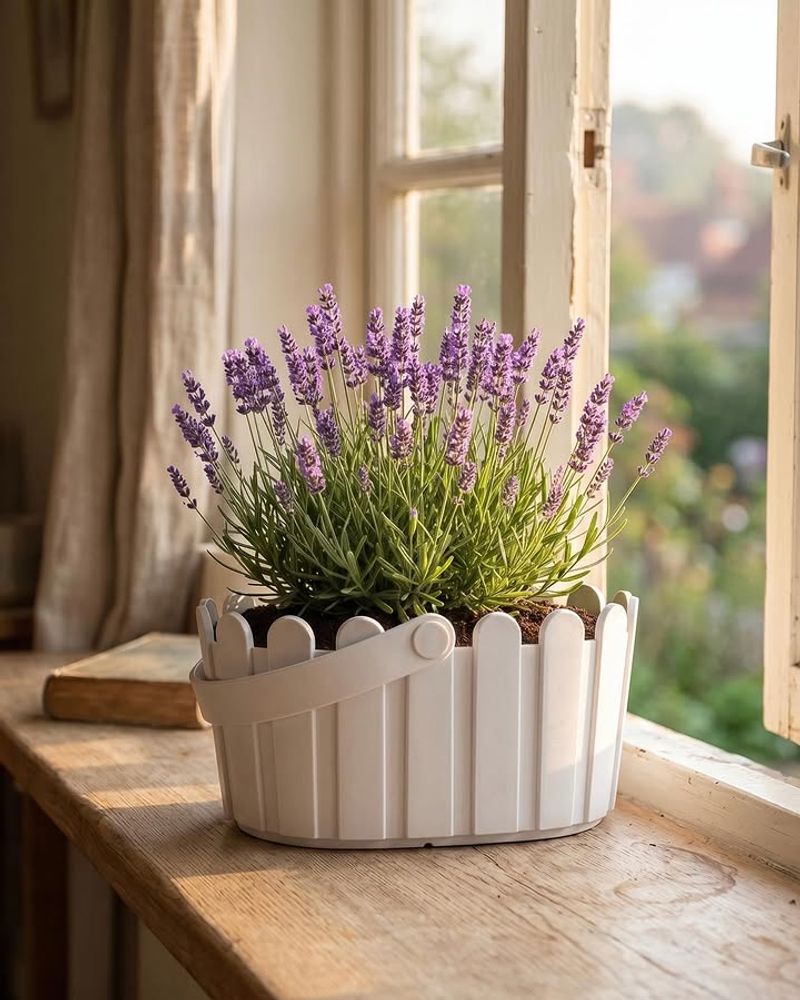
Lavender in a bedroom window is one of those small details that can instantly transport a Michigan gardener back to a summer herb bed.
The slender silver-green stems, the soft purple blooms, and that unmistakable fragrance create a sensory experience that feels warm and garden-inspired even in the middle of February.
For gardeners who miss the outdoor growing season deeply, keeping lavender on a sunny bedroom windowsill is a way of holding onto that connection all winter long. Lavender is not a low-light plant, and it is important to be honest about that.
It needs a genuinely bright spot, ideally a south-facing window that gets several hours of direct sun each day. Without enough light, the stems get leggy, the plant weakens, and the fragrance fades.
Michigan winters can be stingy with sunlight, so a grow light positioned nearby can make a real difference in keeping lavender healthy and flowering indoors.
Watering is another area where lavender asks for respect. It strongly prefers well-draining soil and does not like wet roots.
Letting the soil dry out between waterings, using a terracotta pot that breathes, and avoiding saucers that hold standing water are all smart habits that help lavender thrive indoors.
Overwatering is the most common mistake, and it is easy to avoid once you understand how the plant likes to live.
The scent is what keeps gardeners coming back to lavender year after year.
Many people find the fragrance genuinely calming, something that softens the end of a long day and makes a bedroom feel more like a personal retreat.
Whether the fragrance actually improves sleep is up for debate, but the way it fills a room with the memory of summer is something most Michigan gardeners find genuinely lovely.
6. Aloe Vera For Sunny Bedroom Simplicity
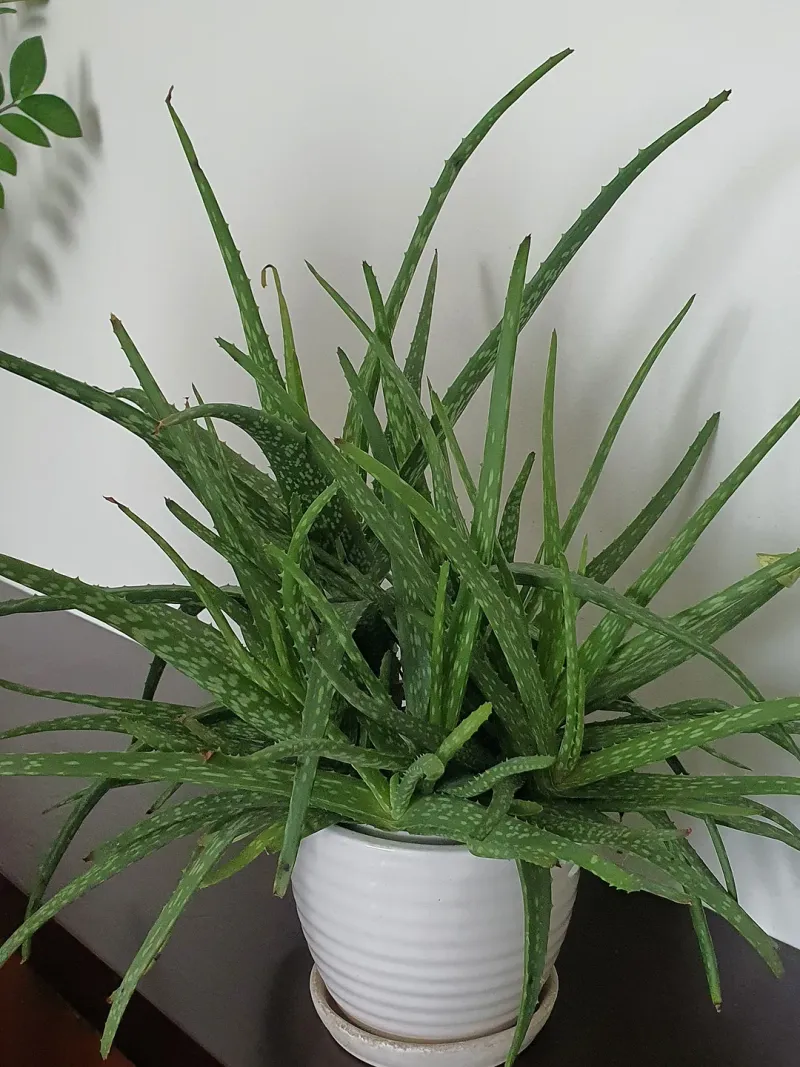
Aloe vera has a clean, no-nonsense look that suits a bedroom beautifully.
The thick, fleshy leaves fan outward in a neat rosette shape, giving the plant a sculptural quality that feels fresh and uncluttered.
Michigan gardeners who like a simple, well-organized bedroom often gravitate toward aloe because it adds life to a windowsill without creating visual chaos or demanding constant attention.
One of the most appealing things about aloe vera is how little watering it actually needs. Because its leaves store moisture, it can go weeks between drinks, especially during the winter months when growth slows down.
Overwatering is far more of a concern than underwatering, so the best approach is to water deeply and then let the soil dry out completely before watering again.
A terracotta pot with a drainage hole is the ideal home for aloe because it lets excess moisture escape quickly. Sunlight is non-negotiable for this plant.
Aloe vera genuinely needs bright light to stay compact and healthy, making a south or west-facing bedroom window the perfect spot.
In Michigan, where winter days can be short and overcast, positioning it right against the glass maximizes every bit of available light.
Without enough sun, the leaves can become pale, floppy, and less vibrant over time.
From a gardener’s perspective, having aloe vera in the bedroom brings a quiet sense of positive energy.
There is something grounding about caring for a plant that asks so little but gives back so much in terms of clean lines and steady green presence.
Just remember to keep it away from pets and young children, as aloe can cause stomach upset if eaten.
7. Parlor Palm For A Soft Restful Bedroom Feel
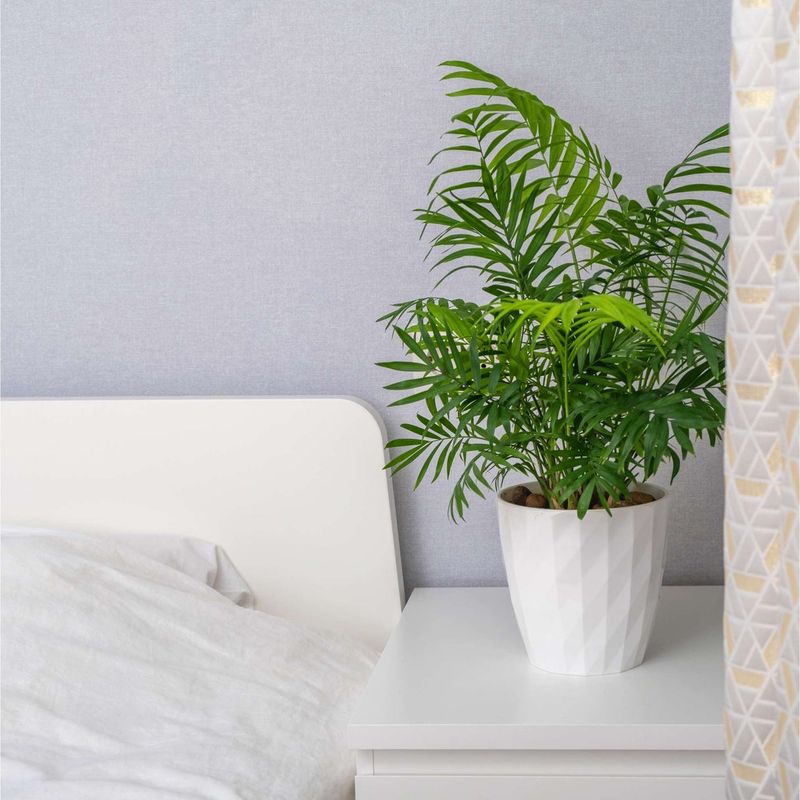
There is something genuinely soothing about a parlor palm in a bedroom.
The fine, feathery fronds arch outward in a way that softens the hard edges of furniture and walls, making the room feel quieter, greener, and more settled.
Michigan gardeners who want the look of a lush indoor plant without the footprint of a large tree often find that the parlor palm hits exactly the right note, adding tropical texture without overwhelming the space.
Parlor palms are well-suited to indoor Michigan life because they do not demand direct sunlight.
They usually prefer bright, indirect light and can handle lower light conditions better than many other palms.
That adaptability makes them a practical choice for bedrooms that do not get strong sun, especially on the north or east side of a home where winter light tends to be soft and diffused.
Temperature consistency matters quite a bit to this plant.
Parlor palms prefer steady indoor warmth and do not appreciate being placed near heating vents that blast dry hot air, or too close to cold window glass on frigid winter nights.
Finding a spot that stays relatively stable in temperature through the season helps the plant stay looking its best without dropping fronds or showing stress.
From a gardener’s point of view, the parlor palm brings a genuinely peaceful mood to a bedroom.
The way the fronds move gently with any air current gives the room a soft, living quality that can make unwinding at the end of the day feel more natural and unhurried.
It may not be a magic sleep solution, but it absolutely contributes to a bedroom atmosphere that feels calm, intentional, and beautifully green.