A Nearly Invisible Mite Is Dropping From Iowa Pin Oaks And Leaving Itchy Welts On Leaf Rakers
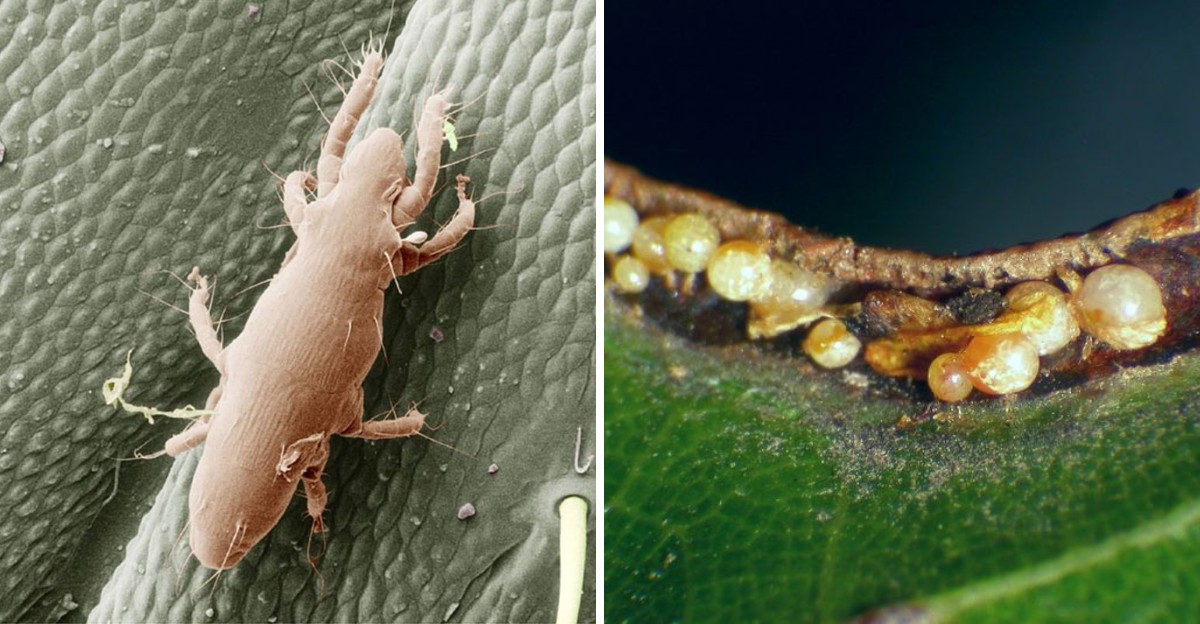
A tiny visitor chose your neck, and you felt no bite. Meet a creature barely visible to the naked eye.
Across Iowa, it lives inside small galls clinging to oak leaves. There, it dines on midge larvae until late summer. Then its food supply runs out.
Suddenly, these specks drop from branches and ride the breeze toward you. You won’t feel them land. Red bumps appear hours later, often on your neck, face, and shoulders. By then, the culprit has slipped away, leaving you with a puzzle.
Screens offer limited help, since these visitors can pass through ordinary window mesh. Bug spray offers you partial protection at best. Meanwhile, the itch can linger for weeks.
Iowa homeowners can lean on extension guidance about these outbreaks. Knowing their habits helps lower your risk. Here is how you get ahead of them.
A Microscopic Parasite Named Pyemotes Herfsi
Scientists call it Pyemotes herfsi, but many folks just call it the oak leaf itch mite. It measures about 0.2 millimeters long, so spotting one without a microscope is a real challenge.
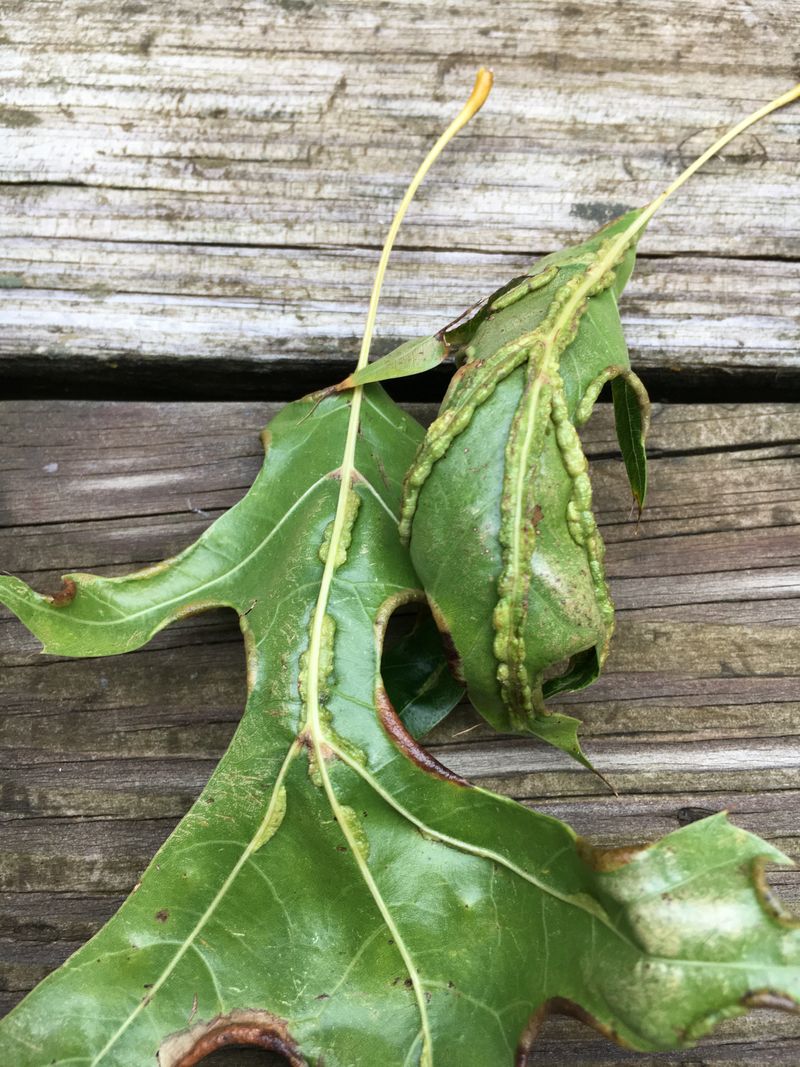
Here in Iowa, the mite has a favorite hangout, and that hangout is the pin oak. It targets the tiny larvae of midges that fold the edges of oak leaves into little galls.
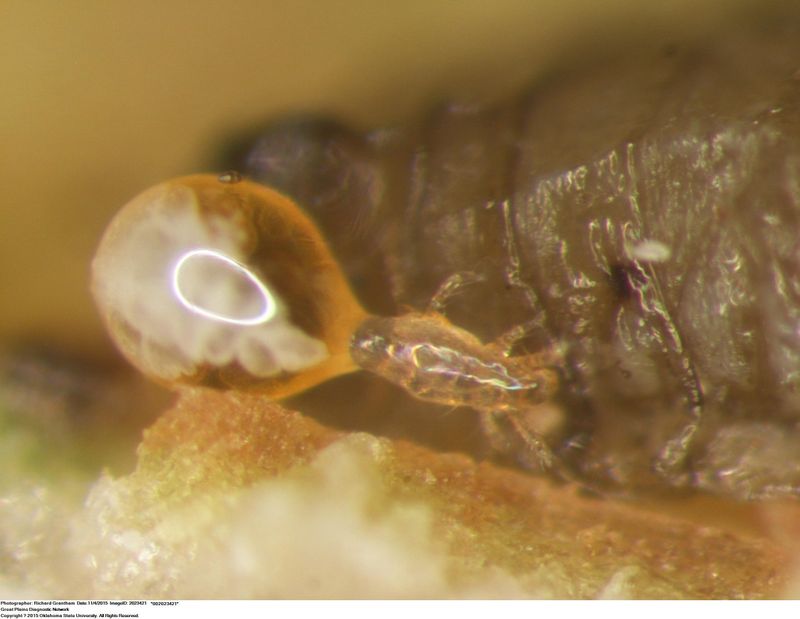
A female mite slips inside a gall and stills the larva with her bite. Then she feeds, swells like a balloon, and gives birth to as many as 250 live young.
Those babies grow up fast, often in about a week. Once the gall runs low on food, they crawl out and look for their next meal.
Here is a fun fact for your next backyard chat. Researchers first identified this mite in the United States in Kansas in 2004, though scientists in Europe described it earlier.
People are not its real target, which is some comfort. You simply happen to be standing in the way when it goes looking for food.
Pin oaks top the list, but other oak species can host these mites too. Curled, crinkled leaf edges offer a helpful clue.
Researchers have also found these mites feeding on cicada eggs tucked into twigs. Summers with heavy cicada activity can add to the itchy crowd.
Late Summer Peaks And The September Drop
Picture a single pin oak shedding thousands of mites a day, like invisible confetti at an uninvited parade. Kansas researchers estimated some trees drop over 300,000 mites daily during peak season.
Numbers start climbing in late July as the gall midges multiply inside the leaves. By August and September, mite populations in a single neighborhood can grow very large.
Once the galls empty out, the mites fall, drift on breezes, and land on whatever sits below. That includes lawn chairs, picnic tables, dogs, and your unsuspecting shoulders.
Right now, in September, Iowa yards sit squarely in the busiest part of the itch window. Leaves are starting to fall, and more people are heading outside to tidy up.
Mites don’t disappear when the leaves hit the ground, either. Researchers believe some tuck into leaf piles and bark cracks to wait out winter.
Your Iowa Garden Changes Every Week. Your Plan Should Too.
Gardening in Iowa changes quickly throughout the season. Every Friday you’ll receive a simple weekly plan showing exactly what to plant, prune, fertilize, harvest, and protect so you never miss the right timing.
Cooler nights in October usually slow the mites, but warm spells can bring them back quickly. Plan big leaf jobs with that pattern in mind.
Wind plays a big role in how far these specks travel. On breezy days, mites can drift well beyond the edge of the tree canopy.
Gall midge numbers rise and fall from year to year, so mite seasons vary too. Some autumns bring light outbreaks, while others keep extension offices busy with calls.
Common Missteps During Fall Leaf Raking
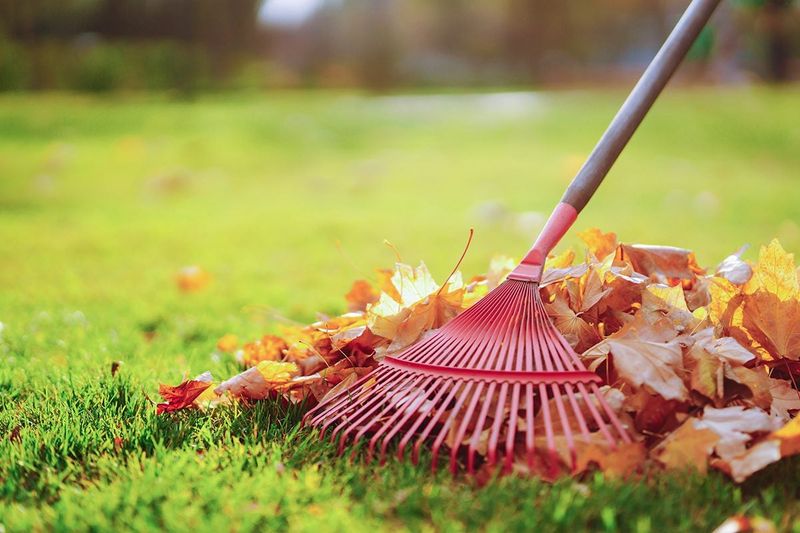
Each fall, someone in a tank top grabs a rake and hums happily under a pin oak. By bedtime, that same person is scratching like a cartoon dog with fleas.
Bare skin is an open invitation for these mites, and they RSVP fast. They land on your neck, face, arms, and shoulders, then bite wherever skin shows.
Another common slip is sitting under the tree to rest between leaf piles. Mites drift down from above, so shade can quickly turn itchy.
Hugging a big armful of leaves into a bag is risky too. You are basically giving thousands of mites a free ride onto your chest.
Some folks also toss their yard clothes on the couch afterward. Mites can linger on fabric, so that comfy couch might become the next bite zone.
Spraying the tree with insecticide feels productive, but it rarely helps. The mites hide inside folded leaf galls, where sprays struggle to reach them.
Skip the spray and save that money for long sleeves instead. Your wallet and your skin will both thank you.
Waiting too long to shower is another easy misstep. Mites that hitch a ride can keep biting while you relax on the porch.
Kids jumping into leaf piles face the same risk as adults. A fun leap under a pin oak can end with an itchy bedtime.
Soothing Relief For Red, Itchy Welts
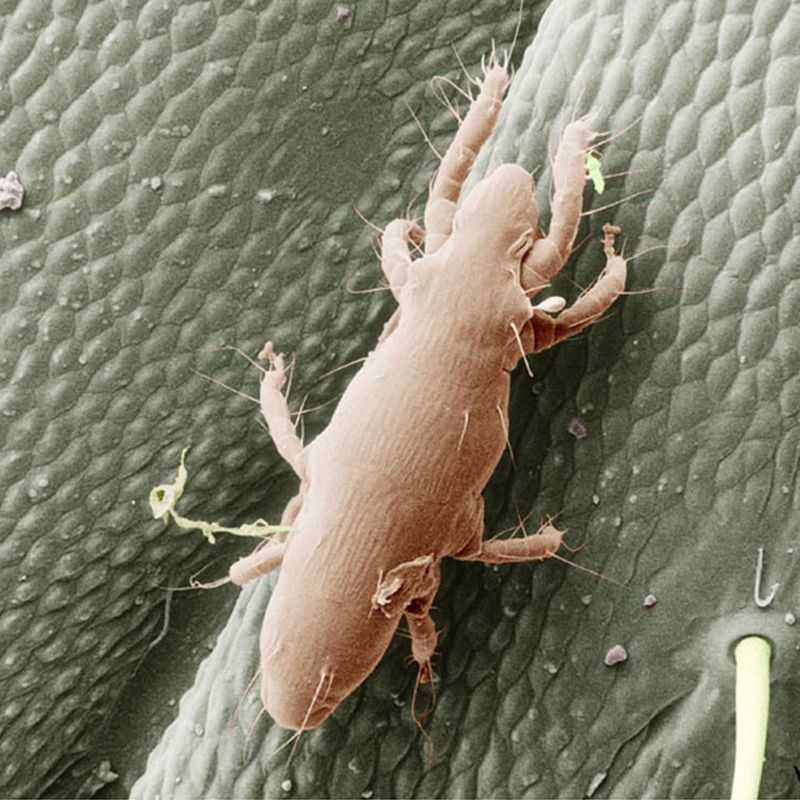
Take a deep breath, because these bites look scary but usually heal on their own. The tricky part is getting through the itch without scratching your skin sore.
Start with a lukewarm shower and plenty of soap as soon as you come inside. That rinses off any mites still wandering around on your skin.
Next, try a cool, damp washcloth on the itchiest welts for ten minutes. Many people also find calamine lotion or hydrocortisone cream calms the stubborn itch.
An over-the-counter antihistamine can help at night, when itching feels ten times louder. Ask a parent, pharmacist, or doctor which kind is safe for you.
Wash your yard clothes in hot water right away, and dry them on high heat. That step keeps stray mites from sneaking back onto you tomorrow.
Trimming your fingernails short is a clever trick that really helps. Even sleepy midnight scratching leaves fewer marks that way.
Try hard not to scratch, since broken skin can pick up germs. If welts leak fluid, spread, or come with a fever, call a doctor soon.
Oatmeal baths offer another gentle option for widespread bites. Colloidal oatmeal soothes irritated skin and feels wonderful after a long, itchy day.
A bag of frozen peas wrapped in a towel works as a handy cold pack. Hold it on the welts for a few minutes whenever the itch flares.
The Itchy Timeline From Bite To Healing

Here is the plot twist that fools many leaf rakers in Iowa. The bite itself doesn’t hurt, so you likely won’t notice a thing while you are outside.
About 10 to 16 hours later, small red welts start popping up. Many of them develop a tiny blister in the center, a bit like a pimple.
The itch usually peaks over the next day or two. Plenty of people say it feels worse than mosquito bites or chigger bites.
Because of the delay, folks often blame chiggers, bed bugs, or a new laundry soap. Clusters on the neck and upper body point to mites from above.
Many welts fade within one to two weeks. Some people with sensitive skin notice marks for a little longer, which is annoying but normal.
On the bright side, these mites don’t live on people or burrow under skin. They are also not known to spread disease, so the itch is the main concern.
They are unlikely to set up camp in your bed or follow you to school, either. Once the welts heal, that itchy chapter wraps up.
Keeping a quick note of when and where you worked outside can help. That record makes it easier to connect your bumps to a specific tree.
Some people may notice stronger reactions after repeat bites in the same season. Extra care during outdoor chores helps you avoid a second round.
Smart Protection For Your Next Yard Day

Think of yard work like a trip into a tiny jungle, and dress the part. Long sleeves, long pants, a hat, and a buttoned collar block many landing spots.
Some university extension experts suggest insect repellent with DEET on skin and clothing. Evidence against this mite is limited, but it may reduce bites.
Timing matters too, so save the heavy raking for later in fall when possible. A few hard frosts usually thin out the mite crowd a lot.
Avoid lounging, picnicking, or reading directly under pin oaks during late summer. Pick a sunny spot or a different tree for your hammock.
Grab a leaf scoop or tarp so you are not hauling armfuls of leaves against your chest. Less contact means fewer chances for mites to crawl aboard.
Pets can carry mites indoors, so brush them off outside after a romp under the oaks. Your dog may not itch much, but your lap might.
A leaf blower or mulching mower keeps leaves farther from your body. Point the flow away from your face on windy afternoons.
Tucking your pants into your socks closes another gap. Gloves and a bandana around your neck add extra coverage where mites like to land.
A little planning keeps fall chores fun instead of frustrating. Your rake, your skin, and your mood can enjoy a happier September.