Is It Smart To Remove Mushrooms From Your Lawn After Fall Rain?
One of the largest living organisms ever measured is a fungus in Oregon that spreads across more than 2,000 acres. Most of it hides underground, out of sight.
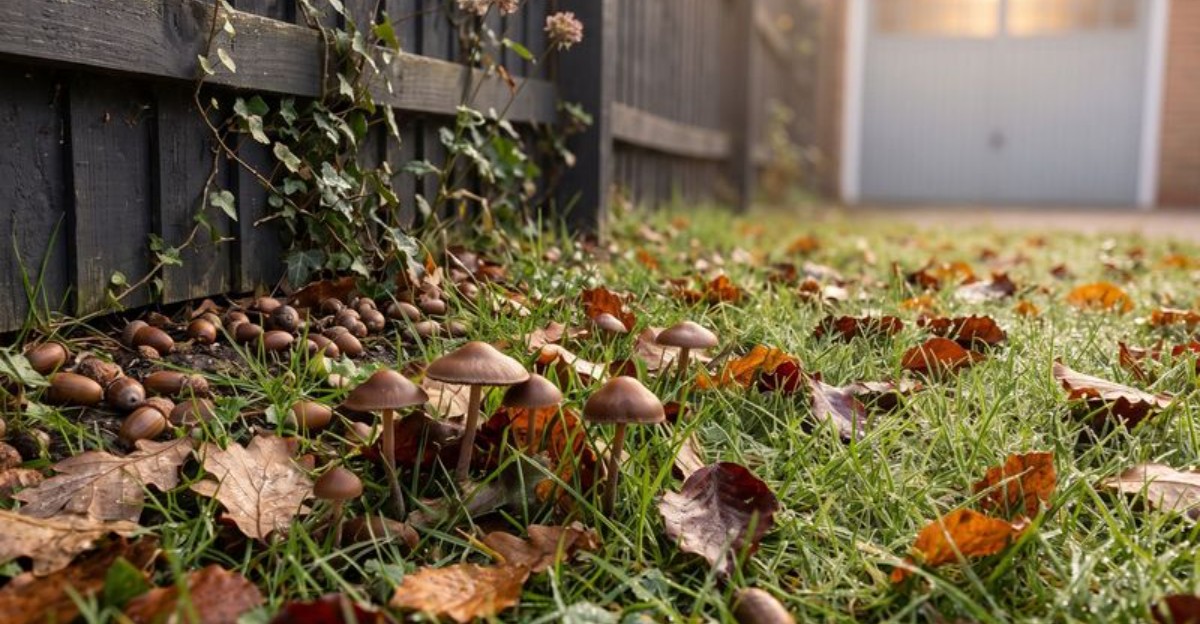
Every fall, I watch a smaller version of that hidden network show off in my own yard. One soggy night, and by breakfast the grass is dotted with little caps that were not there at dinner.
I used to grab a bucket and pluck every last one. Truth is, I thought they meant my lawn was sick. Then I learned what was really going on below the surface, and it changed how I handle these overnight guests.
Some of them are helpers. A few deserve real caution, especially if you share your yard with kids or a dog. So which ones should go, and which ones can stay?
Those Overnight Lawn Mushrooms Are Only The Tip Of Something Bigger
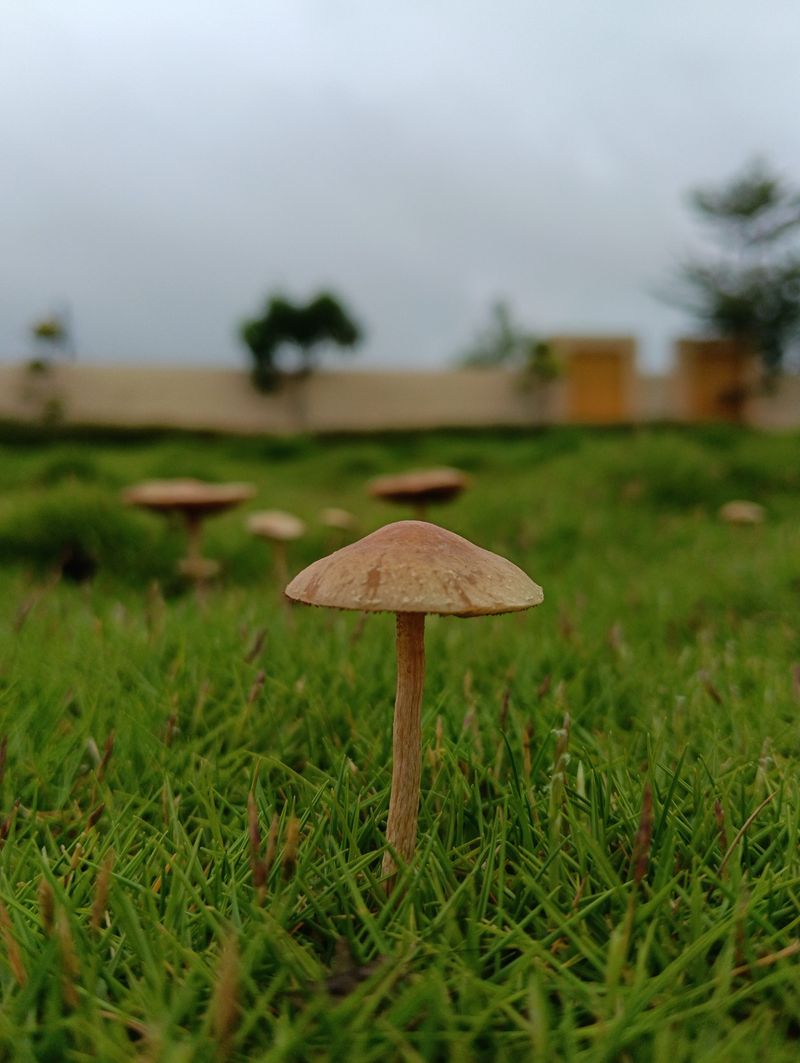
Mushrooms do not really sprout from nothing. Each cap is the fruit of a fungus, a bit like an apple on a tree you cannot see.
The main body of that fungus is called mycelium. It is a web of thin white threads that spreads through the soil, feeding on buried wood, old roots, thatch, and other organic matter. University extension experts note that this network can live in your lawn for years without anyone noticing.
So why the sudden show in fall? Cool nights, steady rain, and damp soil give the fungus exactly what it needs to make mushrooms. Those caps release spores, which drift off to start new fungal colonies somewhere else.
I find this part fascinating. When you pick a mushroom, you are only removing the fruit, not the fungal body underneath. The mycelium stays put and keeps working, which is why mushrooms often return in the same spots after the next good soak.
Once you know that, the whole question shifts. Removing mushrooms will not stop them for good. The smarter question is whether they cause any harm where they are growing, and whether anyone in your household might be tempted to taste one.
Picking Lawn Mushrooms Is Smart When Kids Or Dogs Roam The Yard
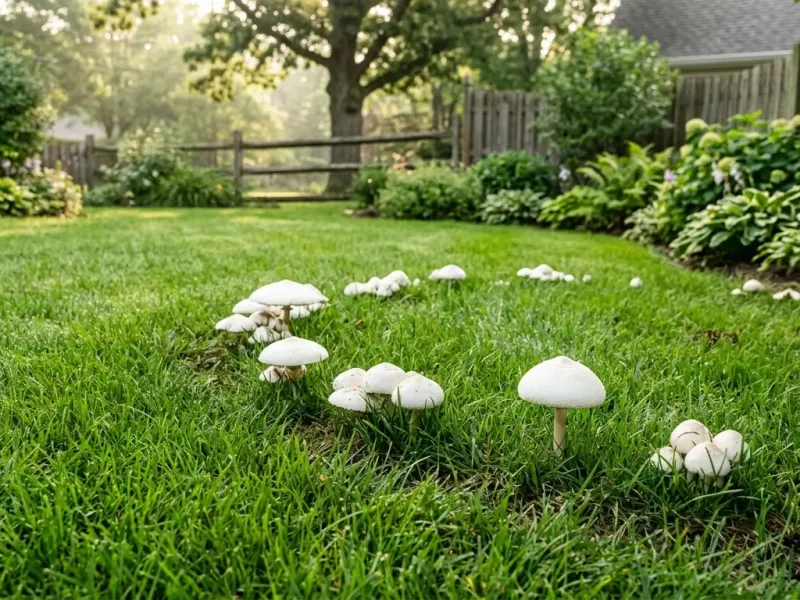
My short answer is yes, sometimes. If small children or pets use your lawn, removing mushrooms after fall rain is a wise habit.
Most lawn mushrooms will not hurt your grass, but some can make people and animals very sick. A few common ones, such as the green-spored Chlorophyllum molybdites, are a leading cause of mushroom poisoning in North America. Certain Amanita and Galerina species are even more dangerous, and they can turn up in yards too.
Here is the tricky bit. Even skilled mushroom hunters can mix up a harmless type with a toxic look-alike. The ASPCA and poison control centers recommend treating every unknown wild mushroom as unsafe to eat.
Dogs seem especially drawn to them. Some mushrooms have a fishy smell that curious pups find hard to resist, and toddlers put just about anything in their mouths.
I make a quick lap around the yard each morning after a rainy spell. It takes five minutes, and I sleep better knowing nothing risky is waiting for my pup. If your yard is adult-only and nobody snacks on the lawn, you can relax a bit and leave many of them alone.
Pull Mushrooms By Hand Instead Of Running The Mower Over Them
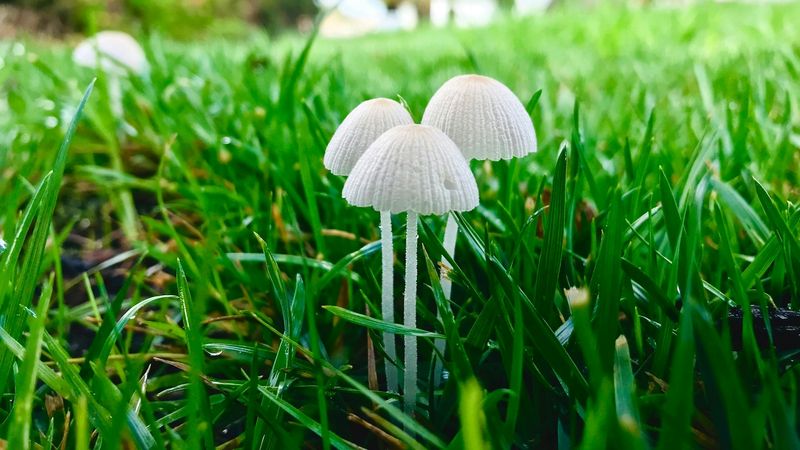
Grab a pair of gloves first. That simple step keeps your hands clean and avoids touching anything you cannot identify.
Pinch each mushroom at the base and gently pull or twist it free. Try to remove the whole stem so the leftover bits do not get chewed up by a curious pet later.
Drop the mushrooms into a plastic bag, tie it shut, and toss it in the trash. Skip the compost pile, since a home compost bin may not get hot enough to break them down fast, and you do not want anyone digging them back up.
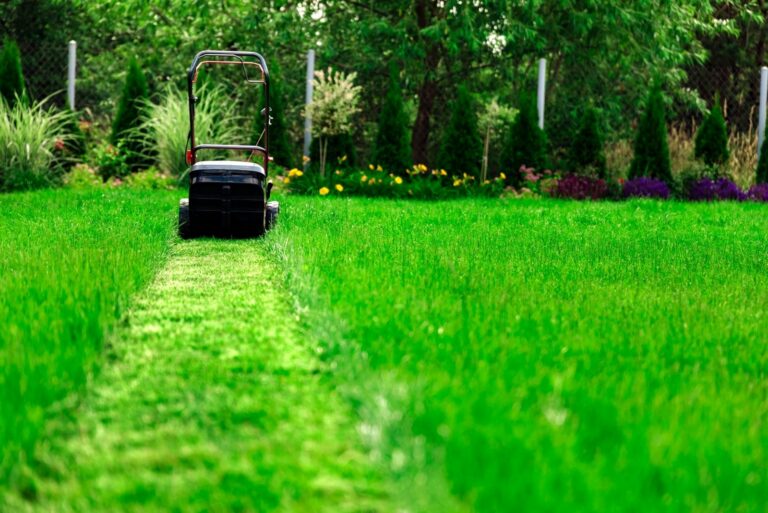
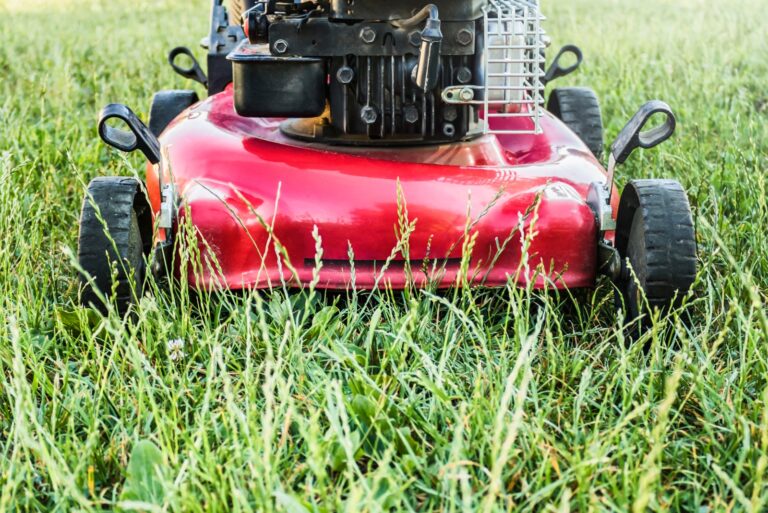
Mowing over mushrooms might seem quicker. Guilty as charged, I used to do it every October. The trouble is that mowing leaves chopped pieces scattered across the grass where dogs can still find them, and it spreads spores around the yard.
A garden rake can help on big patches. Just rake the caps into a pile and bag them right away.
Finish by washing your hands, even if you wore gloves. Timing matters too. Mushrooms pop up fastest in the day or two after rain, so an early-morning check catches them before kids head outside to play.
Fungi In Your Grass Are Quietly Feeding The Soil
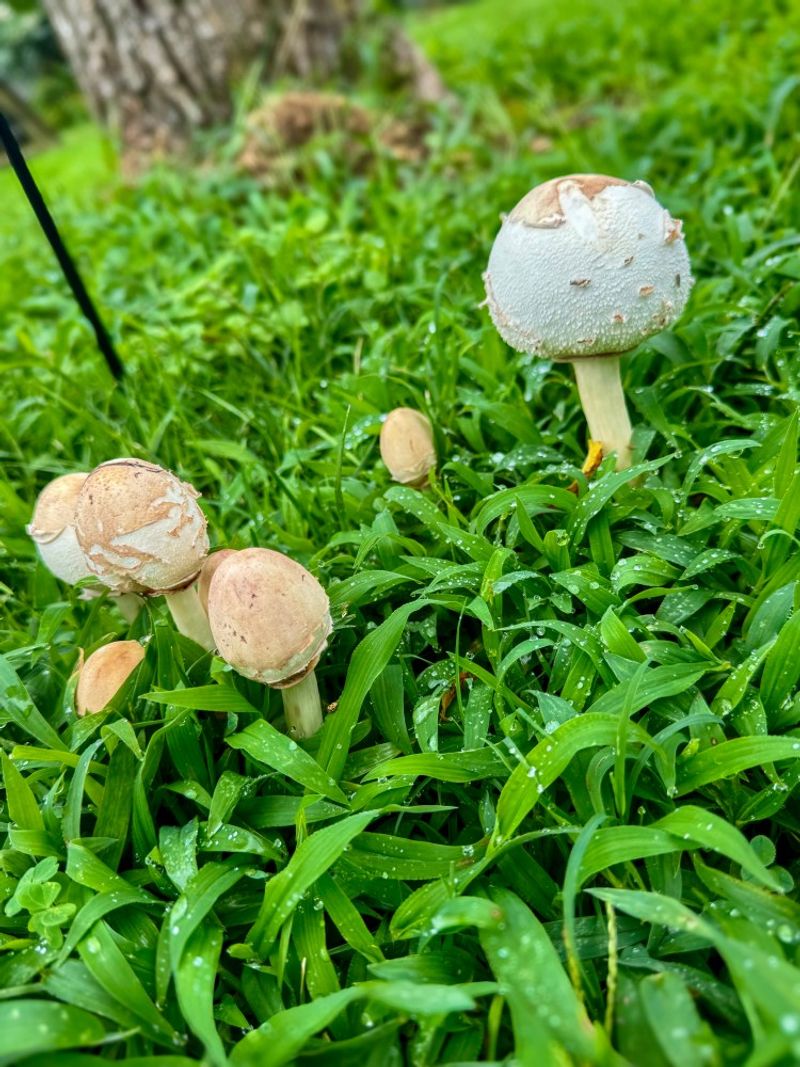
Call me a fan, but lawn fungi deserve a little credit. They are some of the hardest workers in your yard.
As mycelium spreads through the soil, it breaks down tough materials like buried wood, old roots, and dead grass clippings. That process releases nitrogen, phosphorus, and other nutrients your grass can use. Penn State and other extension programs describe most lawn mushrooms as harmless decomposers.
Without fungi, organic debris would break down much more slowly and take far longer to turn into rich soil. In a way, those caps are a sign that your ground is alive and busy.
Fungal threads also help hold soil particles together. That can improve soil structure, which lets air and water move through more easily.
Fun fact: some fungi team up with tree roots in a partnership called mycorrhizae. The fungus helps the tree pull in water and minerals, and the tree shares sugars in return. If you have mushrooms circling an oak or pine, this friendship may be part of the story.
So if safety is not a concern, leaving the mushrooms alone is a perfectly reasonable choice. They will shrivel and fade on their own once the soil dries out and sunshine returns.
A Fairy Ring In The Grass Can Mean Something Deeper
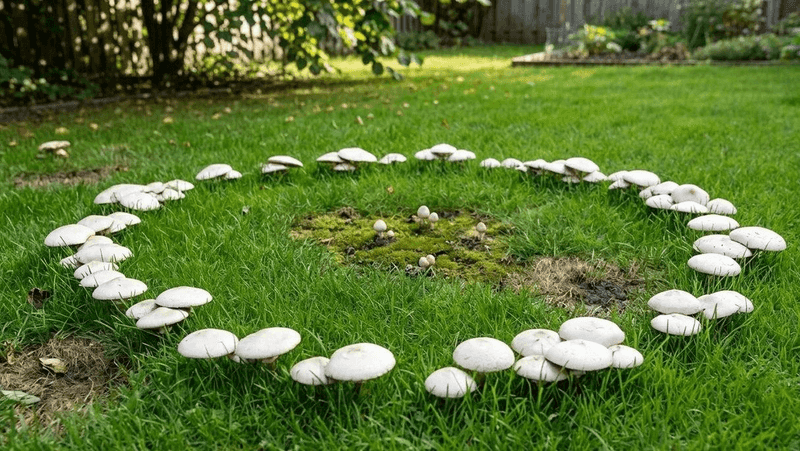
Ever spotted mushrooms growing in a near-perfect circle? Folklore once blamed dancing fairies, which is how fairy rings got their name.
The real cause is a fungus growing outward from a center point, year after year. As it spreads, it may create a band of extra-green grass where nutrients get released, and sometimes a ring of thin or brown grass too.
Brown rings can happen because dense mycelium makes soil repel water. Rain and sprinkler water run off instead of soaking in, so the grass gets thirsty even after a storm.
Most fairy rings are only a cosmetic issue. Still, if you see dry, struggling turf in a circle, try poking the soil with a garden fork to break it up, then water deeply. Some extension services suggest a wetting agent to help water penetrate.
Scattered mushrooms that keep showing up in one spot can point to other things as well. Common causes include a buried stump, leftover construction lumber, thick thatch, or soggy soil from poor drainage.
Not going to lie, finding a rotting stump under my lawn explained years of mushroom mystery. Removing buried wood is often the most lasting fix.
Drier, Sunnier Lawns Grow Fewer Mushrooms Next Fall
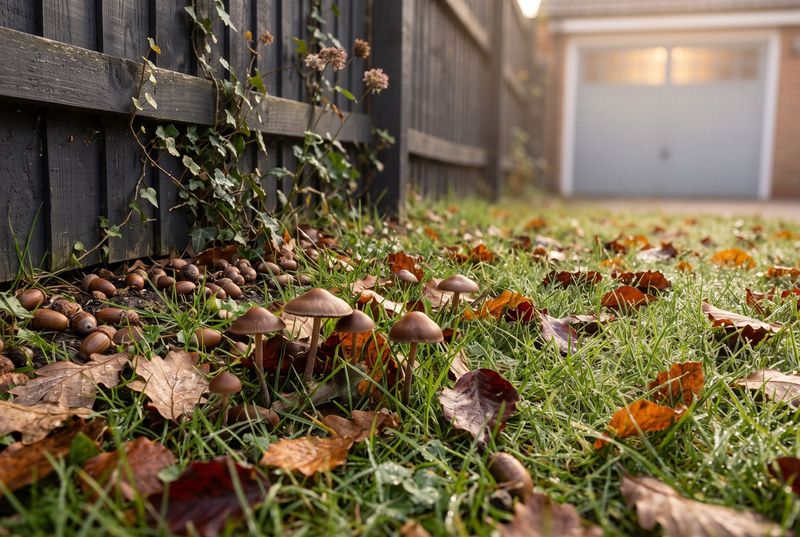
You cannot control fall rain, but you can make your lawn a little less cozy for fungi. Small changes add up over a season.
Start with watering. Water deeply but less often, ideally in early morning, so the grass dries during the day. Turn off sprinklers when rain is in the forecast, since autumn showers often supply plenty.
Next, look at drainage. Core aeration pulls small plugs of soil and helps water soak in rather than puddle. Fall is a great time to aerate cool-season grasses in northern states, while warm-season lawns in the South do best with late spring or early summer aeration.
Shade matters too. Thinning low tree branches lets more sunlight reach the grass and dries damp corners faster.
Keep organic debris in check. Rake up thick leaf layers, dethatch if thatch is deeper than about half an inch, and remove old stumps or buried wood when you can.
Fair warning, fungicides are rarely recommended for lawn mushrooms. Extension experts explain that the fungus lives deep in the soil, so sprays seldom help. Adjusting the growing conditions works far better and costs much less.
Keep Poison Control Handy If Someone Nibbles A Yard Mushroom
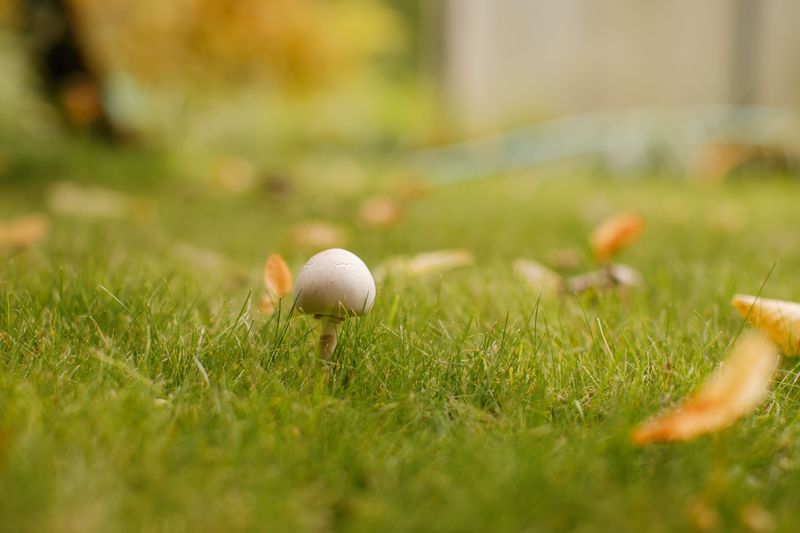
I hope you never need this section, but it is the most useful takeaway of all. Quick action makes a real difference.
If a child eats a wild mushroom, call Poison Control at 1-800-222-1222 right away, even if they seem fine. For pets, call your veterinarian or the ASPCA Animal Poison Control Center at 888-426-4435. Some toxic mushrooms take six hours or more before symptoms show, so waiting to see what happens is risky.
Watch for vomiting, diarrhea, drooling, stumbling, or unusual sleepiness. Seek emergency care fast if any of these appear.
Save a sample if you can do it safely. Place a whole mushroom, or what is left of it, in a paper bag and snap clear photos of the top, underside, and stem. Note where it was growing, such as near a tree or in open grass.
Those details help experts identify the species and choose the right treatment. Some states also have mushroom clubs that assist poison centers with identification.
My final advice is simple. Enjoy what the fungi do for your soil, keep curious mouths safe, and save the hotline numbers in your phone before the next rainy week rolls in.