The Main Reason Why You Should Think Twice Before Growing Amaryllis
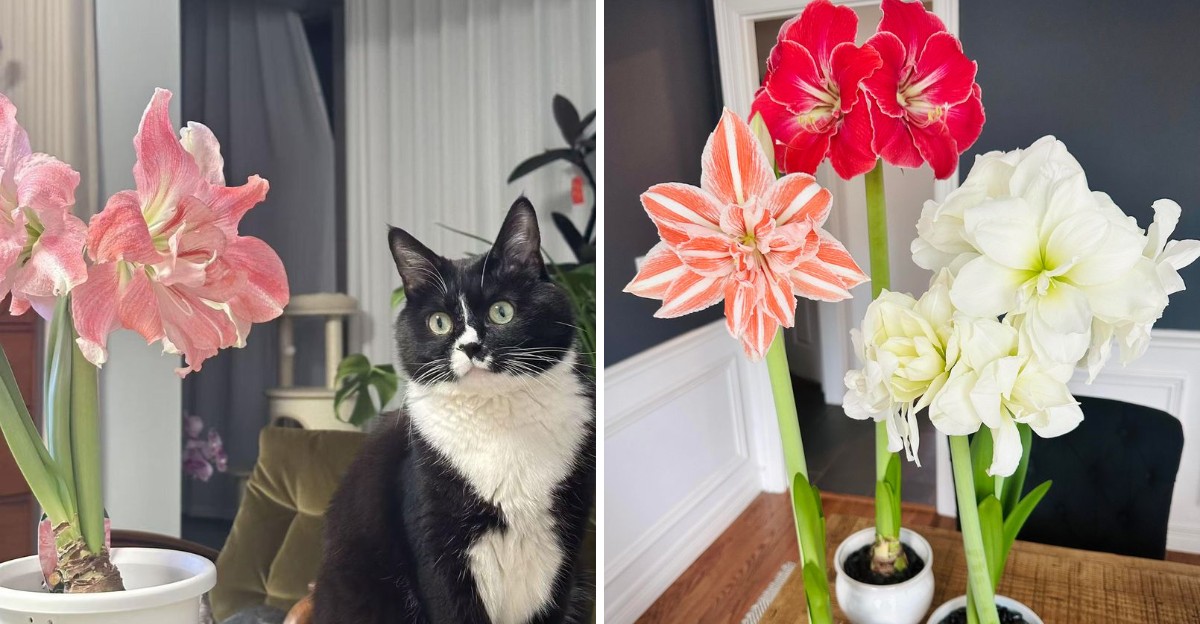
One fat bulb, about the size of a baseball, can push out flowers wider than your hand in roughly six weeks. That same bulb carries a bitter chemical called lycorine.
I’m a sucker for winter color, so this holiday favorite landed on my kitchen table for years. Then my cat started sniffing the pot, and I finally read the label.
Truth is, the whole plant is listed as toxic to cats and dogs by the ASPCA. The bulb holds the biggest dose, and it often sits right at nose level for a curious pet or toddler.
I’m not here to scare you away from those giant trumpet blooms. I just learned that where you put this plant matters as much as how you grow it. Take a quick look around: is that cheerful gift pot sitting somewhere safe in your home right now?
Those Giant Trumpet Blooms Come With a Hidden Catch
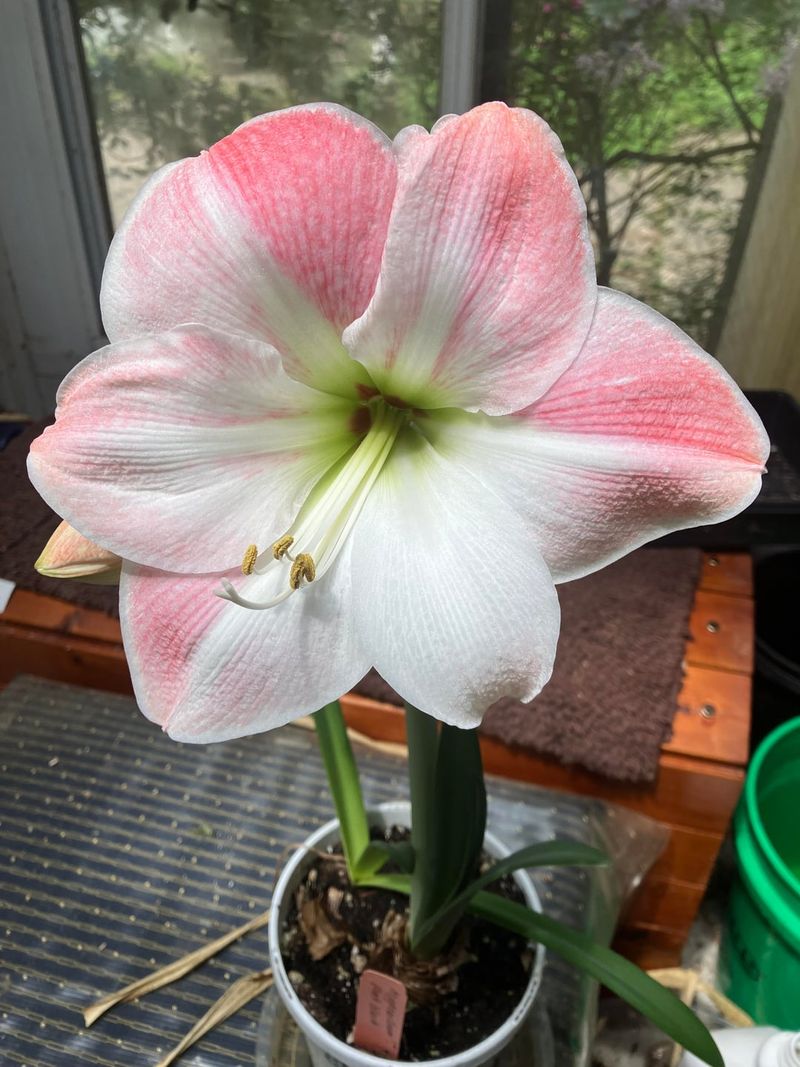
Every winter, I fall for the same trick. A plain brown bulb goes into a pot, and a few weeks later it explodes into flowers big enough to make guests stop and stare.
That showy plant is usually a Hippeastrum, the bulb sold almost everywhere as amaryllis. The true Amaryllis belladonna is a South African cousin, but both share the same family traits. Plants in this family, called Amaryllidaceae, make natural chemicals that help protect them from hungry animals.
So the main reason to pause before growing one is simple. Every part of the plant contains compounds that can make pets and people sick if chewed or swallowed. That includes the petals, leaves, stems, and especially the bulb.
Most gift kits never mention this. The box shows bright red blooms and easy instructions, and that’s about it. Many folks place the pot on a coffee table or floor stand without a second thought.
I’m not saying you should skip this plant. It’s still one of the easiest winter bloomers you can grow indoors. You just need to know what you’re bringing home, so you can plan for it from day one.
A little awareness goes a long way here.
Lycorine Hides Mostly Inside the Amaryllis Bulb
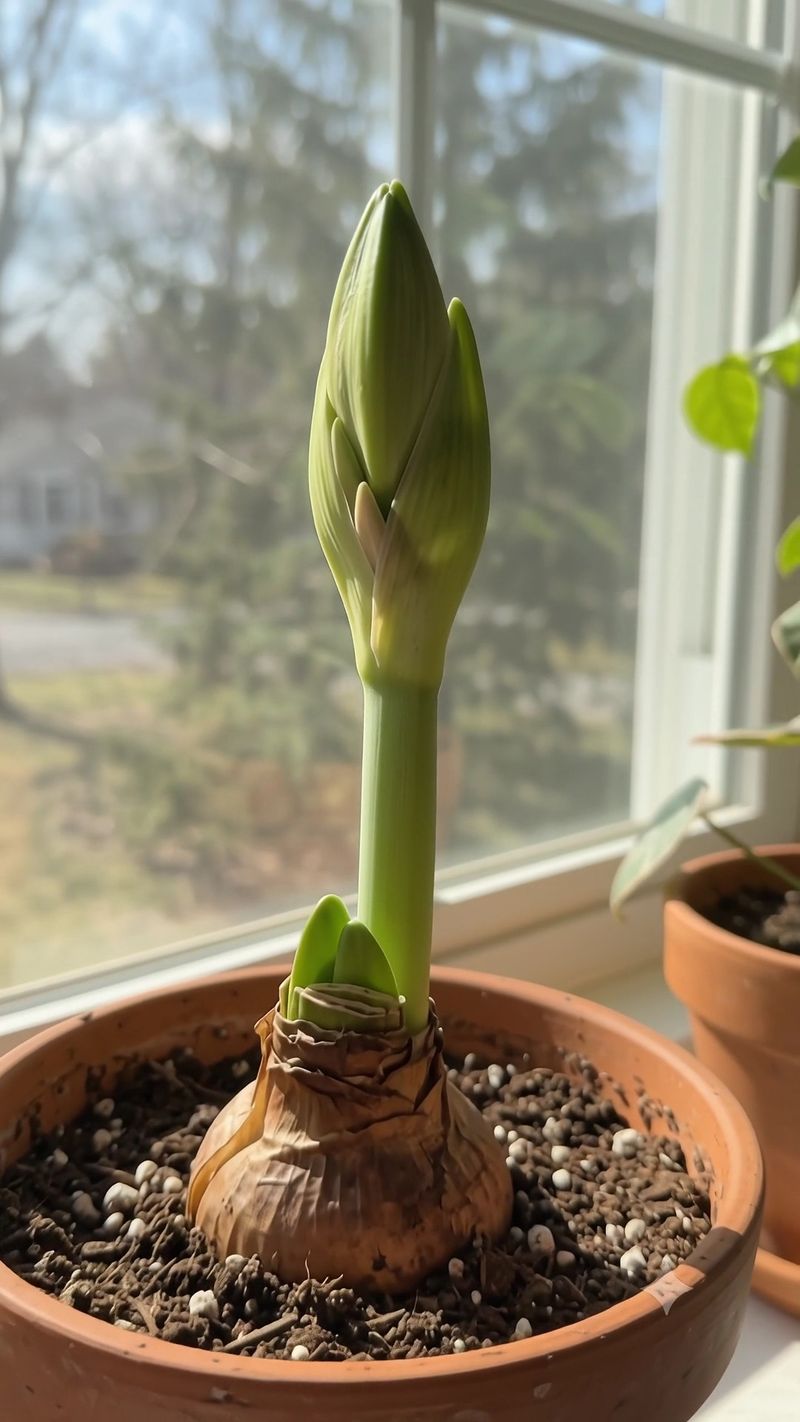
Lycorine sounds like a fancy perfume, but it’s the main troublemaker here. Scientists classify it as an alkaloid, a type of plant chemical that can upset the stomach and gut.
Amaryllis plants hold several of these alkaloids, and lycorine is the best known. The ASPCA and veterinary poison services note that the bulb carries the highest amount. Leaves and flowers contain less, though they still aren’t snack material.
Why does the bulb matter so much? It’s the plant’s storage tank. All the energy and protective chemicals for next year’s flowers get packed inside that round base.
Here’s what surprised me most. Lycorine is known to trigger vomiting, which is partly the body’s way of getting rid of it fast. That reaction helps explain why many mild cases involve tummy trouble rather than anything more serious.
Still, a larger bite of bulb can bring stronger effects. That’s why vets treat any bulb chewing as a reason to call for advice right away.
My practical tip is easy. When you buy a bare bulb, store it up high in a paper bag until planting day. Loose bulbs on the counter look a lot like toys to a bored puppy.
Cats and Dogs Face the Biggest Risk From Amaryllis
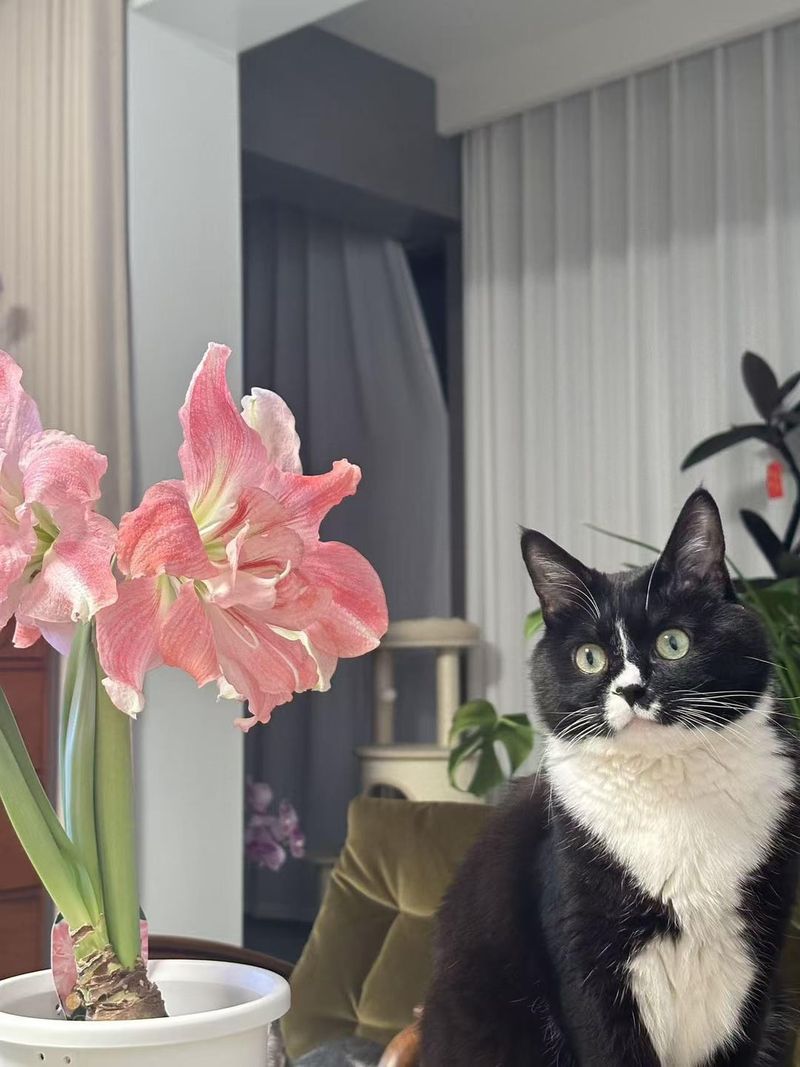
My cat, Biscuit, believes every green leaf in the house was grown just for her. So when the amaryllis leaves started swaying near the window, she went straight for them.
Pets are the most likely victims because they explore with their mouths. The ASPCA lists amaryllis as toxic to both cats and dogs, and the Pet Poison Helpline reports similar concerns.
Common signs after a nibble include drooling, vomiting, diarrhea, and a sore belly. Some pets also lose interest in food or seem low on energy.
When a dog digs up and chews a bulb, the trouble can grow. Veterinary sources mention tremors, low blood pressure, and breathing problems with larger amounts. Those cases are less common, but they do happen.
Dogs are bigger bulb fans than cats, honestly. A pot of fresh soil seems to call out to diggers, especially young pups.
Cats, on the other hand, love long, strappy leaves. That bendy foliage acts like a cat toy with roots.
So think about your own animals before choosing a spot. Do you have a digger, a chewer, or a leaf batter? Your answer should guide where that pot lives.
Toddlers Reaching for Bright Red Amaryllis Petals Need a Plan
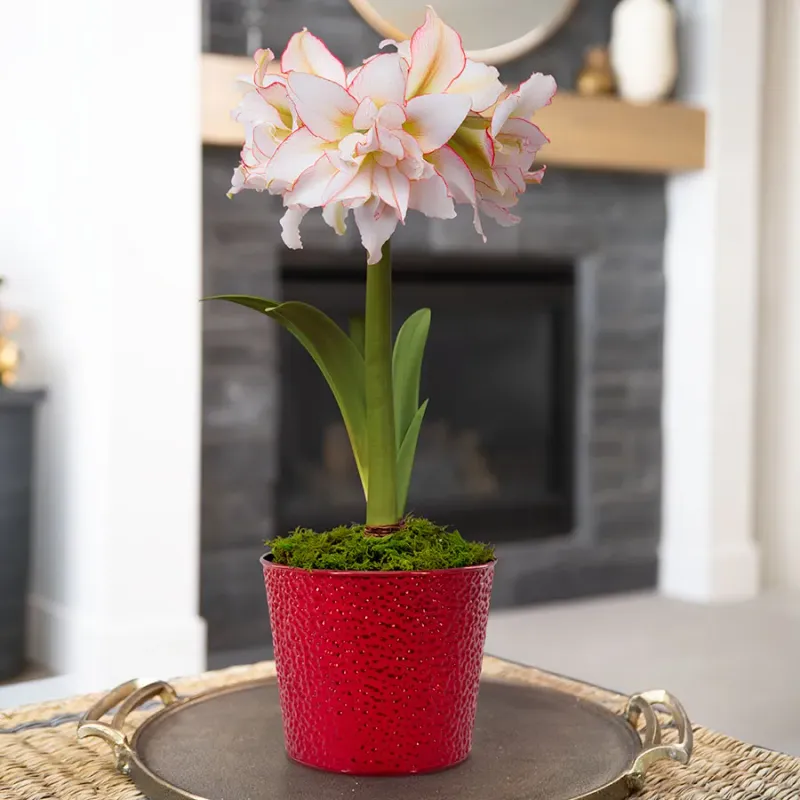
Little kids and bright flowers have a magnetic pull. Bold red petals at eye level practically shout, “Grab me!”
Thankfully, serious poisonings in children are rare. Poison control experts say a child who tastes a petal or leaf usually has mild symptoms, if any. Nausea, vomiting, and a stomachache top the list.
The bitter taste helps too. Most kids spit out plant pieces quickly because they simply don’t taste good.
Even so, I’d rather not test that theory at my house. The bulb is the riskier part, and a toddler digging in a pot may find it.
Sap can also bother sensitive skin for some people. If your little helper loves repotting with you, a pair of kid-size garden gloves is a smart, cheap fix.
Teach older kids the basic rule early. Plants in the house are for looking, not tasting, and that habit protects them around many other houseplants too.
Keep the number for Poison Control handy as well. In the United States, you can reach them at 1-800-222-1222 any time, day or night. Saving it in your phone takes ten seconds and could save you a frantic search later.
A High Shelf Makes Your Potted Amaryllis Far Safer
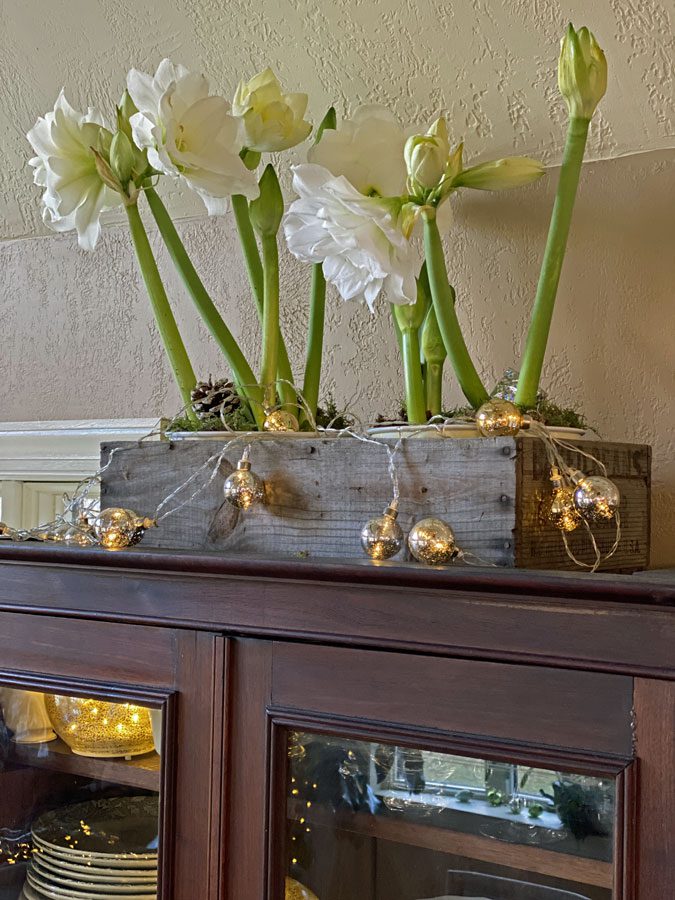
Placement solved most of my worries, and it cost nothing. Once I moved my amaryllis off the floor, the drama mostly stopped.
Look for a bright spot that pets and kids can’t easily reach. A tall bookcase, a high windowsill, or a room with a closed door all work well.
Amaryllis needs bright, indirect light to bloom nicely. A south or west window often gives plenty, so you don’t have to sacrifice flowers for safety.
Cats are tricky, I know. They jump, climb, and treat shelves like a highway. For feline households, a closed guest room or home office may be the better choice.
Heavy pots help too. A wide, weighted container is harder for a playful paw to tip over, and that keeps the bulb from rolling out.
Some growers use glass cloches or decorative plant cages. Those work as long as the plant still gets good airflow.
One more tip from my own mistakes: clean up fallen petals and trimmed leaves right away. Dropped pieces on the floor are just as tempting as the plant itself. A quick daily check keeps everyone out of trouble.
Drooling or Vomiting After an Amaryllis Nibble Calls for Quick Action
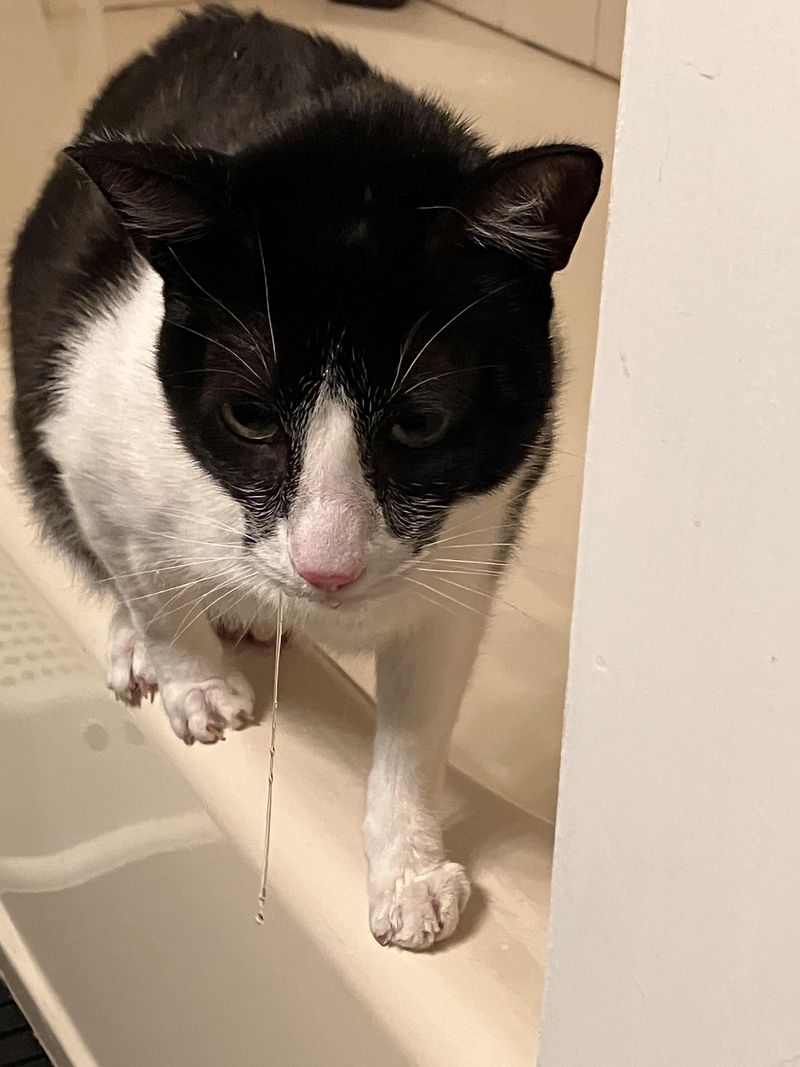
Fair warning, the first few minutes matter most. If you catch a pet or child chewing your plant, stay calm and act fast.
Start by removing any plant pieces from the mouth. Then note what was eaten and roughly how much, especially if the bulb was involved.
For pets, call your veterinarian or a pet poison line. The ASPCA Animal Poison Control Center and the Pet Poison Helpline both run 24 hours a day, though a consultation fee may apply.
For kids, call Poison Control at 1-800-222-1222. Specialists can tell you if home watching is enough or if a doctor’s visit is needed.
Don’t try to make anyone vomit unless an expert tells you to. That step can cause new problems if done wrong.
Watch for drooling, repeated vomiting, diarrhea, shaking, weakness, or trouble breathing. Any of those signs mean it’s time for professional care right away.
Here’s a handy trick I use. Keep the plant tag or a photo of it on your phone. Saying the name Hippeastrum, sold as amaryllis, helps the expert on the line give faster, more accurate advice.
Soggy Soil and Red Blotch Can Ruin an Amaryllis Bulb
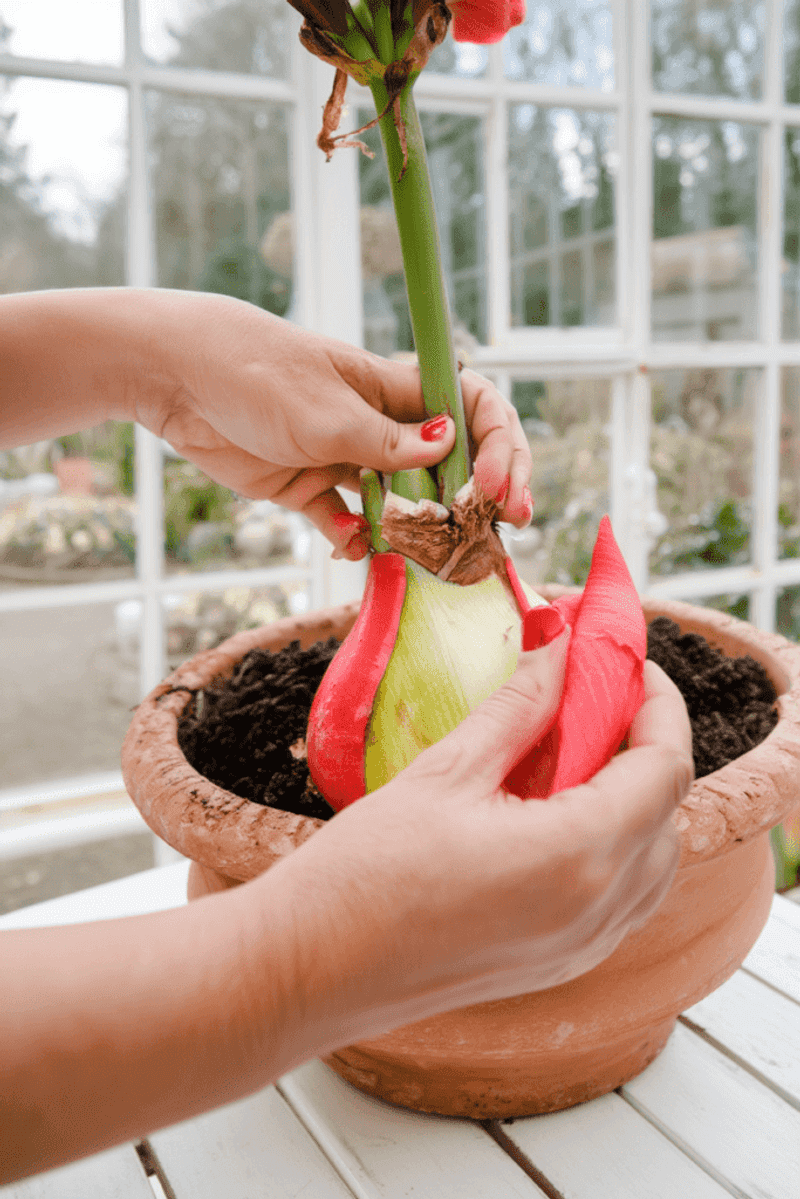
Toxicity isn’t the only headache with this plant. Guilty as charged, I’ve rotted more than one bulb with too much love and water.
Amaryllis bulbs hate sitting in wet soil. Extension experts suggest watering sparingly until new growth appears, then keeping the soil lightly moist, not soggy.
Use a pot with drainage holes and plant the bulb with its top third above the soil line. That simple trick helps keep the neck of the bulb dry.
Red blotch is another common problem. It’s a fungal disease that causes reddish spots or streaks on leaves, stems, and bulbs, and it can twist flower stalks.
When buying bulbs, pick firm ones without soft spots or red marks. A healthy bulb feels heavy and solid, a bit like a fresh onion.
Pests sometimes show up too. Mealybugs, spider mites, and the narcissus bulb fly can weaken plants, especially outdoors or after summer.
Check under leaves every week or so. Catching small problems early keeps your plant strong and means less handling of a toxic plant later. Fewer repotting rescues also mean fewer bulbs left lying around the house.
Enjoy Amaryllis Flowers Safely With a Few Smart Habits
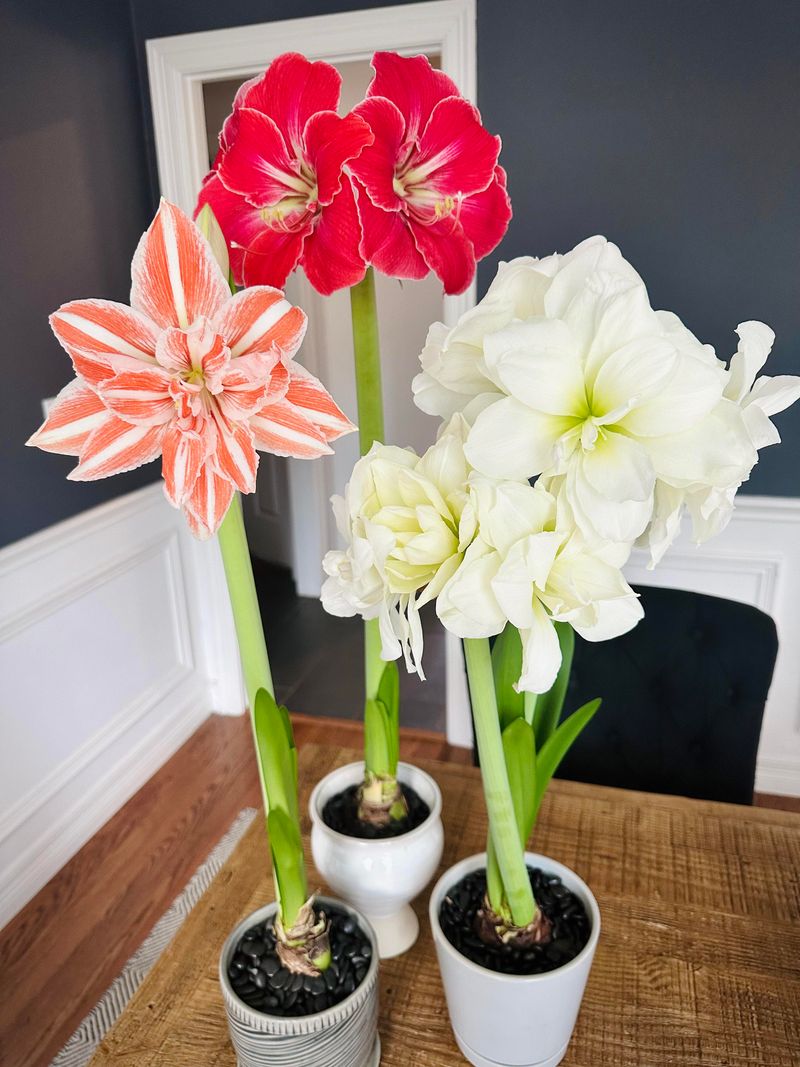
So should you grow amaryllis at all? For most homes, yes, with a little planning and a lot of common sense.
Start by matching the plant to your household. Homes with diggers, leaf-chewing cats, or busy toddlers need a locked-down spot or maybe a pet-safe alternative.
Christmas cactus and African violets are good substitutes. The ASPCA lists both as non-toxic to cats and dogs, and they still add winter cheer.
If you keep amaryllis, wear gloves when repotting or cutting stems. Wash your hands afterward, especially before snacks or handling pets.
Outdoors, the bulbs grow in the ground in USDA zones 8 to 10, including parts of Florida, Texas, and California. Mark those beds clearly so dogs don’t dig up the bulbs.
After blooming, trim spent flower stalks and keep the leaves growing for next year. Then toss trimmings in a closed bin instead of an open compost pile your dog can reach.
Honestly, I still grow one every winter. Those giant blooms are worth it to me. I just treat my amaryllis like a beautiful guest that stays on the top shelf.