The Threatened Alabama Plant You Need A State Permit To Collect
A single pound of dried wild roots from a shy forest plant can sell for hundreds of dollars. That is real money, hiding under the shade of Alabama hardwoods.
I was stunned to learn that digging one of these plants on the wrong day can break state law. In Alabama, the rules cover the season, the plant’s size, and even what you do with its berries.
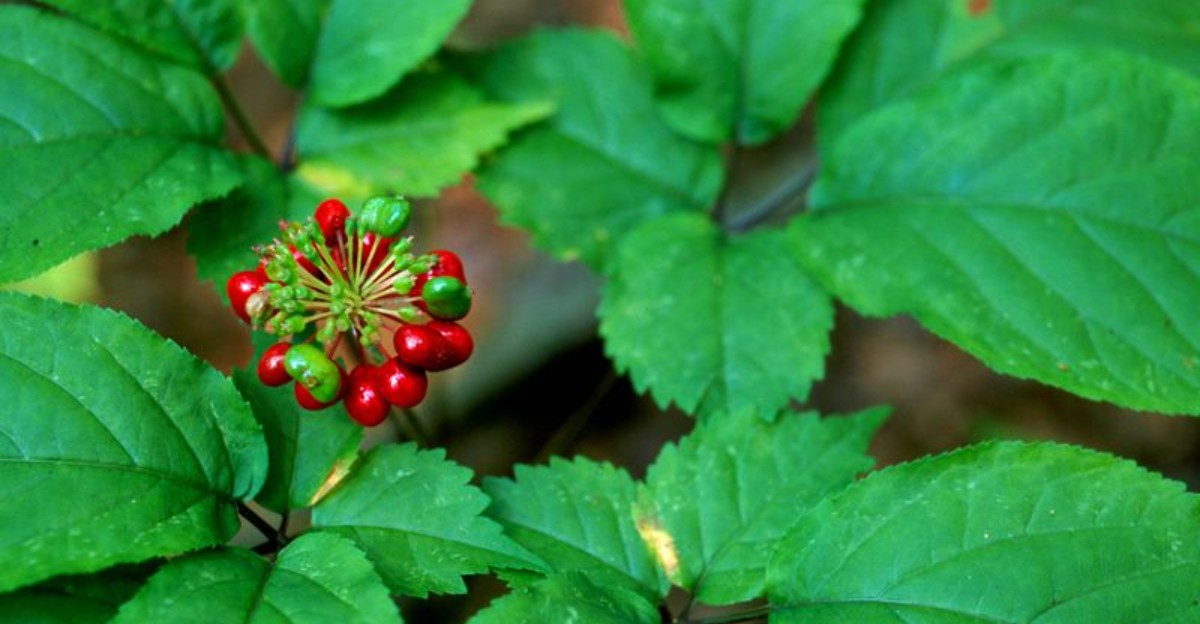
You also need a permit before your shovel touches dirt. You might notice it in the woods without knowing it. The plant stands about knee-high, with leaves spread like open hands and a cluster of bright red berries in late summer.
Many hikers walk right past it every fall. This quiet woodland herb is guarded like a game animal, and it all comes down to one root, shaped a little like a tiny person.
A Knee-High Woodland Herb With Red Berries Has Its Own Rulebook
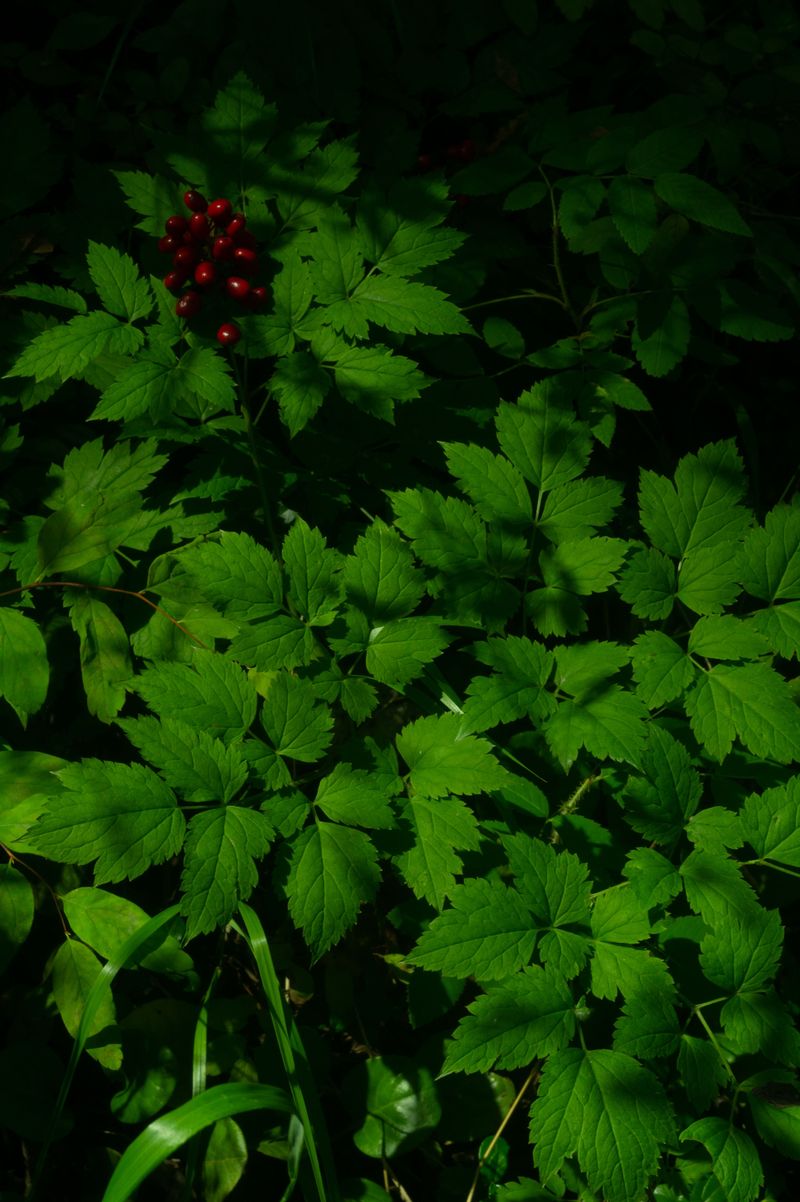
Walking through a cool, shady cove in north Alabama, you could brush past a plant worth more than your hiking boots. It looks humble, with green leaflets and a small berry cluster.
Yet the state treats it almost like a protected game animal. The plant is American ginseng, known to scientists as Panax quinquefolius. It grows wild across much of the eastern United States, from Canada down into the Southeast.
In Alabama, it mostly shows up in rich, moist hardwood forests, especially in the northern half of the state.
Ginseng is listed under CITES, an international trade agreement that tracks plants and animals at risk from overharvesting. Because of that listing, any state that allows wild ginseng to be exported must run an approved program.
Alabama runs its program through the Alabama Department of Agriculture and Industries. So the permit is not just local red tape. It connects to a national system overseen by the U.S.
Fish and Wildlife Service. Every legally sold wild root is supposed to be tracked from forest to buyer.
Knowing this changes how you see a walk in the woods. That little plant with red berries carries a lot of history, and a lot of rules, on its slender stem.
Grab a Ginseng Collector Permit Before Heading Into the Woods
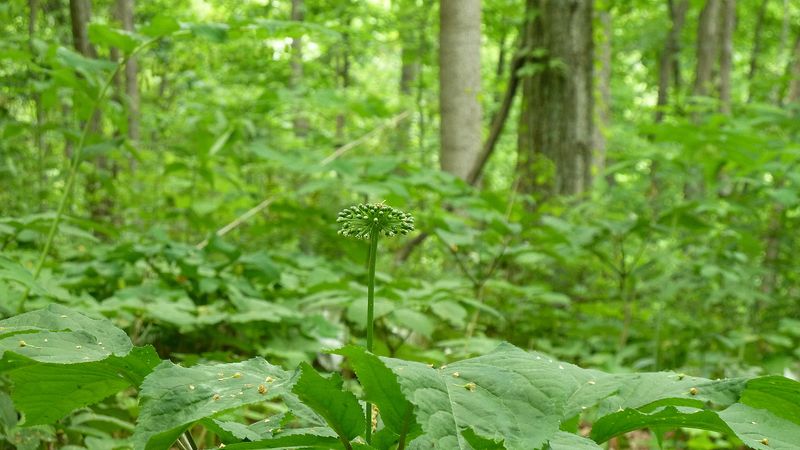
Paperwork is not anyone’s favorite part of foraging, but this one is cheap and simple. Anyone who digs wild ginseng in Alabama needs an annual collector permit from the Alabama Department of Agriculture and Industries.
The collector permit costs about $10 per year, according to the department. According to the department’s application, payment must be received no later than December 15, or before you begin collecting.
Fees and dates can change, so check the ADAI website or call their office before the season starts.
Dealers who buy and resell roots need a separate dealer license, which has its own fee and record-keeping rules. If you only dig a few roots and sell them to a licensed dealer, the collector permit is the one you want.
Keep your permit with you while digging. A game warden or agriculture inspector may ask to see it, and having it handy saves a lot of awkward conversation in the middle of the forest.
One exception exists for growers. Ginseng raised on your own land in beds or woods-grown plots still has certification rules for selling, so read the regulations closely.
A quick phone call to ADAI can clear up questions about your exact situation before you lift a single root.
Fall Is the Only Legal Window for Digging Wild Ginseng for Sale
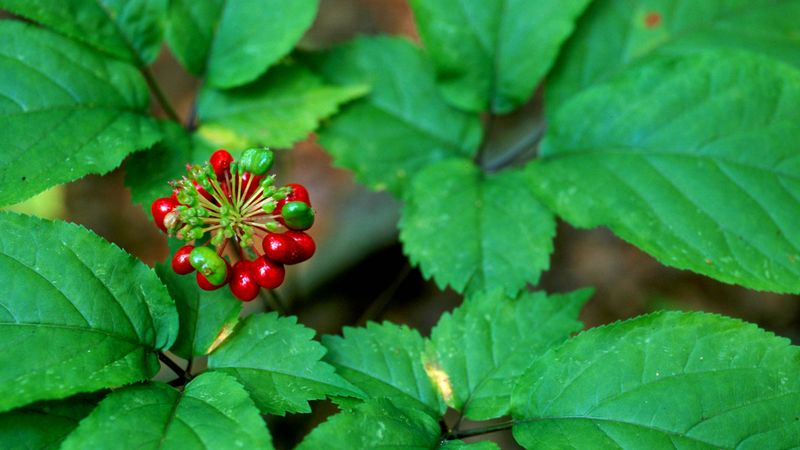
Autumn in the Alabama woods brings crisp air, falling leaves, and the legal ginseng season. Alabama allows wild ginseng to be collected from September 1 through December 31 each year.
That timing is no accident. By September, most mature plants have ripe red berries. Waiting until then gives each plant a chance to finish its yearly growth and set seed before anyone digs it up.
Collectors may sell their roots during a matching window, generally September 1 through December 31. Dealers have extra time to sell into the following spring, but that rule applies to licensed buyers, not casual diggers.
Check current dates with ADAI each year, since details can shift. Digging in spring or early summer is a big mistake, both legally and ecologically.
The roots are smaller then, and the berries have not formed. Removing a plant in June means it never gets to leave seeds behind.
A smart plan is to scout in late summer, when the berries start turning red and the plants are easier to spot. Make notes, then come back once the season opens. Patience pays off here, and your favorite patch will thank you for it.
Count the Five-Leaf Prongs Before You Touch a Shovel
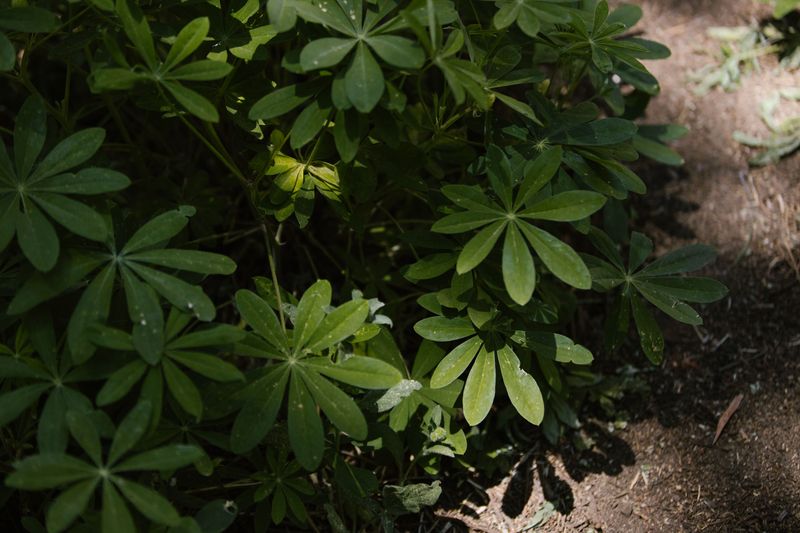
Ginseng has a neat habit that makes counting easy. Each leaf, called a prong, usually has five leaflets spread like fingers. Young plants have one or two prongs, while older plants grow three or four.
Alabama rules say you may only harvest plants with at least three prongs. A three-prong plant is usually five years old or more.
Younger ones stay in the ground to keep growing and producing seeds. Berries matter too. Plants with green, unripe berries are off-limits.
Only plants with ripe red berries should be dug, and those berries need to go right back into the soil.
Here is a quick field check I like to use: Count the prongs, and walk away if you see fewer than three. Look at the berries, and wait if they are still green. Make sure your permit is in your pocket.
Watch for look-alikes, too. Virginia creeper and wild sarsaparilla both have five leaflets and fool new foragers.
True ginseng has a single stalk with prongs branching from one central point, plus finely toothed leaflet edges. If you are unsure, snap a photo and compare it with an extension guide before digging.
Those Red Ginseng Berries Belong Back in the Soil
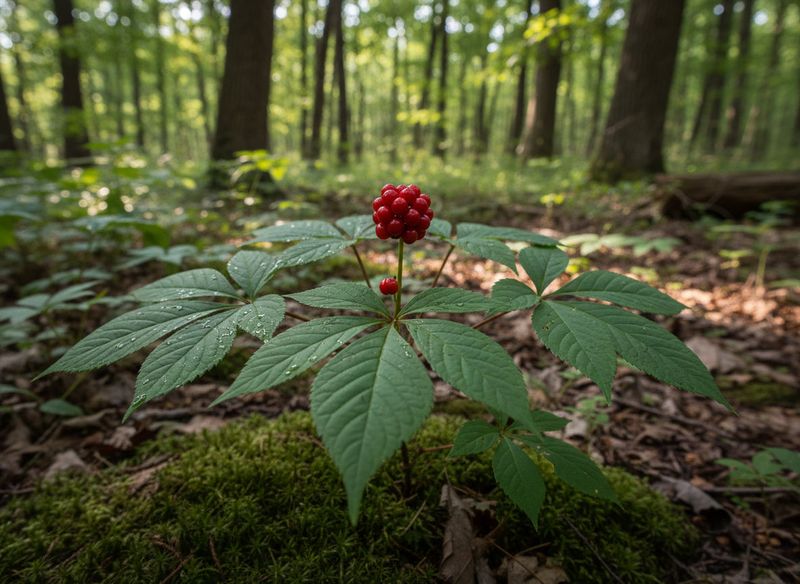
Every red berry on a ginseng plant is a small promise of the future. Alabama law asks collectors to keep that promise by planting the seeds from any harvested plant right where they found it.
The process is easy. Pick the ripe berries, press each seed about half an inch to an inch deep into the soil, and cover it with a little leaf litter. Spread them out a bit rather than dropping the whole cluster in one hole.
Ginseng seeds take their time. They usually need about 18 months before sprouting, often appearing in the second spring after planting. So the seeds you plant this October might not show up until a year from next spring.
Some old-time diggers take an extra step. They plant seeds in nearby spots with similar shade and soil, helping the patch slowly expand.
That habit has kept some family patches going for generations in Appalachian hills. Do not take the berries home to eat or sell. Leaving them in the woods is the whole point of the rule.
A patch that gets reseeded every year stays healthy, while a patch stripped of berries slowly fades away until nothing is left to find.
Landowner Permission Matters as Much as Your Ginseng Permit
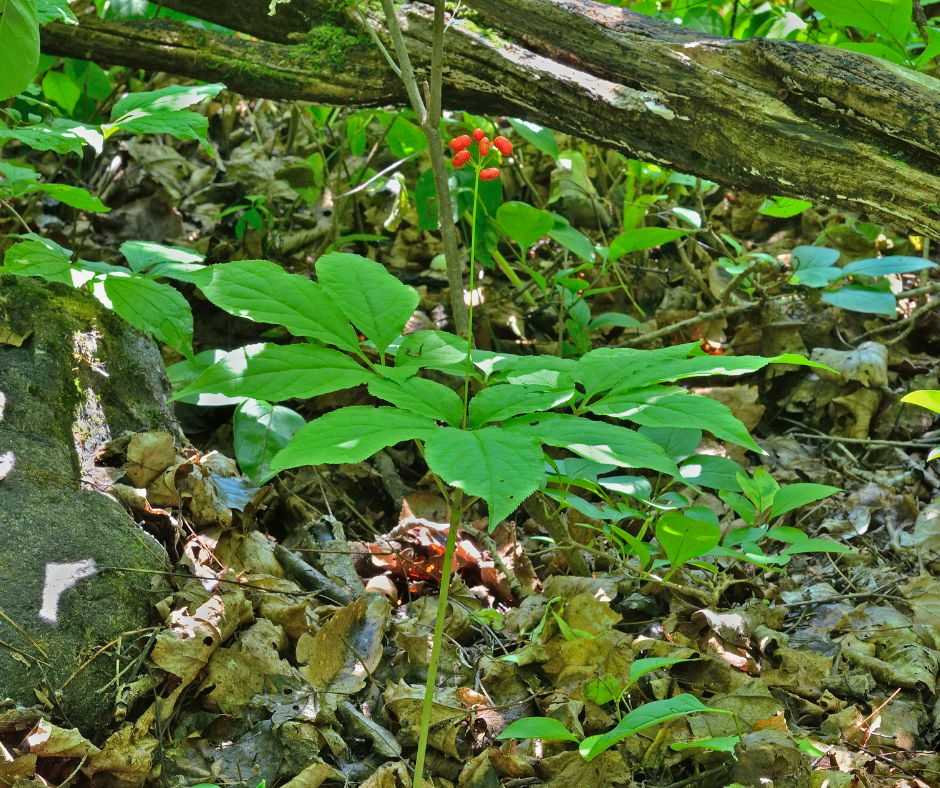
A state permit lets you collect ginseng, but it does not let you walk onto anybody’s land. You still need permission from the property owner, and written permission is the safest choice.
Digging on someone else’s property without permission can lead to trespassing and theft charges. Ginseng poaching is a real problem across the Southeast, and many landowners guard their patches closely.
Public land has stricter limits. Collecting is not allowed in national parks. National forests often limit or prohibit wild ginseng harvesting, so check with the National Forests in Alabama before you dig. State parks and most state-owned lands also prohibit collection.
Before heading out, call the land manager or ranger station for the area you plan to visit. Rules can vary from one property to another, and asking takes only a few minutes.
Honestly, the easiest path is often private land owned by a friend or relative. Get a signed note, keep it with your permit, and you are set.
Bonus points if you share your knowledge with the owner, since many people have no idea a valuable native plant is growing quietly behind their house.
A Pricey Ginseng Root Explains All the Fuss
Money drives the whole ginseng story. Wild American ginseng roots have sold for hundreds of dollars per dried pound, depending on age, shape, and market demand.
Most of that demand comes from Asia, especially Hong Kong and China. Buyers there have valued ginseng in traditional medicine for centuries, and wild roots with old, gnarly shapes bring the highest prices.
Fun fact: American ginseng exports date back to the 1700s. Early traders shipped roots from the American colonies to China, and even Daniel Boone dealt in ginseng.
High prices bring problems. Overharvesting, poaching, and loss of forest habitat have shrunk wild populations in many states.
Deer browsing adds even more pressure, since hungry deer nibble the plants before they can produce seeds.
Alabama regulates ginseng harvest for these reasons. The rules aim to keep enough mature plants in the woods so the species can keep reproducing.
Scientists studying ginseng have found that patches decline quickly when too many big plants are removed.
Following the three-prong rule and reseeding helps slow that decline. Think of it as leaving a little in the bank so the account keeps growing.
Growing Your Own Woods-Grown Ginseng Can Take the Pressure Off Wild Plants
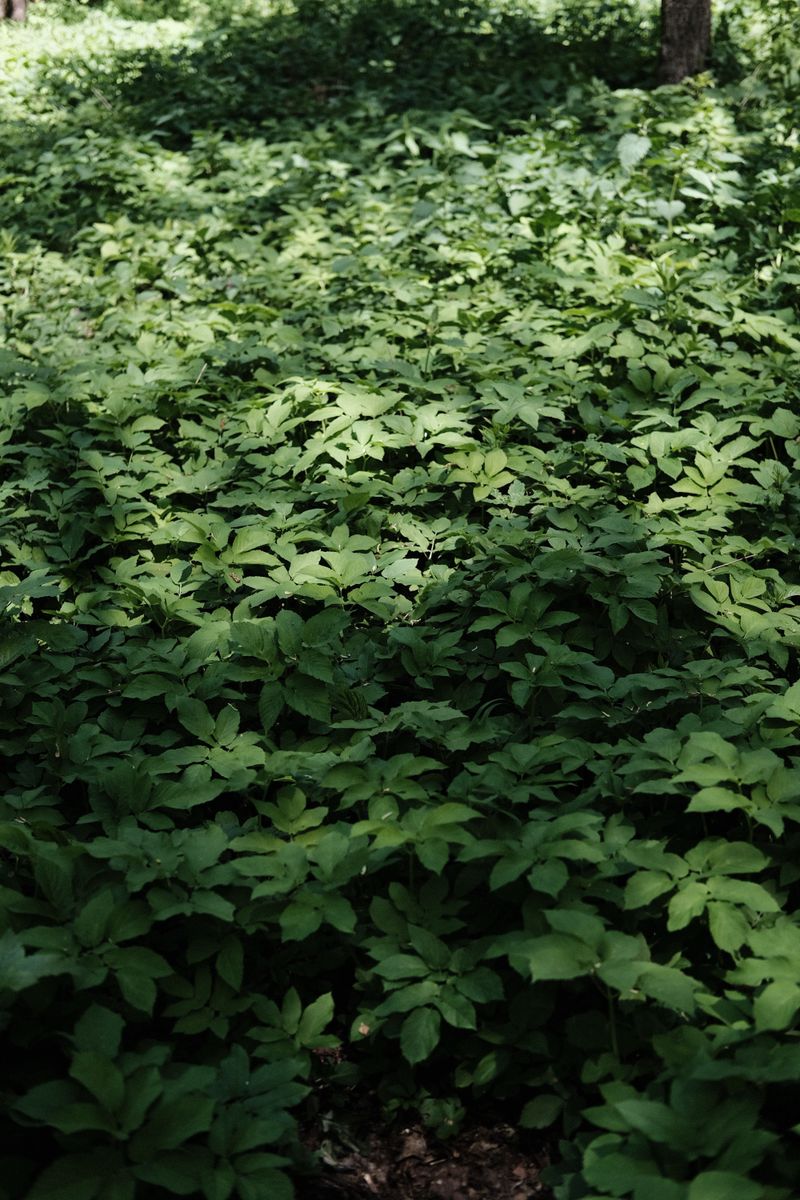
After learning all these rules, I started wondering about a gentler approach. Growing ginseng yourself, in shady woods on your own property, is a rewarding project that eases pressure on wild patches.
Ginseng likes about 70 to 80 percent shade under hardwoods like oak, maple, and tulip poplar. Rich, moist, well-drained soil works best, and north or east-facing slopes stay cooler in Alabama summers.
Buy seeds or rootlets from a reputable grower, and plant them in fall. Expect a long wait, since roots often need five to ten years to reach good size. Patience is part of the charm.
Selling ginseng you grew still involves state rules, including certification through ADAI. Check with the department before you sell any roots, even from your own woodland plot.
Your local Alabama Cooperative Extension System office can share advice on soil, shade, and pests. They can also point you toward ginseng growers in your area.
Whether you dig wild roots legally or plant your own, the goal stays the same. Keep this native treasure growing in the forest so the next curious hiker can spot those red berries too.