Is It Too Late To Mow Your Ohio Lawn In November? What To Do If It’s Still Growing
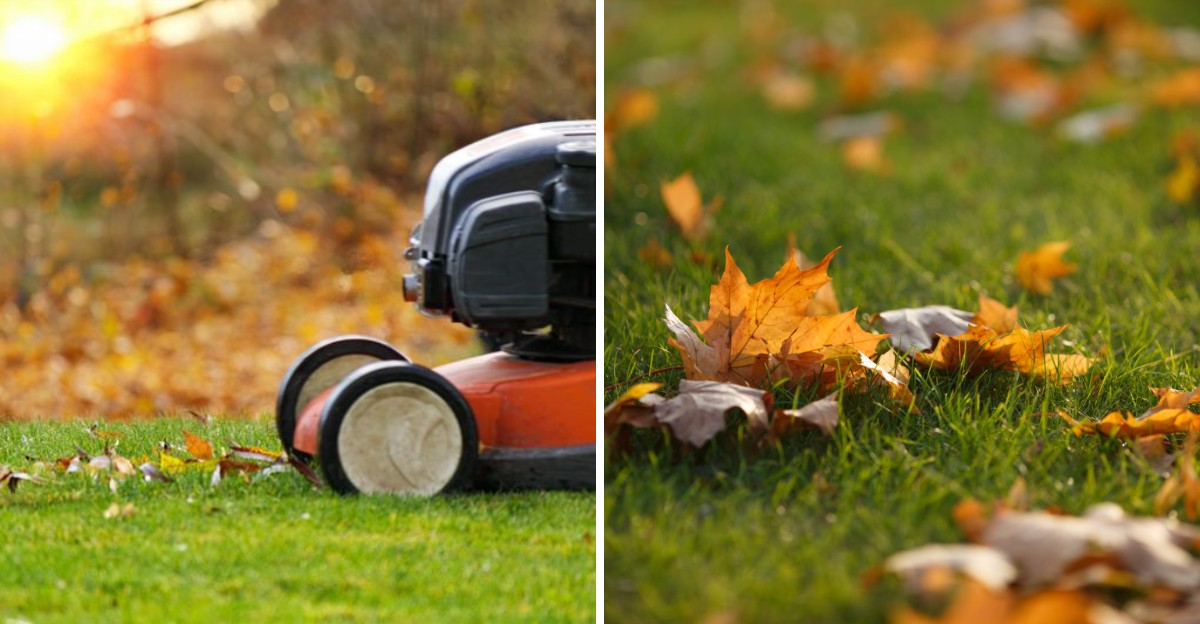
Snow flurries have been spotted, yet the grass out back keeps inching up like it missed the memo. Now what?
Ohio lawns rarely follow a tidy calendar. Some quit growing the first week of November, while others keep going until Thanksgiving.
Every neighbor has a different rule, and each one swears theirs is the right one.
Put the mower away too soon and you walk into winter with shaggy turf that mats under the snow. Keep mowing too long, or at the wrong height, and you stress a lawn that’s trying to settle down.
A few clues tell you which camp you’re in, and none of them involve checking the date.
Read your lawn before you pull the cord on that mower. The grass will tell you what it needs.
1. Keep Mowing As Long As It’s Still Growing
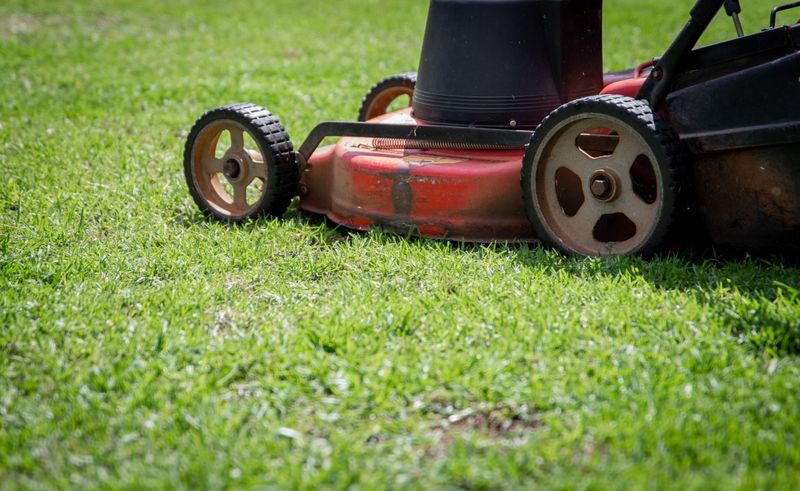
Grass does not check the calendar before it grows. Your lawn only cares about weather, sunlight, and moisture, so the date on your phone means very little to it.
Most Ohio yards are filled with cool-season grasses like Kentucky bluegrass, tall fescue, and ryegrass. These grasses often perk up once the summer heat fades.
A few rainy days paired with mild afternoons can send them into a surprise growth spurt.
If your grass is still getting taller, mowing helps it stay healthy. Regular trims keep blades from flopping over and matting down.
They also let sunlight and air reach the lower parts of the plant, which helps it stay strong heading into winter.
Here is a handy rule of thumb. Growth slows down a lot once daytime temperatures stay around 50°F or lower for a stretch.
Until that happens, your lawn may keep stretching upward, even in late fall.
Think of it like a kid who keeps outgrowing their shoes. You would not ignore it just because it is the wrong season for shopping.
Your grass deserves the same kind of attention.
So check the yard every week or so. If it looks taller than it did, fire up the mower and give it a tidy trim.
2. Ohio Lawns Often Keep Growing Into November
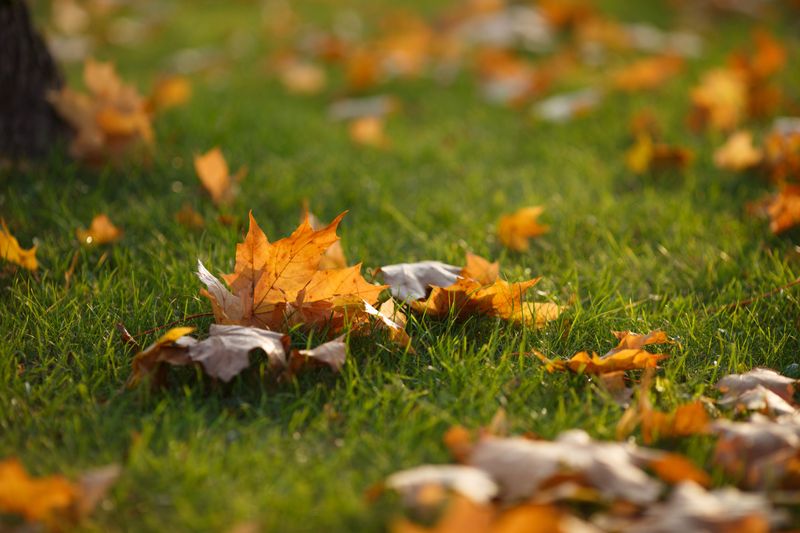
Ask five Ohioans when they last mowed, and you might hear five different answers. That is because the Buckeye State is bigger and more varied than many people think.
For most of Ohio, the mowing season wraps up somewhere between October and November. Still, your location makes a real difference.
Weather near Lake Erie behaves differently than weather near Cincinnati.
In Northeast Ohio, many homeowners finish their last mow in October or early November, especially inland and in the snowbelt hills, where cold settles in sooner. Right along Lake Erie, the lake’s stored warmth can keep lawns growing a little longer.
Southern Ohio usually gets the longest season. Around Dayton and Cincinnati, the last mow often lands in November, sometimes late in the month.
Then there are the wild cards. A mild autumn can stretch the season well past its usual end.
Your Ohio Garden Changes Every Week. Your Plan Should Too.
Gardening in Ohio changes quickly throughout the season. Every Friday you’ll receive a simple weekly plan showing exactly what to plant, prune, fertilize, harvest, and protect so you never miss the right timing.
Some years, people are still pushing mowers around Thanksgiving, wondering if fall forgot to show up.
The takeaway is simple and freeing. There is no single magic date for putting the mower away.
Watch your own yard and your local weather instead of copying the neighbors or guessing based on last year.
3. Stop Once You’re No Longer Taking Off Clippings
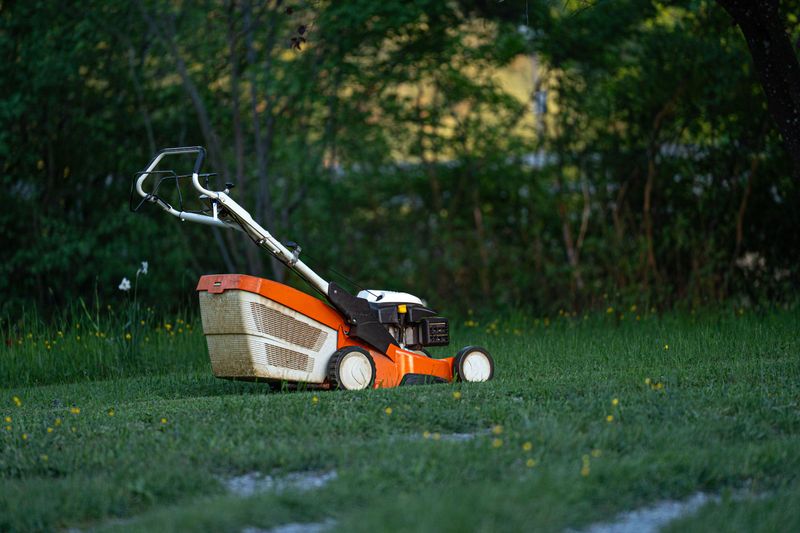
Picture this. You finish mowing, peek into the bag, and find almost nothing but a few dry leaves and a lonely twig.
That nearly empty bag is your lawn sending a message. When there are hardly any clippings, the grass has mostly stopped growing, and the mower has little left to do.
Want a simple test? After you mow, wait ten to fourteen days and take a close look.
If the grass has barely grown, your mowing season has likely wrapped up for the year.
Other clues can back this up. Frosty mornings showing up again and again are a big hint.
So is a change in color, when the grass slowly shifts from bright green to a duller, quieter shade.
Falling leaves can tell you something too. When trees drop lots of leaves, grass growth has usually slowed down quite a bit.
Nature tends to move in step this time of year.
You can also measure the height with a ruler stuck into the turf. If it stays about the same for a week or two, growth has stalled.
At that point, there is no need to keep mowing just for the sake of it.
Give yourself permission to rest. Your lawn is resting too.
4. Lower The Deck A Little For The Final Cut
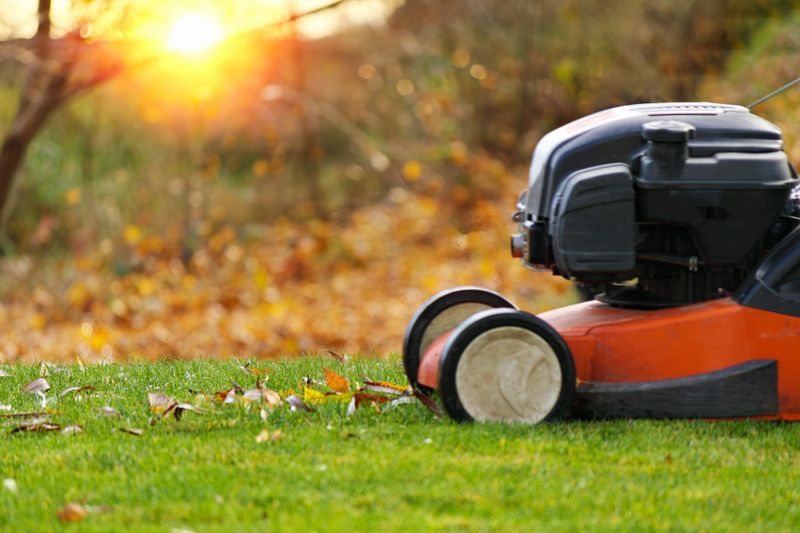
Small changes make a big difference when the season winds down. For your last few mows, it helps to bring the mower blade down just a notch or two.
Many experts suggest a final height of about 2 to 2.5 inches for cool-season grasses. Others prefer 2.5 to 3 inches.
Either range works well for most Ohio lawns, so pick what fits your yard and your mower.
The trick is to go slowly. Lower the deck a little bit at a time over your last several mows.
Sudden drops shock the grass, while gentle steps give it time to adjust.
Remember the one-third rule too. Try not to remove more than one-third of the grass blade in a single pass.
If your lawn is 4 inches tall, cutting it straight down to 2 inches in one go is far too much.
Here is an easy plan. If you normally mow at 3.5 inches, try 3 inches next time.
Then drop to 2.5 inches for the final cut a week or two later.
Fun tip: most mowers have a lever near each wheel or one main lever for height. Check your owner’s manual if you are unsure, and make changes with the engine off.
5. A Shorter Final Cut Helps Prevent Snow Mold
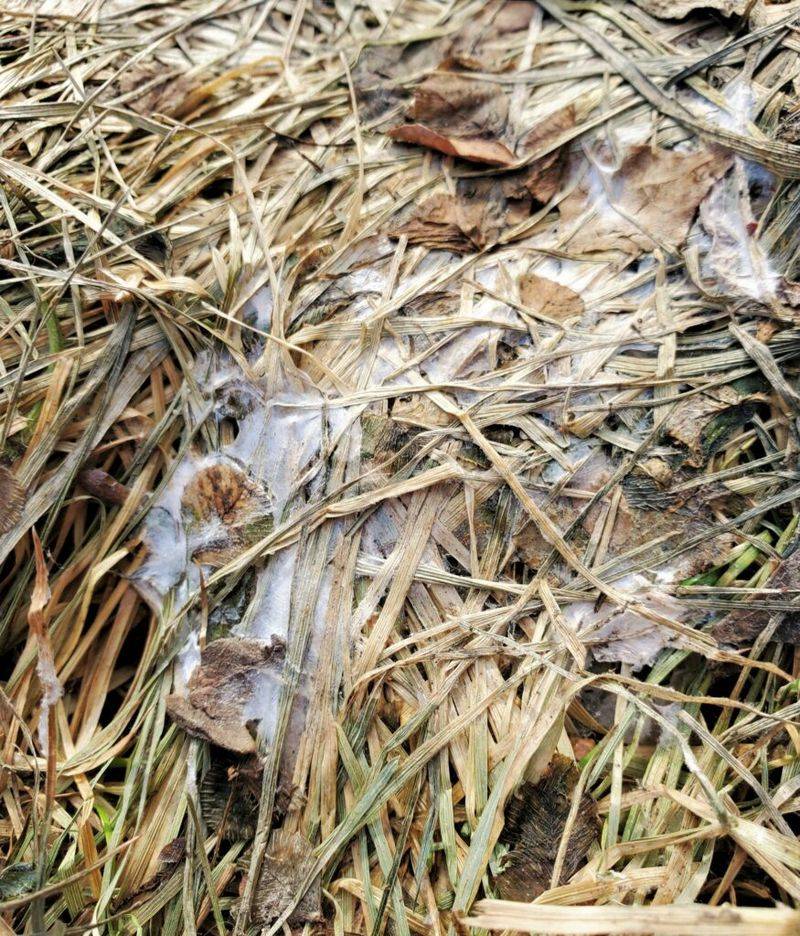
Spring arrives, the snow melts, and suddenly your yard has strange gray or pinkish circles. That crusty, matted look is often snow mold, and it can be an unwelcome surprise.
Snow mold is a fungus that loves cold, damp, cozy spots. Long grass is a perfect hiding place.
When tall blades flop over under snow, they trap moisture and create a little fungus hotel.
A shorter final cut helps cut down on this problem. Mowing before winter lets more air move through the grass.
Better airflow means less trapped moisture, and that makes life harder for mold.
Trimming down to about 2.5 to 3 inches also shrinks the amount of leaf surface where fungi can settle in. Less real estate for mold means fewer patches to deal with later.
Leaves matter here too. A thick layer of leaves left on the lawn can hold dampness, just like long grass.
Clearing them before the first big snow gives your yard an extra layer of protection.
Think of it as tucking your lawn into bed properly. A neat haircut and a clean surface go a long way.
Pair proper mowing height with good leaf cleanup, and your risk of snow mold drops considerably.
6. Don’t Scalp The Lawn
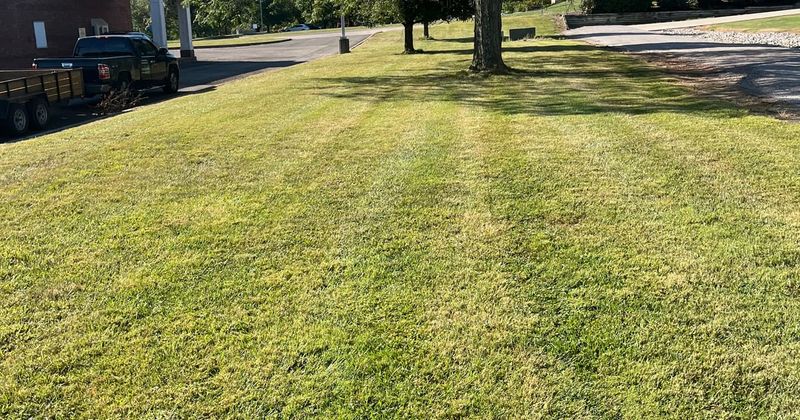
Some folks think one super short cut will save them work until spring. Unfortunately, that shortcut can cost your lawn a lot.
Scalping means mowing so low that the stem tissue shows, or chopping off more than one-third of the blade at once. For cool-season grasses, which cover most Ohio yards, scalping is a poor choice.
Here is what happens. Cutting too much at once stresses the plant and leaves fewer healthy leaves to carry it through winter.
Grass needs those leaves to make food, just like solar panels collecting energy.
Scalping can also harm the crown, the important growing point near the soil. When the crown gets hurt, regrowth can be slow or spotty.
Roots can weaken too, making the whole lawn less sturdy.
Bare soil is another problem. When grass is shaved too low, the dirt is left exposed.
Weeds see that open ground as an invitation and move right in.
Scalped lawns also struggle more with dry spells, foot traffic, and other everyday stresses. Grass density and quality often drop, leaving you with a thin, patchy yard.
The fix is easy. Stick to removing no more than one-third of the blade each time you mow.
Patience now pays off with thicker grass later.
7. Mow Over Fallen Leaves Instead Of Raking Them
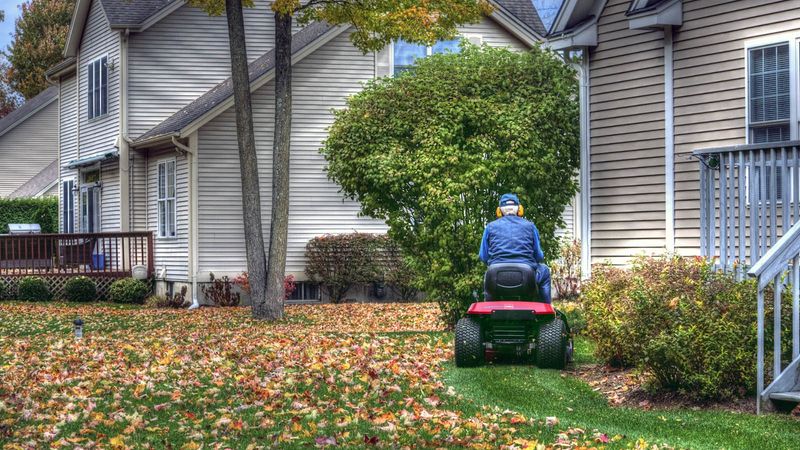
Good news for anyone with sore arms from raking. You may be able to put the rake down and let your mower handle the job.
Mowing over dry leaves chops them into tiny bits that settle down between grass blades. Over time, those pieces break down and feed the soil.
It is like giving your lawn a free snack made from your own trees.
Shredded leaves add nutrients and help build better soil structure. Healthier soil holds onto nutrients longer, which supports a tougher, more resilient lawn.
Some homeowners find they need less store-bought fertilizer after a few seasons of mulching.
There are other perks too. Mulching saves time compared to raking and bagging.
It also keeps tons of yard waste out of landfills, which is a nice bonus for the planet.
Did you know? A thin layer of leaf mulch can even help hold back weeds.
It blocks sunlight from reaching weed seeds, making it harder for them to sprout.
For the best results, mulch when leaves are dry. Wet leaves clump and stick to the mower deck.
This method works best with light to moderate leaf cover, so you may need two passes on busier days.
Look for grass peeking through the bits. That means you nailed it.
8. Bag The Last Mow If The Leaves Are Heavy
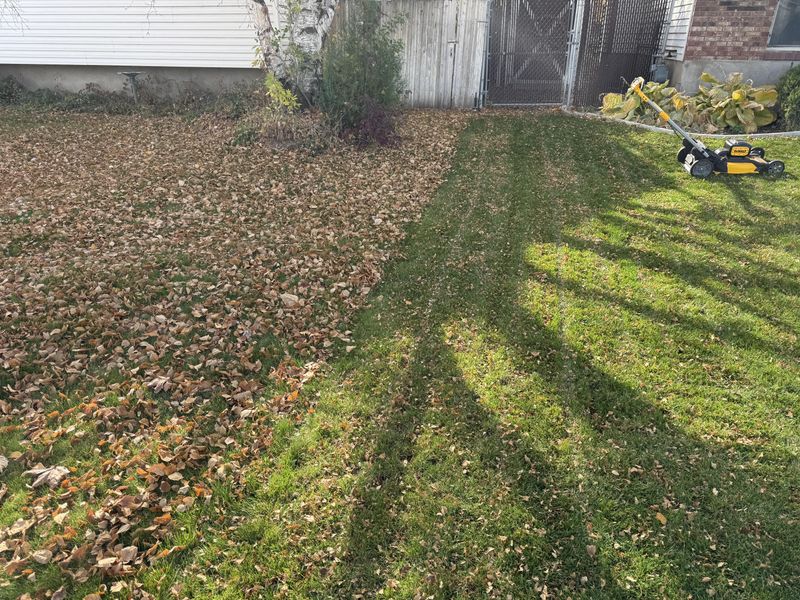
Some yards get a light sprinkle of leaves. Others look like a giant dumped a truckload of brown confetti overnight.
When leaf piles get really heavy, mulching alone may not cut it. If leaves form a thick mat more than a couple of inches deep, and your mower cannot chop them well in two passes, it is time to remove some.
Heavy, wet leaves can clog your mower and smother the grass beneath. Grass needs air and light, even in late fall.
A soggy blanket of leaves blocks both.
Watch for warning signs. Yellow or flattened grass under a layer of leaves means your lawn is struggling.
If the whole yard looks like a brown carpet, there are more leaves than the turf can handle.
A quick check helps. After mowing, can you still see grass blades through the chopped bits?
If yes, you are in good shape. If clumps are left behind, bag those spots.
A bagging mower is a handy tool here. It shreds the leaves while collecting them, so they take up much less space in your bags or compost pile.
Shredded leaves also break down faster if you compost them.
Mix and match as needed. Mulch light areas, bag the heavy ones.
9. Stay Off Frosty Or Frozen Grass
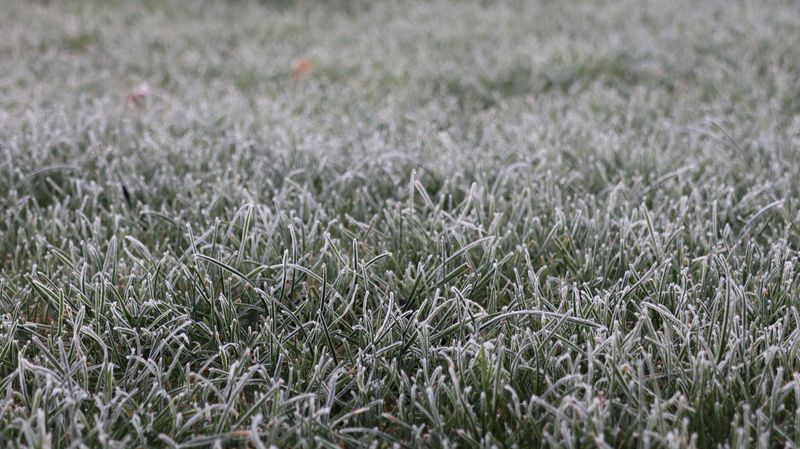
Frosty grass sparkles like sugar in the morning sun. It looks lovely, but it is also surprisingly fragile.
When the water inside grass blades freezes, it expands and makes the blades brittle. Step on them, or roll a mower across them, and those frozen cells can crack and break apart.
The damage happens right under your feet.
At first, you might not notice a thing. Within about 48 to 72 hours, though, browned footprints or wheel tracks can appear.
Those marks may stick around until spring before turning green again.
Repeated trips across frozen ground cause another problem called compaction. Pressed-down soil makes it harder for roots to grow and take in nutrients.
Over time, that can lead to thin or bare spots.
Late-season damage is extra frustrating. The grass has little time to recover before winter, so repairs may wait until warmer weather returns.
The solution is pretty simple. Wait until the frost melts and the lawn dries before you mow.
Late morning or early afternoon often works best on chilly fall days.
Try to use sidewalks and paths when frost covers the yard. Remind kids and visitors too.
A little patience on cold mornings helps your lawn wake up green and happy when spring finally rolls around.