Is November a Good Time to Plant Fruit Trees in Arizona’s Low Desert?
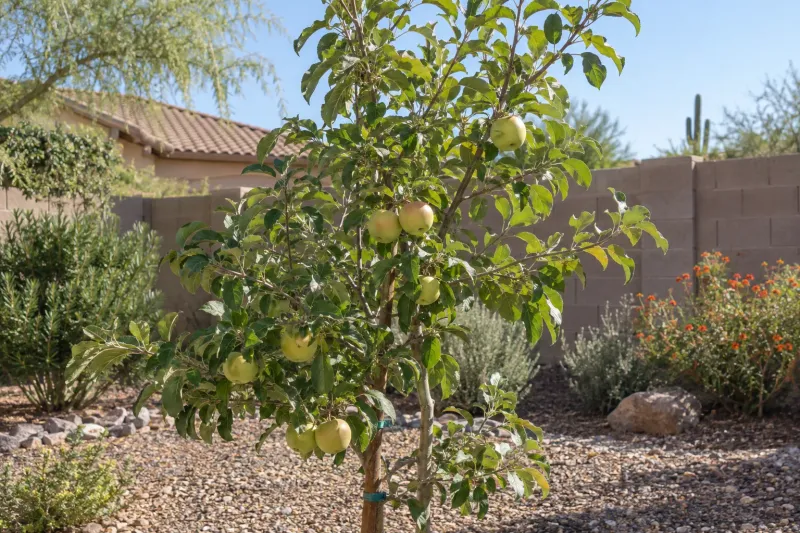
Plant a tree in the wrong month and it can spend its first summer fighting heat instead of growing roots. Arizona’s low desert gives gardeners a cooler window each fall that may help.
Does November fit that window for your yard? Here is how to decide, from choosing a variety to planting and watering with care.
Why November Can Work in the Low Desert
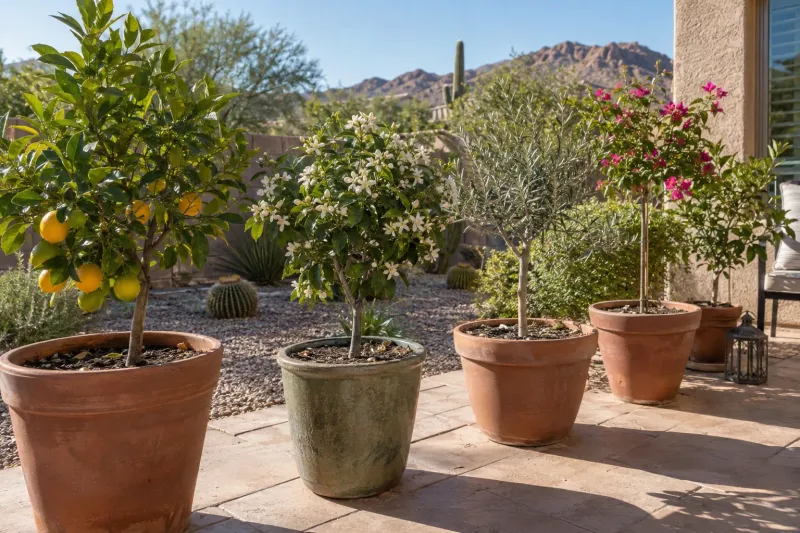
Cooler air changes the planting game in the low desert. University of Arizona Cooperative Extension’s November guide for Pima County calls it a good month for planting nursery trees before the first frost.
That makes it a useful opportunity, not a magic date.
The idea is simple. Roots need time to settle in before summer heat arrives, and mild weather gives a new tree a gentler start.
Extension’s container-tree guidance says to transplant when temperatures are above freezing and conditions are not too hot and dry.
Keep the limits in mind from the start. This advice applies mainly to suitable container-grown trees in the low desert.
Bare-root trees, citrus, and higher-elevation yards follow different calendars, and no planting month can guarantee that a tree will establish or bear fruit. Your site, your soil, and your care all matter just as much as the date on the calendar.
Choose a Fruit Variety for Local Conditions
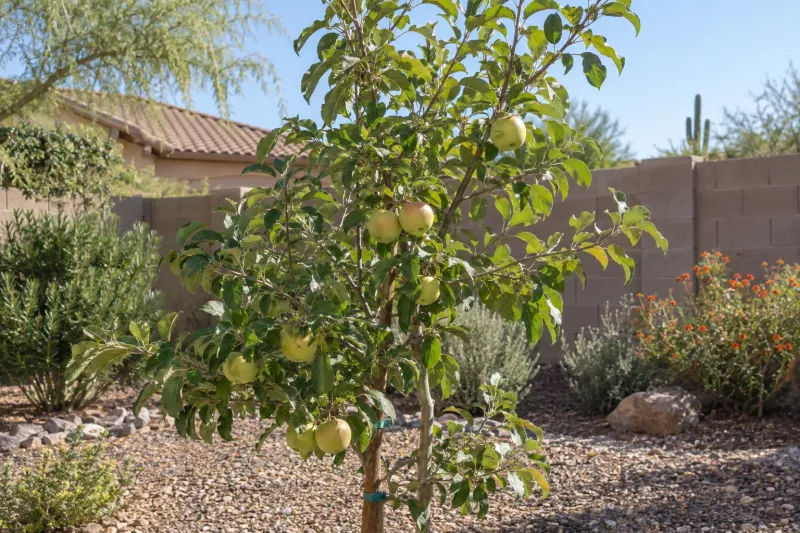
A fruit tree’s name tells you less than its winter chill needs. Chill hours are the cold winter hours a deciduous tree needs to flower and fruit well.
University of Arizona guidance says low-desert winter chill commonly averages roughly 300 to 400 hours.
For the warmest low-desert zones, Extension suggests varieties needing under 300 hours. Broader low-desert advice runs higher.
Treat these numbers as regional guides, not exact cutoffs, because chill varies by year, site, and source, and they do not promise a crop.
Harvest timing and pollination count too. Extension recommends early-maturing fruit to reduce exposure to intense heat before harvest.
Some trees need a compatible pollinizer, so a yard with room for only one tree may suit a self-fruitful variety better.
When November Advice Does Not Apply
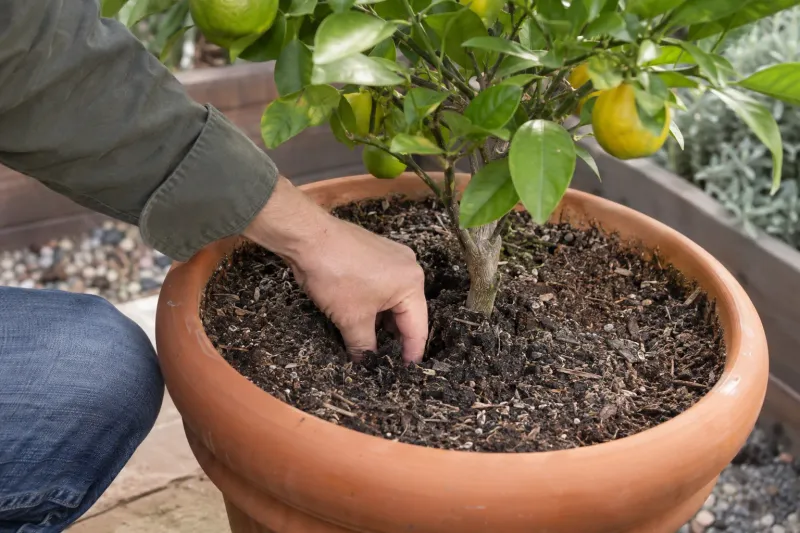
Arizona is not one growing zone. Extension climate-zone guidance separates the low desert from higher elevations, where freezes are more frequent and planting calendars differ.
Phoenix or Tucson timing should not be copied to Flagstaff or Prescott.
Stock form matters as well. Extension’s January guide for Pima County gives January as the window for bare-root deciduous fruit trees.
For mid-elevation yards, Extension advice is to plant bare-root trees while dormant, before bud break.
Citrus is its own case. Extension names March as a good month to plant a new citrus tree, and citrus is not especially cold-hardy.
Before you buy, check your location, tree type, stock form, and frost exposure instead of leaning on one statewide calendar.
Set the Container Root Ball at the Right Height
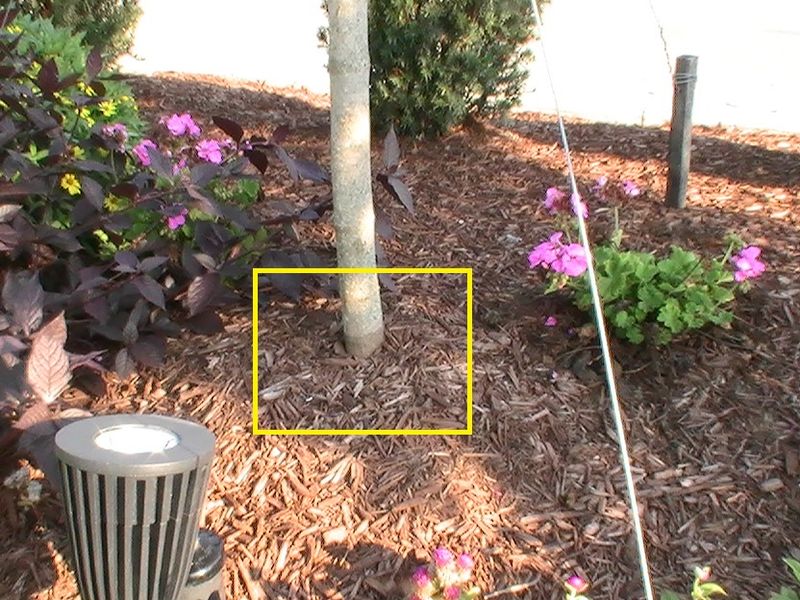
Planting height is where many good trees go wrong. Extension’s container-tree guidelines call for a hole no deeper than the prepared root ball and only slightly wider.
A shallow, snug hole keeps the tree from settling too low.
Set the root ball level with or slightly above the surrounding grade. Then check the graft union, the bumpy bend where the fruiting variety joins the rootstock.
It should stay above grade.
Backfill with the native soil you dug out, not with amendments mixed into the hole. Native soil helps roots reach beyond the planting spot instead of circling inside it.
Finish by watering the root ball itself, since that is where the new roots still live.
Water for Establishment, Not by a Fixed Calendar
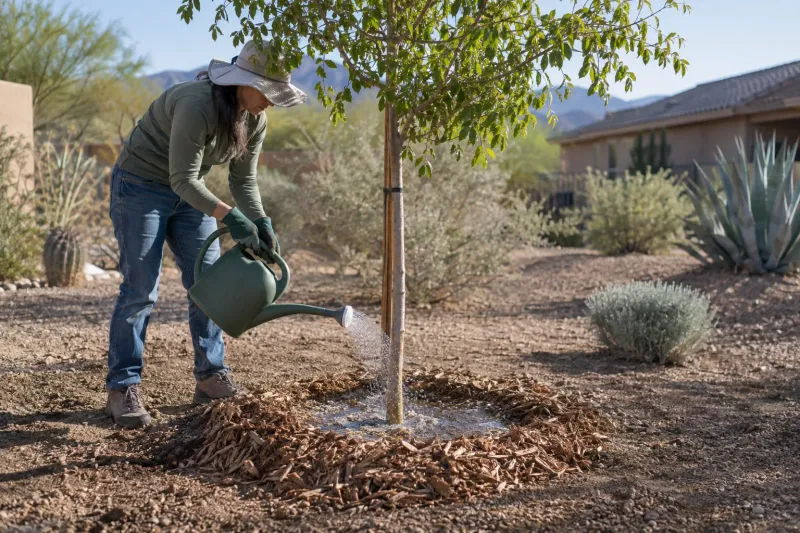
Early watering sets the tone for the whole first year. Extension recommends keeping the root ball moist during the first few weeks.
After that, you lengthen the time between waterings as the tree establishes and the weather allows.
No single schedule fits every yard. Sandy soil dries faster than clay, and a warm, windy week asks for more water than a cool, cloudy one.
Check the soil near the root ball before each watering rather than following the calendar.
Aim water at the root zone without wasting it deep below, as Extension’s tree-watering advice explains. Add a layer of surface mulch, but keep it away from the trunk.
A fruit tree is not a no-water plant, so plan on irrigation for the long run.
Plan for Frost, Space, and the Tree You Choose
Cooler weather does not mean frost has stayed away. Extension’s Pima County guide notes that the first frost sometimes arrives in mid-to-late November.
It advises having protection ready for sensitive plants, so keep frost cloth handy.
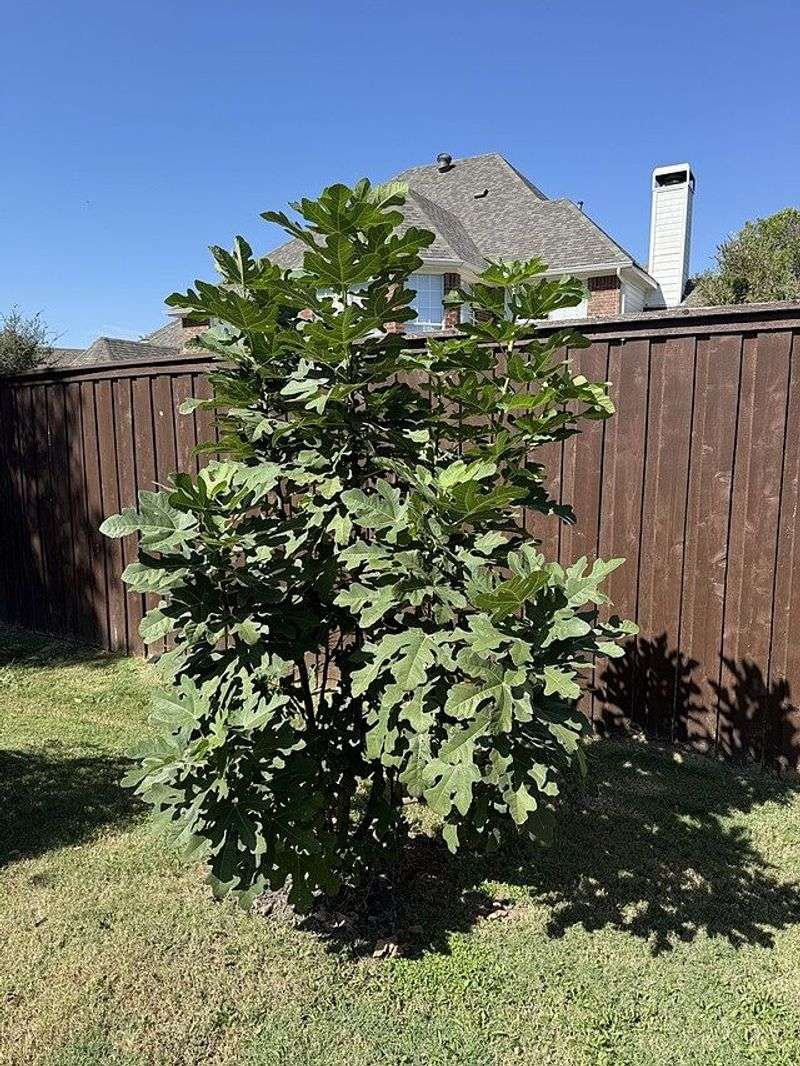
Figs make a helpful example, though not a rule for every fruit tree. Extension’s low-desert fig guide recommends planting in fall or early spring.
It also lists a mature height of 10 to 30 feet, so measure your space before you buy.
Before you plant, confirm your climate zone, tree type, stock form, and your ability to give establishment care. If those line up, November can be a favorable time to start, though it will not promise a harvest.
A tree that fits its spot is the one worth planting.