7 Unusual Fruits New Yorkers Can Actually Grow
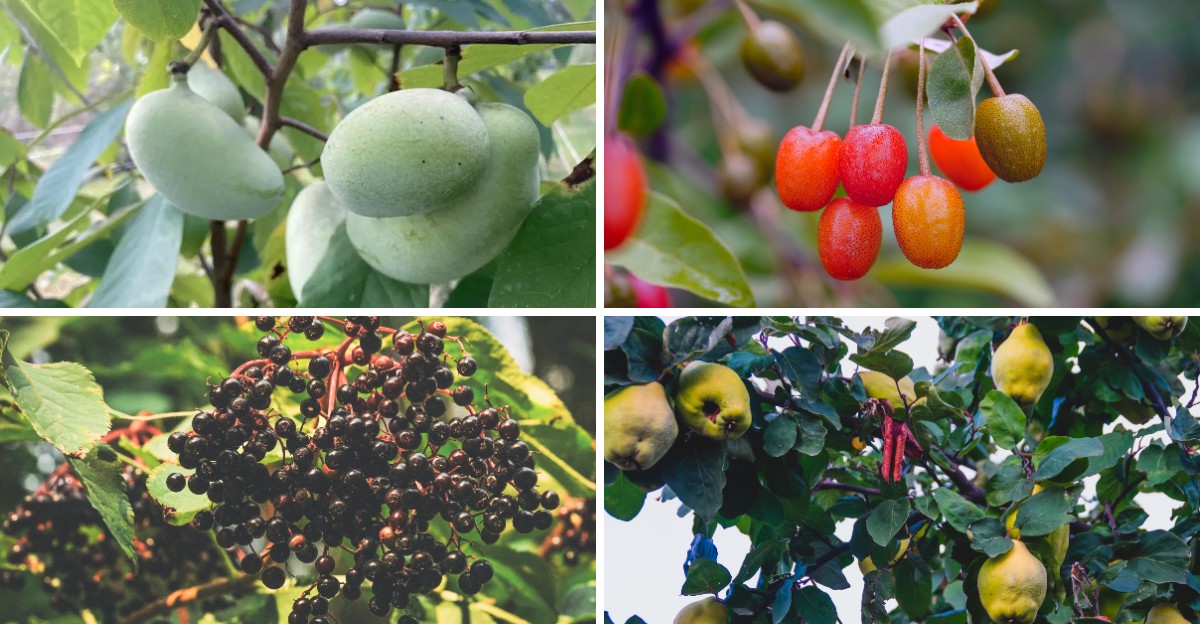
North America’s largest native fruit tastes like banana custard, and it grows wild in parts of western New York. Most shoppers have never seen one in a grocery store because the soft fruit bruises easily.
That same surprise repeats across a whole group of odd, delicious fruits hiding in plain sight around the Northeast. Some bloom on bare branches in March, while others ripen late into autumn, often around the first frost.
I have to admit my first harvest of these oddballs felt like discovering a secret menu at my favorite diner. You might notice neighbors leaning over the fence once those strange fruits start coloring up on your branches.
Cold winters scare plenty of gardeners away from anything beyond apples and strawberries. So which unusual fruits can truly handle the snow, the clay, and the wild swings of spring weather?
1. Pawpaw
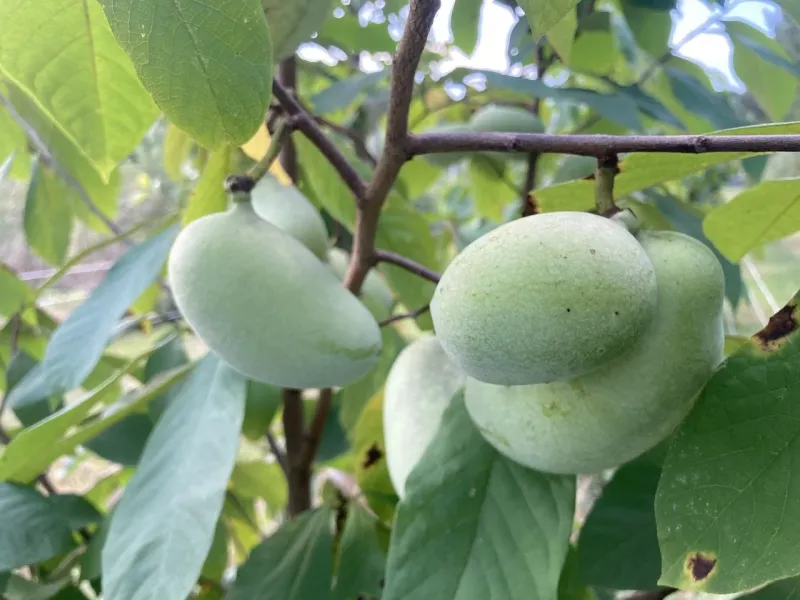
Tropical flavor from a tree that shrugs off snow still makes me grin every single September in my yard. Pawpaw fruit tastes like a creamy blend of banana, mango, and melon wrapped in green skin.
Asimina triloba grows wild in eastern woodlands and handles USDA zones 5 through 8 across much of the state. The small understory tree usually reaches 15 to 25 feet with big, droopy leaves that look borrowed from a jungle.
You need two genetically different trees, since most pawpaws refuse to pollinate themselves and fruit poorly alone. Space them 15 to 25 feet apart, and handle the fragile taproot gently when you set them in the ground.
Young seedlings prefer partial shade for their first year or two because strong sun can scald tender leaves. Older trees fruit best in full sun, so plan a spot that opens up as they grow taller.
Keep soil evenly moist during those early seasons, especially through hot spells in July and August each year. Slightly acidic, fertile, well-drained ground suits them best, with a pH somewhere between 5.5 and 7.0.
Personally, I love watching zebra swallowtail caterpillars munch the leaves, since pawpaw serves as their only host plant. Those odd brownish-purple spring flowers are easy to miss, but the late summer fruit makes up for it.
Ripe fruit softens like a peach and drops easily, so check the branches often once late August arrives. Raccoons and squirrels know the schedule too, and they rarely leave leftovers for slow gardeners to collect later.
2. Goumi
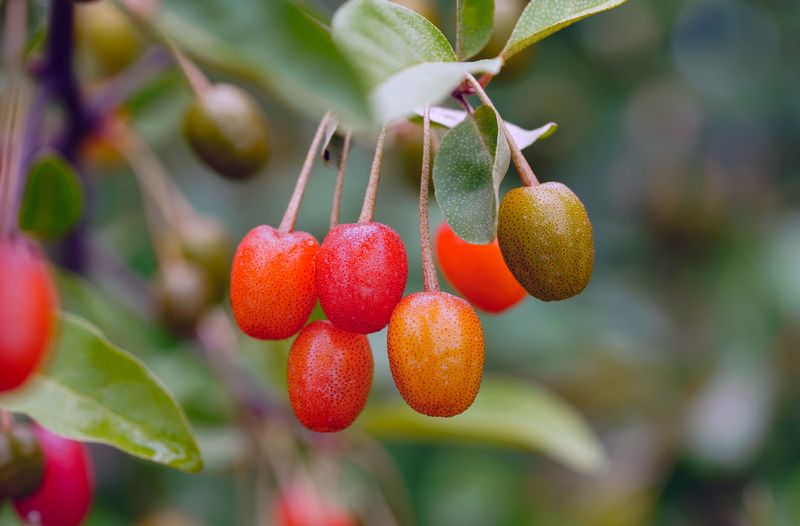
Shiny red berries freckled with tiny silver dots make goumi look like a cherry wearing glitter in June. Few shrubs ripen this early, and I happily snack on them while weeding the vegetable beds nearby.
Elaeagnus multiflora is hardy in zones 4 through 9, so it handles every corner of the state with ease. Mature shrubs usually grow 6 to 10 feet tall and wide, with glossy leaves showing silvery undersides.
Unlike its weedy cousin autumn olive, goumi is not listed as invasive and spreads without much aggression at all. That difference matters, so buy plants labeled clearly with the correct species name from a trusted nursery.
Roots work with soil bacteria to fix nitrogen, which feeds the shrub and helps neighboring plants grow better too. You rarely need extra fertilizer, and established plants tolerate dry spells, poor sand, and heavy clay surprisingly well.
Fragrant cream flowers open in April or May, filling the air with a sweet scent that pollinators adore. Berries ripen from late May into July and taste tart until fully red and slightly soft to the touch.
Plant two varieties close together if you want heavier harvests, since cross-pollination boosts the crop quite a bit. Full sun gives the most fruit, though light shade still produces a decent bowl for summer smoothies.
Robins and cedar waxwings watch those branches closely, so netting can help when berries start blushing deep red. Deer tend to ignore goumi, which feels like a small miracle in many suburban gardens around the region.
3. American Persimmon
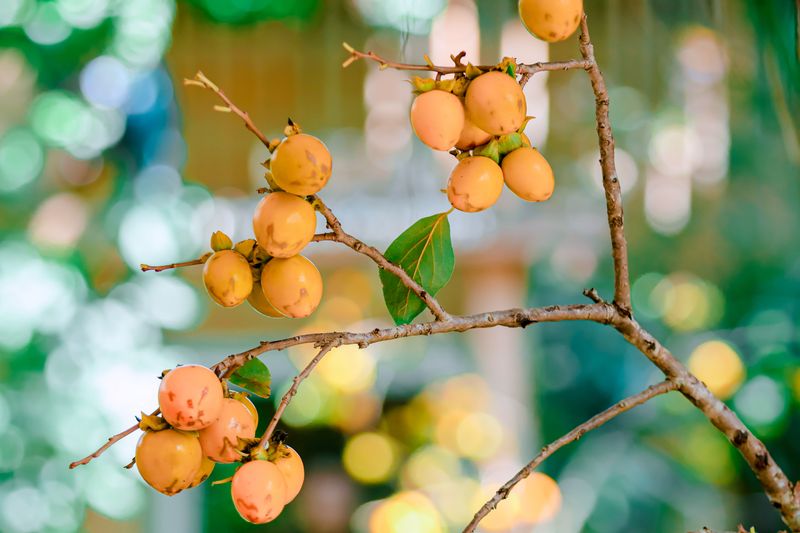
Bite an unripe persimmon once, and your mouth puckers so hard you will remember the lesson for years. Wait until the fruit turns fully soft, though, and the flavor turns rich like honey and dates combined.
Diospyros virginiana is native to the eastern United States and grows in zones 4 through 9 across New York. Cultivated trees often stay shorter than wild ones, which can reach 60 feet in rich bottomland forests.
Mature trunks develop thick, blocky bark that looks remarkably like alligator skin, which I find charming in winter. Autumn leaves glow in copper, red, and purple shades before dropping to reveal the bright orange fruit underneath.
Most trees are either male or female, so you usually need both to get a crop of fruit. Grafted trees can start bearing within about three years, while seedlings may take four to nine years.
Full sun encourages vigorous growth, though partial shade still works for this adaptable tree in many backyard settings. Sandy soil, clay, and occasional flooding rarely bother it, and drought and city conditions are handled quite well.
Prune young trees to build sturdy branches strong enough to hold heavy fruit loads in later autumn seasons. Fallen fruit can get messy, so avoid planting directly over patios, sidewalks, or parking spots near your house.
Wildlife loves the harvest, from foxes and turkeys to songbirds visiting on chilly mornings for a sweet meal. I like gathering fruit straight from the ground after frost, when it feels squishy and tastes like candy.
4. Serviceberry
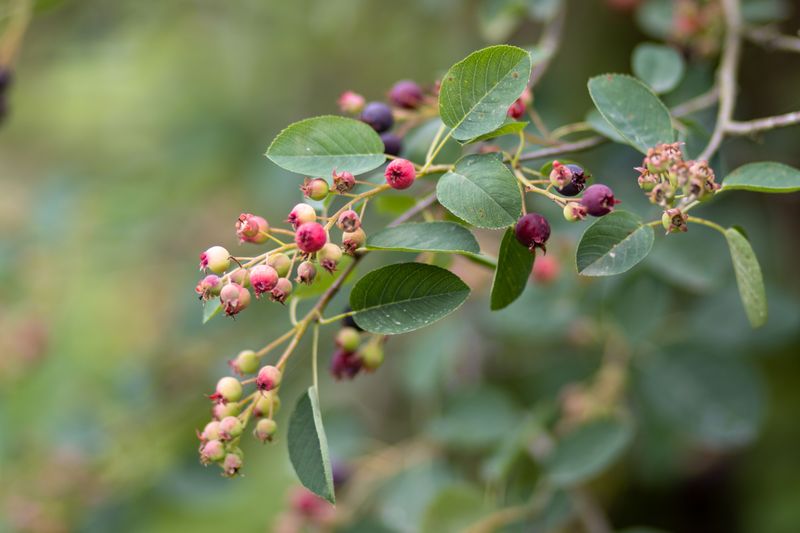
Old folk stories say serviceberry bloomed just as spring roads thawed enough for traveling preachers to hold services. Whether true or not, the name stuck, and the white blossoms still announce spring across the Northeast.
Amelanchier species are native to North America and hardy in zones 2 through 9, covering the whole state comfortably. Plants range from 4 to 25 feet tall, forming multi-trunked shrubs or small trees with smooth gray bark.
Clusters of five-petaled white flowers open from late March into May, often before the leaves fully unfold. Those blooms resemble cherry blossoms, and early bees seem thankful for the snack during chilly spring mornings.
You might know it as Juneberry because fruit ripens from June into August, turning dark purple or blue-black. The berries taste sweet and juicy, a bit like blueberries with a gentle almond note from their small seeds.
Full sun or partial shade works, though deep shade reduces flowering and fruiting quite a bit for most plants. Serviceberry adapts to many soil types and pH levels, and established plants handle dry spells better than expected.
Root suckers pop up often, so leave them for a shrubby look or prune them for a tree shape. Fall is a smart time for pruning because cuts lose less sap than in late winter or spring.
Personally, I rarely beat the birds to the ripest berries, but I enjoy the competition each early summer. Many butterfly and moth caterpillars also feed on the leaves, making this plant a real wildlife buffet.
5. Cornelian Cherry
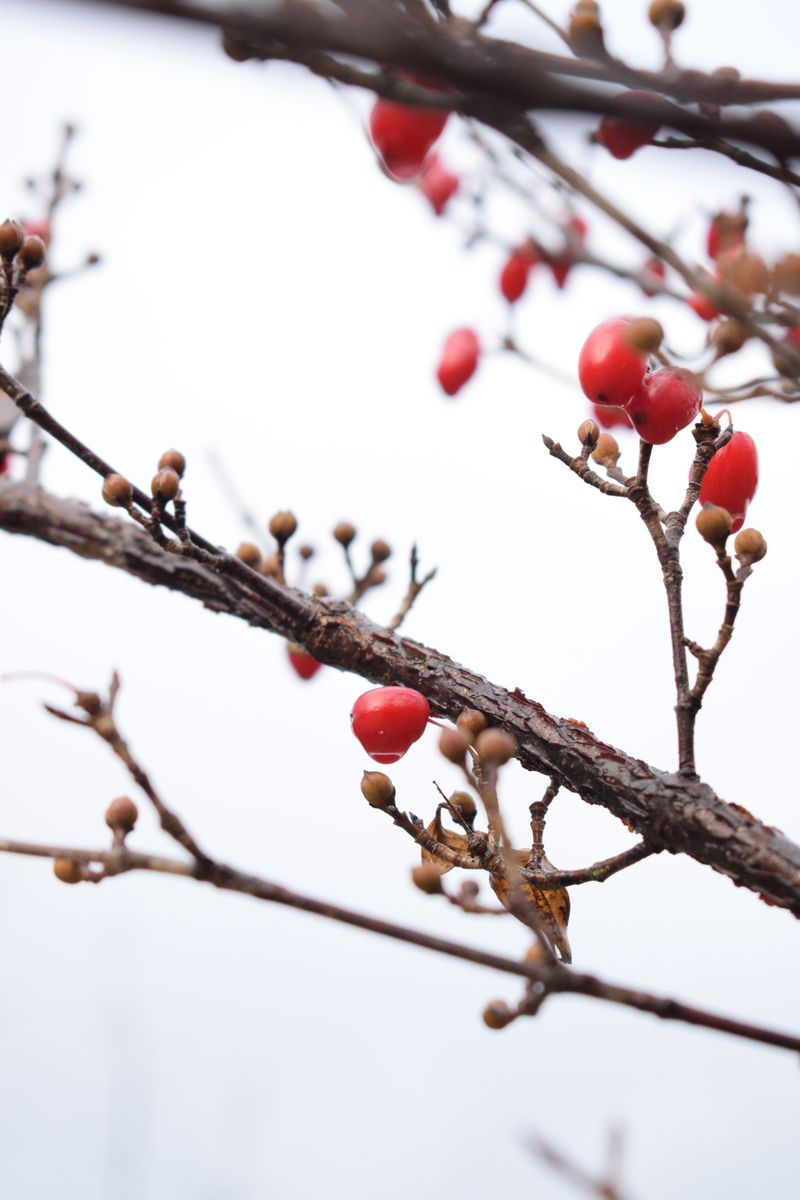
Bright yellow puffs on bare branches in March fooled me into thinking forsythia had wandered into the wrong yard. Those early blooms belong to cornelian cherry, a dogwood relative with fruit that tastes tangy like sour cherries.
Cornus mas comes from Eastern Europe and Western Asia, and it is not considered invasive in North America. Hardy in zones 4 through 8, it fits most New York gardens without needing winter wrapping or special care.
Flowers can handle temperatures down near 18 degrees, which matters a lot during unpredictable late winter cold snaps. Bees welcome that early nectar when very little else is blooming in surrounding gardens, woods, or roadside hedges.
Oval, glossy fruit ripens dark red in midsummer and measures roughly half an inch to an inch long. Raw berries taste quite tart, so most growers turn them into jam, syrup, or pie filling with sugar.
Grafted plants often fruit within a year or two, while seedlings may need six to ten years to bear. Shop for named varieties if you want larger, sweeter fruit and quicker harvests from your young shrubs.
Full sun or partial shade suits it, along with moist, well-drained soil that stays fairly rich in organic matter. The shrub accepts pruning well, so many gardeners shape it into a handsome hedge along property lines.
I love how resistant it stays against common dogwood troubles like anthracnose and borers, which plague other species. Scaly, peeling bark on older trunks adds winter interest when the garden looks bare and gray outside.
6. Quince
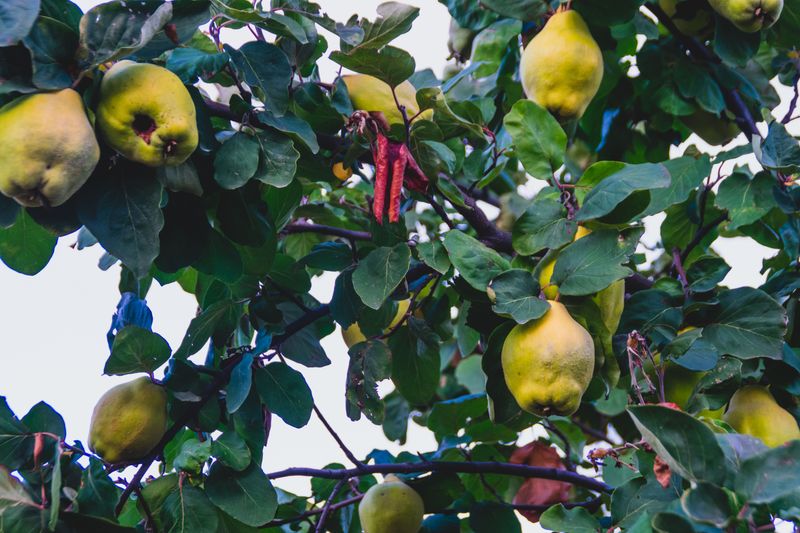
One ripe quince sitting on a kitchen counter can perfume the whole room with a sweet floral scent. Grandparents across New York once grew these golden fruits, and many old farmhouses still have a gnarled tree.
Cydonia oblonga is hardy in zones 5 through 9, though flower buds may suffer below about minus 15 degrees. A sheltered spot protected from harsh wind and sudden temperature swings helps the tree stay healthy and productive.
Trees grow slowly to about 10 to 20 feet, developing knobby bark and twisted branches with real character. Pinkish-white blossoms about two inches across open in April or May, looking similar to apple flowers up close.
Raw fruit tastes hard and astringent, so cooking is where quince truly shines in the kitchen for most families. Slow simmering turns the pale flesh rosy and tender, with a honeyed flavor perfect for jelly or paste.
Give it at least six hours of sun and deep, fertile, well-drained soil with a pH around 6.0 to 7.5. Avoid soggy clay, and water regularly because quince prefers moderate to heavy moisture through the growing season.
Remove the seeds before cooking, since they contain compounds that should not be eaten by people or pets. Also, do not confuse true quince with ornamental flowering quince, a different shrub with small, hard fruit.
Watch for fire blight, borers, and codling moth, which can trouble quince much like apples and pears. Harvest fruit in autumn by cutting it from branches once the fuzzy gray coating fades and the skin turns golden.
7. American Elderberry
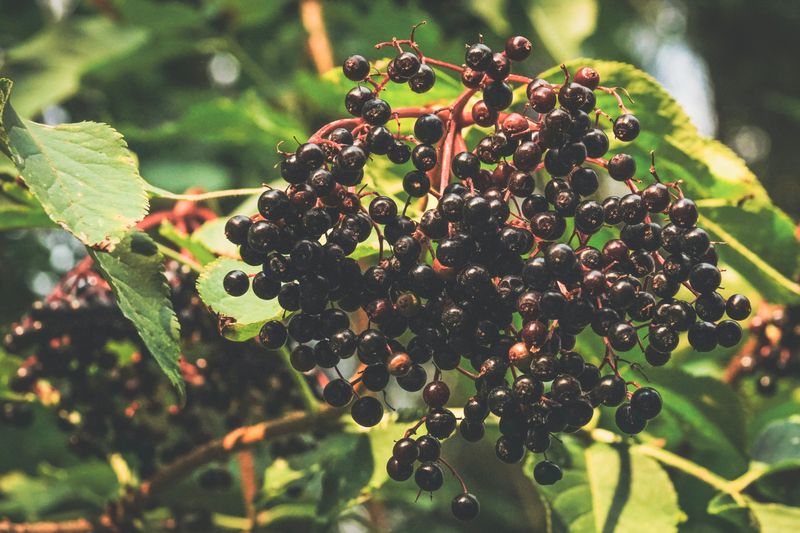
Dinner-plate clusters of tiny white flowers in June make elderberry bushes look like they are hosting a garden party. By late summer, those same clusters droop under the weight of glossy purple-black berries ready for picking.
Sambucus canadensis is native to eastern North America and thrives in zones 3 through 9 without much fuss. The multi-stemmed shrub usually reaches 5 to 12 feet tall and wide, often sprawling into a loose, leafy mound.
Plant at least two different varieties, such as Adams, York, Nova, or Bob Gordon, for a heavier crop. Keep them within roughly 60 to 100 feet of each other so pollinators can carry pollen between the shrubs.
Full sun brings the biggest harvests, though partial shade still works if your yard has some leafy neighbors. Moist, well-drained, fertile soil keeps plants happy, and regular watering during dry spells helps berries swell nicely.
You need to cook ripe berries before eating, since raw fruit can cause stomach upset for many people. Stems, leaves, and seeds also contain troublesome compounds, so strip berries carefully from clusters before making syrup or jam.
Spacing bushes 5 to 8 feet apart improves airflow, and early spring or early fall suits planting well here. Root suckers may wander a bit, but simple pruning each year keeps the patch tidy and manageable.
I have to admit the songbirds sometimes beat me to the harvest, and honestly I rarely mind sharing. Butterflies also visit those lacy flowers, turning a single shrub into a lively hangout for backyard wildlife.