Is Virginia’s Drought Over After the Thanksgiving Storm? What It Means for Your Trees and Garden
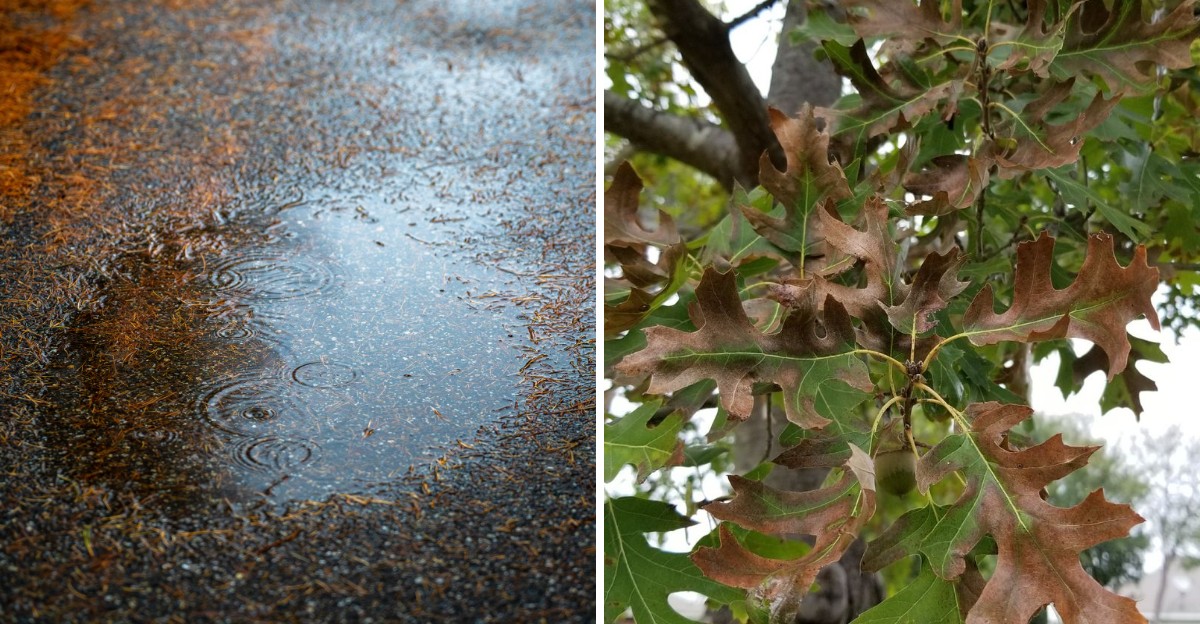
The Thanksgiving storm turned my holiday into a soundtrack of drumming rain and gurgling gutters. Some parts of Virginia picked up a few inches before the pie was even served.
The next morning, I checked the creek behind my house. Truth be told, I expected it to be roaring, but it was still showing rocks I usually only see in August.
That gap between soggy mulch and skinny streams got me curious. Months of dry weather built up a deficit that sits far below the surface, down where tree roots and wells do their quiet work.
If you ask me, one wet holiday weekend feels like a fresh start. But does the ground agree, or is it still waiting for more?
Those Thanksgiving Puddles Tell Only Part of the Rain Story
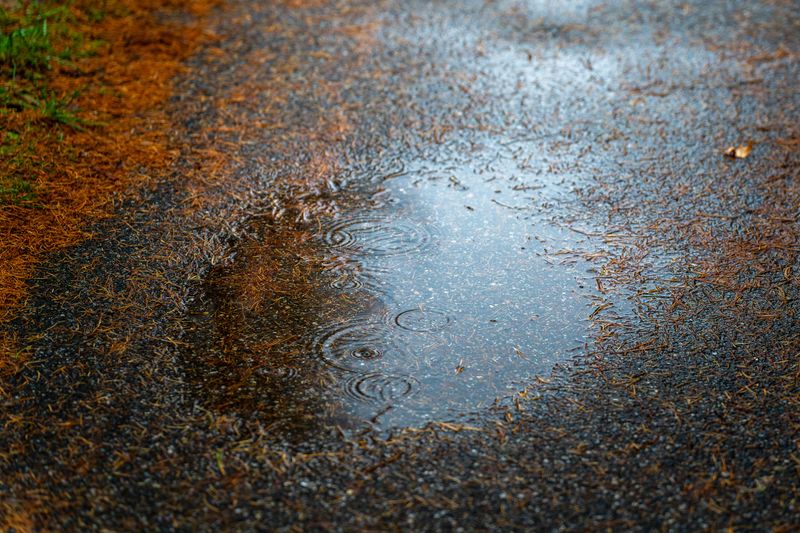
Puddles on the driveway felt like a victory lap after that storm. I splashed through one on purpose, grinning like a kid.
Still, the numbers paint a more careful picture. In mid-November, much of the state was in drought, and many other areas were rated abnormally dry.
The Roanoke River basin had been under a drought emergency since July.
One coastal storm that brought a few inches of rain to some spots helps a lot. The trouble is that rain does not fall evenly.
Some counties got a soaking while others saw far less, so your backyard may look nothing like a friend’s yard an hour away.
Drought experts look at more than a rain gauge. They track groundwater, streamflow, reservoir levels, and deep soil moisture.
Those reserves drain slowly over months, and they refill slowly too.
Think of it like a savings account that dropped low over a long summer. One big deposit helps, but it rarely fills the balance back up.
For the latest picture, check the U.S. Drought Monitor map.
It updates every Thursday and shows conditions county by county. Virginia’s Department of Environmental Quality also posts drought status for each region of the state.
So the honest answer is that the storm was a strong start. Recovery will take steady rain over several more weeks.
Deep Soaking Around Tree Roots Still Matters This Winter
Watering in late fall sounds a little odd, right? I used to coil up my hoses right after Halloween and call it done.
Here is what changed my mind. Trees and shrubs keep growing roots until the soil gets cold, often into early winter in much of Virginia.
Evergreens like hollies, boxwoods, and pines also lose moisture through their needles and leaves all winter long.
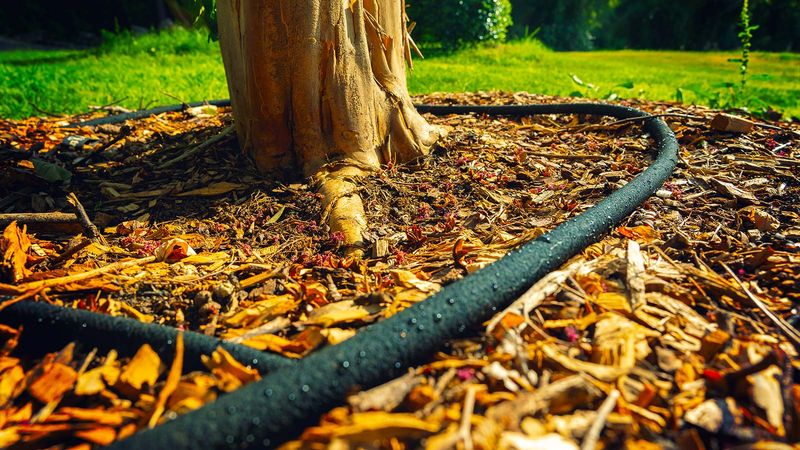
If your rain gauge shows less than about an inch a week, give trees a slow, deep drink. A soaker hose or a hose left at a trickle works great.
Aim for the soil from the trunk out to the edge of the branches, where most feeder roots live.
Skip the quick sprinkle. Light watering wets only the top inch and encourages shallow roots that dry out fast.
Deep watering pushes moisture down 8 to 12 inches, so roots follow it.
A few easy rules help:
Water on mild days when temperatures are above freezing. Morning works best so moisture soaks in before evening chills.
Keep water off the trunk itself to avoid rot.
Newly planted trees need the most attention. Anything planted in the last two or three years has a small root system and less reserve to fall back on.
Once the ground freezes, you can put the hose away for real.
Stressed Oaks and Maples Can Hide Drought Damage for Years
My favorite red maple looked fine in spring. By the next summer, its top branches had thin, small leaves, and I finally connected the dots to the dry year before.
That delay surprises a lot of folks. Trees often show drought stress one to three years after the dry spell ends.
Here is why. Long dry periods damage the fine root hairs that soak up most of a tree’s water and nutrients.
With fewer working roots, the tree makes less food through photosynthesis. Its energy savings shrink, and pests or diseases find it easier to move in.
Borers, bark beetles, and root rot fungi tend to target weakened trees. Healthy trees fight them off much better.
Watch for these clues next year:
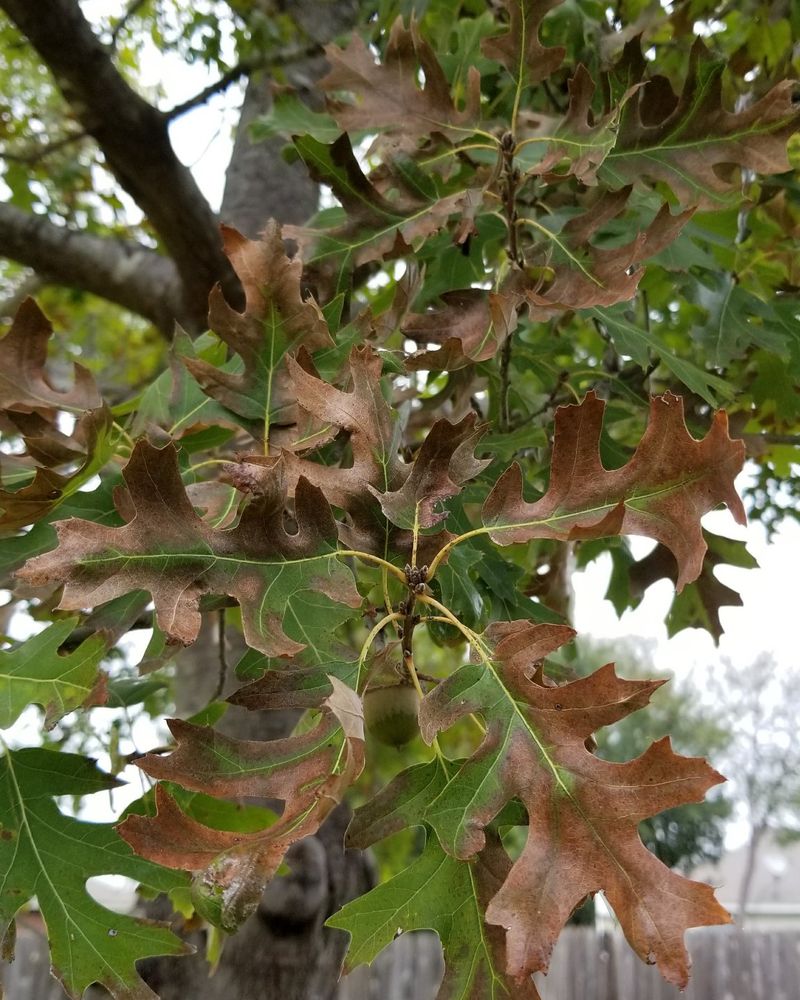
Leaves that are smaller or paler than usual. Scorched brown edges in summer.
Early fall color or leaf drop. Thin canopies and withering twigs at the branch tips.
Shallow-rooted trees like dogwoods, birches, and maples often react first. Big old oaks may take longer to show it, but they can struggle too.
If a large tree near your house looks off, call an ISA certified arborist. They can check for decay and help you decide on care.
Spotting trouble early gives your trees the best shot at bouncing back.
A Fluffy Ring of Shredded Leaf Mulch Holds That New Moisture
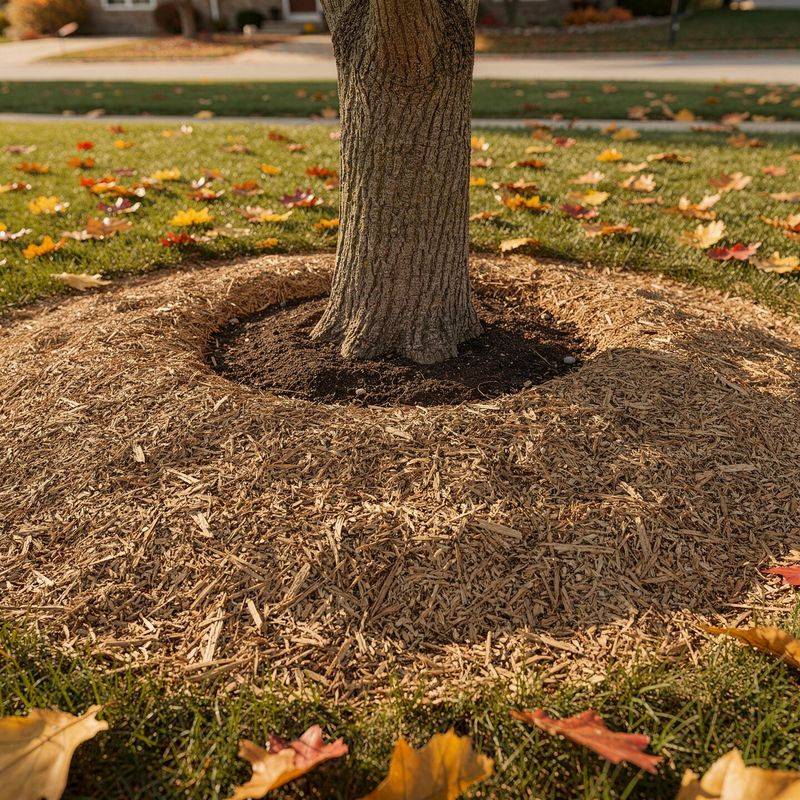
Free mulch is falling from the sky right now. Those piles of autumn leaves in your yard might be the best drought tool you own.
Shred them with a mower first. Whole leaves can mat down and block water, but shredded ones stay loose and break down nicely.
Spread 2 to 4 inches of organic mulch around trees, shrubs, and perennial beds. Wood chips, pine straw, and shredded leaves all work.
Mulch slows evaporation, so more of that Thanksgiving rain stays in the soil where roots can use it.
It also keeps soil temperatures steadier through winter freezes and thaws. That cuts down on frost heaving, which can push young plants right out of the ground.
Now the part I learned the hard way. I once piled mulch against a young cherry tree like a cozy volcano.
The bark stayed damp, and rot and gnawing critters showed up by spring.
Pull mulch back 3 to 6 inches from trunks and stems. Picture a flat donut, not a cone.
For trees, spread mulch as wide as you can, ideally out toward the branch tips. A wide ring protects more roots and keeps mowers and string trimmers away from the bark.
As it breaks down, mulch feeds the soil too. Bonus points for zero cost.
Put the Fertilizer Bag Back on the Shed Shelf for Now
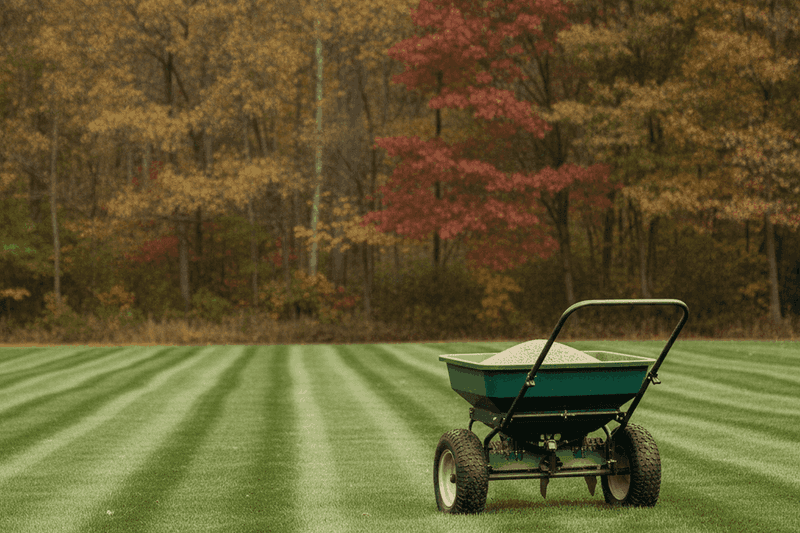
Feeding a tired plant seems kind. It feels like bringing soup to a sick friend.
For drought-stressed trees and shrubs, though, fertilizer often backfires. Nitrogen pushes new growth, and new growth needs water the roots may not be able to deliver.
The plant ends up spending energy it does not have.
Many fertilizers also contain salts. In dry soil, those salts can pull moisture away from roots and burn them.
Timing makes it trickier. Late fall growth on trees and shrubs is tender and can get damaged by hard freezes.
So what should you do instead? Grab a soil test kit from your local Virginia Cooperative Extension office.
Tests are inexpensive, and results tell you exactly what your soil lacks, plus its pH.
Fall is a great time to take a sample since labs are less busy. You will have results long before spring.
When conditions have clearly improved and plants are actively growing again, follow the test results. A slow-release product applied in spring usually suits recovering plants best.
One exception worth knowing. Cool-season lawns like tall fescue often get fed in fall, but skip it if your grass is still brown and dormant from drought.
Wait until it greens up and grows again.
Patience is the secret ingredient here.
Bare Winter Branches Make Pruning Brittle Wood Easier
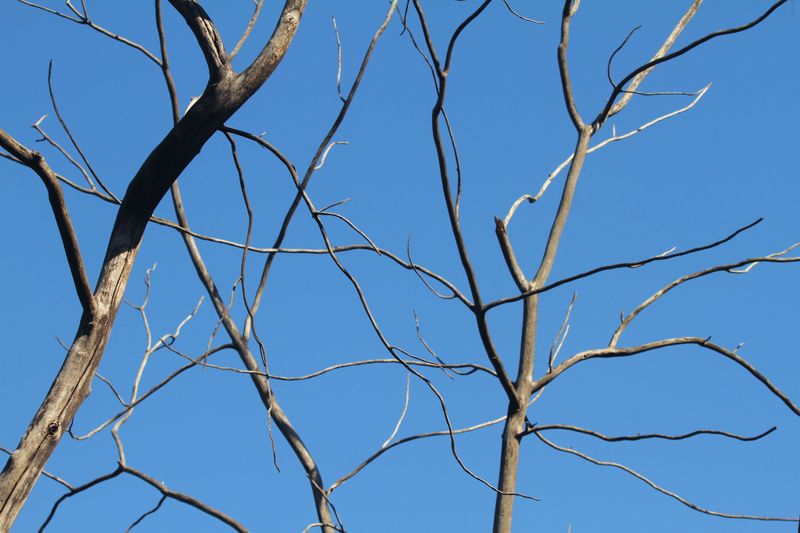
Leafless trees are honest trees. Once the leaves drop, every brittle twig and cracked limb shows up against the gray sky.
That makes late fall and winter a smart time to look closely. Walk around each tree and spot branches with no buds, peeling bark, or wood that snaps instead of bends.
Removing that brittle wood helps in two ways. It lowers the chance of limbs crashing onto roofs, cars, or people during winter storms.
It also removes spots where decay fungi and insects like to settle in.
Here is where you should hold back. Avoid heavy pruning of live, healthy branches on a drought-stressed tree.
Every leaf the tree grows next spring helps it make food, and big cuts leave wounds it has to seal with limited energy.
A simple scratch test helps. Scrape a bit of bark with your thumbnail.
Green underneath means alive, while brown and dry usually means it is gone.
Make clean cuts just outside the branch collar, the slightly swollen ring where a branch meets the trunk. Skip wound paint, since research shows trees seal better without it.
Large limbs or anything near power lines belong to a certified arborist. Ladders and chainsaws are a risky combo, and I value my weekend too much to try.
Native Plants Like Little Bluestem and Coneflowers Shrug Off Dry Spells
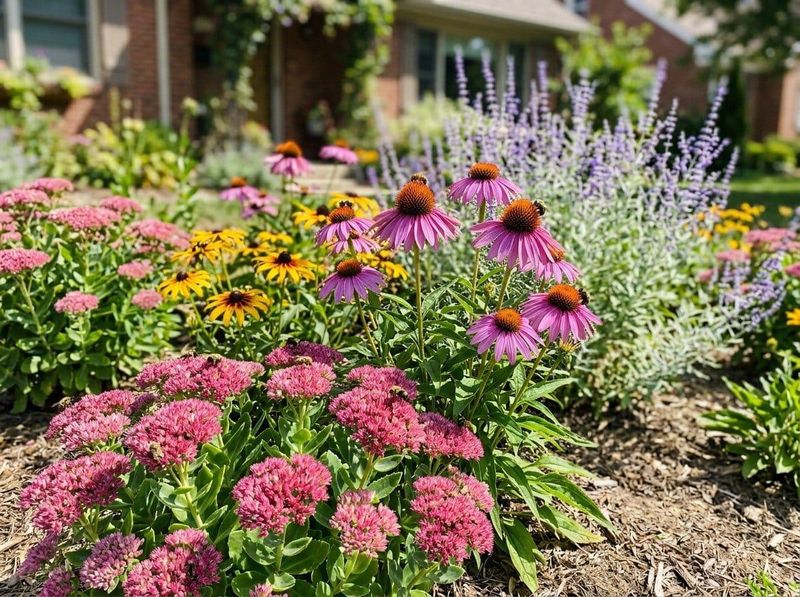
My toughest plants this past summer were the ones I fussed over least. The little bluestem and purple coneflowers barely blinked while my thirsty hydrangeas sulked.
Natives have deep roots and long practice with Virginia weather. Once established, many need far less watering than flashy imports.
Some reliable picks include little bluestem, black-eyed Susan, butterfly weed, and mountain mint. For shrubs, try inkberry, fragrant sumac, or New Jersey tea.
Trees like eastern red cedar, post oak, and blackgum handle dry stretches well in the right spot.
Healthy soil matters just as much as plant choice. Work compost into beds to help the ground soak up and hold water like a sponge.
Clay soils drain better and sandy soils hold more moisture with added organic matter.
Late fall is still fine for planting trees and shrubs in much of the state, as long as the ground is not frozen. Roots keep growing in cool soil, giving plants a head start before summer heat.
A few more easy upgrades go a long way. Set up a rain barrel to catch the next storm.
Group plants by water needs so you are not soaking drought-lovers.
The Virginia Native Plant Society and your local Extension office both share regional plant lists. Your garden will thank you next July.