Is Your California Garden Ready For A Strong El Niño Winter?
A forecast calling for a wetter than usual winter changes the math for a California garden almost overnight.
Tomato cages, clay pots, and a sloped flower bed that seemed fine all summer suddenly look like a list of problems waiting to happen once heavier rain enters the picture.
A strong El Niño often tilts California toward above average rain, though the actual effects can vary quite a bit by year and by region.
Some winters bring drenching storms week after week. Others fall short of expectations entirely, leaving gardeners who prepared heavily with little to show for the effort beyond a well protected yard anyway.
The good news is that a few smart steps taken this fall can help a garden handle whatever the sky actually delivers, regardless of which version of winter shows up.
Check Drainage Before The Rain Peaks
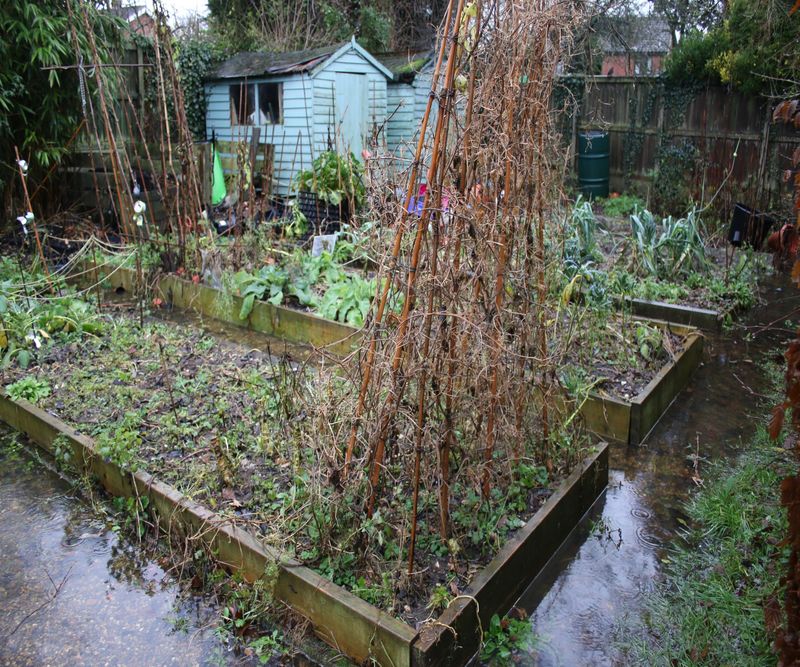
A puddle sitting on a lawn two days after a storm is telling you something important about the soil underneath. In much of California, the wettest months tend to fall between December and March, so autumn is exactly the right time to listen to that message.
Start with a simple percolation test. Dig a hole about one foot deep and one foot wide, fill it with water, and let it drain completely before filling it again and timing how fast the water level drops the second time.
UC Master Gardener programs generally treat drainage slower than about one inch per hour as a genuine warning sign. Soil that drains that slowly can leave roots sitting in soggy ground for days, which invites root rot to take hold quickly.
Heavy clay, common in many California yards, is often the culprit behind this kind of slow drainage.
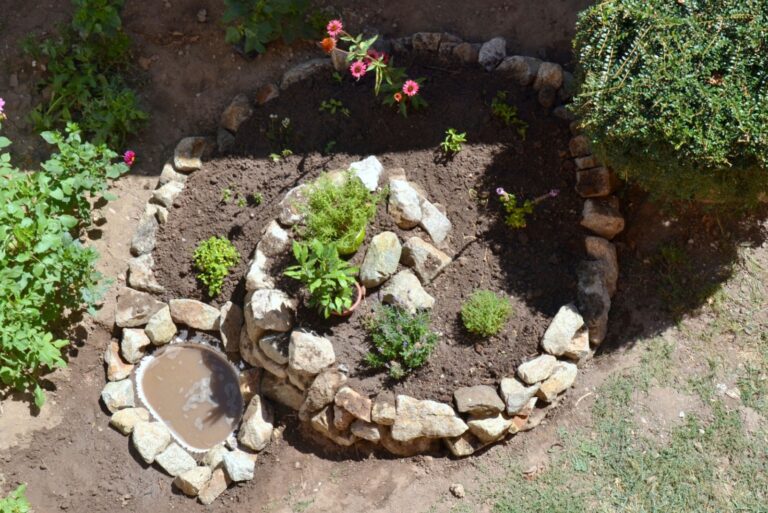
A few good fixes exist for this problem. Mixing compost into planting beds can slowly improve clay soil over time, while raised beds lift roots above wet ground entirely, which helps vegetables and plants that hate wet feet.
Walking the yard afterward and noticing where water travels matters too. The ground near the house should slope away from the foundation, and patios, paths, and downspouts should never dump water straight into planting areas below them.
Avoid digging or walking on soil when it’s already soaked, since wet soil packs down easily and compacted soil drains even worse than before.
Clear Gutters And Downspouts Completely
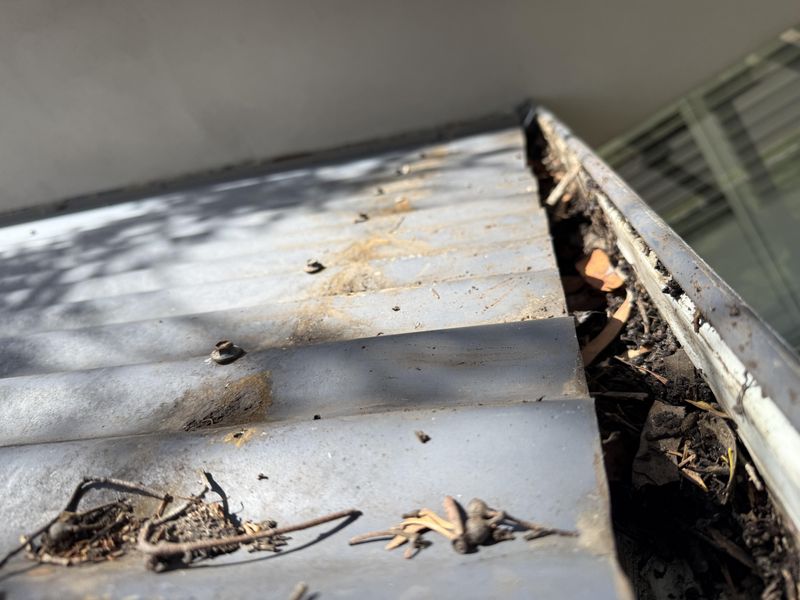
Nobody brags about cleaning gutters at a dinner party, yet this chore might save a garden more trouble than any other job on the entire list. A single clogged gutter can spill a waterfall of runoff onto the plants below during a heavy storm.
Even a modest California house can shed hundreds of gallons in one soaking rain, and when gutters overflow, that water often lands in one concentrated spot.
Digging holes, washing away mulch, and drowning roots all follow from that kind of concentrated overflow hitting the same patch of ground repeatedly.
Begin by scooping out leaves, pine needles, and seed pods by hand or with a small trowel. Then run a garden hose through each gutter to spot sagging sections or leaks before the rain arrives.
Your California Garden Changes Every Week. Your Plan Should Too.
Gardening in California changes quickly throughout the season. Every Friday you’ll receive a simple weekly plan showing exactly what to plant, prune, fertilize, harvest, and protect so you never miss the right timing.
Watch the downspouts closely to make sure water pours out freely at the bottom rather than backing up somewhere along the way.
Where that water ends up matters just as much as clearing the gutters themselves. Downspout extensions or splash blocks can carry runoff several feet away from the foundation entirely.
UC ANR guidance on managing stormwater also suggests directing water toward areas that can soak it up, like a mulched bed or rain garden, instead of onto hard surfaces nearby.
Checking again in midwinter is worth building into the routine. California trees such as sycamores and oaks can drop leaves over many weeks, so one cleaning early in fall may not be enough on its own.
Stake Anything Top Heavy Or Tall
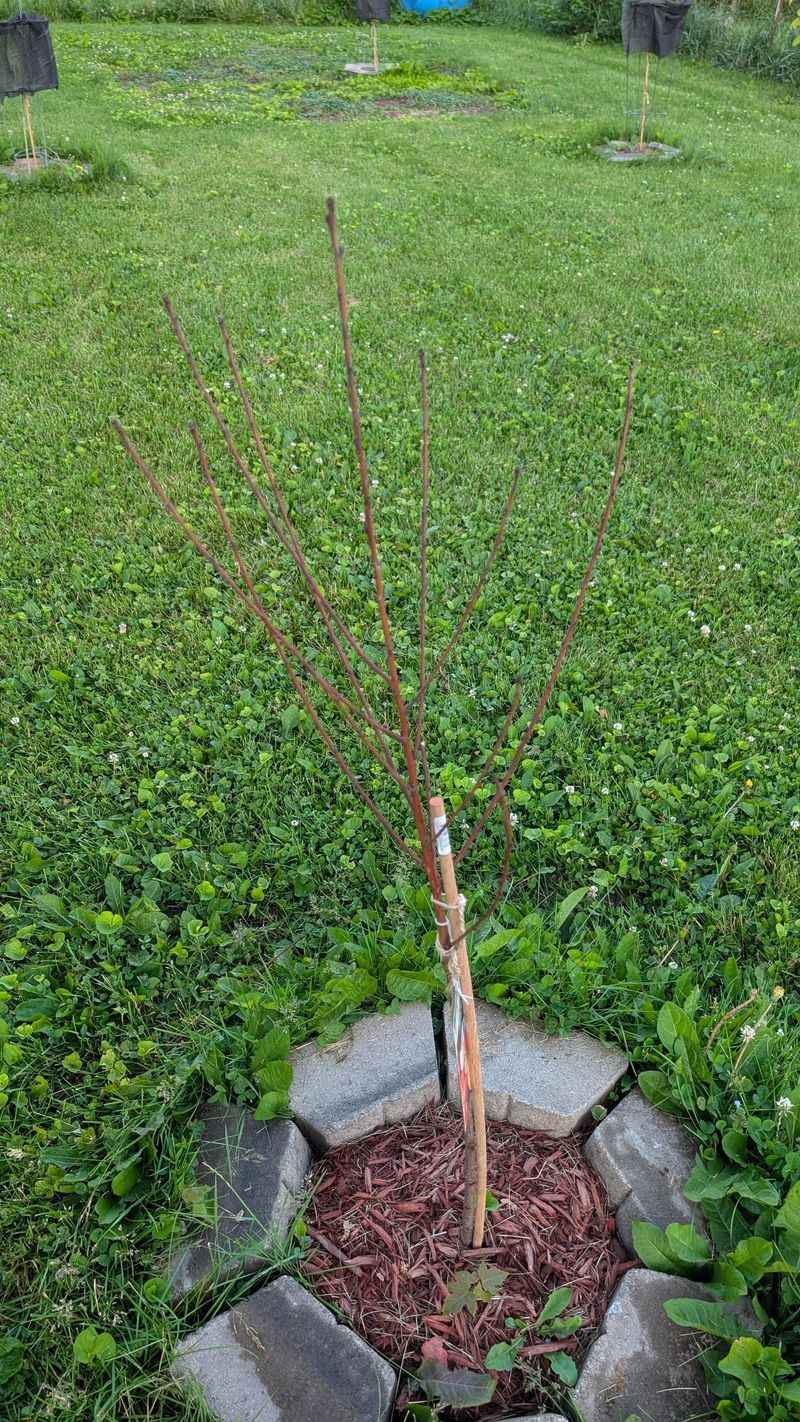
A young lemon tree bent sideways after one windy night is a genuinely sad sight, and it happens more often than most people would guess. Winter storms bring strong gusts along with heavy rain, and soaked soil holds roots less firmly than dry soil does.
Walking around the yard and looking for plants that seem wobbly or top heavy catches most of the risk early. Young fruit trees, tall perennials, climbing roses, and big shrubs in loose soil are all common candidates worth checking.
Anything that sways a lot on a breezy day deserves attention right now before the real storms arrive.
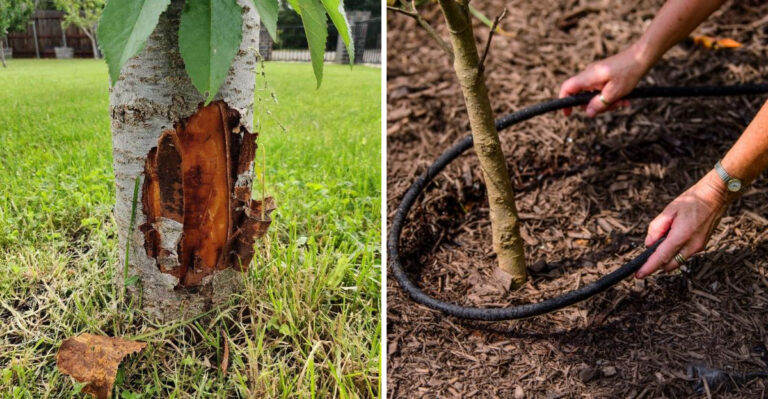
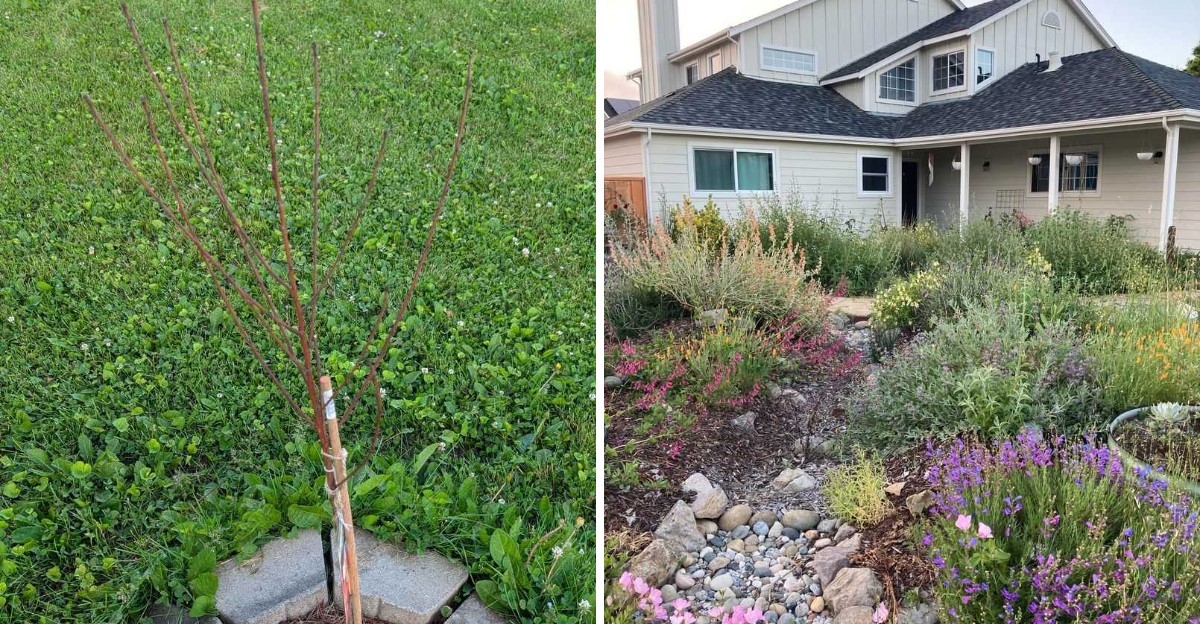
For young trees, UC ANR guidance generally recommends staking only when a tree truly needs the support. Use two stakes placed on opposite sides of the trunk, outside the root ball itself.
Attach the tree with flexible ties, such as rubber strips or soft fabric, set low enough to let the top move a little on its own.
That small bit of motion is actually beneficial for the tree long term. Trees that can sway gently tend to build stronger trunks over time, while tying them too tightly can weaken them or even cut into the bark.
Tall flowers and vegetables need gentler help than trees do. Bamboo canes, tomato cages, or simple twine loops can keep stems upright during downpours, and any trellis or arbor should be checked for firm anchoring too.
Improve Slopes Prone To Erosion Now
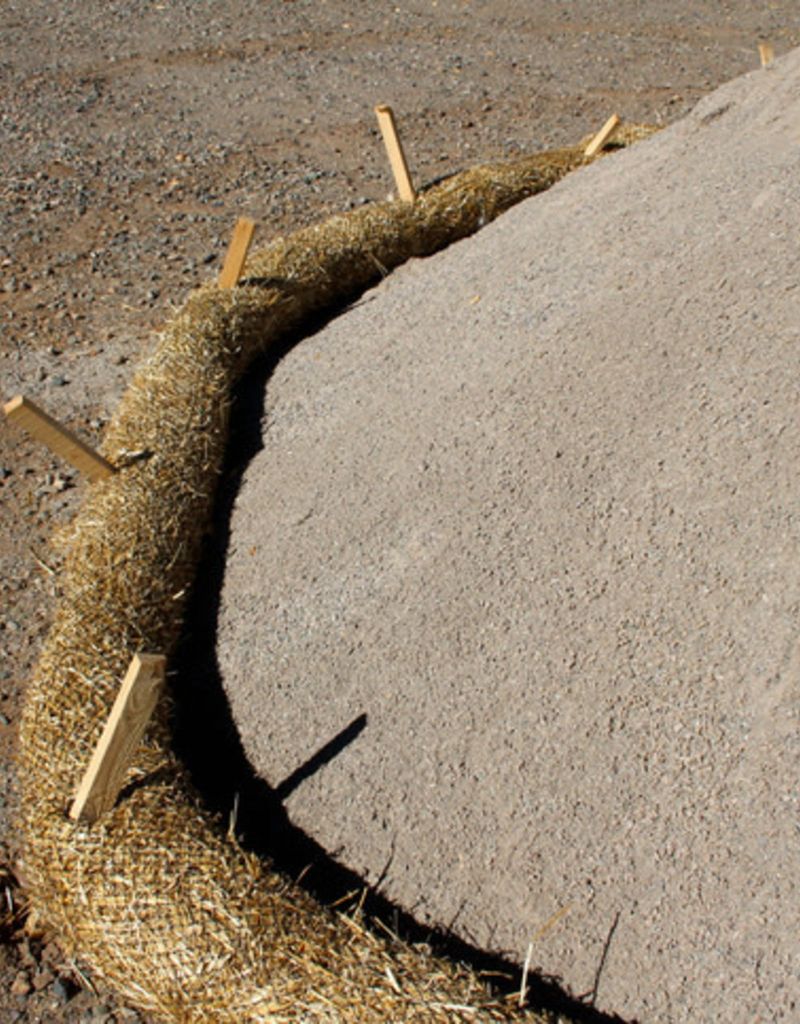
After a wildfire or a dry summer, a bare slope can look harmless enough sitting there quietly. Then a heavy rain arrives, and suddenly mud is sliding onto the patio below without much warning at all.
Bare soil is the biggest risk factor in this whole equation. Raindrops hit the ground, loosen tiny soil particles, and running water carries them downhill, where small channels called rills can eventually grow into deep gullies over time.
UC ANR erosion guidance points to a few proven tools worth using. Covering bare ground with mulch, such as wood chips or straw, softens the impact of raindrops hitting the soil directly.
Straw wattles, long tubes of straw laid across a slope, slow down running water and catch soil before it travels far.
For steeper spots, biodegradable erosion control blankets made of jute or coconut fiber can hold soil in place effectively. Pin them down firmly so water flows over them instead of underneath, and lay wattles along the contour of the slope rather than straight up and down.
Plants serve as the real long term defense here. Roots act like underground netting, and deep rooted ground covers and shrubs hold soil well once established in the ground.
Fall planting gives roots a head start before the heaviest storms arrive, though very young plants still need mulch around them for extra protection.
If a slope looks unstable, shows cracks, or sits above a home, calling a professional is worth the cost involved.
Native Plants Handle The Swing Better

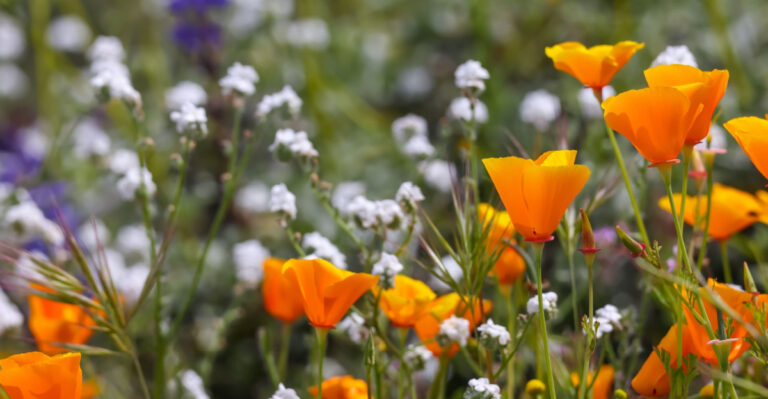
California plants have been riding a weather roller coaster for thousands of years now. Soaking winters followed by long dry summers are nothing new to a manzanita or a ceanothus growing in the wild.
Many natives evolved with exactly this kind of up and down pattern built directly into their biology.
That history gives them a real advantage during unpredictable winters. Many native plants grow most actively during the cool, wet months and slow down considerably in summer, with roots often built to grab winter moisture and store energy for the dry season ahead.
Compare that with some non native ornamentals originally from places with summer rain instead of winter rain. Those plants may be used to steady moisture all year round, and a sudden surge of winter water can genuinely stress them out.
Some struggle badly with soggy roots, especially in heavy clay soil common across the state.
There’s a catch worth knowing here too. Not every native actually loves wet ground, since plants from dry hillsides, like many manzanitas and some ceanothus varieties, can suffer if they sit in poorly drained soil for too long.
The trick really comes down to matching plants to the specific spot available. Plants from streamside areas, like California rose or some sedges, tolerate damp soil considerably better than hillside natives do.
Resources such as the UC Master Gardener programs and the California Native Plant Society’s Calscape tool can help with choosing the right natives for a given region and yard.
Move Sensitive Containers To Higher Ground
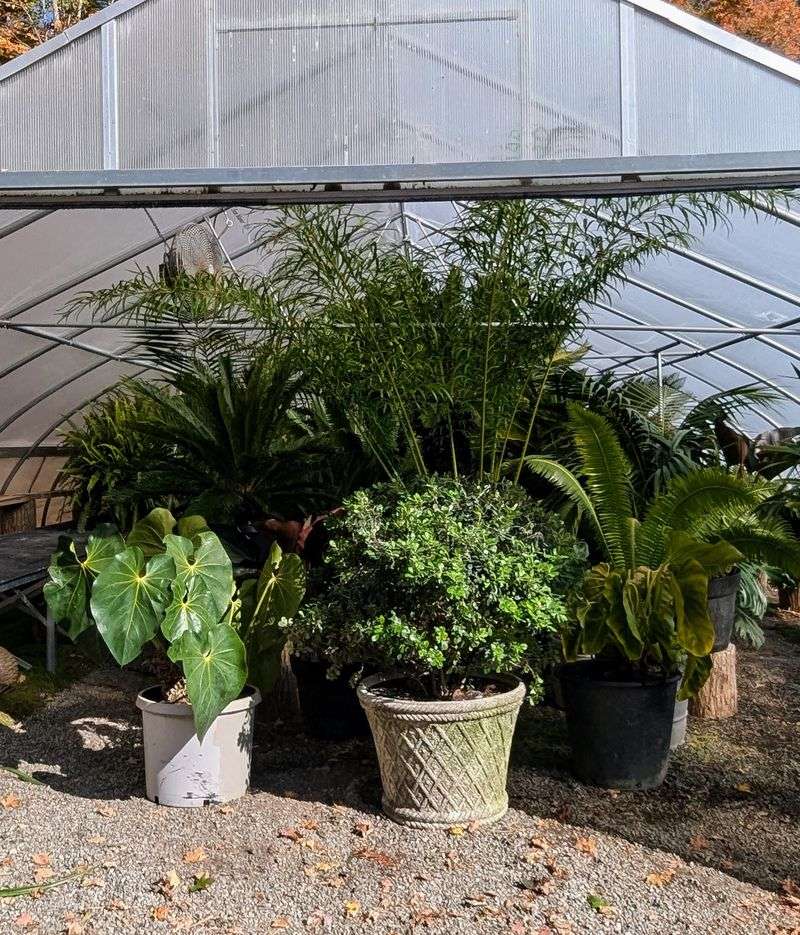
Potted succulents might be some of the most loved plants in a yard, and they’re also some of the easiest to actually rescue when trouble arrives. Unlike trees planted directly in the ground, containers can simply be picked up and moved elsewhere.
Noticing where water collects after a rain helps identify the real risk spots around a property. Low corners of a patio, spots near downspouts, and places at the bottom of a slope often turn into shallow ponds during heavy storms.
A pot sitting in standing water can stay soggy for days at a stretch, and roots can suffocate as a result of all that trapped moisture.
Succulents, cacti, and Mediterranean herbs such as rosemary and lavender are especially sensitive to wet feet during extended rainy periods. UC Master Gardener advice often suggests moving these plants under an eave or covered porch during those stretches.
They still get adequate light there but avoid the constant soaking that damages their roots over time.
Checking every pot for drainage holes matters considerably too. If water cannot escape, the soil turns into a swamp fairly quickly, so clearing clogged holes and removing saucers during rainy weeks helps prevent that outcome.
Raising pots off the ground helps as well. Pot feet, bricks, or plant stands lift containers so water can drain away freely rather than pooling underneath them.
A Little Prep Prevents A Lot Of Damage
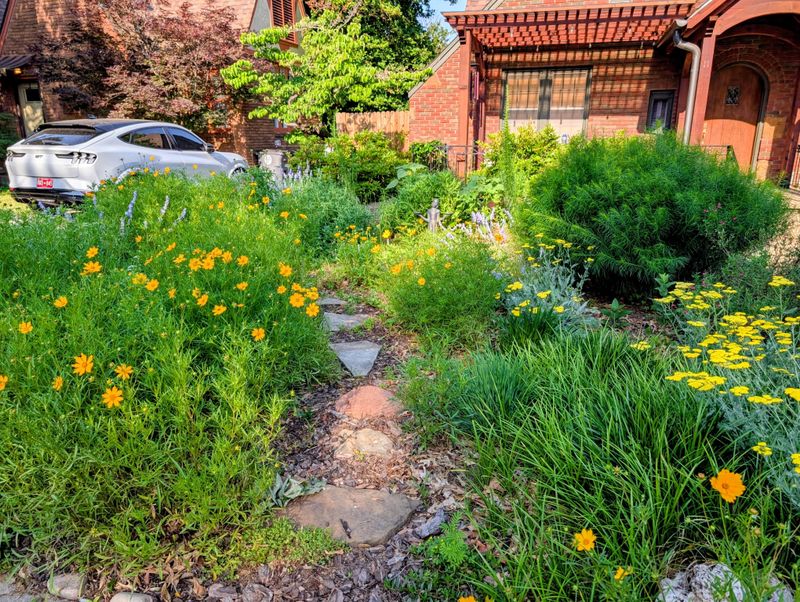
Grandparents across California like to say the best time to fix a roof is when the sun is shining. The same wisdom applies directly to garden preparation heading into a potentially wet winter season.
A few weekends of work in fall can spare weeks of cleanup and repair later on, once the storms actually arrive and cause damage.
Looking back at everything covered so far reveals a fairly simple list overall. Testing drainage, cleaning gutters, staking wobbly plants, protecting slopes, choosing tough natives, and moving pots are all manageable tasks that don’t require much beyond time and attention.
None of them requires fancy tools or a huge budget to accomplish properly.
Remembering that El Niño is a tendency rather than a promise matters too. Some strong El Niño years have brought heavy rain to much of the state, while others delivered less than expected, particularly in Northern California specifically.
A given region might get thoroughly drenched, or it might see a fairly normal winter unfold instead.
Preparing remains a smart bet regardless of which outcome actually happens. Every task on this list also helps during an entirely ordinary rainy season, since better drainage, healthier soil, and sturdier plants pay off year after year no matter what the weather ultimately brings.