How Far Firewood Should Be Stacked From Your California Home This Fall
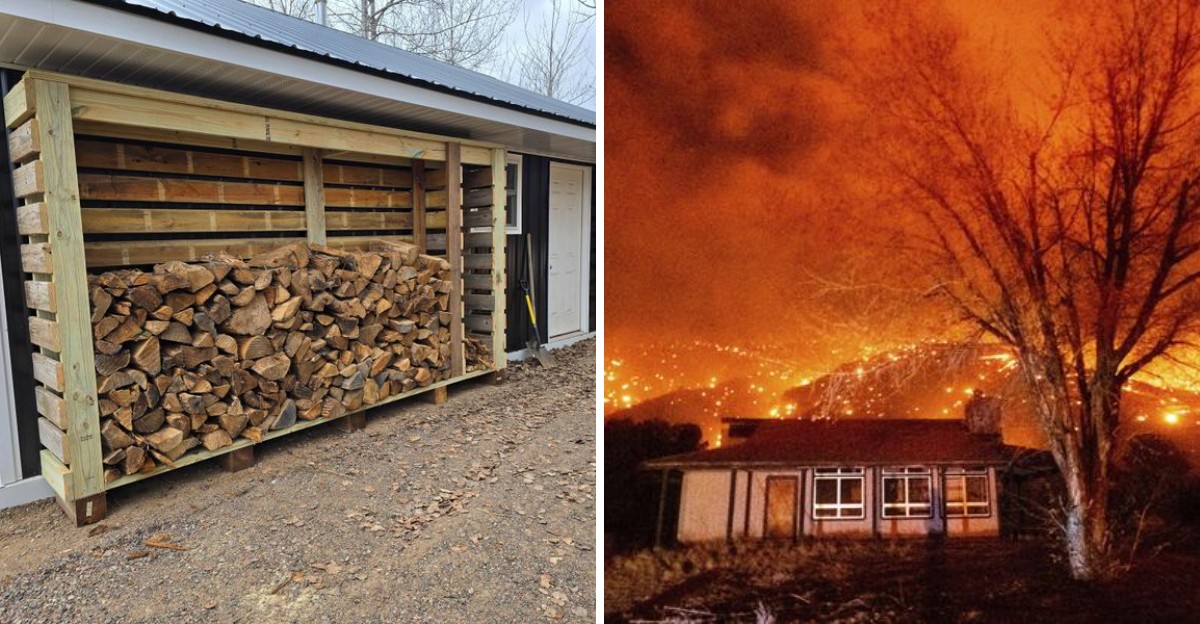
A neat stack of firewood pressed right against the side of a house looks convenient on a cold night, easy to grab without a long walk in the dark.
Most people never think twice about that setup.
In California, though, that handy woodpile can act like a welcome mat for wildfire embers drifting in from somewhere else entirely.
Fire doesn’t need a wall of flame to reach a house. A single ember landing in the wrong spot does the job just as effectively, sometimes more so.
Knowing exactly how far to move that woodpile this fall is one of the simplest ways to close off that path before wildfire season tests it.
Nothing Combustible Belongs Within Five Feet
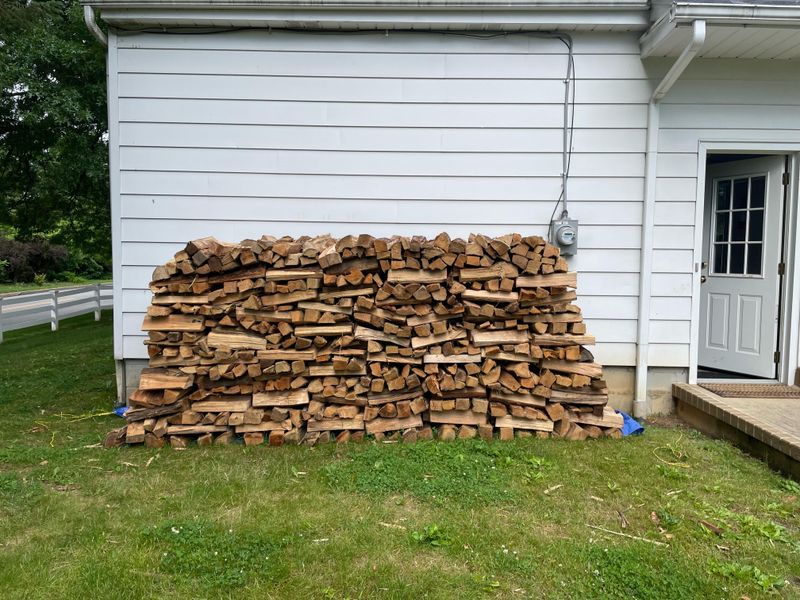
A single glowing ember drifting over a roof on a windy October night doesn’t need much to start real trouble. It lands in a gap between logs stacked against a wall, and nobody notices until smoke curls up the siding.
Fire experts say many California homes lost in wildfires were ignited by embers just like that, not by some giant wall of flame rolling through.
So here’s the plain rule worth remembering. Firewood should never be stored within 5 feet of a house, deck, or any attached structure at all.
CAL FIRE calls this band the ember resistant zone, often labeled Zone 0, and the goal is keeping it free of anything that can catch fire easily.
Firewood is about the worst thing anyone could put there. Logs are dry, stacked loosely, and full of little air pockets that trap embers and feed a flame quickly.
Once a woodpile ignites, it can burn hot for a long time, heating walls, windows, and eaves until they catch too.
That 5 foot strip should look like gravel, pavers, concrete, or bare soil instead. Remove fallen leaves, pine needles, bark mulch, wicker furniture, and stored cardboard boxes along with the wood entirely.
A small bin of kindling can still stay handy, as long as it sits indoors or well outside this zone. Treat those first 5 feet as a no burn zone, and one of the easiest paths a fire can take into the home disappears.
Thirty Feet Is The Commonly Cited Target
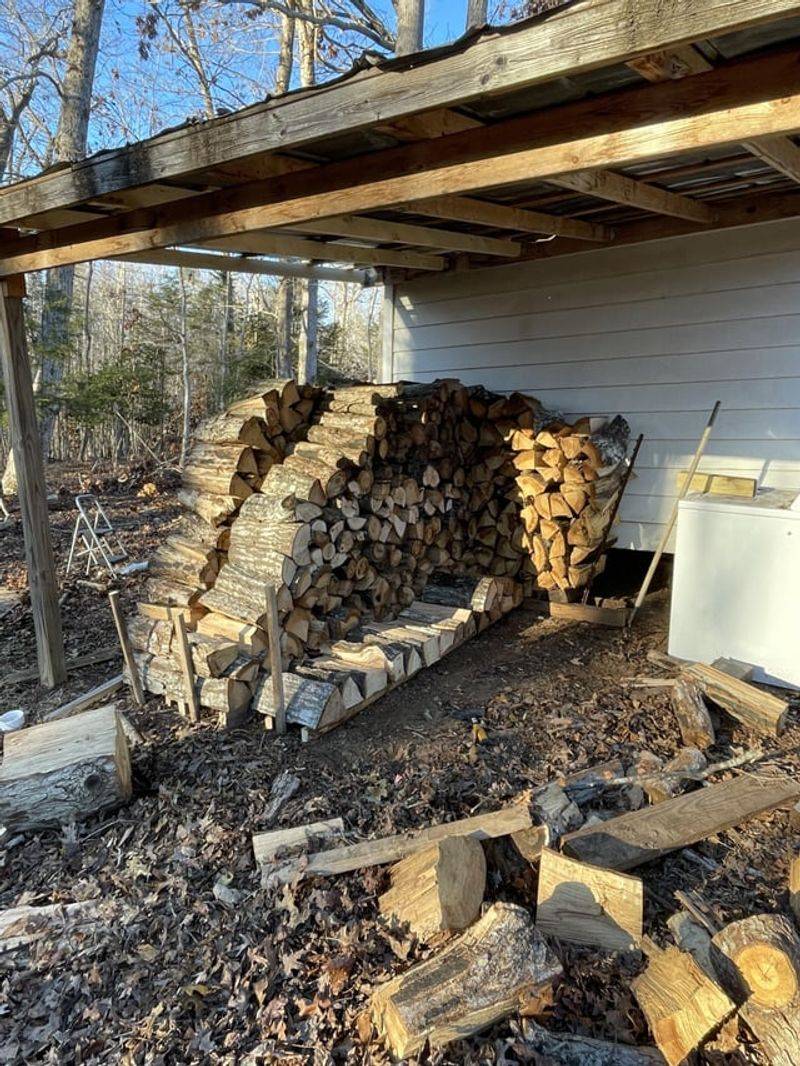
Grabbing a tape measure and walking roughly 30 feet away from the back door reveals where fire safety experts most often suggest keeping a woodpile.
The number comes directly from California’s defensible space law, Public Resources Code 4291, which asks homeowners in fire prone areas to maintain up to 100 feet of cleared space around buildings.
CAL FIRE splits that space into zones, and the area from 5 to 30 feet is called Zone 1, where the focus stays on keeping things lean, clean, and green.
CAL FIRE’s guidance for Zone 1 includes moving woodpiles out to Zone 2, which starts at 30 feet and runs to 100 feet from the structure.
That’s exactly why 30 feet has become the practical target heard from fire departments across the state. At that distance, a burning woodpile is far less likely to throw enough heat or embers to reach the house.
Your California Garden Changes Every Week. Your Plan Should Too.
Gardening in California changes quickly throughout the season. Every Friday you’ll receive a simple weekly plan showing exactly what to plant, prune, fertilize, harvest, and protect so you never miss the right timing.
A pile at 30 feet still needs some care regardless of the distance involved. Clear dry grass and brush in a ring around it, roughly 10 feet wide, so flames cannot creep toward the stack from nearby vegetation.
Keeping it off low tree branches matters too. A simple metal rack with a cover works well out there, keeping the wood dry, off the ground, and away from bugs and critters looking for shelter.
It means a longer walk with an armful of logs, admittedly. Many families solve that by bringing in a day or two of wood at a time, stored in a sturdy lidded box indoors instead.
Slopes Call For Even More Distance
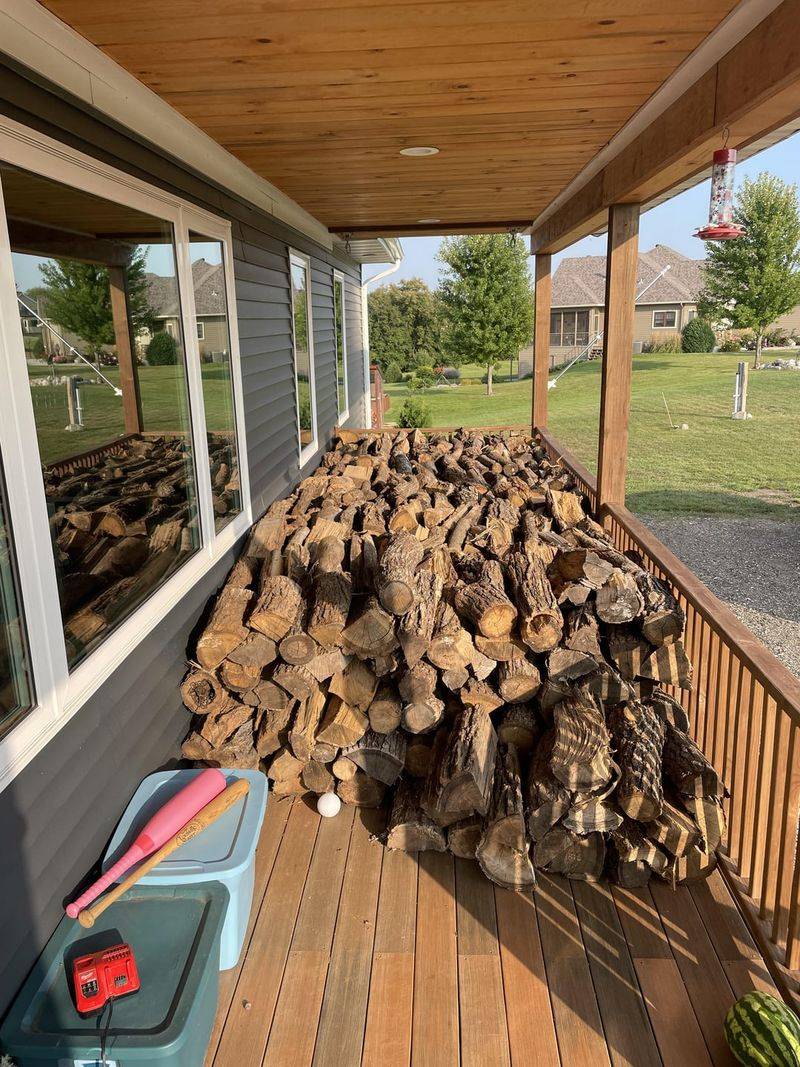
Fire loves to run uphill, the same way a match flame leans upward and licks the stick above it. On a hillside, that same principle plays out on a much bigger scale, with flames stretching ahead and preheating the fuel in front of them.
Firefighters often say a fire can move much faster up a steep slope than across flat ground. The steeper the hill, the quicker things can get out of hand once flames start climbing.
That’s why CAL FIRE and many local agencies advise extra clearance for homes built on or near slopes specifically.
If a house sits at the top of a hill, firewood should never go on the downhill side below it. A burning pile down there would send heat and flames rolling straight up toward the walls and windows above.
A flat spot, ideally on the same level or uphill from the house, works considerably better, and going beyond 30 feet helps whenever the terrain allows it.
Some fire districts recommend clearing well past the standard distance on steep lots specifically, so checking what applies to a given property is worth the phone call.
A quick way to pick a spot involves standing at the house and looking down the slope. Anything below that point is basically sitting in the path fire would travel to reach the structure, so keeping that zone as clear as possible matters.
Hillside living in California comes with genuinely amazing views. It also comes with a little extra homework, and placing firewood wisely is an easy place to start that work.
Never Stack Against A Wooden Fence
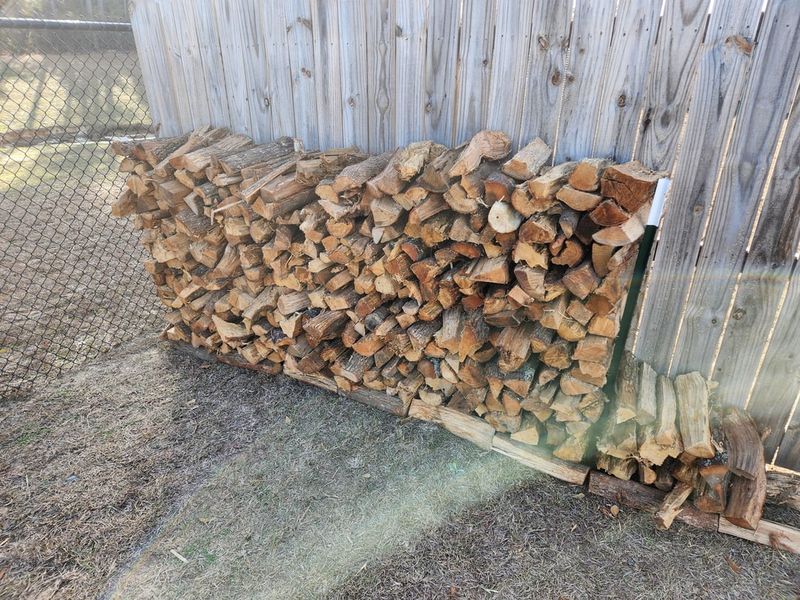
Plenty of careful homeowners make this exact mistake without realizing it. They move the woodpile away from the house, feel proud of the effort, then lean it against the wooden fence along the side yard instead.
It looks tidy and out of the way, but it can quietly undo all that earlier effort entirely.
Many wooden fences connect right to the house structure itself. Fire experts sometimes describe these fences as wicks or fuses, because flames can travel along them like a candle wick, carrying fire straight to the walls.
Adding a stack of dry logs to that fence builds a genuine fuel bridge between two points. An ember lands in the woodpile, the pile ignites, the fence catches, and the flames follow the boards right up to the siding.
The distance measured from the house no longer matters much at that point, because the fire has found a direct path around it.
Keeping firewood away from fences entirely, in open ground with space cleared around it, solves this problem cleanly.
If a fence attaches to the house, CAL FIRE and many fire safety groups suggest replacing the last 5 feet with a noncombustible material, such as metal or masonry.
That small change turns a fuse into a firebreak instead. It also looks sharp, and many metal gate options blend nicely with wood fencing running alongside them.
Taking a quick walk around the yard this weekend helps spot the problem early. Noticing where fences meet the house, and making sure no logs, lumber scraps, or dry leaves sit piled along them, closes off one more path fire could take.
Zone 0 Rules Are Still Being Finalized
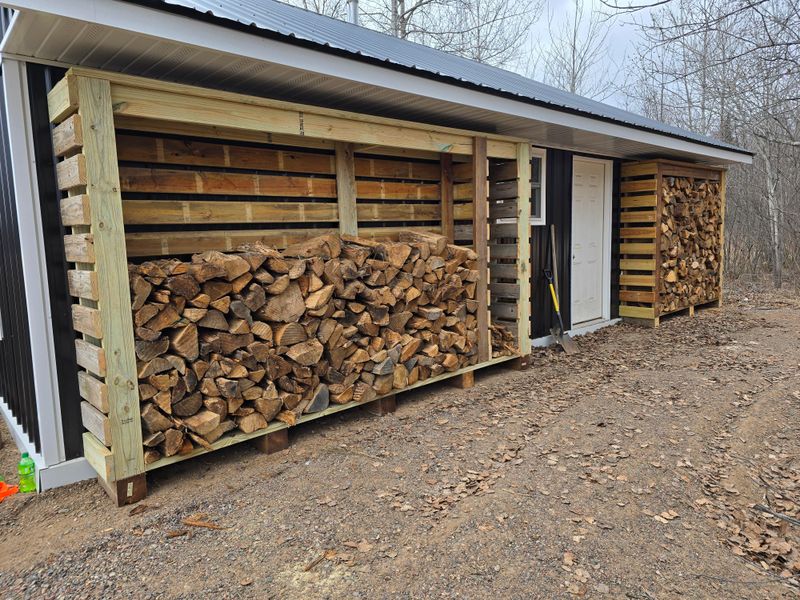
The rules for Zone 0, that 5 foot ember resistant strip next to a house, are not fully settled yet in every detail, despite what some articles suggest.
Back in 2020, California passed Assembly Bill 3074, which added the ember resistant zone to state defensible space law and directed the Board of Forestry and Fire Protection to write the specific regulations.
Since then, the Board has worked through drafts, public workshops, and comment periods, and the expected timeline for when rules would take effect has shifted more than once along the way.
That means one date might show up quoted in a news story and a different date somewhere else entirely. Some sources describe enforcement for new homes coming first and existing homes following later.
Because the process has moved over time, treating any single date as a sure thing without checking the latest update would be a mistake.
Zones 1 and 2 tell a different story entirely. Those requirements, covering 5 to 100 feet, are long established parts of Public Resources Code 4291 already in force.
Here’s the part that doesn’t change, no matter what the final Zone 0 rules end up saying. Firewood should never be stored within 5 feet of a home, regardless of what the paperwork says.
Fire behavior doesn’t wait for regulations to catch up, and embers will find a woodpile whether enforcement is active or not. Getting ahead of the rulemaking is entirely possible starting today.
Check Your Local Fire District First
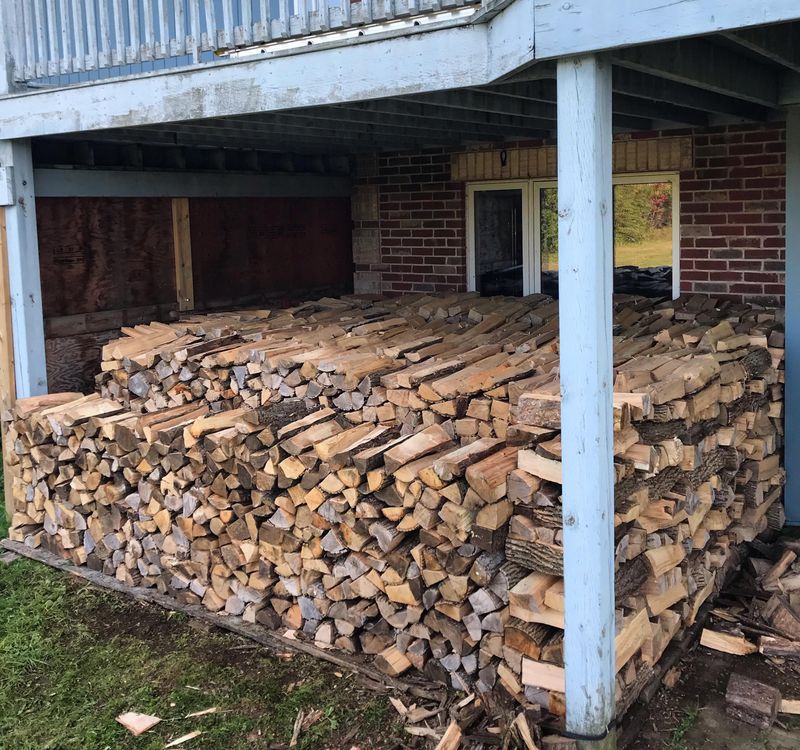
A quick phone call can save a lot of guessing about what actually applies to a given property. State law sets the minimum for defensible space, but a city, county, or local fire district is allowed to require more than that baseline.
Some communities in high fire hazard areas already have their own stricter rules in place. These might cover how far firewood must sit from buildings, how much brush must be cleared, or even what kinds of fences and mulch are allowed nearby.
A few areas also run yearly inspections, and a woodpile in the wrong place can earn a notice to fix it before the next storm or fire season.
CAL FIRE’s Ready for Wildfire website has clear, updated defensible space guidance and can help identify a specific fire hazard severity zone for any address.
From there, looking up a local fire department or fire protection district online fills in the rest of the picture.
Many districts offer free home assessments worth taking advantage of. A trained inspector will walk the property, point out risks like firewood near walls or fences, and suggest simple fixes on the spot.
Worthwhile questions to ask during that visit include the current status of Zone 0 rules locally, whether local firewood storage requirements exist, and whether inspections are coming up that season.
Writing down the answers and keeping them with home papers helps for future reference. Checking again each fall before wood burning season becomes a smart habit worth building into the routine.
A Few Extra Feet Is Worth It
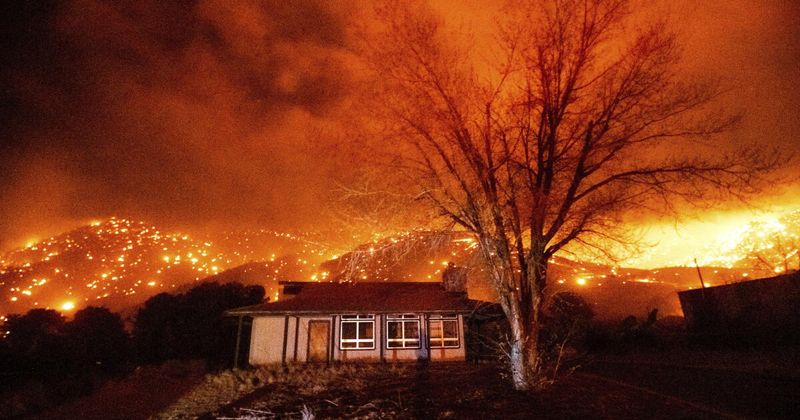
Moving firewood farther away from a house costs almost nothing in the end. Maybe a simple rack or a tarp gets purchased, and a Saturday afternoon goes toward hauling logs to the new spot.
Comparing that small effort to the cost of losing a home, belongings, and irreplaceable family photos makes the choice fairly easy to make.
Waiting for final Zone 0 rules or a letter from a fire district isn’t necessary either. The safest approach keeps wood well past 5 feet no matter what, aims for 30 feet or more, and adds extra room on slopes or windy spots specifically.
Clearing the ground around the pile and keeping it away from fences rounds out the basic approach.
A few habits make the longer trip considerably easier to manage day to day. Using a wheelbarrow or log carrier, bringing in only what gets burned in a day or two, and keeping that small supply in a lidded metal container all help.
Seasoned firewood often burns cleaner and hotter than green wood too, so storing it on an open rack out in the sun helps the fires themselves, not just safety around the house.
This fall is worth spending a few minutes on, taking a real look at where the woodpile currently sits relative to the house, fences, and any slope nearby.
If there’s any doubt about the distance, adding a few more feet costs little and closes off one more path fire could otherwise take toward the home.