5 Jobs You Should Do With Hydrangeas Before Winter (And 3 To Avoid)
Those big, puffy flower heads that stood out all summer are slowly fading to soft shades of rust. The crisp October air smells like leaves, and your garden is quietly asking for a little help.
A few smart chores done now can mean bigger, brighter blooms when warm weather finally returns next year. On the flip side, a couple of well-meaning mistakes can reduce next season’s flowers before they start.
Think of this season as tucking your shrubs in for a long winter rest. Skip a few of these steps, and next summer’s flower show may turn out smaller than expected.
The tasks below are simple, cheap, and easy to finish on a cool weekend afternoon with gloves on. You will also learn which tempting jobs to skip, even when your hands are itching to tidy up.
Water Deeply Before The Ground Freezes
Picture a sponge left on the counter overnight, stiff and crackly, and you have a thirsty root system in winter. Hydrangeas need plenty of moisture, and dry roots tend to handle freezing temperatures worse than moist ones.
Early October is a great time to start deep watering, especially if your area has seen a dry stretch lately. Moist soil actually holds heat better than dry soil, which helps protect tender roots on chilly nights.
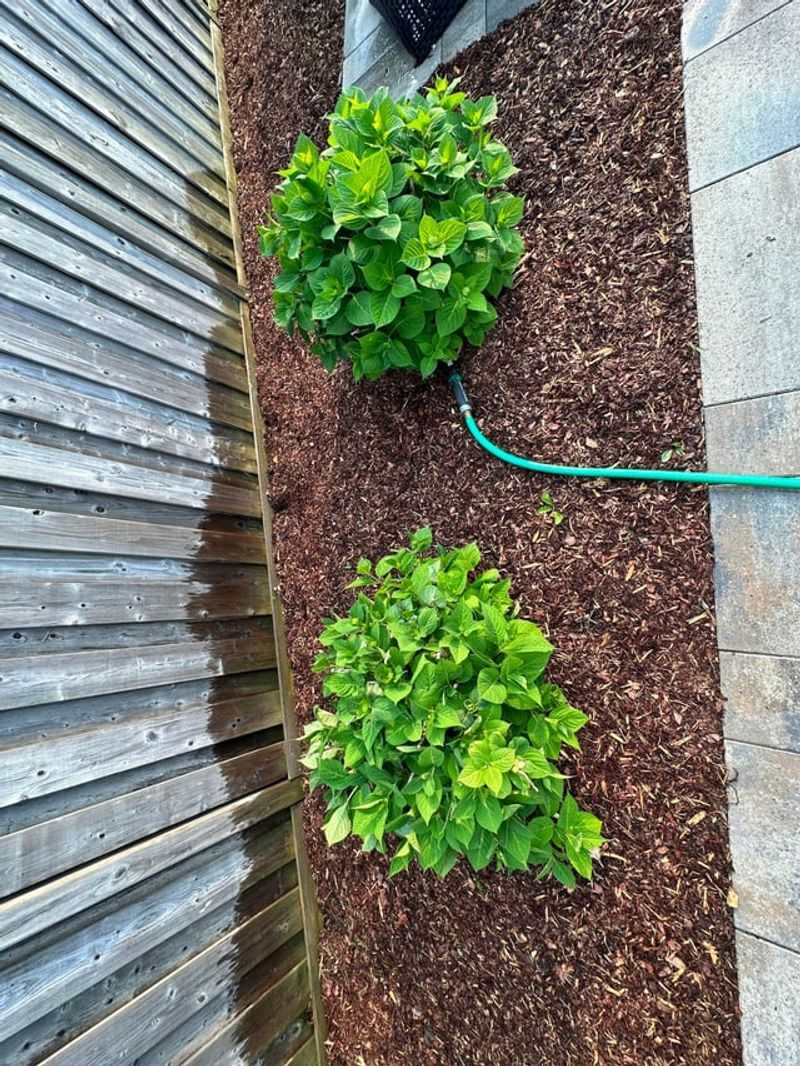
Aim for a long, slow soak rather than a quick sprinkle from the hose every few days. A soaker hose or a gently trickling garden hose left at the base for thirty minutes works nicely.
Before you water, push a finger about two inches into the soil near the stems to check moisture. If it feels dry and dusty, give the plant a drink, but if it feels damp, wait a few days.
Keep this routine going about once a week until the ground starts to firm up and freeze solid. When the soil is frozen solid, water has a hard time soaking in, so your window for helping the roots mostly closes.
Morning watering is usually best, since it gives water time to sink in before evening temperatures drop. Wet leaves sitting overnight in cool air can invite fungus, so aim the water at the soil instead.
Newly planted shrubs need extra attention here, since their roots have not spread far into the surrounding soil yet. A little effort with the hose now often pays off with healthier, leafier growth when warm weather returns.
Spread Mulch Around The Base Of Each Plant
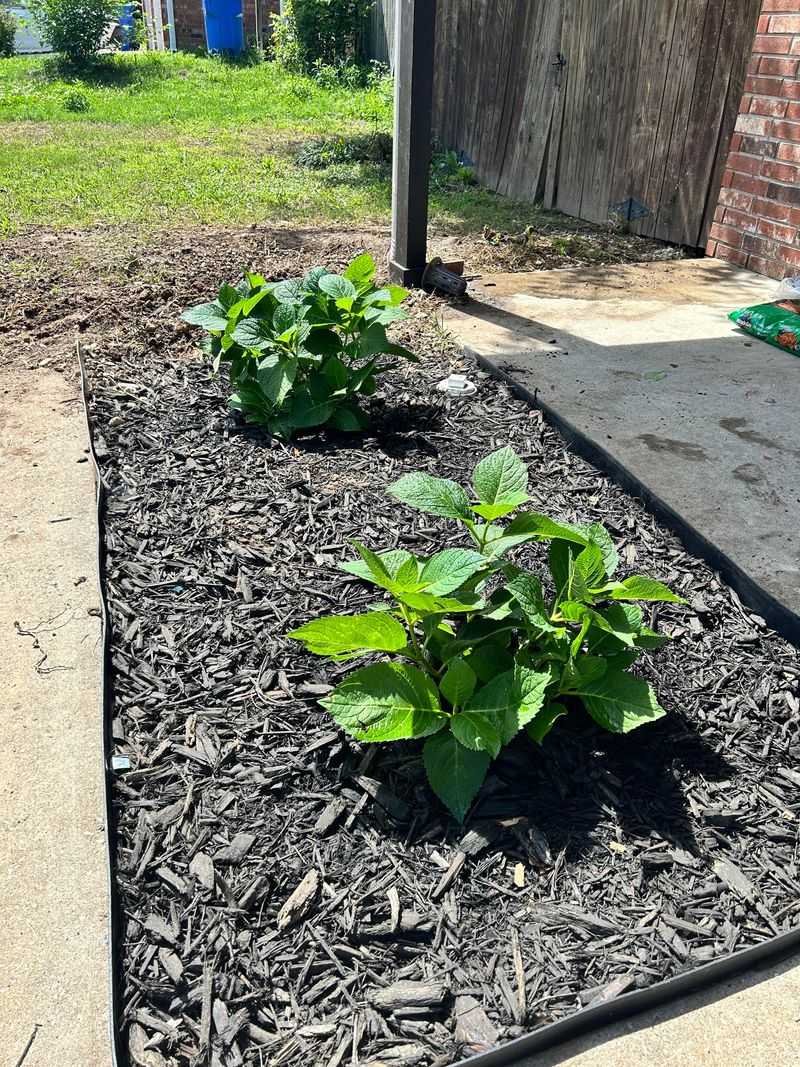
Mulch works like an affordable winter coat for the soil. A thick layer keeps soil temperatures steadier, so roots face fewer harsh freeze and thaw cycles.
Those swings matter because repeated freezing and thawing can push shallow roots up toward the surface. Gardeners call this frost heaving, and a cozy layer of mulch helps reduce it.
Shredded bark, pine needles, and chopped leaves all work well, and many of them are free or cheap. Pine needles break down slowly and stay fluffy, which lets air and water move through them easily all season.
Spread your mulch about three to four inches deep in a wide circle around each shrub. Try to reach out as far as the branches stretch, since the roots often spread just as wide.
Timing helps too, so wait until the soil has cooled a bit but has not frozen hard yet. In many areas, mid to late October hits that sweet spot for laying down a fresh layer.
Mulch also slows weed seeds from sprouting, so you get a tidier bed next year too. As it breaks down over the winter months, it feeds the soil with rich organic matter as well.
Just leave a small gap right around the stems, which we will explain more in a later section. That tiny bit of breathing room keeps the bark healthy while the rest of the mulch does its job.
Wrap Tender Varieties In Burlap
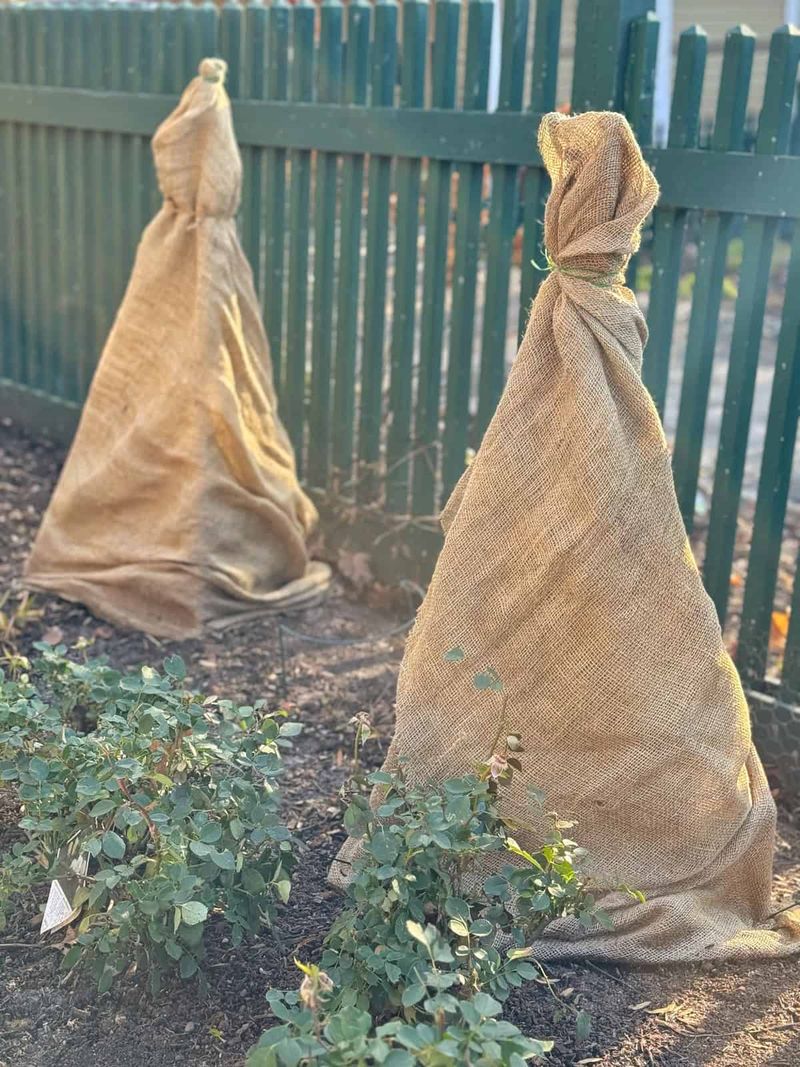
Bigleaf hydrangeas are the most sensitive of the group, and cold winds can harm them. Many of them form next year’s flower buds on old stems, so harsh weather can reduce the blooms.
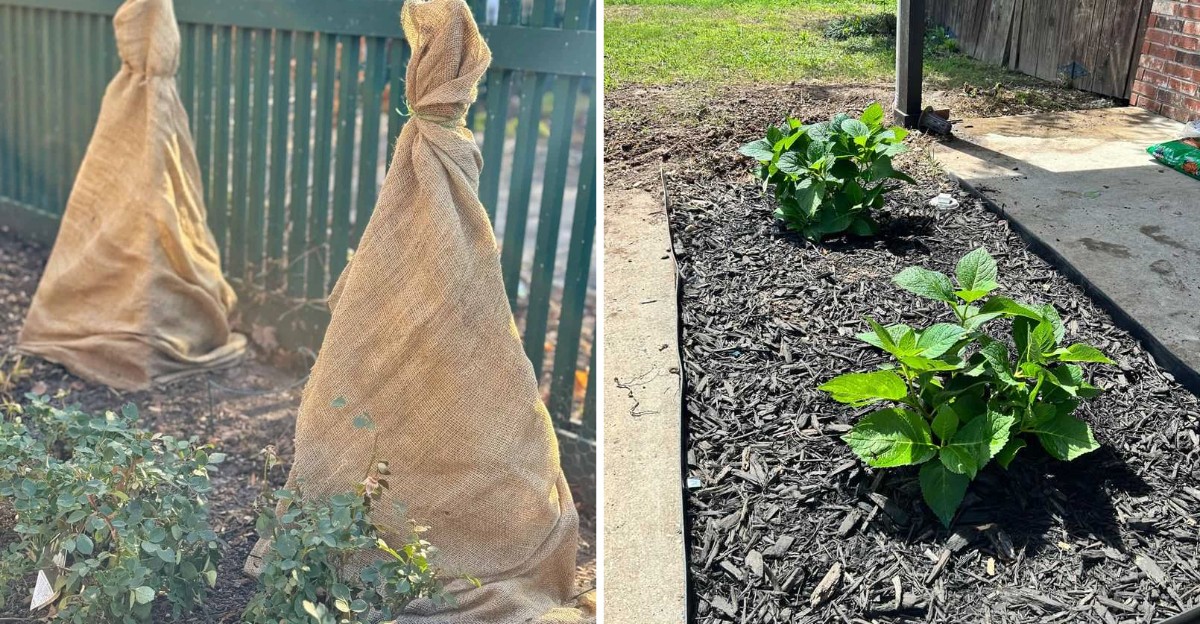
A simple burlap wrap acts like a windbreaker, shielding those precious buds from icy gusts and drying winter sun. Burlap is a smart choice because it breathes, letting air and moisture pass through without trapping too much heat.
Start by pounding three or four wooden stakes into the ground around the shrub before the soil freezes. Early October is a fine time for this step, since the ground is still soft and easy to work.
Later, when nights regularly dip below freezing, wrap the burlap around the stakes like a loose fabric fence. Staple or tie it in place, keeping the fabric from pressing tightly against the branches and buds inside.
Some gardeners fill the space inside with dry leaves for extra insulation, which works well in colder zones. Oak leaves are a favorite because they stay fluffy and rarely mat down into a soggy, heavy mess.
Avoid plastic sheeting for this job, since it traps moisture and can overheat the stems on sunny winter days. Plastic also holds condensation against the bark, which can lead to mold and damage by early spring.
Panicle and smooth hydrangeas are much hardier, so they usually skip the wrap and handle winter just fine. Save your burlap and energy for the tender bigleaf types that need a little extra protection to bloom.
Clear Fallen Leaves From Around The Stems
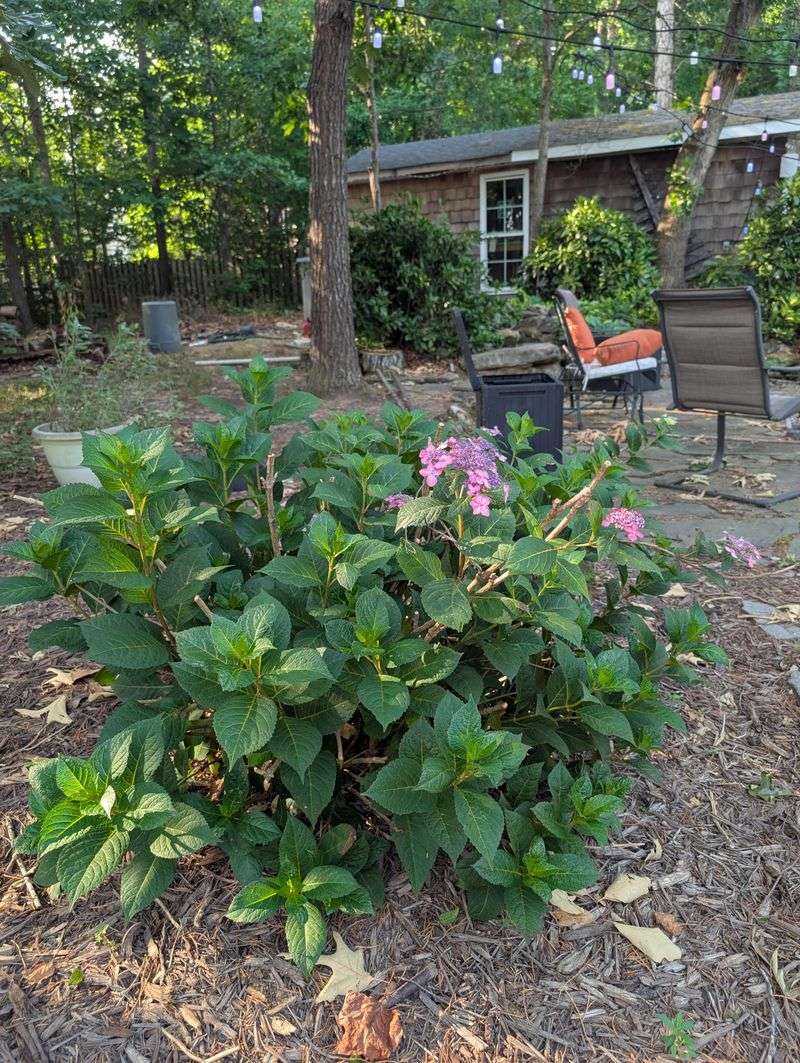
Raking might feel like a chore, but around your shrubs it works more like a quick health checkup. Soggy piles of fallen leaves can hide fungal spores that spent the summer causing spots on the foliage.
Diseases like leaf spot and powdery mildew often spend the winter tucked inside damp leaf litter. When warm weather returns, those spores splash right back onto fresh new leaves and start the cycle again.
Gently rake or pick up leaves that have fallen from the shrub itself, especially any with brown blotches. Bag up those spotted leaves and put them in the trash rather than tossing them onto the compost pile.
Home compost piles often do not heat up enough to break down stubborn fungal spores over the winter. Healthy leaves from nearby trees are a different story and can be shredded into wonderful free mulch.
Clearing the base also helps you spot problems like cracked stems, rodent activity, or slugs hiding underneath. Mice and voles often use cozy leaf piles for shelter and sometimes nibble on bark when food grows scarce in winter.
Use a leaf rake with flexible tines so you do not scrape or damage the shallow roots below. A pair of gloves and a small hand rake work great for reaching tight spots between crowded stems.
Once the area looks tidy, you can add fresh, clean mulch for winter protection without trapping old problems. Think of it as changing the sheets before tucking your favorite shrub in for a long winter nap.
Move Potted Hydrangeas To A Sheltered Spot
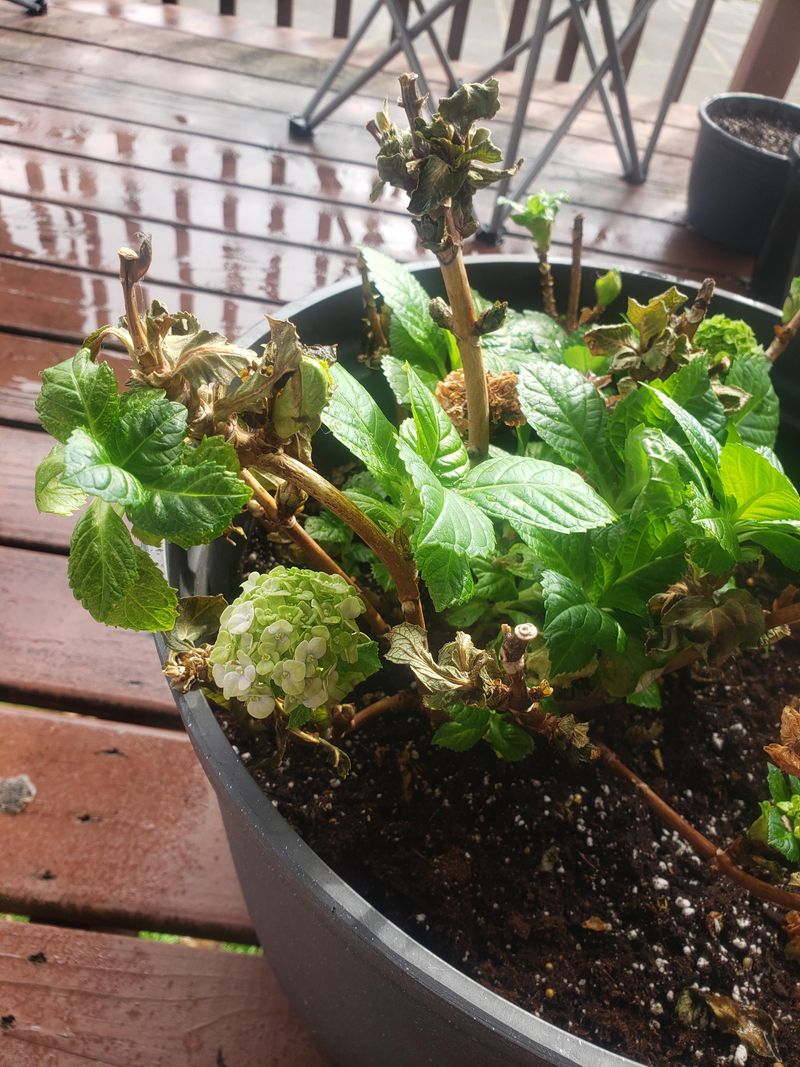
A surprising fact catches many gardeners off guard: roots in containers freeze much faster than roots in the ground. Garden soil holds heat well, while a pot is surrounded by cold air on every side.
That exposure means a potted shrub can struggle in temperatures that a planted one would handle easily. Moving containers to a protected spot before hard freezes arrive can make a big difference by spring.
An unheated garage, shed, or enclosed porch often works best, since it stays cold but usually does not drop too low. Hydrangeas still need a winter rest, so a warm living room is not the right place for them.
If indoor space is tight, cluster your pots against a north or east wall of the house instead. Grouping them together creates a small huddle of warmth, a bit like penguins sharing heat on the ice.
Wrapping the pots themselves in bubble wrap or old blankets adds another helpful layer of protection for roots. Raising them off cold concrete with bricks or pot feet also keeps chill from creeping up from below.
Ceramic and terracotta pots can crack when wet soil freezes and expands, so move those first if possible. Lightweight plastic or fiberglass containers handle the cold better and are much easier to shuffle around too.
Check the soil about once a month during winter and give a small drink if it feels dry. Dormant plants need very little water, but bone-dry roots can still struggle to wake up later on.
Skip Pruning Old-Wood Bloomers In Fall
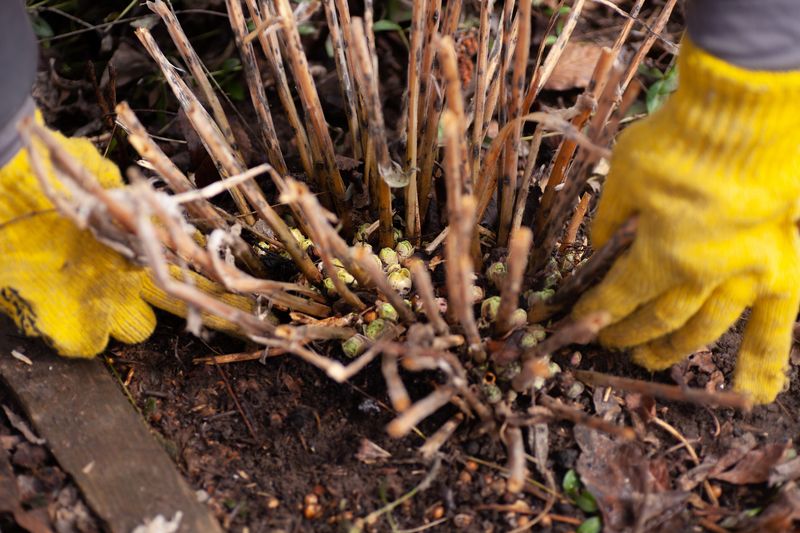
Snip, snip, and suddenly next summer’s flowers are lying in your compost bin without you even knowing it. Fall pruning ranks as one of the most common reasons bigleaf and oakleaf hydrangeas fail to bloom.
Both types usually bloom on old wood, which means they set flower buds on existing stems during late summer. Those buds then sit quietly through the cold months, waiting for warm weather to open into big blooms.
Cutting the stems back now removes those buds, leaving you with a leafy shrub and very few flowers. It feels tidy in October, but the payoff often turns into disappointment by the following July.
If you are unsure which kind you own, look closely at the leaves for some helpful clues today. Bigleaf types have large, glossy, rounded leaves, while oakleaf types have deeply lobed leaves shaped like oak foliage.
Panicle and smooth hydrangeas bloom on new wood, so they can handle a trim in late winter instead. Even for those, waiting until late winter is usually smarter, since the old stems offer some protection through the coldest months.
Faded flower heads can stay on the plant, too, and they look lovely dusted with frost in December. The dried blooms also offer a little extra protection for the buds tucked just below them on each stem.
If a branch is clearly broken or diseased, it is fine to remove just that section right away. Otherwise, put the pruners away for now and enjoy the papery, rustic charm of your shrubs this season.
Hold Off On Fertilizer Until Spring
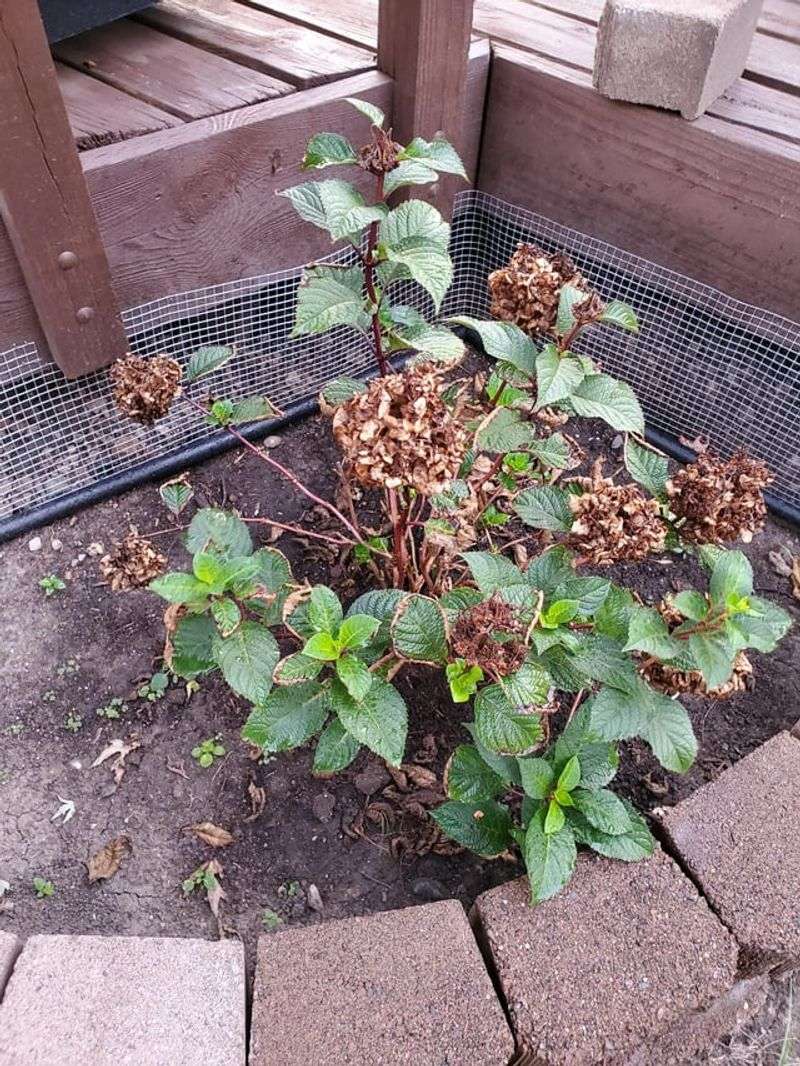
Fertilizer applied in fall can encourage a shrub to push out soft new growth when it should be slowing down. Instead of settling in for winter, the plant spends energy on shoots that may not handle the cold.
That fresh, tender growth has no time to toughen up before the first hard frost arrives this fall. Cold snaps can damage those soft shoots, leaving brown, mushy tips and weakened stems by winter.
Hydrangeas naturally slow down in autumn as days grow shorter and nights turn cool and crisp outside. That slowdown is part of a process called cold hardening, and it helps the stems and buds build up their winter toughness.
Many experts suggest stopping fertilizer by late summer, roughly six to eight weeks before your first frost. For many gardens, that means the bag of plant food should already be sitting on the shelf by October.
Slow-release granules applied in late summer can also keep feeding the plant longer than you might expect. Read the label carefully next year so you know how many weeks each feeding is likely to last.
Compost is a gentler option many gardeners enjoy, since it feeds the soil slowly over time. A thin layer of compost under your mulch improves soil health without triggering a sudden growth spurt.
Mark your calendar for early spring, when new leaves begin to unfurl and the plant is ready to eat. Patience now usually leads to sturdier stems and a much bigger flower show when the weather warms up.
Keep Mulch Away From The Stems
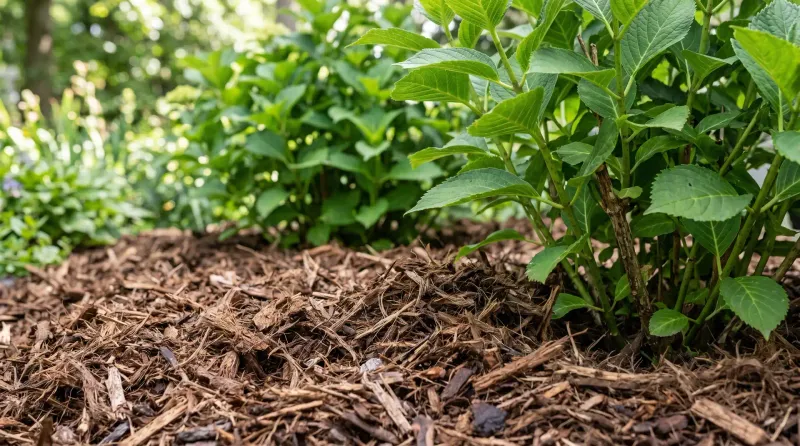
Gardeners have a funny nickname for mulch heaped high around a trunk, and they call it a mulch volcano. It might look snug and protective, but this cone shape often causes more harm than good over time.
Mulch piled directly against stems traps moisture right where the bark meets the soil all winter long. Constant dampness softens the bark and invites fungus and other problems to settle into the woody base.
Thick piles also create a warm, hidden hideout for mice and voles during the coldest months of the year. Those little critters may chew through the bark while staying out of sight.
If the bark gets chewed all the way around a stem, that stem often struggles to recover by spring. Gardeners call this girdling, and it can quietly damage a healthy branch before you even notice.
A better approach is to shape your mulch like a donut instead of a mountain around each shrub. Leave a gap of about two to three inches between the mulch and the stems so air can circulate.
The rest of the ring can still be three or four inches deep to keep the roots snug. Roots spread outward, so most of the insulation is needed farther from the stems anyway, not right against them.
If you find an old volcano from previous years, gently pull it back with your hands or a rake. Your shrubs will breathe easier, and you will likely see healthier stems when the new season begins.