The Hidden Reasons Aphids Swarm Illinois Gardens Each July, And The Overlooked Fix That Works
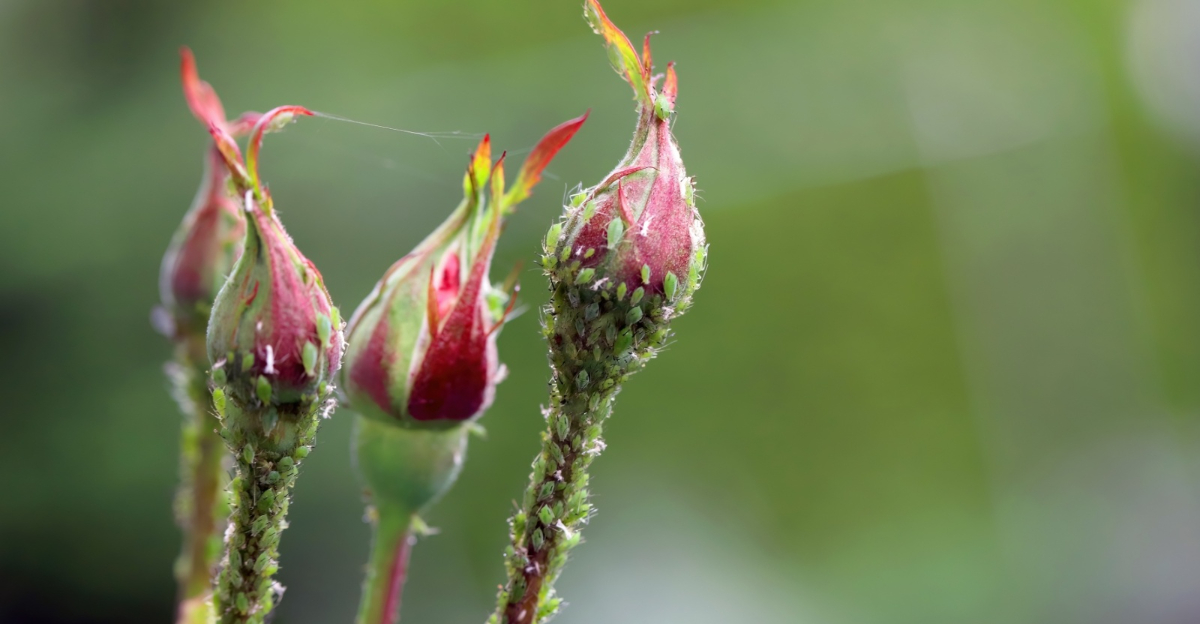
Step into any backyard in Illinois this July and you might catch the moment before it happens: a rose bud still clean, a pepper plant still green, a tomato stem still whole.
Give it forty-eight hours. Aphids move fast once conditions tip in their favor, and Illinois summers hand them exactly what they need.
Warm nights, tender new growth, and a shortage of natural predators create a window where a single colony can multiply into thousands before most gardeners notice the first curled leaf.
It feels random, almost personal, like your garden was the only one affected. It wasn’t. There’s a simple chain of events behind every infestation, one most people never think to interrupt. And the surprising part?
The fix isn’t a spray, a trap, or a trip to the garden center. It’s something already sitting in your yard, overlooked. Once you spot it, every aphid problem you’ve ever had will suddenly make sense.
1. Warm July Weather Speeds Up Aphid Reproduction
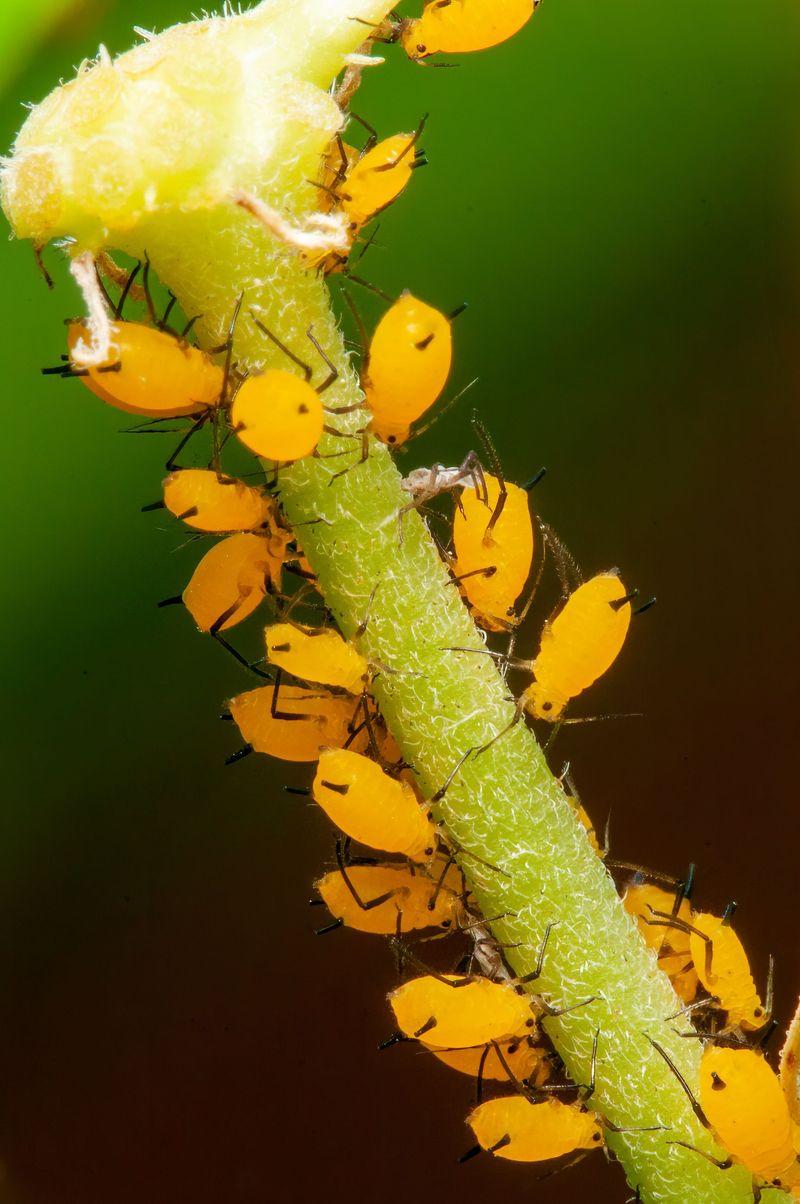
Aphids are basically tiny reproduction machines. When temperatures climb into the mid-80s, their life cycle shifts into overdrive.
A single aphid can produce dozens of offspring within a week during warm conditions. That number compounds fast when dozens of adults are already on your plants, and a colony that looks small on Monday can cover an entire stem by Friday.
July in the Midwest creates especially favorable conditions for these pests. Warm nights mean aphids never slow down, even after sunset, since their activity stays high as long as temperatures stay mild.
Most insects slow down or pause reproduction once temperatures drop. Aphids keep reproducing rapidly all summer, right up until the cold finally arrives, leaving little natural lull once the season gets going.
Their young are born already pregnant in some species, which sounds wild but is completely true. That biological shortcut is why populations seem to double overnight.
Gardeners often blame themselves for missing the early signs. The truth is, the weather does most of the heavy lifting for aphid colonies, and even a diligent gardener can be caught off guard once conditions align.
Recognizing this temperature connection gives you a real advantage. When a heat wave is forecast, check your plants immediately and act before numbers spiral out of control, inspecting both the tops and undersides of leaves.
Aphids thrive in Illinois gardens each July precisely because the climate suits them perfectly. Knowing that timing is your best early warning system, turning a reactive habit into a preventive one.
2. Tender New Growth Attracts Hungry Aphids
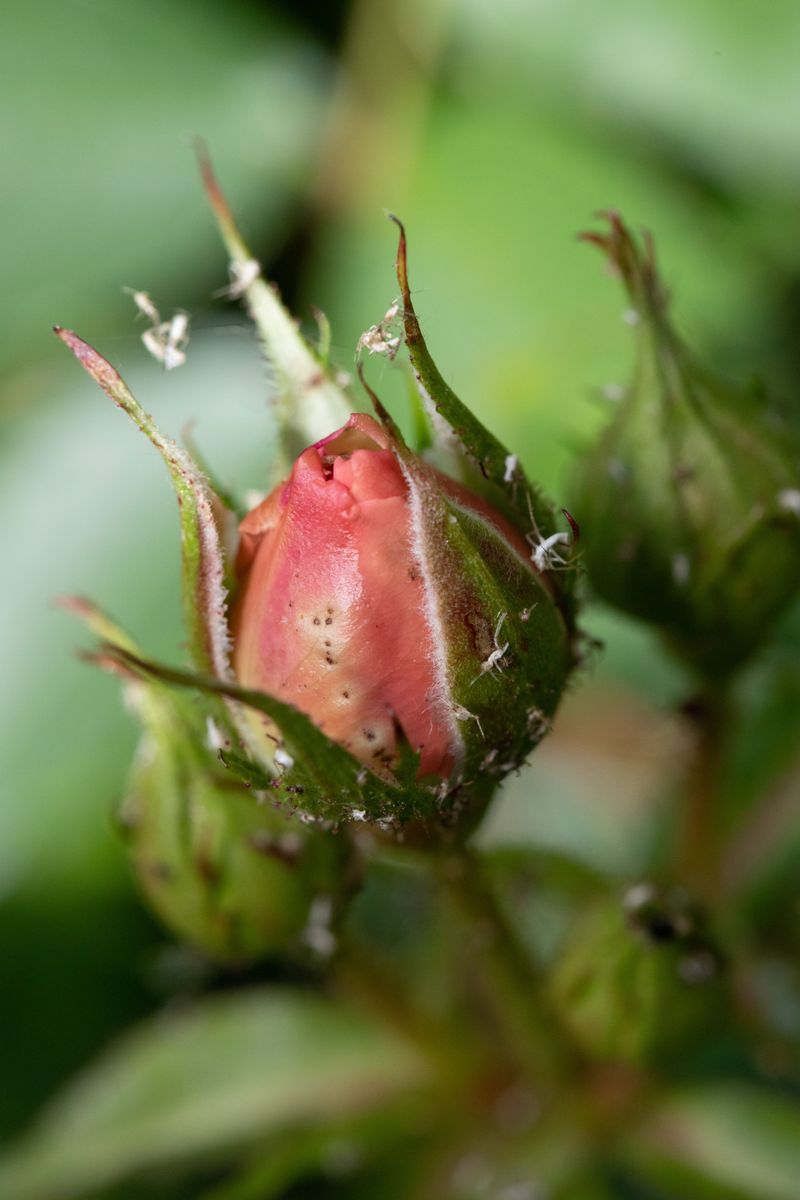
Fresh plant growth is highly attractive to aphids. Soft, young tissue is packed with sugary sap and offers almost no resistance.
Plants push out new growth aggressively in early summer after spring rains. That flush of tender shoots becomes an all-you-can-eat buffet for any nearby colony.
Aphids have needle-like mouthparts designed to pierce soft tissue. Mature, hardened leaves are much harder for them to feed on successfully.
Your Illinois Garden Changes Every Week. Your Plan Should Too.
Gardening in Illinois changes quickly throughout the season. Every Friday you’ll receive a simple weekly plan showing exactly what to plant, prune, fertilize, harvest, and protect so you never miss the right timing.
Gardeners who prune heavily in June often trigger a wave of new growth right in July. That fresh flush arrives just as aphid populations are hitting their seasonal peak.
Roses, tomatoes, and peppers are common targets because they keep producing new shoots all season. Each new bud tip becomes an easy feeding target.
Spacing your pruning sessions across several weeks can slow this effect down. Avoid triggering one massive flush of growth right before the hottest stretch of summer.
Checking the tips of stems daily during July takes about two minutes. Catching a small cluster early means you deal with ten pests instead of ten thousand.
The connection between new growth and aphid attraction is one of the most overlooked patterns in home gardening. Once you see it, you start pruning with a whole new strategy in mind.
3. Ants Farm And Protect Aphids For Honeydew
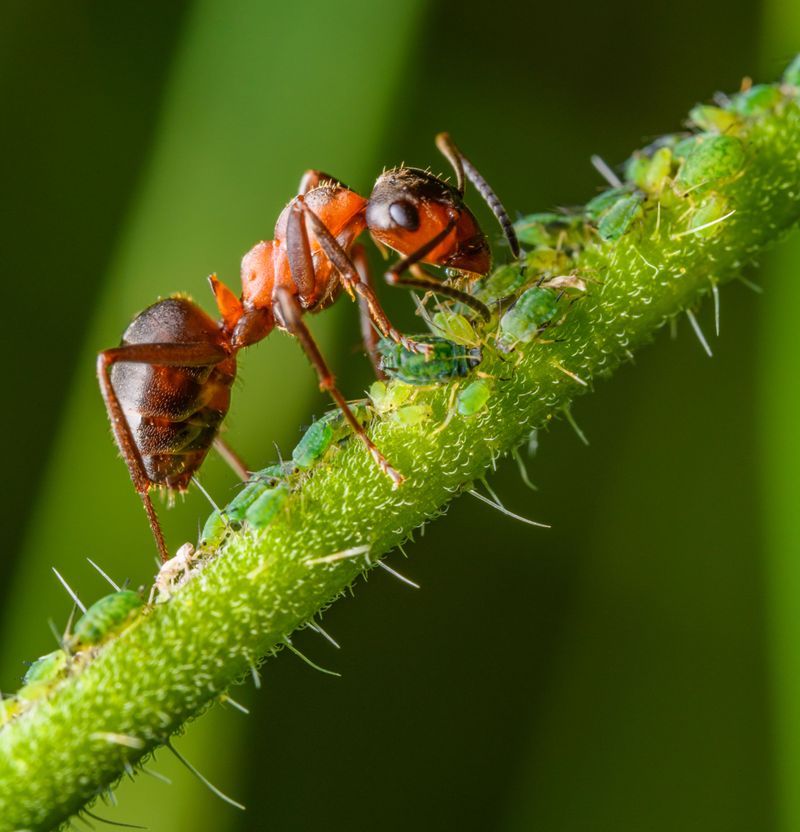
Spot a trail of ants marching up your plant stems and you have already found a red flag. Ants are not just visiting your garden for fun.
Aphids excrete a sticky substance called honeydew, which ants absolutely love. In exchange for that sweet reward, ants actively guard aphid colonies from predators.
This partnership is one of the sneakiest dynamics in the insect world. Ants will physically carry aphids to fresh plant growth to keep the honeydew flowing.
They also chase away ladybugs and other beneficial insects that would normally control aphid numbers. The ants essentially provide ongoing protection for the aphid colony.
Gardeners who notice ant activity often treat the ants and ignore the aphids entirely. That approach tackles the symptom while leaving the real problem untouched.
A sticky band of horticultural tape wrapped around plant stems can block ants from climbing. Without ant protection, aphid colonies become vulnerable to natural predators again.
Some gardeners use a thin layer of sticky gel on stakes near affected plants. This creates a barrier that disrupts the ant patrol without harming other wildlife.
Breaking up the ant-aphid partnership is one of the most effective and underused strategies around. Address both insects together and you cut the colony off from its best defense system.
4. Overfertilizing Creates Lush Growth Aphids Love
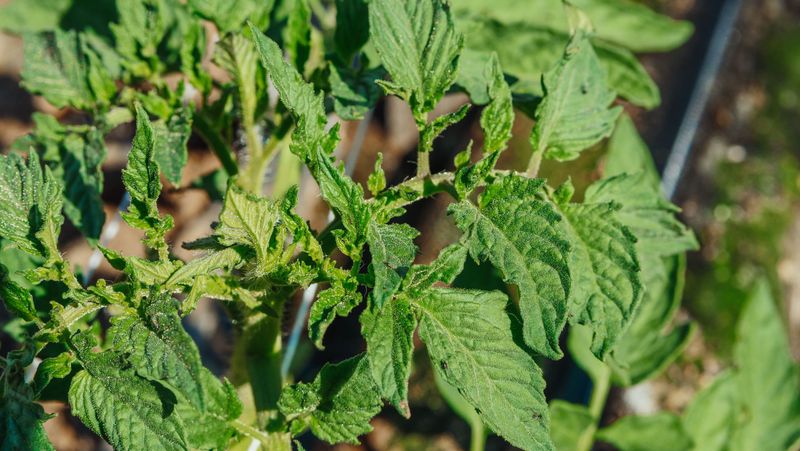
More fertilizer does not always mean a healthier garden. Overdoing nitrogen is one of the most common mistakes that unintentionally makes plants more attractive to aphids.
High nitrogen levels push plants to produce soft, sappy growth at a rapid pace. That kind of tissue is exactly what aphids seek out when searching for a feeding spot.
A plant that looks impressively green and bushy is not always a strong plant. Sometimes that lush appearance signals an excess of nutrients that pests can smell from a distance.
Studies suggest that aphids are drawn to plants with elevated amino acid content in their sap. Nitrogen-heavy fertilizing spikes those amino acid levels significantly.
Switching to a balanced, slow-release fertilizer changes the game entirely. Plants grow steadily without producing the kind of soft tissue that attracts pest colonies.
Gardeners who fertilize every two weeks through summer often wonder why their pest problems are worse than their neighbors. The fertilizing schedule is frequently the hidden culprit.
Testing your soil before adding any amendments is a simple step that saves a lot of headaches. Most garden centers offer affordable soil test kits that take about fifteen minutes to use.
Feeding your plants smarter, not more often, creates a garden that is naturally less appealing to aphids. A well-balanced plant is a much harder target for any opportunistic pest.
5. Natural Predators Like Ladybugs Stay Scarce
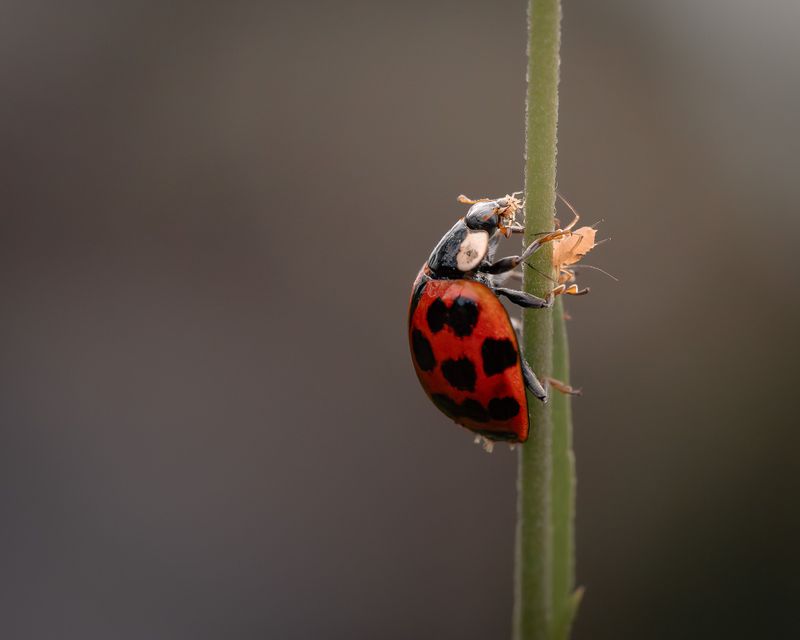
Ladybugs are among the garden’s most effective natural predators, but they are rarely present in the numbers needed. July is exactly when their numbers tend to dip in many suburban yards.
A single ladybug can consume up to 50 aphids per day. A healthy population of them would keep most infestations from ever gaining a foothold.
The problem is that modern suburban gardens often lack the habitat these beetles need to thrive. Monoculture lawns and heavily mulched beds leave very little shelter for beneficial insects.
Pesticide use is another major factor that keeps ladybug populations low. Even products labeled as safe can wipe out beneficial insect communities if applied carelessly.
Planting dill, fennel, and yarrow near affected garden areas helps attract and retain predatory insects. These flowering plants provide food and shelter that ladybugs and lacewings rely on.
Lacewings are another powerful ally that most gardeners do not think about. Their larvae are aggressive aphid hunters that can clear a colony quickly when given the chance.
Creating small brush piles or leaving some leaf litter near garden edges gives beneficial insects a place to overwinter. That simple habit builds a resident predator population year after year.
A garden rich in diverse plantings becomes its own pest management system over time. Encouraging natural predators is the long game that pays off every single season.
6. Heat-Stressed Plants Release Signals Attracting Pests
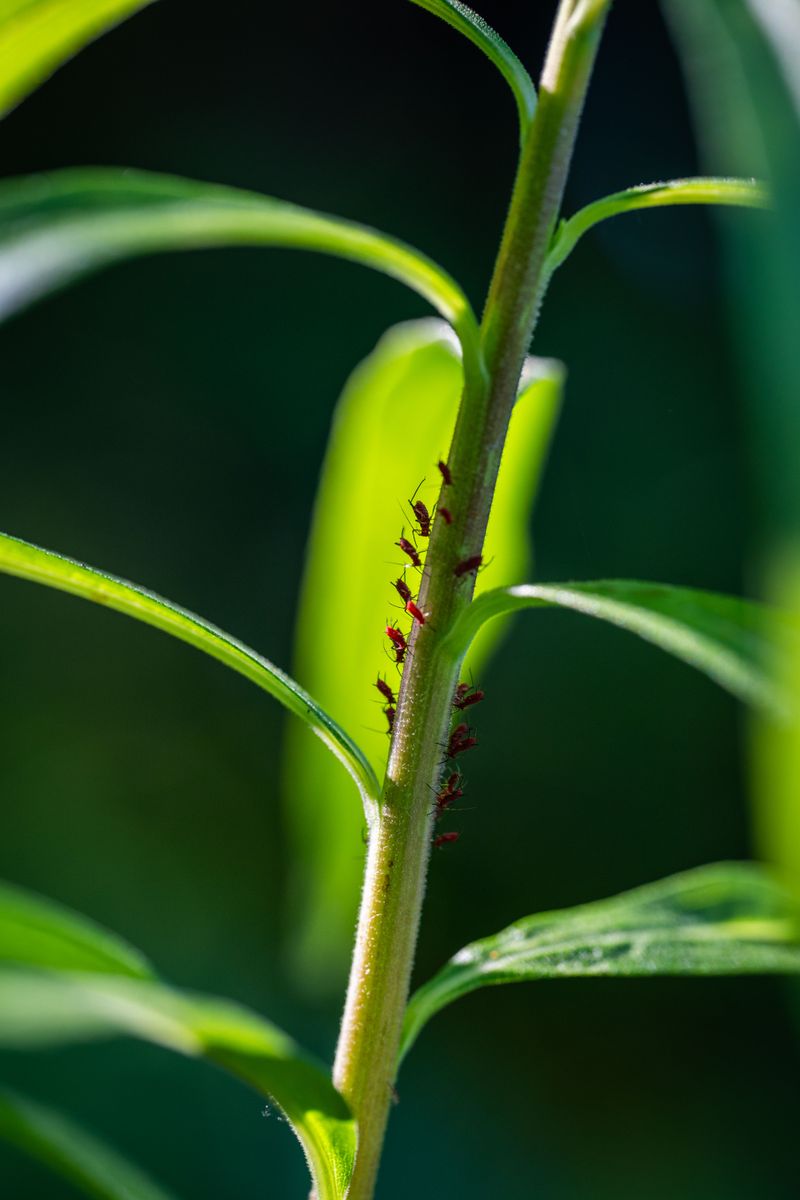
Plants under stress release chemical signals that can attract insects looking for an easy meal.
When temperatures spike and soil moisture drops, plants shift their chemistry in ways that make them more attractive to aphids. It sounds strange, but stressed plants are genuinely easier targets.
A well-watered plant produces thicker cell walls and more balanced sap. A dehydrated or overheated plant produces weaker tissue that pests can pierce with much less effort.
July heat waves in the Midwest are notorious for pushing garden plants past their comfort zone. Even a few days without adequate water can tip a healthy plant toward vulnerability.
Mulching around the base of plants helps retain soil moisture during hot spells. A two-inch layer of organic mulch can cut water loss significantly during peak summer heat.
Watering deeply and less frequently trains roots to grow downward toward cooler, moister soil. Shallow watering creates surface-dependent roots that dry out fast when temperatures soar.
Shade cloth is a tool many gardeners overlook when temperatures push above 90 degrees. Even a light cover during peak afternoon hours reduces plant stress considerably.
Keeping your plants hydrated and cool is not just about their comfort. A stress-free plant sends out fewer distress signals and stays off the aphid radar far more effectively.
7. Nearby Weeds Harbor Overwintering Aphid Populations
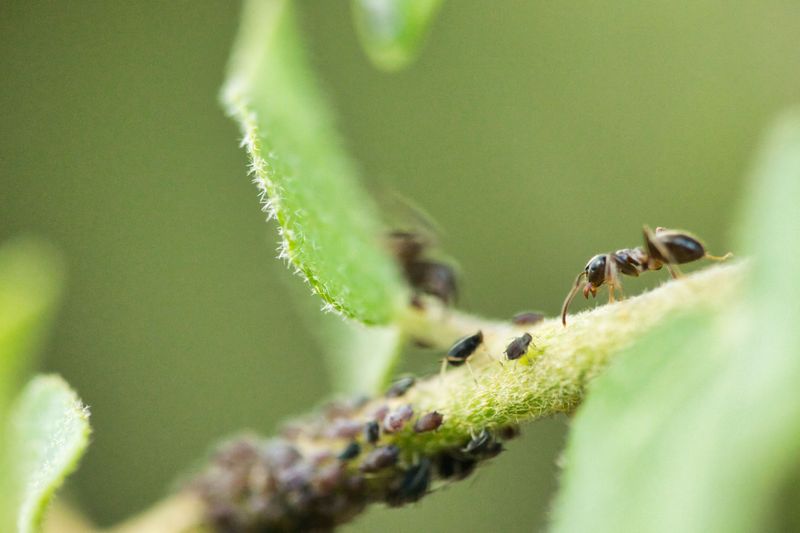
That patch of weeds along your fence line does more than look untidy. For aphids, it can serve as a year-round host site right next to your garden.
Many aphid species spend winter on specific host weeds, then migrate to garden plants when conditions warm up. Removing those weeds cuts off the pipeline before it even opens.
Common culprits include thistle, lamb’s quarters, and wild mustard. These plants are abundant along garden borders across the Midwest and rarely get treated as pest habitats.
Aphid eggs overwinter tucked into weed stems and bark crevices. When July arrives, a fresh generation hatches and immediately heads for your tastiest plants.
Clearing a buffer zone of about three feet around garden beds removes a significant source of early-season colonizers. Consistent weeding in May and June pays dividends all summer long.
Cover crops planted in bare areas between seasons can crowd out the weeds aphids prefer. Plants like clover and buckwheat also attract beneficial insects that help keep pest levels low.
Some gardeners use cardboard mulch covered with wood chips to suppress weed growth without chemicals. This method works surprisingly well along fence lines and garden edges where weeds tend to cluster.
Treating the areas around your garden with the same attention you give your beds changes everything. Aphids in Illinois gardens each July often trace right back to the weeds everyone else is ignoring.
8. Introduce Ladybugs Or Apply Insecticidal Soap Weekly
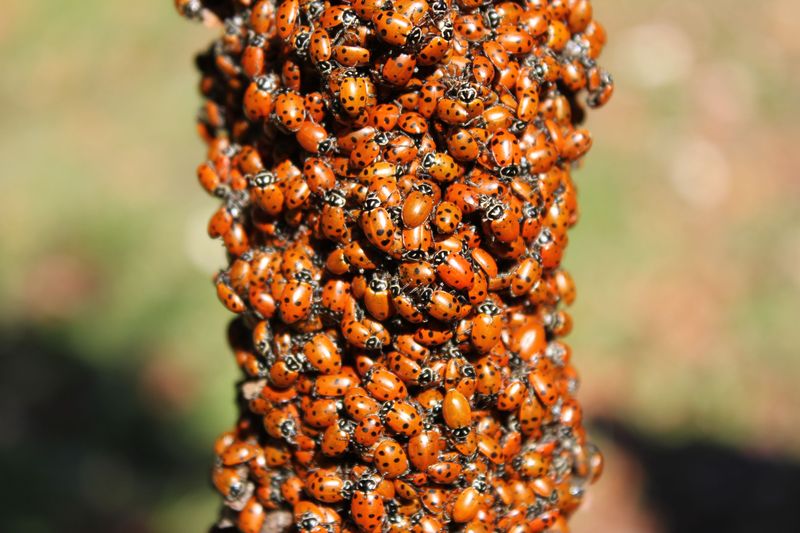
You have spotted the aphids, you understand why they showed up, and now it is time to actually do something about it. The fix most people miss is surprisingly low-tech.
Insecticidal soap spray is one of the most effective and affordable tools available for home gardeners. It works by breaking down the soft outer coating of aphids on direct contact.
Mix one to two teaspoons of pure liquid castile soap with one quart of water in a spray bottle, adjusting slightly based on plant sensitivity. Apply it directly to aphid clusters, making sure to coat the undersides of leaves thoroughly.
Weekly application keeps populations from rebounding between treatments. Skipping even one week during peak season can allow numbers to climb right back to problem levels.
Introducing purchased ladybugs is a complementary strategy that many gardeners overlook entirely. Release them in the evening near affected plants after misting the area with water so they stay put.
Ladybugs released during the day tend to fly away before doing much work. Evening releases give them time to settle in and begin feeding before morning heat arrives.
Combining both approaches creates a two-pronged strategy that addresses the problem from different angles. Soap spray reduces current populations while ladybugs provide ongoing biological control.
Consistency is key when managing aphids in Illinois gardens each July. A weekly routine of spraying and monitoring keeps populations under control throughout the season.