Ohio Gardeners Can Keep Harvesting All Summer By Planting These In May
May has a way of making Ohio gardeners feel ambitious. The soil is warming, the days are getting longer, and most of the state is finally moving past the frost worries that make spring feel a little chaotic.
Now the fun starts. This is the month when a few smart planting choices can keep a kitchen garden producing well beyond early summer.
That is a pretty nice payoff. Crops planted in May often have time to settle in, grow strong, and keep the harvest basket looking full as the season rolls on.
Fresh greens, cucumbers, beans, basil – suddenly the garden starts sounding like dinner.
If you want your Ohio garden to stay productive for months instead of peaking early, May is the moment that can really set things in motion.
1. Bush Beans Deliver Easy Repeat Harvests
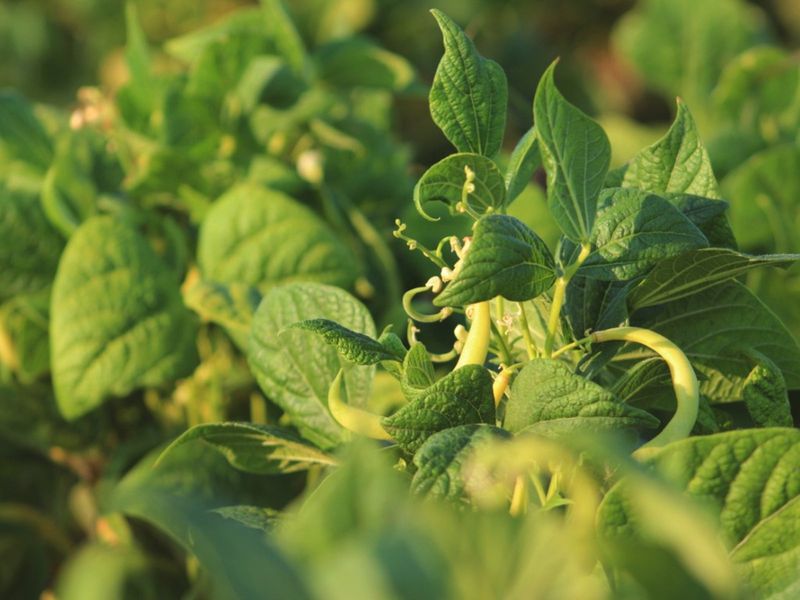
Few crops reward a May planting quite like bush beans. Once Ohio soil reaches around 60 degrees Fahrenheit, bush beans take off quickly and begin producing pods in as little as 50 to 60 days.
That timeline makes them one of the most satisfying crops to grow for anyone who wants to see results before summer really heats up.
What makes bush beans especially useful is how they respond to regular picking. The more you harvest, the more pods the plants tend to set.
Leaving mature pods on the plant too long can slow down production, so checking the garden every couple of days during peak season makes a noticeable difference.
Bush beans also work well in raised beds and smaller backyard plots because they stay compact and do not need staking.
In Ohio, a May planting can yield heavily through July, and many gardeners follow up with a second sowing in late June or early July to extend the harvest further into the season.
Succession planting is one of the easiest ways to keep fresh beans coming to the table without a long gap between pickings.
2. Cucumbers Keep Summer Picking Going
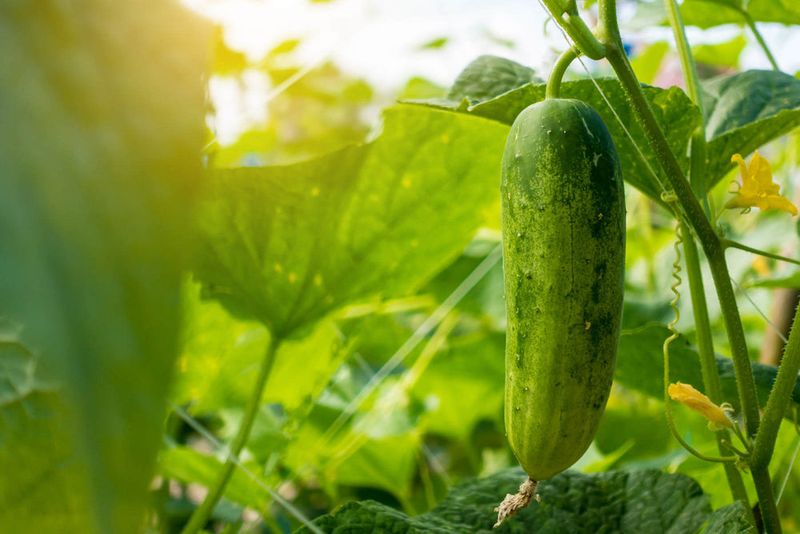
Warm soil and consistent sunshine are exactly what cucumbers need to thrive, and Ohio in May starts delivering both.
Planting cucumber seeds or transplants after the last frost date gives vines enough time to establish before the hottest weeks arrive, which is when these plants really hit their stride.
Cucumbers are another crop that rewards frequent harvesting. Picking fruits when they reach a usable size, rather than letting them swell and yellow on the vine, encourages the plant to keep producing.
A single healthy cucumber plant can supply a steady stream of fruits over several weeks, making them well worth the space they take up in a garden bed or along a trellis.
Training vines upward on a simple fence or trellis saves space and helps improve air circulation around the leaves.
Ohio summers can bring humid stretches that sometimes lead to powdery mildew on cucumbers, so keeping foliage off the ground can help.
Varieties like Straight Eight and Spacemaster have long been popular choices among Ohio home gardeners for their reliable production and manageable vine size through the summer months.
Your Ohio Garden Changes Every Week. Your Plan Should Too.
Gardening in Ohio changes quickly throughout the season. Every Friday you’ll receive a simple weekly plan showing exactly what to plant, prune, fertilize, harvest, and protect so you never miss the right timing.
3. Zucchini Brings Fast And Frequent Harvests
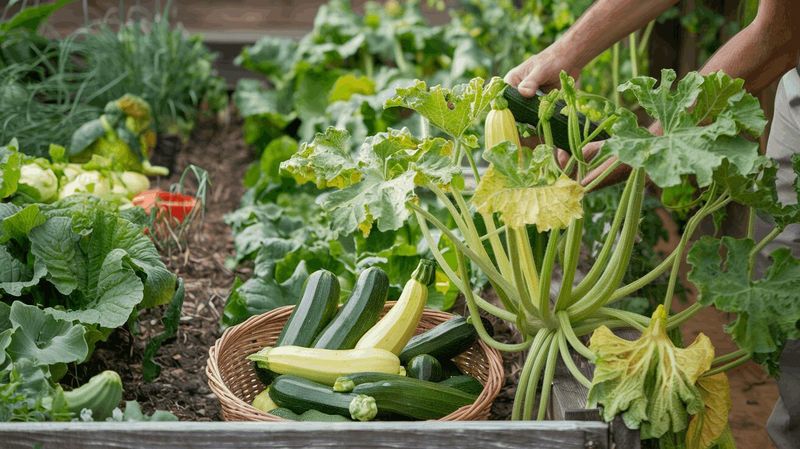
Zucchini has a well-earned reputation for producing more than most gardeners expect. Plant a couple of seeds in May and by late June, you may find yourself harvesting nearly every other day.
That kind of output is exactly what makes zucchini a staple in Ohio kitchen gardens where steady production through summer is the goal.
The key to keeping zucchini productive is harvesting fruits before they get too large. Smaller zucchini, around six to eight inches long, tend to taste better and the plant continues setting new fruits more reliably when picked at that size.
Letting one or two get oversized can slow down the whole plant considerably.
Zucchini grows best in full sun with rich, well-draining soil and consistent moisture. Ohio’s warm summer temperatures suit it well, though the plants can benefit from a layer of mulch around the base to help hold moisture during dry spells.
One thing to keep in mind is that zucchini plants take up a fair amount of space, so gardeners working with smaller plots may want to limit themselves to one or two plants and still end up with more than enough for the table throughout the summer.
4. Swiss Chard Stays Productive For Months
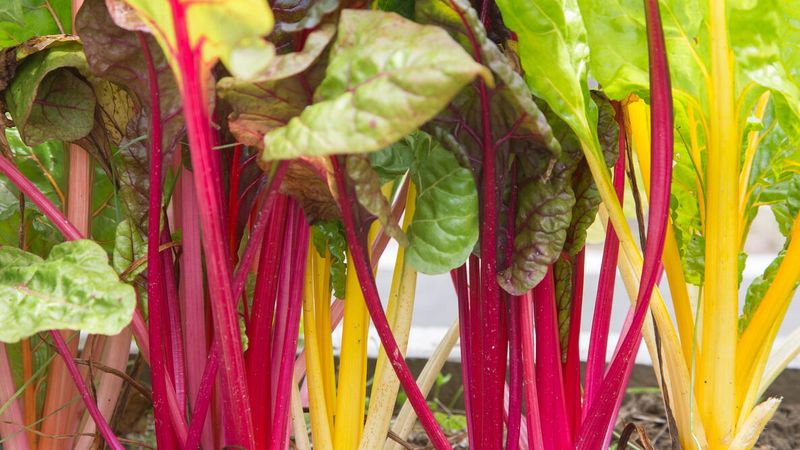
Swiss chard is one of those vegetables that earns its space in an Ohio garden by producing over a remarkably long stretch of time.
Unlike crops that finish in a single flush, Swiss chard keeps going as long as the outer leaves are harvested regularly and the plant is not allowed to bolt.
A May planting can easily carry through summer and into fall.
The cut-and-come-again nature of Swiss chard is part of what makes it so practical. Snipping the outer stalks down near the base encourages the center of the plant to keep pushing out new growth.
Within a week or two, fresh leaves are typically ready to harvest again. That rhythm suits gardeners who want something reliable in the garden without a lot of fuss.
Swiss chard handles Ohio’s summer heat better than spinach and stays productive even during warm stretches that would cause other greens to bolt quickly.
It grows well in raised beds and standard garden rows alike, and it tolerates a range of soil types as long as drainage is decent.
The colorful stems of varieties like Rainbow Chard also make it one of the more visually appealing crops in a backyard vegetable plot.
5. Kale Keeps The Garden Giving Longer
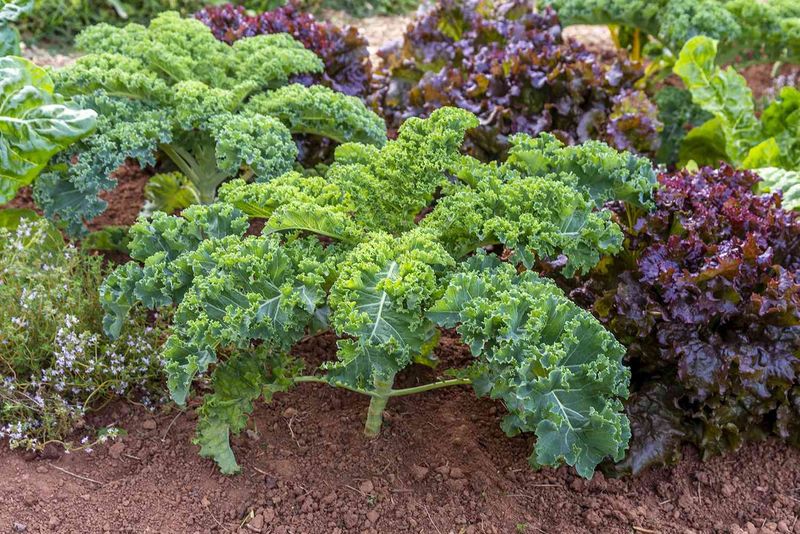
Planting kale in May gives Ohio gardeners a leafy green that can produce well into the cooler months of fall, making it one of the longer-lasting crops in a home garden.
While kale is often associated with cool weather, many varieties handle Ohio’s summer temperatures reasonably well, especially if they receive consistent watering and are not left to dry out during hot spells.
Harvesting kale from the outside in is the most reliable method for keeping plants productive. Removing the lower, more mature leaves while leaving the central growing tip intact allows the plant to keep pushing out fresh foliage.
Most Ohio gardeners find that a kale plant started in May reaches a good harvesting size by mid-summer and continues producing through the season.
Curly kale and Lacinato kale, sometimes called Dinosaur kale, are both solid choices for Ohio home gardens. Lacinato tends to handle summer heat a bit more gracefully and has a slightly milder flavor that some people prefer for fresh eating.
A light layer of mulch around kale plants can help moderate soil temperature during the hottest part of summer and keep moisture levels more consistent between waterings.
6. Cut-And-Come-Again Lettuce Varieties Keep Coming Back
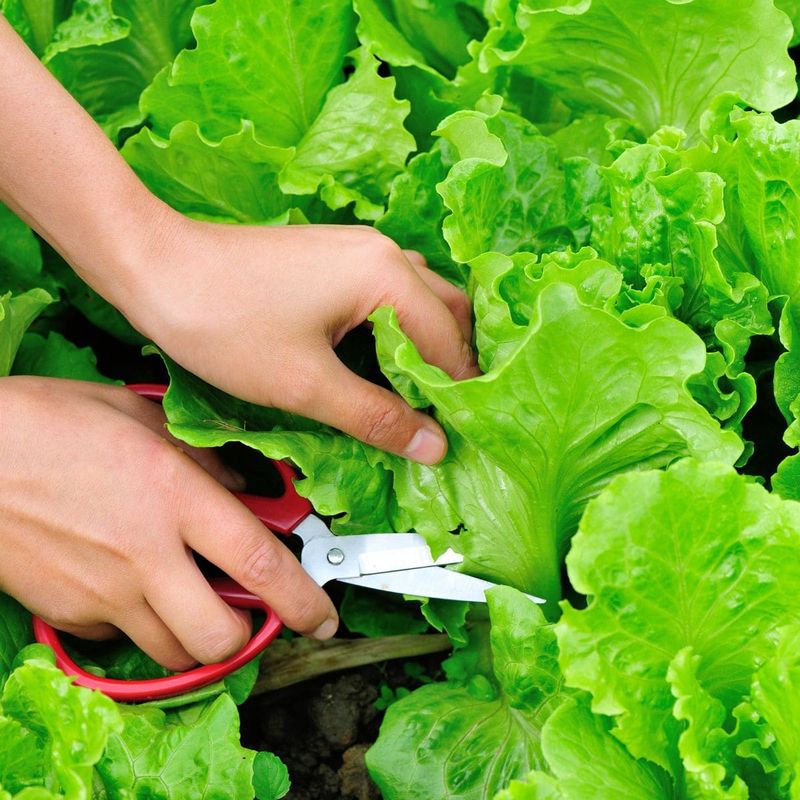
Loose-leaf lettuce varieties are some of the most satisfying crops to grow in an Ohio garden when the goal is ongoing harvests rather than a single cut.
Unlike head lettuce, which is harvested all at once, cut-and-come-again types regrow after the outer leaves are trimmed.
That habit makes them particularly useful for gardeners who want fresh salad greens available over a longer stretch of the season.
May is a good month to get loose-leaf lettuce established in Ohio, though the timing matters a little more with this crop than with some others.
Lettuce prefers cooler conditions and will bolt, meaning it sends up a flower stalk and turns bitter, once temperatures climb consistently into the upper 80s.
Planting in a spot that receives some afternoon shade can help extend the harvest window during warmer stretches.
Varieties like Black Seeded Simpson, Red Sails, and Oakleaf are well-suited to Ohio spring and early summer conditions. Starting seeds directly in the garden or transplanting young starts in early May gives plants a head start before summer heat builds.
Some gardeners also use shade cloth over their lettuce beds to stretch the season a bit further into July when temperatures allow.
7. Early May Spinach Still Earns Its Spot
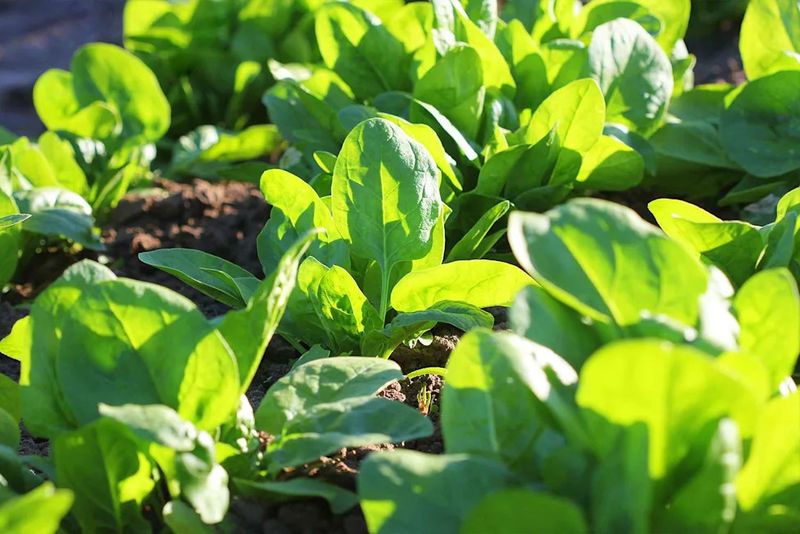
Spinach is a cool-season crop, and most Ohio gardeners know that the window for growing it closes as summer heat builds. Even so, getting spinach into the ground in early May is still worthwhile.
The plants can produce a solid harvest before bolting, and with a little planning, that early-May planting can supply fresh leaves for several weeks before the heat becomes a factor.
Choosing bolt-resistant varieties makes a meaningful difference when planting spinach this late in the spring.
Types like Tyee and Bloomsdale Long Standing hold up reasonably well as temperatures rise and tend to give a longer harvest window than standard varieties.
Planting in a slightly shaded spot, or using shade cloth, can also help push the season a bit further.
Spinach is one of the fastest-maturing vegetables a home gardener can grow, which is part of why it still earns a place in May plantings even with its heat sensitivity. Baby leaves can be harvested in as little as 25 to 30 days, and full-sized leaves follow shortly after.
For Ohio gardeners who love fresh spinach in salads and sauteed dishes, squeezing in one more planting before summer fully arrives is a habit worth keeping.
8. Basil Keeps Summer Flavor Within Reach
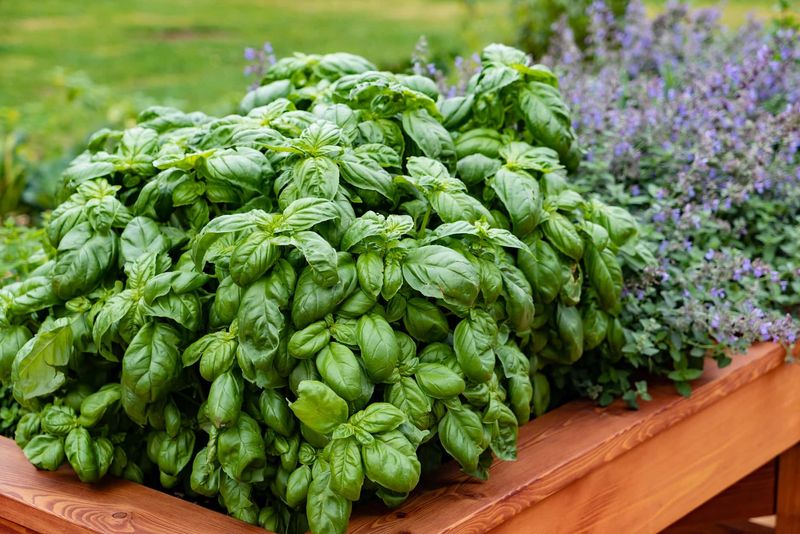
Warm nights and sunny days are exactly what basil needs to thrive, and May in Ohio finally starts delivering both with some consistency.
Waiting until nighttime temperatures stay reliably above 50 degrees before transplanting basil outdoors is a good habit, since this herb is sensitive to cold and can struggle when exposed to cool conditions too early in the season.
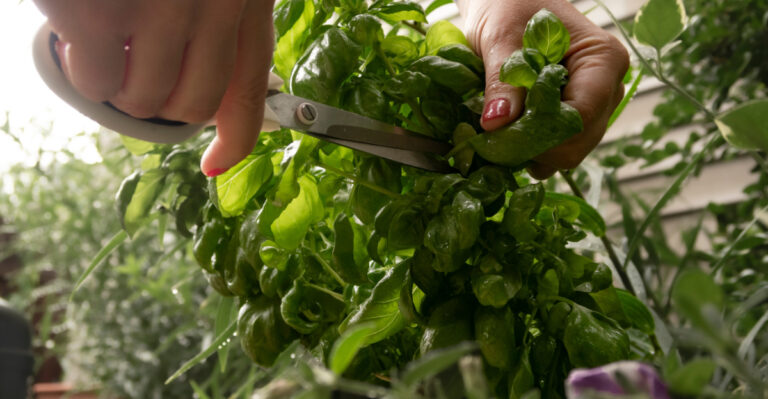
Regular harvesting keeps basil plants bushy, productive, and full of flavor all summer long. Pinching off the growing tips as soon as the plant starts to flower prevents it from going to seed, which can cause the leaves to lose some of their characteristic sweetness.
Most Ohio gardeners find that a plant trimmed back regularly produces far more usable foliage than one left to grow unchecked.
Sweet basil is the most commonly grown type in Ohio home gardens, but varieties like Genovese, Thai basil, and lemon basil also do well in the state’s summer conditions.
Basil grows happily in containers, raised beds, and standard garden plots, making it flexible enough to fit almost any setup.
Growing it near tomato plants is a popular choice, and the two crops share similar growing conditions, which makes managing them together fairly straightforward throughout the summer.
9. Cherry Tomatoes Keep The Harvest Bowl Full
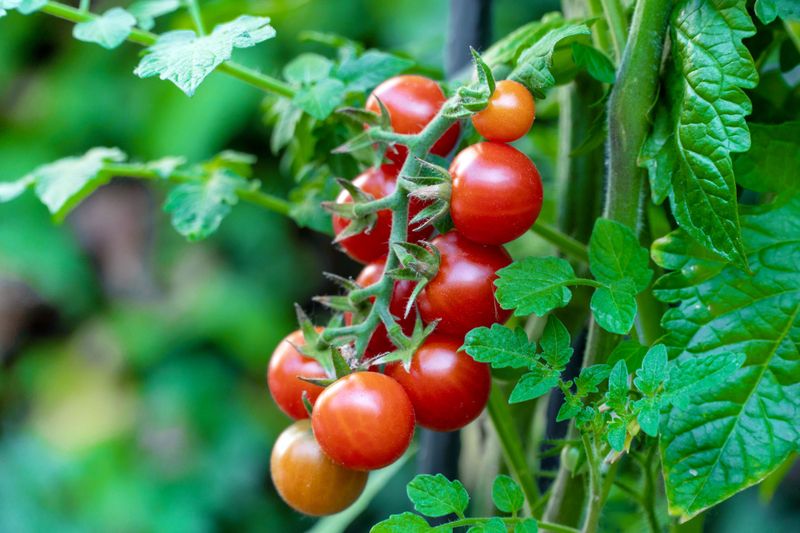
Cherry tomatoes are among the most rewarding crops an Ohio gardener can plant in May.
They tend to mature faster than larger tomato varieties, meaning the wait from transplant to first harvest is shorter, and once they start producing, they keep going in a near-constant stream through the rest of summer.
For anyone who has ever checked their garden daily hoping for that first ripe tomato, cherry types offer a satisfying answer.
Planting cherry tomato transplants outdoors in mid-to-late May, after frost risk has passed, gives plants plenty of time to establish before the peak of summer.
Most cherry tomato varieties begin setting fruit within 55 to 70 days of transplanting and continue producing heavily as long as plants stay healthy and well-watered.
Consistent moisture is especially important once fruits begin to develop, since irregular watering can sometimes lead to splitting.
Varieties like Sun Gold, Sweet 100, and Black Cherry are popular among Ohio home gardeners for their flavor and reliable output. Most cherry tomato plants benefit from staking or caging to keep the vines upright and the fruit off the ground.
Checking plants every day or two during peak season and harvesting ripe fruits promptly tends to encourage continued production through late summer.
10. Peppers Reward Patience With Long Harvests
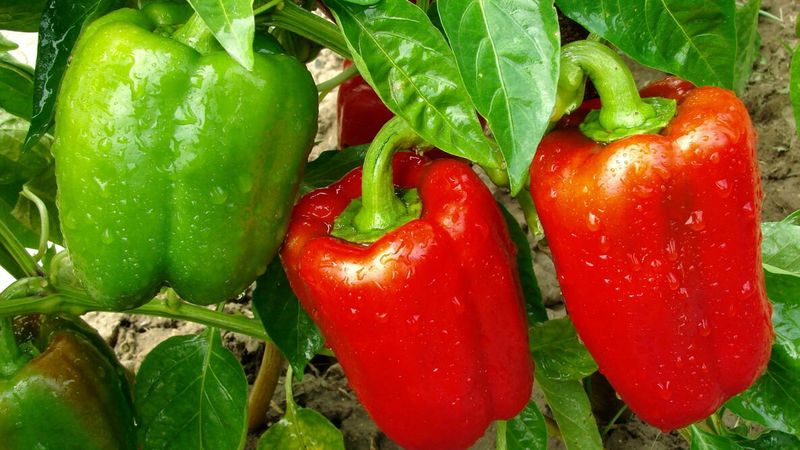
Peppers take a little longer to hit their stride than some other warm-season crops, but the wait is genuinely worth it.
Transplanting pepper seedlings into Ohio gardens in mid-to-late May, once the soil has warmed and frost risk is behind us, gives plants the stable conditions they need to establish strong roots and eventually produce a long, generous harvest that stretches well into fall.
Both sweet and hot pepper varieties do well in Ohio’s summer climate.
Bell peppers, banana peppers, and jalapenos are all common sights in Ohio home gardens, and each type continues producing fruits over a long stretch rather than delivering a single heavy flush.
Picking peppers regularly, whether green or fully ripe, encourages plants to keep setting new fruits throughout the season.
Peppers grow best in full sun with well-draining soil and steady moisture. They are more sensitive to cold than tomatoes and can stall in growth if nighttime temperatures drop into the low 50s, so timing the transplant correctly matters.
Once summer warmth settles in across Ohio, peppers tend to grow steadily and reward patient gardeners with a harvest that can last from mid-summer all the way through the first cool nights of September and beyond.