These Kentucky Wild Edibles Come With Picking Restrictions On State Lands
That patch of ramps might trigger consequences you never expected on state park land. Kentucky requires you to learn exactly which plants stay legally protected. Your instinct pulls you toward grabbing it before anyone notices.
Rangers patrol these trails constantly, and they notice foragers like you fast. Morels tempt you every single spring, drawing crowds without warning. Wildlife management areas hold specific rules you might not expect at all.
Nature preserves guard rare species you probably cannot even identify. Certain roots and fungi carry real risk for you. Picking the wrong plant could land you in serious trouble.
Officials track violations closely, and you could face real consequences. Kentucky’s ecosystems depend on restraint you may not practice. Every trail holds temptation that pulls you forward.
Understanding these limits protects you from unnecessary trouble. Knowledge moves you past uncertainty toward smarter foraging. You need to know exactly what you cannot touch.
1. Ramps
Spring hikers know the smell before they see them. That sharp, garlicky aroma drifting through a hardwood forest means ramps are nearby.
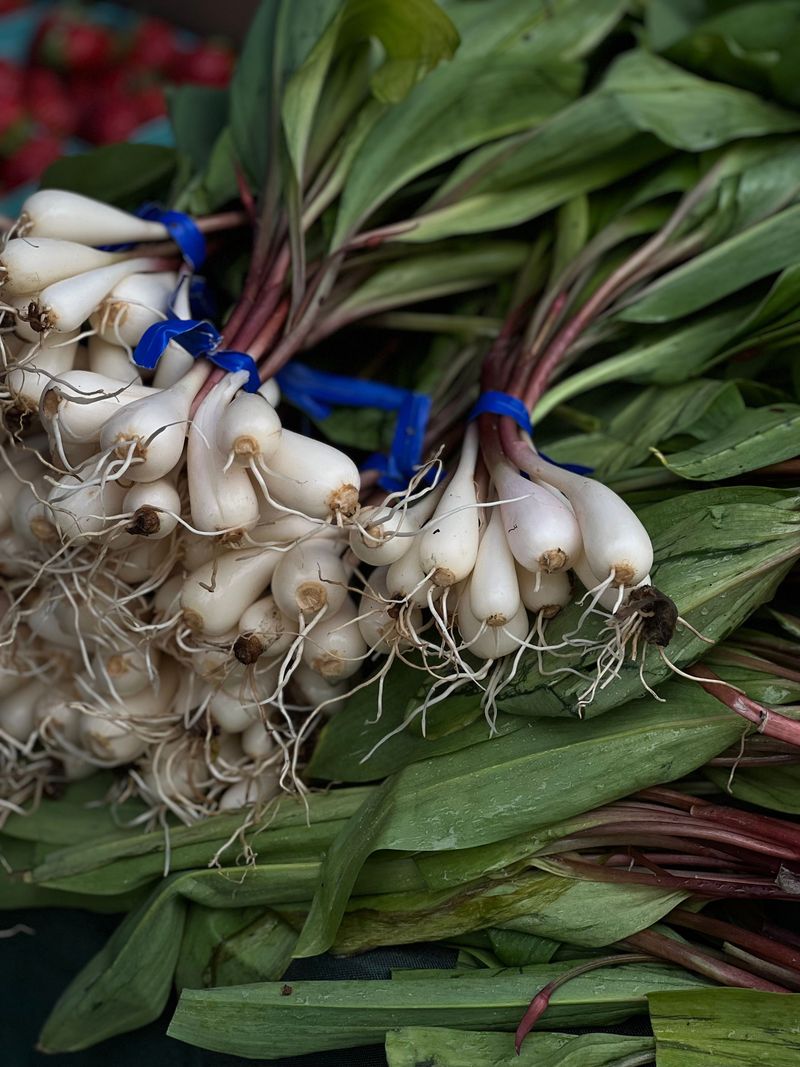
Ramps, also called wild leeks, are one of the most beloved foraged foods in Appalachian culture. Families have gathered them for generations during early spring. They taste like a bold cross between garlic and green onion.
On Kentucky state lands, picking ramps is prohibited without a permit. The reason is simple: ramps grow slowly and take years to establish a healthy patch.
A single ramp plant can take five to seven years to reach harvestable size. Overpicking wipes out entire colonies fast. Once a patch is gone, it does not bounce back quickly.
Ramp populations have declined sharply across Appalachia due to commercial harvesting pressure. State lands serve as refuges where these plants can grow undisturbed. That protection matters more now than ever.
If you want to enjoy ramps legally, look for farmers markets in spring. Many local growers sell them fresh during peak season. Some landowners also allow foraging on private property with permission.
Growing your own ramps is another satisfying option. They thrive in shaded garden beds with rich, moist soil. Patience is required, but the reward is worth every year of waiting.
Respecting ramp regulations helps preserve this iconic plant for future hikers. Leave them on the forest floor and appreciate the scent for free.
2. American Ginseng
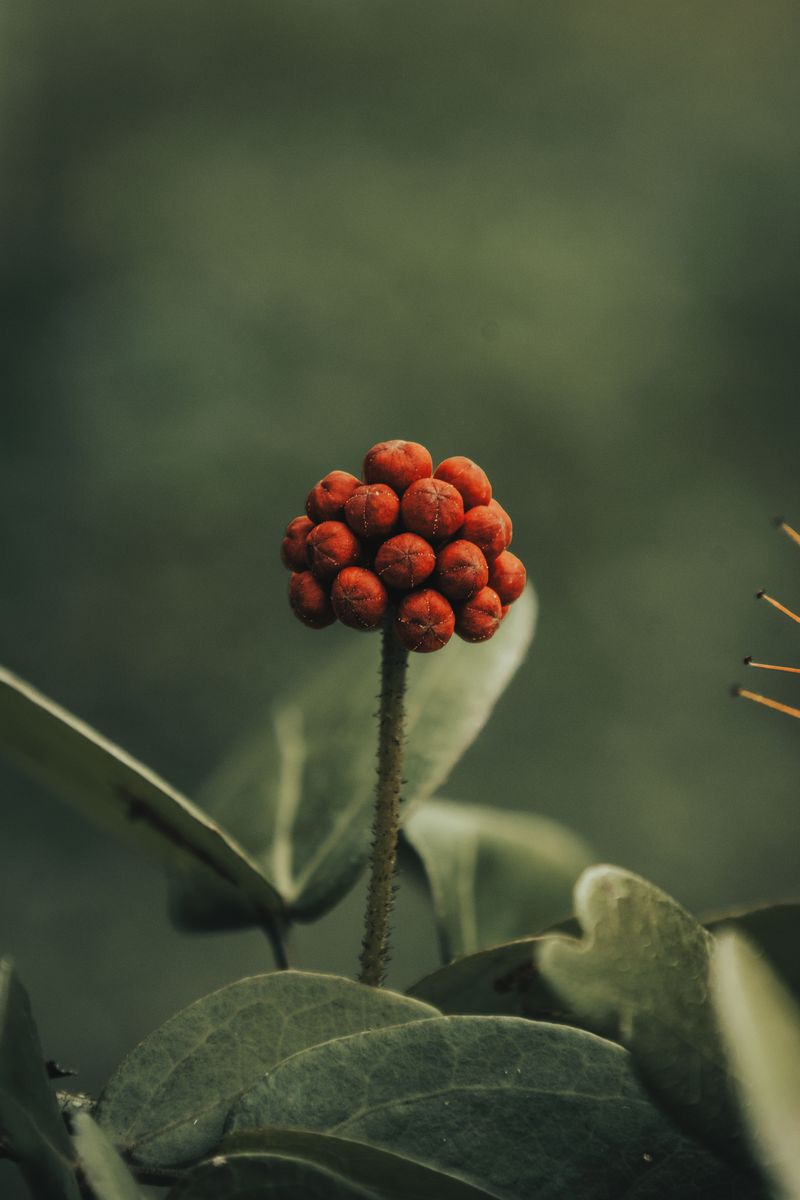
Few plants carry more legend than American ginseng. Native cultures prized it for centuries, and international demand for it remains fierce today.
Ginseng roots can sell for a significant sum per pound in dried form, with prices fluctuating by market and season. On Kentucky state lands, harvesting ginseng is strictly illegal without proper authorization.
The plant grows slowly in shaded hardwood forests, often alongside black cohosh and trillium. Identifying it requires knowing its distinctive five-leaflet pattern and bright red berries. Many people walk right past it without recognizing what they see.
Kentucky actually has a regulated ginseng season on private lands, running from September first through November thirtieth.
Your Kentucky Garden Changes Every Week. Your Plan Should Too.
Gardening in Kentucky changes quickly throughout the season. Every Friday you’ll receive a simple weekly plan showing exactly what to plant, prune, fertilize, harvest, and protect so you never miss the right timing.
But state parks and nature preserves are completely off-limits year-round. Conservation officers actively patrol known ginseng areas during harvest season.
Poaching ginseng from state lands can carry serious penalties, including fines, loss of hunting and fishing licenses, and in some cases jail time. Authorities use trail cameras and informants to catch violators.
American ginseng is listed as a species of concern under international trade agreements. The U.S. Fish and Wildlife Service monitors exports closely. Each state must certify that harvested roots come from legal, sustainable sources.
If you spot ginseng on a hike, the best move is to photograph it and walk away. Reporting large patches to state wildlife officials actually helps with conservation tracking. Your photo could contribute to science without breaking a single rule.
3. Pawpaw Fruit
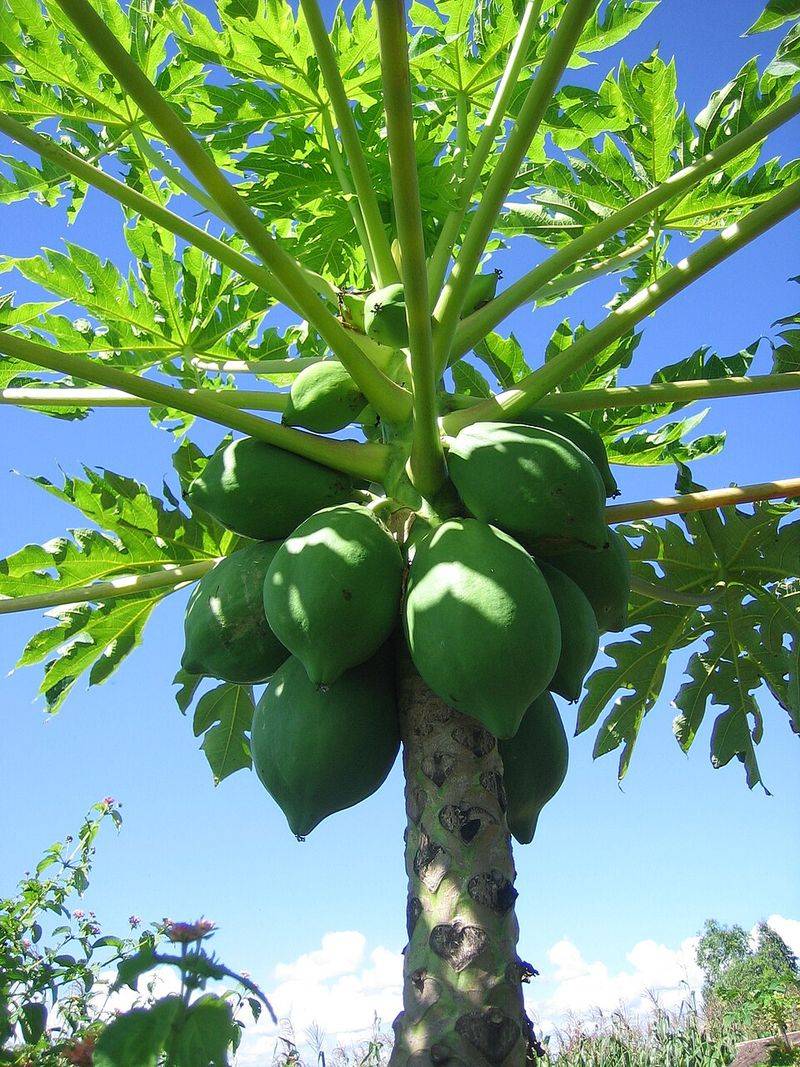
Pawpaws taste like a banana and mango had a wild forest baby. They are North America’s largest native fruit, and they grow right here in Kentucky.
Finding a ripe pawpaw on a trail feels like discovering treasure. The creamy, custard-like flesh is sweet, rich, and unlike anything you can buy at a grocery store. That novelty makes them incredibly tempting to grab.
Collecting pawpaws on Kentucky state lands without authorization is prohibited. State nature preserves protect pawpaw groves as part of the native ecosystem. These trees support wildlife including deer, raccoons, and zebra swallowtail butterflies.
The zebra swallowtail butterfly depends entirely on pawpaw leaves to complete its life cycle. Removing fruit from state land disrupts more than just the food supply. It affects the whole web of creatures connected to that grove.
Pawpaw trees are also notoriously tricky to transplant. They develop deep taproots and prefer specific soil conditions. Wild groves on public land represent decades of natural establishment.
Luckily, pawpaw enthusiasm has grown across the country. Specialty nurseries now sell cultivated pawpaw trees for home gardens. Planting one is a legal and rewarding way to enjoy this extraordinary fruit.
Local orchards in Kentucky sometimes offer pawpaw picking events in September. Ohio hosts a famous Pawpaw Festival each fall that draws thousands of fans. Seek out those experiences instead of picking from protected land.
Wild pawpaws belong to the forest and the creatures that depend on them. Admire them on your hike and plan your own backyard grove instead.
4. Wild Blackberries
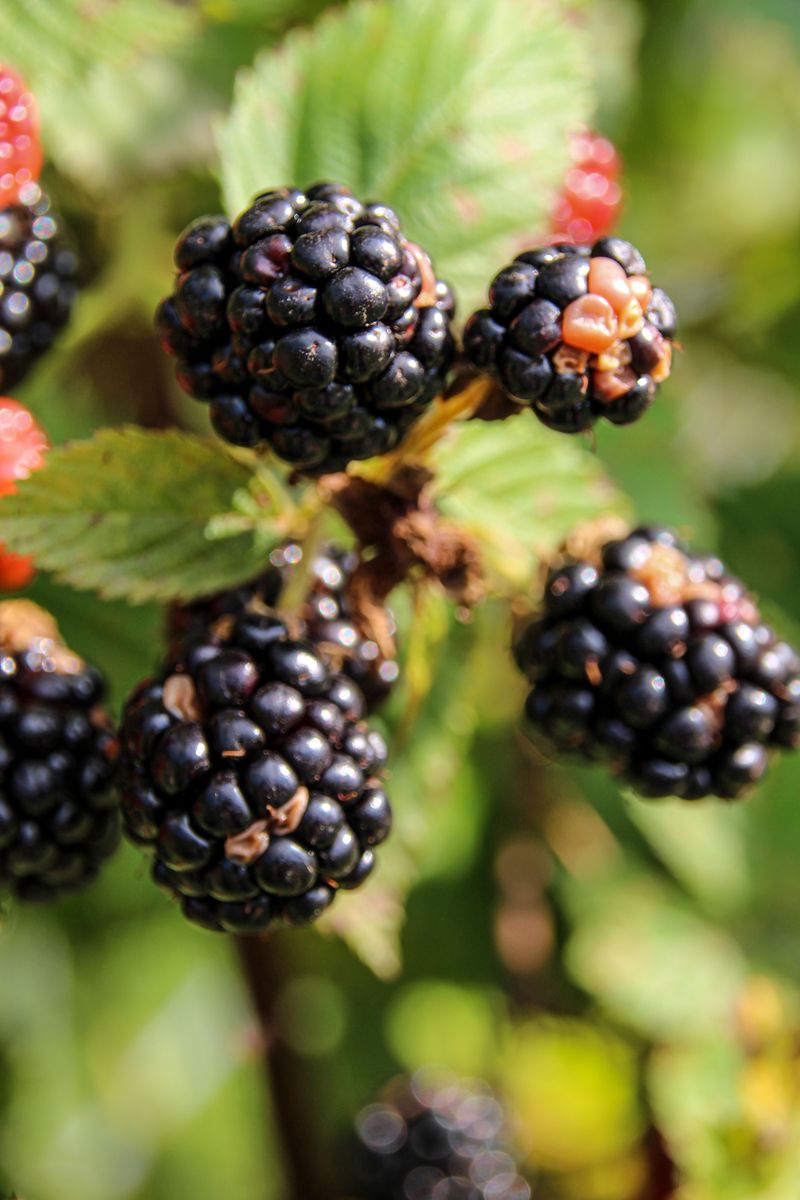
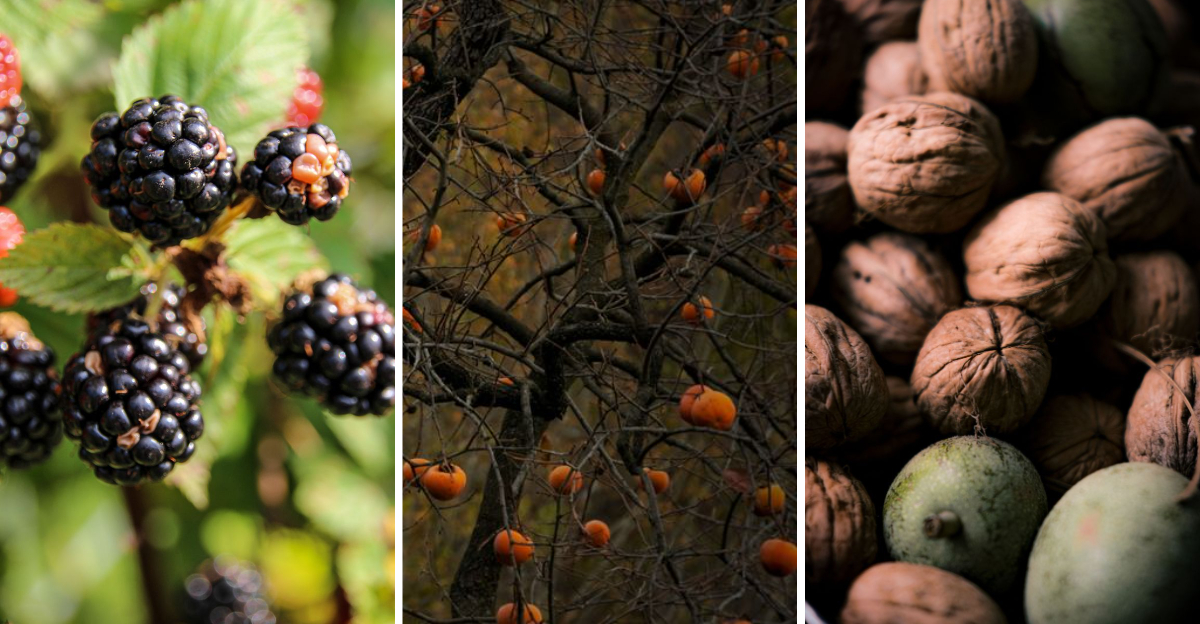
Blackberries feel like the most innocent thing in the world to pick. They grow along roadsides, fence lines, and forest edges everywhere in summer.
On private land with permission, picking wild blackberries is a classic summer activity. But on Kentucky state lands, including state parks and wildlife management areas, removing native plants and fruits is generally prohibited.
That rule applies to blackberries just like it does to rarer species. The reasoning goes beyond protecting the berries themselves. Wild blackberries are a critical food source for dozens of bird and mammal species.
Bears, foxes, wild turkeys, and songbirds all depend on those berries during summer and fall. Blackberry thickets also provide essential nesting cover for ground-nesting birds. Removing canes or stripping fruit disrupts habitat in ways that ripple outward.
Even a small patch supports more life than most people realize. Some state parks post signs specifically about not picking berries or flowers. Rangers enforce these rules and can issue citations on the spot.
Fines vary by location but are not trivial. The good news is that blackberries are one of the easiest wild fruits to grow at home. Many cultivated varieties produce enormous, sweet berries with fewer thorns than wild types.
A single cane can spread into a productive thicket within two seasons. U-pick farms across Kentucky also offer legal blackberry picking during summer months. A quick online search will turn up options close to home.
Supporting those farms is a win for your taste buds and local agriculture. Wild blackberries on state land are meant for wildlife. Find a farm, plant your own canes, and let the birds enjoy their buffet in peace.
5. Morel Mushrooms
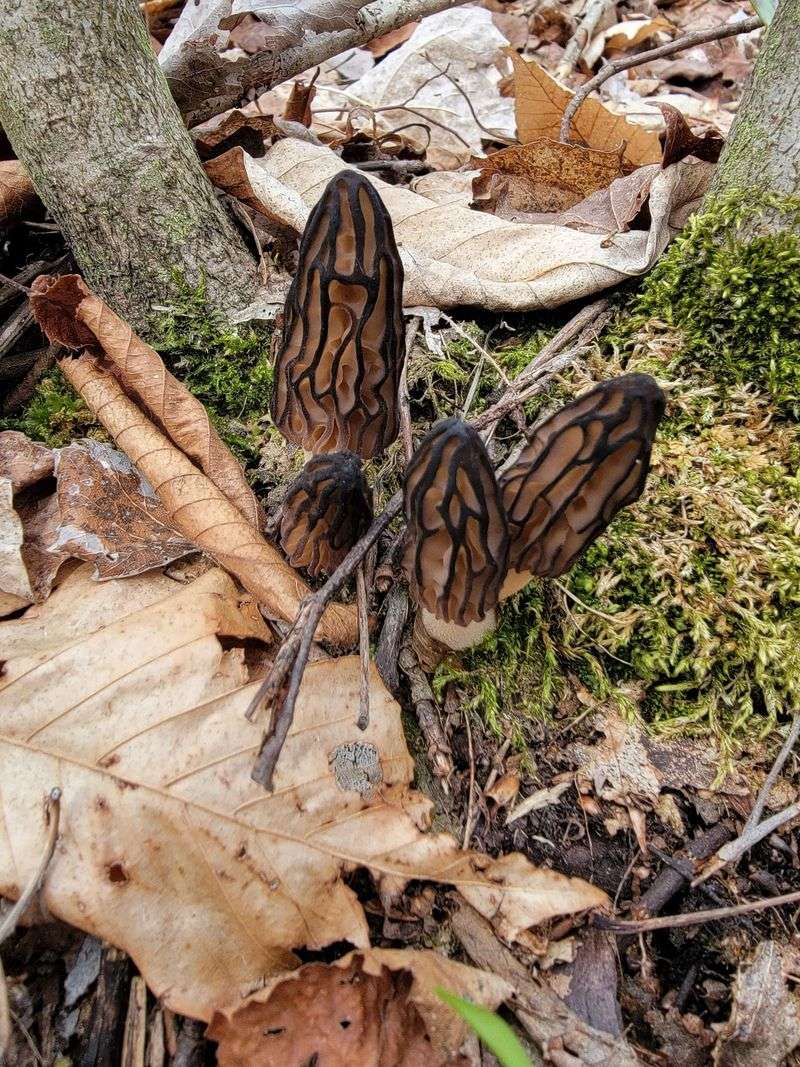
Morel season is practically a holiday for foragers. That short spring window when morels pop up sends experienced hunters scrambling into the woods with bags and baskets.
Morels are among the most prized edible fungi in North America. Their honeycomb caps, earthy aroma, and rich flavor make them a chef’s dream.
A single pound of fresh morels can sell for a premium price at market, with rates varying by region and season.
On Kentucky state lands, collecting morels is illegal without written authorization. This distinction surprises many people who assume all public land follows the same rule. The reality is that morel populations are more fragile than they appear.
Morels have a complex relationship with specific trees, especially stressed elms, ash trees, and old apple orchards.
They fruit unpredictably and cannot be cultivated reliably at commercial scale. Overharvesting in a single spot can reduce future fruiting for years.
State nature preserves protect morel habitat as part of broader forest ecosystem management. Rangers have issued citations to surprised hikers who thought a quick pick was harmless. Not knowing the rule in advance won’t prevent a citation.
Private land foraging for morels is legal in Kentucky with landowner permission. Many rural property owners happily share access in exchange for a portion of the haul. Building those relationships is part of the foraging tradition.
Joining a local mycological society is another smart move. These clubs organize legal forays on appropriate lands and teach identification skills.
Learning from experienced hunters makes the hobby safer and more rewarding. Morels on state land belong to the forest. Pursue them legally and the tradition stays alive for everyone.
6. Wild Persimmons
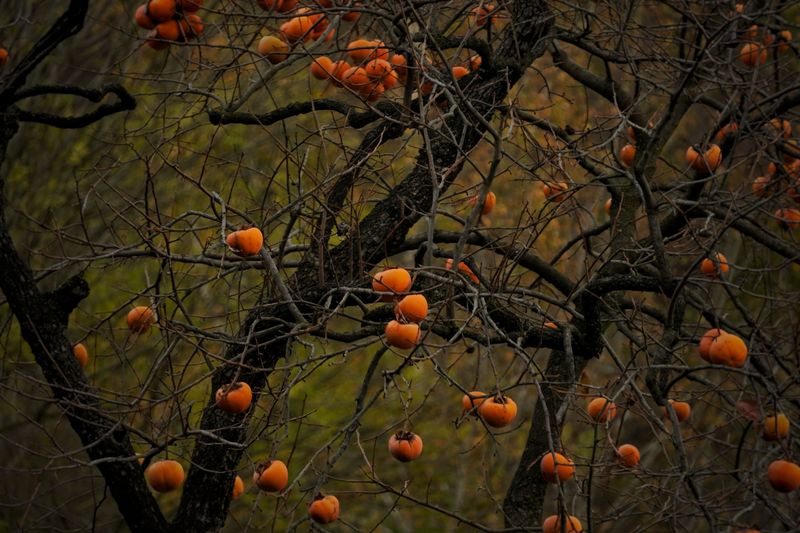
Bite into an unripe wild persimmon and your mouth will pucker sharply from the tannins. Wait for frost, though, and they transform into something magical.
Wild persimmons are small, intensely sweet fruits that ripen in late fall across Kentucky’s forests and field edges. Native Americans used them for food, beverages, and even bread. Wildlife absolutely love them, especially deer, opossums, and birds.
Collecting wild persimmons on Kentucky state lands is prohibited under general plant-removal regulations. These fruits play a major role in fall and winter wildlife nutrition.
Removing them from protected areas reduces food availability for animals during lean months.
Wild persimmon trees are also slower to establish than many people expect. They spread through animal-dispersed seeds, meaning the wildlife that eat them also plant the next generation. Disrupting that cycle has long-term consequences for forest regeneration.
The American persimmon is a native species distinct from the large Asian persimmons sold in grocery stores. Wild ones are smaller, seedy, and far more flavorful when fully ripe.
Their sweetness after frost is something a store-bought fruit simply cannot match. Growing a native persimmon tree at home is a realistic and rewarding project. Named cultivars like Meader and Yates produce reliably heavy crops.
A mature tree requires almost no care and provides decades of autumn harvests. Foragers who want the wild experience can seek out persimmons on private land with permission.
Many farmers consider them a nuisance tree and welcome help cleaning up fallen fruit. That arrangement works out well for everyone involved.
Protecting persimmons on state land keeps wildlife fed through winter. A backyard tree gives you the same joy without the legal risk.
7. Elderberries
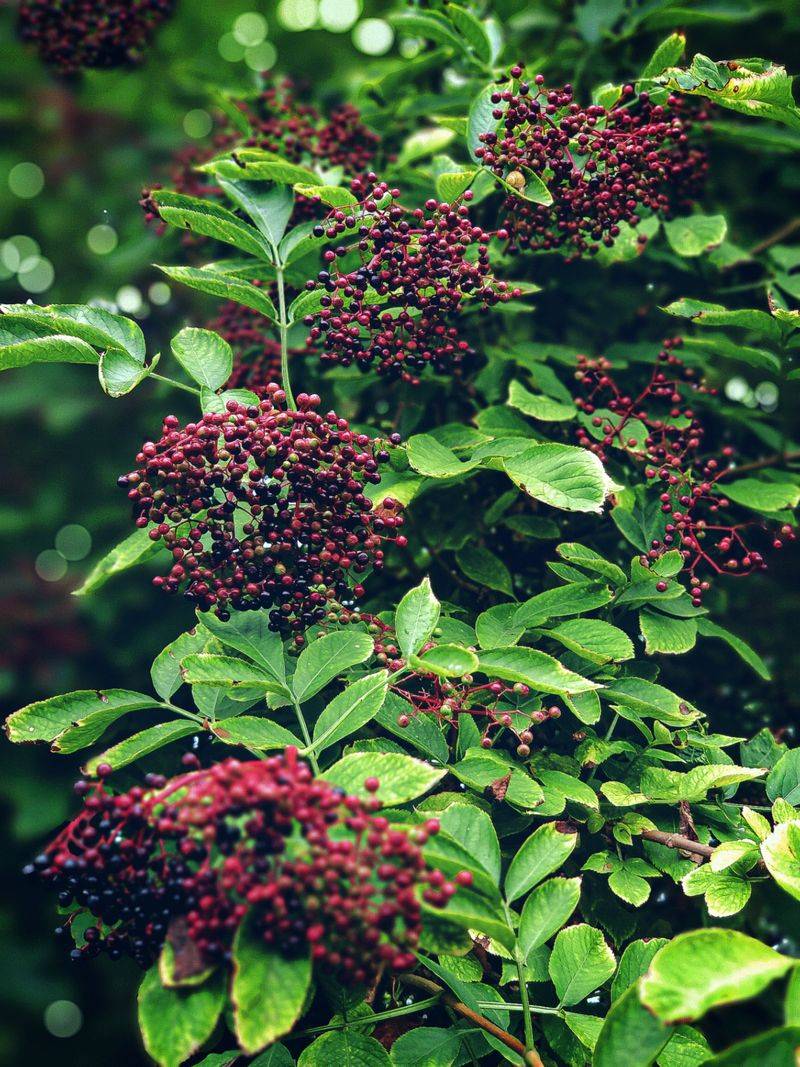
Elderberries have surged from a folk remedy into a mainstream wellness product in just a few years. Syrups, gummies, and teas featuring elderberry now fill health food store shelves nationwide.
That surge in demand has put pressure on wild populations. Elderberry shrubs grow across Kentucky in moist areas near streams, roadsides, and forest edges.
On state lands, removing any native plant material, including elderberries, is prohibited without authorization.
Elderberry shrubs provide layered ecological value beyond their fruit. Their flowers attract dozens of native pollinator species in early summer. The berries feed migrating birds in late summer when other food sources are scarce.
Stripping elderberry clusters from shrubs on protected land removes a critical resource from that ecosystem. Even well-intentioned harvesters can cause damage when enough people hit the same patch. Public lands simply cannot sustain that kind of pressure.
Elderberries are one of the easiest native shrubs to grow at home. Nurseries sell named varieties like Bob Gordon and Adams that produce heavy, consistent crops. A single shrub can yield several pounds of berries per season within two years of planting.
Home-grown elderberries are also safer because wild plants can be confused with toxic look-alikes.
Water hemlock and pokeweed are sometimes mistaken for elderberry by inexperienced foragers. Growing a labeled cultivar at home removes that identification risk entirely.
Farmers markets and local homesteaders often sell elderberry products or fresh berries during harvest season. Supporting those small producers is a great way to enjoy elderberries while keeping money in the local economy.
State lands protect elderberry shrubs so pollinators and birds can thrive. Plant your own and you get the harvest without the fine.
8. Black Walnuts
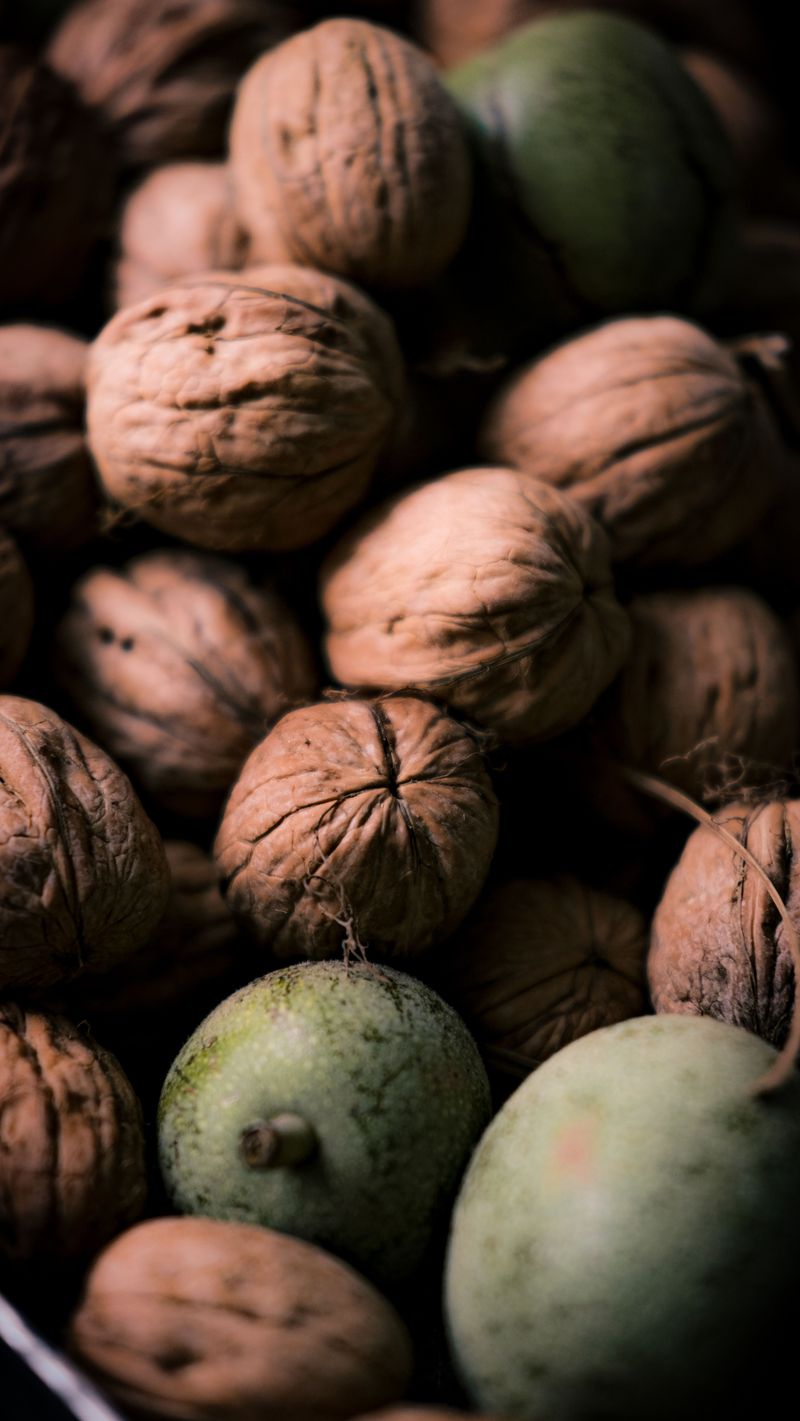
Black walnuts hit the ground every fall with a satisfying thud. Their sharp, distinctive scent fills the air around any mature tree in autumn.
These nuts are a beloved foraging target across Kentucky. The bold, earthy flavor sets black walnuts apart from the milder English walnuts sold in stores. Bakers and candy makers prize them for their intensity.
Collecting black walnuts on Kentucky state lands is prohibited under plant-removal rules. This surprises many people who see the nuts lying on the ground and assume they are free for the taking. But on protected land, those nuts belong to the ecosystem.
Squirrels, deer, and wild turkeys depend heavily on black walnuts as a high-fat food source before winter. The nuts that go uneaten also germinate and grow the next generation of trees.
Removing them from state land disrupts both wildlife nutrition and natural forest regeneration.
Black walnut trees themselves are incredibly valuable. The timber is prized for furniture and gunstocks, making mature trees targets for illegal logging.
State lands protect these trees from both lumber poachers and overzealous nut collectors. Private property is a different story. Many homeowners with black walnut trees are happy to let neighbors collect fallen nuts.
Asking politely often gets a warm yes and a full bucket. Roadside trees on public right-of-way present a gray area that varies by county. Checking with your local road department clarifies what is allowed.
A little research prevents an awkward encounter with a conservation officer. These Kentucky wild edibles, including black walnuts, deserve protection on state lands. Harvest them legally and the tradition of foraging stays strong for generations ahead.